

While a lot of famous historical heroes might seem impressive, their stories seem rather different once you go past the stuff that made it into the schoolbooks.
The other side of the FBI legend
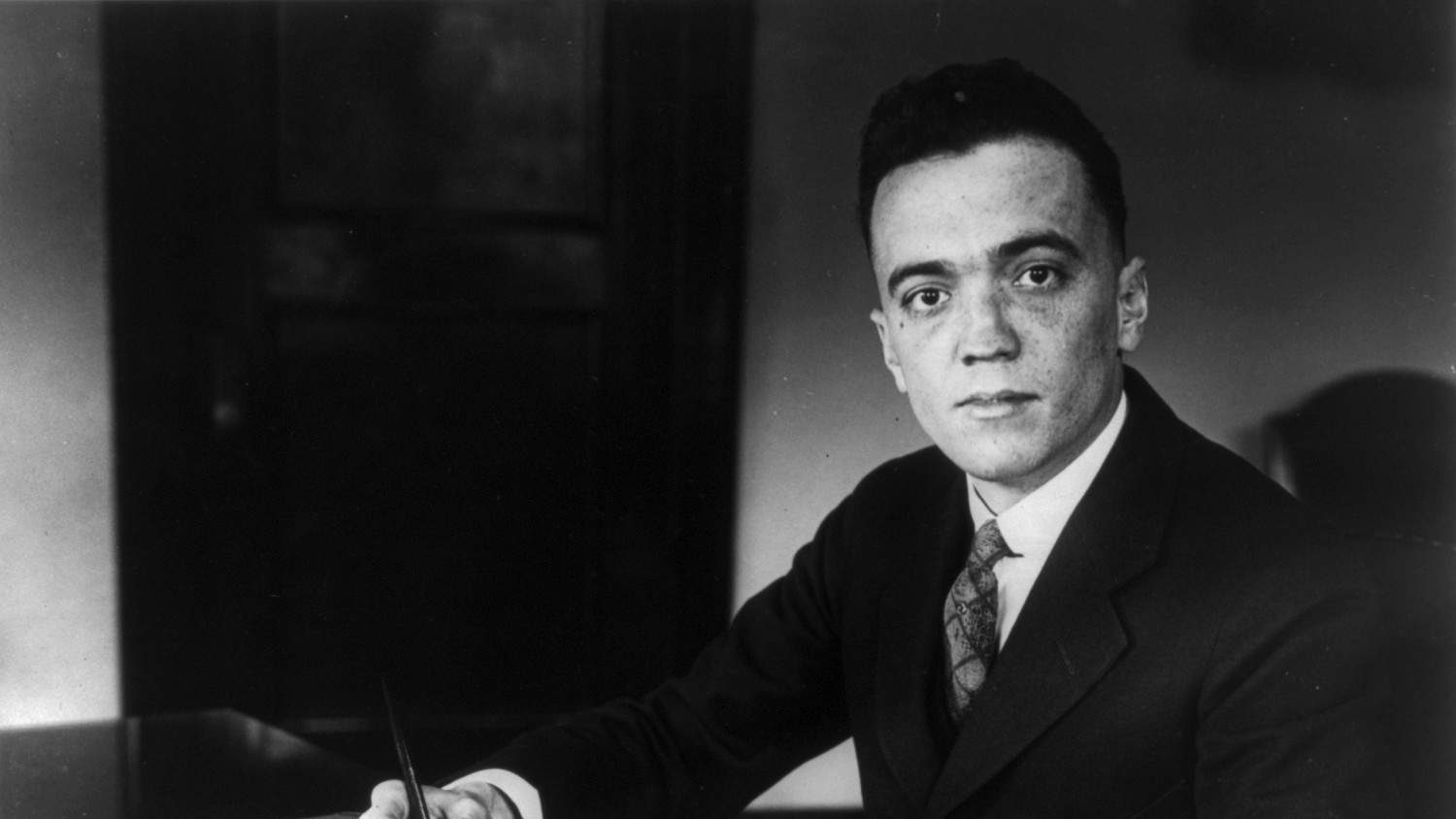
J. Edgar Hoover spent nearly half a century running the FBI. It’s easy to see why people saw him as bringing order to American law enforcement, as he was the one who helped catch bank robbers and kidnappers. But it was a different story behind the scenes.
The FBI ran a program called COINTELPRO that infiltrated and disrupted political groups. These included civil-rights organizations. Hoover also pushed for Martin Luther King Jr. to undergo surveillance, and he personally requested permission to wiretap him in 1963. The evidence used to justify that surveillance was paper-thin at best.
Not quite the rebel people remember

We remember writer Jack Kerouac as the guy who hit the road and rejected boring conformity. He was the father of the counterculture. That much is true, but his actual politics don’t really support that positive image all too well, as Kerouac supported Senator Joseph McCarthy.
He was very hostile toward the same 1960s protest culture that saw him as an influence. It gets worse, though. He privately wrote some rather antisemitic things and seemed to support racial stereotypes. He wasn’t exactly the open-minded rebel that you might picture.
A closed door in Canada
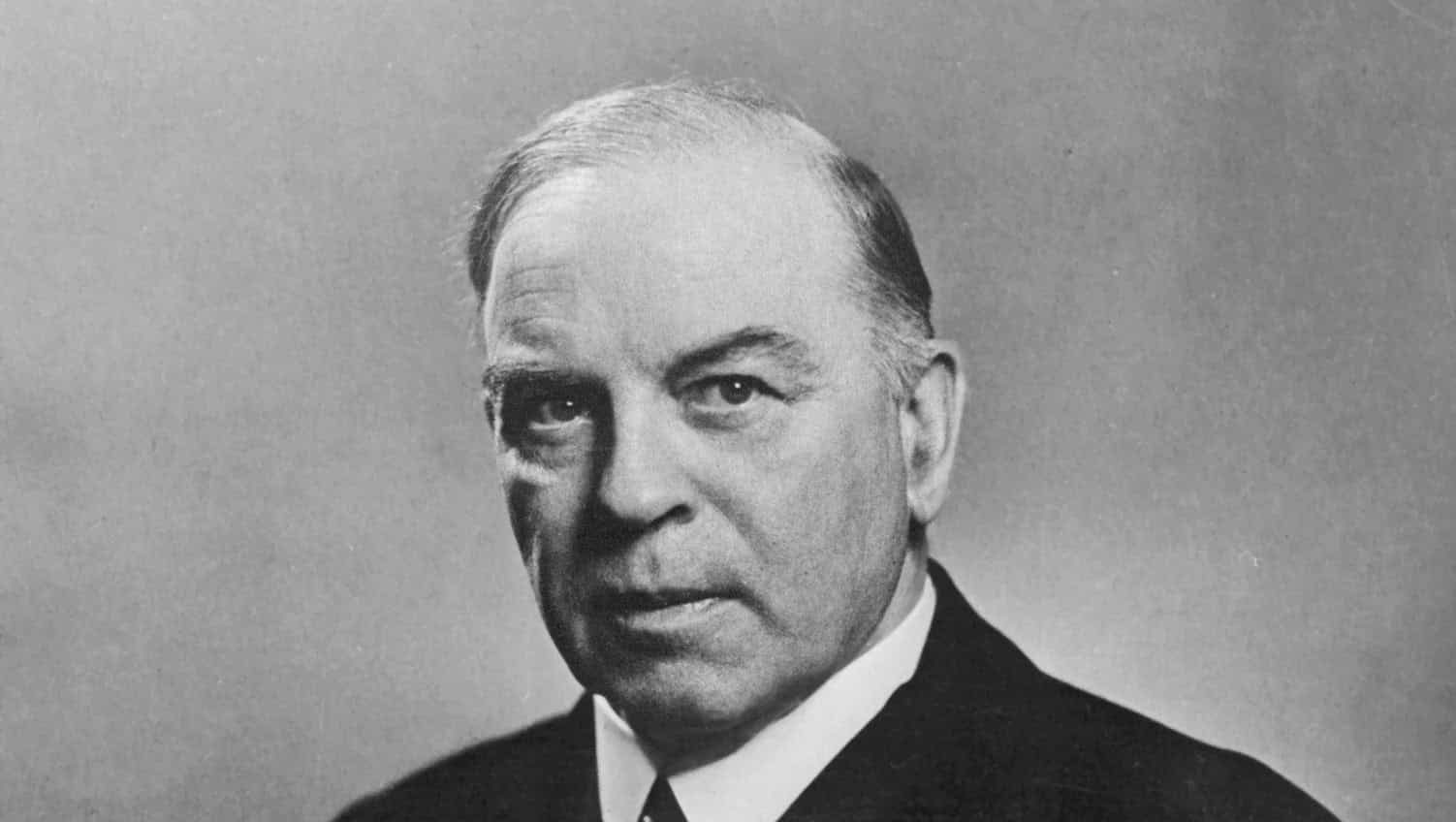
It’s true that William Lyon Mackenzie King led Canada through most of World War II and is one of the country’s biggest political names. It’s also true that his government chose to refuse entry to many Jewish refugees who were trying to escape Nazi Europe.
Yes, in 1939, Canada refused to accept the Jewish passengers aboard the MS St. Louis. They forced the ship to return to Europe, where some of the passengers died during the Holocaust. Under King, Canada admitted fewer Jewish refugees during the Nazi era than other Western countries. Hardly the kind of behavior you’d expect from a wartime hero.
Before the polio triumph
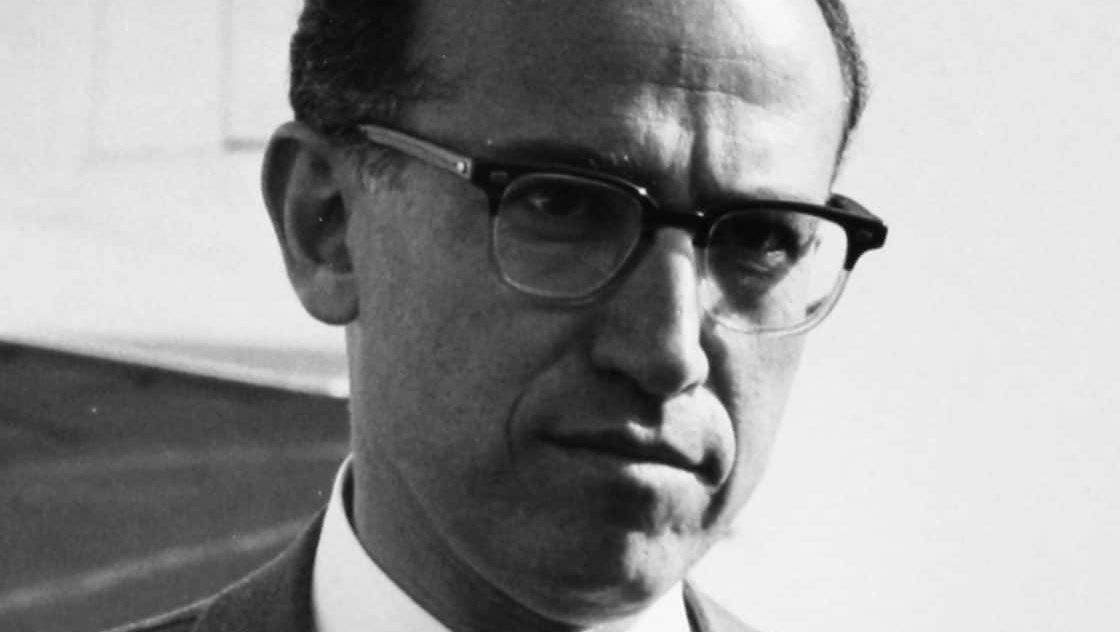
People hear the name Jonas Salk and think of one thing only, and that’s the polio vaccine. There’s no denying that his work changed the lives of families across the world. But that work came at a cost. Salk tested experimental vaccines on children living in institutions, including the D.T. Watson Home and Polk State School in Pennsylvania.
Most of the children suffered intellectual disabilities and couldn’t consent to being tested on. Salk later ran a larger vaccine trial in 1954.
The maneuver wasn’t his only medical idea

It’s thanks to Henry Heimlich that we have the Heimlich maneuver, something that has saved numerous people over the years. Yet what most people don’t know is about his later medical campaign. Heimlich became convinced that malaria could help treat HIV/AIDS, and he encouraged doctors to deliberately infect patients with it. He wanted to produce high fevers.
It doesn’t take a genius to see why that was a bad idea, and even the CDC stepped up to reject his claims. Yet Heimlich continued to promote them. He argued in favor of intentionally infecting patients with a dangerous disease, despite practically every medical authority disagreeing.
Human rights had an exception

Jimmy Carter sure did a lot of work in his post-presidential life. He built houses with Habitat for Humanity and monitored elections. He even won the Nobel Peace Prize in 2002, although his time as president wasn’t so positive.
Indonesia invaded the territory of East Timor in 1975 and was carrying out a brutal occupation.
Carter chose to supply weapons to Indonesia and increased both U.S. military aid and sales to the nation. This was even though many local people in East Timor were being killed and displaced. There was a famine going on, too.
Long before Brown v. Board
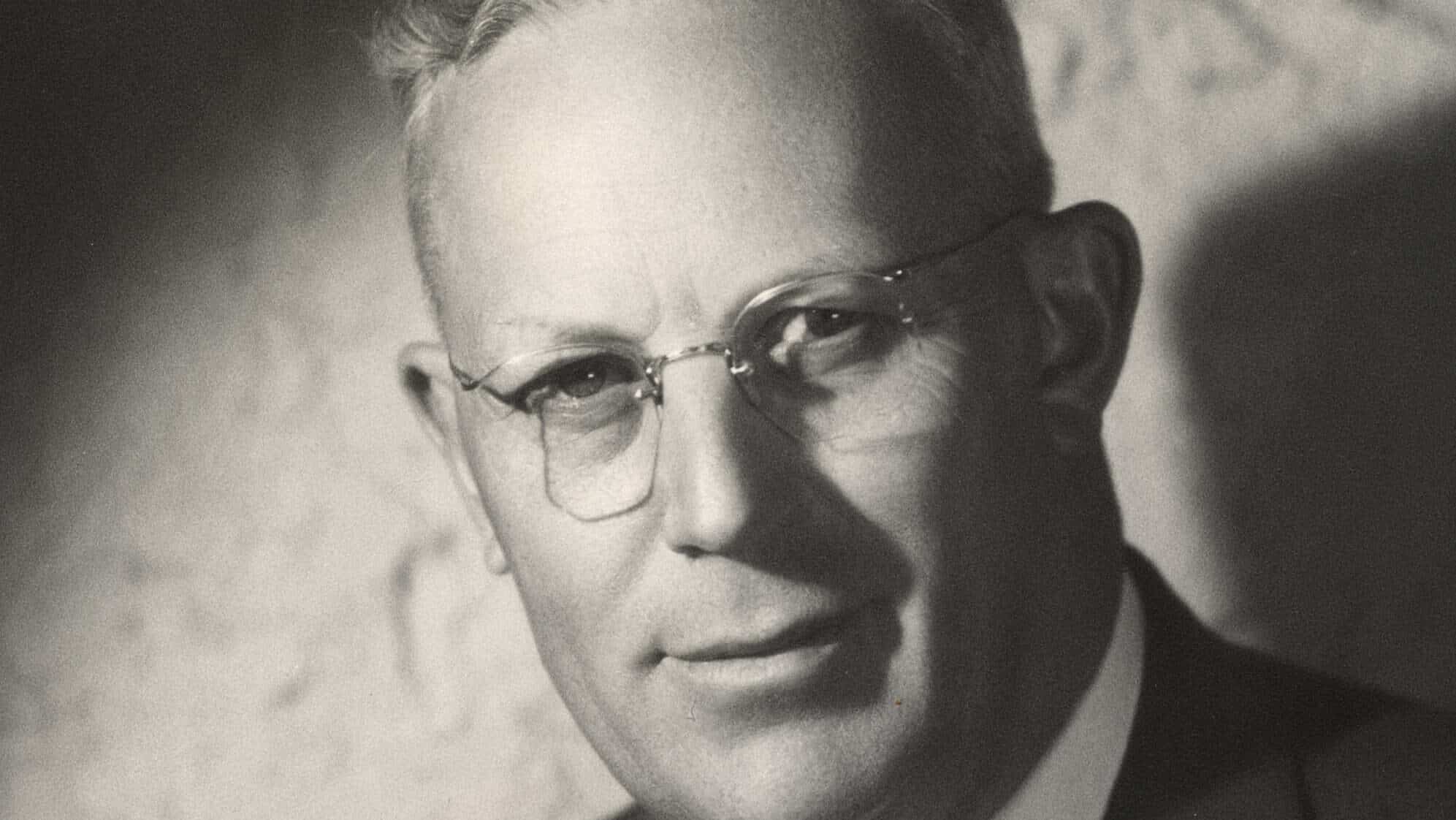
Earl Warren played a big part in Brown v. Board of Education. You know, the Supreme Court ruling that struck down racial segregation in public schools. It turns out, however, that Warren didn’t support equality for everyone, as he supported removing Japanese Americans from the West Coast. wqwwq
He argued that anyone of Japanese ancestry was a security threat to the country. There was never any evidence of mass disloyalty, but still, he agreed with these people being removed. Over 120,000 people of Japanese ancestry were sent to internment camps.
A Nobel name and racist claims
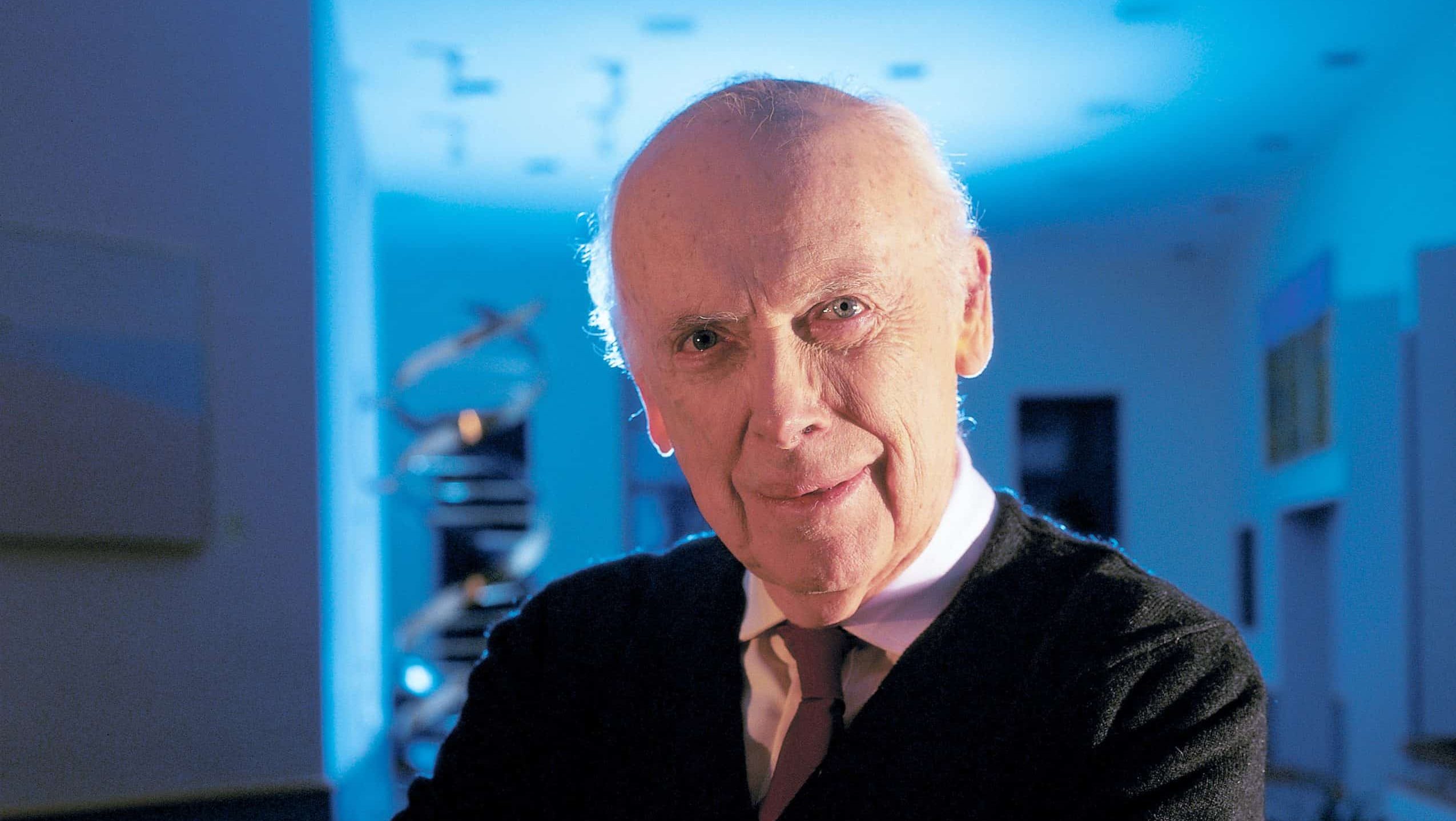
James Watson helped uncover the structure of DNA and won a Nobel Prize. He spent decades as one of the most recognizable names in modern science, until he started making some rather racist comments. He said in 2007 that he was negative about Africa because he thought Black people were less intelligent than white people.
He said their DNA proved it. Interviewers asked him again in 2019 whether he’d changed his views. But no, he stuck by them, and the Cold Spring Harbor Laboratory responded by stripping him of his titles.
A darker version of the future
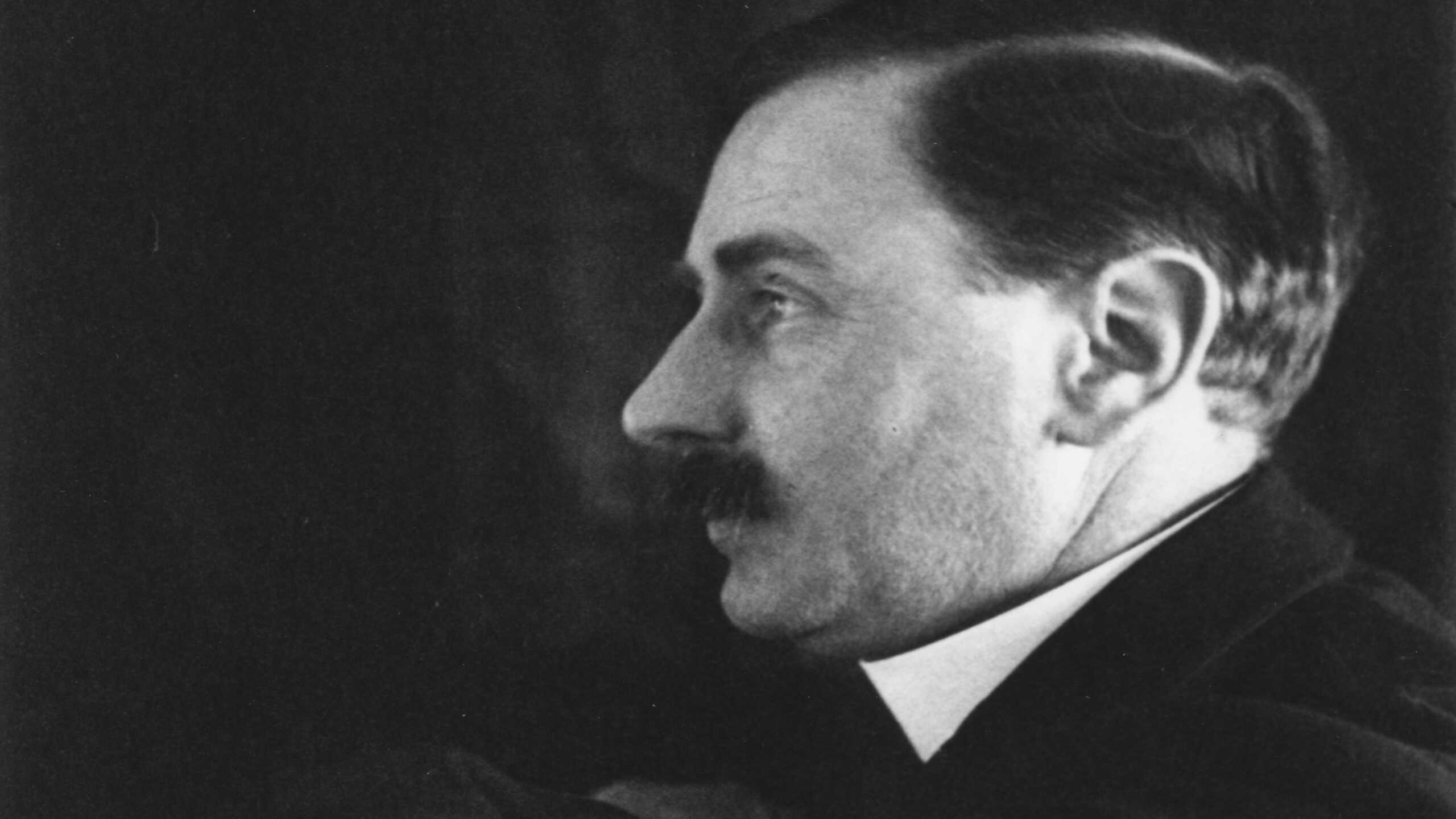
As a writer, H.G. Wells could imagine practically anything, like time travel and alien invasions. He couldn’t imagine a world where people had choices over their own bodies, though. He wrote about improving humanity through selective reproduction and preventing anyone seen as ‘biologically inferior’ from having children.
In other words, he supported eugenics. That sort of mindset wasn’t unusual among intellectuals of the period, but it doesn’t make what he said right or any less offensive.
Lines that aged very differently
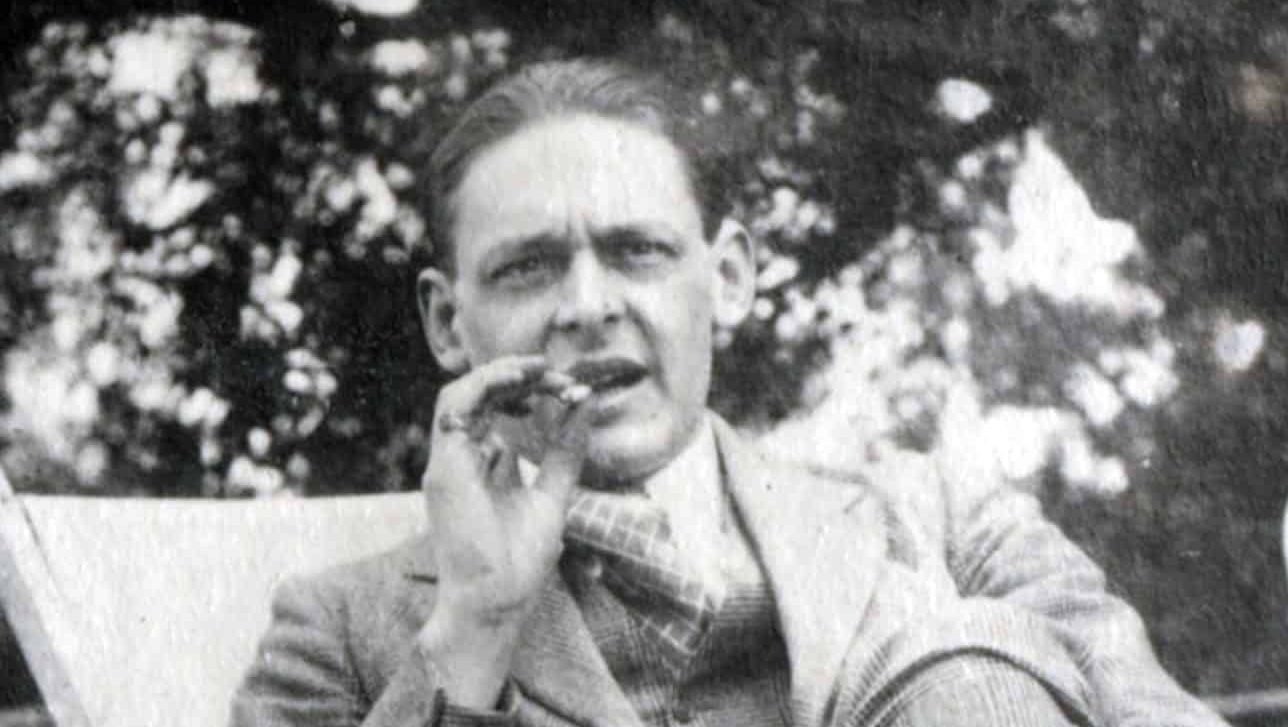
It’s not hard to see why poet T.S. Eliot is studied so often in literature courses at university. He wrote The Waste Land, after all, one of the most famous poems of the 20th century. But Eliot also wrote openly antisemitic material.
Some of his poems, like Gerontion and Burbank with a Baedeker: Bleistein with a Cigar, have very clear, and ugly, stereotypes of Jewish people. Eliot even wrote in 1934 that having too many free-thinking Jews in society was a bad thing. Yes, he really said that.
Free speech taken much further
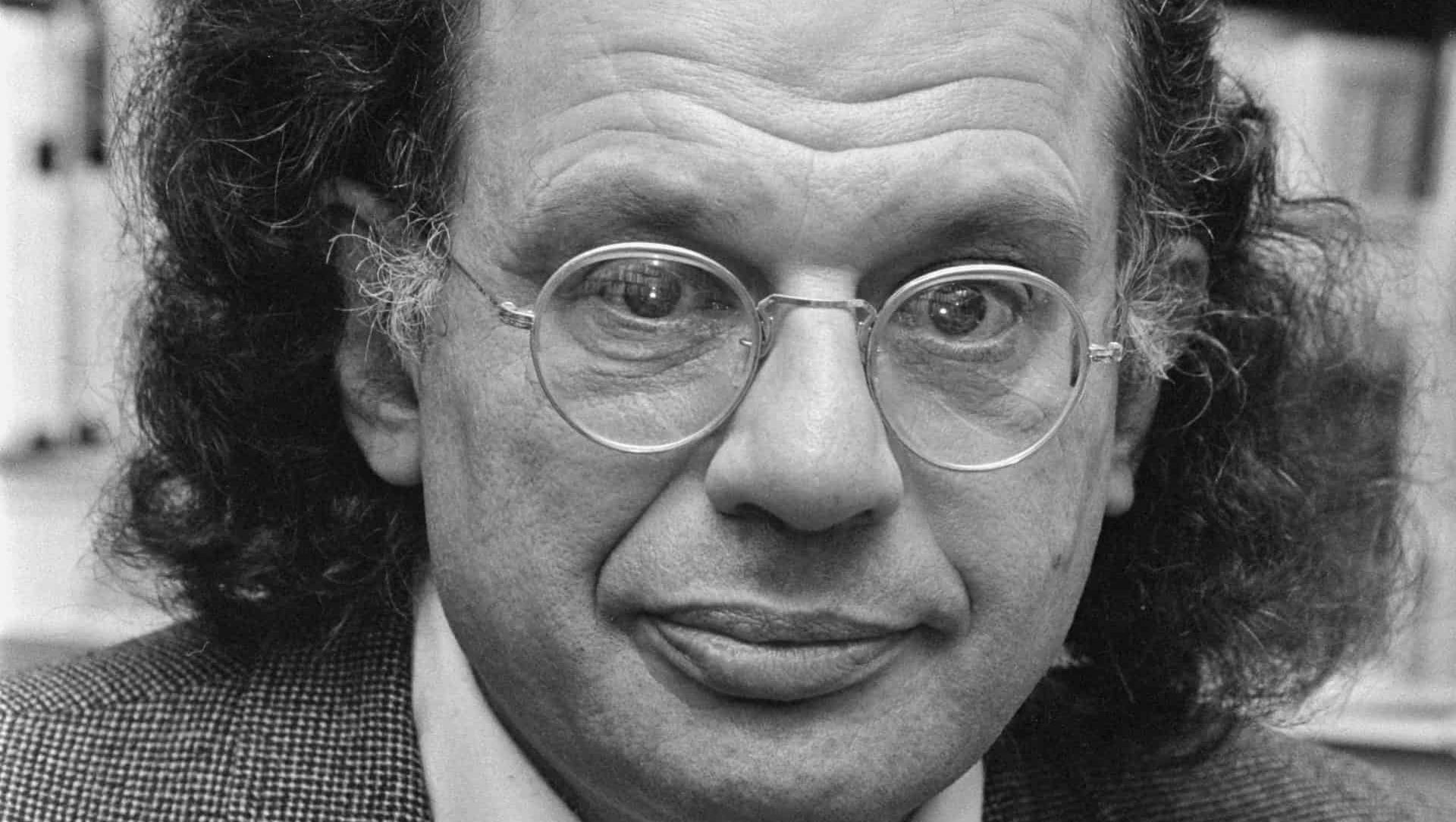
Allen Ginsberg was the kind of guy who pushed against rules. Just look at his poem Howl, and you’ll see why he became a counterculture hero. But some rules are there for a reason. Ginsberg was a member of NAMBLA, the North American Man/Boy Love Association. The group supported sexual relationships between adult men and boys.
It wasn’t a simple case of misunderstanding, as Ginsberg knew exactly what the organization stood for. He supported it. He did get questioned about his membership, but Ginsberg defended it as a matter of free speech and civil liberties. NAMBLA became such a toxic group that major gay-rights organizations distanced themselves from it. Yet Ginsberg stayed.
Before the famous peace campaigns
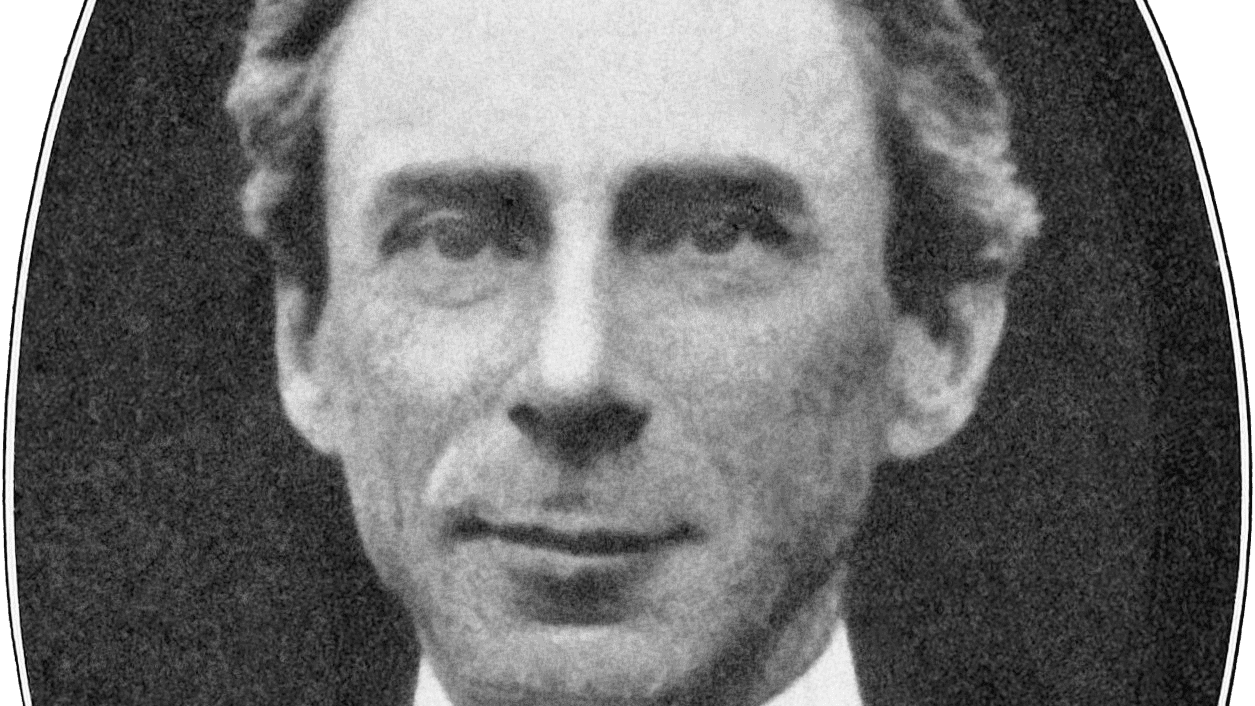
The story about Bertrand Russell is as ironic as it is strange. He was often quite outspoken about his anti-nuclear beliefs, yet in 1948, he argued in favor of America using nuclear weapons on Russia. That was at a time when only the United States had atomic weapons.
Russell argued that America could use that advantage to pressure the Soviet Union into accepting international control of nuclear weapons. He genuinely supported bombing millions of innocent people, just to gain the upper hand. That doesn’t seem like someone campaigning for peace.
The petitions attached to her name

Simone de Beauvoir has a reputation as a major feminist thinker. Perhaps she should be known for something else instead. Her name appeared on French petitions in 1977 calling for changes to laws involving sexual activity between adults and minors. One of these appeals involved three men accused in a case involving children.
Another argued against parts of the law that prevented adults from having sexual relationships with people under 15. Several famous French writers and intellectuals signed, too, so Beauvoir wasn’t alone in her views.
Sources: Please see here for a complete listing of all sources that were consulted in the preparation of this article.
10 historical deaths that were met with public celebration
Most deaths come with mourning, but there have been quite a few that have actually led to cheering and street parties because people had been waiting years for the news.
