

People usually think that empaths are just dramatic, but really, these individuals aren’t overreacting, and they’re genuinely affected by other people’s lives.
The sudden exit

You might see two people start arguing, and almost immediately, you’re gone. You have to leave the room because you can’t stand to be in a place where people are arguing, even when it has nothing to do with you.
Your body is reacting to the tension. Yes, you start showing stress responses just because you’ve watched someone else become stressed, and you’re very responsive to other people’s moods. You’re not trying to make a scene when you leave.
Someone else’s tears become yours
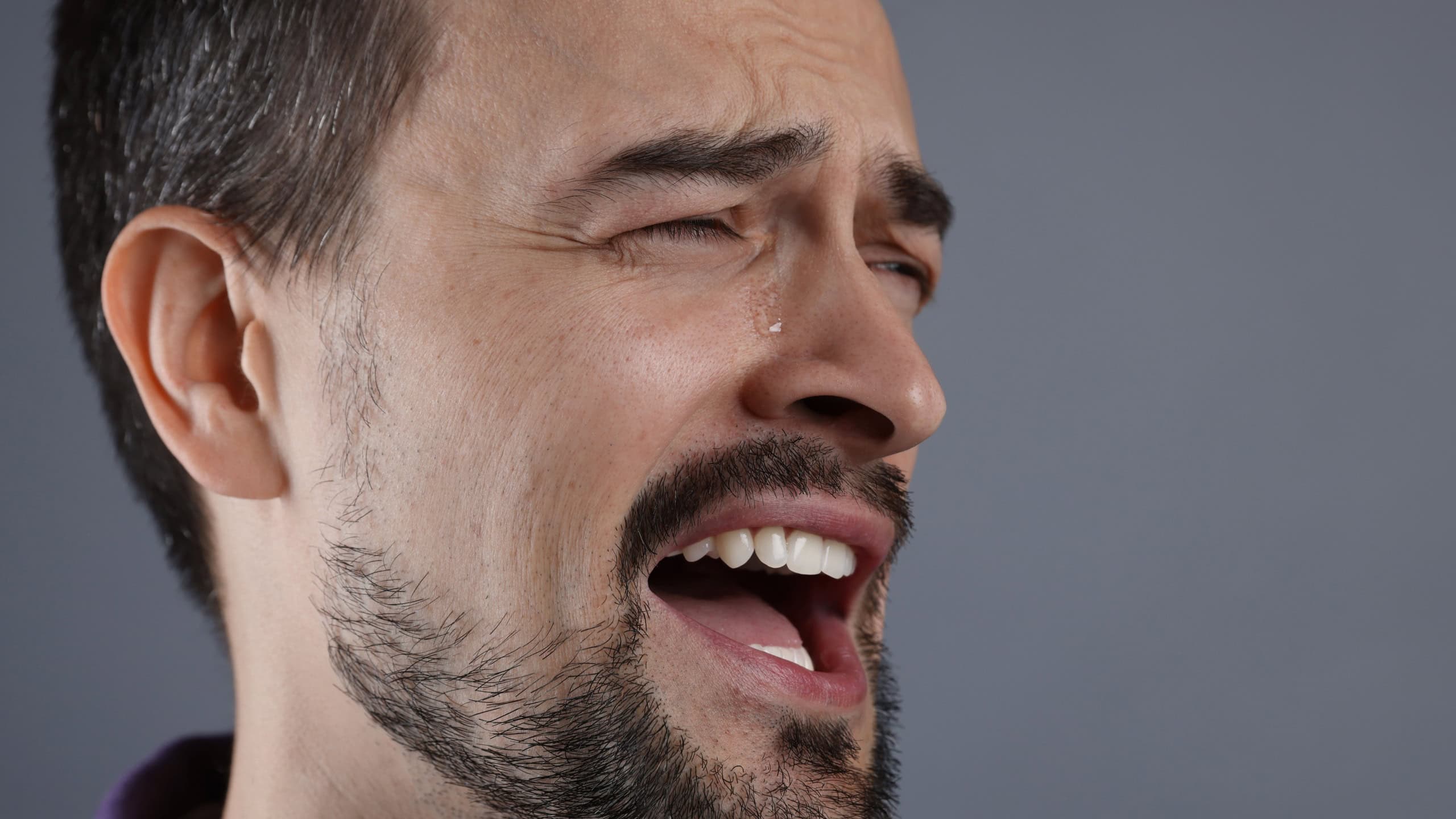
Somebody tells you they lost their dog, and then your throat feels tight. Perhaps you watch a stranger crying on TV, and now you’re crying too, as ridiculous as that might sound. That’s because you’re an empath.
You’re sharing part of another person’s emotional state and don’t just simply understand. It’s almost like you’re living it. Something that happened miles away, or years ago, to someone else can hit you like a ton of bricks. It’s pretty hard to deal with, honestly.
The little reset

There comes a moment after a crowded lunch or a birthday party that you start craving silence. You start craving it so badly, in fact, that normal conversation starts feeling like work. Other people might take that personally. But it’s not because you don’t necessarily dislike anyone.
It’s just that being around lots of people means picking up a lot of their emotions, and that starts to affect you. You’re very sensitive to their emotional cues. That’s why a little alone time is so important, as it can help your system settle down again.
One unhappy face changes the evening

It doesn’t matter that everybody at dinner seems to be having a great time. You notice the one person who’s gone quiet, and now you’re unable to quite enjoy yourself either. You might not always say something. Perhaps you just glance over and wonder whether they’re okay.
But still, their mood affects your own because you’re highly tuned in to how people are feeling. It’s like your attention is fixed on the person who looks miserable and you’re desperate to make them feel better. It’s pretty tough, in all honesty.
It’s how they said it

Another person says, ‘Fine, whatever,’ and then insists later on that they didn’t say anything rude. Yet you’re still upset. Technically, yes, maybe they didn’t say anything bad, but you heard the sigh and the sharpness. You paid more attention to their tone than their words.
Empaths are usually more affected by tone than other people are, and the words themselves aren’t usually as important. Other people might call you dramatic, sure. But the truth is, you’re reacting to the emotional part underneath a sentence instead.
The secondhand cringe

There’s no real reason for you to feel embarrassed when someone else gives a painfully awkward speech or completely misses a joke. But you’re the one hiding your face anyway. It’s something called ‘vicarious embarrassment,’ and it’s stronger in people with more empathy.
You see someone embarrass themselves and you start responding to it. It’s the same story when the other person doesn’t realize they’ve embarrassed themselves. You’ll do the cringing for them, apparently.
You spot the missing person

Empaths are usually very good at noticing when someone’s missing in a conversation. Not physically missing, but conversationally and emotionally. They’ll point out how one person keeps getting cut off, and how nobody says that person’s name. Nobody turns toward them.
Yes, these individuals pay extra close attention to social cues, and they’ll react more strongly when they see someone being left out. It hurts them. A lot. They may not openly say there’s an issue, but still, they do feel it.
The conversation follows you home

‘A problem shared is a problem halved.’ Not in the case of empaths, as it’s more like ‘A problem shared is a problem doubled.’ They can’t help worrying about the problems other people have told them about, and they replay the situation repeatedly.
They keep thinking about whether they gave the right advice, and they picture what the other person is dealing with. Their brain continues chewing on emotional material long after the moment has passed. Rather than making someone else’s problem into their own, it’s more like their brain forgot to clock out. They’re just that attuned to feelings.
Fair is still fair

Everyone has someone that they don’t like, whether it’s because they’re rude or they’ve annoyed us for years. The reason doesn’t matter. No, it’s the fact that you feel uncomfortable when they’re being treated unfairly. It’s kind of confusing, really.
You don’t exactly want to defend them, yet you can’t help feeling annoyed that they’re being treated badly. You can dislike someone and still think that someone went too far. Both things can be true at the same time, surprisingly.
The thing everyone else brushes past
There are a lot of people who think empaths need to just ‘get over it.’ They’ll make a cruel joke, and an empath will get upset, but the joker just shrugs it off. It’s kind of harsh. Empaths feel their emotions pretty strongly, and it hurts them when other people are hurt.
It doesn’t matter that they aren’t the person being harmed. That doesn’t exactly mean every upsetting story ruins your day because that’s probably not true. Put it this way, casual cruelty hits a lot harder for empaths.
‘We’re fine’ needs to actually mean fine

An argument might technically be over, but the room still has that horrible feeling. You know the feeling, where nobody’s shouting anymore, yet you can still feel the tension. Empaths really can’t deal with that.
They need the other person to make it clear that they’re fine. Empathic people want to work through the feeling, and they desperately want to know the problem is actually finished. That’s not so bad, really.
‘I’m fine’ doesn’t end the check-in
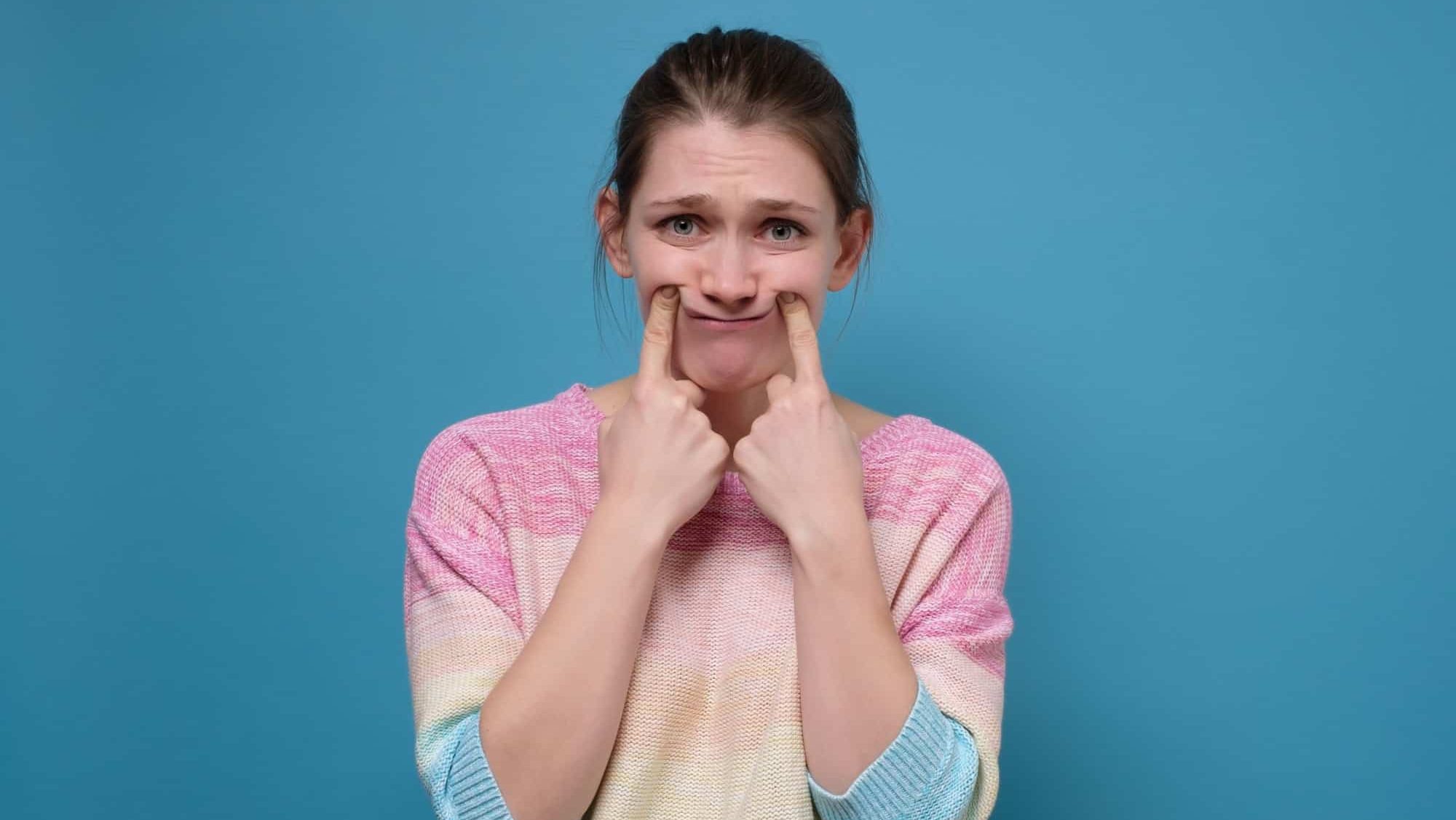
The other person might say they’re fine, and their face might even show it. You don’t believe them, though. You can tell that when someone says ‘don’t worry about me,’ they don’t actually mean it.
People on the outside think that you’re fussing. But the truth is, empathy often comes from someone paying close attention to signs that someone’s having a rough time. They don’t want the upset person to keep feeling that way, so they’ll try to sort it.
You weren’t fighting, but you still need calming down

Nobody even argued with you. That’s the strange part, you were just there and perhaps sitting in silence while two other people went at each other. But it was enough to make your whole mood go off, and you need reassurance or quiet afterward.
Not because you’re inserting yourself into the drama or anything. No, it’s more because watching another person experience stress is hard for you.
Sources: Please see here for a complete listing of all sources that were consulted in the preparation of this article.
Only people with high self-awareness can answer these 8 tough questions

Anyone can list their strengths and weaknesses, but real self-awareness begins when the questions become uncomfortable.
Only people with high self-awareness can answer these 8 tough questions

