

Modern-day beauty routines might seem stressful, but they’re nothing compared to the ones in the past that could be strange, or even downright deadly.
Blackening the teeth in Japan
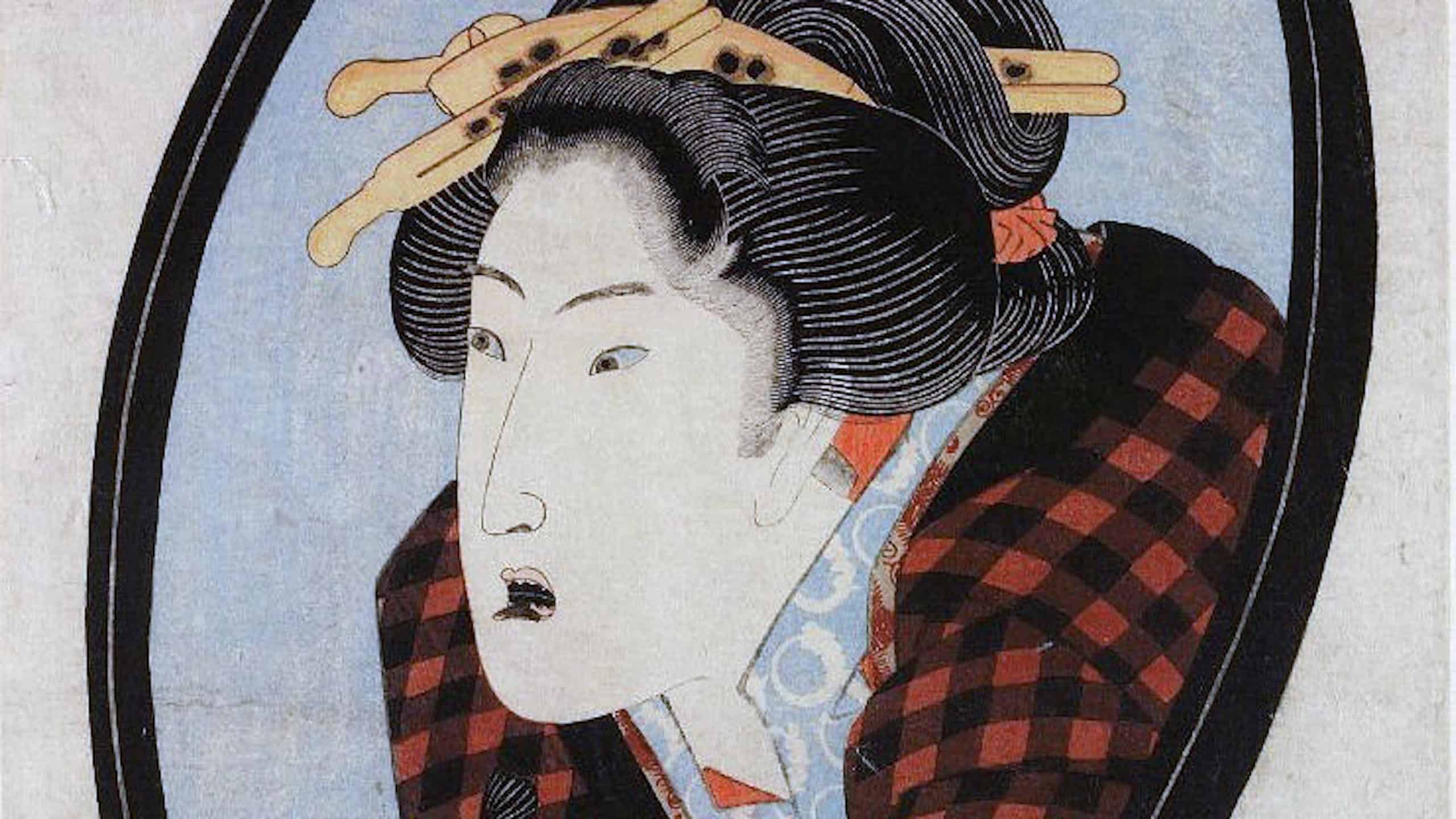
Black teeth don’t exactly sound appealing today. There was a time, however, when they were a fashionable sight in Japan, especially among married women and court families. Even some samurai households had them.
It was a custom known as ohaguro, and it involved brushing on a dark liquid made from iron filings soaked in vinegar. They’d then mix this with tannin-rich ingredients such as tea. It looks gross today, sure, but the coating actually helped protect teeth from decay. How strange.
Plucking the hairline to create an enormous forehead
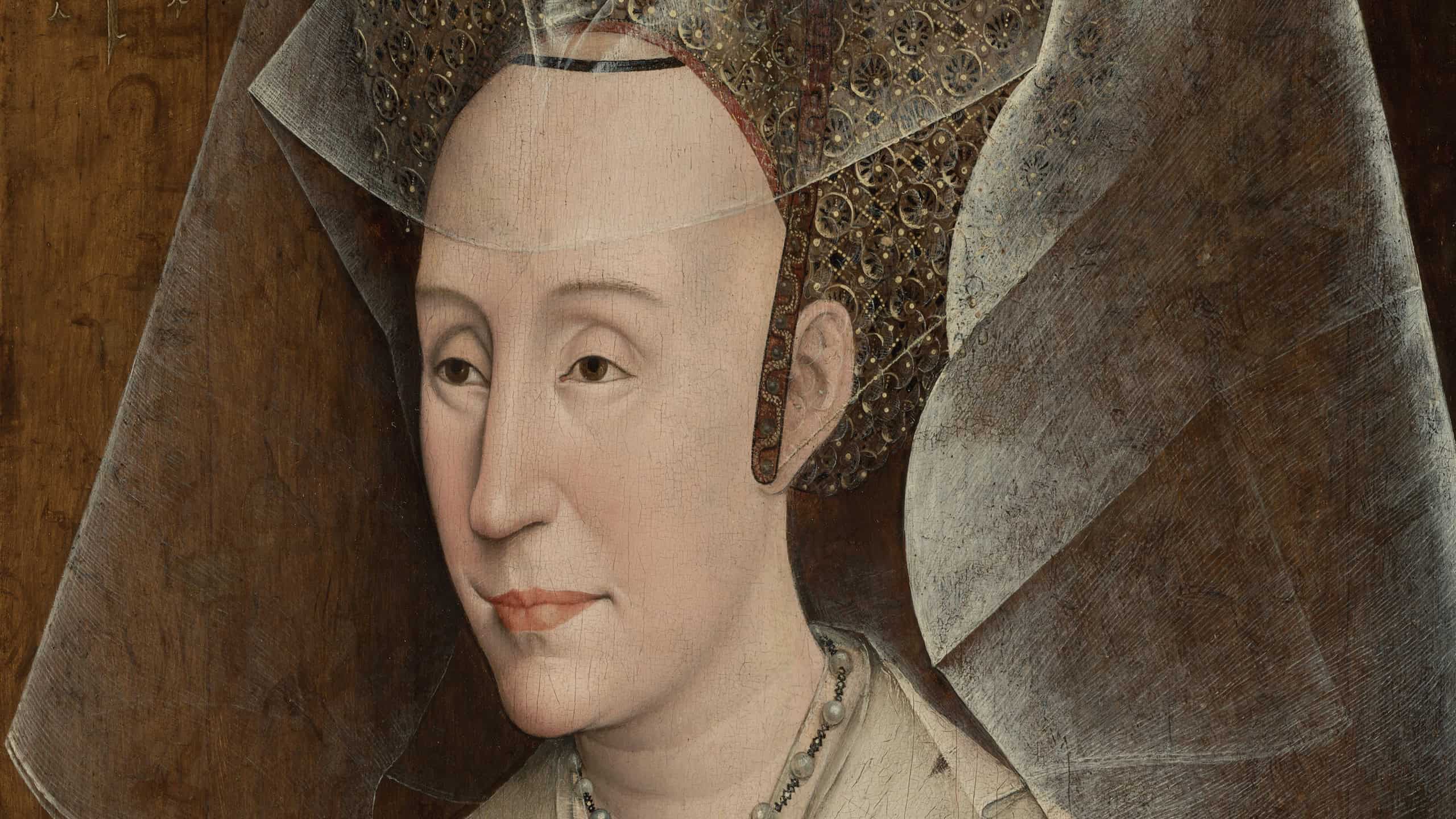
It sounds weird, but it’s true. A huge forehead was a beauty goal in late medieval and early Renaissance Europe. So much so, in fact, that women would pluck hair from the front of their scalp and temples to help them push their hairlines farther and farther back.
They’d even pluck their eyebrows, too. They were trying their hardest to create a long, smooth forehead like the ones in medieval portraits. Even wealthy women got in on it. They’d tuck the rest of their hair under veils and headdresses, and yes, it was as uncomfortable as it sounds.
Binding girls’ feet until they were only three inches long
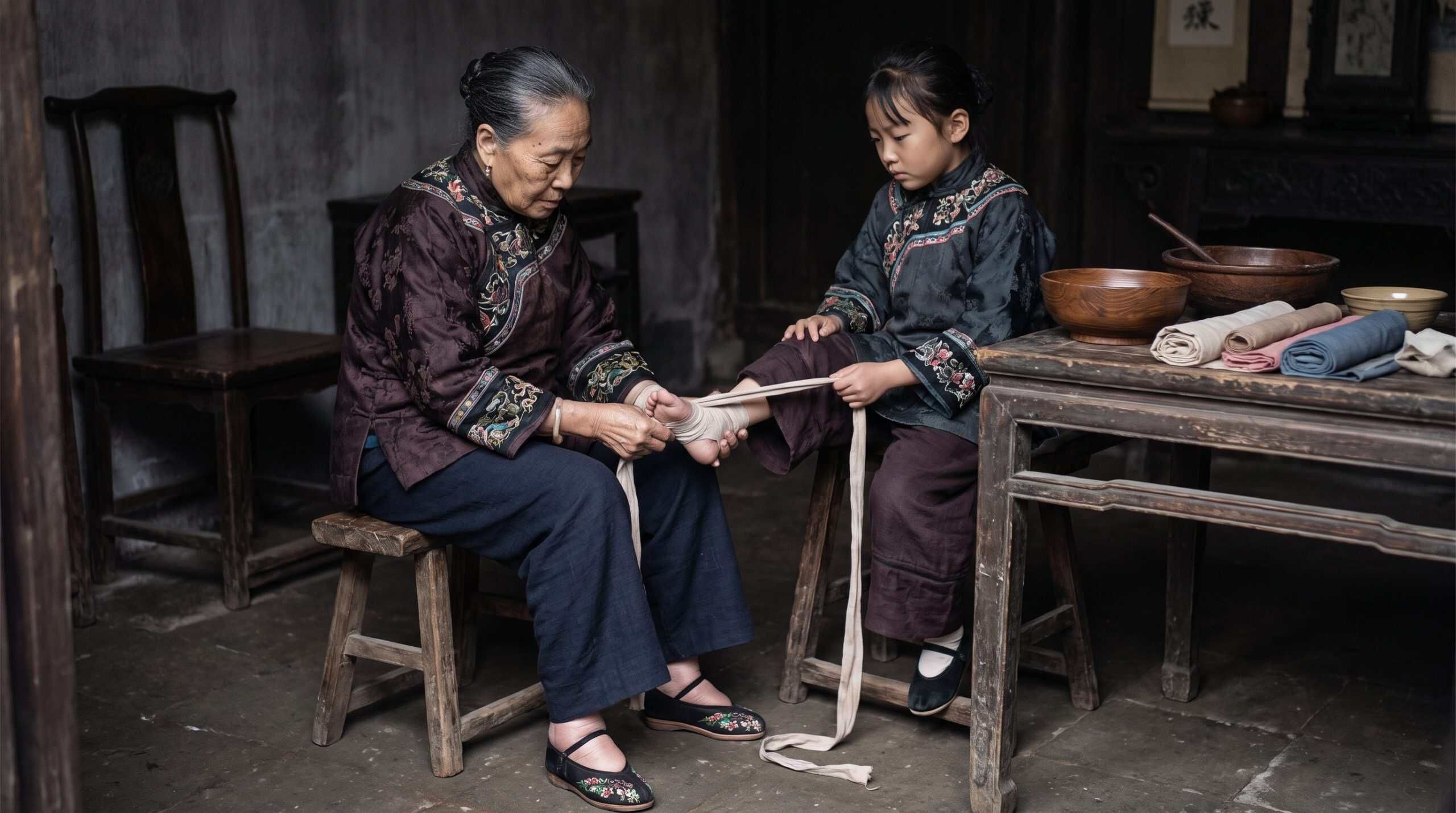
The old Chinese custom of foot binding usually began when a girl was still very young, mostly because her bones were far easier to reshape. They would fold the girl’s toes under and force the arch upward. They’d use long cloth strips to hold everything tightly in place.
The goal was to make their feet look like a lotus flower, and it was supposed to increase a girl’s marriage prospects. It was also apparently good for a family’s standing, if you can believe that. It wasn’t until the 1950s that the horrific practice finally ended.
Painting the face with poisonous white lead

The one good thing about white lead makeup was that it could cover nearly anything. Freckles, scars, redness, even signs of aging, it could do them all. That was part of the reason it had such an appeal in Renaissance Europe. But it was obviously dangerous.
At least, it’s obvious to us now. We understand that lead is poisonous. Yet so many recipes back then kept encouraging people to paint their faces with such an incredibly toxic material, just for the sake of beauty.
Eating arsenic to become paler

There were also some beauty products that were meant to be swallowed, not rubbed on, and arsenic complexion wafers were one of them. These were sold in the late 1800s and early 1900s, with the promise of clearer skin and a paler face.
At the cost of, you know, ingesting arsenic. Buyers took the tablets because having pale skin was fashionable, and the arsenic would give them that. The boxes promised they’d remove blemishes without powders or creams. They did exactly that, and more.
Putting deadly nightshade into the eyes

Women in parts of Renaissance Italy thought wide, dark pupils were the height of beauty. So, they did what anyone would do and used deadly nightshade eyedrops to get that look. They didn’t call it deadly in Italian, though. They called it belladonna.
That makes it sound a lot nicer than it actually is. The plant’s chemicals relax muscles in the eye and made their pupils expand, giving these women exactly what they wanted. Except, it could also blur your vision and make bright light painful. Too much could also poison you.
Sticking black fabric shapes onto the face

Have a look at old European portraits, and you might notice some little black marks on people’s cheeks. They’re not always moles. No, during the 1600s and 1700s, people stuck tiny pieces of fabric onto their faces as a sign of beauty. They were known as mouches, or ‘flies’, in France.
They weren’t simple marks, either, as some of them were in the shapes of stars, hearts, circles, diamonds, or even crescent moons. They’d cover up scars, and their placement had meanings, too. A patch near the eye meant passion, and one above the lip was flirty.
Wearing gigantic powdered wigs
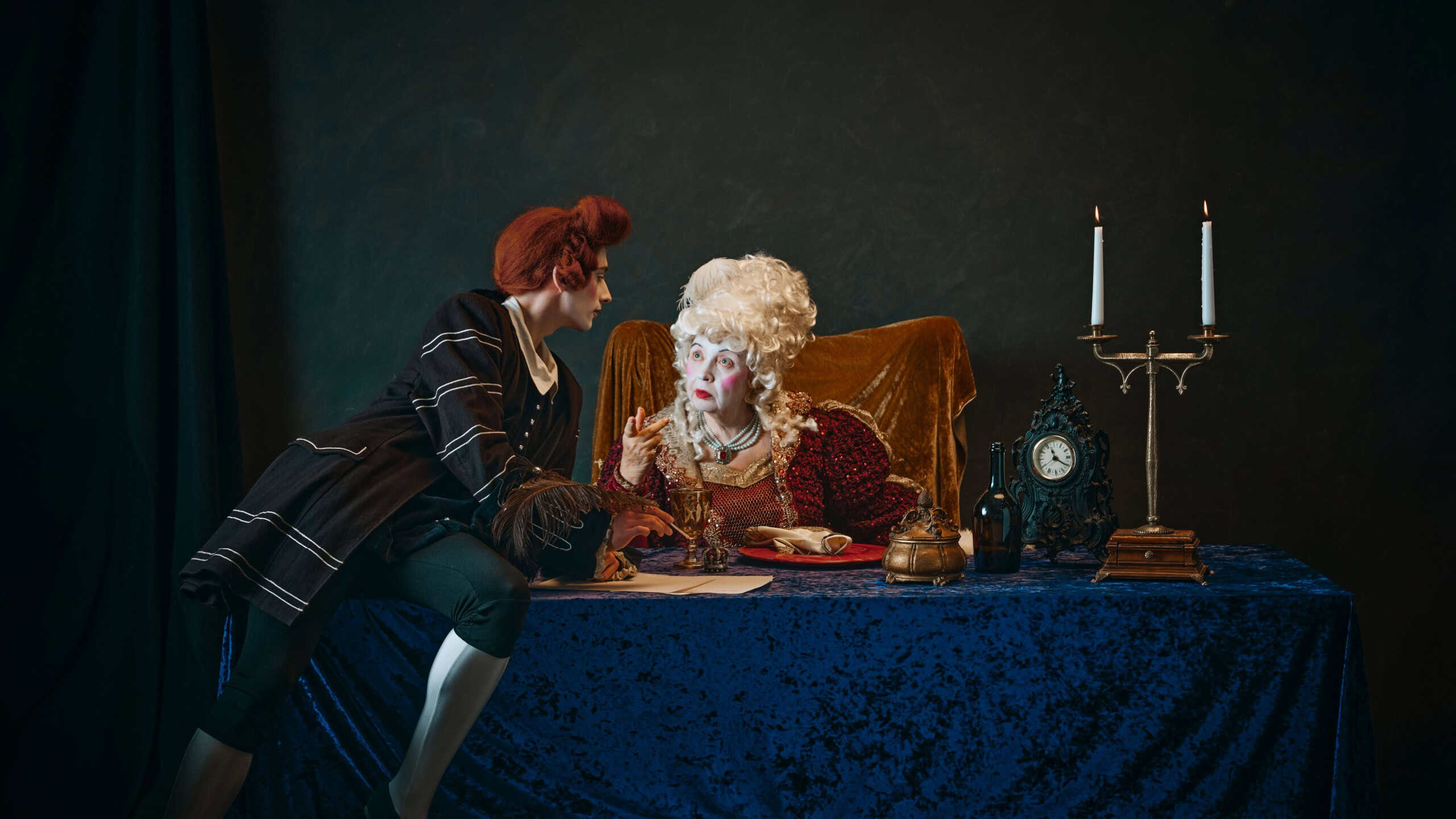
That’s not all for Europe in the 1600s and 1700s. Powdered wigs started large. Somehow, they just kept getting larger, and men wore full wigs made from human or animal hair. Women were into it, too, and they had towering styles using their own hair or extensions.
False pieces were just as common. They used starch powder to give the whole thing a pale gray or white finish, and also to help soak up grease. But that’s not all, as the biggest designs also had feathers and ribbons on them, in case the hair itself wasn’t show-offy enough.
Painting fake blue veins onto the chest
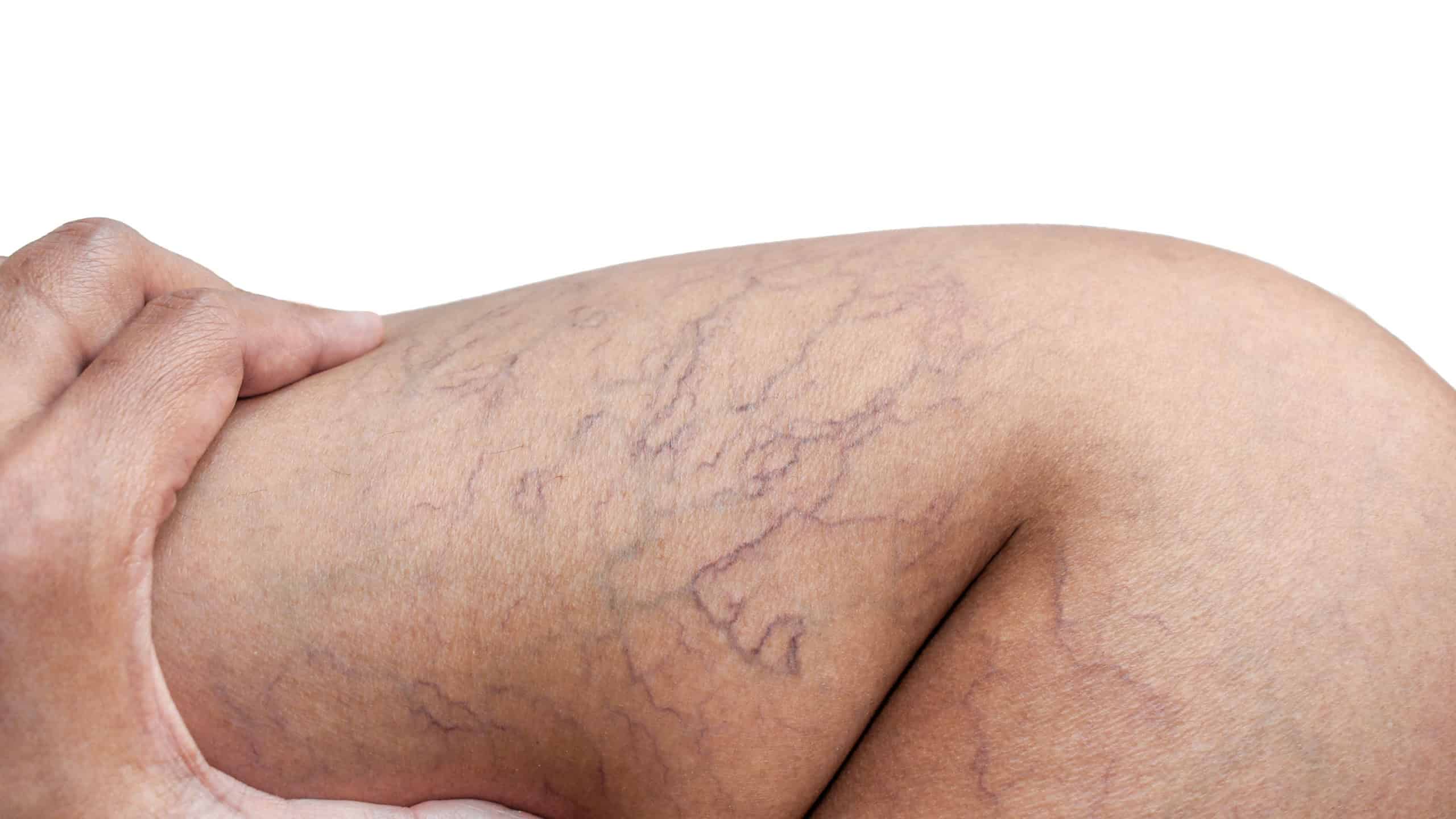
Sometimes a pale chest wasn’t pale enough. That’s why, in Georgian and Victorian beauty routines, some women would draw thin blue lines across their skin. They wanted these lines to look like veins showing beneath very fair skin. Blue pencils or tinted cosmetic paste did the job.
You’d be surprised at how well the effect worked on white face and body paint. The fake veins looked really convincing, from a distance, at least. They’d also sometimes add rouge to their cheeks to look more delicate than ghostly. That wouldn’t be a good look.
Deliberately reshaping babies’ skulls

It’s a sad fact that, in some cases, beauty customs began before a person could even speak. Several ancient societies in parts of the Americas and Europe would wrap babies’ heads with cloth, or place them between firm boards.
The goal was to make the growing skull longer or flatter. An infant’s skull is still soft, after all, and repeated pressure could permanently alter its shape. The baby had no say in it, and different communities would match the finished shape to their family identity or rank.
Removing facial hair with X-rays

In 1895, scientists discovered X-rays, and they noticed that repeated exposure to them could make hair fall out. Beauty clinics used that to their advantage. Yes, they turned that side effect into a service, and some women would get permanent facial-hair removal through X-rays.
The clinics aimed the radiation through openings placed over certain areas of the women’s faces. Weirdly enough, they sold treatments as a cleaner alternative to shaving or electrolysis. They were cleaner, sure, but also way deadlier. No hair, no safety.
Sewing human hair directly into the eyelids
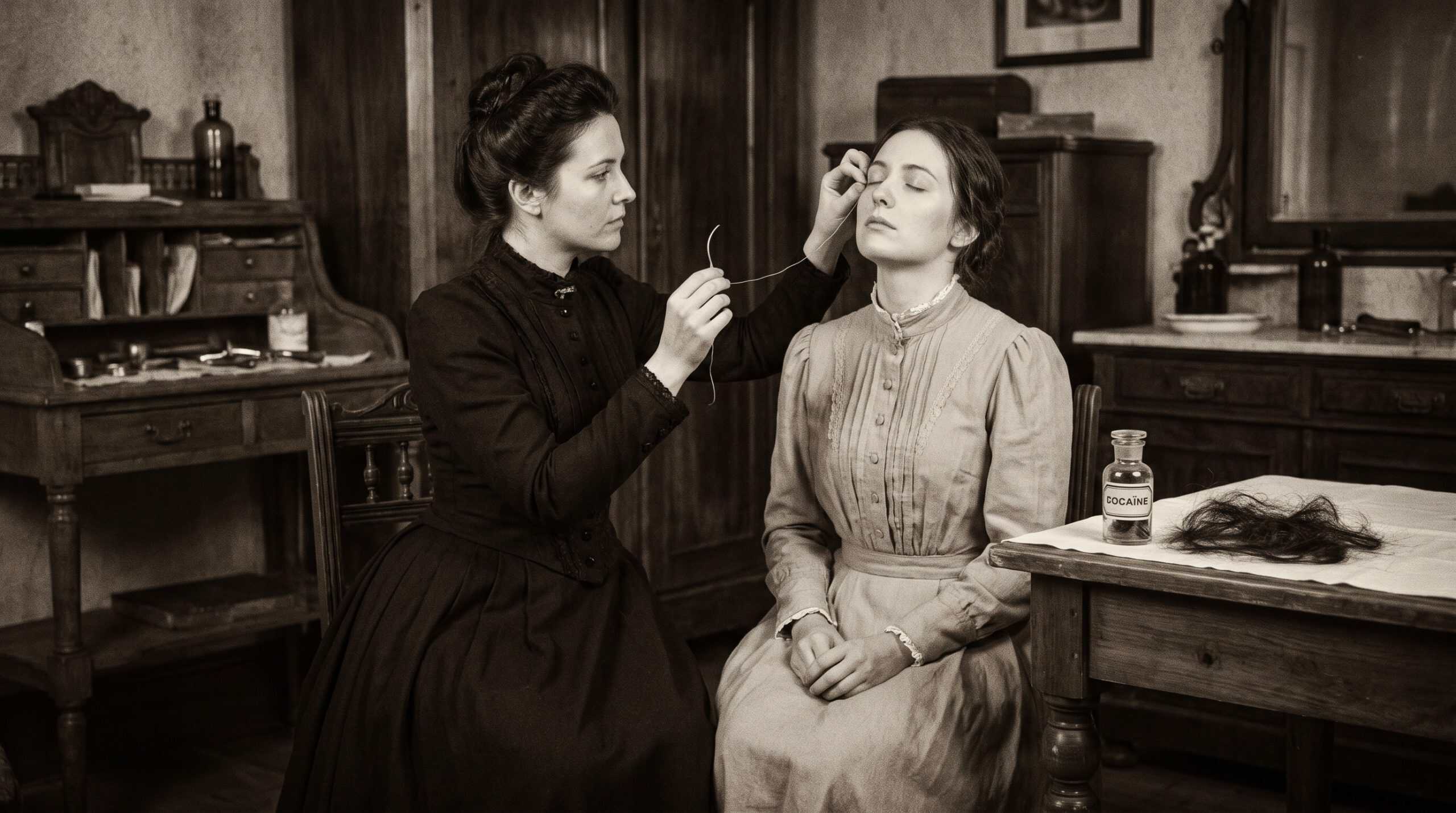
False eyelashes have been around forever, and some of the older ones involved using actual needles. These were popular in Paris during the 1880s. The procedure involved threading fine hairs from the head through the skin along the eyelid. It gets worse.
Some beauticians would numb their patients’ eyelids with coc**ne, and then sew the individual hairs into place. Ouch. They’d trim and curl the new lashes, aiming to create a fuller and darker fringe around the eyes. Glue-on lashes somehow seem way less stressful.
Strapping metal clamps around the nose
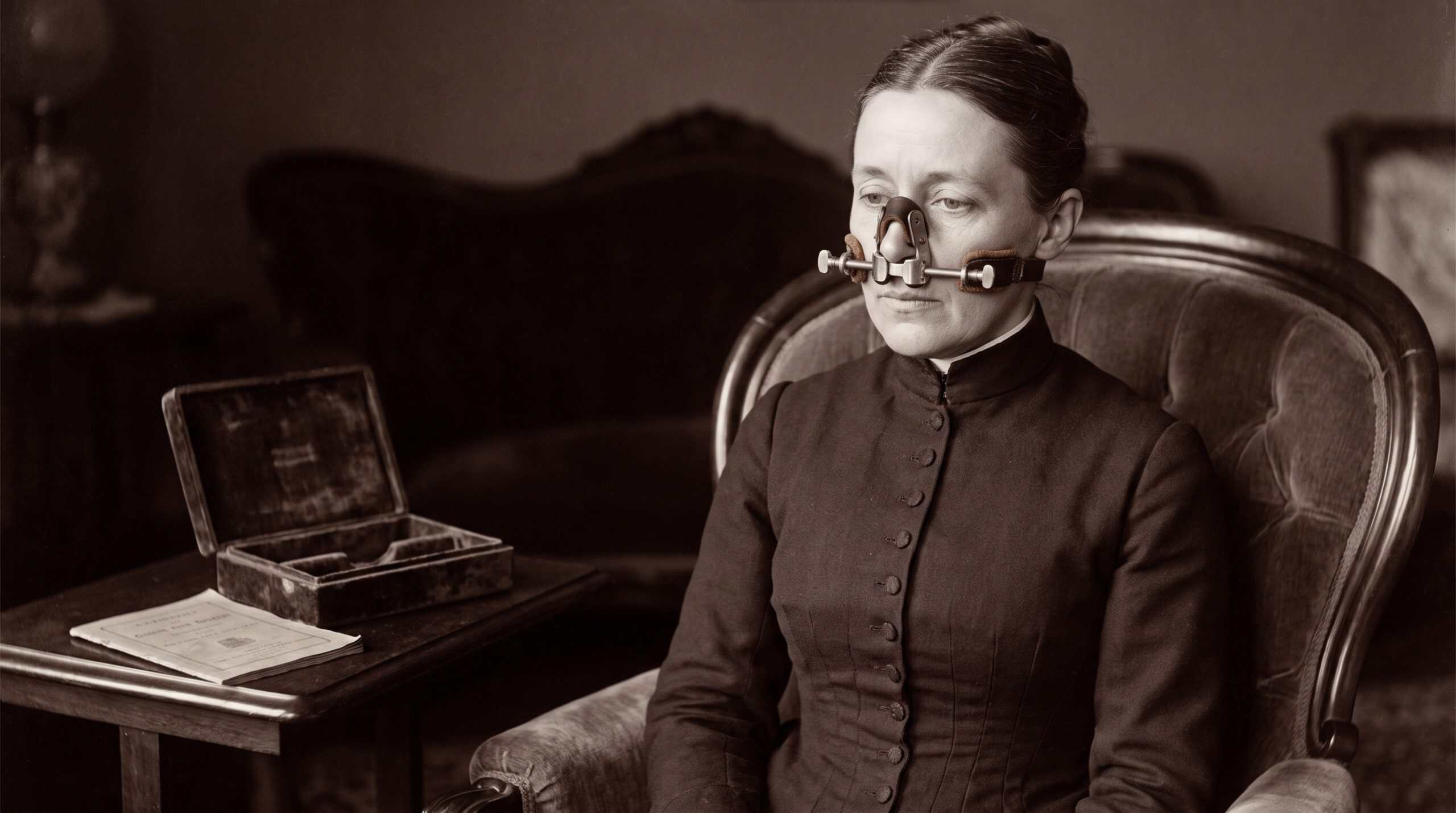
There was a special machine called the Zello-Punkt Model 21 that you could actually buy in the 1890s. It wasn’t as cool as it sounds. You’d fasten it onto your nose, and the metal plates were supposed to fix any bumps on your nose. The pressure points also narrowed wide noses.
These devices were around even as late as the 1920s. Some models you could wear during the day, some you could leave on overnight, all of them were painful. They were pretty pointless, too.
Sleeping in a jaw-compressing head harness
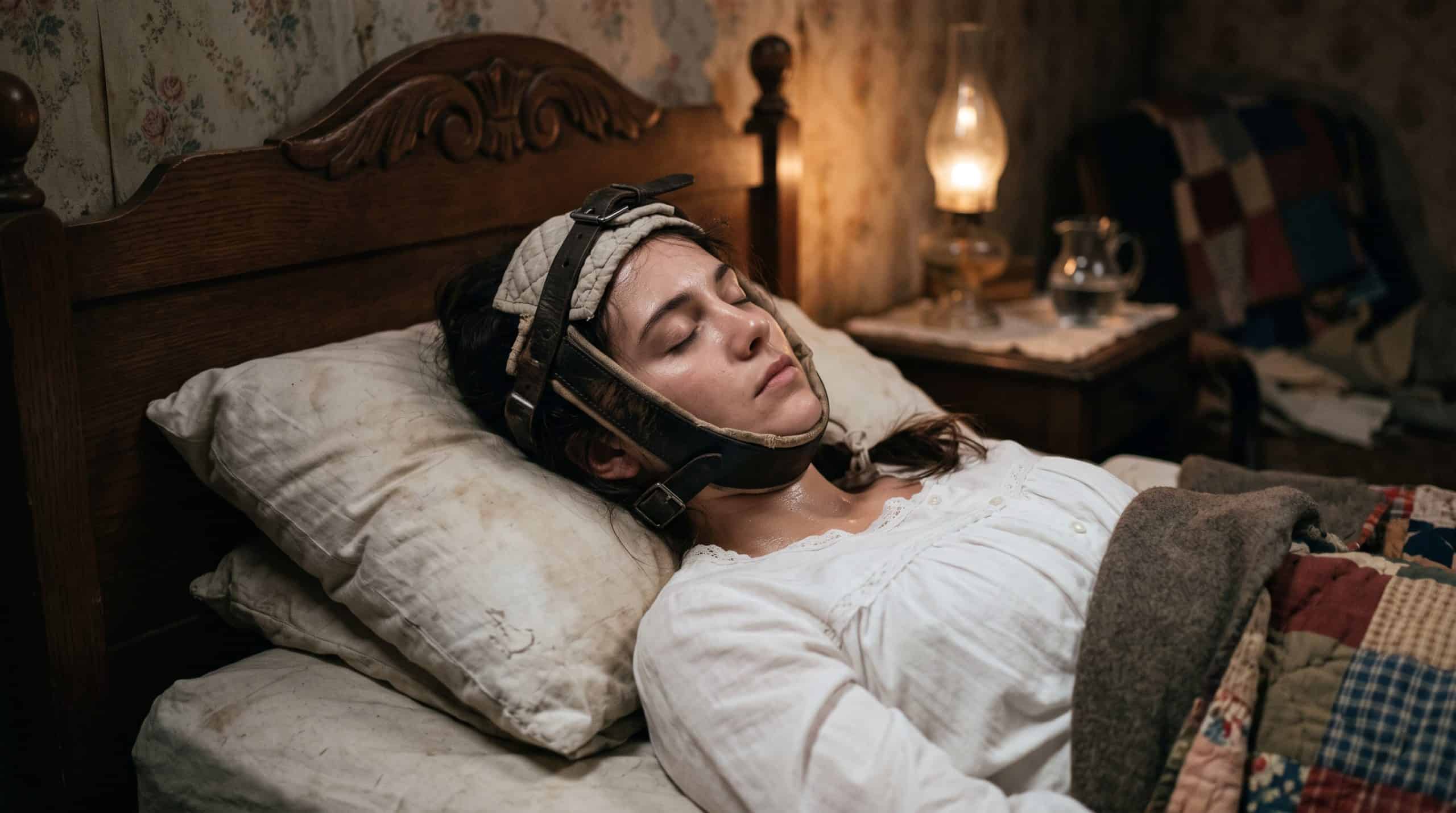
75 cents. That’s all you had to pay in the early 1900s for a special kind of rubber band that you wrapped beneath your chin and over your head. Apparently, it would reduce double chins through pressure and sweating. Face harnesses took it one step further later on.
They’d pull tightly around the wearer’s jaw while they slept, and they promised to give you a slimmer chin. You’d get a tighter neck and cleaner profile, too, by morning. Whether anyone actually woke up looking different was another matter.
Smearing hair with urine before bleaching it in the sun

Renaissance hair coloring in Venice was difficult. It involved spending hours on a rooftop with your hair spread across a crownless hat. These would keep the sunlight off your face while leaving your hair fully exposed. Then came the strangest part.
Women would then apply lightening mixtures that contained lemon juice and alkaline substances, along with, yes, urine. They’d wait in the sun and repeat the process until their hair got the reddish-gold color they were looking for. The shade became known as Venetian blond.
Sources: Please see here for a complete listing of all sources that were consulted in the preparation of this article.

