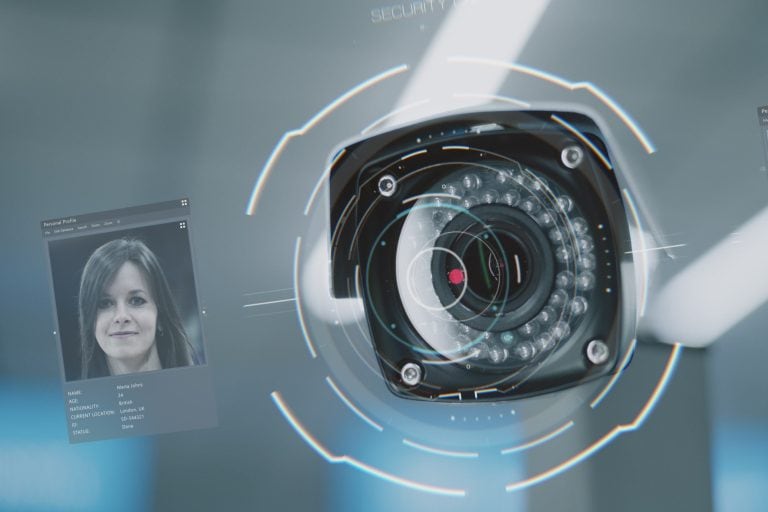

Some of the things Americans do every single day feel like they belong in a sci-fi movie. And not a good one. Worst of all, some of our habits are so scary because we don’t always notice them. We spoke to a few readers, and here are twelve things that Americans do that they said feel dystopian. Which one do you think is the worst?
Featured Image Credit: Shutterstock.
Self-checkout under watchful cameras

Many supermarkets steer shoppers to self-checkout with overhead domes & shelf cameras. They also have weight sensors, watching every scan, which is meant to stop people from stealing. But really, it feels as though we’re all on probation just for buying bread.
Neighborhood plate readers log every commute

Whenever you drive to work, you pass under metal arches or poles with cameras that snap your license plate. Police departments & homeowners’ associations run these systems. But they don’t simply read the plate. They save the exact time & date, meaning that without saying a word, your whole driving routine ends up in a searchable log.
Tip screens with preset high percentages

It doesn’t matter whether you’re ordering a muffin & coffee. Before you can pay, the cashier will flip the register around and ask if you want to tip 18%, 20%, or 25%. The system might even do it automatically when you pay at self-checkout. However, it’s essentially guilting people into adding extra money for things they used to buy cheaper.
Loyalty IDs required for sale prices

You can see “member price” tags everywhere in the grocery store. Unless you type in a phone number or scan an app, that box of cereal will cost you two or three bucks more. And signing up to the program means the store instantly knows who you are & what you buy. Essentially, each time you shop, you’re handing over personal data. How is that fair?
Doorbell cameras filming sidewalks all day

A quick walk through a neighborhood is almost guaranteed to get caught on doorbell cameras. Sure, these are meant for our safety. But packages & pets, even our kids, are likely archived on servers forever, whether we want them or not. Sidewalks aren’t exactly private when everyone’s recording them.
Infinite “For You” feeds on wake-up
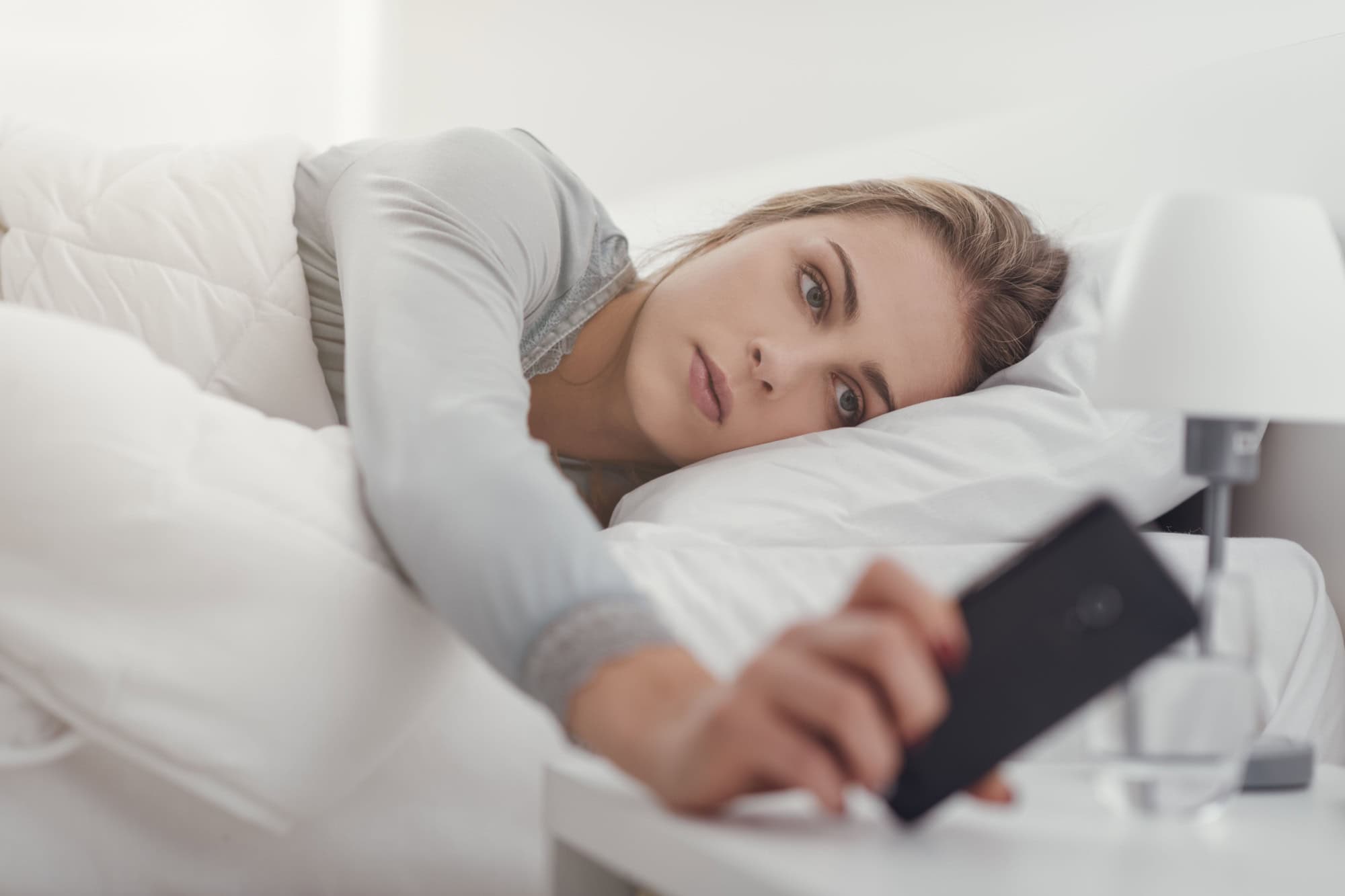
First thing in the morning, plenty of people scroll through TikTok & Instagram. They’re bombarded with recommended stuff on an endless loop, and every time you scroll, it reloads. We’re connected to the internet from the second we wake up to the second we close our eyes. That can’t be good.
Work laptops tracking active time and screens

Most office laptops have monitoring software that notices when you’re typing or if the mouse is moving. Pause too long, and your status changes to “away,” with some systems even taking random screenshots of your desktop. They’ll then email daily reports to your boss to show how active you really were. Essentially, you have to always be in work mode.
Face scans at airports and stadiums

Boarding a flight or walking into a ball game no longer involves just showing an ID. No, in a lot of places, you’ll stop in front of a camera & it snaps your face. The system decides if you’re cleared. Since the line moves fast, it’s easy to forget your scan has been stored & compared with huge government databases. Nobody asks if you’re okay with that.
Medication ads running nonstop on TV

There’s almost always a drug commercial playing on TV. Usually, these feature someone gardening & smiling with their family while a voice lists possible side effects that go on forever. Not many other countries allow this. We’re effectively being pitched pills at breakfast, lunch & dinner for problems we may not even realize we have.
School lunches scanned and tracked

Kids rarely hand over cash at school cafeterias anymore. Instead, they punch in their student ID or swipe a card & the system logs the meal, with every single one of their food choices being saved. It may seem like nothing. But it’s surveillance on a huge level, starting when kids are young and putting even simple decisions under scrutiny.
Credit scores checked constantly

Your three-digit credit score follows Americans everywhere. It gets pulled when you apply for an apartment or buy a car, and apps constantly refresh it with charts & updates. Soon enough, it becomes something that some people obsess over daily, and the weird part is that companies may check it without you realizing it’s happening.
Daily police alerts pushed through phone apps
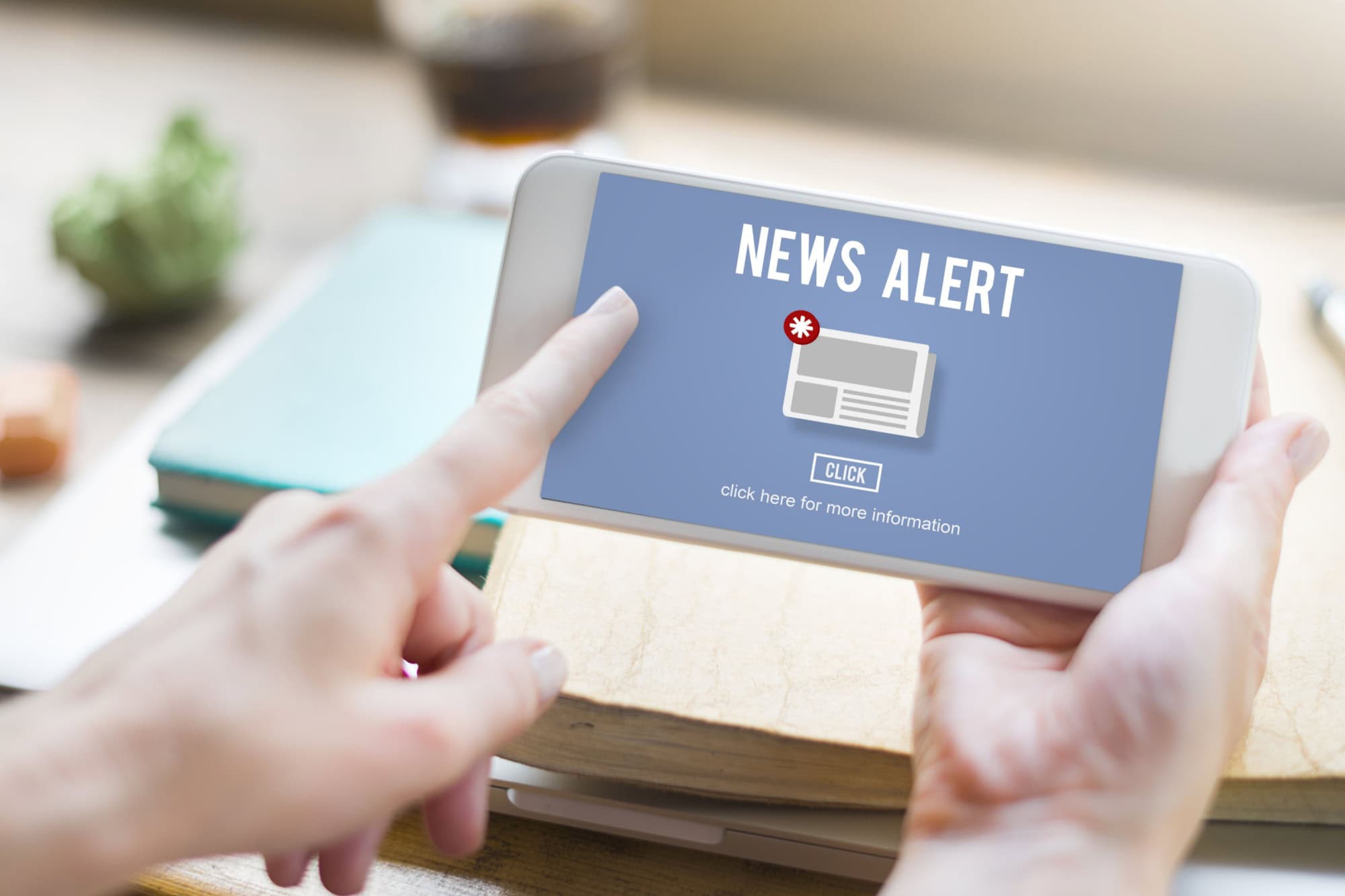
In lots of cities, people download apps from the police or local government that notify them all day long about crime. A car break-in nearby & a burglary a few blocks away, it all comes with details. Yes, it’s nice to be aware of what’s going on. But it makes neighborhoods feel like live feeds where every little thing’s being tracked & posted.
Like our content? Be sure to follow us.


