

School classrooms used to have traditions. Children brought in jars of insects. They created posters for each season and covered blank walls with decorations. It was not all book work in olden times. Some of those practices have gone the way of the dinosaur, but the memories live on. Here are a dozen classroom traditions that are no longer in schools.
Featured Image Credit: Shutterstock.
Physical punishment as routine discipline
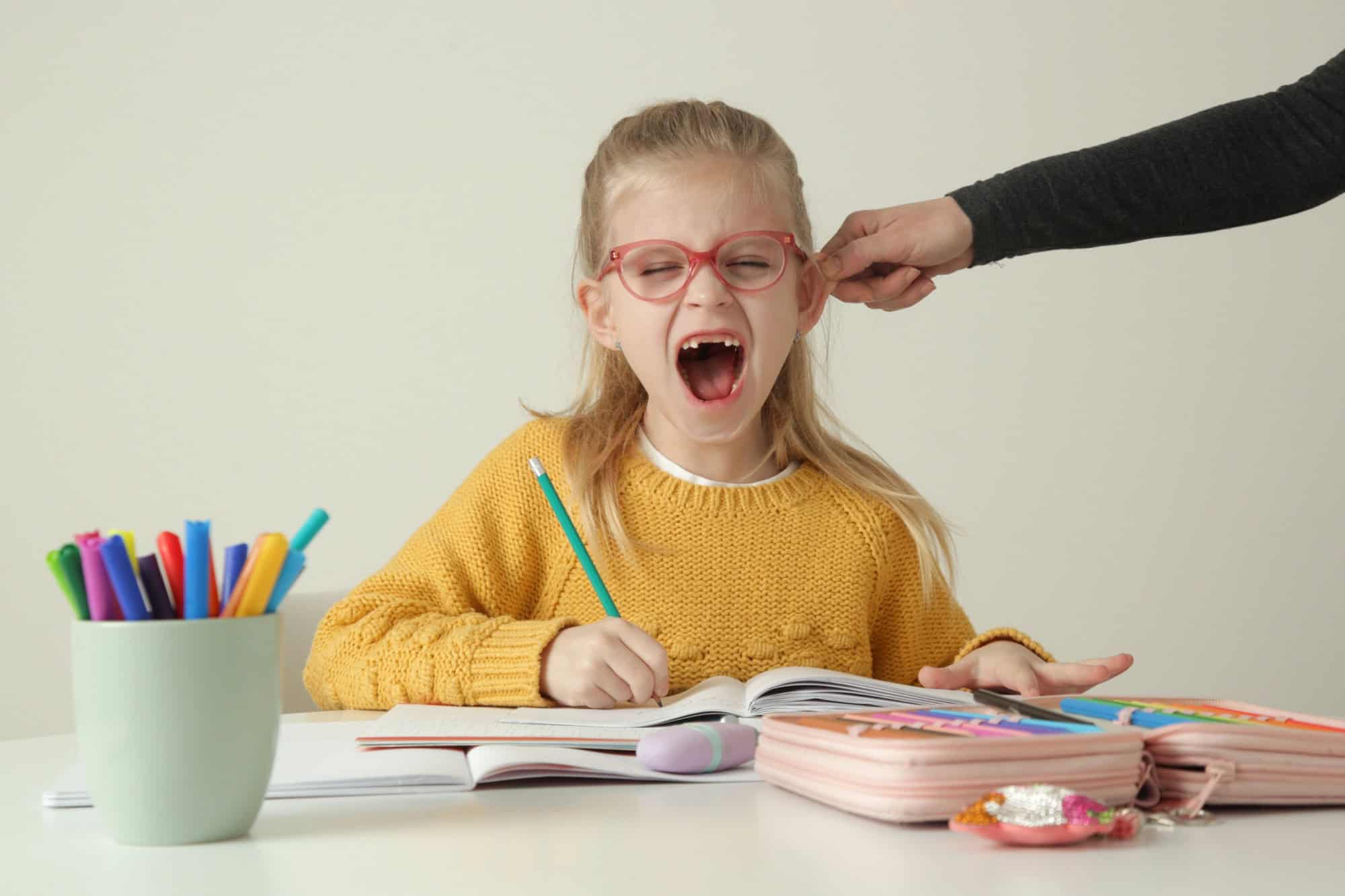
At one time being paddled at school was normal. Teachers kept a paddle by their desk and many children were raised to expect a swat if they misbehaved. Gradually, parents and legislators began to question its effectiveness or harmfulness. State after state banned the practice and what was once common is now largely a distant memory.
“Fashion” desks in Early American classrooms

In early American classrooms, there were “fashion” desks. They were constructed to hold one’s books, inkwells, etc. They were also made to be aesthetically pleasing. The wealthier schools could afford the fanciest desks. As education moved towards more utilitarian ideals, the fancy desks were phased out for plainer desks that did the same thing more efficiently.
Ink wells and blotters on desks

Back in the 1950s, the majority of students had never seen a ballpoint pen. They used nib pens, which were dipped into tiny inkwells. These inkwells were built into each desk. Blotting paper was used to clean up ink smudges. Eventually modern pens came along, and all that remains are tiny inkwell holes in antique desks.
Milk breaks in classrooms

For most of the mid-20th century, schools regularly had milk breaks, with crates of small glass bottles or cartons delivered to classrooms. Kids would drink them at their desks, often with crackers. In the 1980s, this largely ended as nutrition programs shifted and cafeterias assumed responsibility.
Student-cleaned blackboards and trash duty
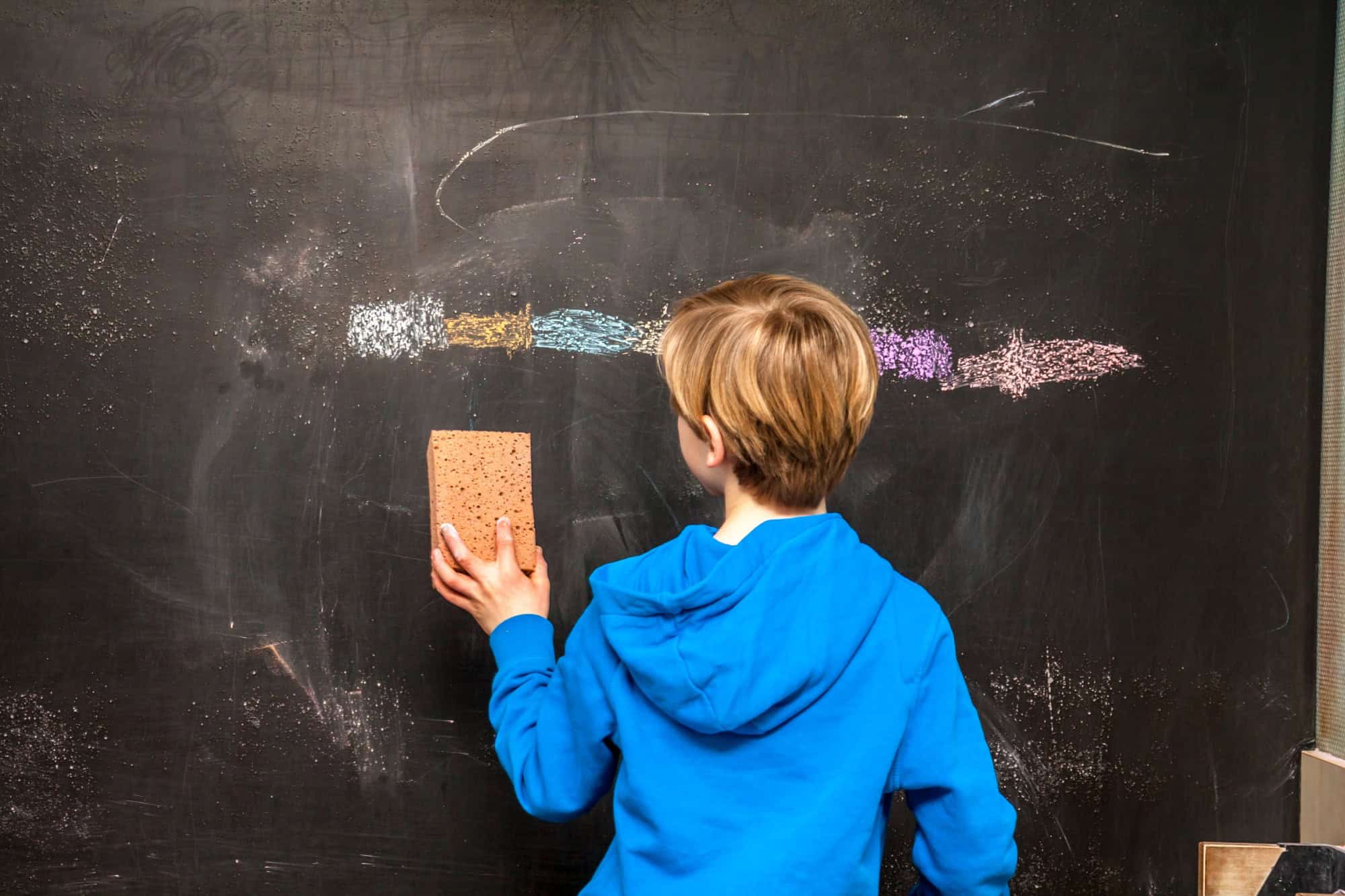
Before school custodians were tasked with doing everything, students had classroom jobs, like wiping blackboards with a wet rag, sweeping, or taking out the trash cans. It all was a part of keeping order in the classroom. Liability and tougher child labor laws brought an end to that practice.
Mandated morning hymns and religious readings

For much of the 19th and early 20th centuries, the school day started with a hymn or a Bible reading. That practice ended after the 1960s, when the Supreme Court prohibited public schools from mandating religious practices.
One-room schoolhouses
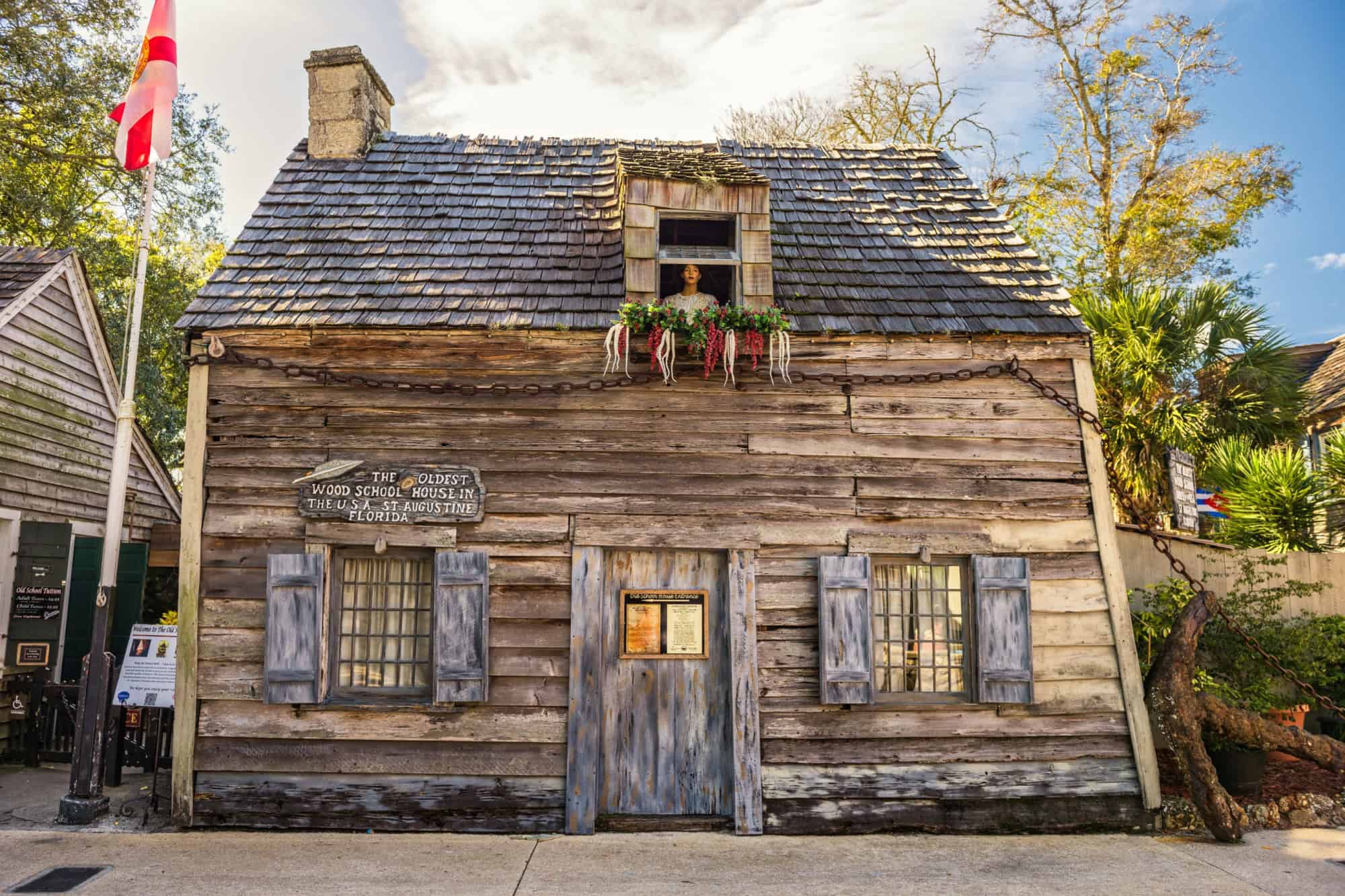
Did you know that most small country towns had all the children in school in one room? All subjects and all grades were taught by one teacher. By the 1950s most one-room schoolhouses were gone and replaced by larger schools with separate classrooms.
The “Senior Rock” tradition
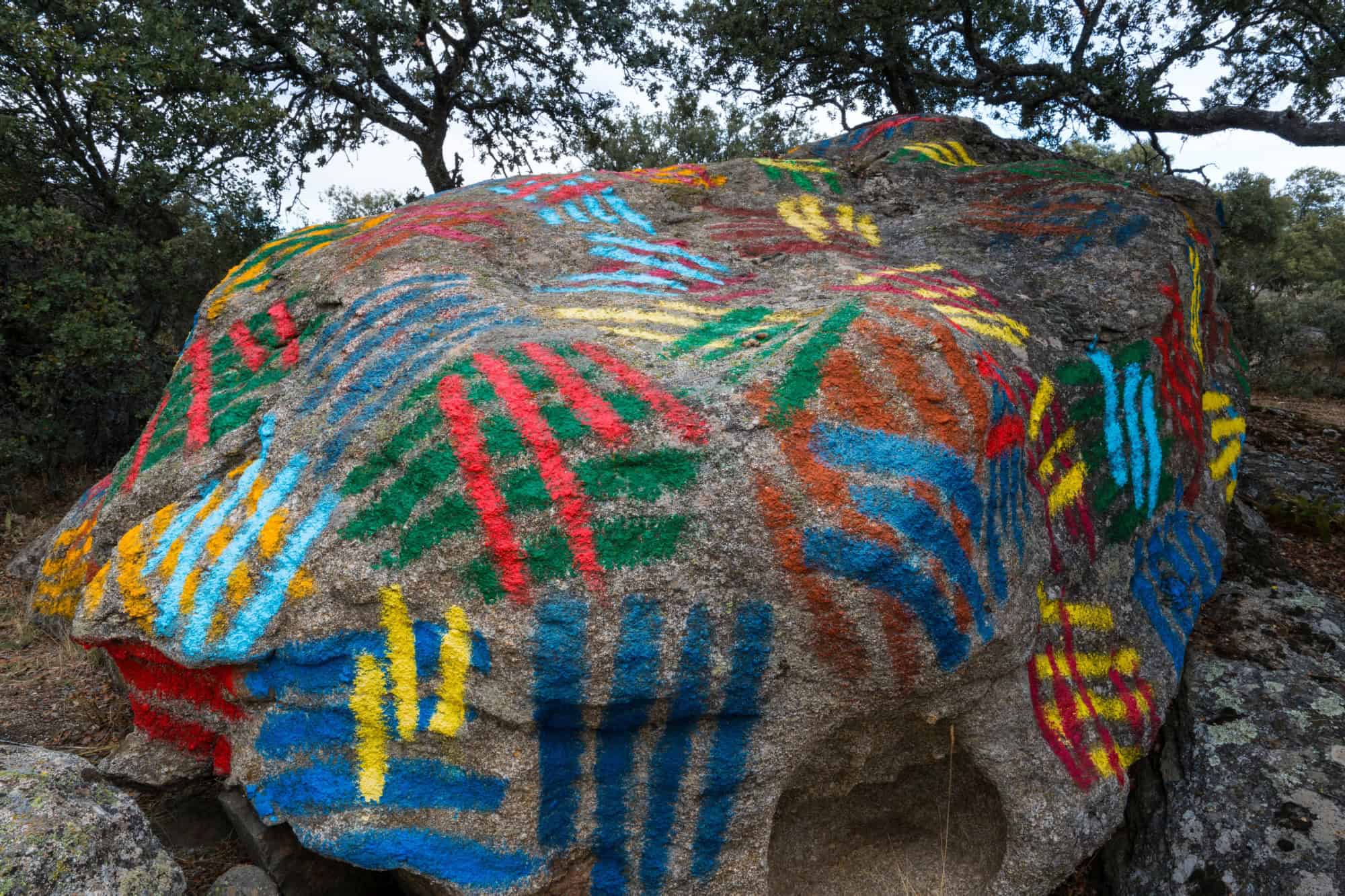
Many high schools in the past had a large rock somewhere on campus that was the property of the senior class. The graduating class would paint the rock in their school colors, write their names on it, or add a message for the school year. Some schools stopped this tradition because it got out of control or became vandalism. However, in a few schools, the rock still awaits the current class’s mark.
The grade that took care of the flag every day

In the middle of the 20th century, every school in America had one or more grades that raised and lowered the school flag each morning and evening. The students learned responsibility and civic pride with this simple daily act that was performed during the Pledge of Allegiance.
Nature specimen collections

Did you know that classrooms of the past were a lot like mini nature museums? Students collected rocks, leaves and insects to look at, label and study in detail. It was a fun way to learn about the natural world, which books and pictures alone could not match. Today this tradition is long gone, with hygiene rules and other factors, such as changes to curriculums and digital tools taking their place in many schools.
Student-run bulletin boards

In the mid-20th century, schools often let students control bulletin boards in the classroom and halls. Decorations for seasons, feature student projects, and school events were typical. This tradition fostered responsibility and imagination. As curricula changed, bulletin boards were more teacher or computer controlled.
The Bellamy salute and the Pledge of Allegiance
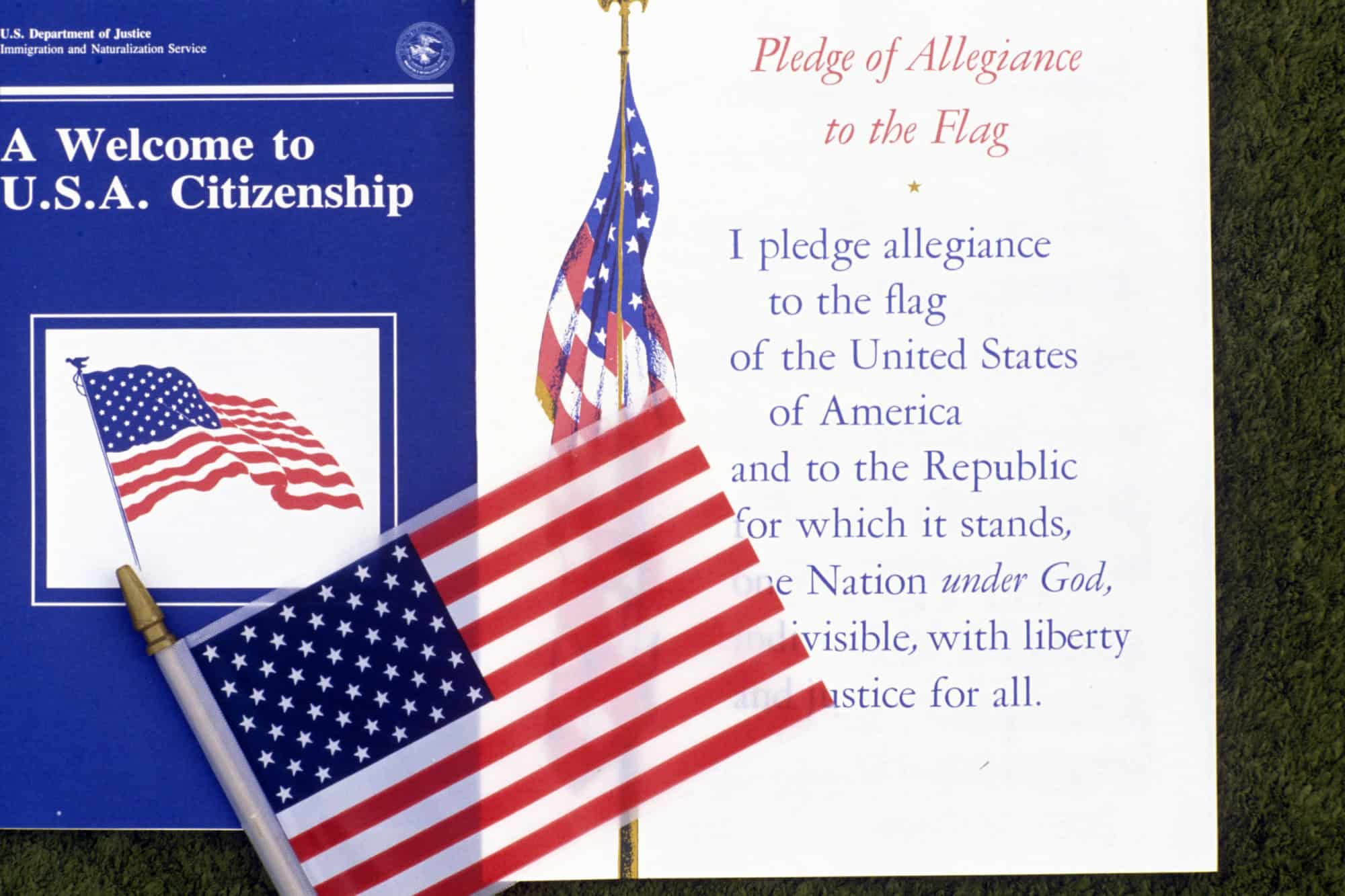
Years ago, when students recited the Pledge of Allegiance, they used to do the Bellamy Salute by extending their arms toward the flag. As it began to resemble fascist gestures, schools replaced it with students placing their hand over their heart.
Sources: Please see here for a complete listing of all sources that were consulted in the preparation of this article.
Like our content? Be sure to follow us.

