
Just because a song is catchy doesn’t mean it doesn’t have a racist past.
Jimmy Crack Corn

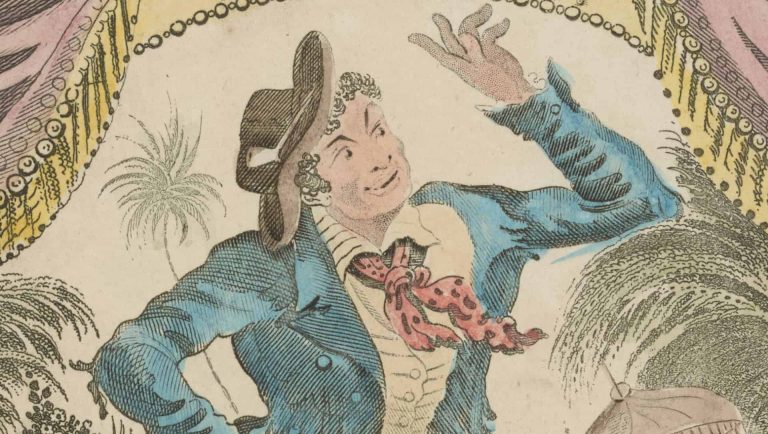
“Jimmy Crack Corn”, alternatively titled “The Blue-Tail Fly,” originated around the 1840s and became especially popularized by blackface minstrel entertainers.
The narrative centers on a master’s fatal fall from his horse, after which the narrator mourns him. Yet, despite this outward show of grief, some readings of the lyrics propose a hidden current of joy at his demise.
Nothing is known about who originally wrote this song. For that reason, we say that this song was popularized by minstrel shows rather than written for. Furthermore, the lyrics feature imitations of Black speech patterns alongside numerous racist stereotypes prevalent in 19th-century minstrelsy.
Turkey in the straw
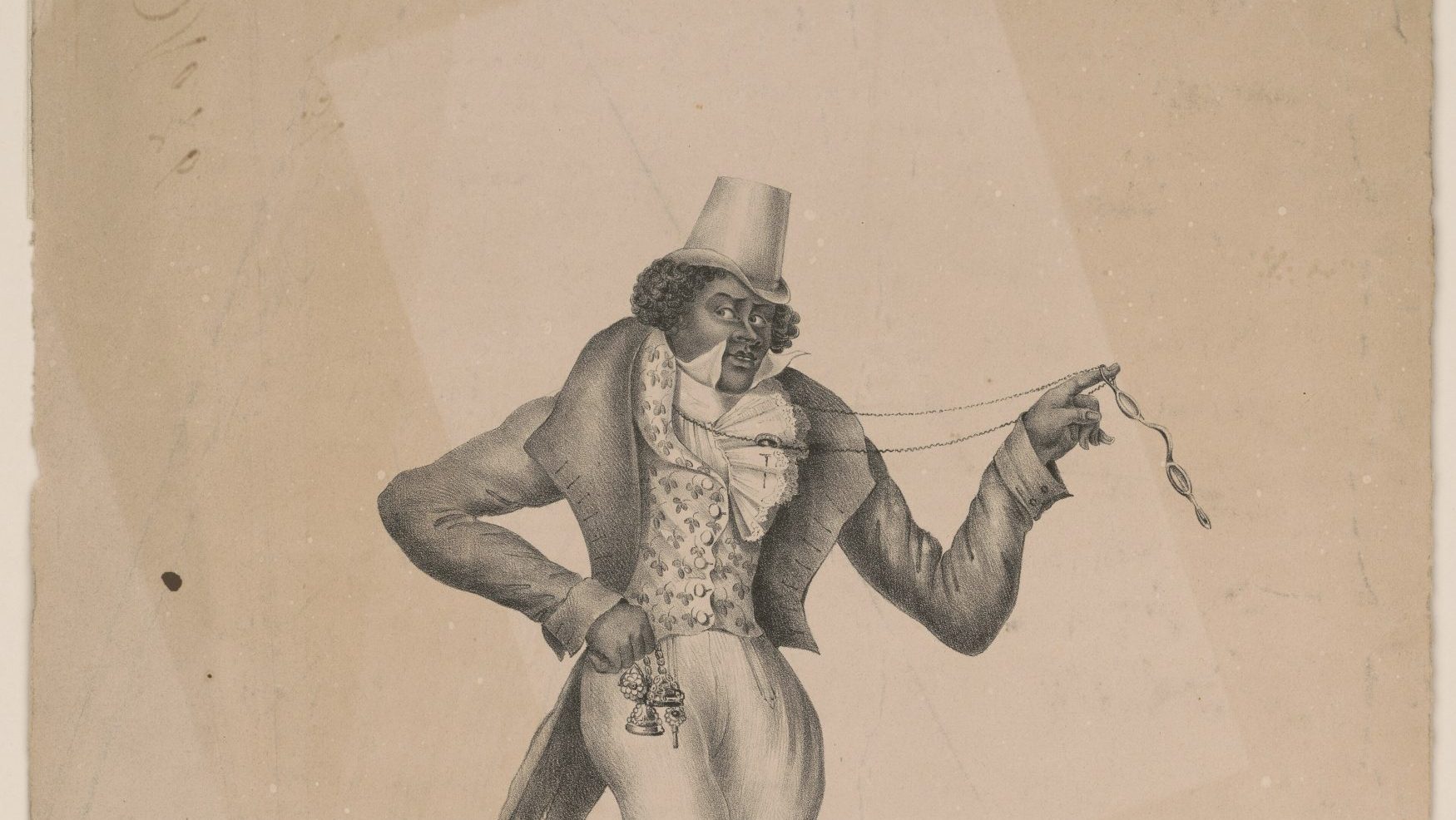
Turkey in the Straw is a jig (both a type of dance and fiddle tune) that became popular in the United States. It’s a tune many will recognize, thanks to its frequent use by ice-cream trucks.
This melody is based on older British/Irish songs and was not originally racist. It spread throughout America under various titles and eventually became Turkey in the Straw.
Turkey in the Straw became part of blackface minstrel show music. What’s more, the melody ended up being tied to Zip Coon, a song featuring a prejudiced portrayal of free Black men. (There were also later iterations of the song that were explicitly racist.)
The song’s history isn’t the trouble; it’s the association that melody developed with blackface.
Do Your Ears Hang Low?
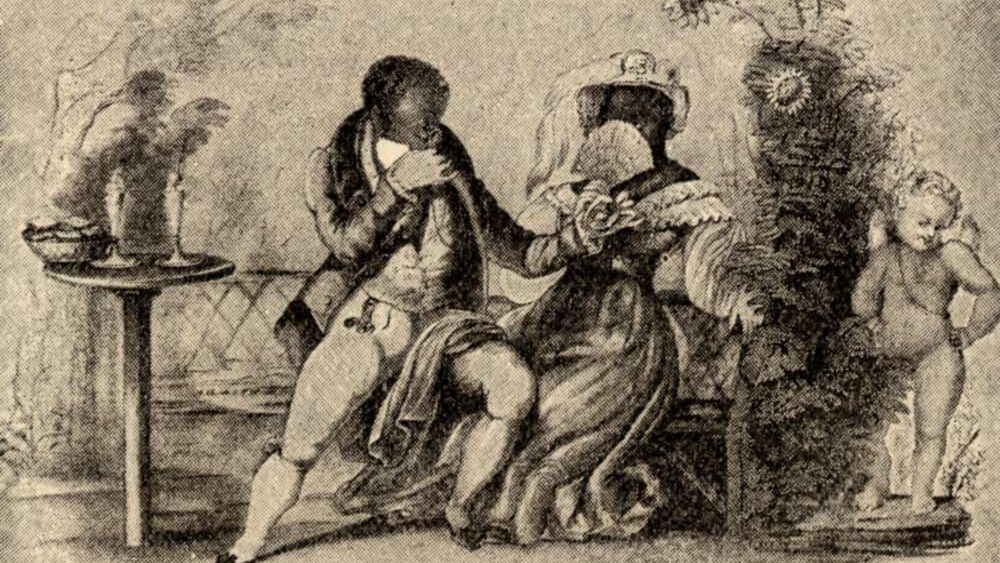
“Do Your Ears Hang Low?” is a kids song about a person with long, floppy ears. The lyrics ask rhetorical questions about what their ears can do. Historians often associate this song with the tune to “Zip Coon,” which was a minstrel song from the 1800s.
“Zip Coon” revolved around a racist caricature of a free black man. The character wore too-large clothes and was shown to be foolish, talking and acting in ways meant to entertain white audiences. This was common in blackface minstrelsy.
The lyrics as it’s sung today are not racist. What makes the song troubling is its tune possibly having historical connections to a song from the blackface tradition. Since we can’t know for sure exactly how the music evolved, it’s better to say that the song was associated with “Zip Coon” rather than descended from it.
Jump Jim Crow
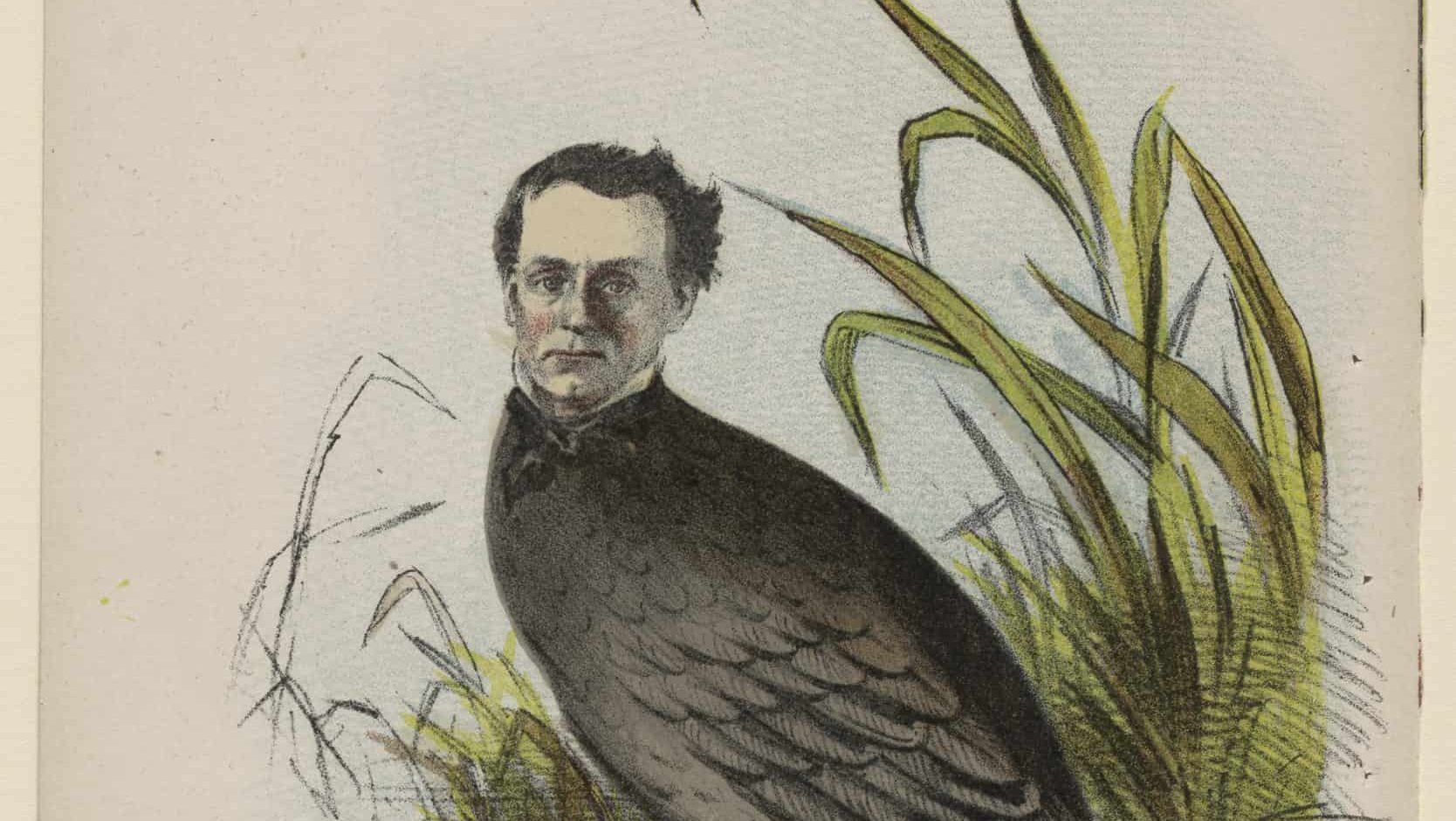
Jump Jim Crow is a song about a man named Jim Crow. He sings and does a silly dance.
The white singer Thomas Dartmouth “Daddy” Rice played Jim Crow wearing blackface and mocking movements, speech, and mannerisms that were thought to be stereotypical for black people. “Jump Jim Crow” soon ranked among the most famous blackface acts.
Eventually, the name “Jim Crow” would be tied to racial segregation in the United States.
Carry Me Back to Old Virginny
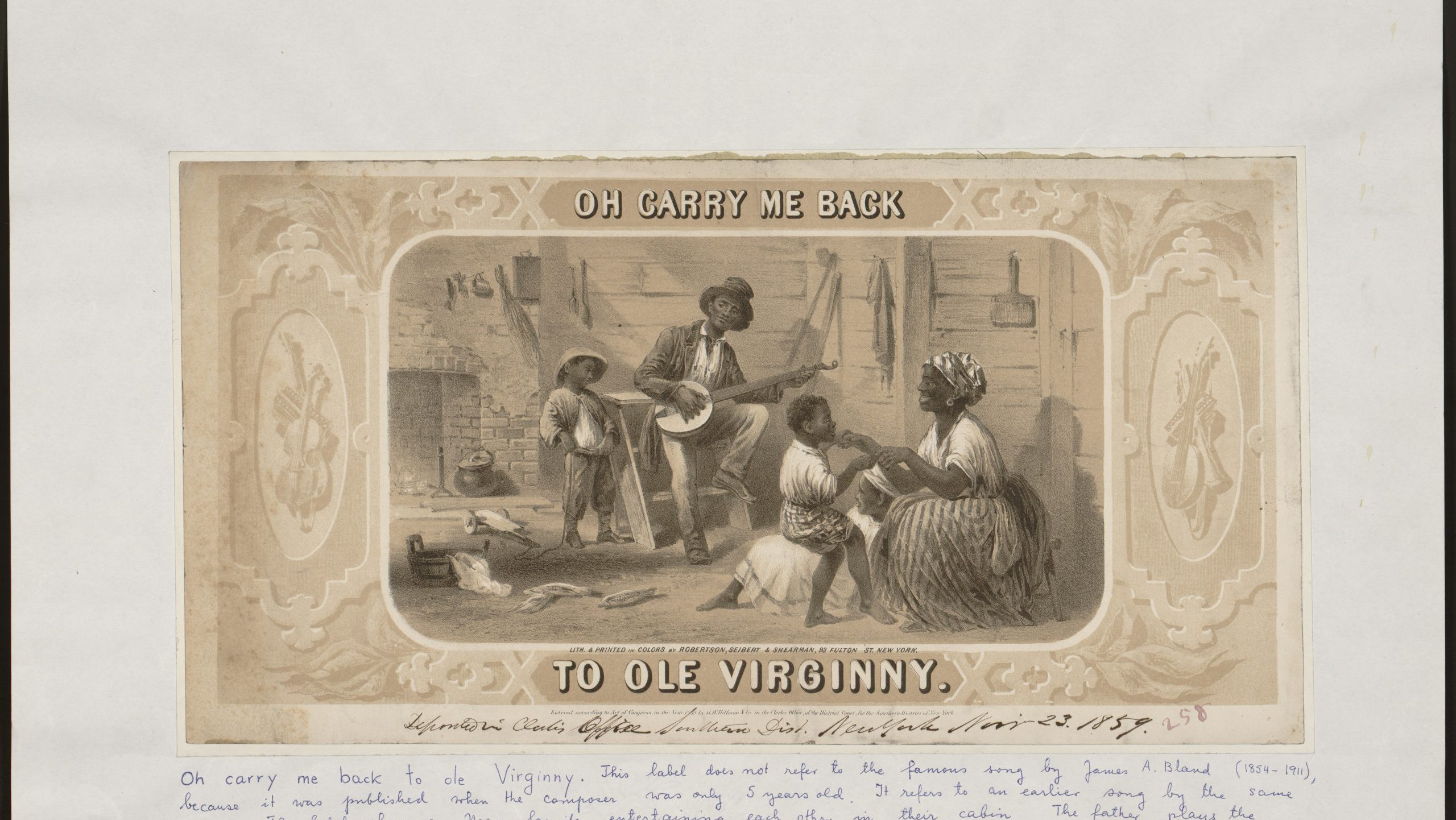
Composed by a black musician named James A. Bland in 1878, “Carry Me Back to Old Virginny” is a song detailing a former slave’s desire to revisit the Virginia plantation he once labored on for his master.
Plantation life is put in a good light through this song. Rather than singing about the abuse he faced while enslaved, the song’s narrator sings of how he misses his old master and living on his plantation. This song furthered the ideology that came about after the war that Black people were content with plantation life and even missed their enslavers (the Lost Cause).
As years passed, the song started to carry a controversial meaning.
Chinese Laundry Blues

This is a song by George Formby from 1932 about Mr. Wu, a Chinese laundryman who works in London’s Limehouse district. He falls in love and neglects his work.
His race (or ethnicity), appearance, profession and supposed cultural quirks are all played up for laughs. It’s an example of the ethnic stereotyping that existed in British music-hall entertainments of the time.
The issue is not just that the character is Chinese. The issue is that he’s not depicted as a regular guy regardless of his ethnicity, but instead his ethnicity is played for laughs.
My Old Kentucky Home
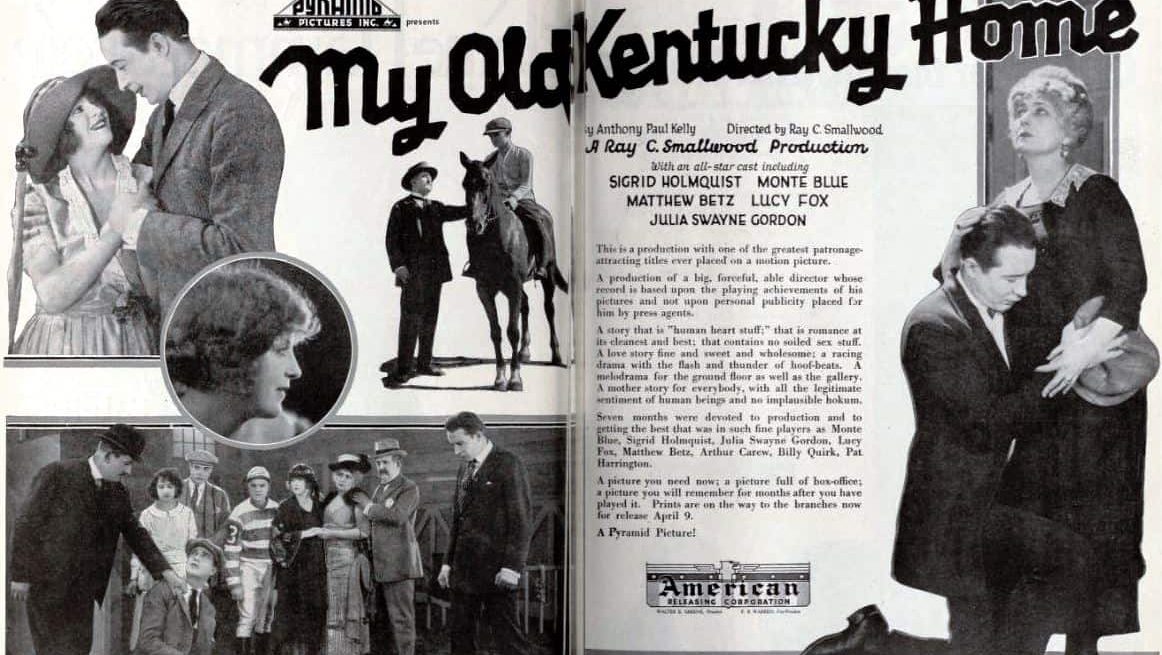
Stephen Foster’s 1853 composition captures a slave’s sorrow over his family’s sale and his wistful thoughts of home in Kentucky.
“My Old Kentucky Home” became associated with blackface-minstrel shows. Foster originally used the racial slur in the song.
While Foster depicted enslaved people with empathy, later versions of the song stripped away his more somber verses, instead painting a romanticized view of the Old South.
Dixie
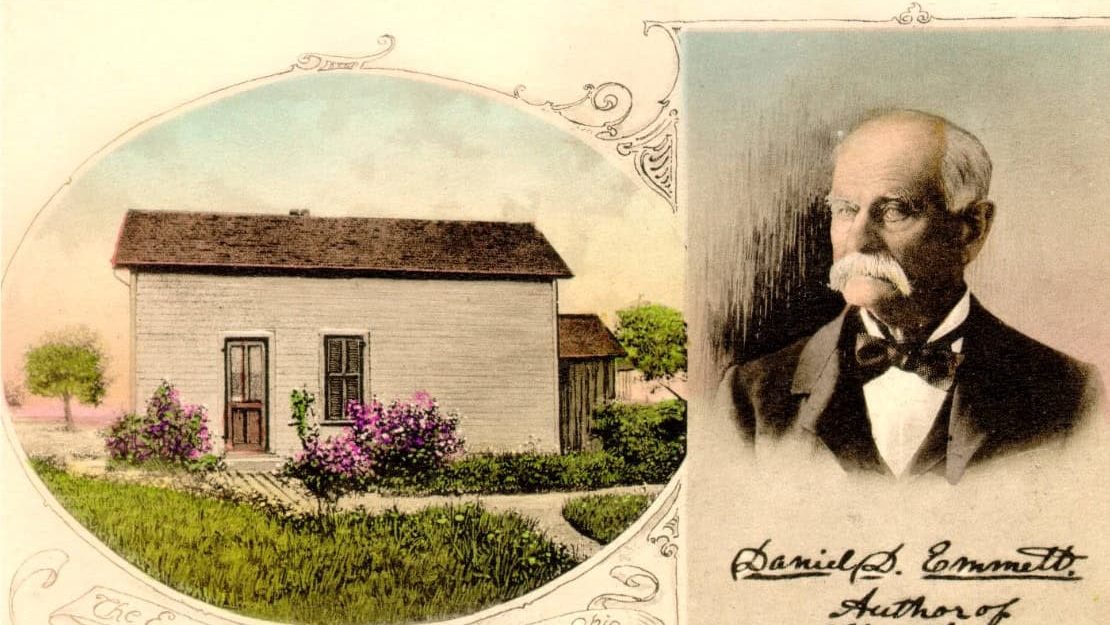
“Dixie,” often attributed to Daniel Decatur Emmett, is a wistful song about yearning for “Dixie’s Land,” its lyrics painting a picture of plantation life using a stylized form of Black dialect. The song debuted with Bryant’ Minstrels in 1859.
“Dixie” had its origins in the blackface minstrel tradition, in which white performers applied racist caricatures of black people. The song became strongly associated with the Confederacy and the slaveholding South during the Civil War. After the war, “Dixie” continued to evoke memories of the Confederacy.
Camptown Races
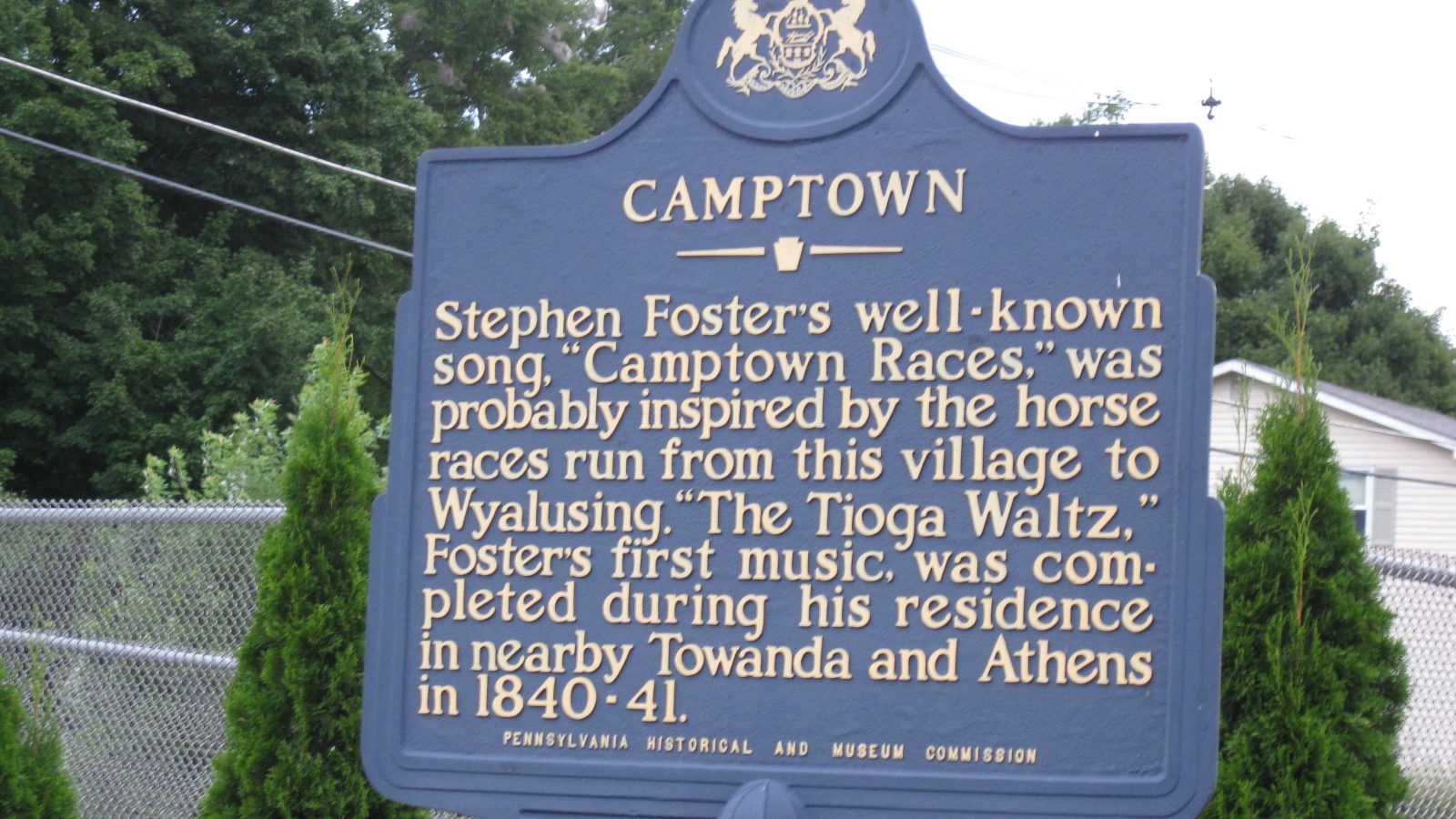
Stephen Foster penned “De Camptown Races” in the year 1850. The song debuted with the Christy Minstrels, who were among the most popular of all blackface minstrel troupes during that era.
This song is often played around nowadays as a harmless kids song. It originally included speech patterns that greatly caricatured African Americans and drew heavily from minstrel show elements.
The song proved to be extremely popular and versions were even sung by Forty-Niners during the California Gold Rush.
Shortnin’ Bread
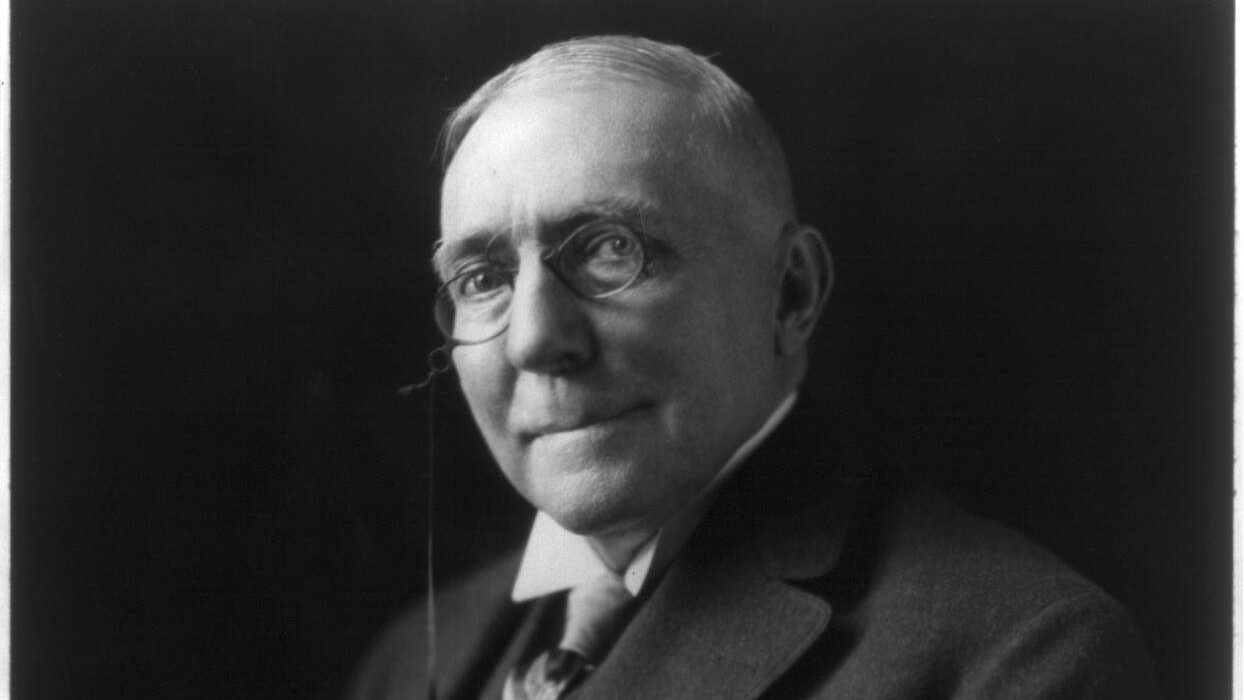
Essentially a children’s folk song, Shortnin’ Bread centers on food and its recurring mention of shortnin’ bread. The song has been associated with African American and Southern folklore for a long time.
The racial history of this song is complex. While James Whitcomb Riley published a version of the song in 19oo, it could be based on a previous African American song that was sung on plantations. The song’s circulation was amplified by minstrelsy and other popular entertainment, with certain versions unfortunately featuring racist descriptions of Black children.
However, since we lack definitive proof of its origins during slavery, we can’t assert plantation origins as a certainty.
Ten Little Injuns
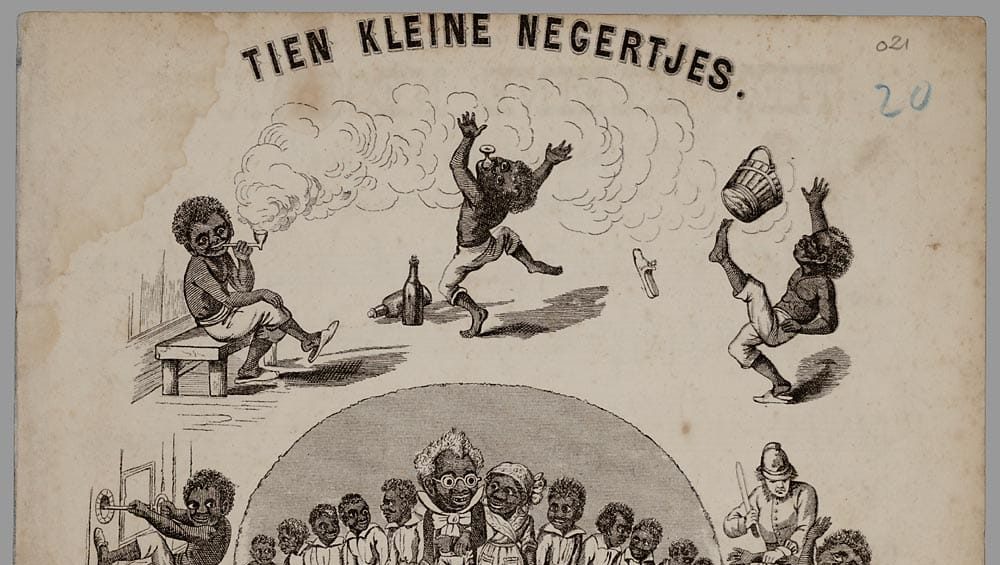
Ten Little Injuns was published in 1868 by songwriter Septimus Winner. This was during the height of popularity for minstrel songs and other novelty tunes.
The very title of this song is racist, since it uses “Injuns” as though it were a cute or childish term to refer to Native Americans. What’s more, the problem intensifies when alternative versions of the song alter the racial group being represented. Adding to the offense, a number of versions have changed the lyrics to incorporate a deeply offensive anti-Black slur in place of “Injuns.”
The controversy over race in Ten Little Indians arises from its concept of reducing racial identities to cartoonish song characters. The lyrics were altered in later performances, yet the central theme remained.
Oh! Susanna
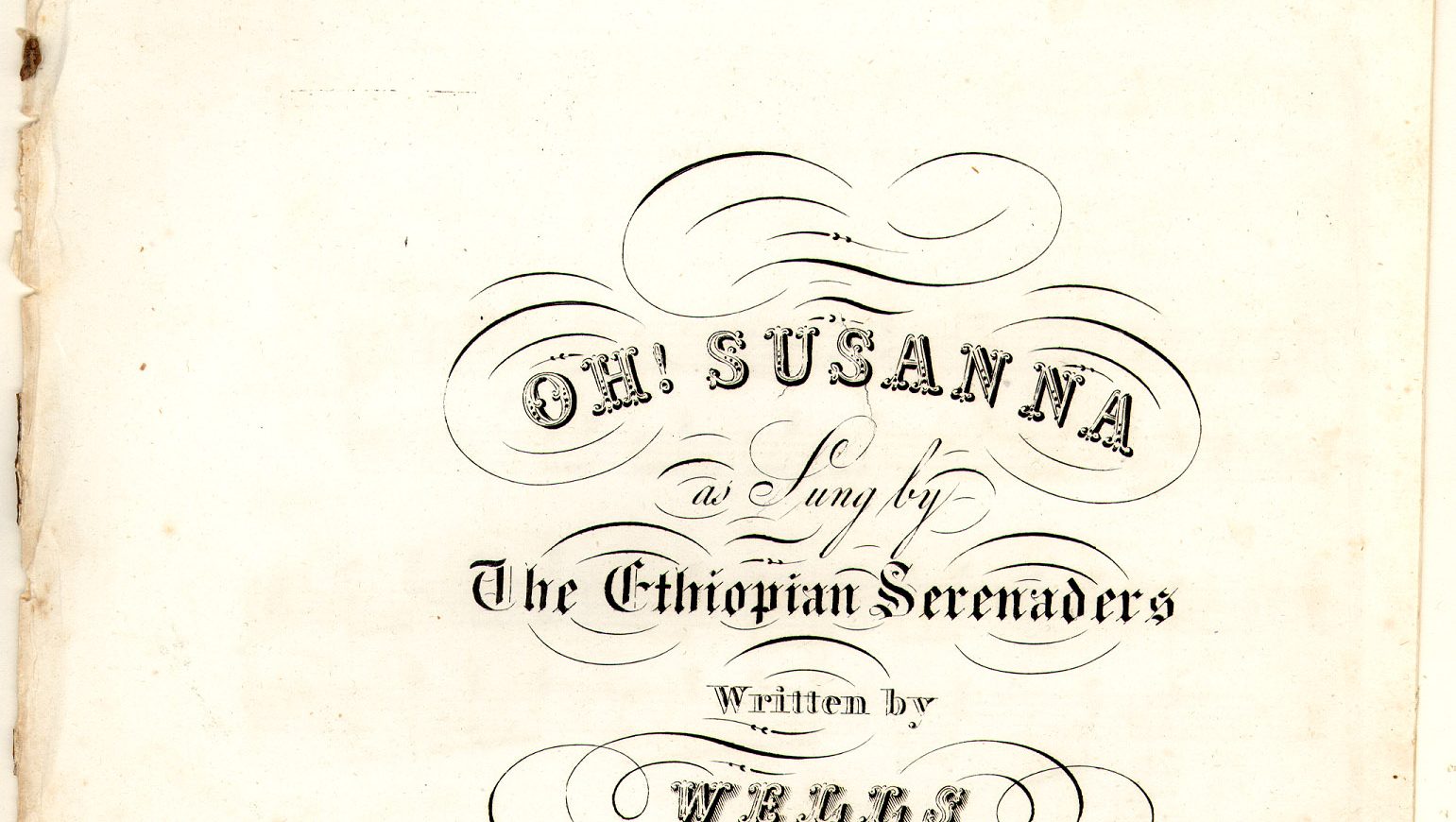
Stephen Foster’s “Oh! Susanna” describes a man who is traveling to Louisiana to be with Susanna. He’s got his banjo with him and spends the rest of the song whining about all sorts of silly bad luck he encounters during his journey.
Composed in 1847, this song became extremely popular with blackface minstrels. The song’s original words contained a slur against Black people and a verse that made light of their deaths. Additionally, its performance in blackface minstrelsy involved depicting Black people via racist caricatures.
As years went by, many cleaner versions of this song found greater favor. However, regarding Foster’s original work, racism and its links to blackface minstrelsy, the Library of Congress leaves no room for doubt.
Sources: Please see here for a complete listing of all sources that were consulted in the preparation of this article.
Like our content? Be sure to follow us.
13 of the saddest songs ever written

Some songs do more than simply hit. They drag you emotionally, but not necessarily in a bad way, and it’s because of that one line & one memory they bring back. It stops you right in your tracks.

