
We like to think fondly of our grandparents’ cooking, but it wasn’t always done by food safety guidelines. Sure, old traditions and “what felt right” played a big part in their cooking instead of food thermometers and laboratory testing.
Old-fashioned recipes showcase cooking practices from a bygone era with very different standards. Some are great, others not so much. Hidden in these old recipes are some dangers they never knew existed.
Let’s have a look at 12 ways grandparents cooked meals that would never pass health codes today.
Keeping a perpetual stew pot on the stove

The perpetual stew was peak resourcefulness: a pot kept simmering on the back of the stove for days. Whenever scraps were available, they went in, whenever a bowl of soup was wanted, one came out.
That way, a hot meal was always available, a real boon for families with little time.
Of course, it had to be maintained at a very specific temperature constantly. If the fire ever got too low at night, you were basically feeding your family bacteria. Even if re-boiling after, certain pathogens would stay alive and cause havoc on the stomach.
Sealing homemade jams with paraffin wax
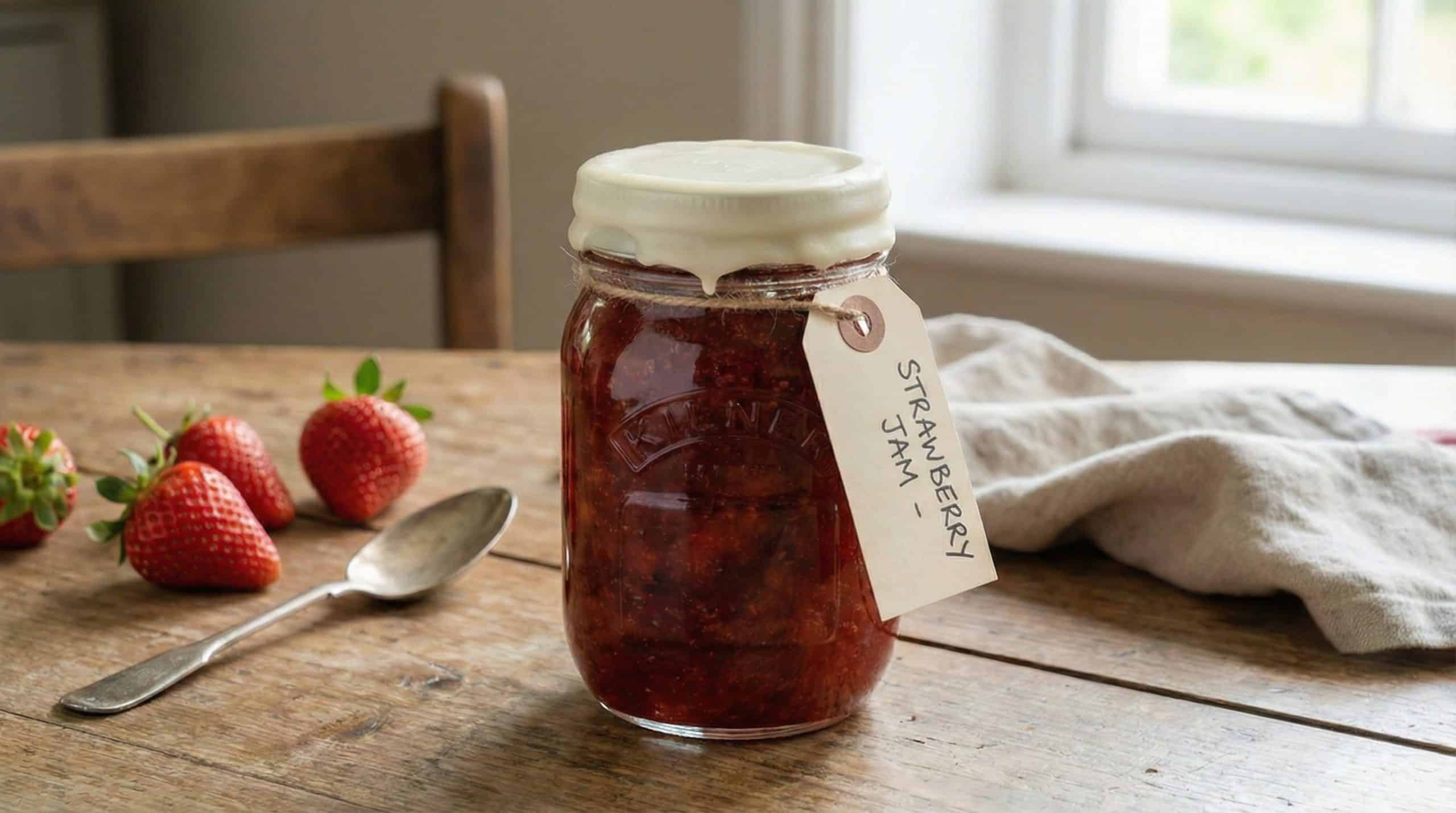
Sealing jam jars with wax kind of worked, until it didn’t. Wax seals are cheap and easy. And that’s why every retro cookbook ever told you to do it. But your food isn’t safe if it’s “mostly sealed.”
Wax cracks and shreds away from the glass jar, leaving air and bacteria to invade underneath. That’s why we switched to canning lids: they form a pressurized seal that you can count on for longer than a month or two.
Storing cooked rice or grains overnight on the counter
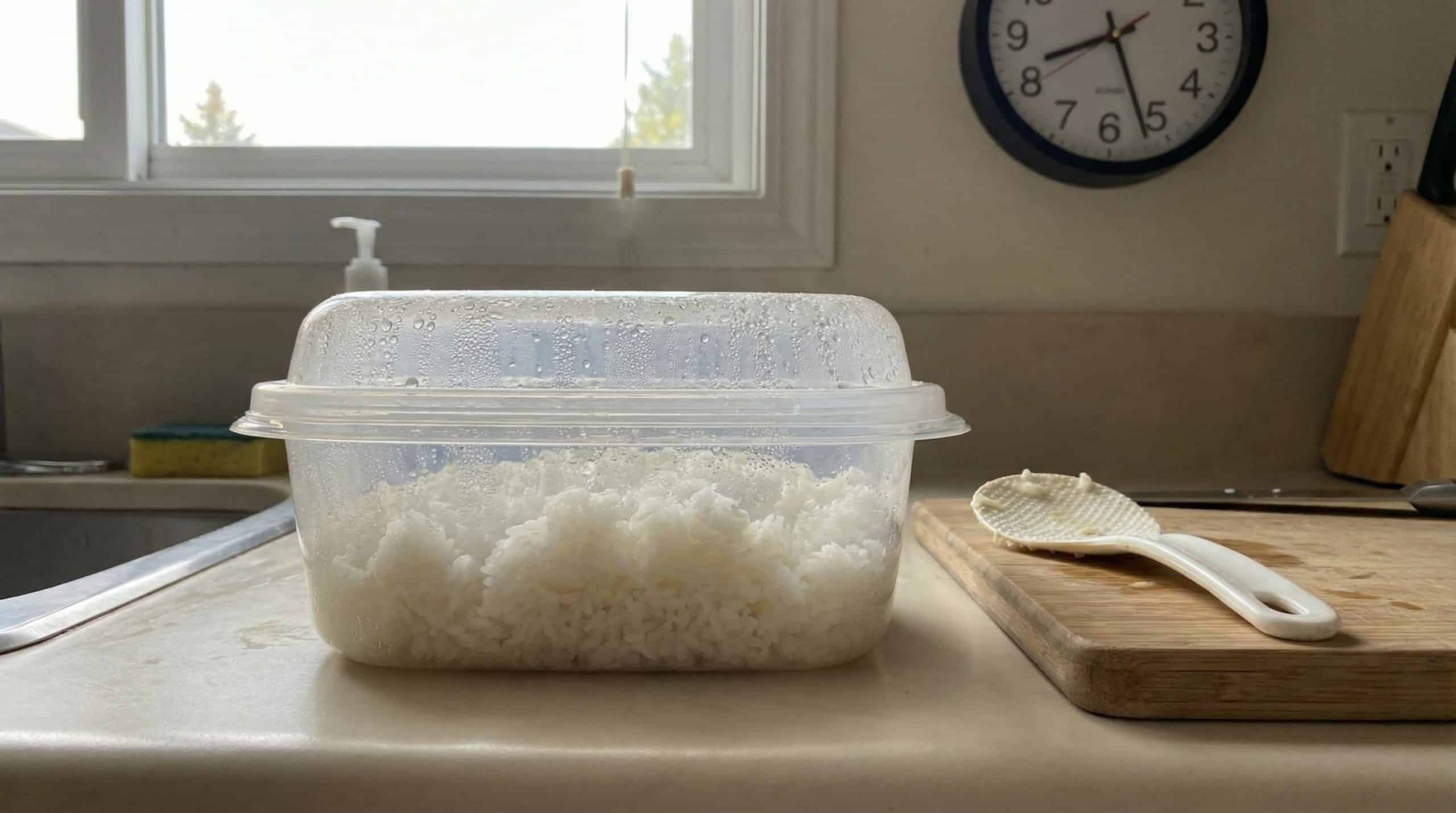
Back when fridge space was premium, leaving a large pot of rice out overnight on the stove was a normal preparation for tomorrow. The theory was that you could just kill the germs by stir-frying it in the morning.
Modern science has revealed that rice harbors a particular spore, unaffected by the heat of boiling, that actively grows as the rice cools down. That seemingly harmless habit turned a lot of safe leftovers into a truly awful experience for some folks.
Cooling pies and custards on open windowsills

Back in the day, a windowsill was the go-to spot for cooling pies and custards. People wanted that lovely steam to waft through the air.
However, an open window also lets in bugs, dust, and debris from outdoors. While fruit pies could get away with it, custard pies and those containing eggs or milk were a different matter altogether.
That kind of exposure would keep them in the danger zone for ages. Today, people usually keep pies indoors to cool and then refrigerate when cooled.
Home-curing meats without measured curing salts

Grandpa would reach down into a bag of salt with his hand and slap it on a chunk of pork. Then stick that pork in the basement, hoping his instincts were correct.
Men learned this method from their fathers and so on. The process, however, was incredibly hit-or-miss.
There was no way to precisely measure the salt used for curing. In essence, you were just praying that the meat wouldn’t go bad before it was cured. These days, we treat curing like a science experiment. If you want a ham that won’t kill you, be precise.
Using a shared tasting spoon while cooking
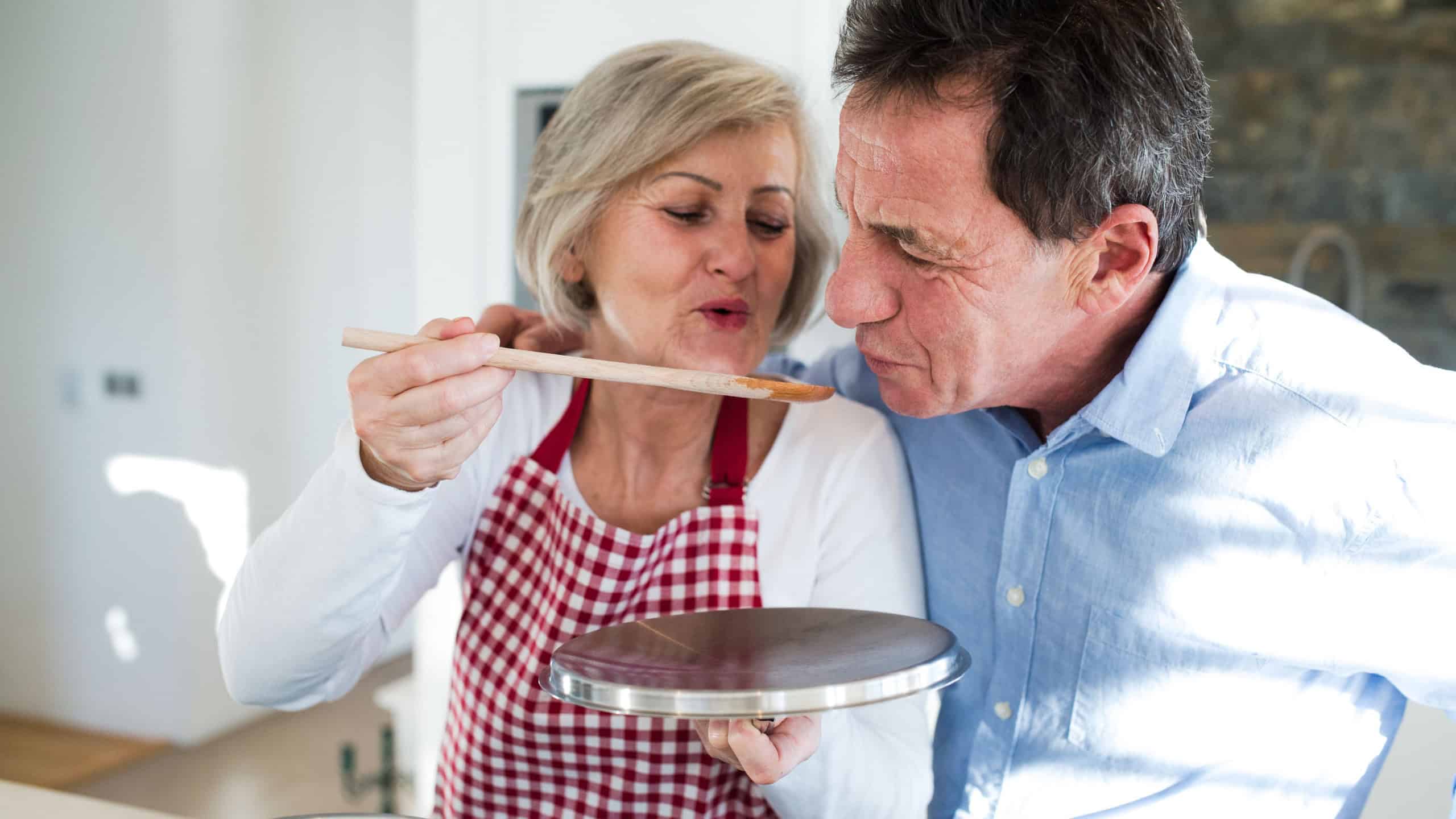
In kitchens where there is always hustle and bustle, families kept a shared tasting spoon, just like there was a pot on the stove. They would dip their wooden spoon into whatever was cooking, slurp out a taste to see if it needed salt, and stick that dirty spoon back into the pot.
Why wash the spoon? It’s fast, it’s easy, and who are you cooking for? Family.
Thanks to cooking shows and hygiene concerns, most people realize that this transfers bacteria through direct contamination and is just plain gross.
Health codes for commercial kitchens even require that each time you dip your spoon into that pot of deliciousness, you use a new spoon. There is no need to let those germs take a field trip.
Making raw-egg drinks or sauces without pasteurization
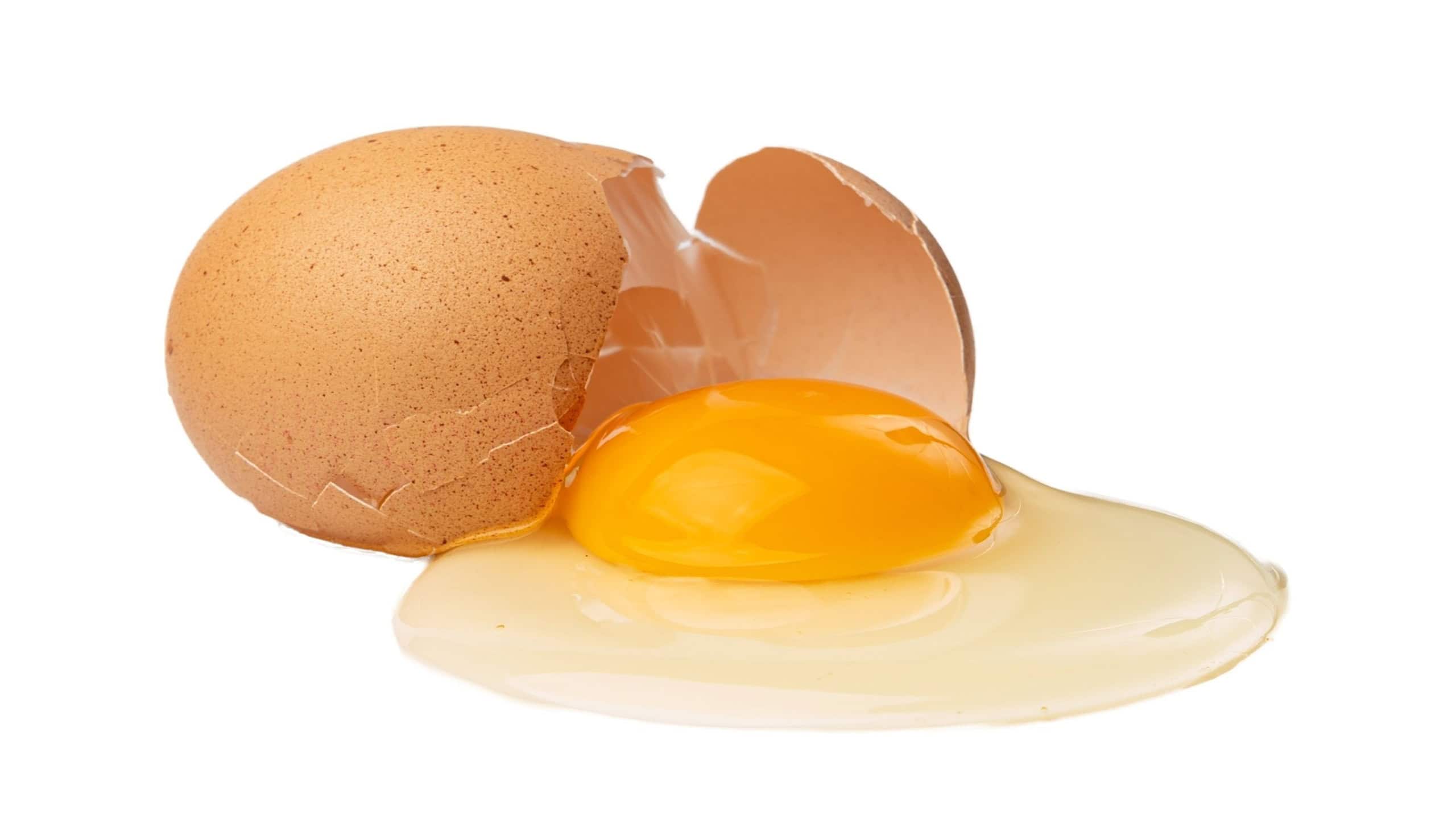
Be it a foamy holiday nog, sauce or health tonic paired with milk, raw eggs were foundational in the retro kitchen. Consumers thought that, if an egg was fresh from the coop and the shell clean, it was safe to consume.
Back then, cookbooks often skipped the safety concerns, operating under the assumption that fresh eggs were good to go. We’ve since learned that an unbroken egg can harbor Salmonella, not just its surface.
As a result, modern cooking relies heavily on pasteurized eggs, except when they’re destined for the skillet.
Thawing meat on the counter all day

The go-to method for preparing dinner for years was to grab a frozen roast or pack of chicken and let it thaw in the sink all day long. Manuals reaching from the mid-century touted “set it and forget it” as your thawing tactic.
The issue is that thawing on the counter lets the outside of the meat heat to room temperature hours before the center even begins to thaw. This gives bacteria tons of time to rapidly multiply on the surface while the inside is still frozen solid.
Now, the safe methods are slow and steady refrigerator thaw or a cold-water bath to keep meat cold while thawing.
Reusing marinades as sauce without boiling
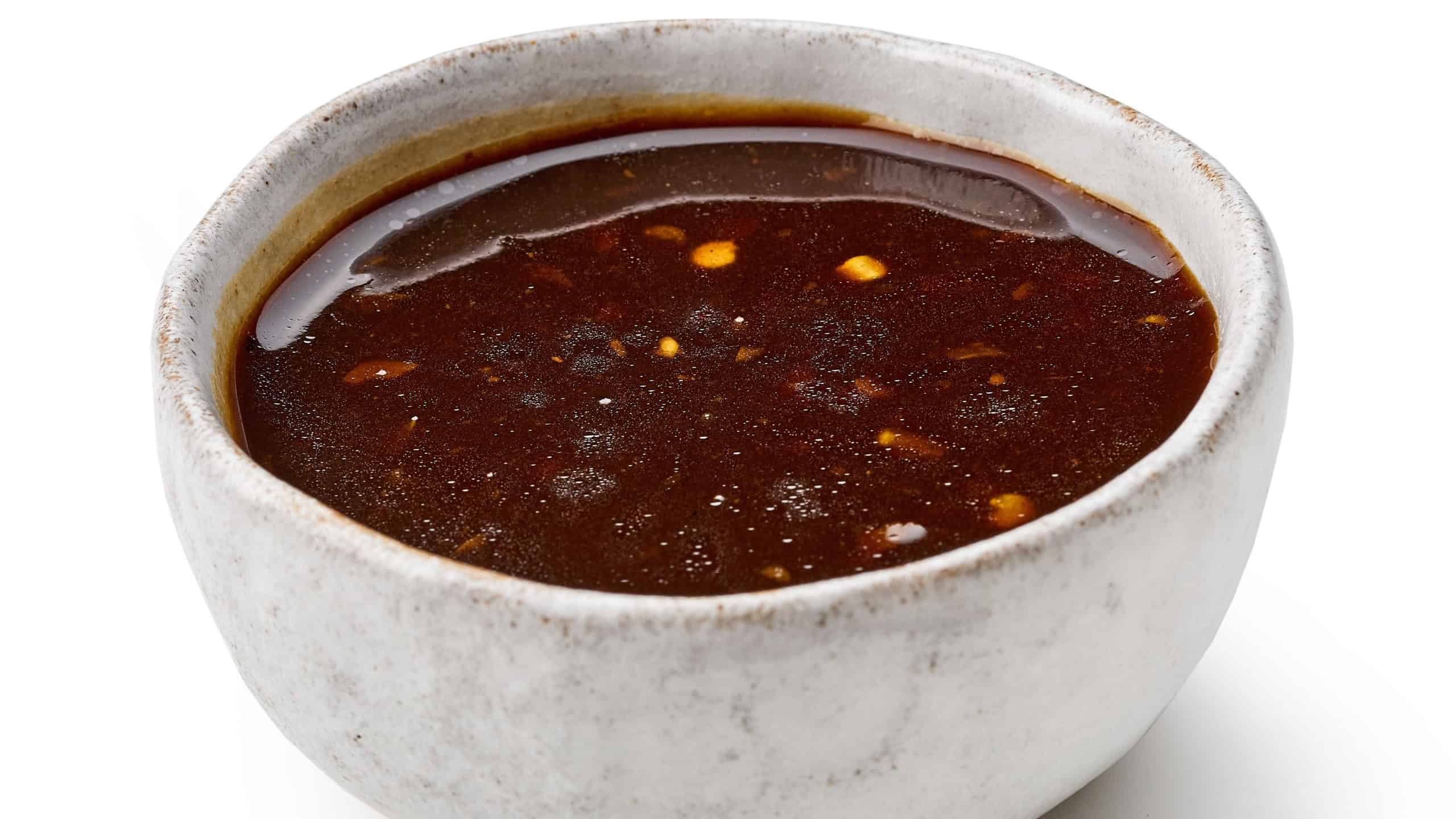
When “waste not, want not” was still good advice for the kitchen, slathering leftover marinade on your cooked steak or chicken was natural. It’s full of flavor, and has already been perfectly seasoned. Why toss it?
Well, it spent hours hugging raw meat, absorbing all the gross bacteria right along with the spices. Unless you brought that sauce to a raging, rolling boil, you were essentially bathing your safe cooked dinner in raw meat juices.
Sun tea brewed for hours outdoors

Watching a massive glass jar of sun tea swirl lazily on porch steps, gradually ambering in the afternoon sunlight, was soothing beyond belief. Plus, it was the perfect low-effort trick, and was celebrated for its delicious taste.
However, this tea never actually reached a temperature hot enough to kill anything. On the contrary, the sun merely provided a nice, warm, little incubator for happy bacterial colonies burbling about in your water, if you sweetened it.
Thanks to today’s safety standards, sun tea isn’t quite the refreshing treat it used to be. The current advice is to use boiling water to prepare the jars and then cool the tea with ice cubes.
Straining broth through the same cloth over and over

Every kitchen once treasured a heavy flour sack or piece of muslin cloth. From broth to jelly, it strained it all, and then was rinsed and hung up, ready for round two.
Day in and day out, that wet cloth became a cozy microbial habitat living deep within its fibers. Whenever fresh hot broth was poured through the cloth, microbes from the cloth were stirred into the mix.
Instead of the old cloth, modern cooks now reach for disposable filters and sterilized tools in the kitchen.
Smoking meats in backyard sheds without temperature control

Our old smokehouses just worked differently. People didn’t use thermometers back then. They went by color, smell and touch to determine if a ham was cooked through.
You just learned everything by watching the process and tasting year after year. Sometimes it would turn out as expected, and sometimes it wouldn’t. That’s just the way it was. Now-a-days, smokers come equipped with timers and heat gauges, so there is no guessing.
Sources: Please see here for a complete listing of all sources that were consulted in the preparation of this article.
Like our content? Be sure to follow us.

