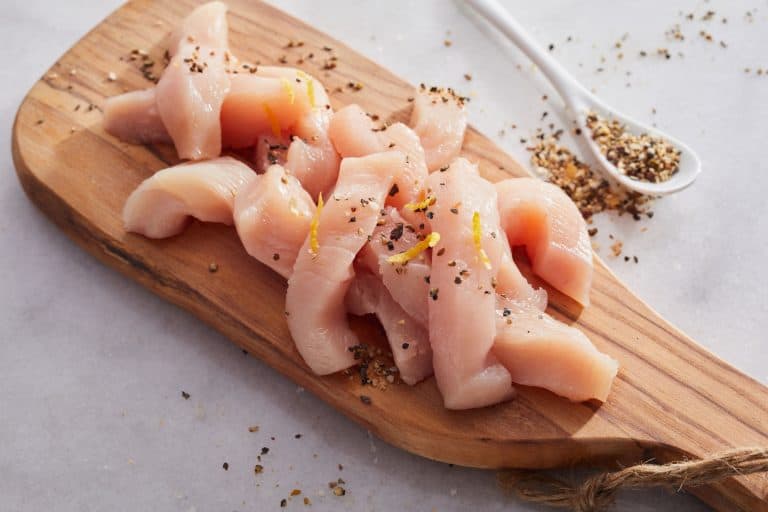

Some food contests get really picky about what you can put in the pan. Sure, the presentation & flavor are important, but some things are flat-out banned. And not always for reasons you’d expect. We’ve looked at the rules for some of the most popular cooking competitions & here are some of the strangest banned ingredients. Which one surprised you the most?
Featured Image Credit: Shutterstock.
Sturgeon caviar at Bocuse d’Or, Lithuania

Chefs competing in Lithuania’s version of the Bocuse d’Or can’t leave sturgeon caviar on the menu. The rules have banned this fishy food entirely. It’s right next to the required proteins & vegetables in the rule book. There’s no way you can impress the judges with those tiny black pearls. They’re on the blacklist.
Synthetic truffle aroma at the Australian Food Awards
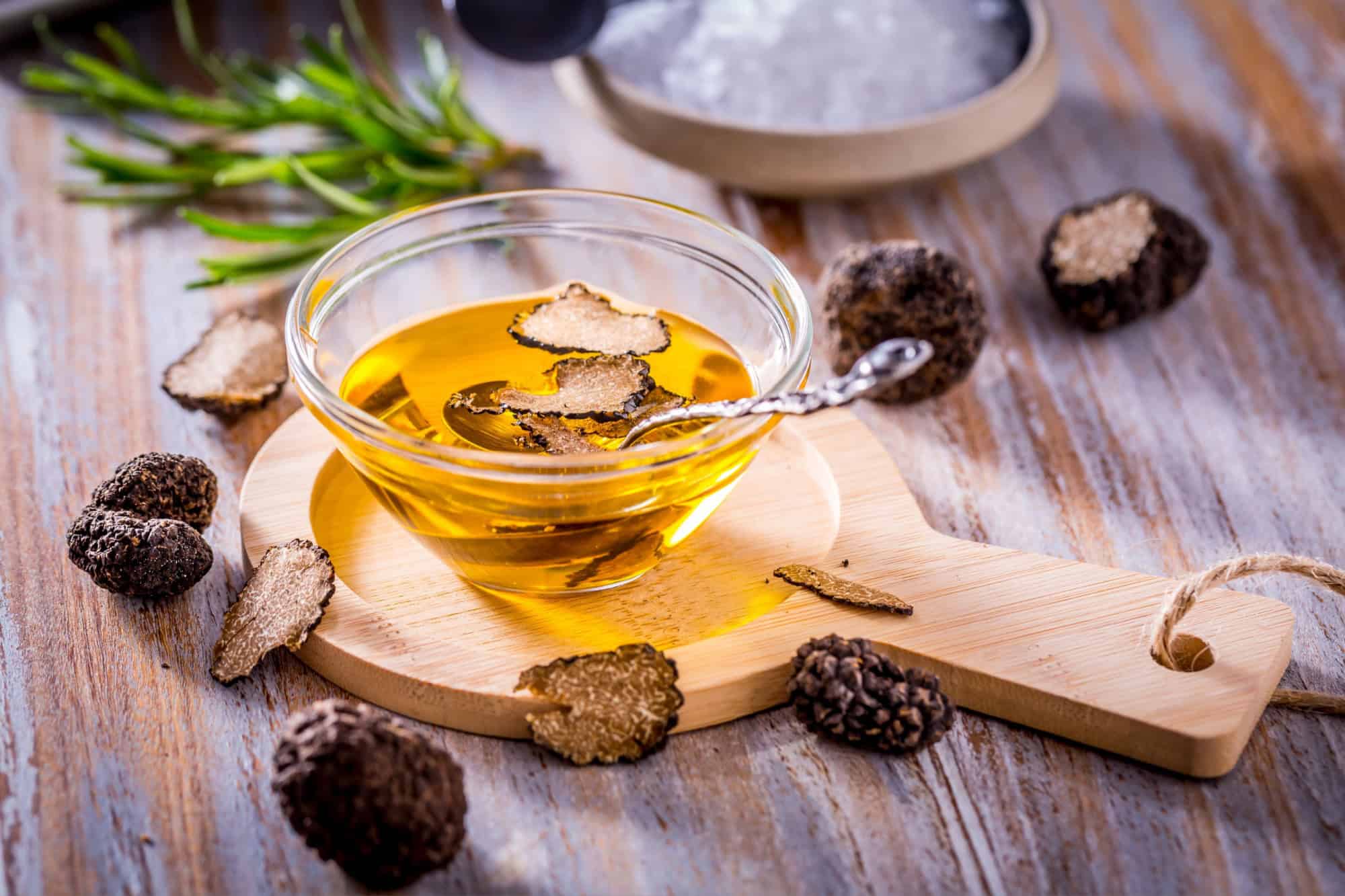
That strong “truffle oil” smell in a bottle usually comes from a lab. It’s not from the ground. However, the Australian Food Awards doesn’t want any of it & they specifically call out 2,4-dithiapentane. It’s off-limits in truffle product entries. Why? Because everything has to come from actual truffles instead of a manufactured scent. Fair enough.
Beans in CASI “Traditional Red” chili

Anyone used to chili with beans should probably avoid CASI’s (Chili Appreciation Society’s) international big competition. Their rulebook explicitly forbids beans in the Traditional Red category. Period. It’s because the dish is supposed to focus on the meat & the peppers, as well as the spices. Beans count as a “filler.”
Macaroni in CASI “Traditional Red” chili

But it’s not only beans that are banned. CASI also forbids macaroni in the same rule set, even though chili with noodles is in many family kitchens. Not for this competition. It’s a hard no. Judges want bowls that stick to chili basics instead of pasta dinners disguised as chili. Can you blame them, really?
Hominy in CASI competition chili

CASI loves to make rules. Their rule list also names hominy as a banned filler food, no matter how much some people might love the chewy corn texture. It’s not part of the official chili definition. Instead, each entry has to stay focused on meat & chili peppers.
Rice in ICS “Traditional Red” and “Chili Verde”

Many people use rice to bulk up chili. But doing so won’t fly in the International Chili Society’s Traditional Red or Chili Verde divisions. The rules clearly lump it with other fillers that are off-limits. This includes pasta. Homestyle chili is another story, but in the two main categories, rice is banned.
Milk in World Porridge Making Championship’s “traditional” category

The Golden Spurtle event in Scotland is an event that takes porridge really seriously. Perhaps too seriously. In the traditional category, you can’t add milk at all. You’re only allowed oatmeal, water & salt. That’s it. It sounds strange, but using milk in porridge means you’re automatically out.
Rolled oats in World Porridge Making Championship’s “traditional” category

What you stir in isn’t the only important factor in this porridge competition. Even the kind of oats you use matters. Rolled oats, or quick oats, aren’t allowed at the World Porridge Championship, as the traditional round requires “pinhead” oatmeal. This is also called steel-cut. So, showing up with a Quaker canister means you’ll be disqualified before you even start cooking.
Nuts at Jr Iron Chef Vermont

At Jr Iron Chef VT, the student teams are allowed to get creative, but nuts are totally off the table. The ban isn’t for taste’s sake. It’s a school event, so the nut ban is there for safety reasons. Any contestants will have to rethink recipes that might rely on them.
Meat at Jr Iron Chef Vermont

The same youth competition bans meat as well. High schoolers & middle schoolers entering dishes aren’t allowed to cook with any beef or pork. Anything in that category is banned. Sure, the restriction makes planning menus a little harder. But that’s part of the challenge to work with plant-based options only.
Foie gras at the California State Fair

Don’t bother packing foie gras for the California State Fair. Or for California in general, for that matter. The state banned the sale of foie gras back in 2012. Their rulebook makes it simple that you can’t use duck or goose liver dishes, period. It makes sense. Foie gras is made in a rather cruel way.
Sea turtle meat at the Texas BBQ Cook-Off

Why anyone would want to eat sea turtle meat is beyond us. But it’s not allowed at Texas cook-offs run with Parks & Wildlife, as protected species are off the list. The rule is tied to state & federal wildlife laws. But pitmasters can use brisket & ribs, as well as sausage. All that good stuff.
Sources: Please see here for a complete listing of all sources that were consulted in the preparation of this article.
Like our content? Be sure to follow us.


