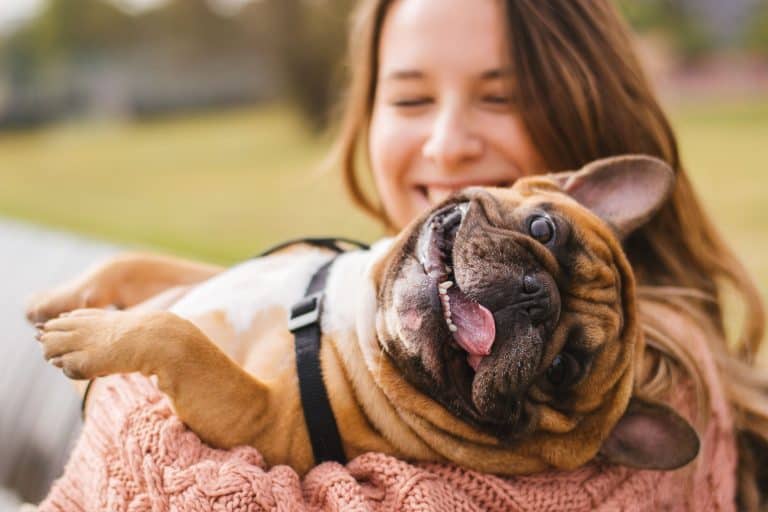

Dogs aren’t exactly mysterious about how they feel. Everyone knows a wagging tail means they’re happy. However, sometimes the real giveaways to their emotions aren’t what you’d expect & the angle or curve of their body can tell you a lot more. Here are 11 signs of a happy dog. Which of these have you actually noticed before?
Featured Image Credit: Shutterstock.
A play bow

You might’ve seen a dog suddenly drop its chest to the ground & keep its butt way up in the air. This is called the play bow. It’s their way of saying they’re ready to play without making a sound, and researchers have tracked it across all sorts of canid species. They’ve even found it in wild dogs & it always means the same thing: they want fun, not a fight.
Tail wagging to the right

Yes, dogs wag their tails when they’re happy, but their tail swings differently based on their mood. A tail wagging more to the right side means they’re very happy to see someone. And scientists actually measured this frame by frame. As for a left-leaning wag? That happens more around stress, so watch which way that tail drifts.
Soft, squinty eyes with natural blinking

Happy dogs won’t stare you down. Their eyes get a little squinty & their lids soften, while they also blink at a normal pace. Trainers often call this “soft eyes.” The opposite look is wide eyes & a hard stare with no blinking, and that usually means tension. Try looking into your dog’s eyes next time. How do they feel?
Soft eye contact and mutual gazing

That’s not all for eyesight, as that moment when your dog just looks at you is important. They’re not necessarily demanding, just looking. Researchers tested this and found that oxytocin levels (the “bonding hormone”) go up in both the dog & the human. Wolves raised by people don’t do it the same way. It’s something unique to domesticated dogs.
A loose, curving approach with a wiggly body

A comfortable dog won’t march straight toward another dog or person. Instead, you’ll see their path curves & their body bends, maybe even a goofy wiggle as they come closer. That’s a polite canine hello. But a stiff and direct walk? That says something completely different, and not in a good way.
Side or belly-up sleeping in safe spots

It sure is cute when you see a dog flopped over on their side or belly-up with legs spread. But that’s also a clue. According to vets, belly-up sleeping helps cool them down because there’s less fur on the stomach. It also shows they have nothing to worry about. They’re exposing their most vulnerable side, so you’ll only see that when they’re really secure.
A helicopter tail or whole-body wag

There’s the regular wag, and then there’s the “helicopter.” It’s when their tail makes a full circle and the dog shakes their hips. Usually, you’ll see it when you come home, or when your dog sees someone they adore. But it’s not simple excitement because this is actually a dog’s full-body version of joy spilling over. Take it as a compliment.
Gentle leaning and relaxed body contact

Some dogs press their whole weight against you. It’s less of a shove, more like a steady lean, although it’s not necessarily meant to be a sign of dominance. It’s comfort. Think of it like sitting shoulder-to-shoulder with a friend on the couch, and a lot of dogs prefer leaning over curling up on laps. They’re telling you that they’re good right there.
A relaxed, slightly open mouth with loose lips

A “doggy smile” isn’t really a smile. Yet you can still tell what it means, as they have a loose mouth & lips pulled just enough that the corners hang naturally. Their tongue sometimes drapes out a bit. According to vets, that’s a resting, comfortable mouth, which is quite different from tight lips or heavy panting. That usually means something else entirely.
Bringing a toy to invite play
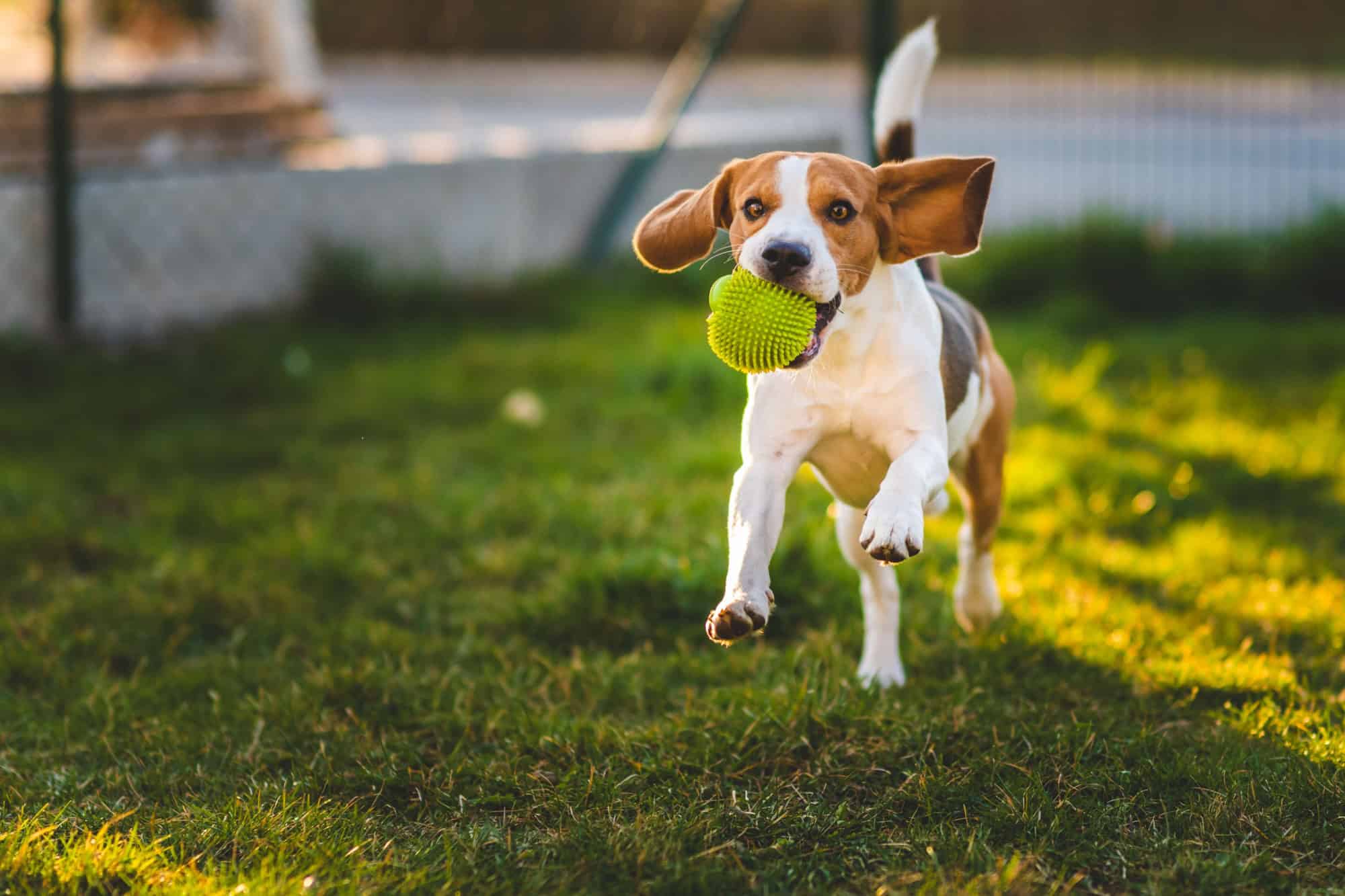
Lots of dogs grab a favorite toy & bring it over to their owners. It’s usually after they walk through the door. That’s a classic invitation to play, as they’re telling you to take one end while they take the other. Golden retrievers especially love this move. However, almost any dog will pull it out when they’re in a playful mood, so take it as a good sign.
Self-handicapping and role reversals in play

Dogs also play with other dogs in a weird way. Any big dogs that wrestle gently with a smaller one will crouch lower & let the little guy win, or even swap roles mid-chase. It’s called “self-handicapping and role reversal.” But really, it’s dogs being fair & keeping the game going. It’s really quite sweet.
Sources: Please see here for a complete listing of all sources that were consulted in the preparation of this article.
Like our content? Be sure to follow us.