

Some of the most interesting history facts are the ones that a lot of people don’t know about, especially because these details are so strange.
Doctors tried to revive drowning victims with tobacco enemas

Drowning is a horrible way to go, and doctors in London in the 1700s did everything they could to stop that from happening to people. That included tobacco smoke enemas. Yes, doctors William Hawes and Thomas Cogan recommended tobacco smoke enemas for drowning victims.
They’d pump smoke into the person’s rectum because, according to their theory, the warmth and stimulation would restart the body. They even stored equipment for these enemas near the waterways. Most people today know that idea is utterly ridiculous, though.
Two ancient babies were buried wearing other children’s skulls

Salango is a place in Ecuador where archeologists uncovered something totally strange. They found the bodies of two babies who’d been buried there around 100 B.C. Weirdly enough, the babies had skulls of older children placed over their heads, kind of like helmets.
One of the children was about 18 months old, while the other was only six to nine months old. The archeologists found eleven burials in total at the site, but it was only those two who received special treatment. It could’ve been a ritual. But really, nobody knows exactly why.
A future English king saved his dogs before drowning passengers
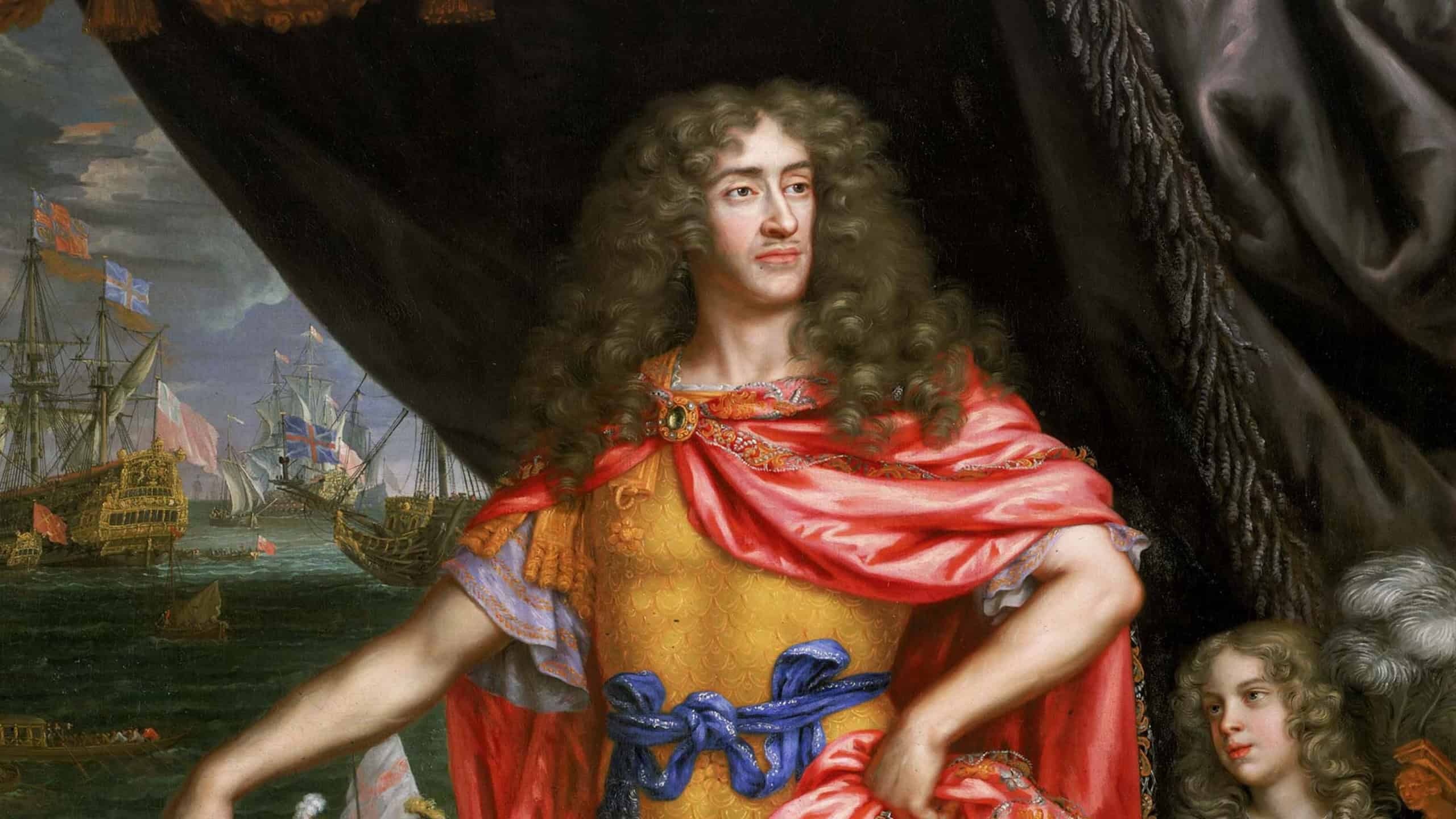
On May 6, 1682, HMS Gloucester sank near Great Yarmouth, with James, Duke of York aboard. He managed to escape the sinking ship and later became King James II, but that’s not the unusual part here. Around 250 other people may have died on the boat.
Royal customs meant passengers had to wait until James left the ship, and critics later claimed that he delayed getting off because he was allegedly protecting valuables and priests. He allegedly tried to save his own dogs before the passengers, too.
European artists used pigments made from human mummies
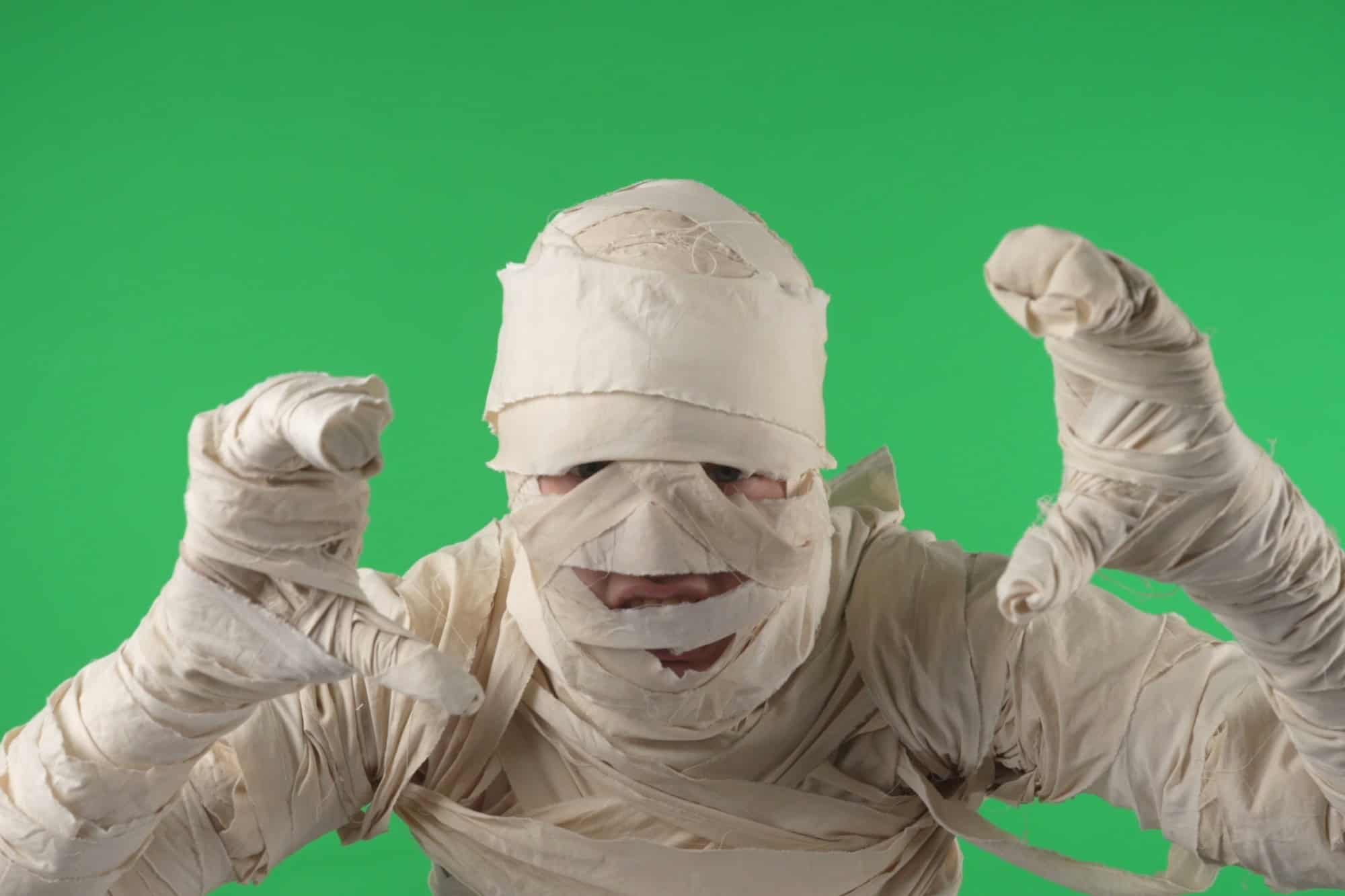
‘Mummy Brown.’ It sounds like an ordinary paint color, but actually, it was anything but. Some European suppliers sold brown pigment that they made using ground human mummy remains. Yes, really mummies. They mixed it with things like myrrh and pitch.
Artists used mummy brown throughout the 1700s and 1800s. One of them, Edward Burne-Jones, apparently owned a tube without knowing the name was literal, and he buried it in his garden when he found out the truth. Pretty standard reaction, honestly.
New Zealand farmers were injured by exploding trousers

Farm work was rather dangerous in 1930s New Zealand, although not for the reasons you might expect. It was due to a weed killer called sodium chlorate that farmers sprayed on ragwort. The chemical soaked into their trousers, however.
It could ignite with very little heat once it dried, and that’s exactly what happened in some cases. Farmers’ pants caught fire near fireplaces, and some supposedly started smoking when they were on clotheslines. There were stories of them exploding while farmers were wearing them.
Doctors deliberately infected people with malaria
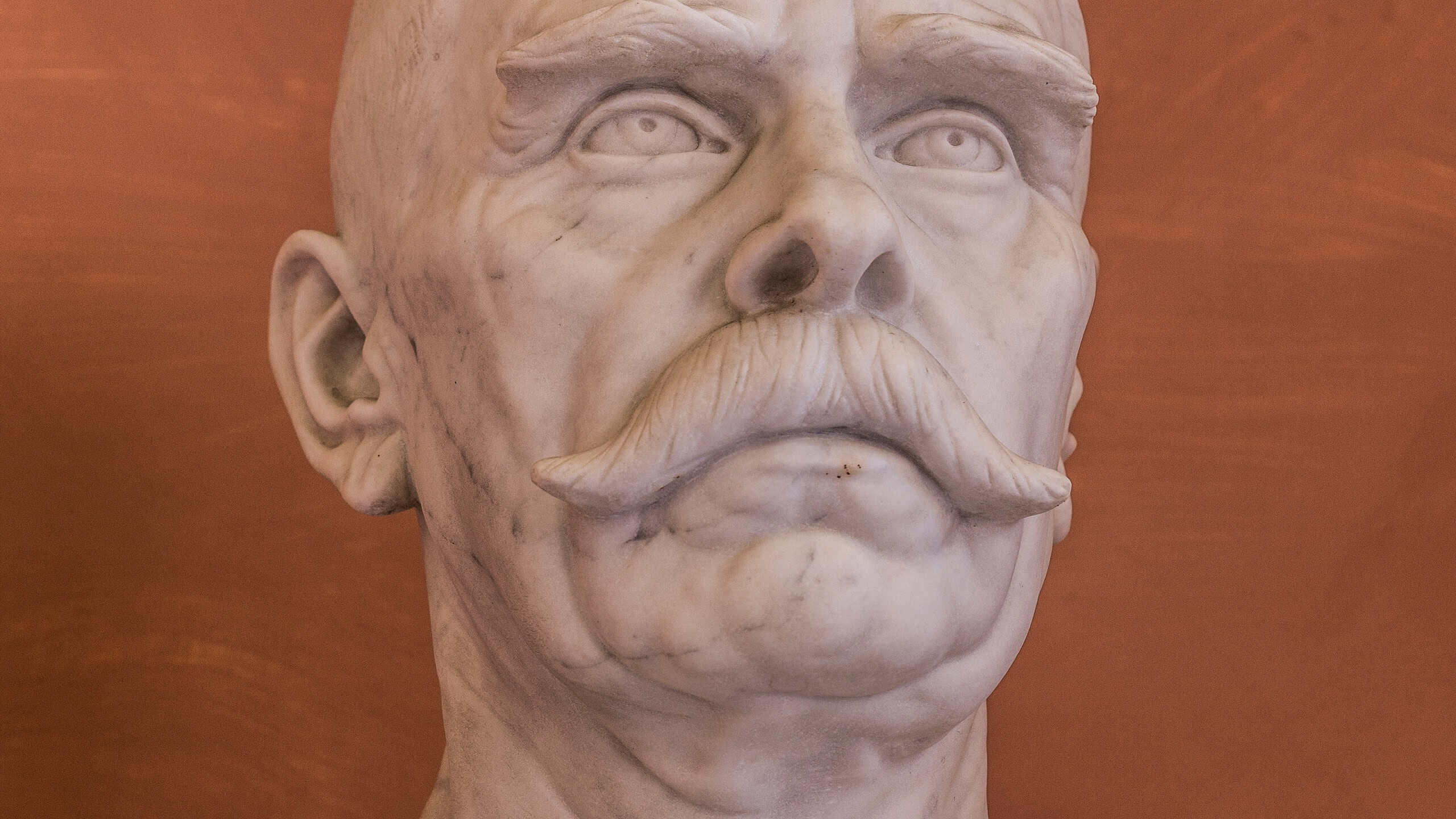
It sounds totally backward. Julius Wagner-Jauregg’s treatment plan for advanced syphilis involved deliberately infecting patients with malaria. He believed that, since malaria gave victims a high fever, it could kill the syphilis bacteria. They’d then treat the malaria with quinine.
As you might expect, some of the patients died, yet the treatment was still popular in the days before penicillin. Wagner-Jauregg actually received the 1927 Nobel Prize for the work, if you can believe that.
European courts sometimes tortured suspected werewolves

You’ve probably heard of the medieval witch trials. But you might not realize there were werewolf ones, too. Courts across parts of Europe arrested people and questioned them, sometimes even torturing them into a ‘confession.’ They admitted they’d changed into wolves.
It’s exactly what happened to a man named Peter Stumpp, a German farmer, who was executed near Bedburg in 1589. He admitted under torture to murder and cannibalism after turning into a wolf. It wasn’t a small problem, either, since cases happened in France and Switzerland, too.
A king employed someone to help him use the toilet
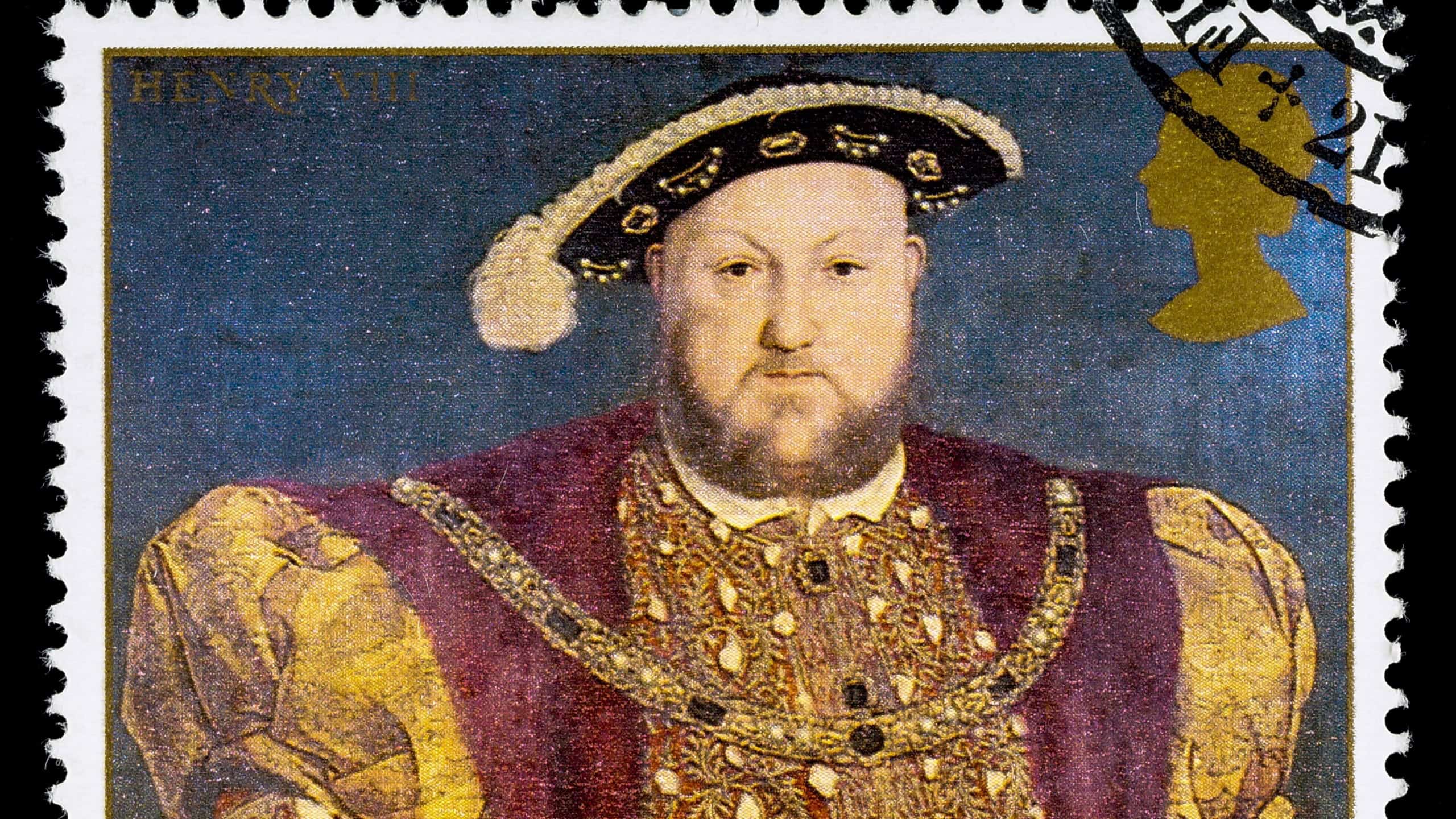
The Groom of the King’s Close Stool was probably one of the worst jobs you could have. It involved preparing King Henry VIII’s portable toilet and bringing supplies to him, like water and towels. You also had to keep track of his digestion.
The groom would also need to report health concerns to royal doctors, just to make things even more gross. But it’s not like people looked down on the job. No, it was a high-status position because the man holding it had private access to Henry, among other things.
London operated a special railway for dead people
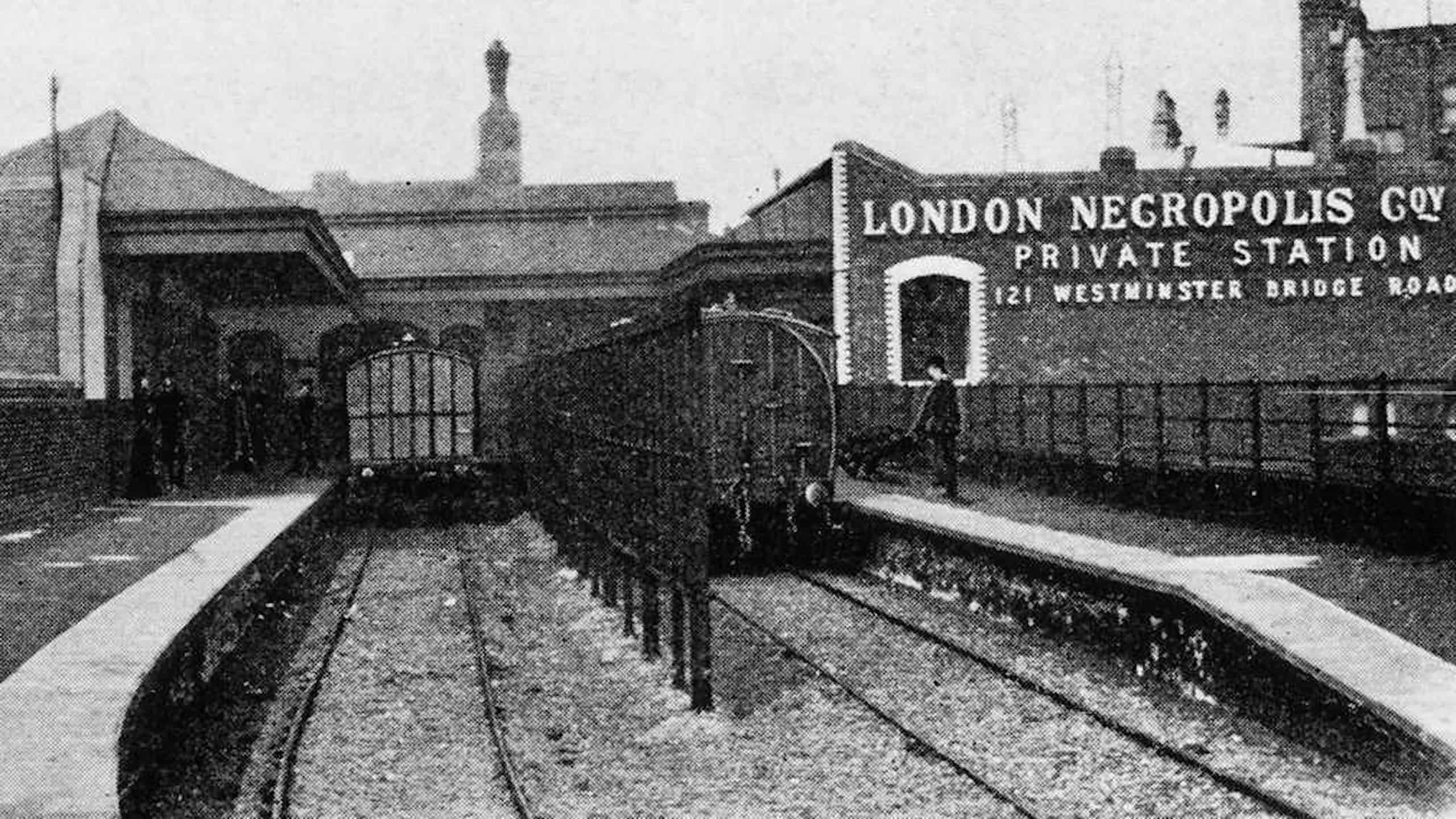
How do you transport dead bodies when cars don’t exist yet? That’s a problem London had to deal with during the nineteenth century, and they came up with the London Necropolis Railway in 1854. It ran from a private station near Waterloo to Brookwood Cemetery in Surrey.
They gave each coffin its own car, and mourners bought tickets divided by class and religion. They even went as far as having separate stations for Anglican and non-Anglican burials. The line kept running until 1941, when German bombs damaged the London terminal.
Nazi Germany ordered families to eat one-pot meals

The Nazis are infamous for many awful things, but one of the strangest facts involved something called Eintopfsonntag, or One-Pot Sunday. They expected German families to replace their normal meal with a cheap stew, one Sunday each month during winter.
The Nazi Party collectors would then visit people’s homes to ask for the money families had saved, and they’d put this towards the Winter Relief campaign. It might’ve looked voluntary on paper, but it really wasn’t. It was the Nazi kind of ‘voluntary.’
Grapefruit probably did not exist before the 1600s

Oranges are a fruit that’s been around for ages, but grapefruit is way more modern than people realize. It appeared more or less by accident. The fruit is a mix of a sweet orange and a pomelo, two fruits that Europeans brought from Asia to the Caribbean.
It’s likely that the fruit appeared in Barbados sometime during the 1600s. Locals called the citrus a ‘forbidden fruit’ before it got its modern name. That comes from how the grapefruit grows in clusters, just like grapes.
Britain once worried that train travel could cause insanity
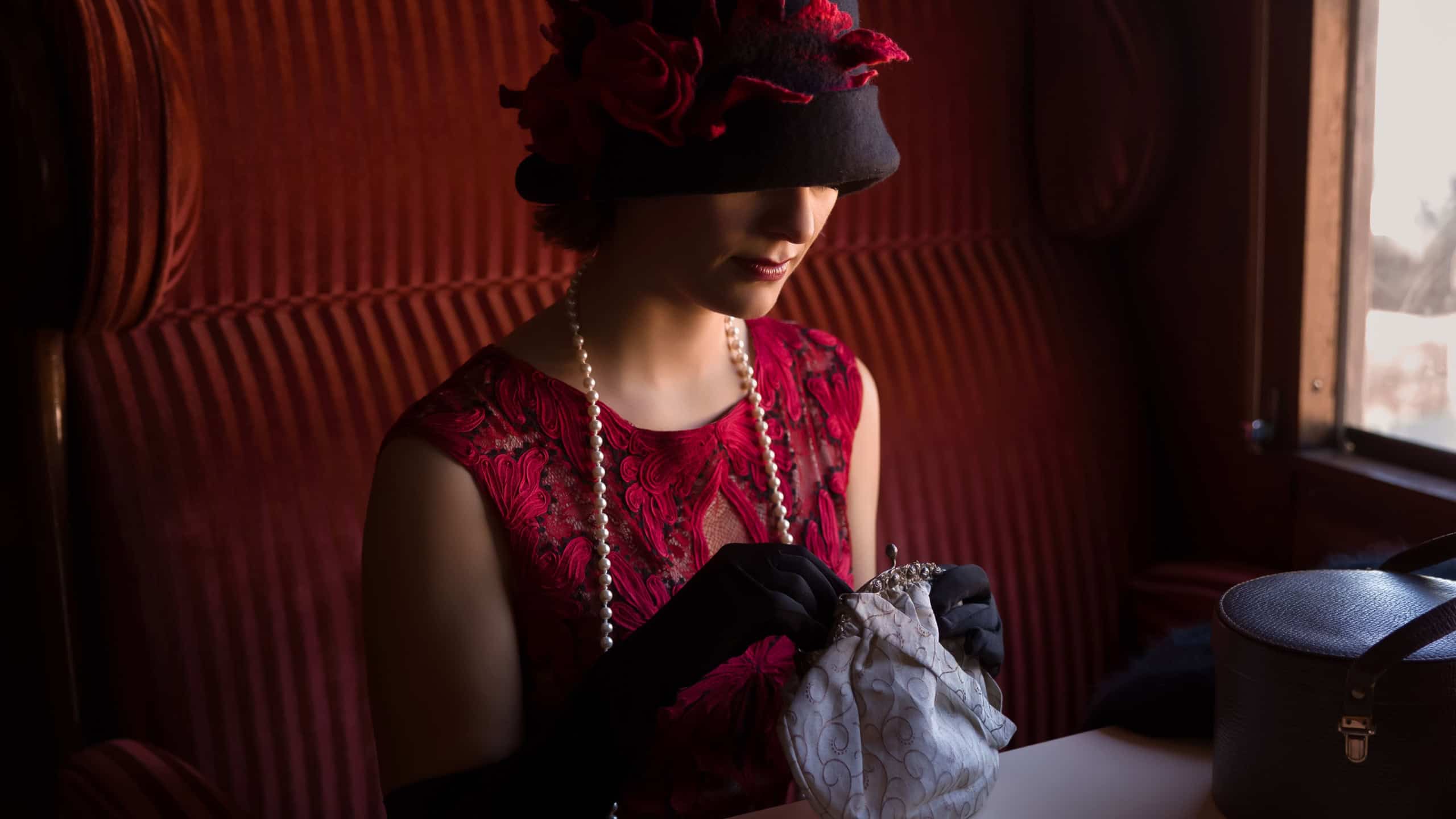
Trains began racing across Britain in the 1800s, although not everyone saw them the same way. There were genuine concerns that traveling on one could cause something known as ‘railway madness.’ People feared that the speed and noise would make people go insane.
The reports said train travel made passengers start stripping and fighting strangers. They began firing guns and forgetting who they were, but we know today that it wasn’t true. It was probably a case of mass hysteria.
Sources: Please see here for a complete listing of all sources that were consulted in the preparation of this article.
10 historical figures who took secrets to the grave

Unanswered questions are the worst, and it’s even more terrible when they continue to be unanswered because the people with the answers took them to their graves.
10 historical figures who took secrets to the grave

