
You might be surprised to learn just how many people didn’t simply live through history, but actually stood on the very last page of it.
A name from silence

In 1911, Ishi walked out of the California hills near Oroville, thin, hungry, and alone. He was alone in more ways than most people realize, as he was the last member of the Yahi, a Native American tribe from the local area. His people were all killed by disease and white settlers.
His name wasn’t even Ishi, as that’s just a Yana word meaning ‘man.’ Ishi said he had no name because nobody else could speak Yana and call him by his real name. He died of tuberculosis in 1916 and became known as the ‘last wild Indian.’
A voice at the table

Tevfik Esenç was born in Turkey in 1904, and at that time, nobody knew he would be the last of his kind. He was the last native speaker of a language called Ubykh that was from the Black Sea region, and with his death in 1992, the language officially became extinct.
It wasn’t all bad news, however. Esenç allowed linguists to record him and study the language, so they still have a record of how it worked.
The final emperor
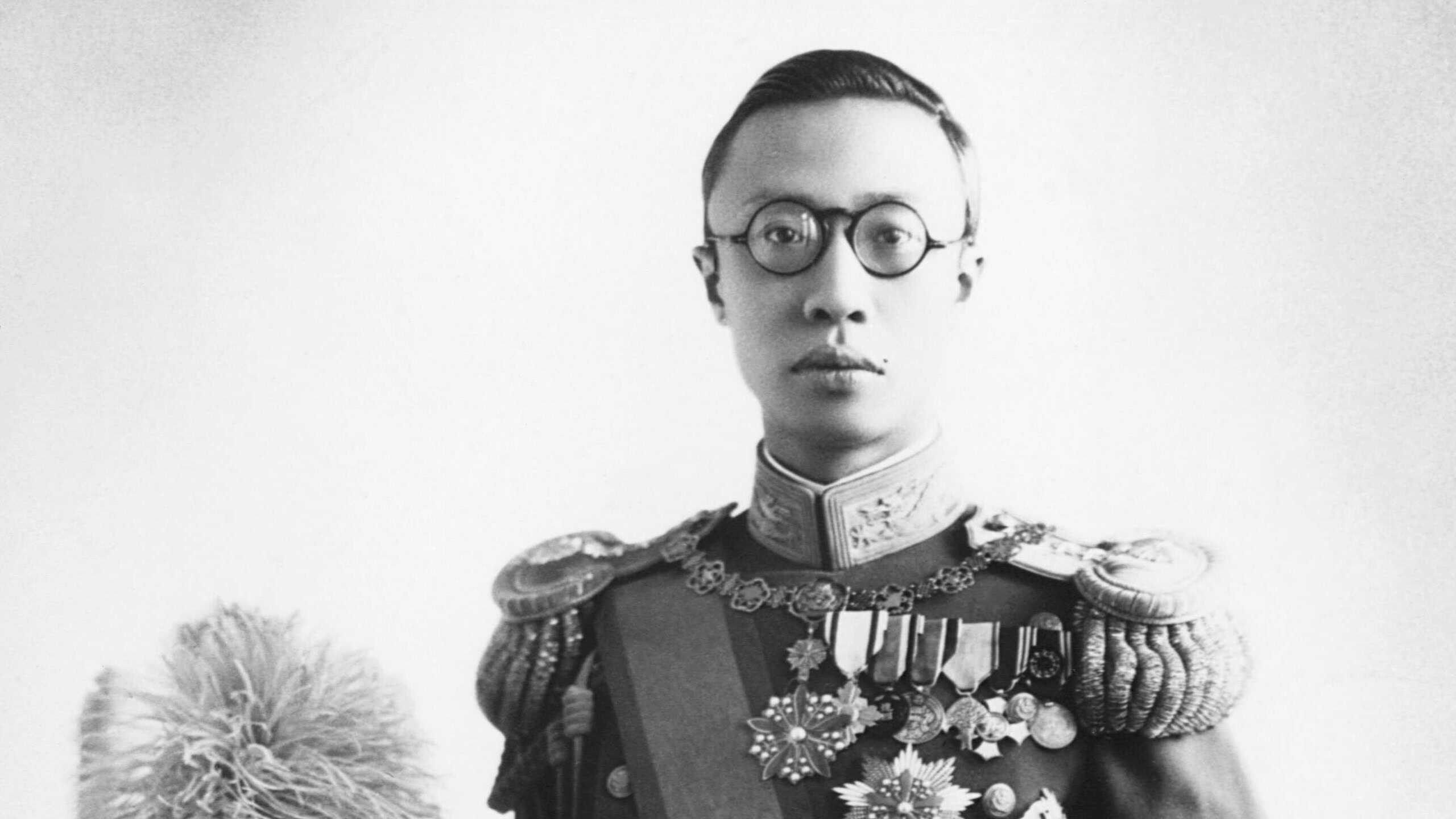
Puyi became the emperor of China when he was only two years old, and that alone would be enough for a weird story. But there’s more. He actually became the last emperor of China after the 1911 Chinese Revolution that created the Republic of China.
Yes, he was only Emperor for four years, and yes, it was his father who called the shots, but still. Puyi was the final Chinese emperor. He died in 1967 shortly after Mao Zedong’s Cultural Revolution.
The broke emperor
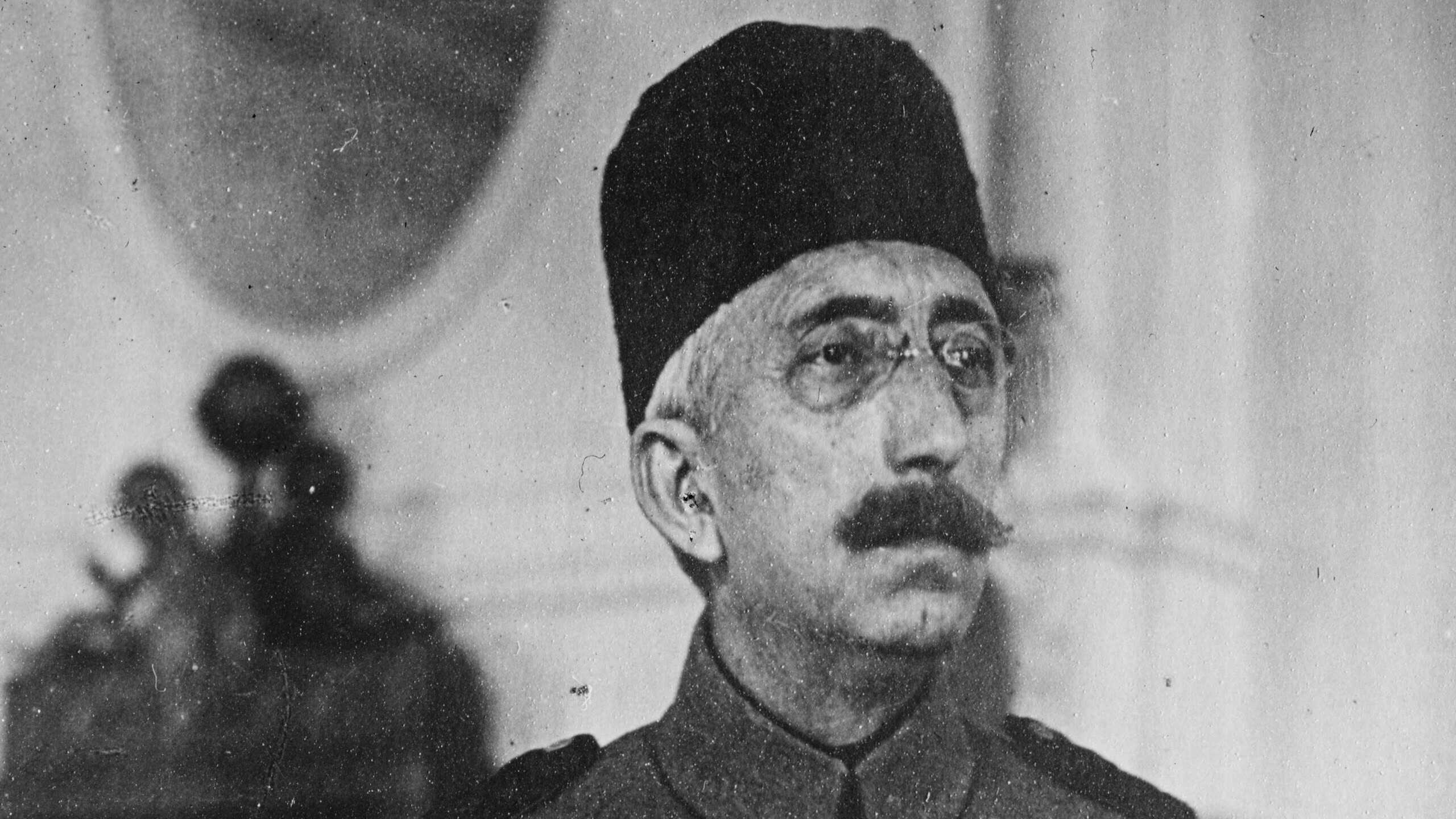
Mehmed VI was another man who inherited an empire that was at the end of its life. In 1918, he became the Sultan of the Ottoman Empire, only a few months before World War I ended, and after Allied forces had defeated the Empire.
But his reign didn’t last for long because, in 1922, Turkey’s Grand National Assembly officially abolished the sultanate, so Mehmed VI’s entire title meant nothing. He was the last ruler of the Ottoman Empire and died in 1926 without a single cent to his name.
The final monarch
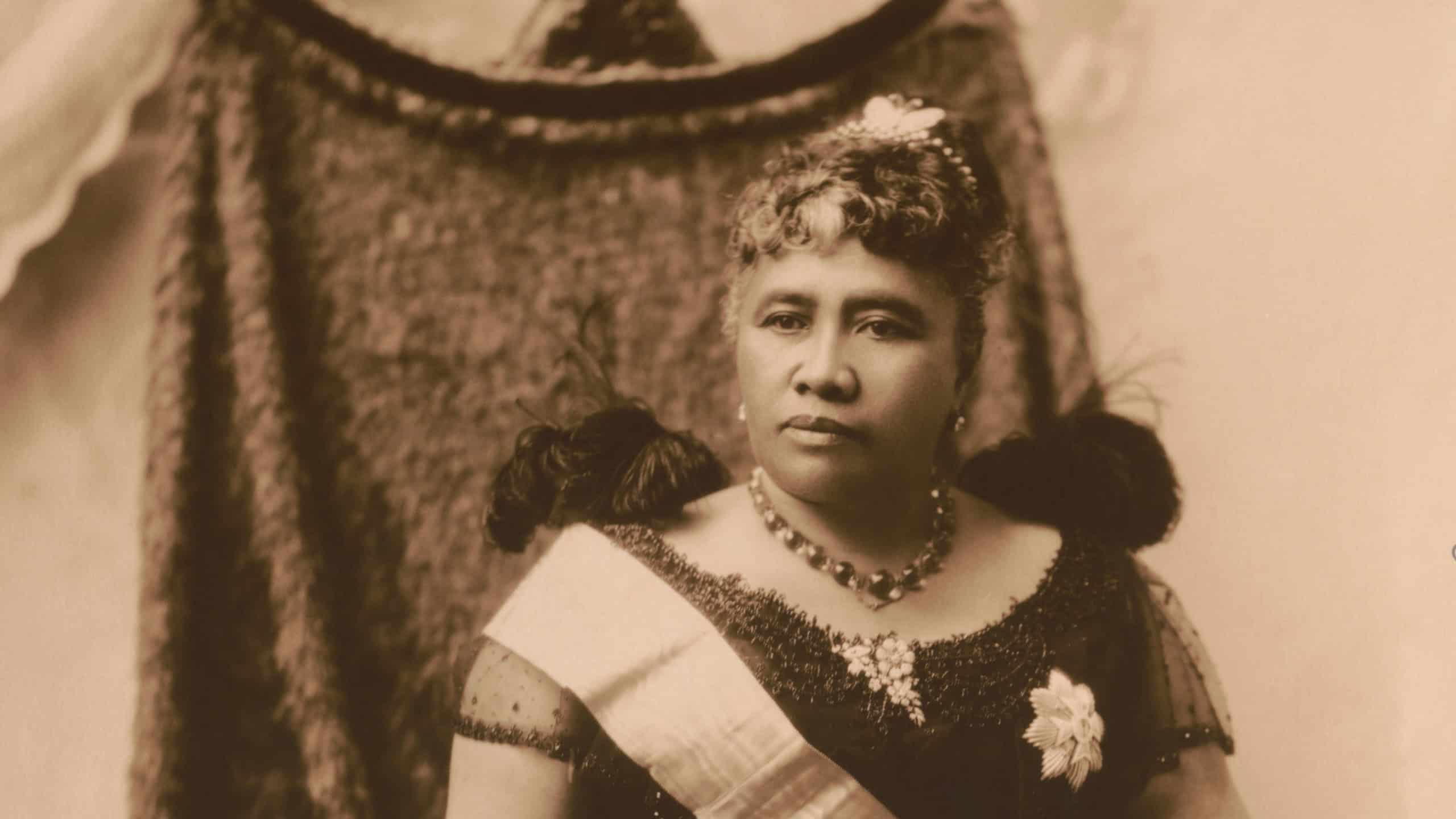
In 1891, Liliʻuokalani became the Queen of the Hawaiian Islands, although nobody knew she would be the last one. Pro-American forces overthrew her government in 1893 and tried to create the Republic of Hawai’i before giving the nation to the U.S.
Liliʻuokalani didn’t lie down and let it happen, however, as she tried to lead an uprising to restore the monarchy, but it ultimately failed. She was forced to officially abdicate the throne in 1895, and with it, she became the last sovereign monarch of Hawai’i.
A room far from Delhi
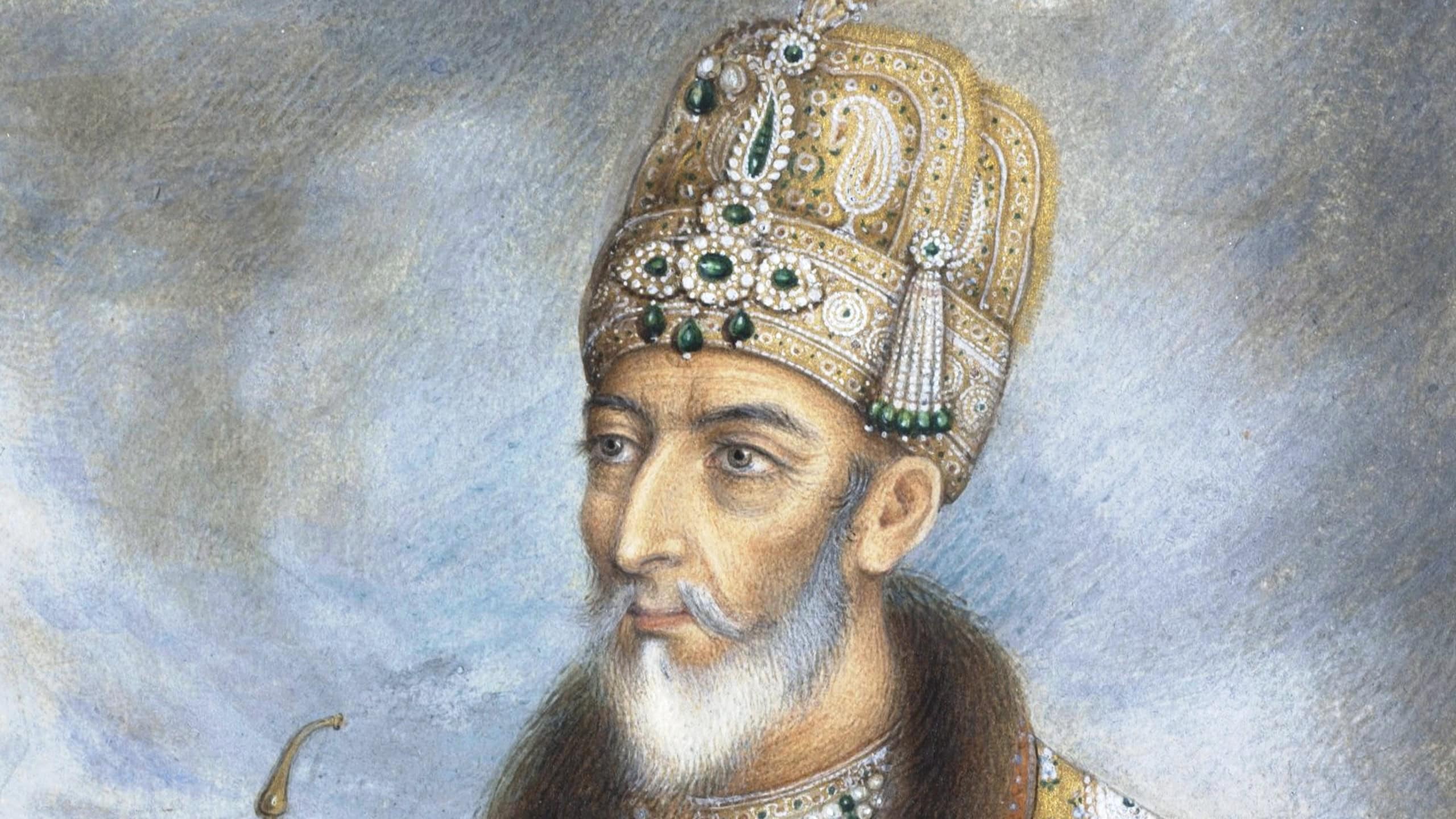
Time for another emperor. This time, it’s Bahadur Shah Zafar, who was the last emperor of the Mughal Empire, and when he began his reign, the Empire was already on its last legs. The Empire covered land in modern-day India and Pakistan.
British troops took the city of Delhi and saw Zafar as a symbol of the uprising against them. So what did they do? They put him on trial and stripped all the authority he had left before exiling him to Burma. He died there in 1862.
The last gamble
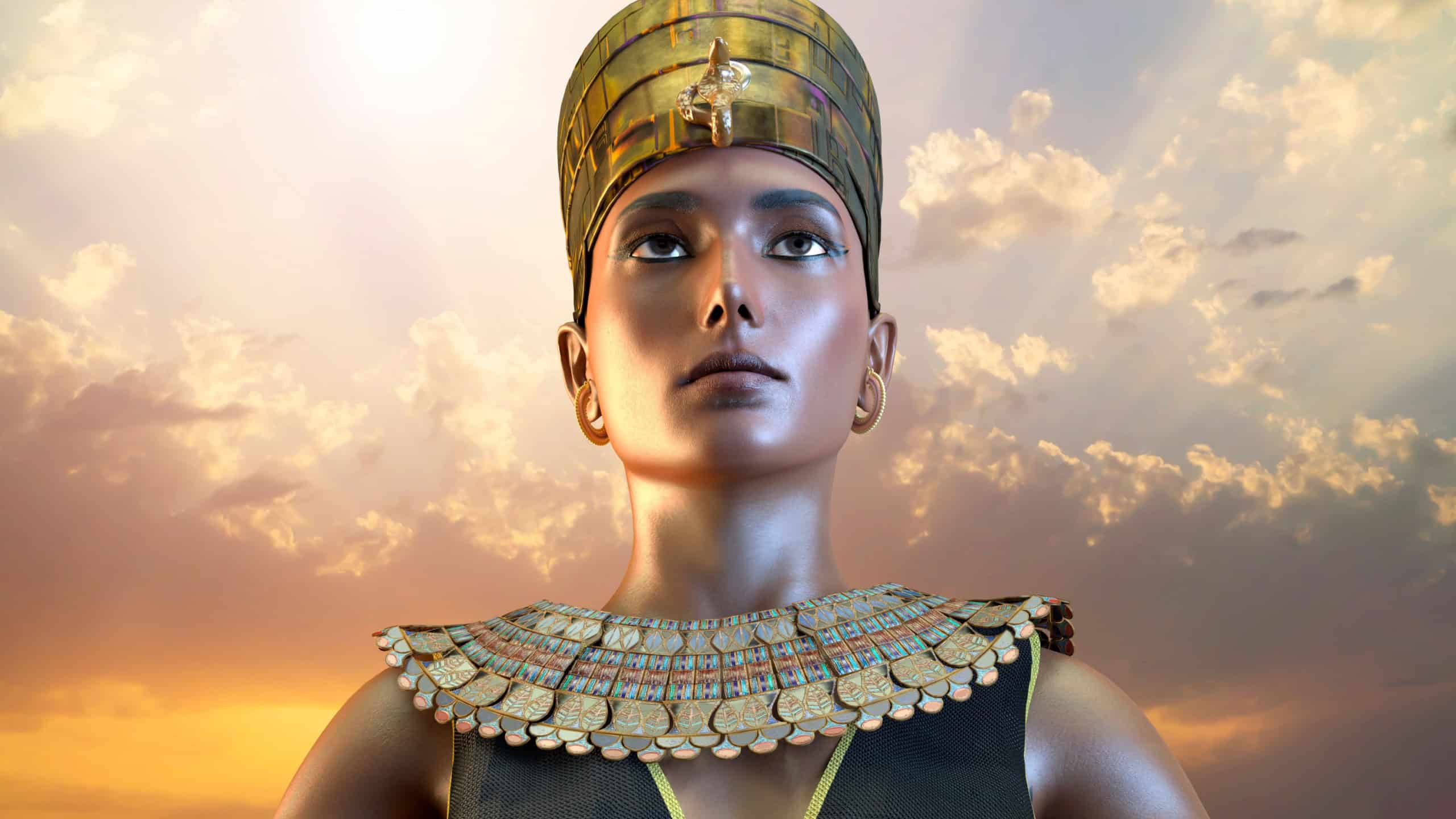
Cleopatra VII didn’t realize she would be the last active ruler of Ptolemaic Egypt, but she fought like she did. She ruled the country between 51 and 30 BC and was a member of the Greek Ptolemaic family that had ruled there for many years.
Cleopatra, along with her lover, Mark Antony, lost to Octavian, and she committed suicide to avoid Octavian taking her to Rome. She died in Alexandria, and Rome took over the country shortly after, marking the end of the Ptolemaic Egyptian empire.
South of Memphis
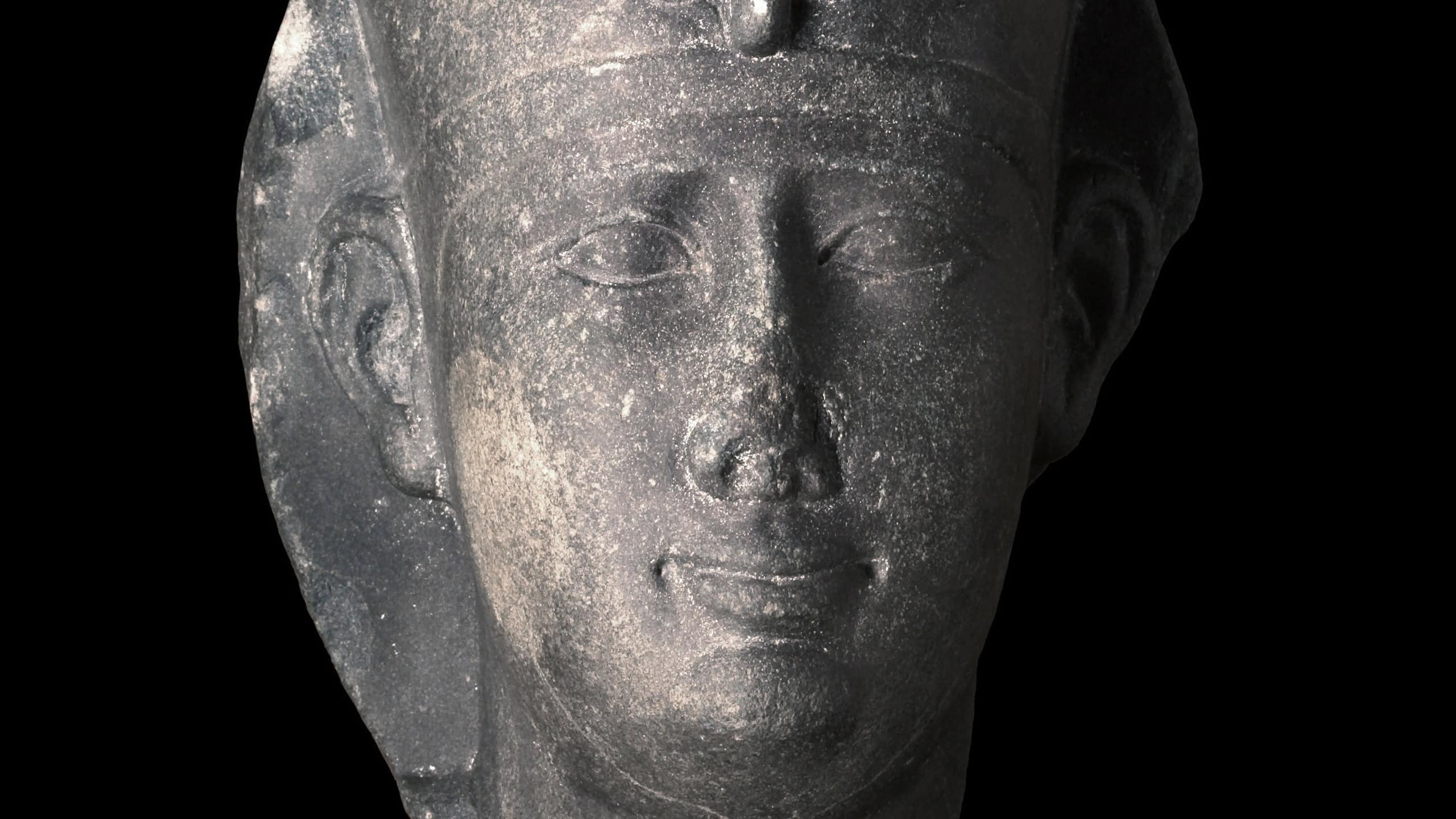
That’s not all for Egypt. Since Cleopatra VII wasn’t actually native Egyptian, she wasn’t the last natively Egyptian pharaoh. That title goes to Nectanebo II, who ruled during the fourth century BC. His reign collapsed when Artaxerxes III of Persia invaded the country.
Nectanebo fled to the south and never got his title back. While Egypt did have rulers after him, including Cleopatra VII, none of the pharaohs following Nectanebo II were from Egypt natively. It’s unclear what happened to him later because he disappeared from the archeological record.
Two crowns, one ending
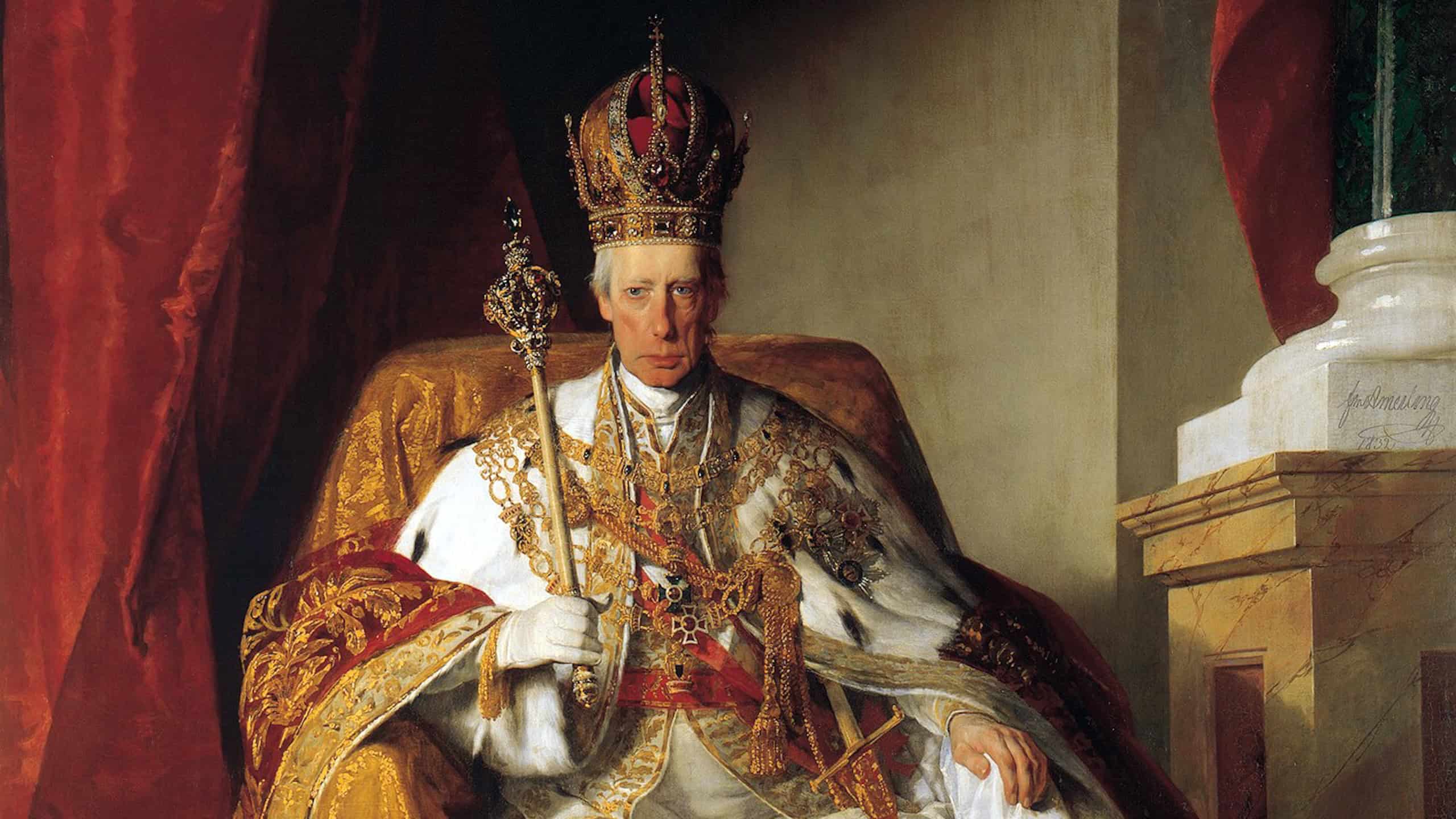
In 1792, Francis II became the Holy Roman Emperor, during a time when the whole of Europe had become unstable. Why? Because of the French Revolution. Yes, the rise of Napoleon caused all sorts of issues, including making it harder for Francis to hold the empire together.
He became the very first Emperor of Austria in 1804, a title that kind of worked as a backup in case the Holy Roman Empire collapsed. It did. In 1806, Francis was forced to dissolve the Roman Empire, and he became the last Holy Roman Emperor in history.
Serving near the finish
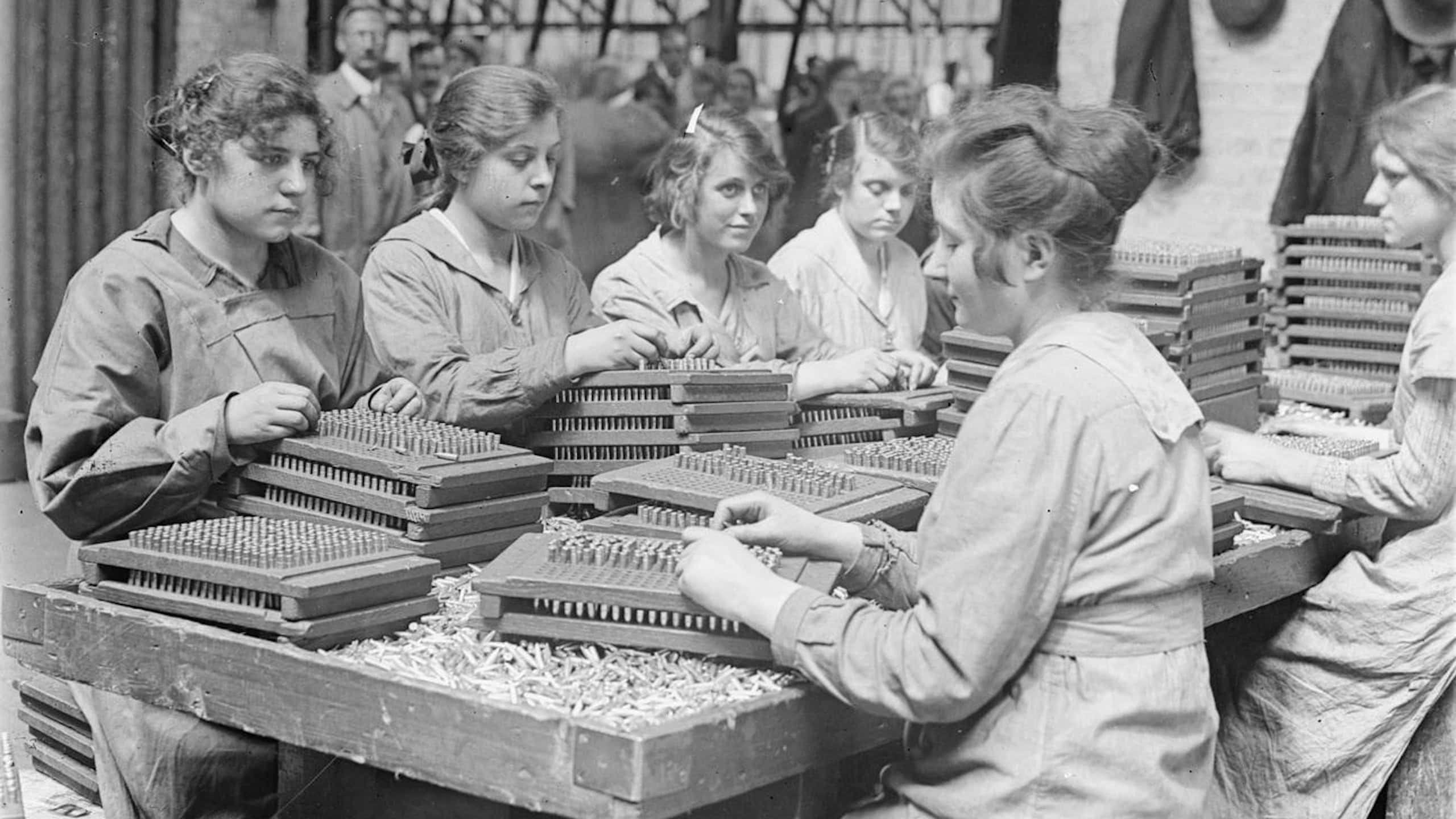
The last surviving World War I veteran? You might be surprised to know that it was a woman named Florence Green, who joined Britain’s Women’s Royal Air Force two months before the war ended. She worked at an air base in Norfolk as an officers’ mess steward.
In 2011, another World War I veteran, Claude Choules, died, making Green the last WWI veteran known to still be alive. She died in 2012 at the age of 110 and was also the sixth-oldest person in the entire United Kingdom at the time.
The old drummer
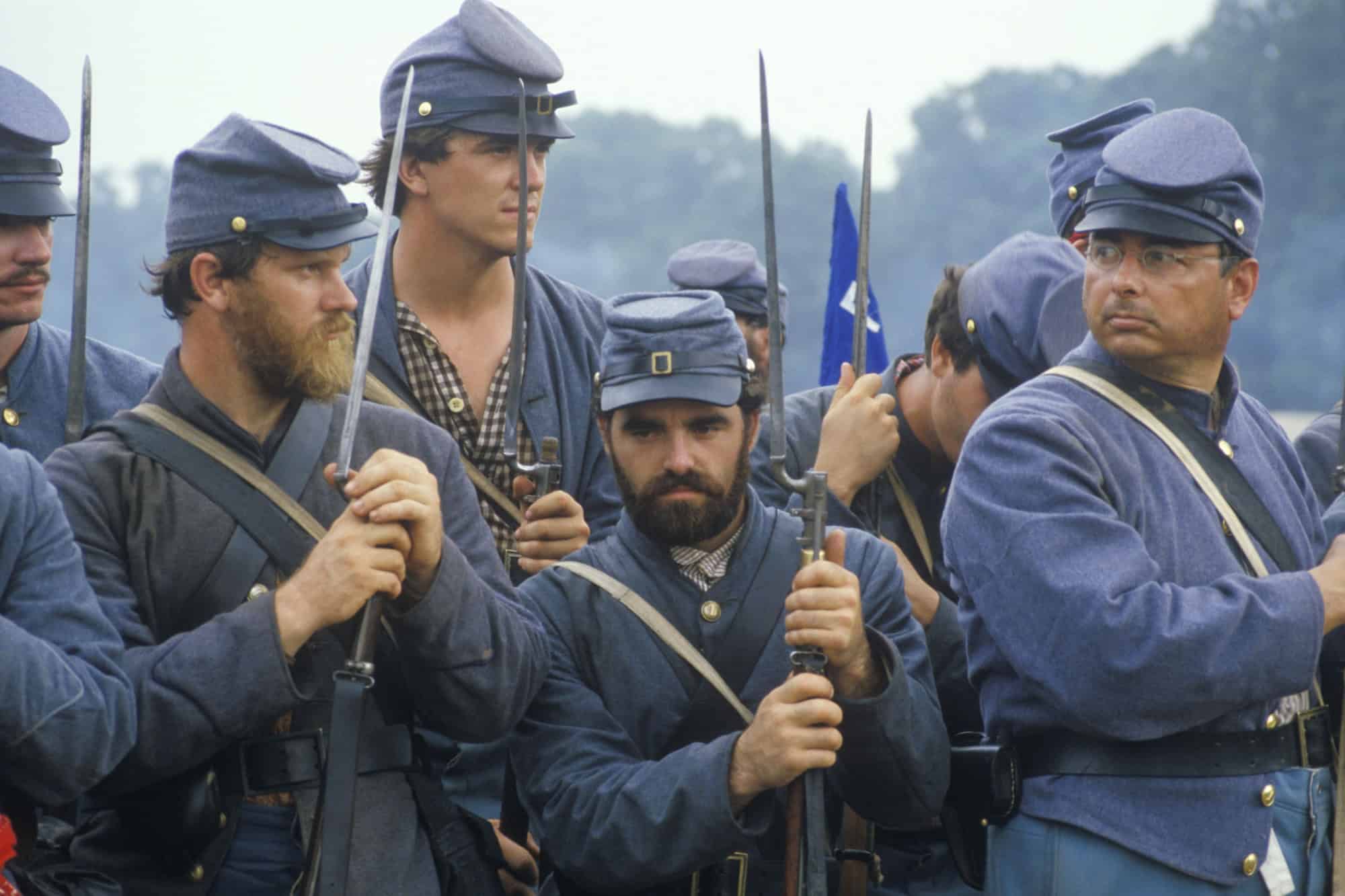
Albert Woolson joined the Union Army in 1864 as a teenage drummer boy. He was part of the 1st Minnesota Heavy Artillery Regiment, and while he didn’t fight in any battles, he’s still considered a member of the Union Army.
He served and then went home, continuing to live his life until 1956, when he died. He became the last undisputed veteran of the American Civil War, although there have been other people who claimed to have also fought. Their claims haven’t been verified, though.
At dawn in Marseille
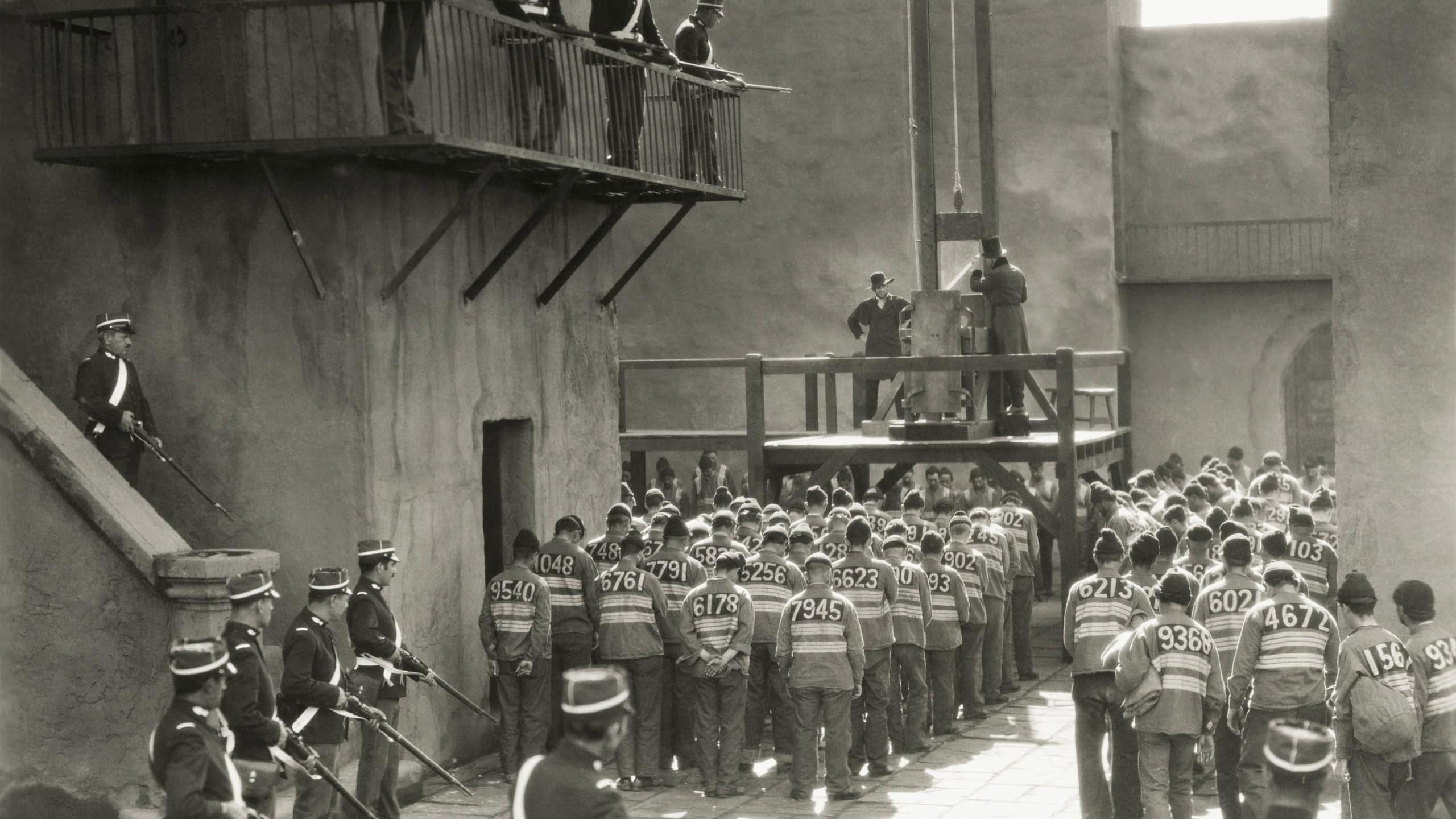
The guillotine. When you read that, you probably think of France, specifically the French Revolution, although the truth is that the French used it for a long time after, too. Hamida Djandoubi actually became the last person to be executed in France by the guillotine.
It happened in 1977, the same year that the first Star Wars film was released, after Djandoubi was convicted of kidnapping, torture, and murder. It took four more years for France to officially abolish the guillotine and the death penalty.
Sources: Please see here for a complete listing of all sources that were consulted in the preparation of this article.
The 15 ugliest historical figures
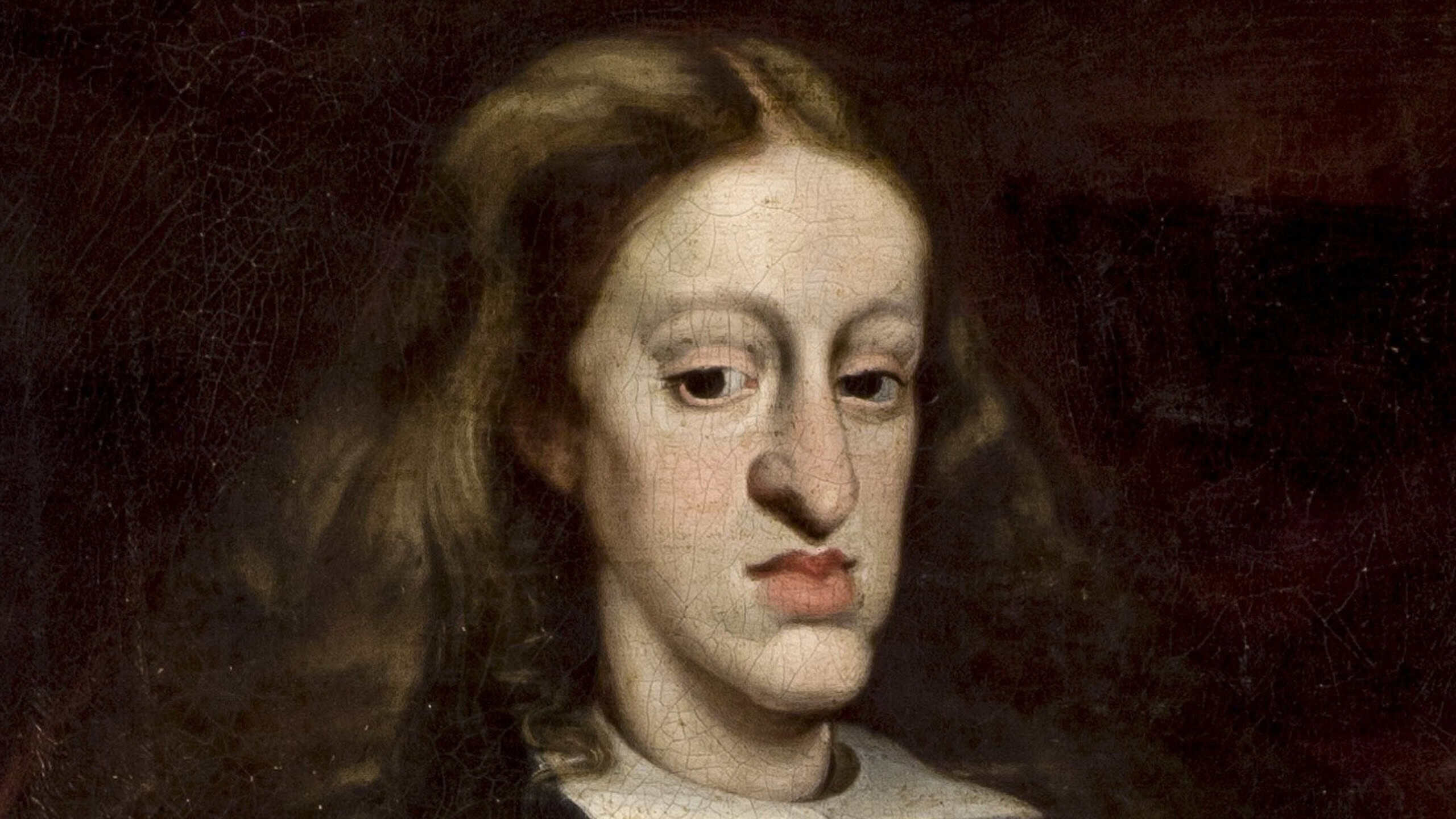
A lot of historical figures are remembered for their power and genius, but then there are the others, the ones that history remembers because they were downright unattractive.

