
Some of the strangest people in history were a lot weirder than you might realize, thanks to their habits of walking lobsters and dining with dressed-up dogs.
A crown made of sidewalk
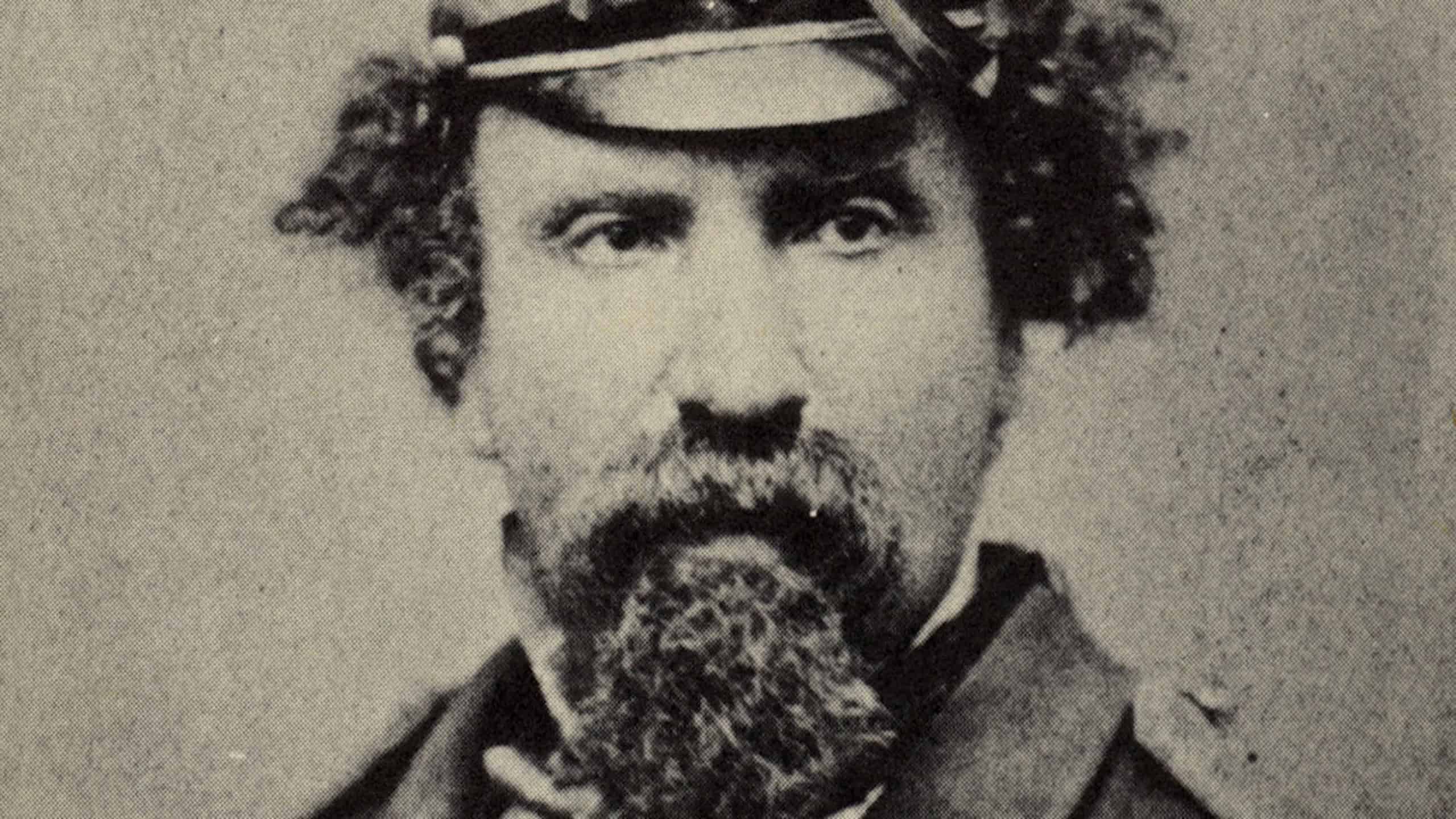
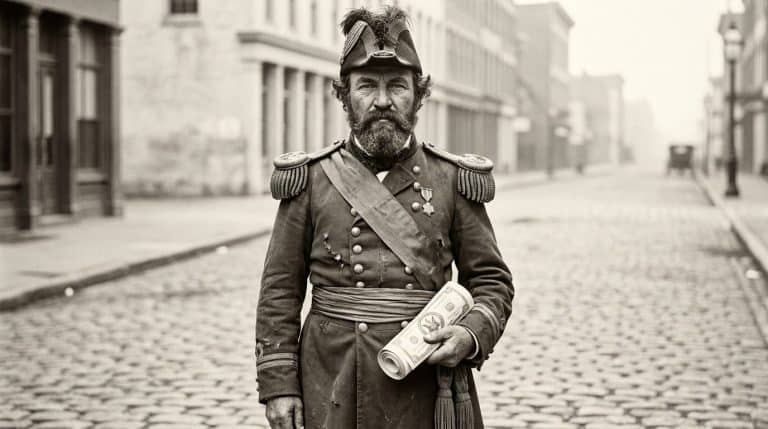
On September 17, 1859, Joshua Norton did something that had never been done before in America. He claimed that he was the Emperor of the United States, going as far as signing a proclamation with the title. He added ‘Protector of Mexico’ a few years later.
Because, apparently, one title wasn’t enough. Norton also walked around in full regimental uniform and sold his own kind of currency, which his city, San Francisco, actually honored. It wasn’t official money or anything, but it was still accepted.
Dinner guests got a story
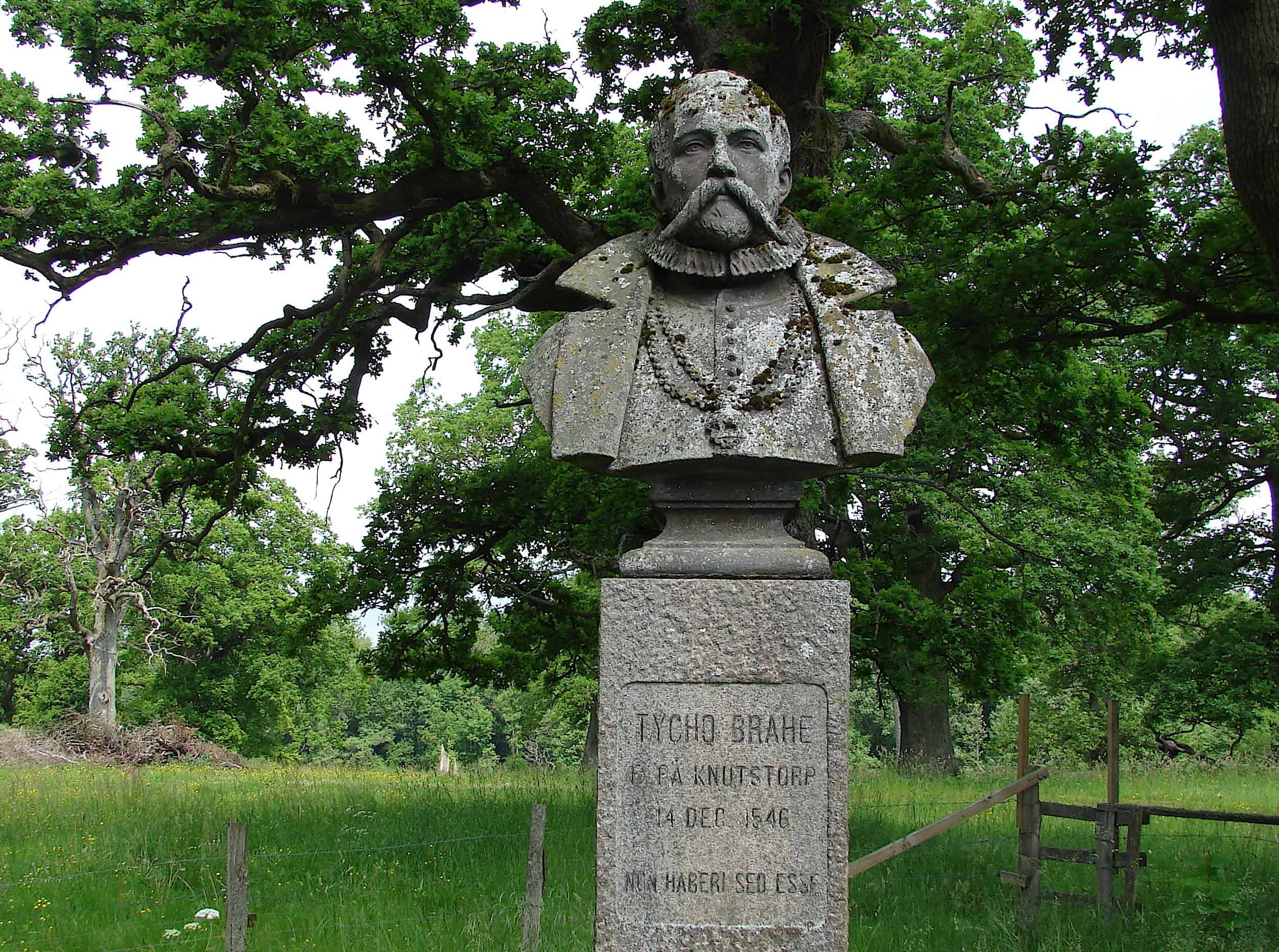
Someone with a name like Tycho Brahe is bound to be a little strange. He had all sorts of strange stories to tell, including losing part of his nose during a sword fight with his cousin. What was the fight about? Who was better at math, a totally normal reason to pull out your sword.
Brahe wore a metal replacement nose that he glued on. That wasn’t even the weirdest part, however, as the astronomer also had a pet elk that died after drinking too much beer and falling down the stairs. He also had a psychic dwarf, completely standard scientist stuff.
The stage did not behave
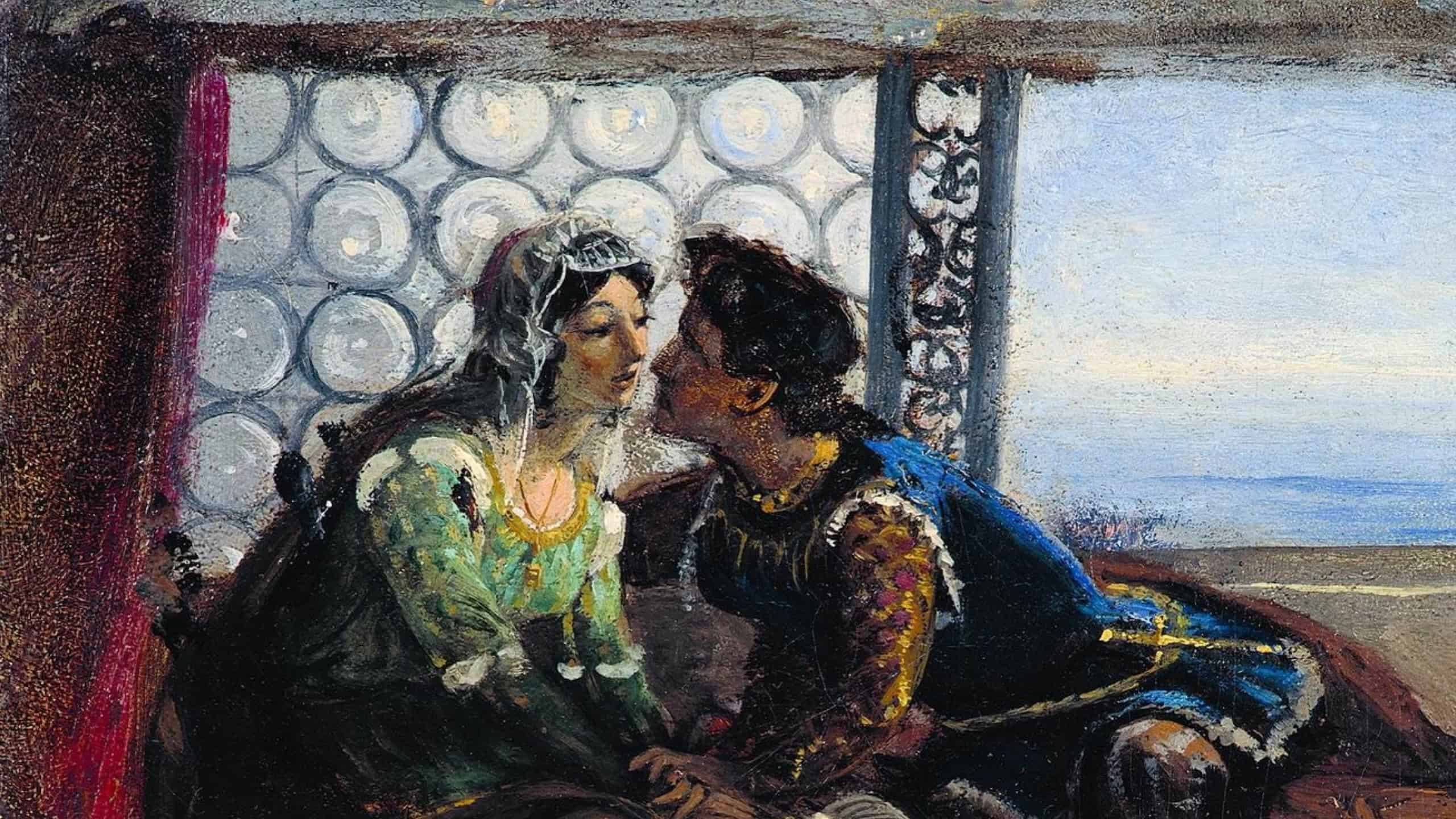
Robert Coates was a man who believed that the stage needed him, perhaps too much, and he played the role of Romeo in Romeo and Juliet several times. His first performance was in 1810 and involved him taking a break to use snuff, a kind of tobacco, in the middle of the show.
He offered some to the audience and tried to use a crowbar to open Juliet’s tomb. He performed Romeo’s death scene twice because he believed the audience loved him so much, and he only stopped a third time when the actress playing Juliet came back from the ‘dead’ and told him off.
A very odd night out

Another strange person on the stage was Joseph Pujol, known as Le Pétomane, who performed one of the weirdest Moulin Rouge acts of all time. He made melodies and songs with his farts. Yes, really, people paid money to see the professional fartist play songs in Paris.
How did he do it? Pujol had incredible control over his anal sphincter muscles and could push air in and out of his rear whenever he felt like it. Even for Paris’s unique nightlife, that’s a bit much.
Supper had extra chairs
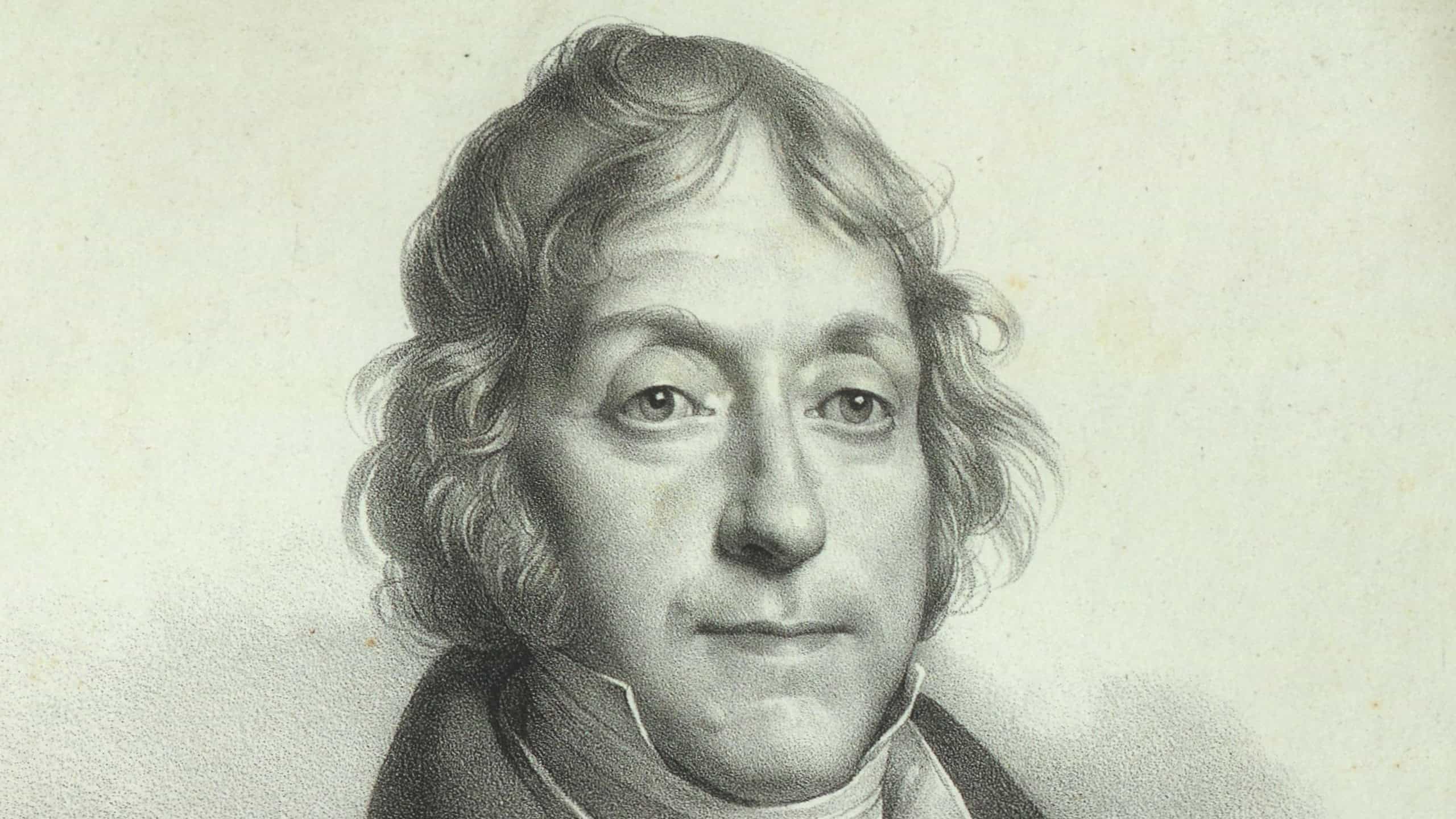
You’d definitely notice Francis Henry Egerton’s house guests if you ever visited his home in Paris. The 8th Earl of Bridgewater lived with several cats and dogs, two of which ate meals at his table like normal humans.
That’s not all, though, as he made sure all his animals dressed in human clothes throughout the day. Egerton was also a fan of hunting, and when he became too weak to leave his house, he kept pigeons with clipped wings in his garden. He’d shoot them from his house.
The menu kept changing
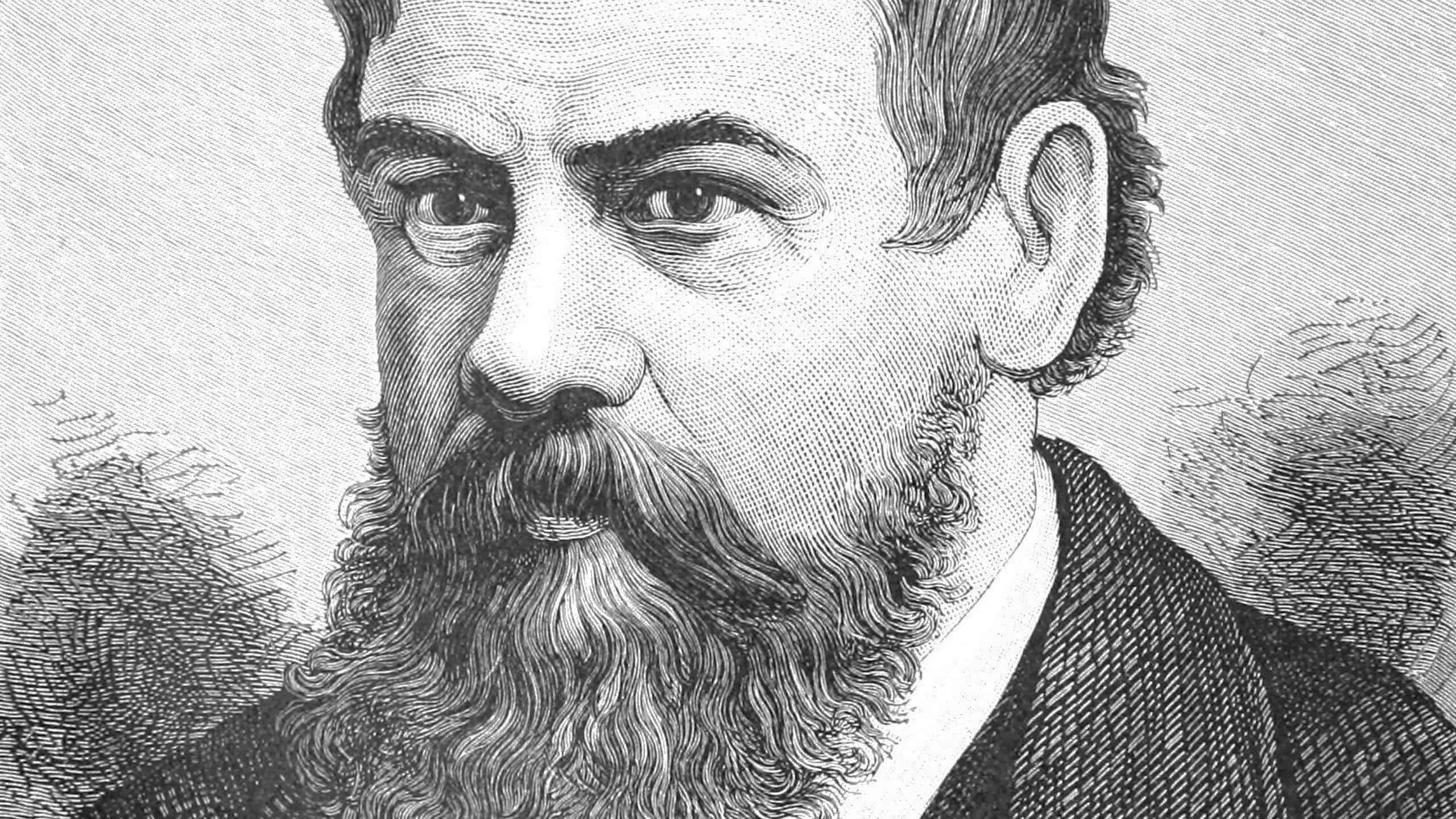
Francis. There must be something about that name that inspires weirdness, as Francis Trevelyan Buckland was another man who had an odd relationship to animals. He had all sorts of animals in his rooms at Oxford, including snakes, hedgehogs, a young bear, and a monkey.
During his days as a schoolboy at Winchester, he served meals like roasted field mice and squirrel or hedgehog pie. You know, completely normal school meals. Buckland traveled with his father, too, while they tried to eat as many unusual animals as they could.
The wall was only the start
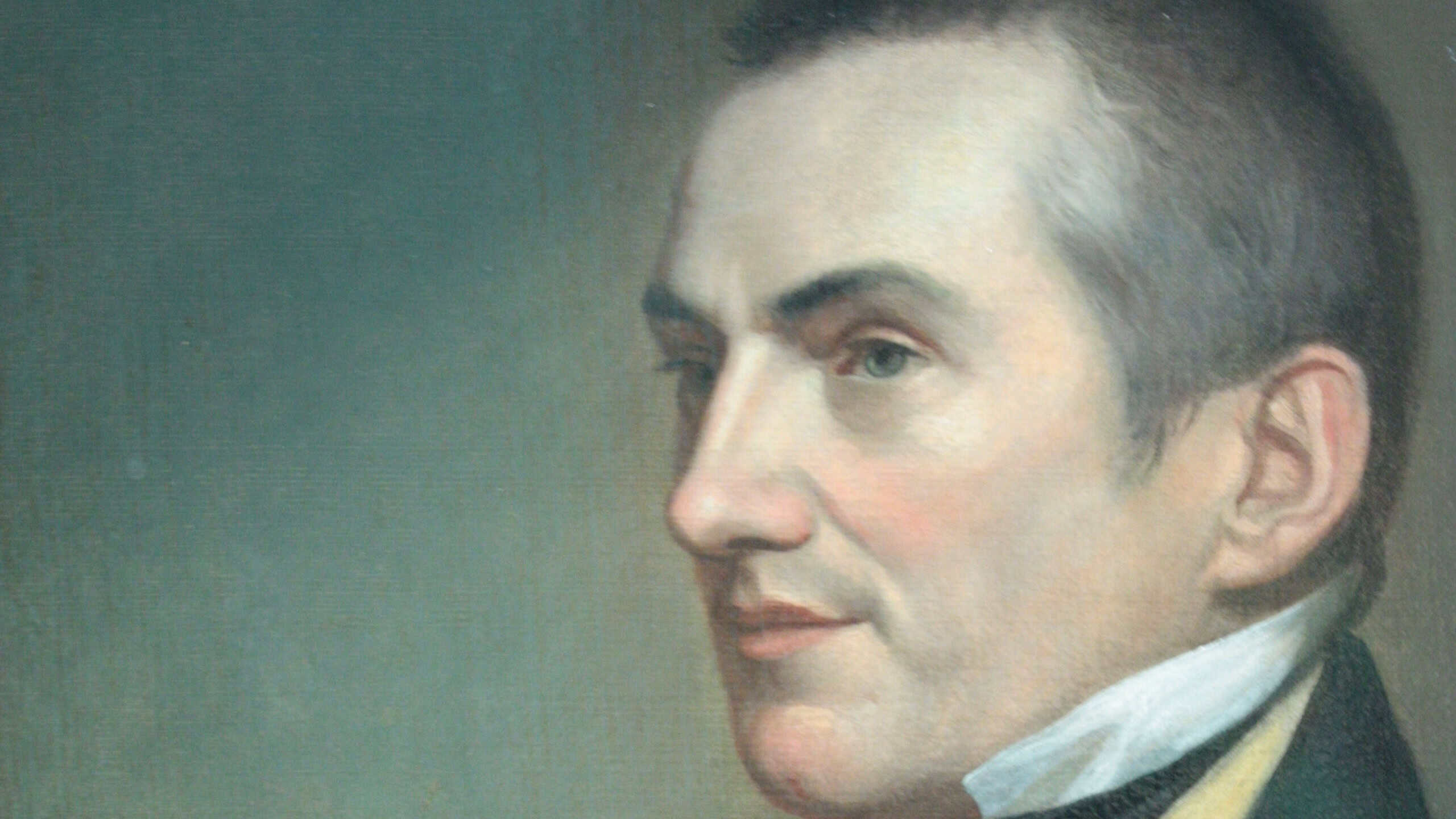
The love for animals doesn’t stop there because Charles Waterton was yet another man who enjoyed them. Unlike some of the others, however, Waterton was a big believer in trying to protect animals, and he built the world’s first nature park.
Waterton climbed trees well into his eighties and allegedly rode a caiman, a crocodile-like animal, in South America. He also had a weird obsession with bats and deliberately slept with a foot out of his window, just so that vampire bats could bite it. How pleasant.
Guests had to look twice
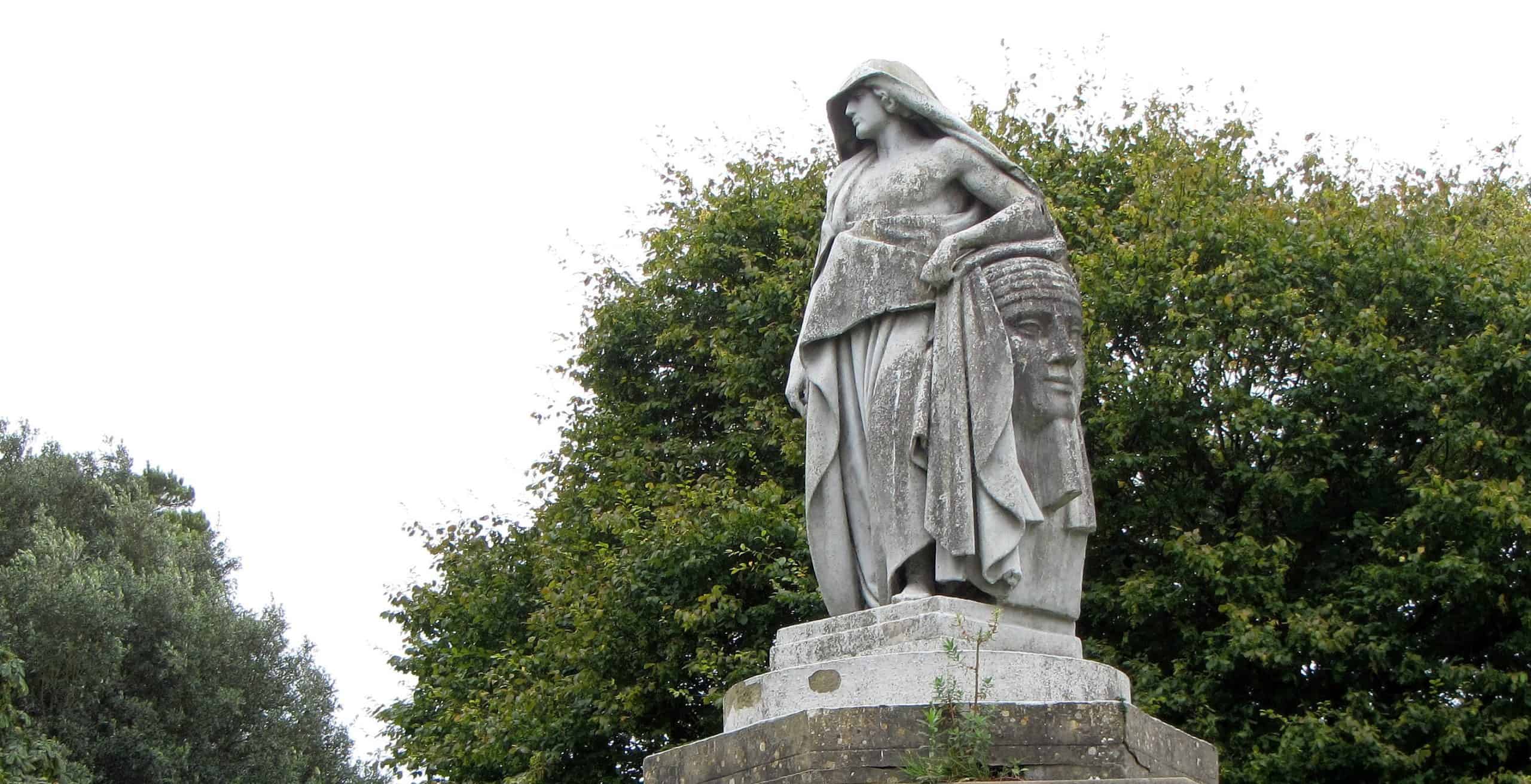
Rules basically didn’t exist in Faringdon House when Lord Berners was in charge, as he did things like dyeing fantail pigeons pink. He put up signs telling people, ‘Don’t throw stones at this notice,’ and once brought his pet giraffe to tea in the drawing room. Because of course he did.
In 1935, Berners had a 104-foot tower built called the Faringdon Folly Tower, for no reason other than him saying the hill needed one. He actually once said, ‘The great point of the tower is that it will be entirely useless,’ proving he was a man with more money than sense.
The leash was blue

Why keep your animals inside your house? That’s what French writer Gérard de Nerval asked himself, and he would walk his pet lobster on a leash through the Palais-Royal Gardens in Paris. He genuinely believed they were better pets than dogs.
Apparently, this was because they’re peaceful and serious animals with knowledge of the sea. They also don’t bark, that kind of helps, too. De Nerval seriously couldn’t understand how having a lobster as a pet was any different from owning a cat or a dog.
The carriage had stripes
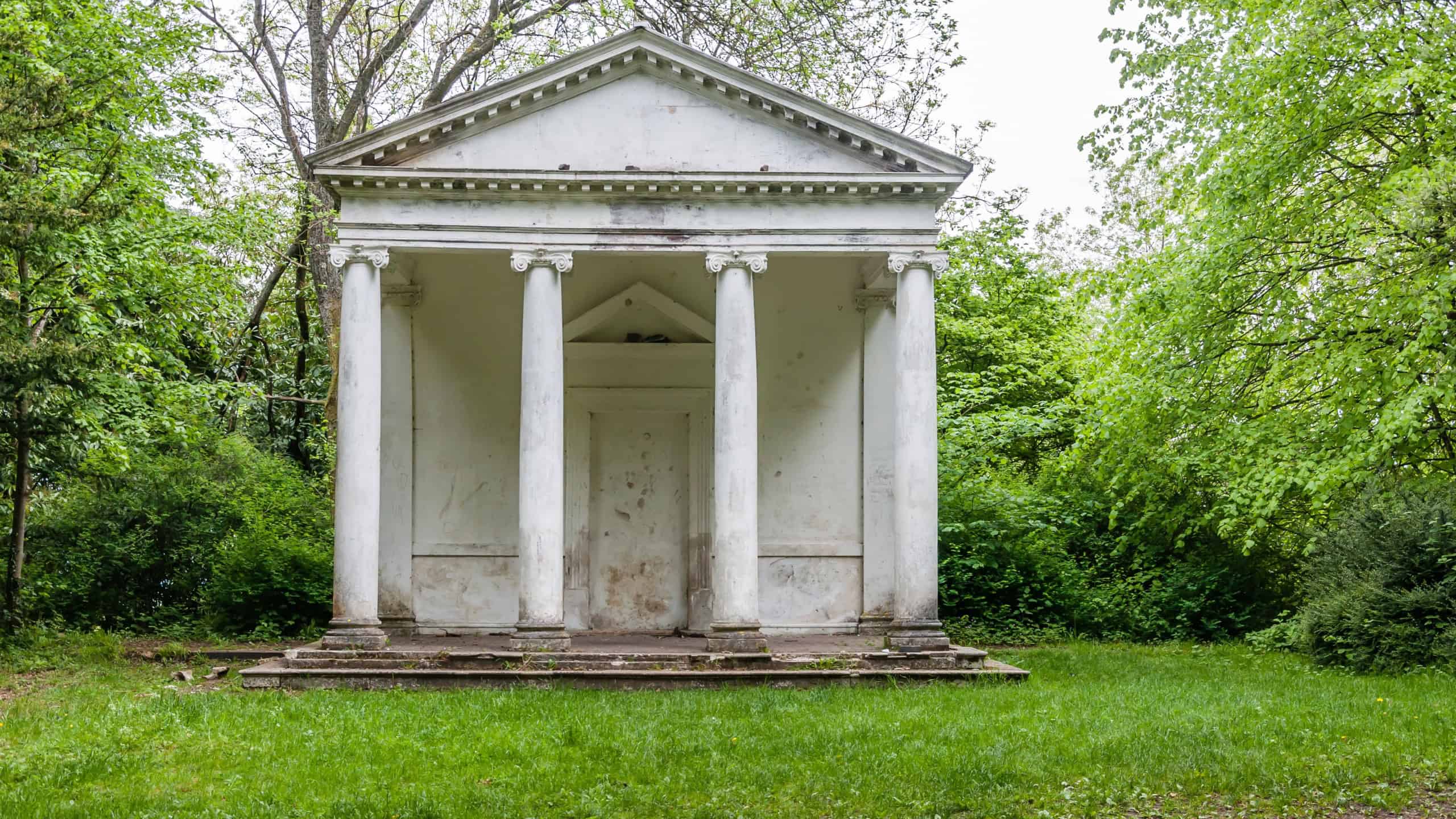
A family as rich as the Rothschilds is guaranteed to have some bizarre habits, and it seems like Walter Rothschild had a lot of them. He declared that he would make a museum at the age of seven and then started making one in his garden three years later.
Then, he filled up Tring Park, the Rothschild family’s former mansion, with emus, kangaroos, 144 giant tortoises, and 64 cassowaries as part of his museum. He wasn’t happy with just that, though. He trained zebras to pull his carriage and take him to Buckingham Palace.
Lunch could take forever

Chewing was part of Horace Fletcher’s personality, and he became known as the ‘Great Masticator’ because of it. ‘Mastication’ is the scientific name for chewing. He’d chew and chew his food until it became a mushy liquid, then swallow it, kind of like puréed baby food.
One of his most famous chewing stories involved him chewing a green onion 722 times before swallowing it. Turns out, a lot of powerful people took his beliefs seriously, and his ideas even made it to the White House.
One stone changed the schedule

Ferdinand Cheval had a weird collection. He collected stones. Not stamps, not coins, those would be too normal, he collected stones for around thirty-three years. He used these stones to build the Palais Idéal in southeastern France, so it’s not like he wasn’t doing anything with them.
It took him around 10,000 days, or 93,000 hours, to build it all, and he wasn’t finished there. He spent eight years, once the building was finished, creating his own tomb out of stones, too. What else would a stone collector be buried under?
Sources: Please see here for a complete listing of all sources that were consulted in the preparation of this article.
13 people in history who faked their own deaths
Believe it or not, there have been people throughout history who have successfully faked their own deaths.


