

While some historical myths are nothing more than campfire nonsense, archeological discoveries and historical texts suggest that some of them are actually true.
The hill with layers
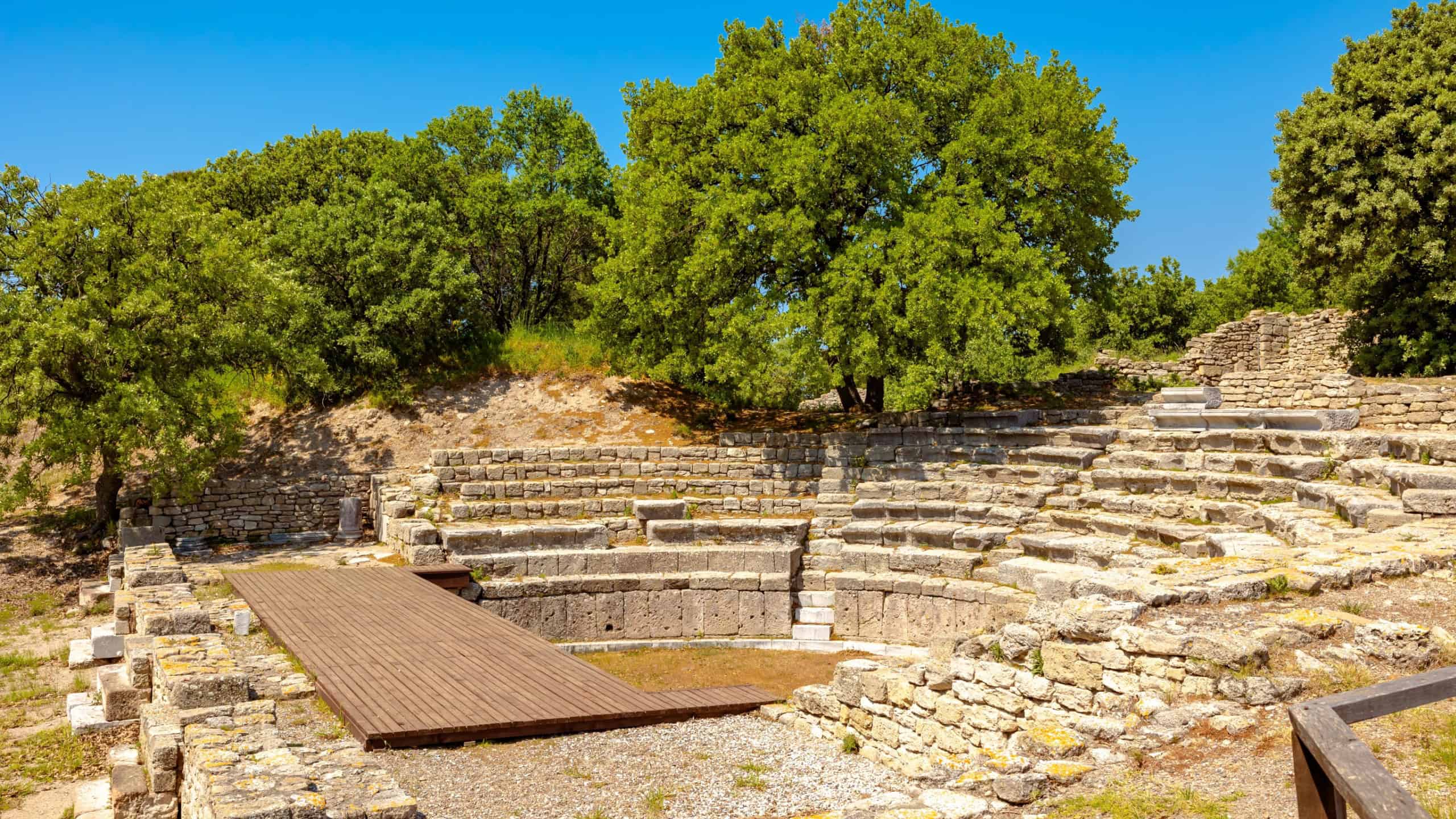
The issue with the story of the Fall of Troy is that, no, the horse itself wasn’t real, and for the longest time, historians thought Troy wasn’t real either. But maybe it was. At Hisarlik, northwestern Turkey, archeologists found layers of a city that might’ve been Troy.
The site covers around 4,000 years of settlement, and admittedly, archeologist Heinrich Schliemann did a lot of things wrong when he dug there in 1870. However, the place itself was very much real.
Across the cold water

It took a long time to prove it, but it turns out that Norse settlers did actually make it to North America long before Columbus ever set sail. The proof? A site called L’Anse aux Meadows in Newfoundland, where archeologists discovered some turf buildings.
They matched a lot of Norse building styles in Greenland and Iceland, although that’s not all. Turns out, scientists dated the wood from the area back to 1021 A.D., meaning that the Vikings were in North America nearly five hundred years before Columbus got there.
Buried with weapons
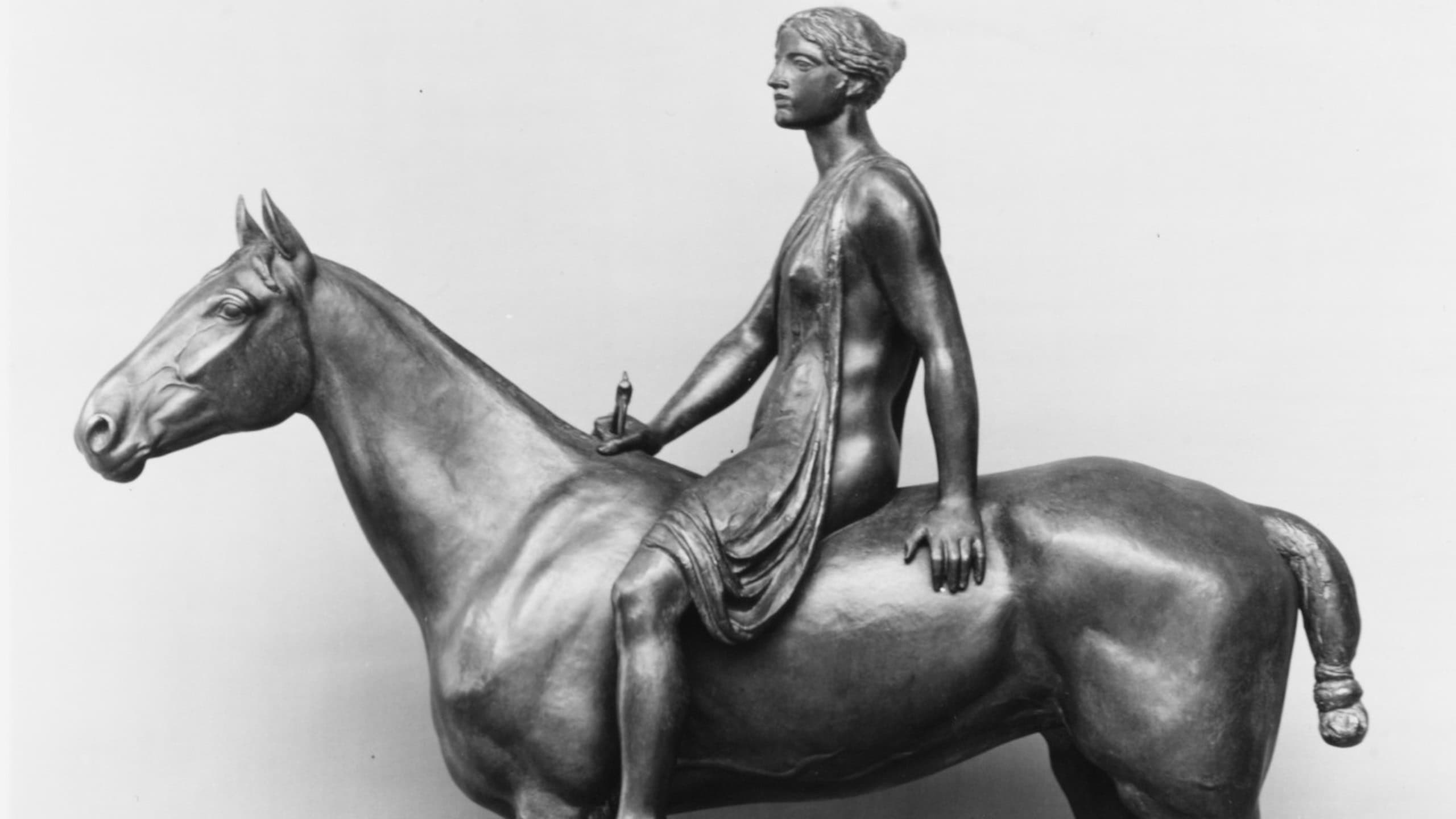
One ancient Greek myth describes a tribe of extra-tall, extra-fierce women called Amazons. They lived a hard life that involved incredible archery and horse-riding skills, something that historians couldn’t believe for ages. But there was actually some truth to the story.
Archeologists found many female skeletons across the Eurasian steppe, and these skeletons were buried with bows, arrowheads, daggers, and more. They had injuries that suggested they lived a rough riding-and-fighting life, although there’s no proof they were giants or anything.
Gold around a name
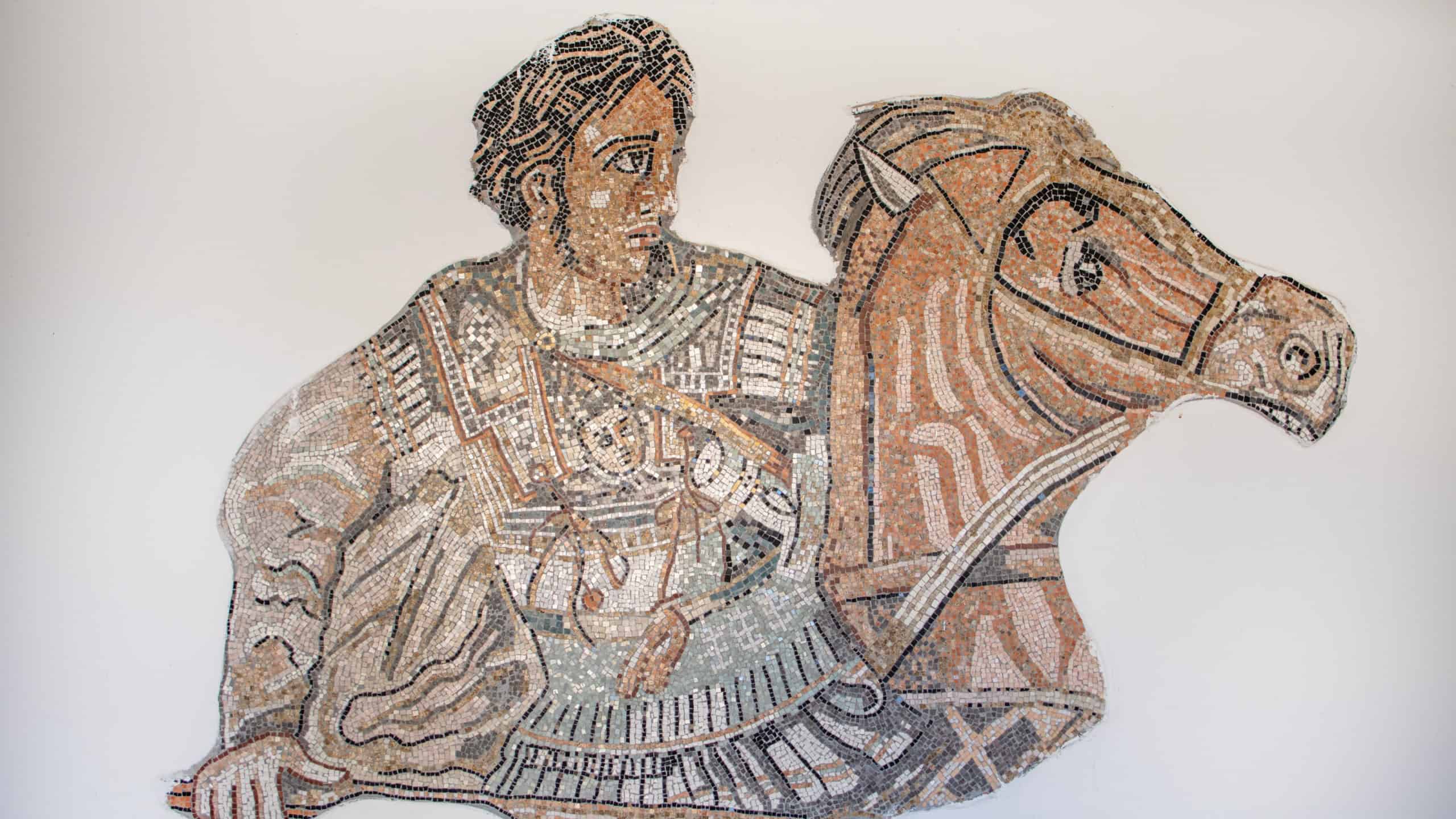
King Midas. The story about him says that everything he touched turned to gold, and while that part isn’t real, the king himself did actually exist. Ancient records talk about a ruler named Mita of Mushki, also known as Midas of Phrygia, who ruled during the late eighth century B.C.
Archeologists digging in Gordion, central Turkey, have found royal buildings and burial mounds underneath the earth, along with bronze vessels and wooden furniture. There’s also evidence of feasts. The king was real, but sadly, the magic gold was not.
Rooms that wandered
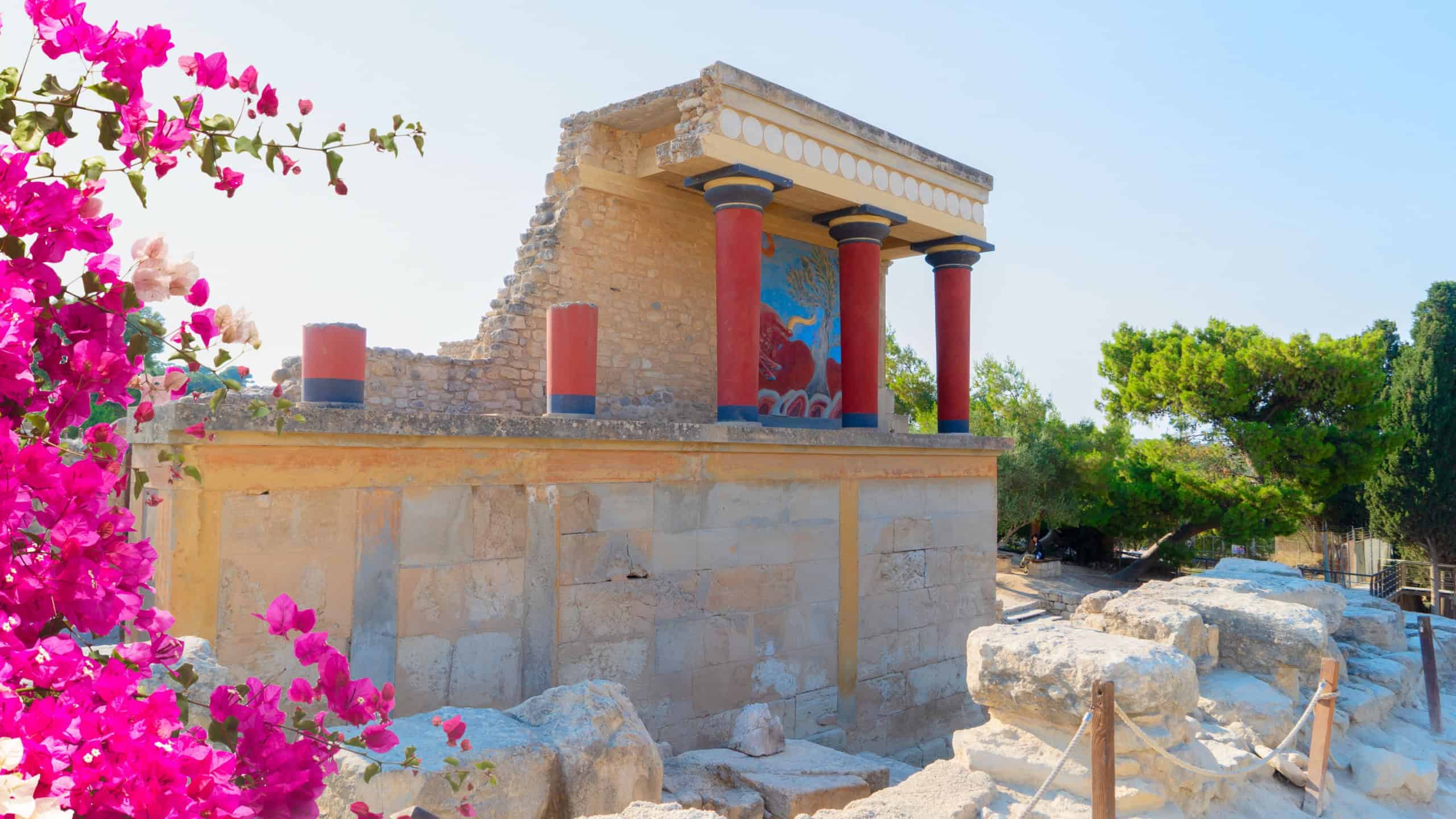
According to legend, King Minos had a labyrinth built to contain the Minotaur, a terrifying monster that was half-bull, half-human. The monster itself didn’t exist, of course, yet the labyrinth was a real place, discovered at Knossos on Crete.
Excavations after 1900 found all sorts of things, like courts, storerooms, stairways, and passages, as well as Minoan art featuring bulls. They didn’t find any Minotaur bones, though.
A date that stayed
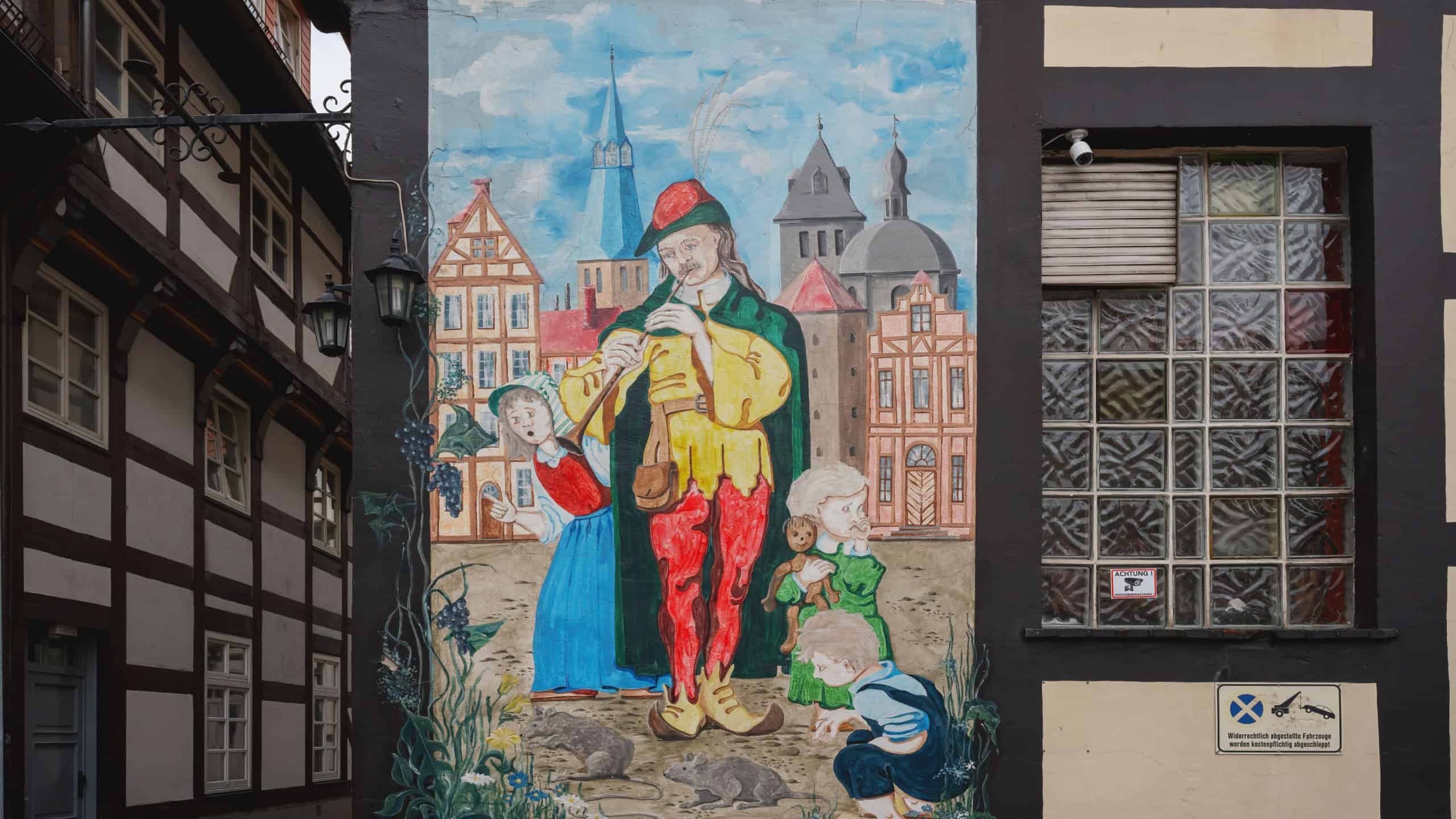
The story of the Pied Piper is a little confusing, and that’s mostly because it’s half-true, half-not. The myth says that the Pied Piper used his pipe to rid a town of its rats, but when the townspeople refused to pay him, he made the children disappear, too.
In 1284, that really did happen in Hamelin, as 130 children left the town, never to return. It’s unclear what exactly happened, although historians generally agree that the rat part of the story wasn’t real. But the children really did disappear for an unknown reason.
The scholar in the records

The story of Doctor Faustus seems like something that couldn’t be real. It’s about a doctor who makes a deal with the devil and gets punished for it, after all. What could be real about that? The doctor himself, as it turns out.
There was a real German scholar named Johann Georg Faust or Georg Faustus, and he lived from around the late 1400s to the early 1500s. He gained a reputation for being into things like astrology and magic.
The mounds by Mosul
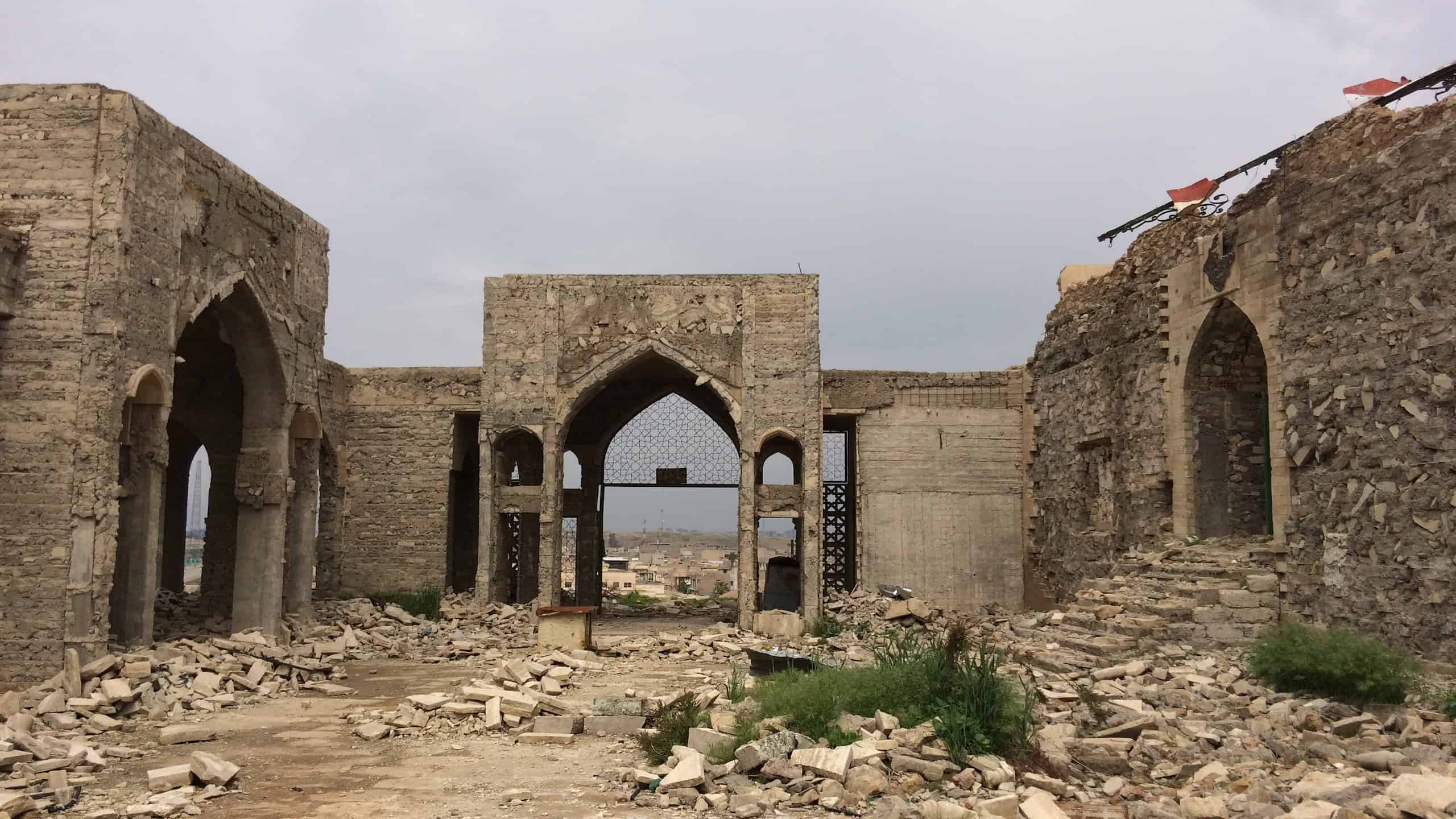
The myths about Nineveh say it was a city so full of sin and wickedness that divine forces had to get involved. The jury’s still out on how true that is, but the city itself was real, despite what people used to believe. It was found in northern Iraq in the 1800s.
Excavations of the area found Assyrian walls and rooms full of records, buried deep underground. They also discovered the library of Ashurbanipal and thousands of clay tablets. Essentially, the lost city stopped being so lost.
A tower in brick
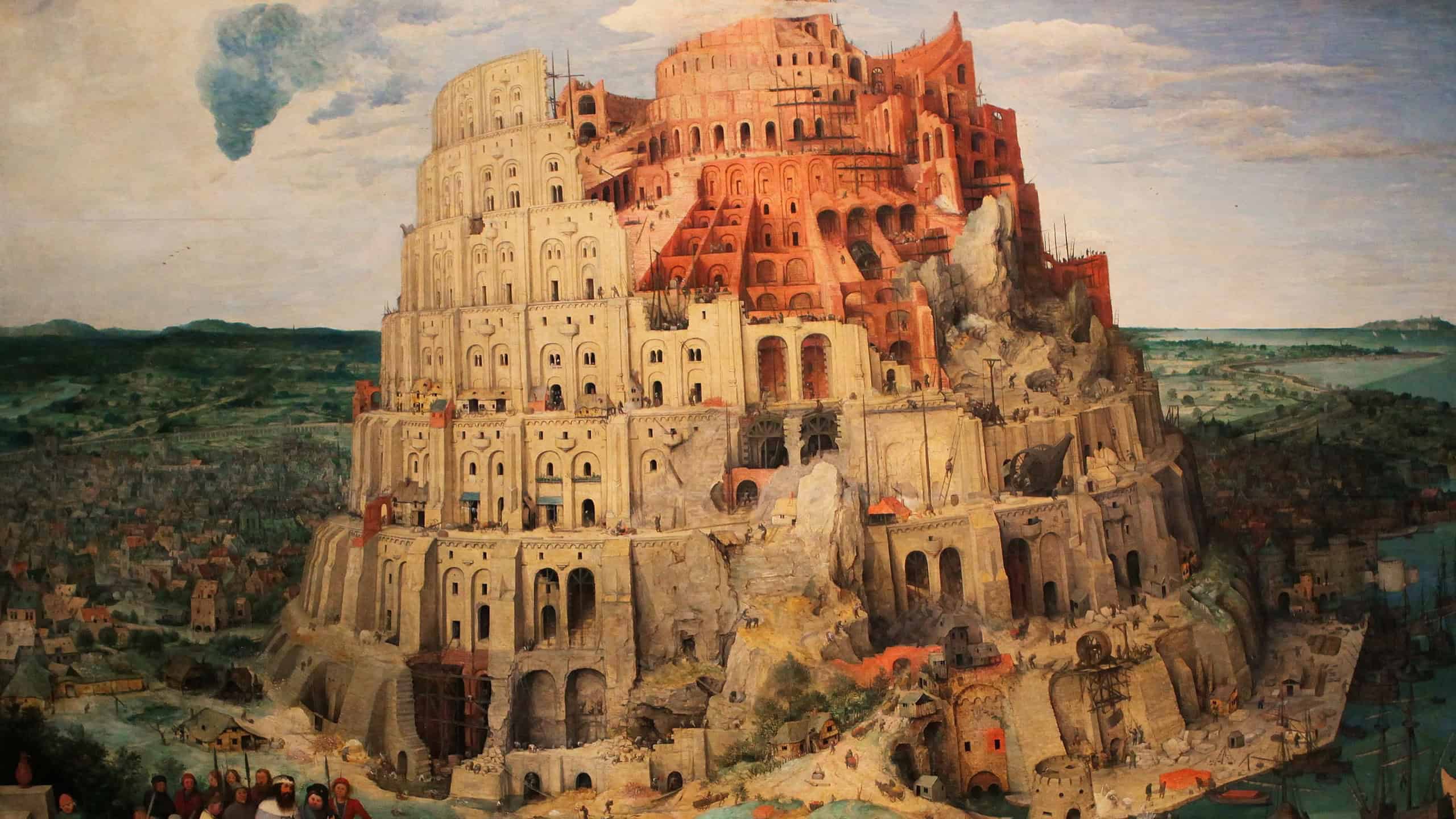
The Tower of Babel is another sinful story that has some truth to it. The city of Babylon really did have a giant tower-like structure that seems to fit the story, and it was called Etemenanki. No, the story about everyone speaking the same language there isn’t real, that’s just a myth.
But the tower itself? That was a real structure, rebuilt by Nebuchadnezzar II in the sixth century B.C. Ancient tablets actually detail how the tower was rebuilt and its actual size, among other details.
The breath below
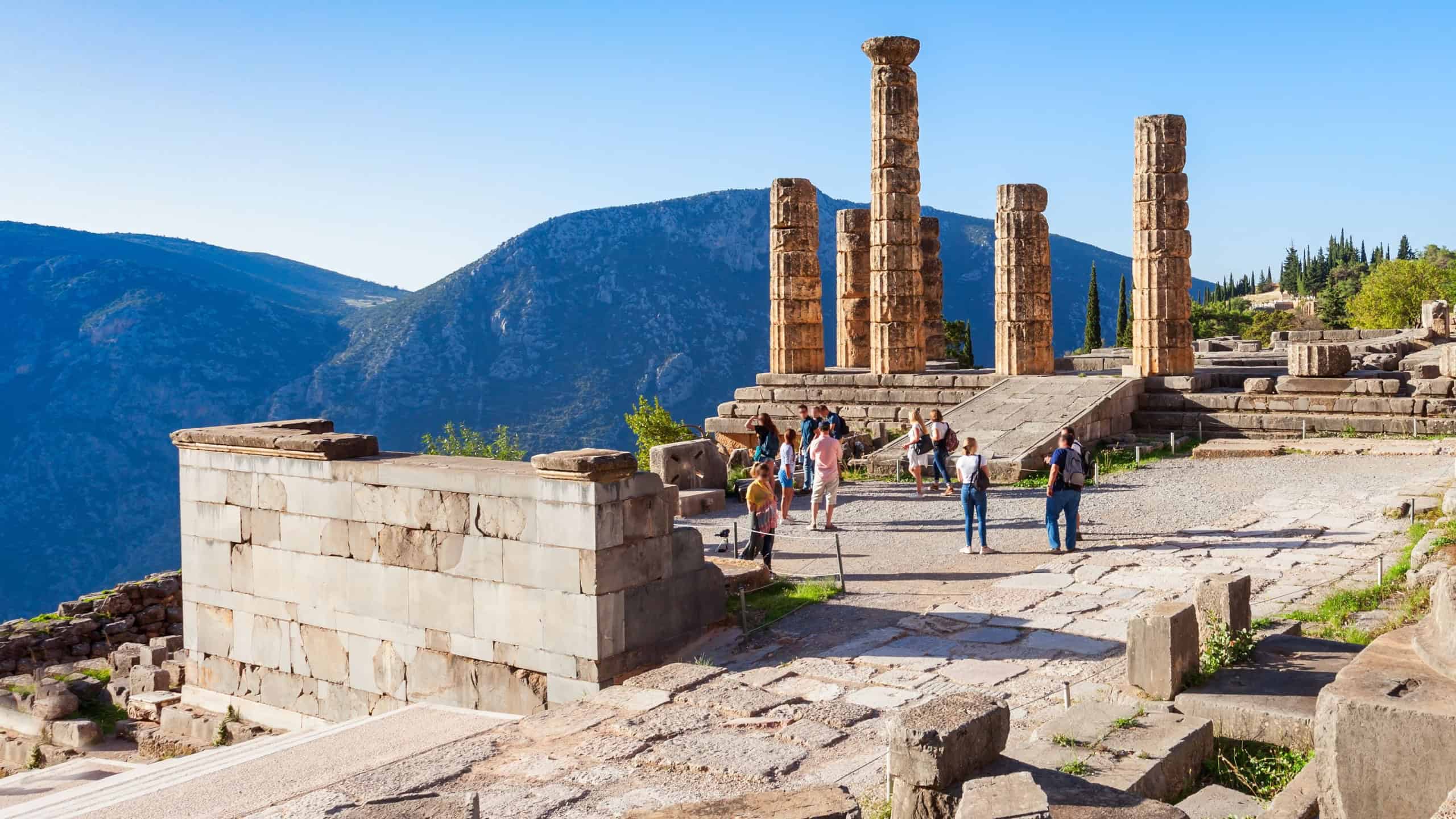
It sounds like a myth. The story of Delphi’s oracle involves priestesses and temples, along with fumes from the ground that apparently gave the oracle her sightseeing powers. For years, archeologists thought that it was all made up, that is, until geologists discovered the truth.
They found there were fault lines near the temple area, and they also found springs that contained ethylene, methane, and ethane gases. Ethylene can cause you to feel dreamy or lightheaded, and yes, it also creates hallucinations.
Ashes in urns
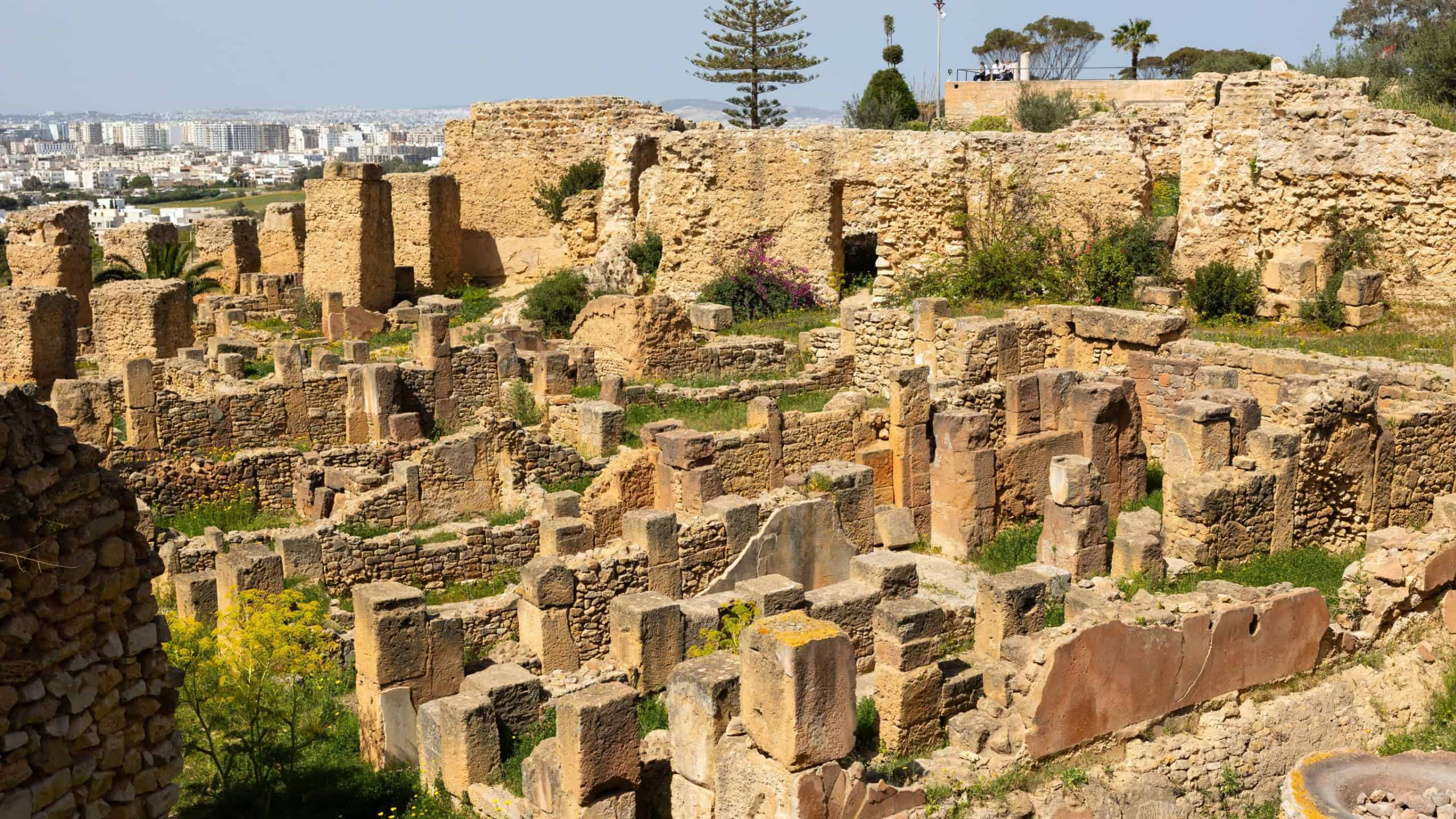
Roman writers had a lot to say about the people of Carthage, including tales of them sacrificing children. Historians used to write it off as the Romans simply saying bad things about enemies. But the stories were true.
Archeologists uncovered urns with cremated remains of infants and animals in modern-day Tunisia. However, there is some debate over whether the area was a cemetery or a sacrificial site, but either way, it’s clear that a lot of children died.
On the waterline
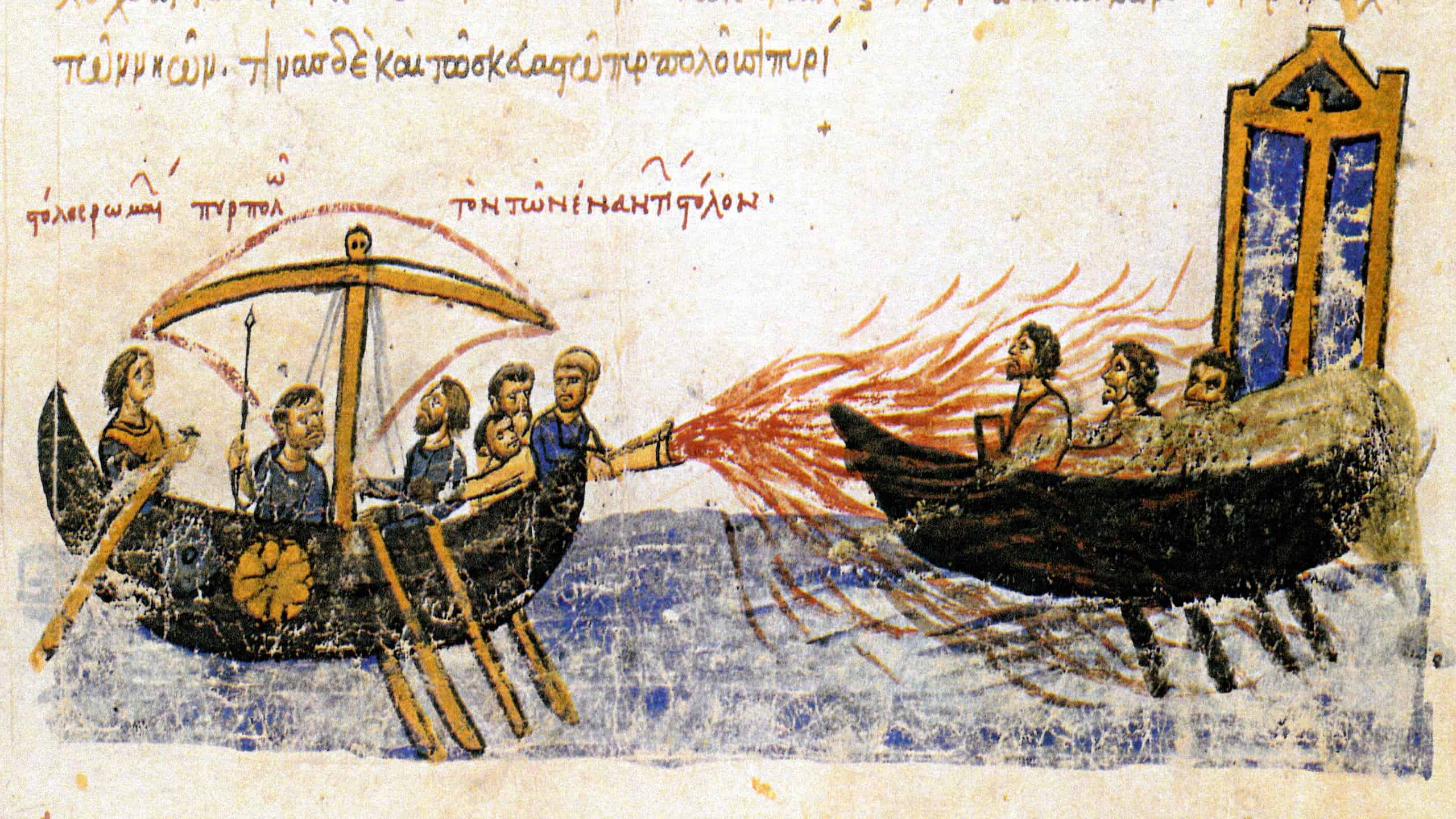
Ancient writers described Greek fire as something that was dangerous even on water, and it could be sprayed from tubes. It sounds too incredible to be real. But it was. Records from the seventh century prove that Greek fire was very much real, although nobody has the recipe.
That’s been lost to time. Still, we do have some guesses about what it could’ve been, with one theory saying it was a mix of petroleum and resins, similar to modern-day napalm. The Byzantine Empire really knew how to fight.
Sources: Please see here for a complete listing of all sources that were consulted in the preparation of this article.
The 15 ugliest historical figures
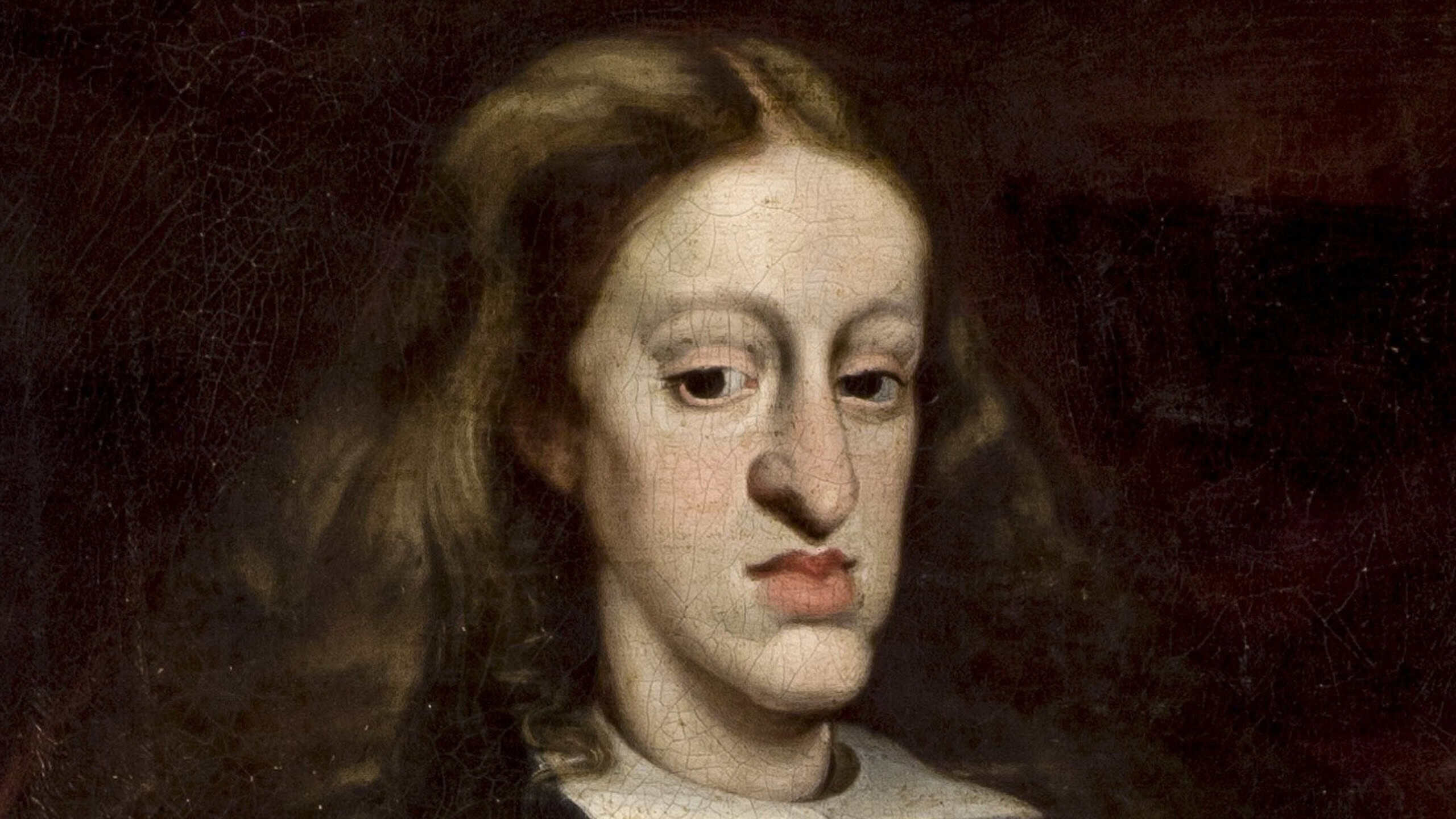
A lot of historical figures are remembered for their power and genius, but then there are the others, the ones that history remembers because they were downright unattractive.

