

You may think a harmless post, tweet, or comment just disappears into the digital ether, and you’re mostly right. But that quick comment you made can also lead to protests, lawsuits, and jail time.
After digging through news reports, legal cases, and expert analysis, it became clear to us that speech on the internet is being increasingly policed in numerous overt and not-so-obvious ways that most of us don’t realize until it’s too late. So here are 12 ways Americans are being silently, and sometimes very publicly, monitored for their online speech.
Losing a job over online speech

Employers now police their workers’ social media accounts, even personal ones, and inflammatory posts can lead to dismissal. Companies do this when they fear that off-duty speech may disrupt productivity or damage their reputation.
For example, Massachusetts teacher Kari MacRae was fired when old posts of hers insulting LGBTQ rights were brought to her employer’s attention.
Powerful lawsuits used to silence
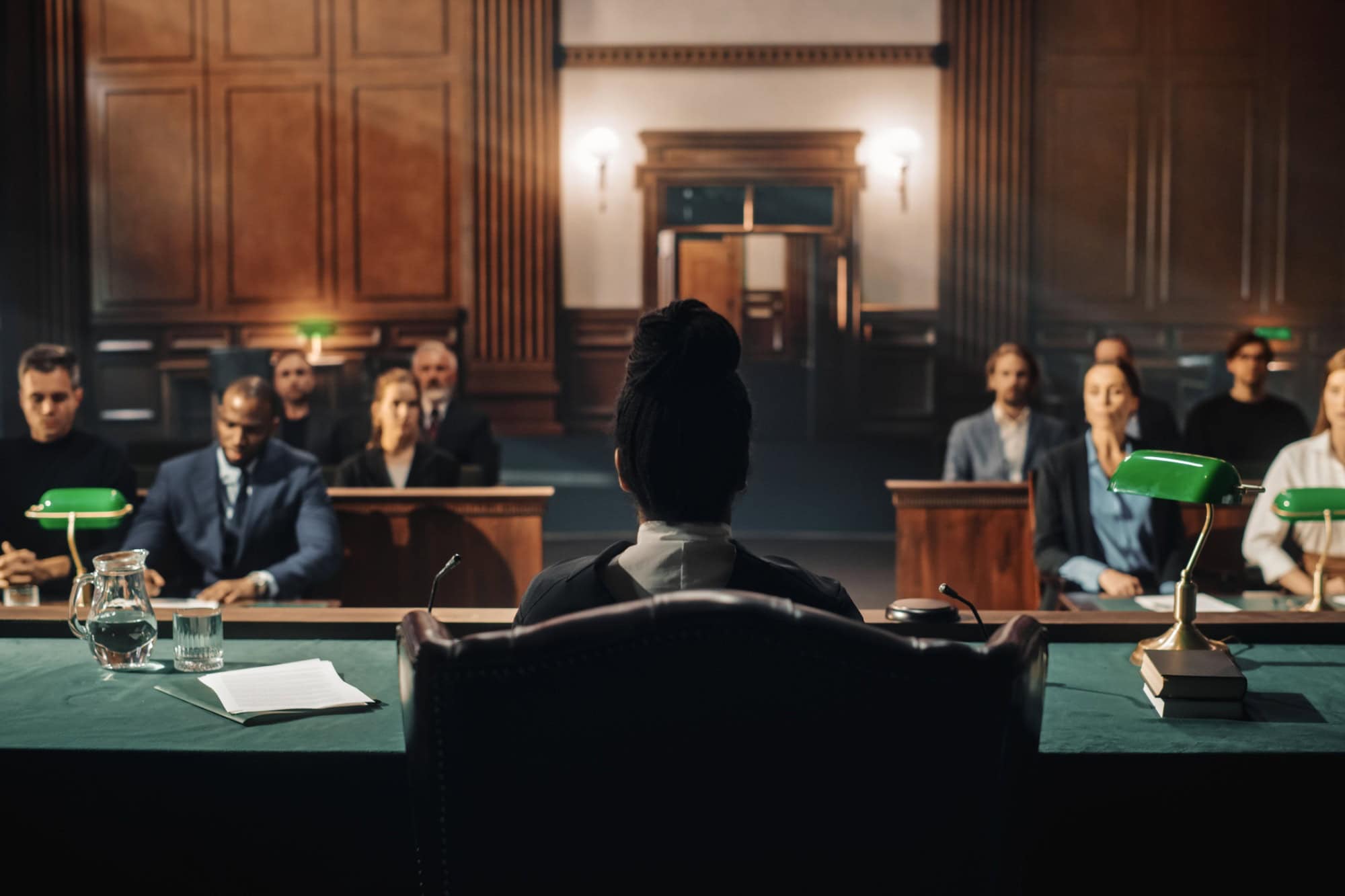
At times, the strong and wealthy don’t fight to win but to choke voices silent. These are SLAPP suits — Strategic Lawsuits Against Public Participation. The goal ain’t justice; it’s fear and empty wallets. Even a flimsy case can bleed someone dry through lawyer fees and court battles.
In 2024, Elon Musk’s X swung at a nonprofit journalism group just for digging into hate speech on the site, a move later tossed aside by a judge who called it a clear attempt to gag critics.
Government pressure behind the scenes

Federal and state officials sometimes use their powers to pressure social media platforms to take down certain content. During the COVID-19 pandemic and the 2020 election, government officials began making calls on the platforms to remove vaccine misinformation and purported election fraud.
It even led to Murthy v. Missouri, a Supreme Court case about whether this official pressure crossed a line on free speech.
Public outrage and “canceling”
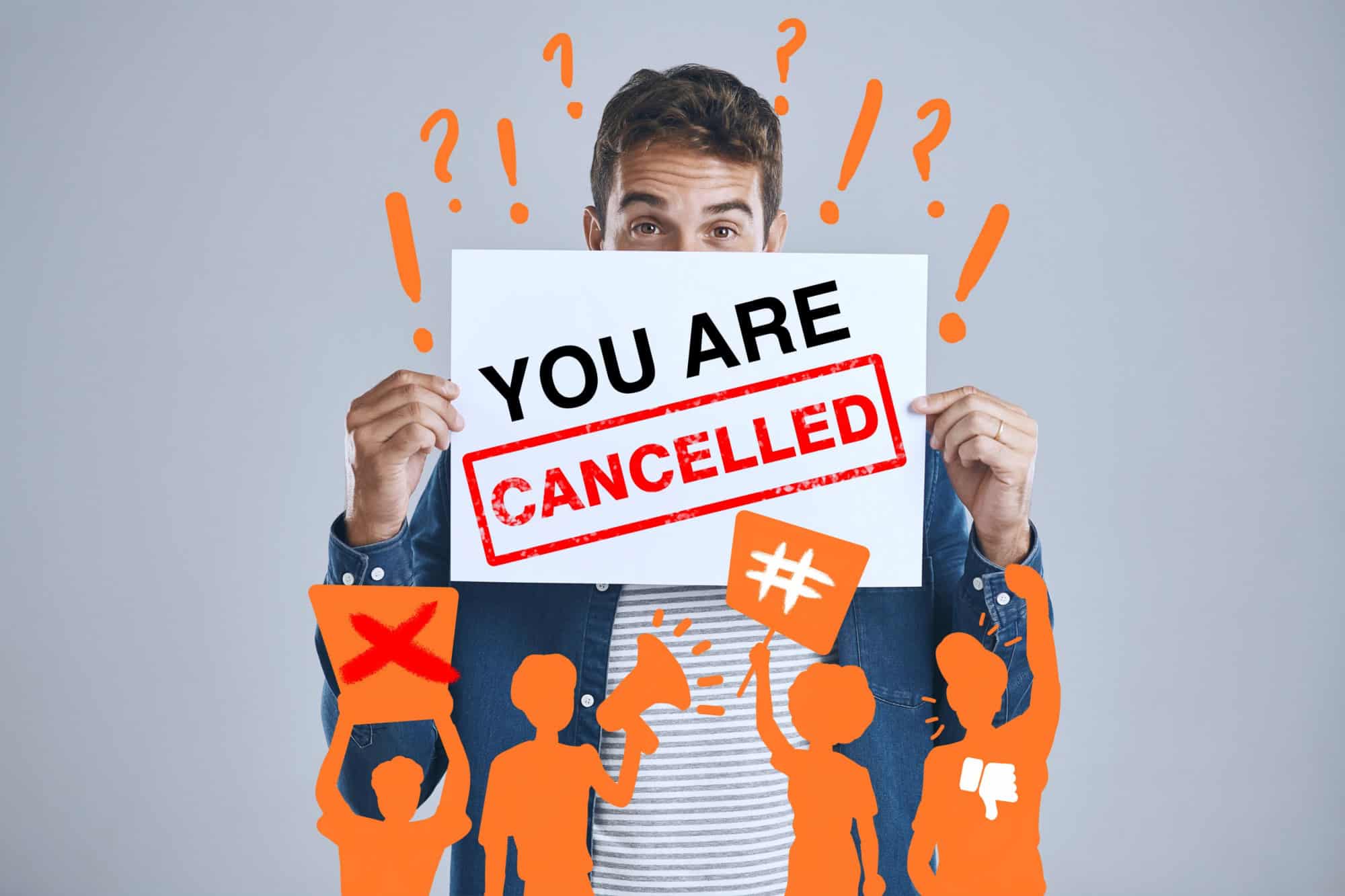
Not every punishment drops from judges or bosses. Sometimes it bubbles up from the crowd, loud and fast. One post goes viral, and suddenly there’s a swarm, shaming, petitions, and boycotts, all pushing to crush the person at the center.
In 2020, Kevin Hart got swept under such a tide when old tweets of his floated back up. The outrage swelled so fierce, he stepped down from hosting the Oscars.
Schools disciplining students for social media posts

Schools sometimes step in to punish students for online behavior, even when it happens outside of school. A well-known case happened in 2021, when Brandi Levy posted an angry Snapchat rant after not making her school’s cheerleading team.
The school yanked her from the team, but later the Supreme Court ruled in her favor, saying schools can’t grab too much power over off-campus speech that lives online.
Suspensions and shadowbans

Sometimes, instead of outright deletion, companies shadowban users or suspend their accounts. In 2018, conspiracy theorist Alex Jones was simultaneously banned by all major platforms, including Facebook, Twitter, and YouTube.
The move was in response to his spreading a number of demonstrably false and dangerous conspiracies. The speed with which his accounts vanished showed just how precarious one’s online existence is.
Workers targeted for political posts

Political posts, even on private accounts, can pose problems for people in positions of public trust. The perception among some is that it compromises their neutrality or professionalism.
This was the fate of Deputy Warden Daniel Schneiter, who was fired after posting offensive political memes on Facebook.
Losing the protection of anonymity

Using a fake name online can make people feel safe to say whatever they want. But that shield doesn’t always hold up. Courts can order websites to reveal a user’s identity if the situation involves serious legal matters.
In 2020, a Reddit user went on a long rant against the Jehovah’s Witnesses organization. The group responded with a DMCA takedown request and a legal demand for Reddit to reveal who the user really was.
Algorithms silencing certain topics

Without having to delete or ban any speech, the platforms can also quietly downplay certain topics or discussions by tweaking their algorithms. During the COVID-19 pandemic, Facebook’s internal research later revealed that the company was “downranking” some posts about the virus so that they reached fewer people.
Social media platforms deleting content

Social media sites keep their fingers near the delete button, ready to wipe posts they claim break the rules. Most vanishings involve hate speech, terrorism talk, or tangled webs of falsehoods. Back in 2021, YouTube swung the axe on a Robert F. Kennedy Jr. video after he repeatedly broke their COVID-19 misinformation policy, erasing it for good.
Criminal charges for threatening speech
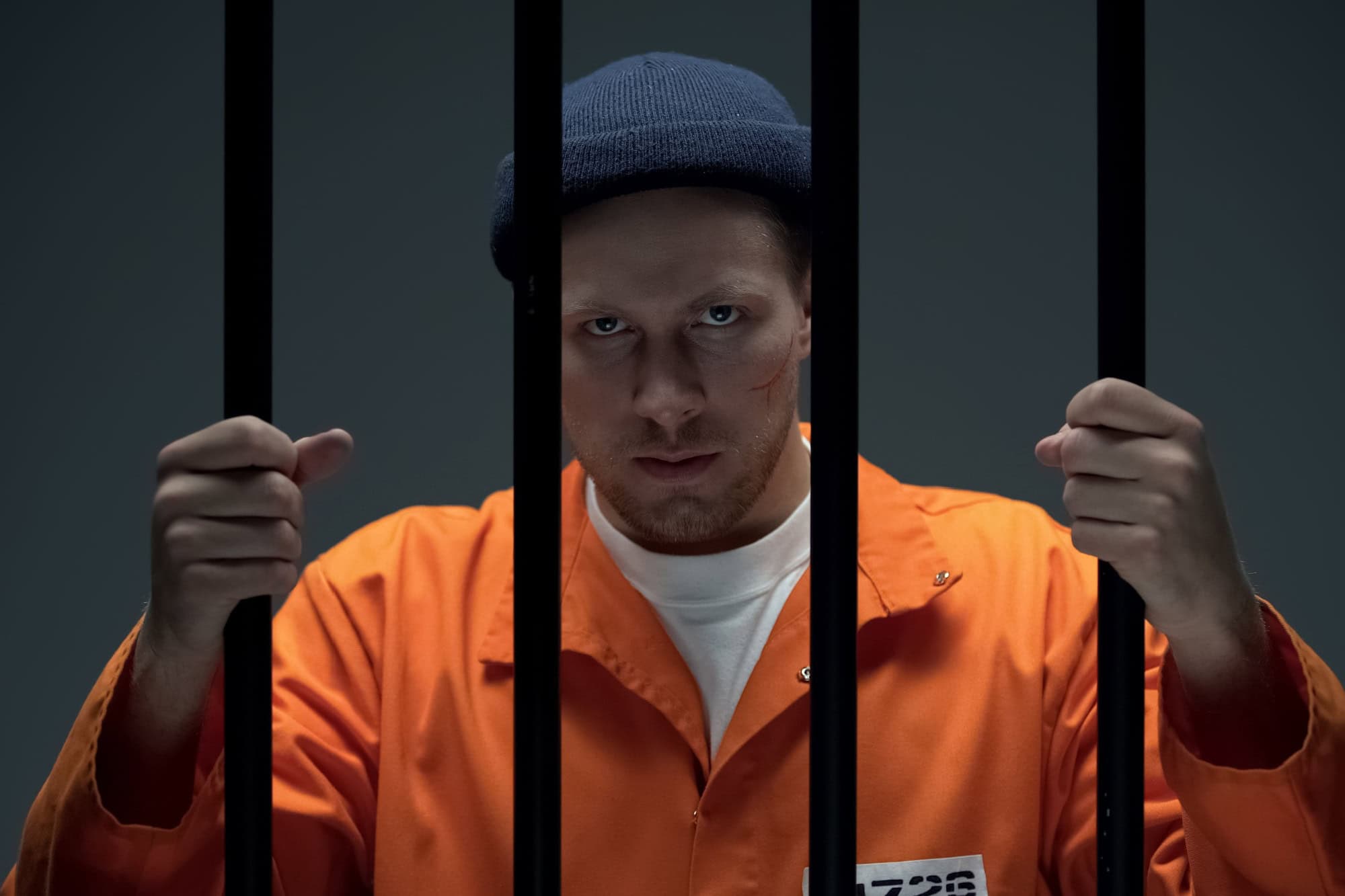
When typed words grow sharp and point straight at harm, they slither past free speech and into the realm of crime. In 2022, a Texas man posted about striking a Turning Point USA gathering in Tampa. Officials took those words seriously, rushing to catch him before he could do anything. He now sits serving five years behind federal bars.
Fear leading to self-censorship

Perhaps the quietest form of policing is self-censorship. When people are afraid of potential consequences, they simply stop posting some types of speech or start policing themselves. For example, after the flurry of firings related to Charlie Kirk’s death, workers across industries started deleting old posts and going silent.
Sources: Please see here for a complete listing of all sources that were consulted in the preparation of this article.
Like our content? Be sure to follow us.

