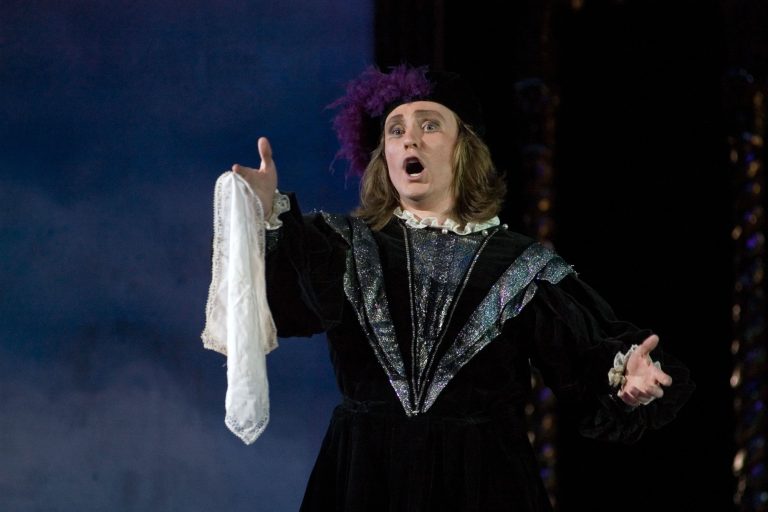

The English language is full of words we use every single day without even thinking about where they came from. What’s wild is that a lot of them were first written down by one man: William Shakespeare. Back then, he was just trying to make his plays sound dramatic and exciting, but his creativity ended up shaping the way we speak.
We looked into it and found a bunch of common words that trace back to his writing. Here are 12 English words that Shakespeare either invented or helped make popular.
Lonely

Lonely is one of the most relatable words that people use today. Yet, before Shakespeare, the feeling of being alone and sad was not defined by a single word. Shakespeare used lonely for the first time in Coriolanus.
Bedroom

Believe it or not, Shakespeare helped popularize the term bedroom. He used it in A Midsummer Night’s Dream, and it’s been a household word ever since, literally.
Alligator

Shakespeare used the word alligator for the first time in Romeo and Juliet (Act 5, Scene 1). Even though the creature itself was already known, he helped bring the term into English literature and everyday speech.
Manager

Manager was used for the first time in English by Shakespeare in A Midsummer Night’s Dream. Shakespeare just used the word to mean a person who takes care of or organizes things, like a play or some people. Nowadays, the word means a person who supervises and leads other people.
Eyeball

Shakespeare decided to combine two words, eye and ball, to describe something we have all got. He used it in A Midsummer Night’s Dream. It is so widely used nowadays that it is hard to imagine the world without the word.
Radiance

Radiance was first used in All’s Well That Ends Well by Shakespeare. Helena, the female protagonist of the story, compares her lover to a star in whose light she wishes to always bask. The word has the same meaning as now, it is used to describe something that is shining or glowing.
Laughable

The word laughable was used by Shakespeare to describe a ridiculous or silly object. Nowadays, the word is commonly used if something is so absurd that you cannot stop yourself from laughing at it.
Cold-blooded

Cold-blooded first appeared in King John to describe a person who did not spare any mercy on his way of fulfilling his goals. This expression is often used nowadays, in crime movies and thrilling books mostly.
Eventful

When a day is packed with things happening, we call it eventful. Shakespeare first used the word in As You Like It, a perfect description for the twists and turns in his plays.
Majestic

Shakespeare loved big, dramatic imagery, and majestic was one of his creations. It describes something grand, noble, or awe-inspiring, like a castle or a mountain view.
Addiction

In Othello, Shakespeare used addiction to describe a strong obsession or attachment. Today, it’s commonly used for serious dependencies, like on substances or habits.
Inaudible

The word inaudible, meaning something that cannot be heard, was coined by Shakespeare in All’s Well That Ends Well. It gave the English language a precise way to describe silence or very faint sounds.
Sources: The following sources were consulted in the preparation of this article.
Like our content? Be sure to follow us.


