

During the 1980s, you could order quite a few things for dinner that are now either banned entirely or tightly restricted across the country, rightly or wrongly.
The Cajun restaurant favorite
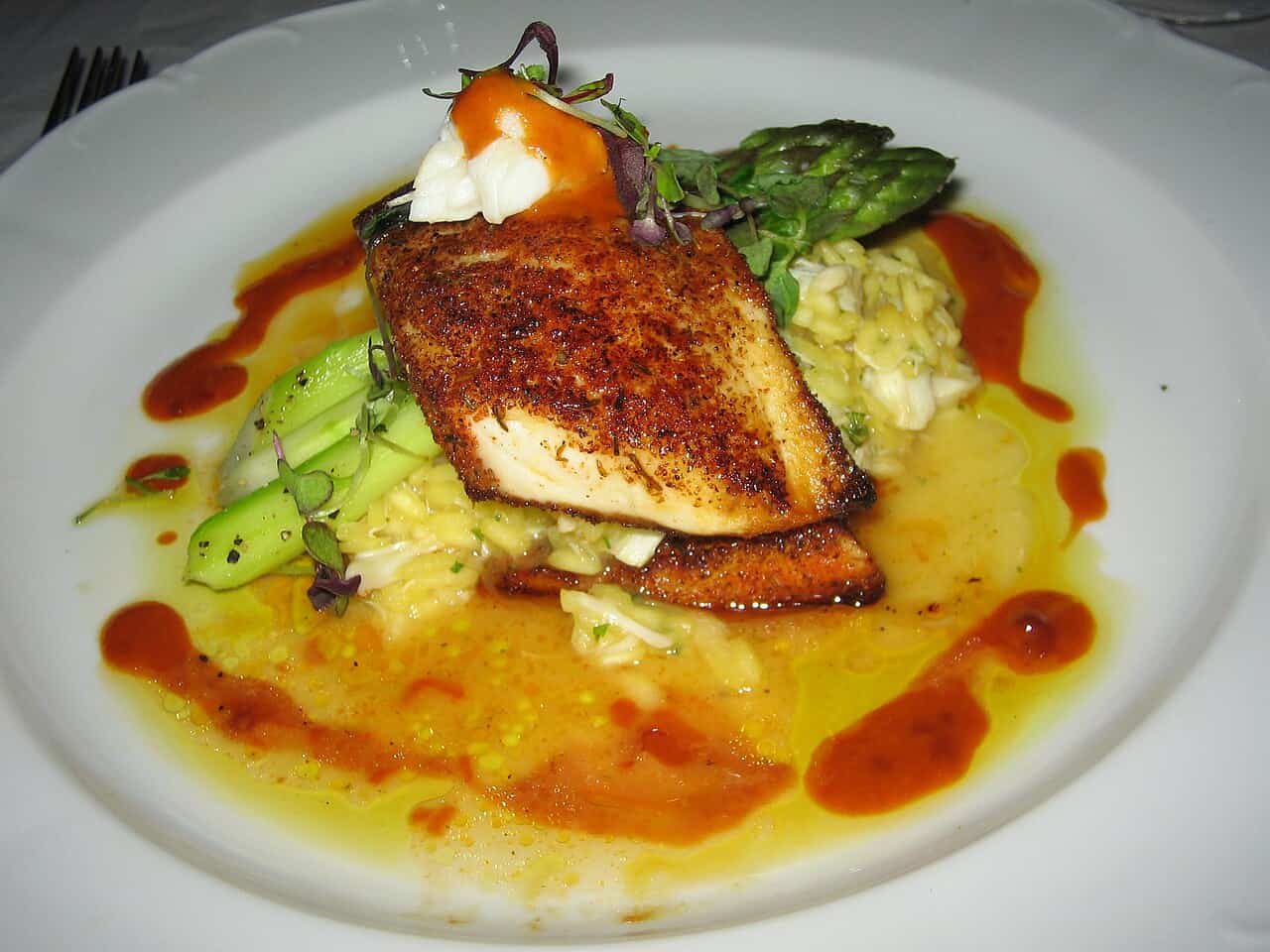
You could get blackened redfish practically everywhere in the 1980s, and the main reason it was popular was because of Louisiana chef Paul Prudhomme. He made the dish famous with his recipe. It involved covering red drum fillets in Cajun spices.
However, the dish got so popular that regulators had to step in, as the red drum population was declining way too quickly. Commercial red drum fishing was banned in federal Gulf waters, starting in 1987, and Florida also bans commercial harvesting. You can still catch the fish recreationally, but only under very strict limits.
A very expensive appetizer
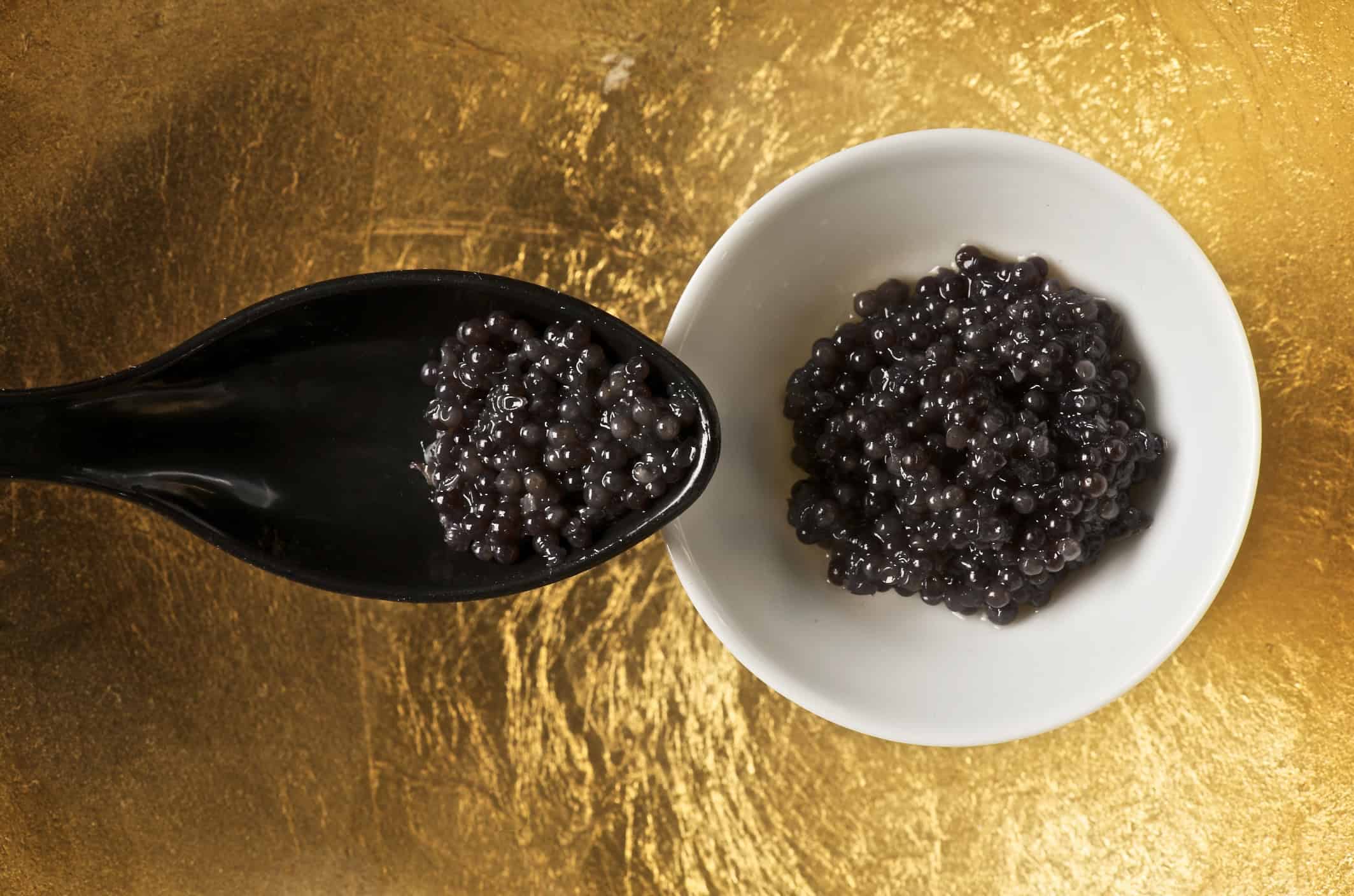
Anyone lucky enough to dine somewhere fancy in the 1980s might’ve gotten this once. It’s wild beluga caviar. Most of the time, the sturgeon eggs were served chilled with toast or blinis, and it wasn’t exactly an everyday dinner. The problem was with where America’s supply came from.
For the most part, these fish eggs came from the Caspian Sea, but heavy fishing caused serious problems for the beluga sturgeon. That’s why, on September 30, 2005, the US suspended imports of beluga caviar and meat from Caspian Sea countries. Wild caviar from these places is restricted. You’re able to get certain farm-raised varieties, though.
A Florida Keys tradition
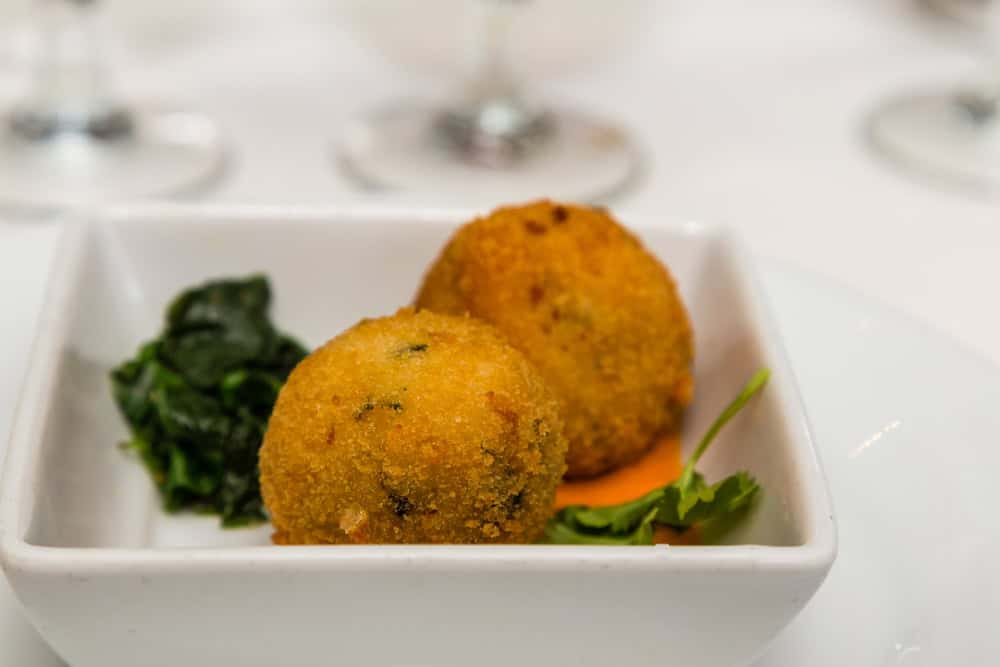
Conch fritters were quite a big deal in the Florida Keys in the past. During the 1980s, many restaurants would chop up the shellfish and mix it into seasoned batter. They’d then fry it until golden. Some places would make conch stew, too, and it was a hit with people who wanted something a little more filling.
Unfortunately, local queen conch numbers began falling. That led to Florida banning commercial harvesting before eventually banning all recreational harvesting in 1985. The next year, federal protections followed suit. Conch dishes are far more restricted nowadays and won’t be from the local area.
A New England staple
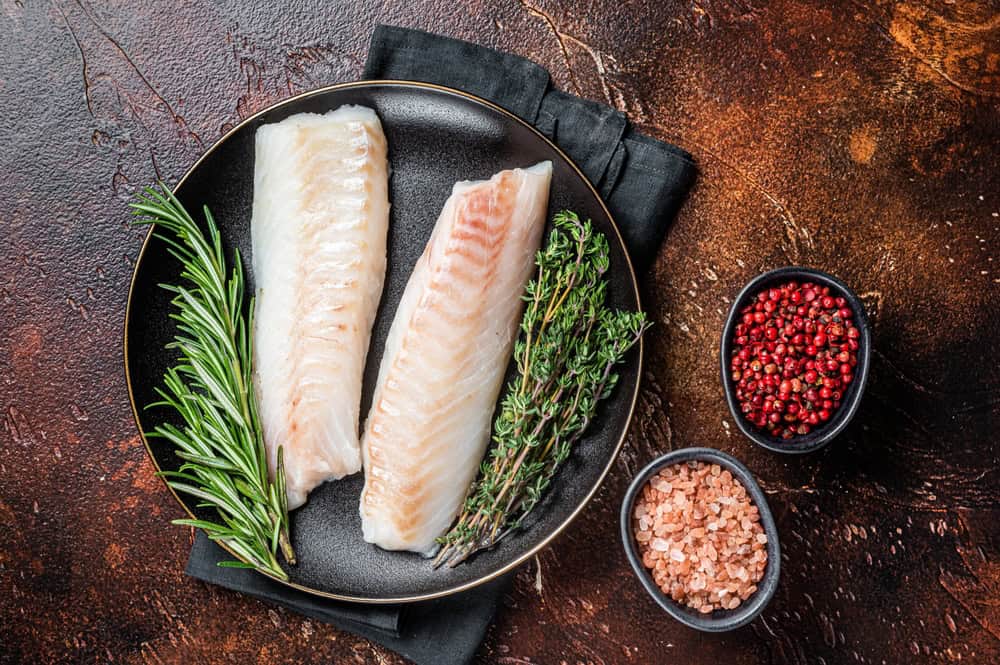
Baked Atlantic cod was one of the simplest dishes around. All you needed was a little butter, some lemon, cracker crumbs, and voila, you had a perfectly good dinner. It was an especially common dish across New England and Atlantic Canada in the 1980s.
At the time, fresh and frozen cod were easy to find. But perhaps they were too easy to find. Cod stocks became overfished over the decades, so the government introduced strict quotas and seasonal restrictions. There are even zero-possession rules in some fisheries. Sure, cod is still caught, but it’s definitely not as freely caught as it used to be.
The East Coast catch
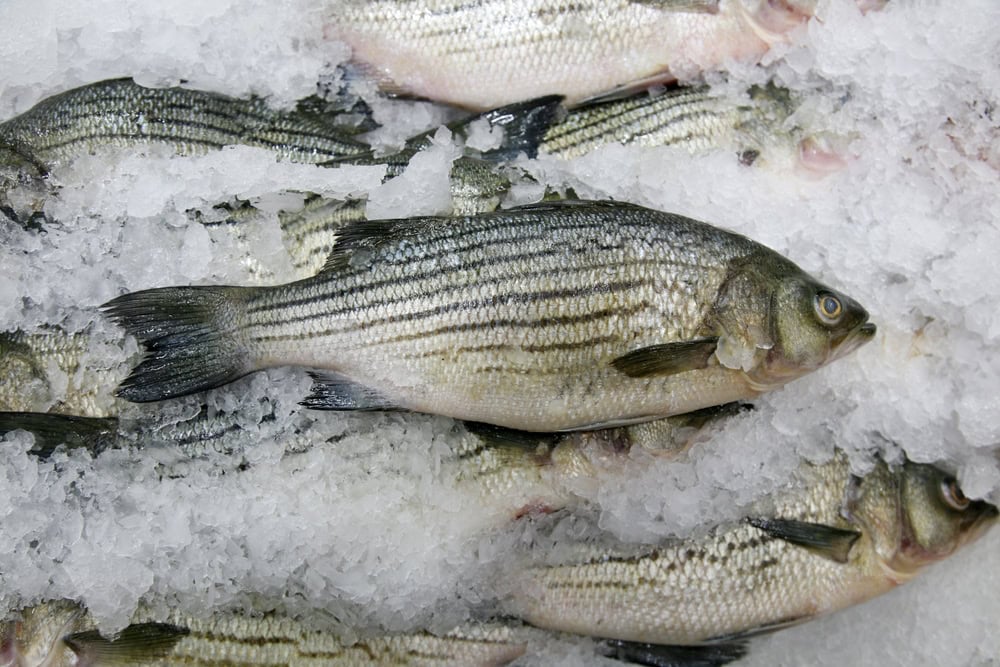
Try asking an East Coast fisherman about what striped bass was like in the 1980s. Chances are, they’ll tell you that it was one of the most popular fish around, and that’s because of its firm white flesh. It went so well with butter.
Around New York, New Jersey, and the Chesapeake Bay, it was a pretty familiar fish, although not anymore. That’s because Congress passed the Atlantic Striped Bass Conservation Act in 1984 to protect the species. In some states, they temporarily stopped fishing for them altogether. Fishing has resumed, but with restrictions.
The old-fashioned smoked delicacy
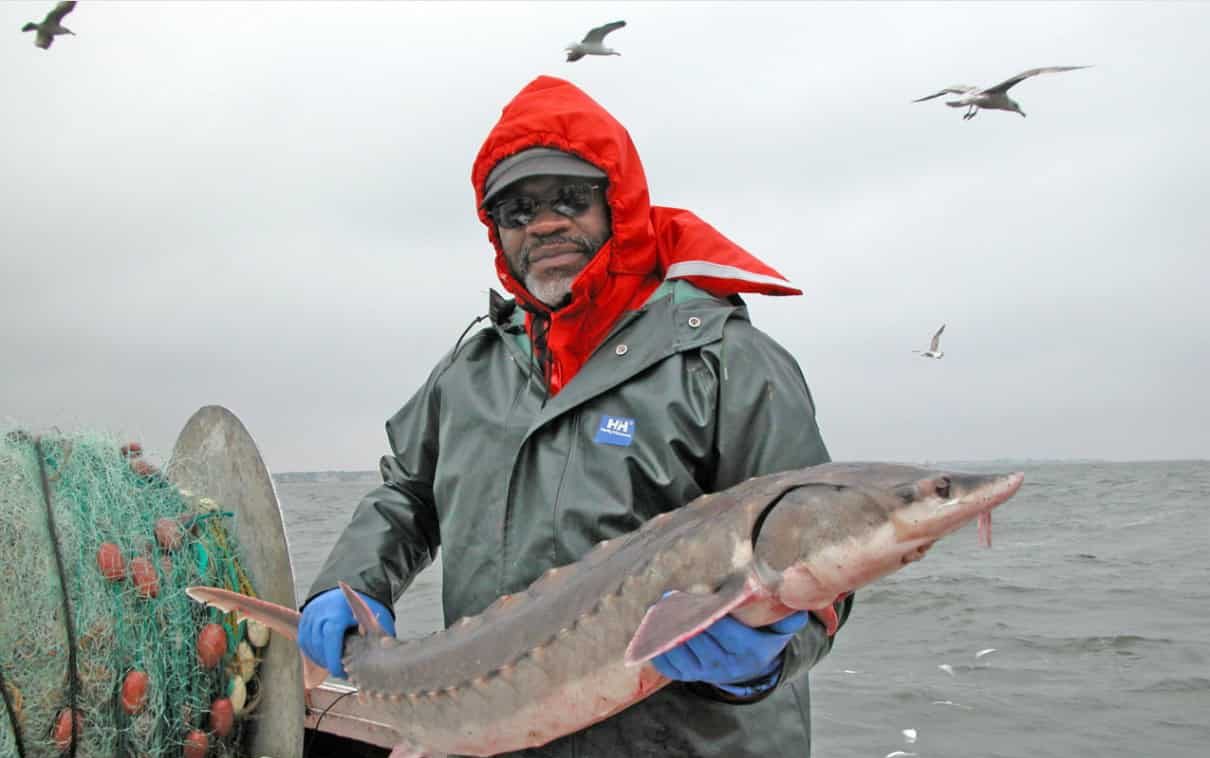
It wasn’t unusual to see fish being smoked on America’s East Coast in the 1980s. However, Atlantic sturgeon was a particular delicacy, thanks to its rich, dense meat. It just smoked so well. It wasn’t in every neighborhood restaurant, but still, it was quite popular.
That is, until wild populations began declining too much. The Atlantic Coast states introduced restrictions on fishing it in 1998, and federal authorities soon followed. Today, harvesting wild Atlantic sturgeon is illegal in American waters, but other legally farmed sturgeon are allowed.
The fish with a new name
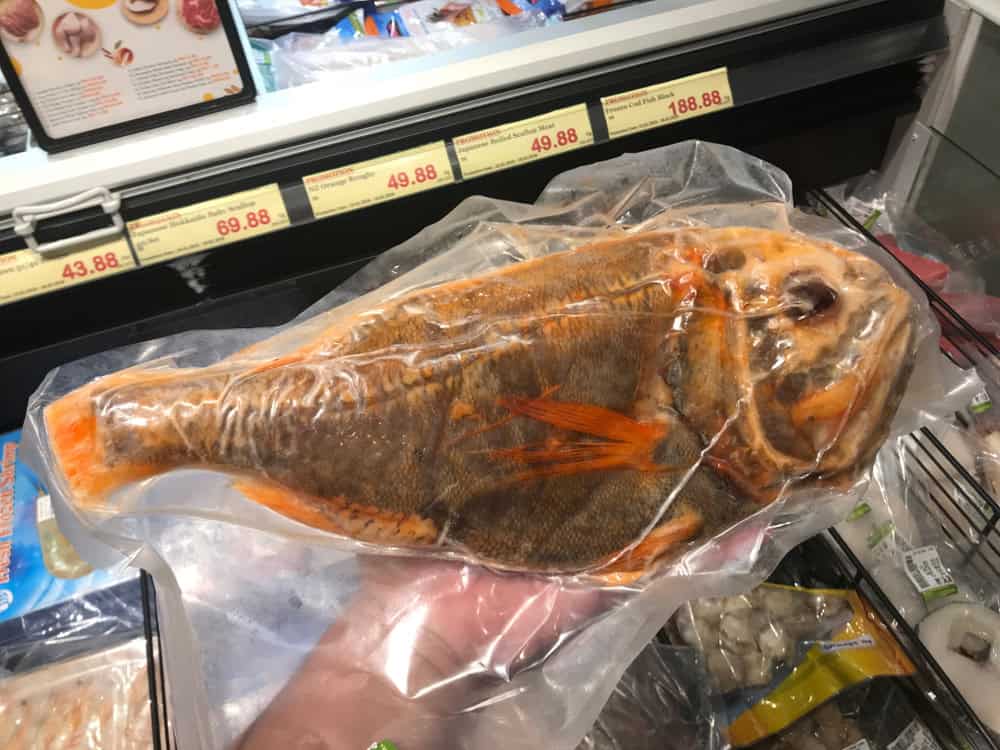
You probably wouldn’t want to order something called slimehead for dinner. The seafood industry understood that, too. That’s why, during the 1980s, places sold it under the name ‘orange roughy’ instead, and it soon became a popular restaurant fish.
Most of the supply came from New Zealand, but orange roughy populations couldn’t always keep up with fishing demand. Eventually, New Zealand brought in tighter catch limits. They also introduced additional spawning-area closures, meaning that it’s way harder to find this fish on the menu now.
The Italian-American classic
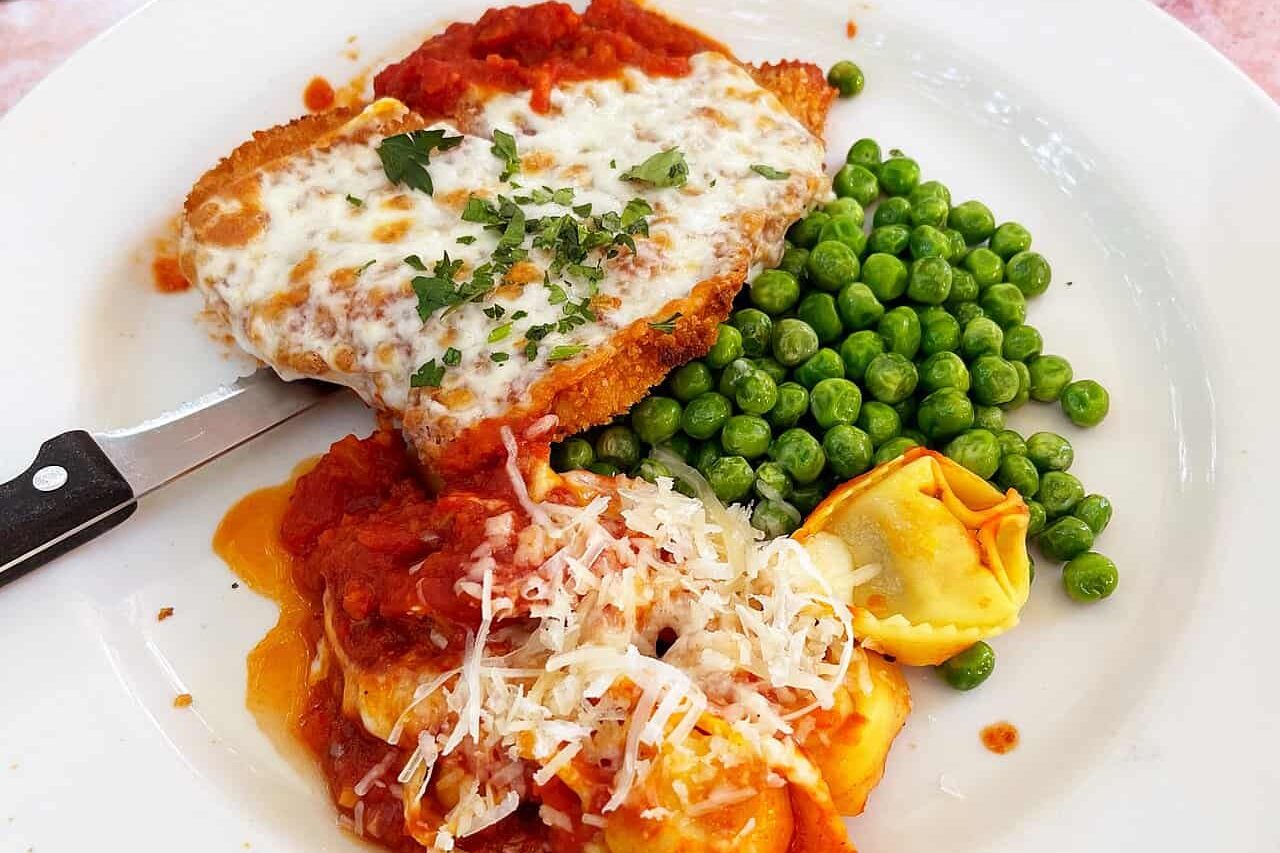
If you went to an Italian-American restaurant in the 1980s, there was a good chance you’d find veal Parmesan on the menu. It was made from breaded veal and tomato sauce, as well as melted mozzarella and a generous serving of spaghetti on the side. It was delicious.
However, the problem came with how some farms raised calves, as many places didn’t treat these animals properly. California voters approved Proposition 12 in 2018 that required veal calves to have at least 43 square feet of usable space. The dish is a lot more difficult to get nowadays because it’s so much more expensive to farm veal.
A restaurant special with lemon

It’s a similar story with veal scallopini. This was a slightly fancier alternative to the breaded veal dishes, and it was made of thin slices of meat, quickly cooked in a skillet. You’d often get it with mushrooms, lemon, white wine, or plenty of butter.
In 2016, Massachusetts voters approved tougher animal-housing rules, and the requirements took effect a few years later. That’s not to say you can’t get scallopini at all. You can. It’s just that the meat has to meet certain standards, so it’s not as widely available anymore.
The Southern soup pot
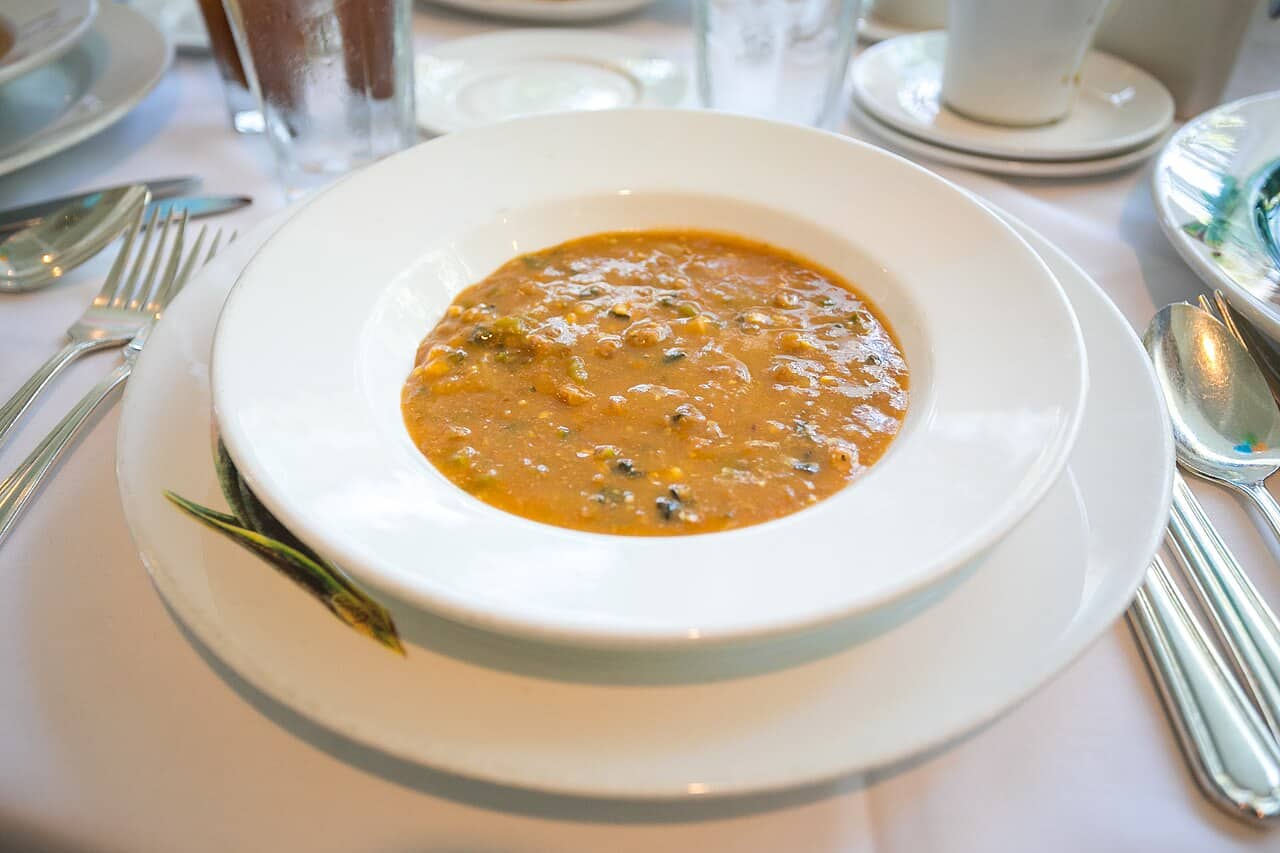
Here’s one many Southerners will probably remember. Anyone who ordered turtle soup down there in the 1980s probably ate alligator snapping turtle meat. People had been making the dish with these turtles for generations, usually by slowly cooking the meat. Not anymore, though.
The turtles were being caught faster than their populations could recover, so several states tightened their laws. Commercial harvesting is now prohibited throughout their natural US range. In fact, the related Suwannee alligator snapping turtle also received federal protection in 2024. Any turtle soup you get now won’t be from the same species that it used to be.
An old-school French delicacy
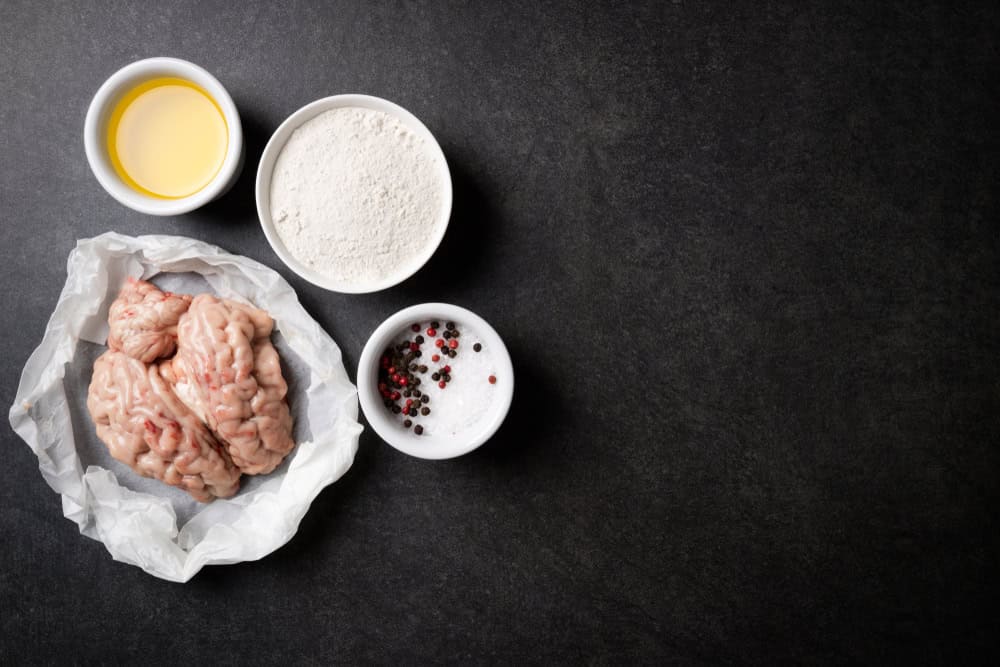
Yes, brains fried in butter used to be a real meal. It definitely wasn’t everyone’s idea of a delicious dinner, but still, it was considered a traditional French delicacy. You could find calf brains on the menu at some specialty restaurants in the ‘80s.
Then came concerns about mad cow disease. In January 2004, US regulators banned brains from any cattle aged 30 months or older for human consumption. You can get brains from younger calves, as long as they’re properly inspected. The traditional old kind, though, is off the menu.
The giant Florida fish
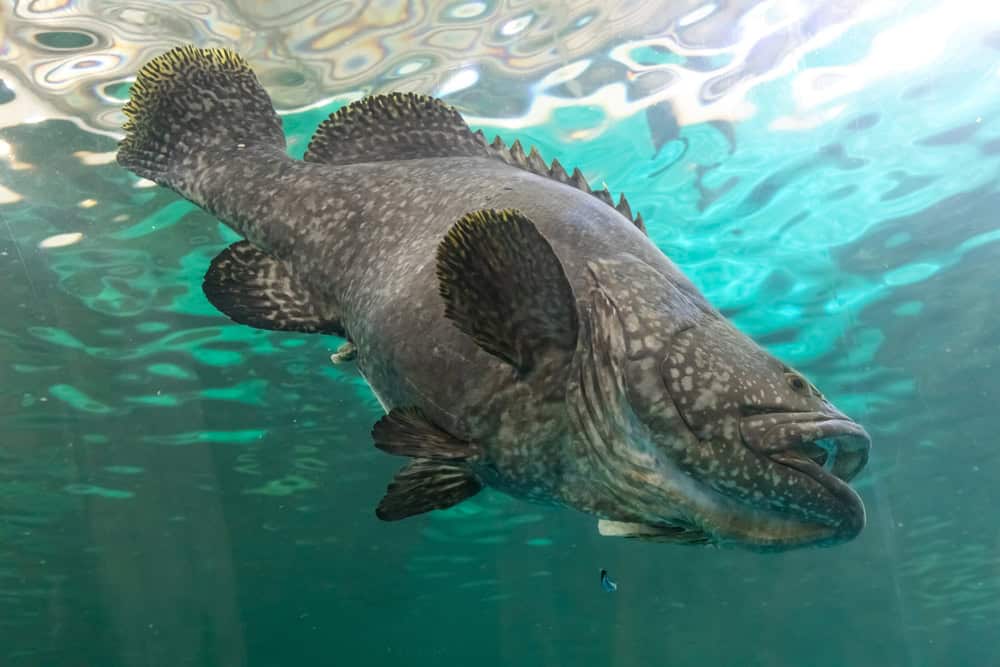
Catching goliath grouper was a real achievement for Florida fishermen in the 1980s. It was a huge fish. But catching one meant there was plenty of meat to go around, so a lot of them would try to get it.
The fish soon became so heavily targeted that its population declined too much. In 1990, fishing for it was banned in US waters. It was only in 2023 that states like Florida finally allowed limited recreational fishing again, although getting permission is pretty difficult. There are only 200 permits available each year. As for federal waters, they’re still closed.
Sources: Please see here for a complete listing of all sources that were consulted in the preparation of this article.
11 foods that were totally normal in the 1970s, but are banned now

During the 1970s, you could sit down at restaurants or go to grocery stores for certain foods that you simply aren’t allowed to have today.
11 foods that were totally normal in the 1970s, but are banned now

