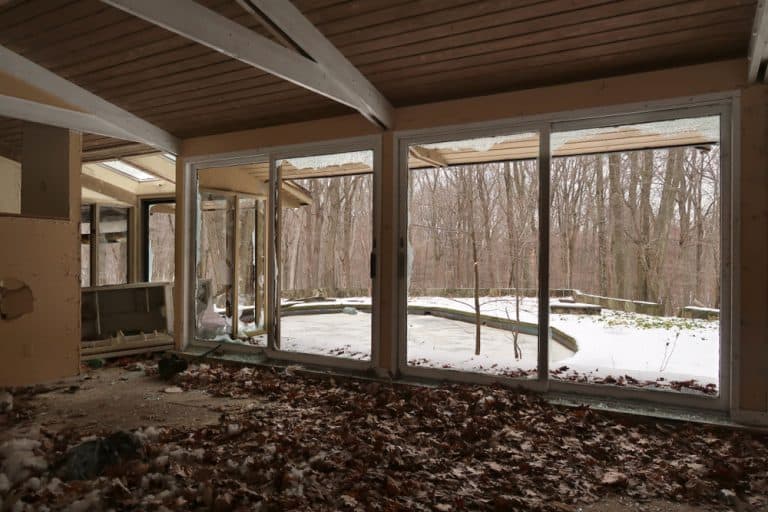

When renovating some of the most famous old houses, some people have discovered pretty creepy things, including human bones beneath the floor and strange objects hidden in the walls.
The bones beneath Franklin’s home
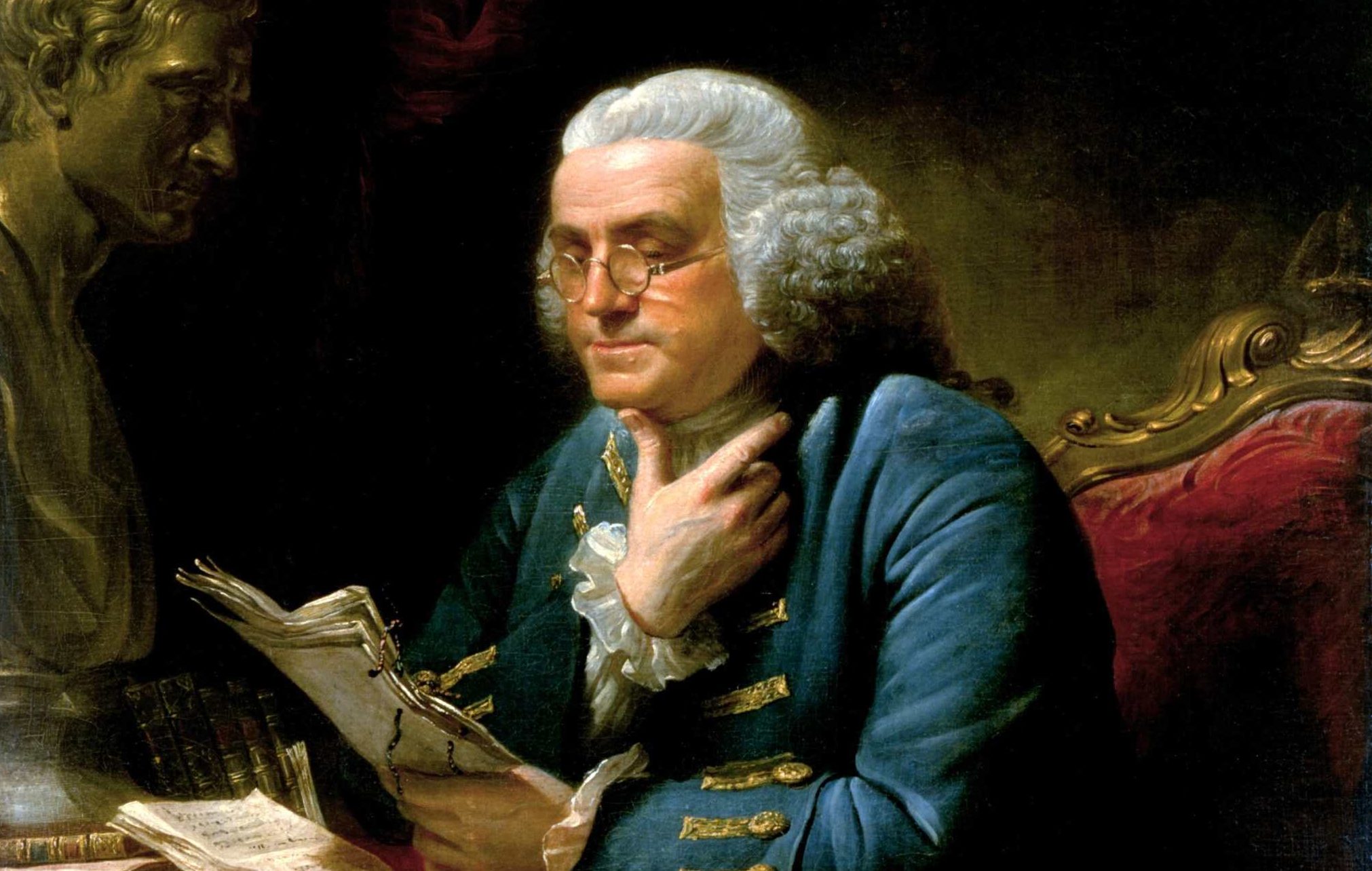
There was quite a nasty secret hiding underneath Founding Father Benjamin Franklin’s old home in London. But nobody knew about it until 1998. Workers began renovating the site and found over 1,200 pieces of human and animal bone underneath. Some of these findings included human remains that belonged to at least 15 people.
That wasn’t even the worst part, though, as some of these bones showed signs of being dissected. Thankfully, they weren’t from a crime scene. Anatomist William Hewson ran a medical school on the site during the 1770s, so it’s likely that some of the bodies he studied came to him from grave robbers.
The cat inside the chimney
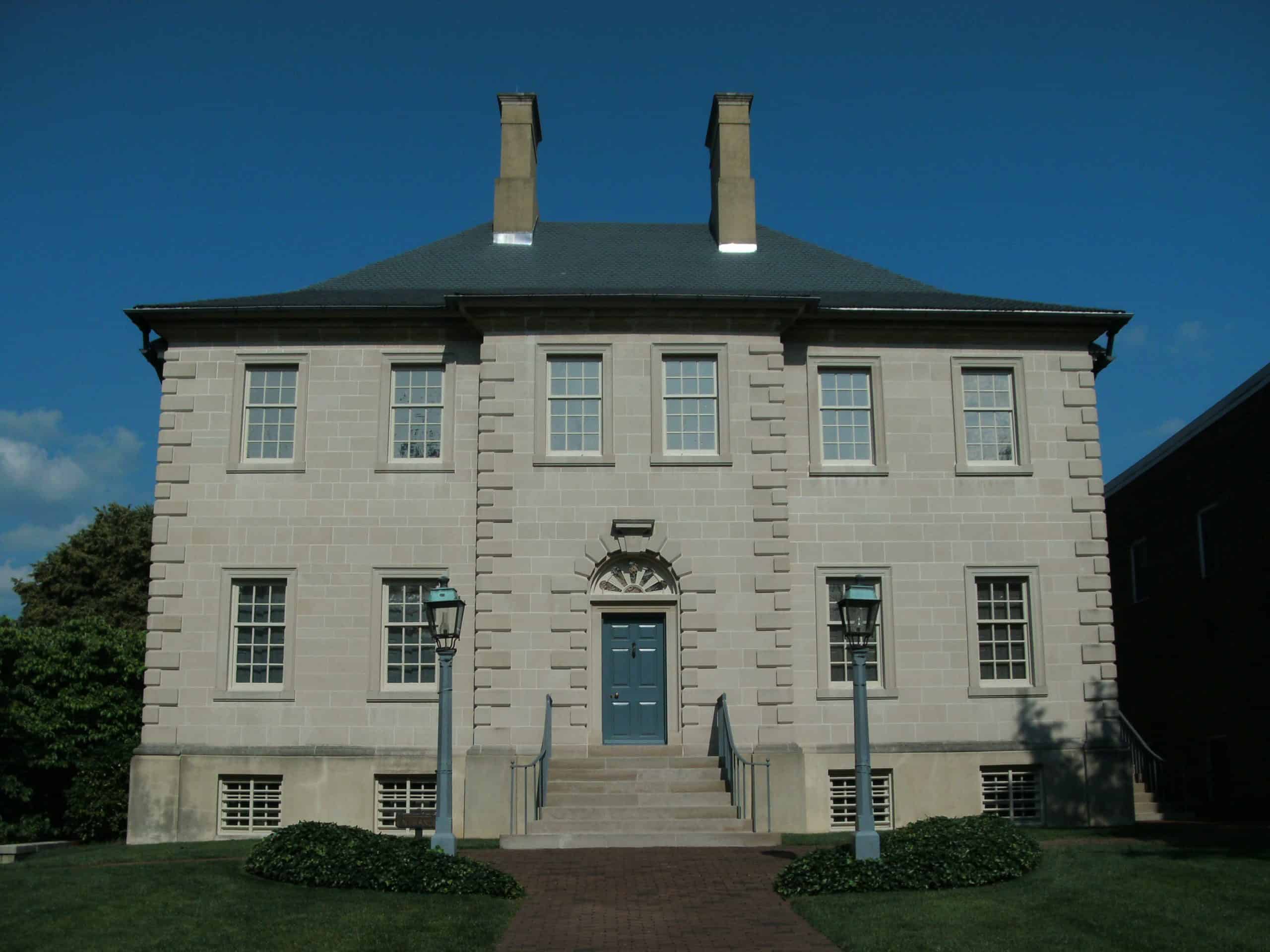
There was a time when putting a dead cat inside your chimney was considered a perfectly normal way to protect your home. Not anymore, though. In the 1970s, workers were restoring Carlyle House in Alexandria, Virginia, when they stumbled upon a partially mummified cat.
The cat was inside a sealed masonry cavity and allegedly still had its skin and fur intact. This wasn’t a simple case of a cat wandering in and getting trapped, either. No, someone seems to have put it there. Researchers believe it was part of a tradition that treated concealed cats as protection against evil.
The shrine beneath the floorboards
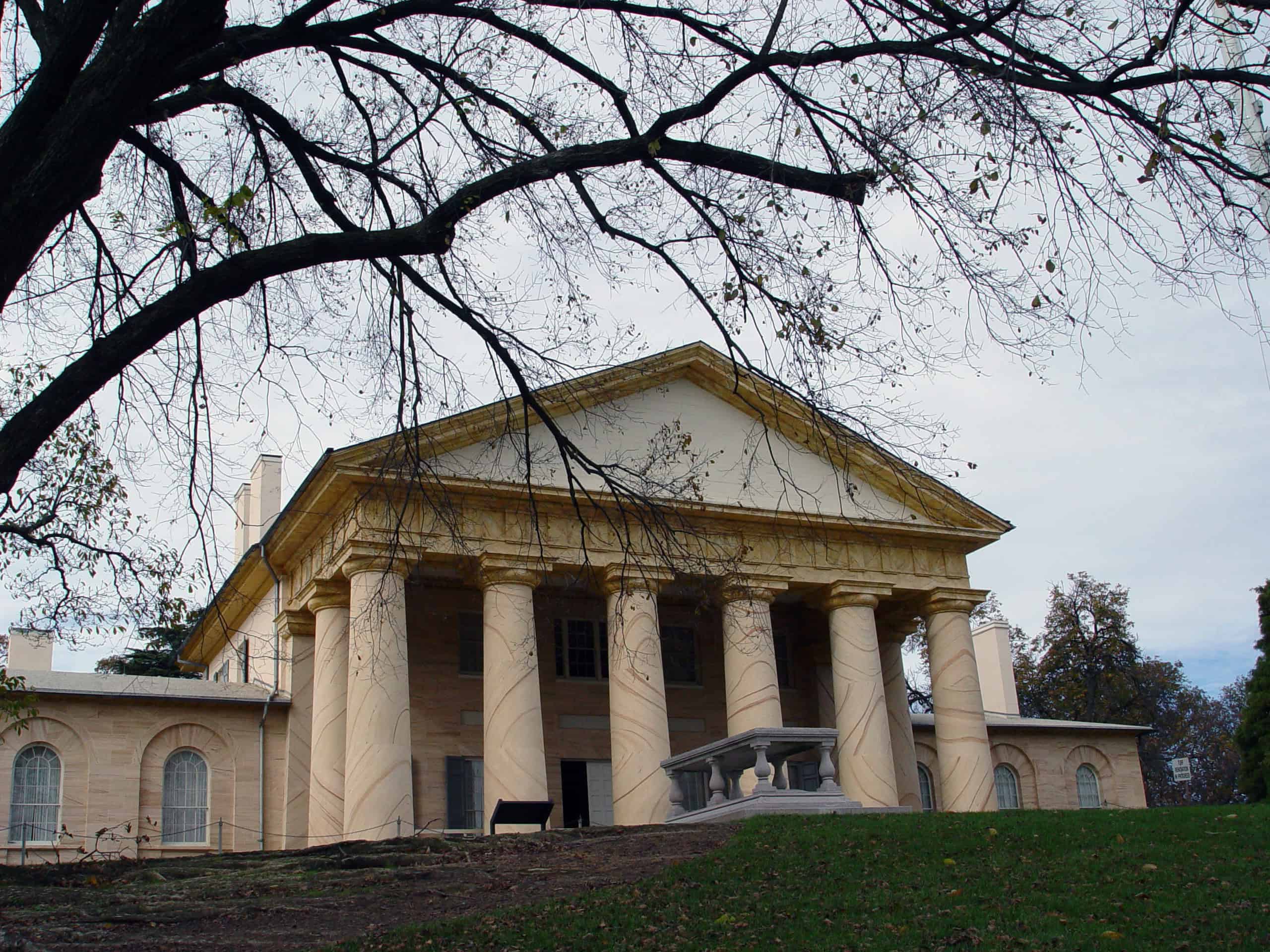
You might not think that finding four glass bottles sounds all that creepy. But there’s more to the story. These bottles were found underneath the floor of the former slave quarters at Arlington House in Virginia. All the bottles were deliberately arranged to point north.
Archaeologists later found out that the room belonged to Selina and Thornton Gray, two slaves, during the 1800s. They believe that it was meant to be a spiritual shrine. It’s likely the bottles were supposed to be some form of protection against evil spirits, although it’s unclear what ceremonies were specifically involved.
The doll that lost its hand
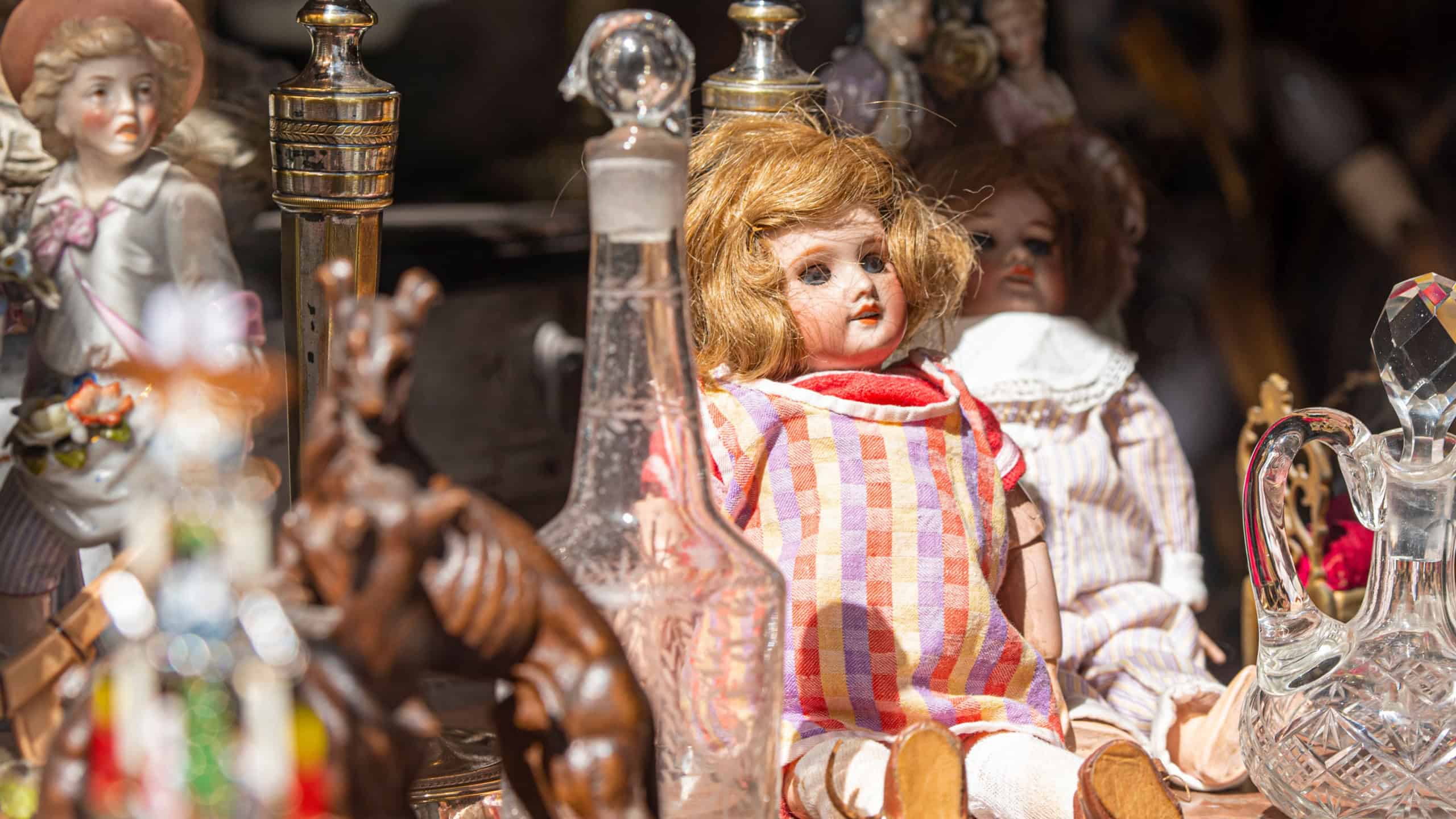
That’s not the only odd thing found at Arlington House. Archaeologists also uncovered a tiny hand inside an old fireplace in the former slave quarters. But it wasn’t a human hand, thankfully, as it was from an old porcelain doll instead.
The hand somehow got separated from the rest of the doll. Nobody knows who the doll belonged to, or how it even got into the fireplace without the rest of the doll. That’s the real creepy part of this discovery.
The forgotten room upstairs
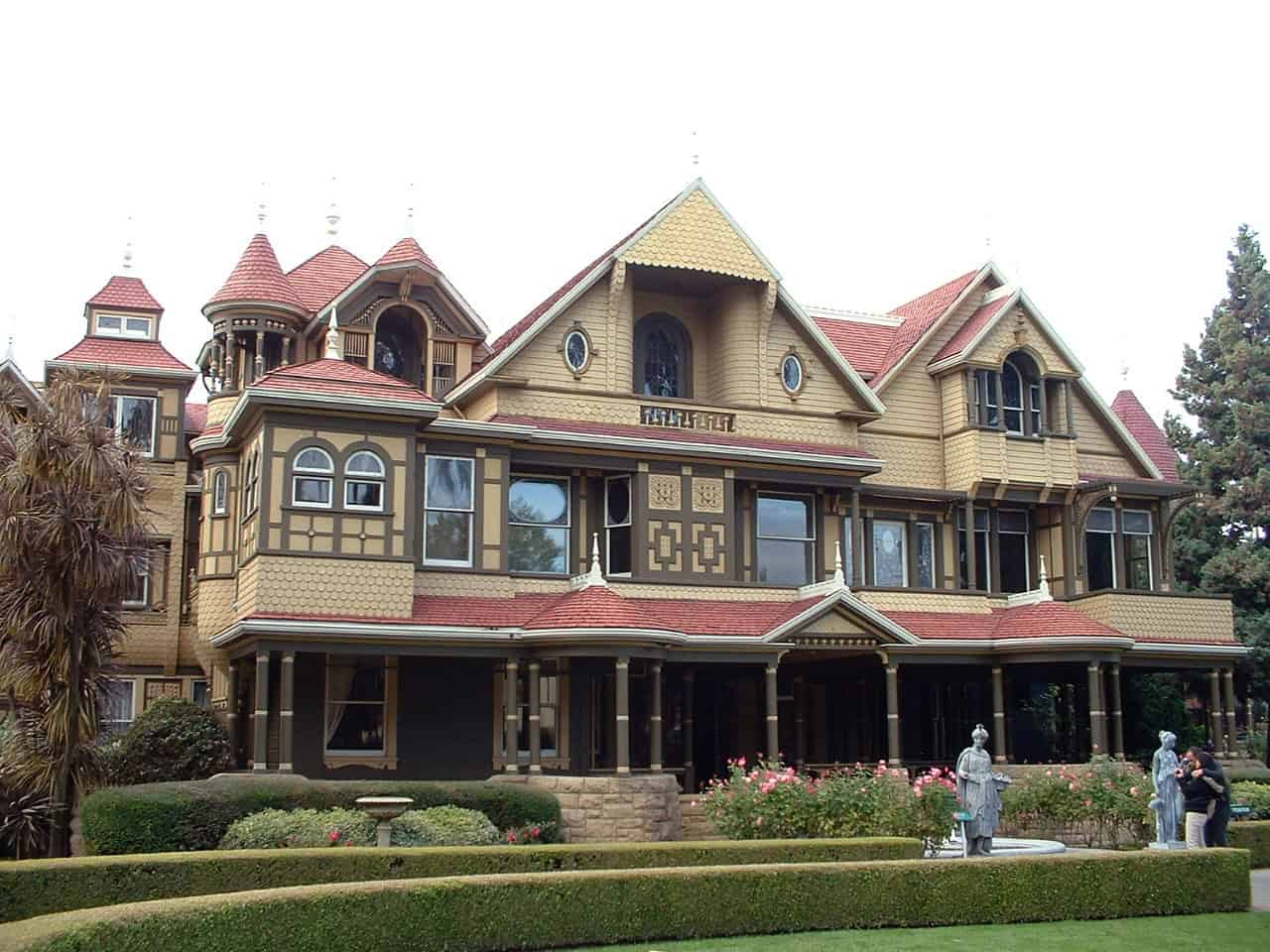
It’s no secret that Sarah Winchester’s mansion in California had a lot of weird things about it. But what preservation workers found in 2016 made the whole thing even stranger. They discovered an attic room that had been sealed for decades, and it had quite the collection.
It had a pump organ and sewing machine, as well as a dress form, paintings, and an old sofa. It’s likely that the room was closed after the 1906 San Francisco earthquake, which damaged parts of the property. Winchester had several rooms sealed afterward. Yet nobody knows why she never opened this room.
The secret beneath a politician’s property
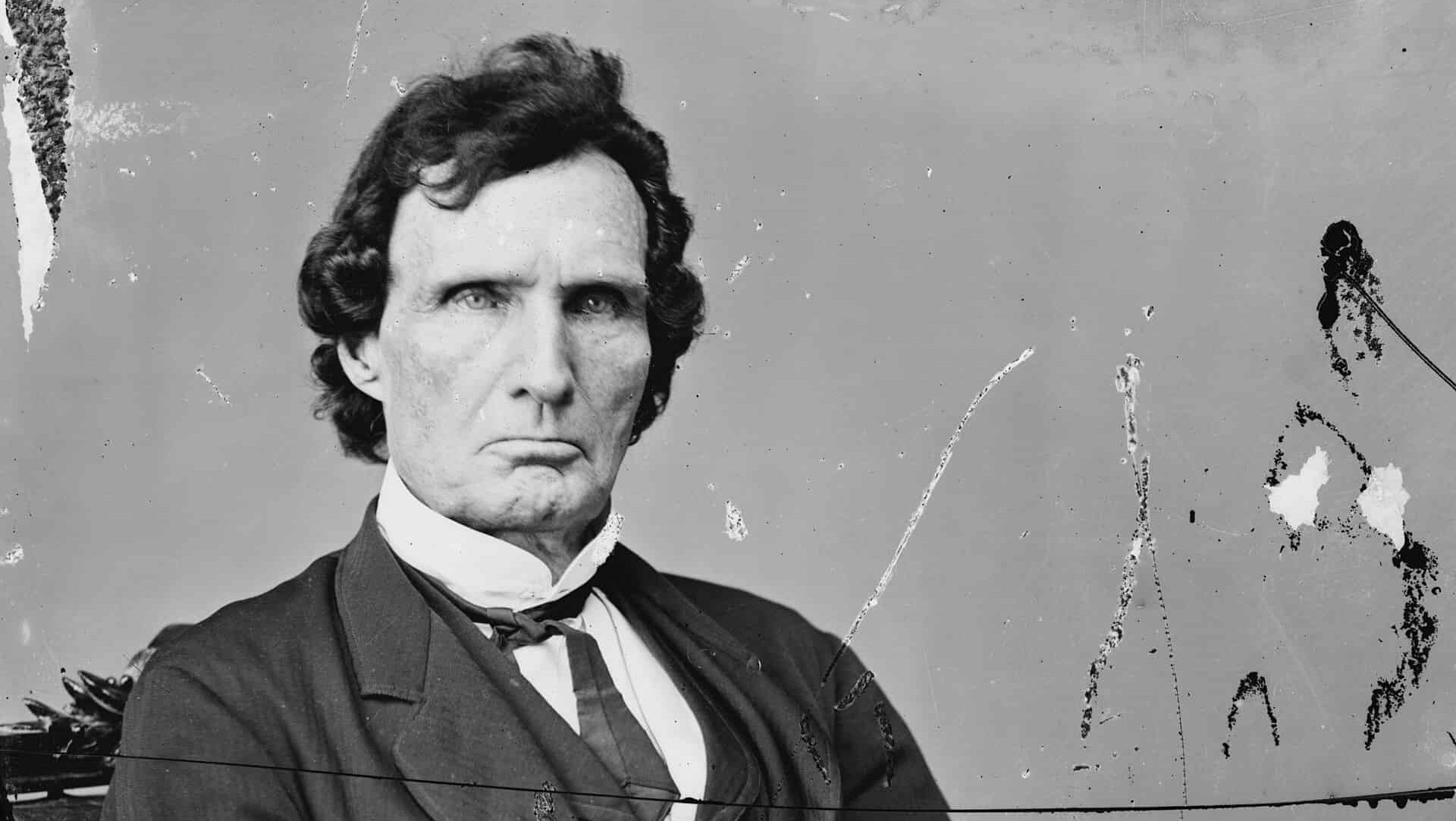
The discovery beneath Thaddeus Stevens’ former Lancaster property attracted quite a lot of attention. It’s not hard to see why. Stevens was a firm abolitionist, and underneath his property, archaeologists found an underground chamber.
They believe he used it to hide runaway slaves. The property’s housekeeper, Lydia Hamilton Smith, was believed to be involved in the Underground Railroad, so it’s even more likely that the chamber contributed to her work. Even so, the possibility that people were hiding away under Stevens’s house sure is creepy.
The bone behind the fireplace
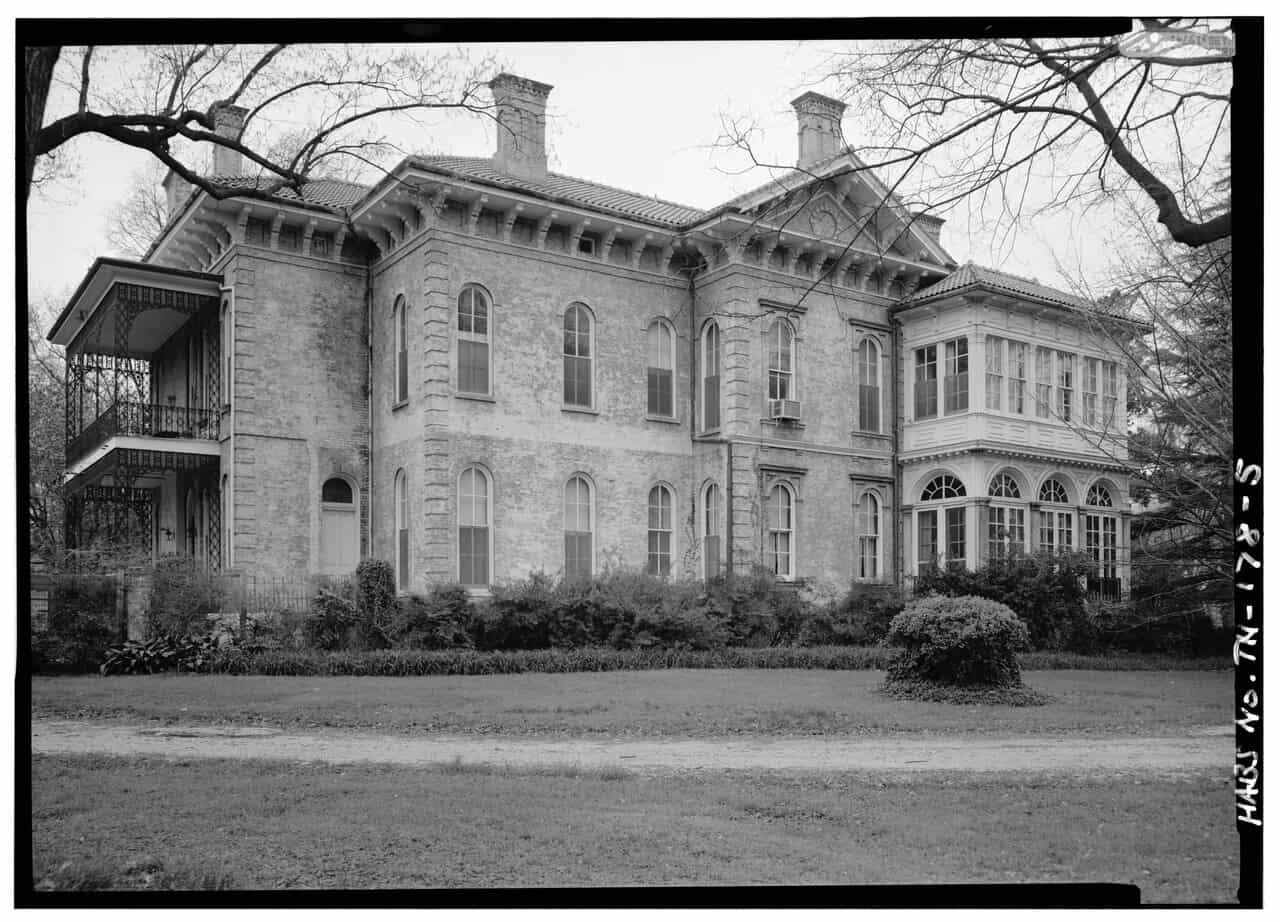
In June 2016, a photographer was taking photos at Annesdale Mansion in Memphis, Tennessee, when he stumbled upon something unusual. It was a small bone inside a fireplace. The fireplace itself had been boarded up for years, and the photographer found it inside the grate.
Police were soon called to investigate. It’s unclear whether the bone was actually human, although the mansion itself dates back to the 1850s and was once a Civil War hospital. Let’s hope the bone was from back then.
The shoes beneath an author’s former bedroom

Louisa May Alcott was the writer of Little Women, and she lived in a house called The Wayside, in Concord, Massachusetts. The site had skeletons of its own, however. An old shoe was found tucked underneath the floorboards, and another was discovered hidden between closet partitions.
Neither Alcott nor her family seem to have anything to do with them, however, as both shoes dated to the 1830s. The Alcott family moved in during 1845. Archaeologists believe people sometimes hid shoes in houses as a form of protection against witches or unwanted spirits. The shoes were likely part of that tradition, although it’s unclear what spirits they were protecting the homeowners from.
The slipper at the front door
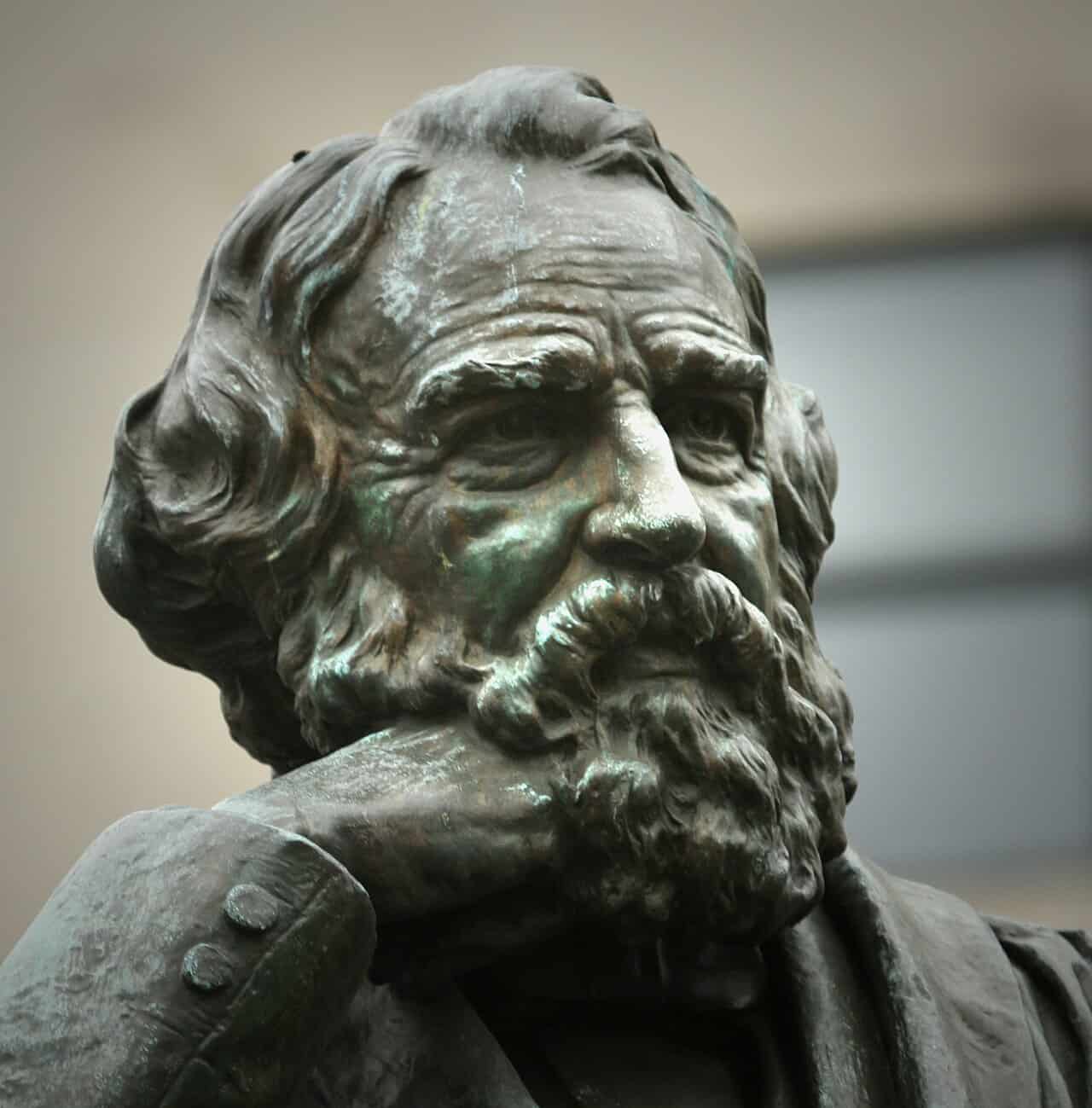
Speaking of shoes, someone tucked a woman’s slipper beside the front archway of poet Henry Wadsworth Longfellow’s Cambridge home. The shoe itself was kind of strange, as it had a squared-off toe and no heel. That means it was likely from the 1820s or 1830s.
But nobody knows why it was hidden near the entrance. Perhaps it was part of the same superstition about putting footwear near doorways to prevent evil spirits from getting inside. Even stranger, researchers couldn’t link the shoe to any known major construction work at the house.
The objects meant to catch witches
Fears about witches were pretty common in colonial New England. They were so common, in fact, that people began hiding their belongings inside their walls, just to stop witches from being able to enter. That’s exactly what happened in historic properties around Massachusetts’ Minute Man National Historical Park.
Archaeologists have found concealed objects inside doors, windows, and fireplaces, which they believe were meant to ward away witches. People genuinely believed evil spirits would become distracted by the objects and become trapped. So if you ever visit one of these properties, be warned that there might be some sphere.
The strange carvings on the door
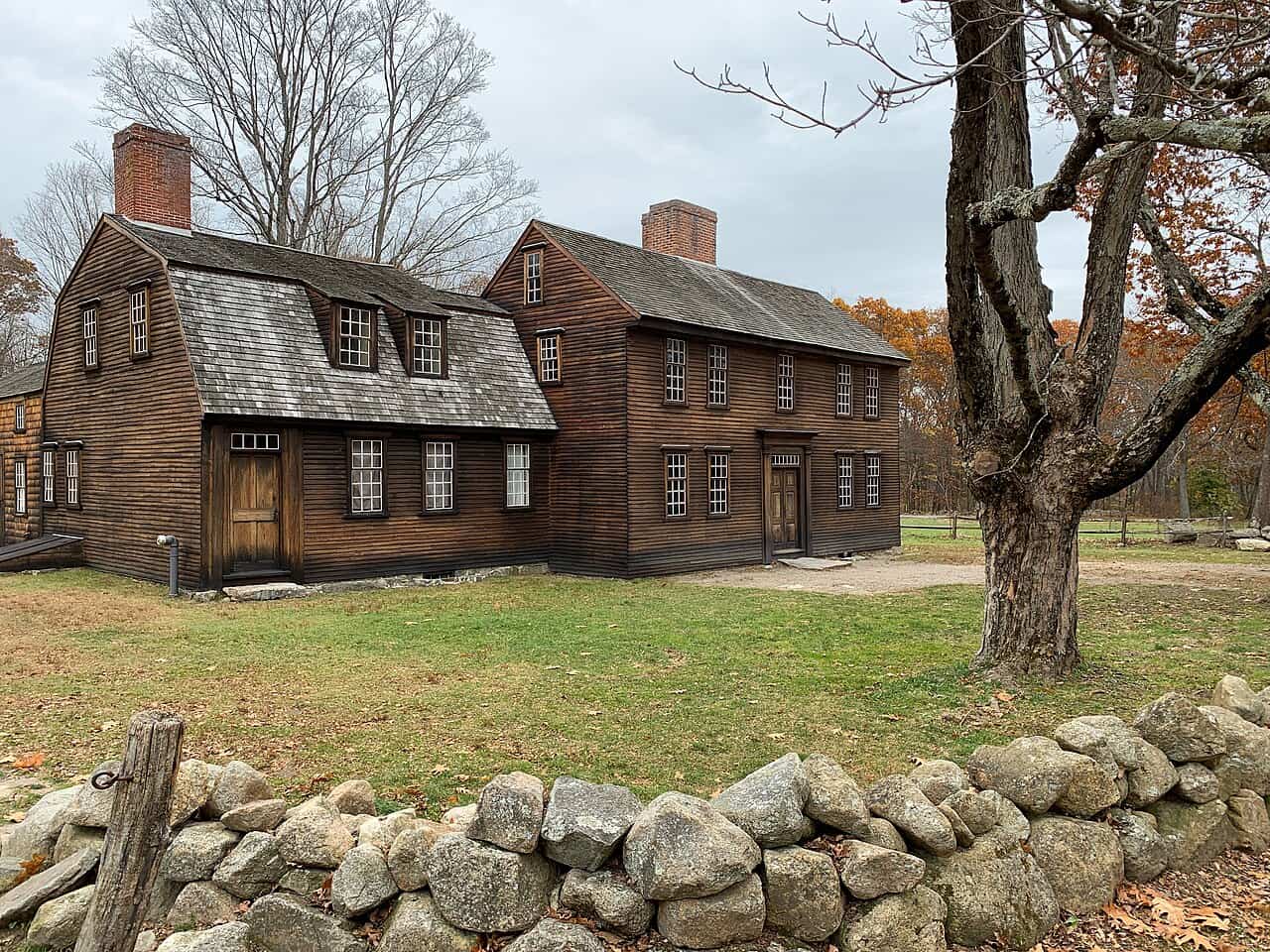
There’s also something strange on one of the back staircase doors inside Hartwell Tavern in Lincoln, Massachusetts. Look closely, and you’ll see some unusual markings scratched into the wood. These connected circles aren’t simple decoration.<
No, they’re a kind of protective symbol meant to stop supernatural creatures like witches and demons from coming inside. The symbols are so small that they’re easy to overlook. But someone carved them for a reason, and it’s a pretty spooky one.
The children’s belongings inside the walls
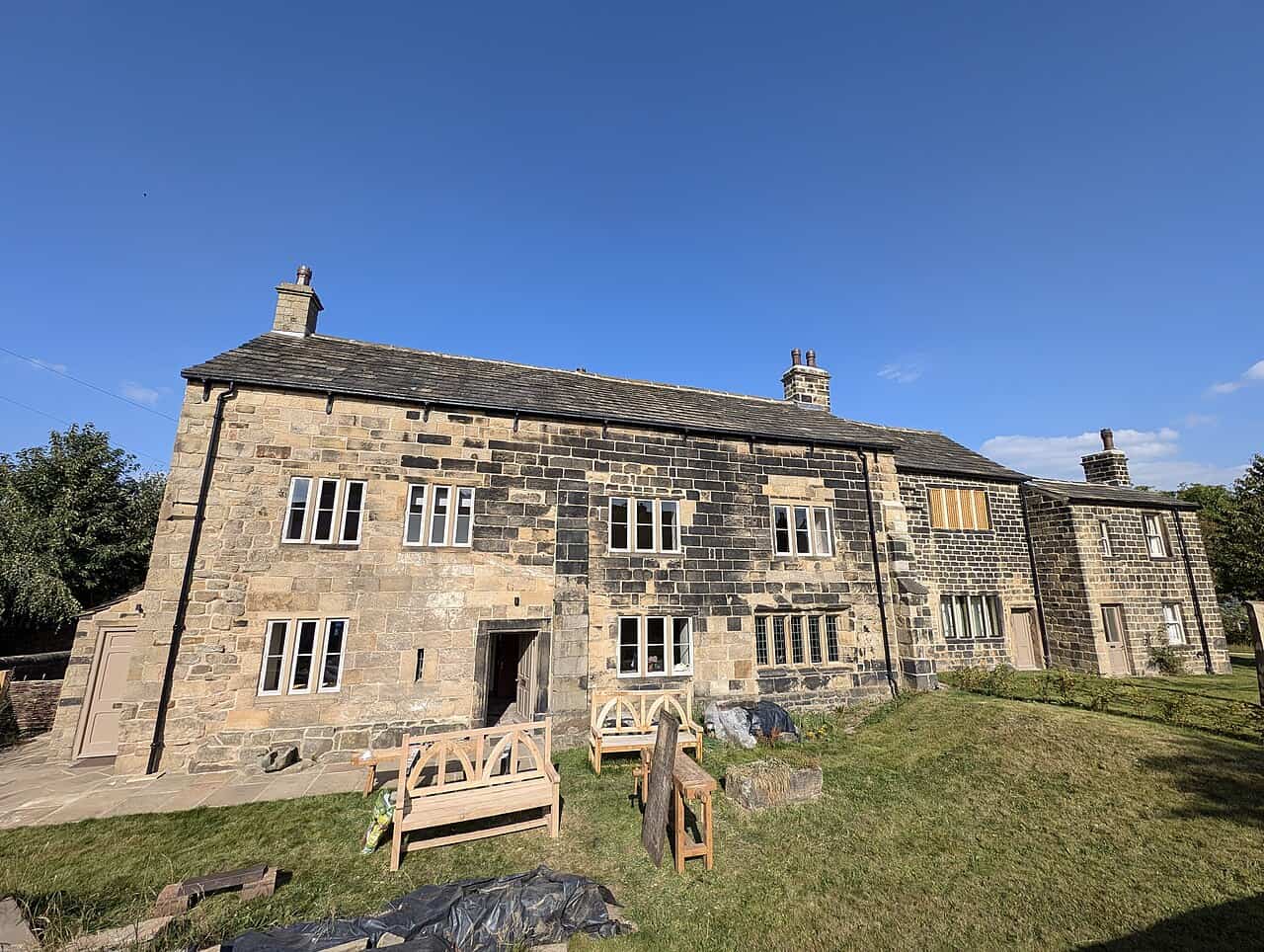
Calverley Old Hall in England has a rather dark history, and what workers discovered only made it darker. A man named Walter Calverley murdered two of his children there in 1605. Then, between 2021 and 2024, restoration workers discovered something pretty grim.
They found children’s leather shoes and a little wooden clog, along with a cotton bonnet, a whistle, and some eggs. Most of these came from the 18th century, so they weren’t connected to the murders. Still, it’s a little creepy to know that these children’s items were found in the same place where two children were brutally killed by their father.
Sources: Please see here for a complete listing of all sources that were consulted in the preparation of this article.
14 creepiest stories from history
There are some historical cases that are so strange that they sound made up, but they’re completely true and definitely creepy.
14 creepiest stories from history

