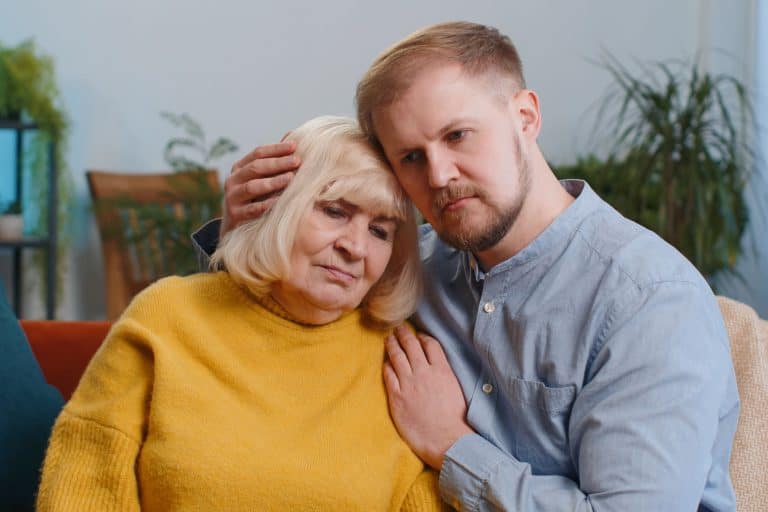

Certain conversations become more uncomfortable the older you get. Conversations that used to be brief or breezy now have weight. They are layered with implications and unsaid words, memories and gravitas.
We asked people what small talk had started to take on more serious overtones with age. The answers were surprisingly poignant, revealing the complex moments of life that most of us quietly experience. Here are 12 of them, real, uncomfortable, and achingly human.
Featured Image Credit: Shutterstock.
Talking to aging parents about their health

You start noticing little things: skipped medications, lapses in memory, unsteady gait. Simple questions like “Are you okay?” feel suddenly freighted. “I still see them as capable,” one person said, “so it feels wrong to ask like I’m the parent.”
Asking for help

Asking for a loan, a favor, or support when you’re young and in your 20s seems natural. Asking when you’re older and struggling can feel shameful. “The more independent you get used to being,” a woman said, “the easier it is to try to go it alone.”
Talking about money with siblings

It’s fine when you’re kids. But conversations about inheritance, future caregiving, and sometimes shared family property turn into tense negotiations. “It’s not just about money,” one woman said. “It’s about who did the most, who deserves the most, who was loved the most.”
Breaking up long-term friendships

Outgrowing people isn’t just a young person’s thing. It’s a thing that happens in middle age, but with more guilt attached. “You don’t just ghost someone you’ve known for twenty years,” a woman said. “But you also can’t keep faking the closeness that’s no longer there.”
Talking to adult children about boundaries

Parents we spoke to said they’d naively expected to stay close with their adult kids. But these conversations, especially about space and boundaries, made clear that things had changed. “It’s a peculiar cocktail of pride and rejection,” one mother said. “You raised them to be self-sufficient, and now you have to respect that.”
Talking about loneliness
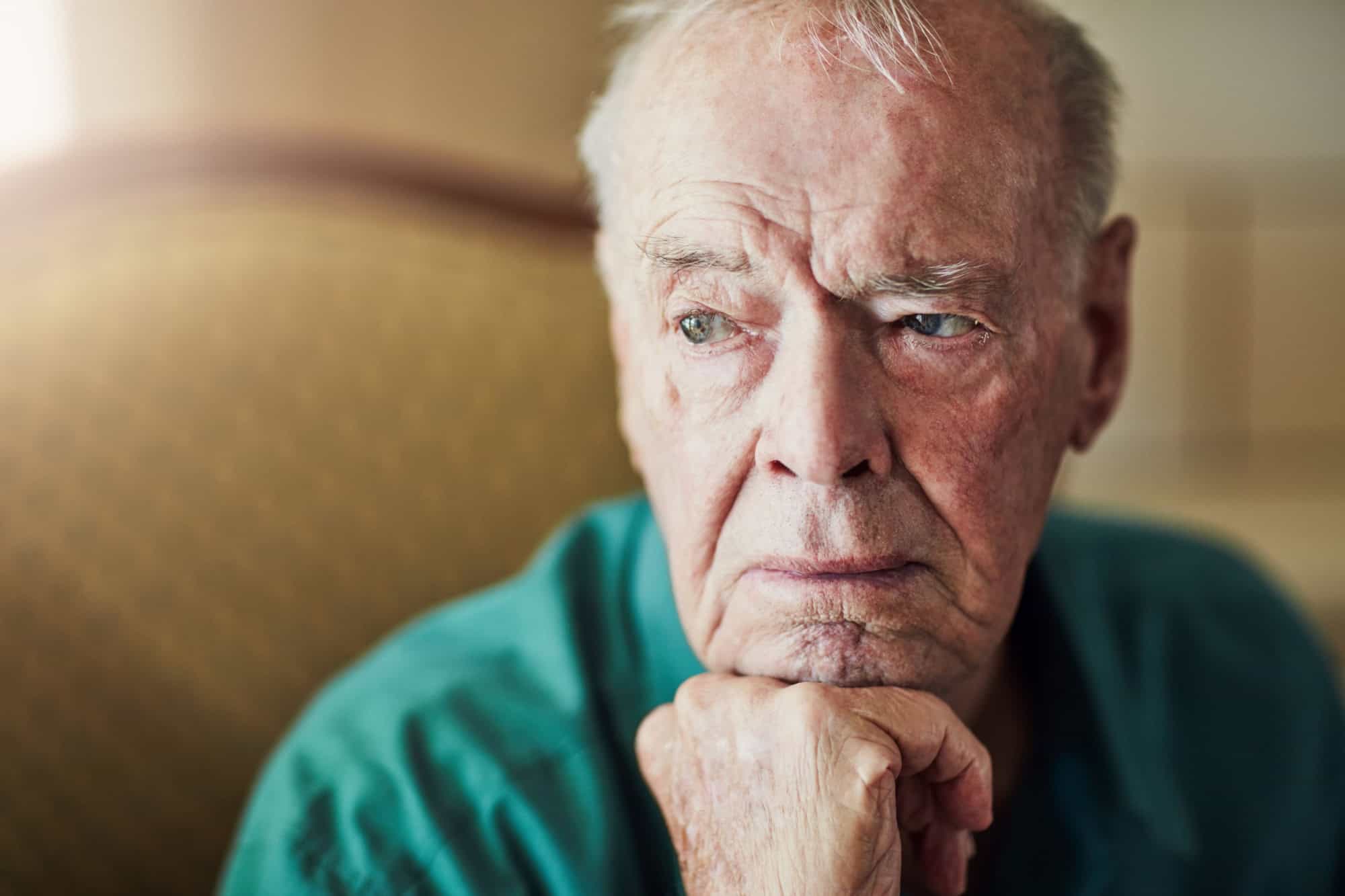
When you’re young, it sounds melodramatic. When you’re middle-aged, it sounds embarrassing. People said they worried being upfront would make them sound needy or pitiful. One man summed it up: “I have people around me, but I have no one who knows me. How do you even say that out loud?”
Conversations about retirement

Not the financial part, the emotional one. Letting go of a job that’s defined your identity for decades is never easy. “It’s like people think you should be ecstatic,” one woman said. “But I miss being needed.”
Telling the truth to someone who’s in denial

It might be friends who won’t face up to health problems or siblings who refuse to end a bad relationship. You care about these people, but you also know they don’t want to hear it. “You’re older, so you’ve learned just how brittle people can be,” one respondent said. “You tiptoe around these conversations like you’re walking on glass.”
Talking about death plans

You’d think practical people would be good at this, but you’re wrong. Wills and funeral arrangements and what to do with your things is visceral. “It’s almost like tempting fate,” one man said. “Like if you talk about it, you’re jinxing yourself.” But the flip side, respondents agreed, is you’re leaving your loved ones a nightmare if you don’t.
Talking about regrets

With age, reflection can easily turn into self-blame. People said this was hard to broach because of the sting of missed opportunities and past mistakes. One woman said, “You can’t change the past, but telling yourself you don’t care is its own kind of self-deception.”
Apologizing to your children

Parents who talked about this still felt shame and relief. An apology to a grown child for mistakes made feels like a no-win conversation, one father said. “You realize you could’ve done this or that differently. You could’ve been better.” The regret lingers, but you can no longer atone for it.
Talking about selling the family home

A home is more than a building. It’s history, it’s stability, and it’s family. Coming to the decision to let go of it or, more painfully, to ask parents to part with it brings out raw feelings and nostalgia. “We fought more about that house,” one woman said, “than about any other thing. It felt like losing another piece of the family.”
Like our content? Be sure to follow us.