

Aging is something a lot of us go through with both fascination and fear. There’s so much to hear: advice and warnings and all kinds of assumptions about the nature of aging. The thing is, not all of these ideas are true, in fact some of the most persistent myths are the ones we accept as fact. Here are 12 little white lies people like to tell themselves about aging.
Featured Image Credit: Shutterstock.
Aging is inevitable decline

Age is no reason to slow down or start forgetting things. Seniors who stay fit, active, and sharp into their later years move regularly, eat well, and challenge their minds.
Research reported in Aging and Disease found that high-intensity workouts helped preserve brain health for years (Tom’s Guide, 2023). According to the National Institute on Aging, a healthy daily routine can even help protect cognitive skills in those at risk of dementia.
Older adults need much less sleep

Aging doesn’t allow you to sleep less. Older adults still need 7 to 9 hours of sleep a night to remain healthy. Though sleep patterns change as you age, nighttime sleep may be more fragmented, sleep may be lighter, or daytime drowsiness may occur earlier, you still need good-quality sleep.
Regular rest can help maintain memory, mood, and general health and well-being. Chronic sleep deprivation increases the risk of cognitive impairment, falls, and other issues.
You can’t learn new things as you age

Think of someone in their seventies picking up painting, learning Spanish or starting a new career. Would you think it was too late to learn? New research says it is not. Older adults who juggle several new activities at once can improve brain function and stay mentally sharp. Any activities that challenge the mind keep it going and help keep it healthy.
Memory loss is a normal part of aging
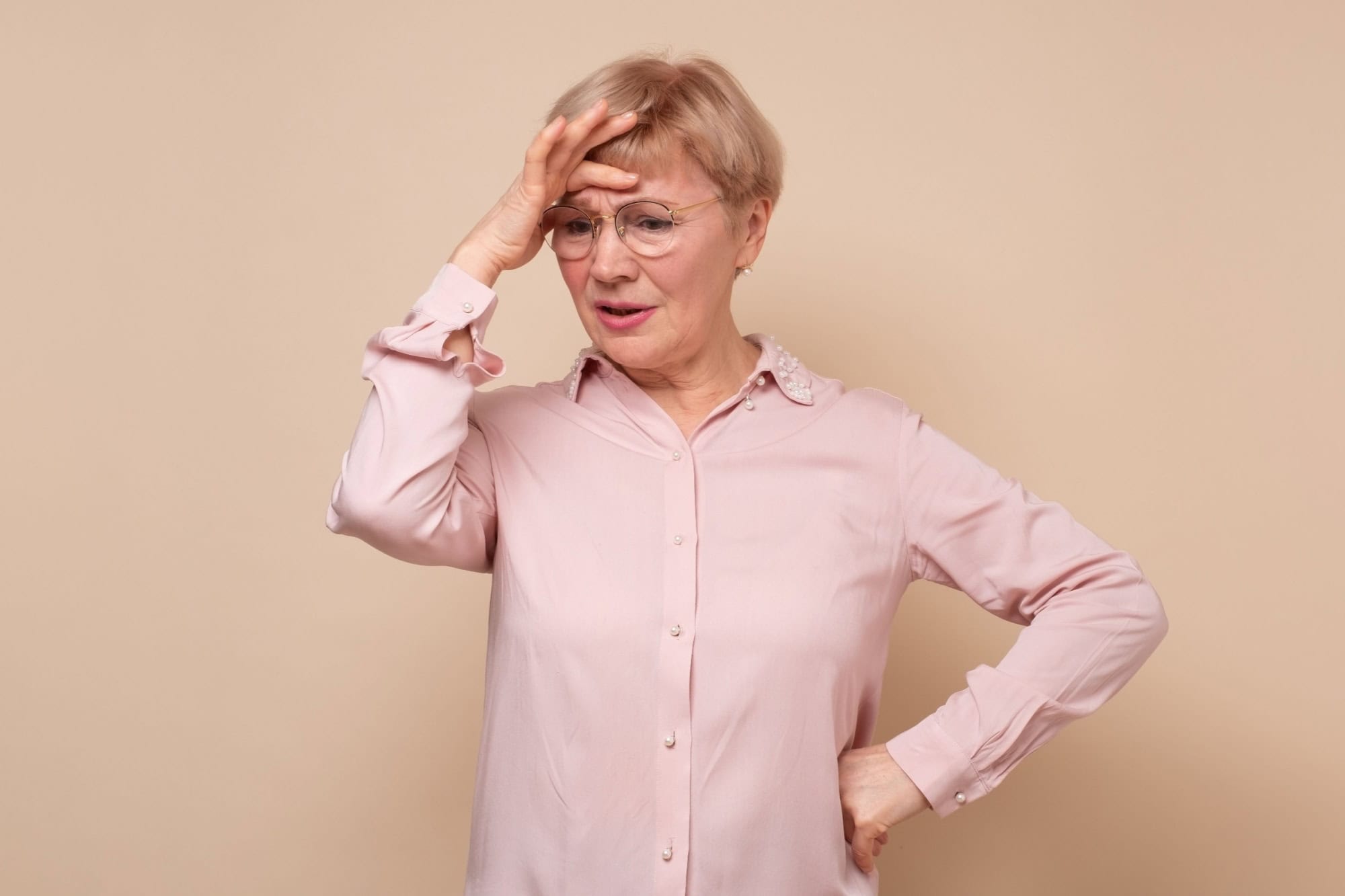
Major memory loss is not a normal part of the aging process. An older adult might forget names or misplace things, but Alzheimer’s disease and other such serious conditions are medical problems, not normal changes of aging.
The National Institute on Aging says dementia is an interference in the ability to think, learn, and reason to the point that everyday life is affected. If a person experiences memory changes that concern them, they should contact a doctor as soon as possible.
Older adults don’t need regular health check-ups

You’ve heard someone say before, “I haven’t been to the doctor in a while, I’m just getting older.” The truth is, routine visits are so important for early detection of disease and for maintaining long-term health. Prevention and monitoring can reduce the chance of complications and help keep your blood pressure, cholesterol, bones and so much more in a healthy range.
Older adults are not interested in fashion

Age is not a factor in style. Many older adults still keep up with trends, color-coordinate and wear outfits that make them feel confident. The clothes we wear are a reflection of who we are and make us feel comfortable. The more retailers realize this, the more older people they use in their catalogs and on billboards.
You can’t be se**ally active as you age

Okay, so you’ve probably heard that as we age we become less and less se**ally active. But that isn’t true. A study published in The Lancet Healthy Longevity found that amorous activities among older adults is an important contributor to their health and well-being, and is associated with greater life enjoyment for older adults.
There are various treatment options available to help address age-related concerns and maintain se**al health as a normal part of aging.
Older adults are always lonely

Loneliness does not affect all older adults. Many have continued connections with friends, relatives, and civic or religious organizations, and their lives continue to be full and active. Social engagement is also good for mental health.
Studies suggest that even among seniors who experience loneliness or depression, social and mental activity can have positive cognitive effects.
Older adults don’t have the energy to travel

It’s surprising how many senior travelers there are. From taking long train journeys through Europe, to peaceful beach holidays, older people are showing that curiosity is ageless. Travel does require a little more planning, but it’s still one of the best things you can do at any age.
Older adults are not interested in technology

The myth that older adults have no interest in technology is old news. Many seniors are enthusiastic learners: they know how to use a smartphone, WhatsApp or keep in touch with family members on Facebook.
In recent years, increasing numbers of seniors have gone digital and today almost three-quarters of seniors use smartphones. I have seen grandparents post photos before their children finish taking them.
Older adults don’t contribute to society

The fact that an individual retires does not mean that they no longer impact society. A lot of elderly individuals spend their retirement years teaching younger generations, volunteering in their communities, and many other ways of sharing their talents. According to AARP (2019), adults over the age of 50 contribute trillions of dollars annually to the American economy.
Older adults lose their creativity as they age

Age does not have to kill creativity. In fact, it’s usually the opposite; it can become stronger. The older generation has seen so many things in their lives; both positive and negative, funny, and sad. It all just fuels their creativity, and things like art, singing, writing can keep them going and give a reason to live.
Sources: Please see here for a complete listing of all sources that were consulted in the preparation of this article.
Like our content? Be sure to follow us.