A lot of parents believe that by complimenting their children, they are showing love. But, after talking with a child psychologist, I learnt that certain kinds of praise can actually be harmful to the kids. Behind your encouraging words may lie an expectation to uphold an image, or to never make a mistake. Children can take those messages to heart, learning to associate love with invisible pressures.
Featured Image Credit: Shutterstock.
I’m so proud you’re not like the others
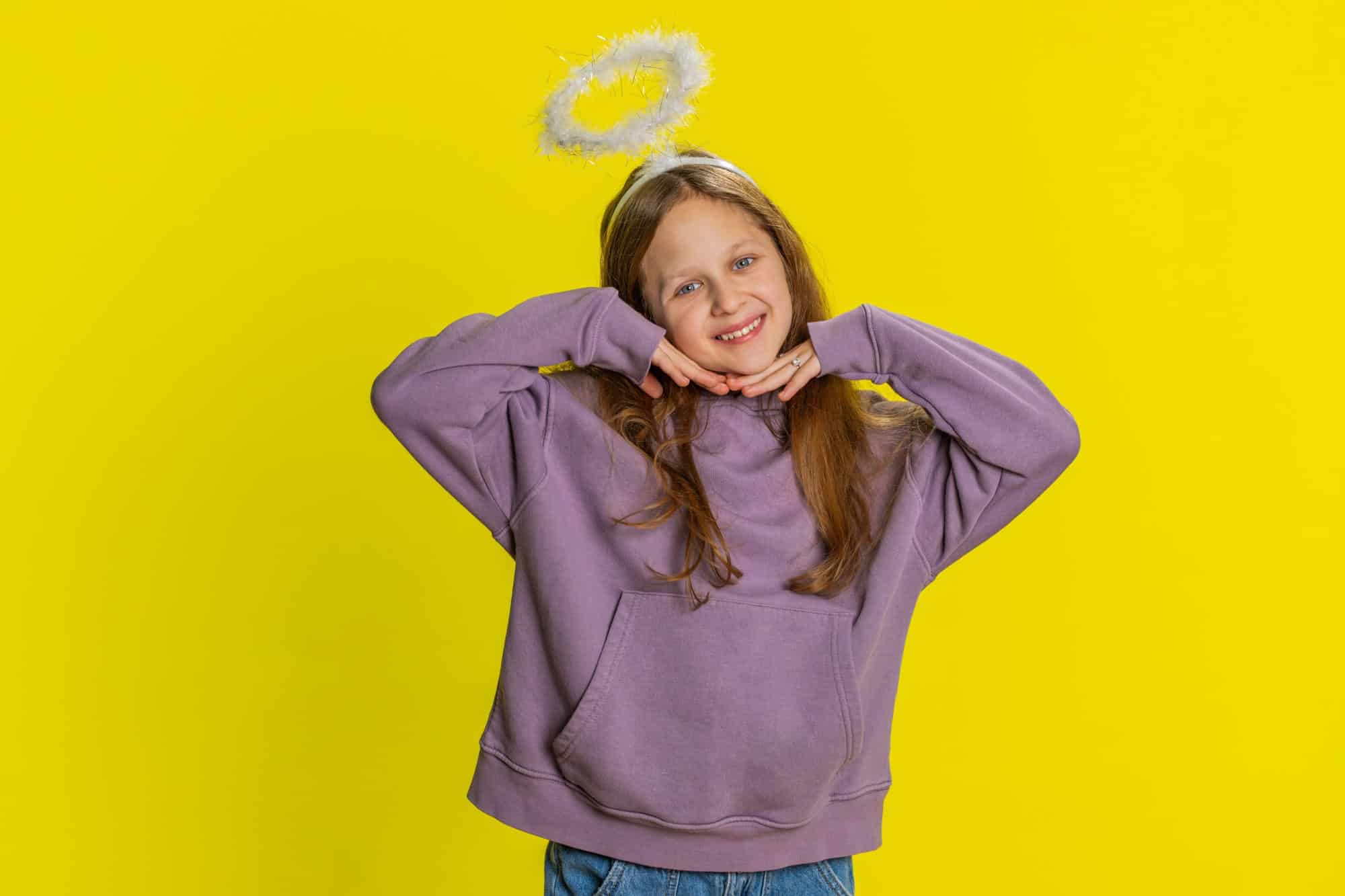
This doesn’t sound like a bad thing to say, but sometimes it makes children hear a different message. They sense that they are only loved because they’re not the sibling the parent disapproves of. That’s a pressure that can make kids anxious and mistakes feel dangerous. Experts say that comparisons like this lead to sibling rivalry and guilt.
You’re so smart. You don’t even need to try hard

It’s a nice sentiment, but psychologists say it puts too much pressure on kids. They begin to think that if something is worth doing, it should be easy. When they struggle, it feels like a personal failure. Studies confirm that kids who are praised for their intelligence and not their effort tend to develop a fixed mindset.
You’re so pretty, people must be jealous
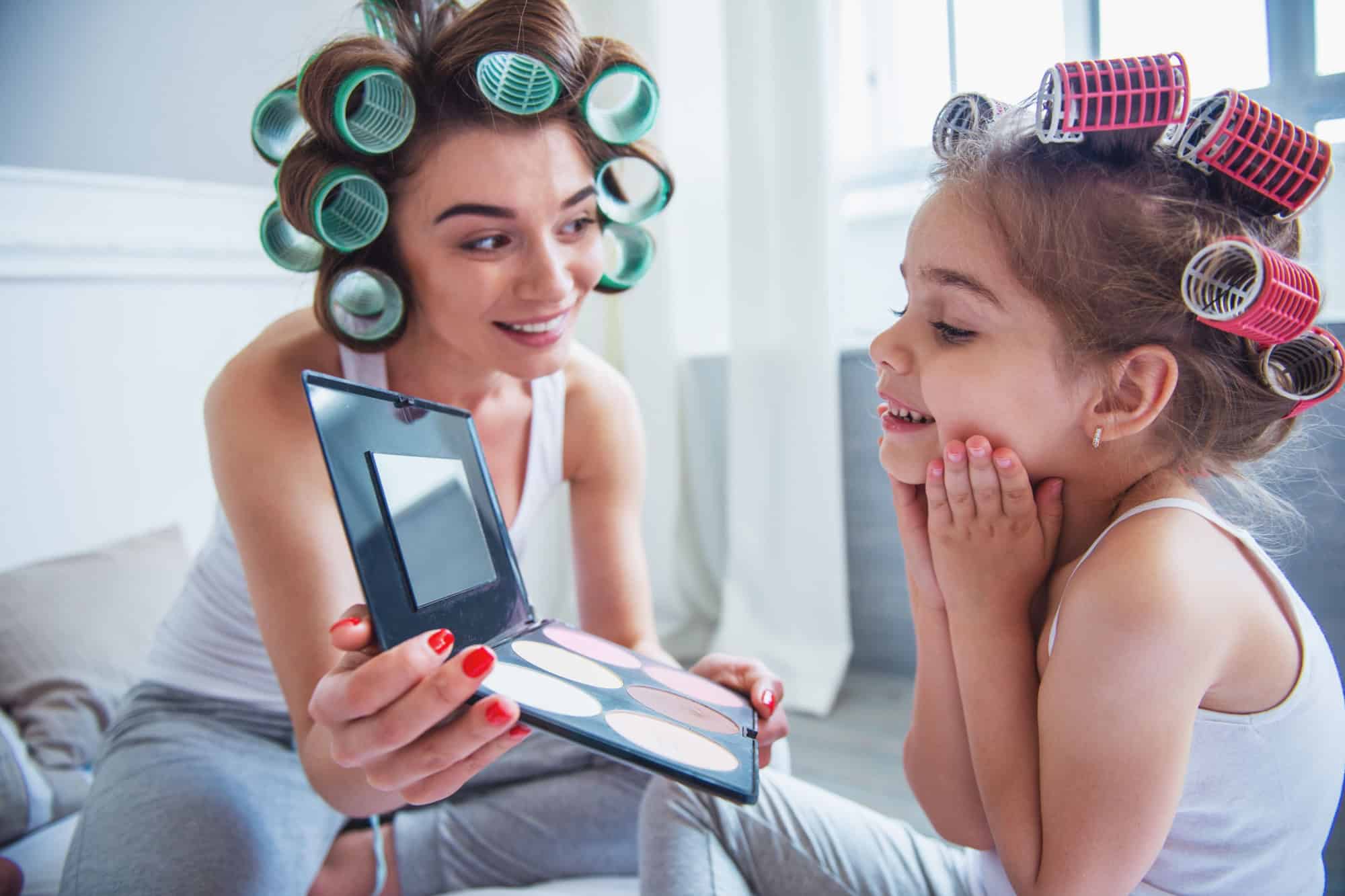
If they hear it often enough, children may start to associate being good with the way they look. This can cause anxiety over changes to appearance and lead to unhelpful comparisons. Praising kindness, creativity or hard work leads to a healthier, long-lasting confidence.
You do everything so perfectly

For example, when a child repeatedly hears “I love how tidy your room is. You’re always perfect at organizing,” it carves an identity. They internalize that their worth lies in remaining neat and in control. Messy is failure. The pressure to be “good” all the time robs them of playfulness and ease.
You turned out great, considering how much I messed up
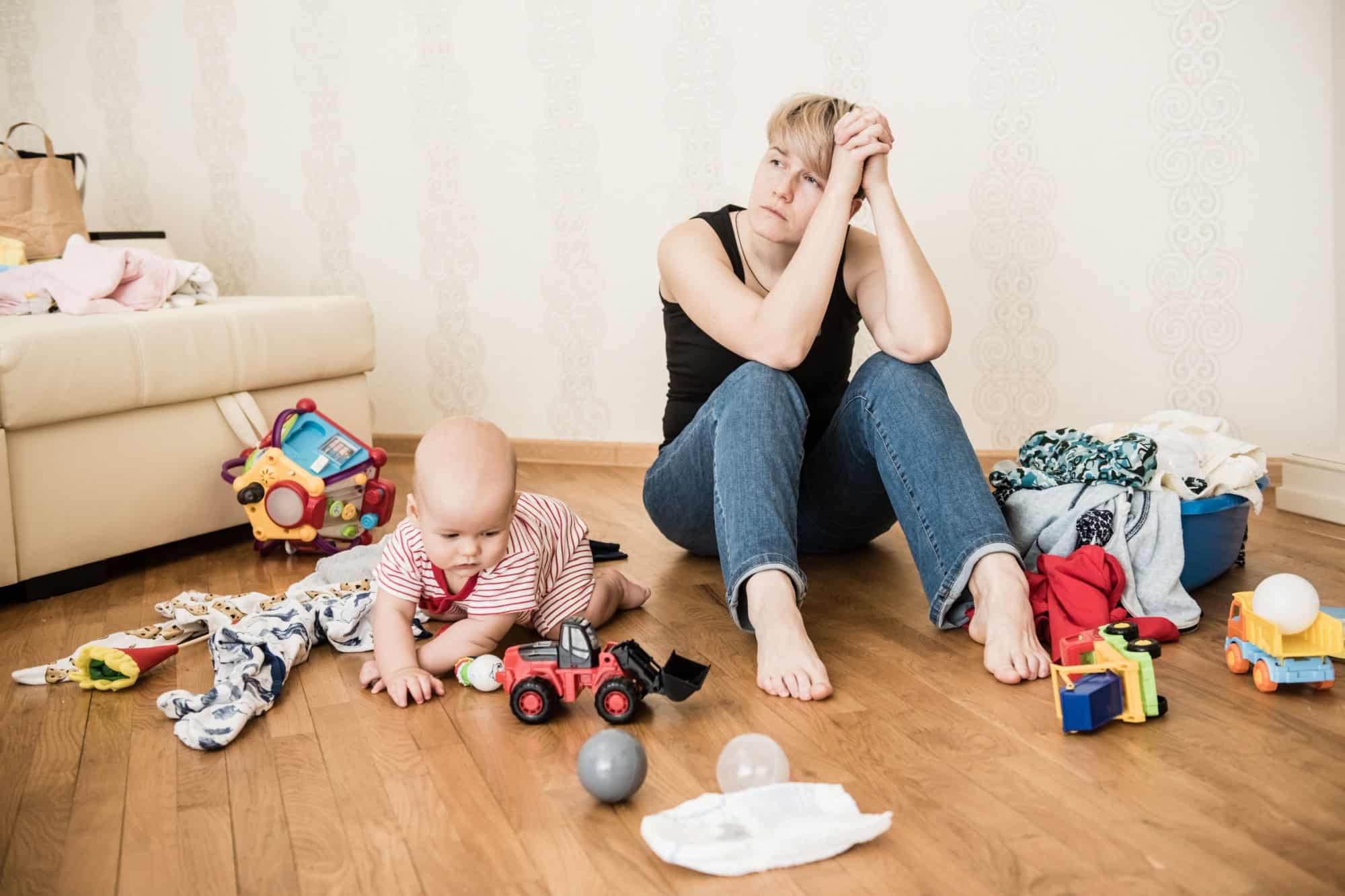
“You turned out great, considering how much I messed up.” It sounds so grateful, but underneath, there’s some role assignment. The child is now the “fix” for whatever went awry before them. Instead of feeling known for who they are, they feel like they have to carry their parent’s peace of mind. That kind of praise can leave kids not sure whose life they’re living.
You’re so mature for your age

A parent might tell a child, “Wow, you handled that so well, you’re really mature,” and to the child it sounds like a new rule they have to follow. They stop themselves from crying and fake being OK so they can appear “mature.” After a while, they lose touch with what it’s like to be messy or vulnerable. Lots of adults who were raised that way can’t relax or ask for help, even when they really need it.
I never thought you’d get this far

Psychologists say that when parents say, “I never thought you’d get this far,” children absorb more than pride, they absorb doubt. They understand that their parents expected them to fail, and that can make every success feel like a fluke.
Over time, kids may find themselves forever pushing to prove they’re capable, and their sense of self-worth becomes linked to exceeding low expectations.
You’re so kind, but sometimes you let people take advantage

What we adults intend as helpful observation often sounds to our children like a trap: “You’re so kind, but sometimes you let people take advantage.” We want them to be both strong and gentle, but they want to be loved for being strong or gentle, not both. If we’ve scolded them for not setting limits, as many parents have, it’s hard for our children to know when to stop being kind.
I love how independent you are, you don’t need me much

“When you are so independent, I don’t need to be with you much” might make a child proud. But it can also make them anxious. They start to feel that needing help is bad. Even a few minutes of vulnerability feels like too much risk. They don’t want to let their parents down.
I’m surprised you’re not a troublemaker like your siblings
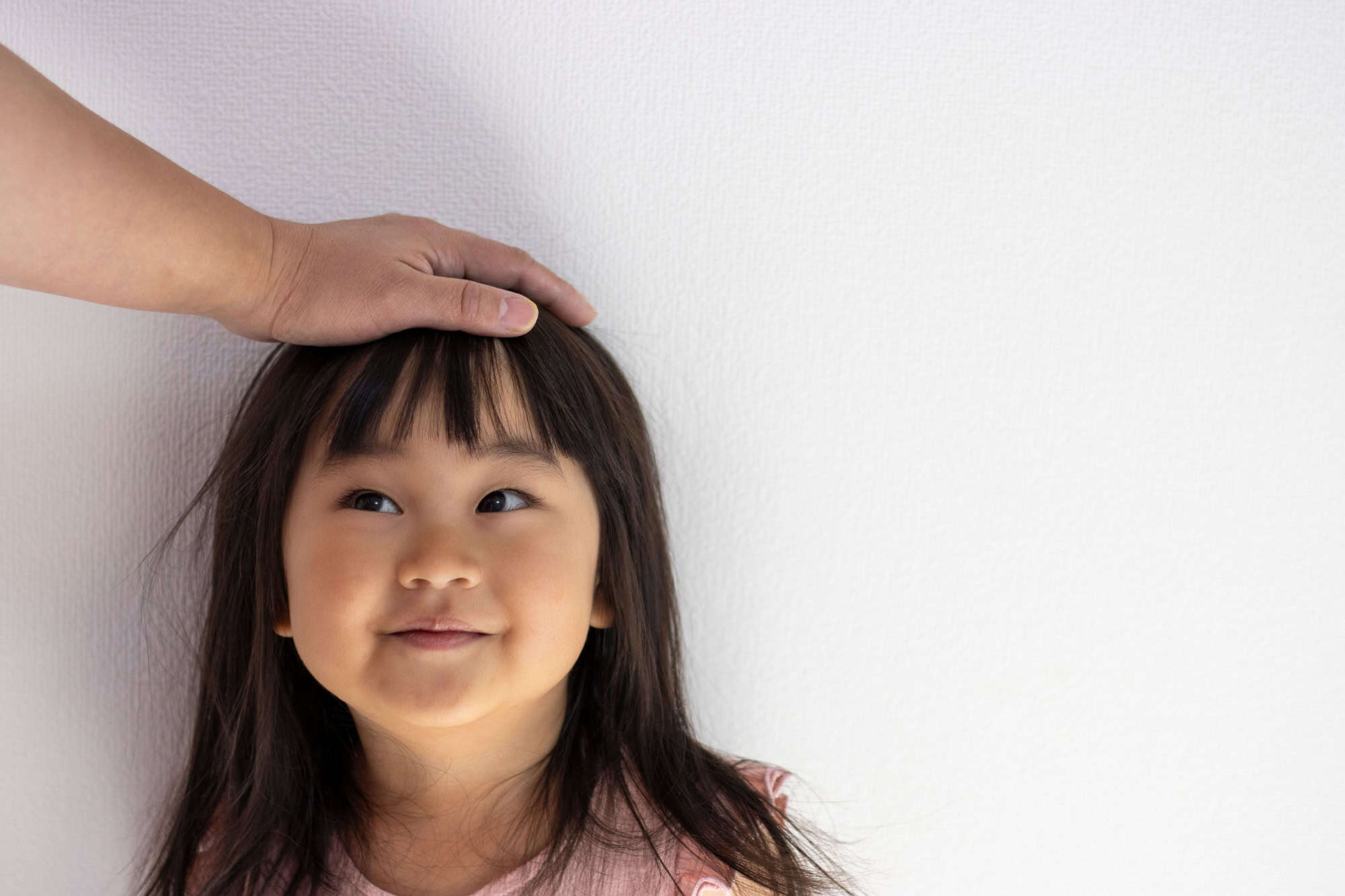
Psychologists report that statements like this can make a child feel both complimented and burdened. The child senses that they are valued in comparison to family members, instead of being appreciated for who they are. Psychologists also say this form of praise can breed guilt, sibling rivalry, and identity issues, since the child has learned that praise is not sincere but is earned only by behaving in certain ways.
Sources: Please see here for a complete listing of all sources that were consulted in the preparation of this article.
Like our content? Be sure to follow us.