

Ask a Boomer about clothes growing up and you’ll likely hear about the rules. Everyone had them. Grandparents made rules. Schools had rules. You didn’t question them, just accepted and moved on. Some rules were manners. Some were about proper appearances. And strangely enough, they still dictated plenty. Here are 12 that stand out.
Featured Image Credit: Shutterstock.
Socks must match the shoes

For boomers, wearing the wrong colored socks was a big no-no. If you had black shoes, you better be wearing black socks. Brown shoes required brown socks. Wearing a white sock with black shoes was sloppy and uncaring. Patterned socks, even if they closely matched the shoes, were also generally avoided.
No white after Labor Day

Worn for decades, this rule decreed that white clothing (shoes, dresses, pants) were strictly for the warmer months. After Labor Day in September, whites were put away until the following spring.
Hats were mandatory for outdoor events

Stepping outside without a hat? Unthinkable. For a Sunday picnic, a baseball game, a stroll in the park, men would wear a fedora or cap, and women would have a sun hat.
Men must wear belts with trousers

You didn’t go beltless. Even if your pants stayed up without it, you wore the belt. No suspenders, unless you were old or going to a very formal event.
Shoes were never scuffed

Scuffed or dirty shoes were the marks of a careless and lazy man. Some Boomers spent more time buffing leather shoes to a high shine than we can imagine, but it was expected.
Ties were a requirement for office work

Hot days and air conditioning did not excuse wearing ties in many offices. Casual Fridays were practically unheard of. A missing tie could be considered unprofessional. Color and pattern were unimportant, as long as there was one there.
Men didn’t wear shorts in public

Shorts were so casual that men were expected to save them for the backyard or the beach. In almost any public situation, men wore slacks or trousers. Walking around downtown or in stores in shorts was considered rude.
Handkerchiefs were part of everyday attire
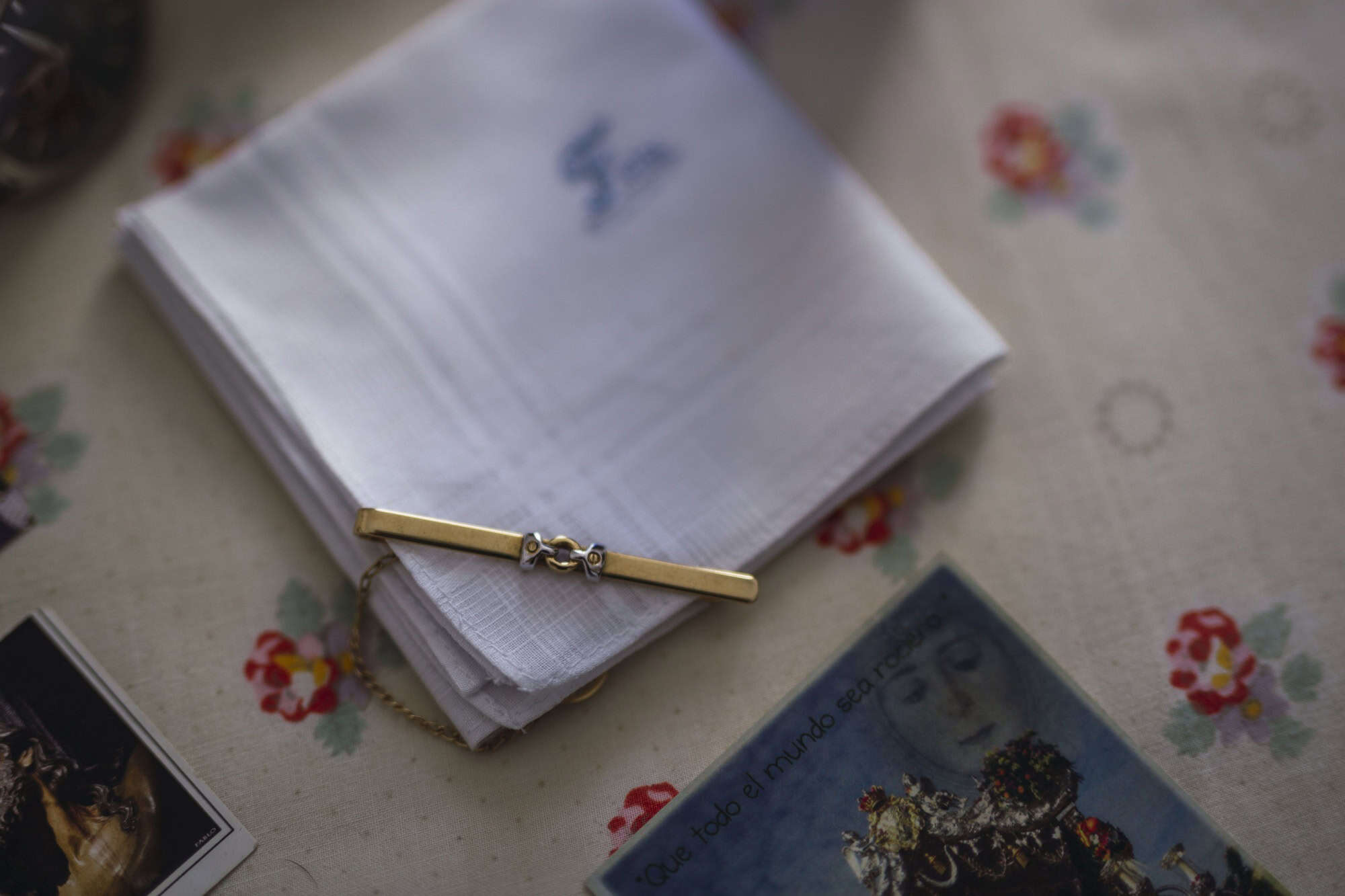
Men and women kept a handkerchief in a pocket or a neatly folded one in their hand. To see a person wiping their brow or nose without one, was considered vulgar and rude. Men even matched the handkerchief color to their clothes sometimes.
Gloves were not optional in formal settings

Gloves went everywhere with you. Church, weddings, formal meetings, it didn’t matter. Women had their white pairs, men stuck to leather. Bare Hands? Not an option.
Color coordination was sacred

Colors had to get along. Patterns, shades and textures had to match just right. Mix a shirt and tie too loud, or a skirt and blouse a little off, and risk earning dirty looks.
No visible undergarments

Nothing should peek out. Bra straps, undershirts peeking out, or boxers above pants were all seen as careless and improper. The goal was clean lines and smooth finishes, no surprises.
Accessories were minimal and meaningful
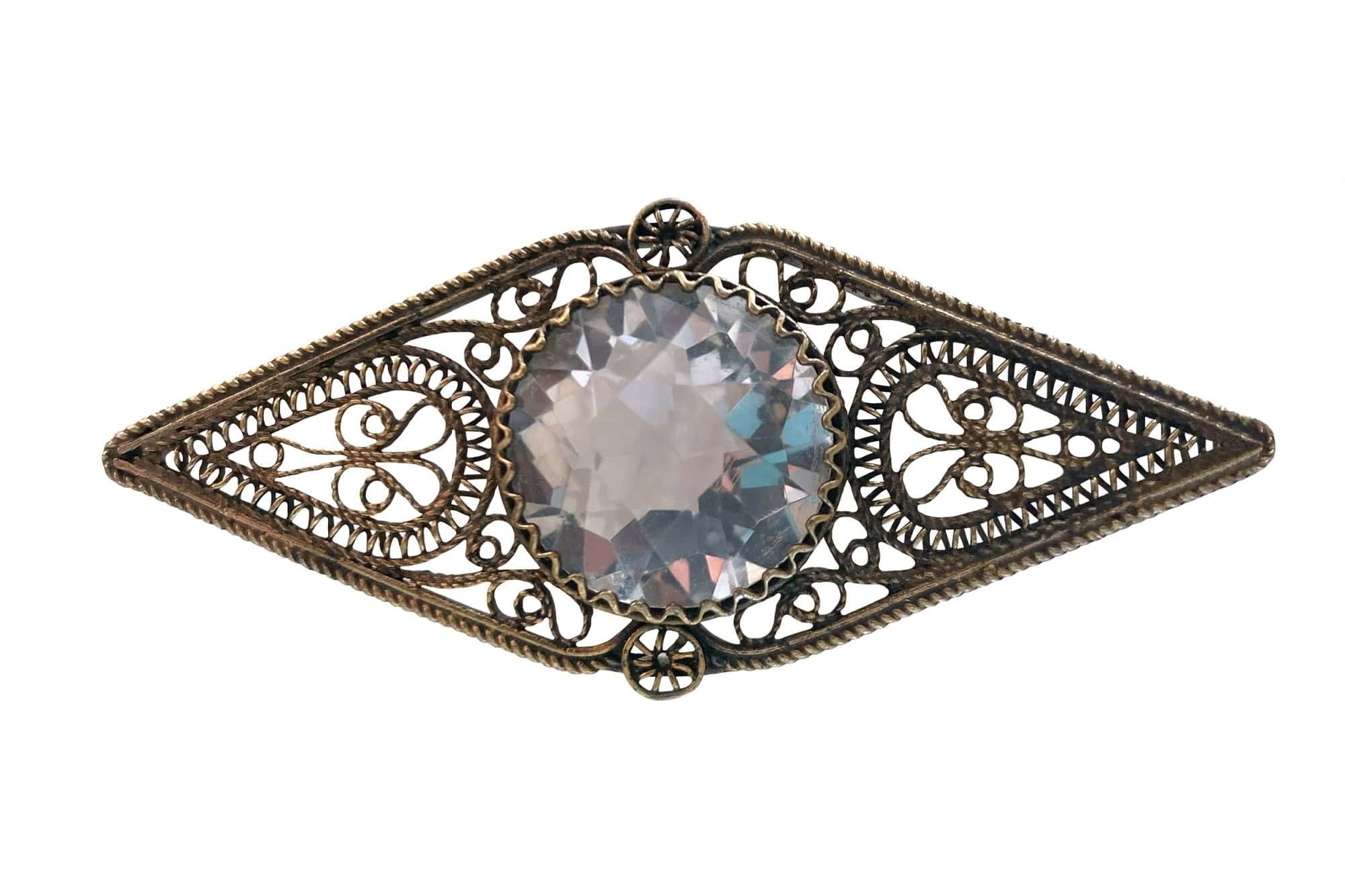
You never saw a man wearing tons of jewelry, watches or pins. Each piece had a purpose: wedding ring, pocket watch, or a single brooch. Gaudy accessories were the sign of a show-off or bad taste. Less really was more.
Like our content? Be sure to follow us.


