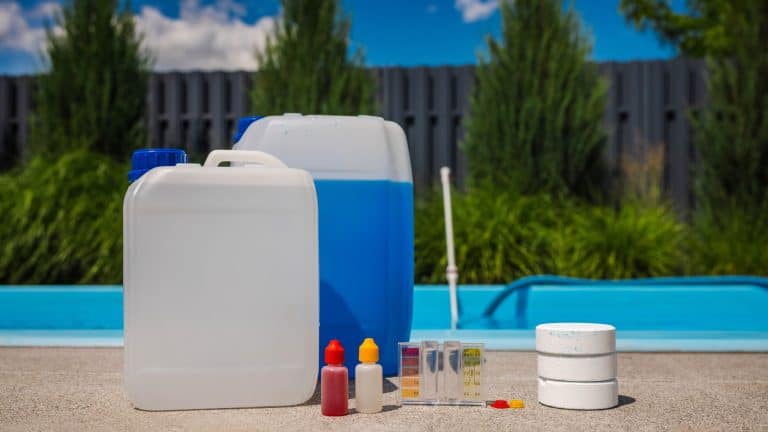

Many people assume that just because a cleaning product is on the shelf at the store that it must be safe. But insurance companies do not always agree with this. Many cleaners can increase fire risk, damage surfaces or violate storage regulations tucked away in the fine print of homeowner policies. If a fire or accident occurs that can be tied to one of these products’ improper use or storage, an insurance claim can be reduced or even denied.
Chlorine pool shock

Pool shock has also been used as a household cleaner to clean concrete or other outdoor surfaces. It becomes highly unstable if contaminated or stored improperly. Fire investigators have blamed house fires on pool chemicals stored in laundry rooms or garages. Many insurers won’t cover damage caused by oxidizers that are not stored properly.
Some degreasers
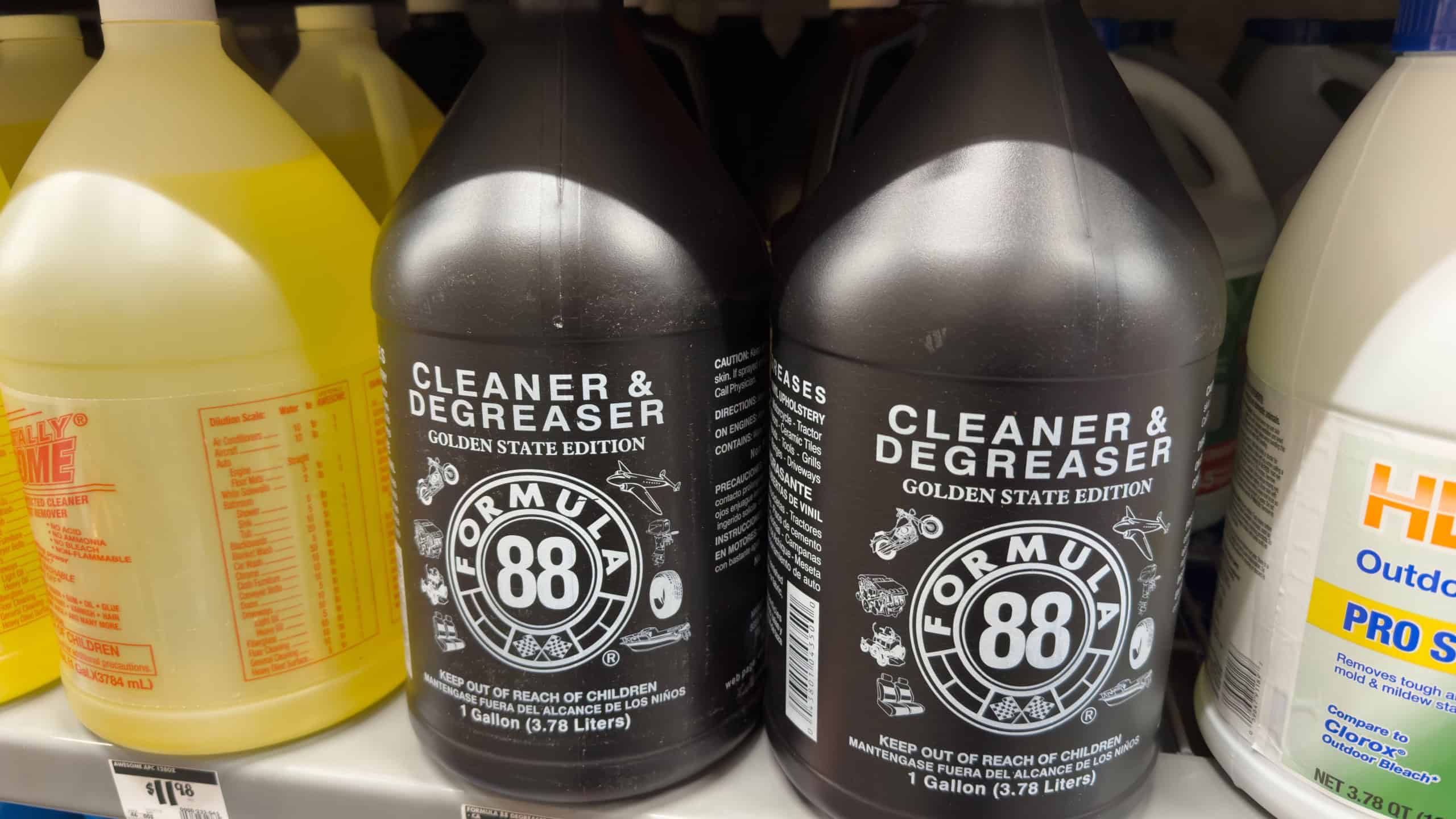
Some homeowners purchase commercial degreasers intended for restaurants, in bulk for use on their garage or driveway. These products may contain very flammable solvents. Insurance policies usually have limits on the amounts of flammable liquids allowed to be stored in a home. The policy will classify exceeding those limits as a violation once a fire has occurred.
Mixing products

Mixing vinegar with bleach forms chlorine gas, which can cause injury or necessitate emergency response. If evacuation or property damage results, insurers may deem it preventable chemical misuse. Insurance policies do not provide coverage for damages that result from hazardous reactions produced by homeowners.
Aerosol oven cleaners

Most oven cleaners are pressurized and flammable. Placing these cans next to the water heater, furnace and dryer is against basic fire code advice. Insurance companies may blame unsafe storage practices for property damage if a fire or explosion takes place.
Some furniture polishes

Cloth rags that have been used to apply oil based furniture polish can be highly flammable. If you stack them up they can even self-ignite. It’s a common cause of house fires, so local fire departments routinely remind people of the danger. It may be considered negligence by an insurance company, so it can result in a denied claim.
Improper use of Acid-based toilet or tile cleaners

Powerful acid based toilet or tile cleaners may seem like a great idea but they can actually eat away at older pipes or seals over time. This can lead to a leak or other damages. If there is a problem, insurance companies may deny a claim since it is considered damage due to poor maintenance and not an accident.
Buying bulk janitorial chemicals
Commercial-grade chemicals can be dangerous when placed in a home. Many homeowner’s insurance policies have exclusions for accidents with commercial cleaning products. Fires, spills and exposures can all cause claims to be denied.
Using drain cleaners repeatedly

Routinely pouring corrosive drain cleaners down a blocked pipe can weaken it over time. When a pipe bursts, insurance companies might classify it as deterioration damage over time, rather than a sudden loss. That’s often enough for a partial or total claim denial.
Flammable floor strippers

Certain floor strippers are highly volatile (flammable) and can be fire hazards when used indoors with no ventilation. This situation leads to house fires and white wall and floor discoloration from solvent soot. Insurance companies generally blame the victim for ignoring product safety instructions in these cases, and deny any claims for losses.
Expired or banned cleaning products

Some cleaning products that were popular years ago were later reformulated or discontinued because they were found to be unsafe. If there is a spill, fire, or other chemical damage involving one of these outdated products, insurers may argue that the homeowner should not have had it in their home. That on its own may be sufficient for them to downplay or deny a claim based on safety provisions in the policy.
Unmarked containers

Dumping cleaners into random bottles is super easy, but it can get you into a lot of headaches later. In the case of an accident, insurers need to know precisely which chemical was in use. Containers not properly labeled can cause uncertainty over what may have caused the damage.
Concentrated ammonia

Commercial-grade, high-strength ammonia is still available for purchase. In closed areas, it can damage plumbing, electrical fixtures, and HVAC components. Some claims have been denied due to ammonia fumes causing long-term damage that is considered gradual deterioration, not sudden loss.
Sources: Please see here for a complete listing of all sources that were consulted in the preparation of this article.
Like our content? Be sure to follow us.

