
While I was in Tampa, I asked a bunch of random older/middle aged adults on the street to tell me the small things that made up their childhoods that we no longer seem to have. According to them, it wasn’t first birthdays, or graduations. It was the little things that slowly made us adults back in the day.
Here are the 12 best things they told me.
Babysitting for a short time
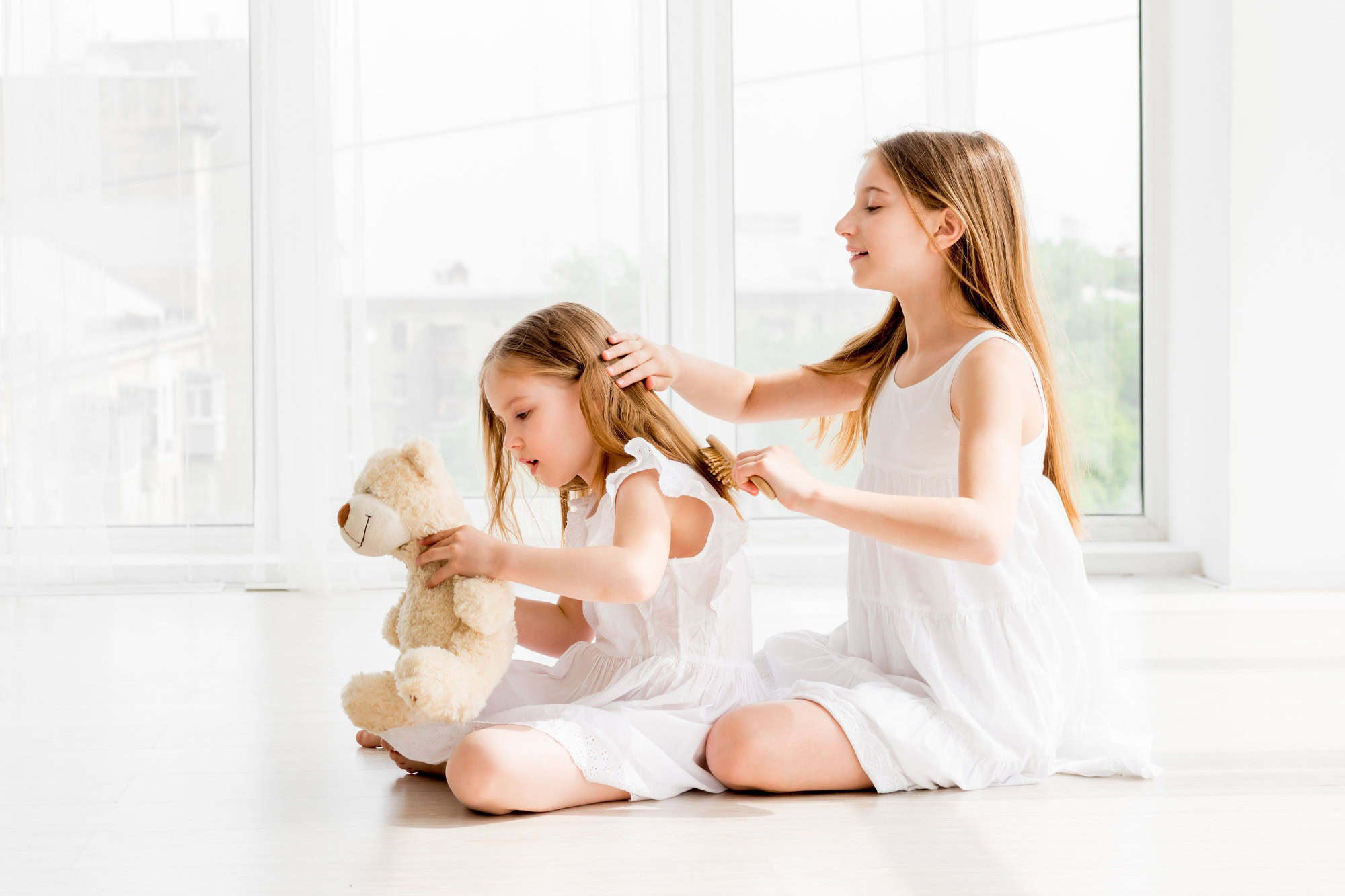
“As soon as I just turned 13 I started babysitting my younger brother or sometimes even a neighbor’s child for a short period of time. Adults put that responsibility on us, and it truly taught us patience and self-control in small situations,” said one senior.
That doesn’t happen as much these days. Parents worry a lot more about safety. Many families have babysitters, or older teens who are trained. Kids are also busy with school, homework, sports, and other activities, so there’s less opportunity to spontaneously get experience with just watching a little sibling.
However even today some kids learn similar skills, but in more structured ways, than by informally babysitting.
Coins, change, and everyday math
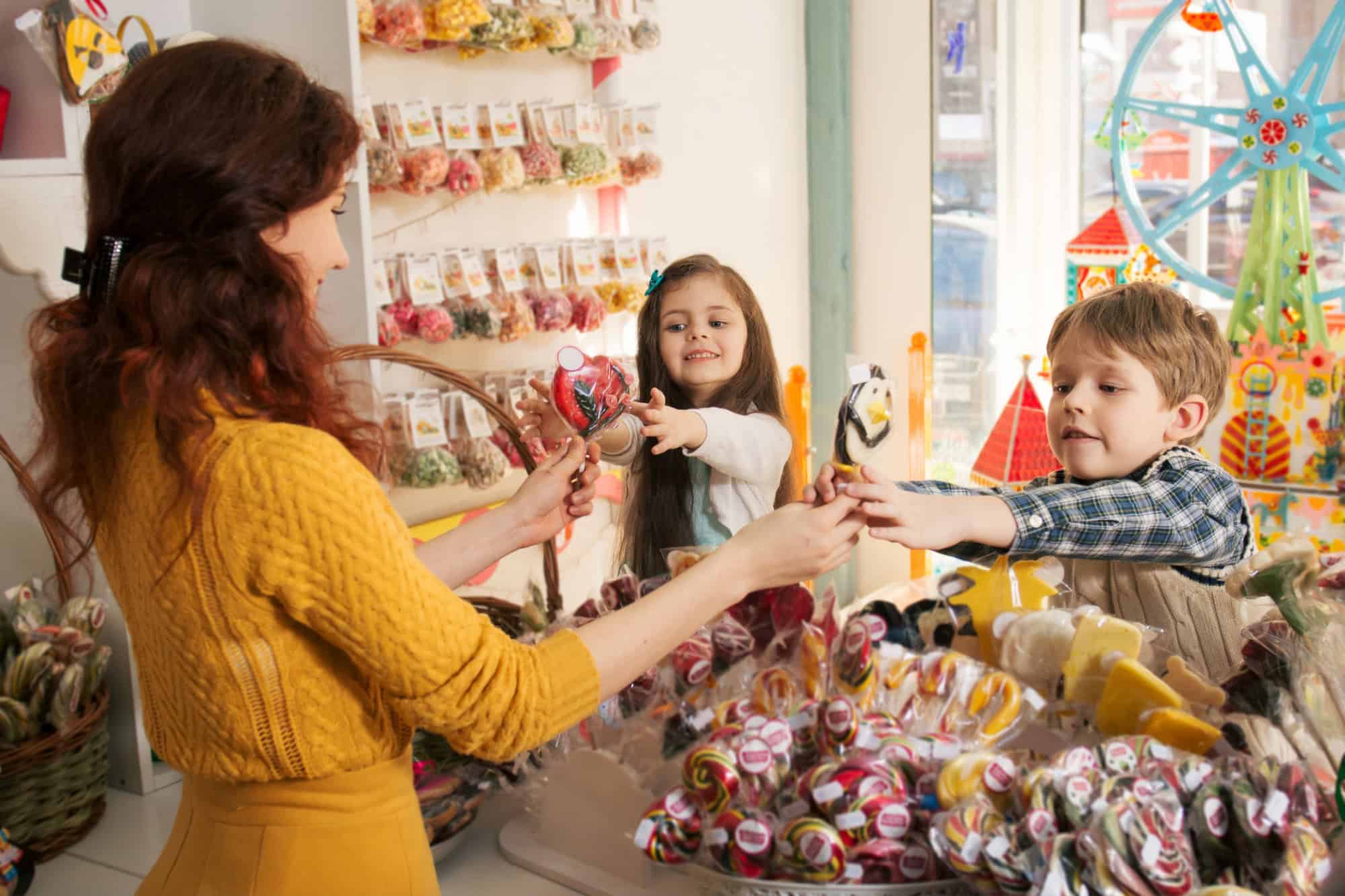
“You’d give coins for a snack, maybe count wrong, maybe drop one or two. It was a messy process, but you learned numbers and patience,” recalled one adult.
Kids today just use a card or scan an app. They miss out on those little teachable moments like adding up change or learning to wait in line. “I’m sure they still learn their math skills, but it’s not quite the hands-on, messy way we had to do it,” he added further.
Using neighborhood public transport
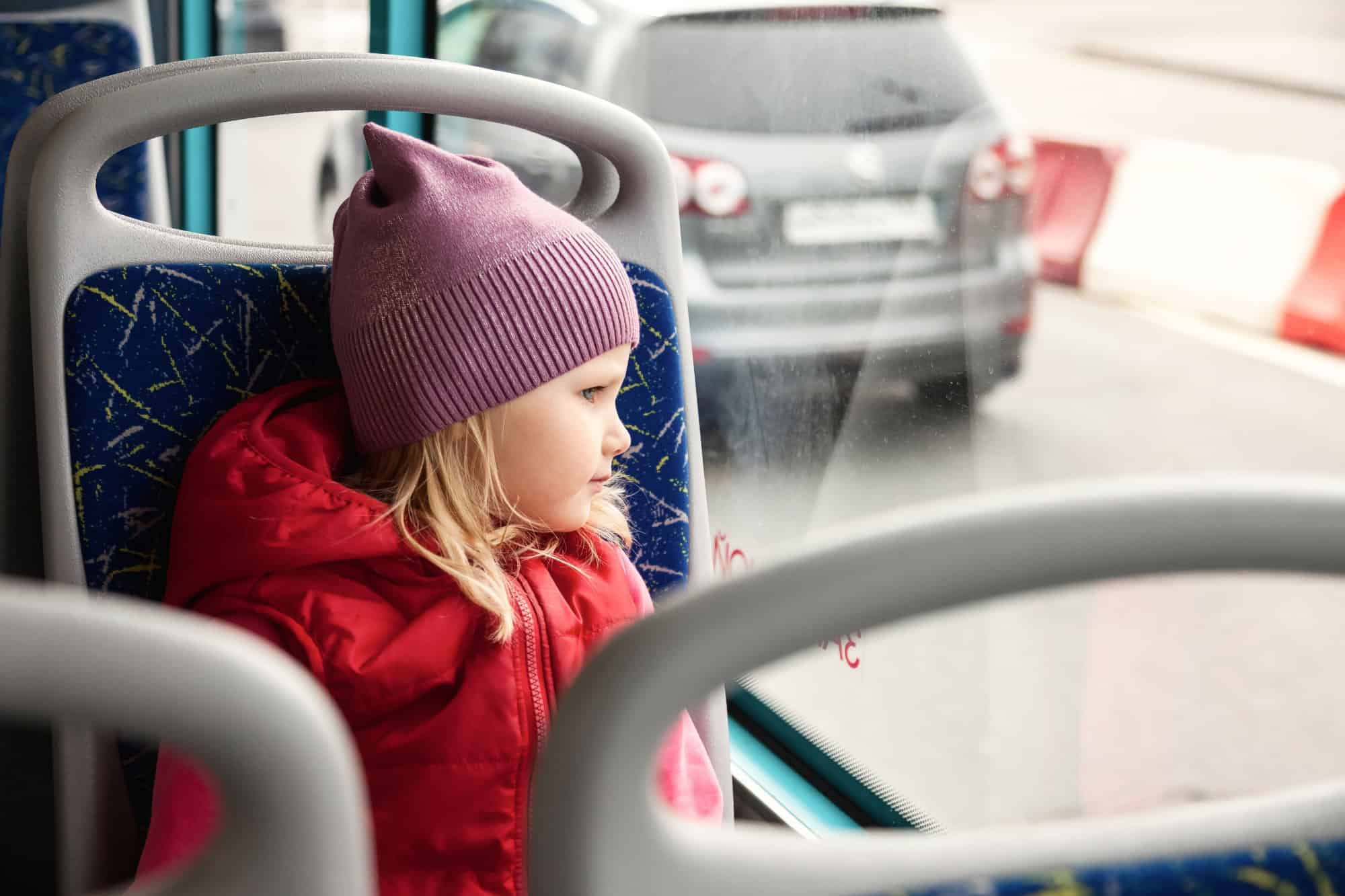
“I remember riding the bus by myself as a kid. You had to guess where your stop was, and if you missed it, you felt totally lost. But then you’d get it next time, and you’d know how it worked,” recalled one person.
Now you’ve got a map on your phone telling you every turn, and you almost never get it wrong. Between parents driving you, and tap cards, that little learning curve of the route is gone.
Writing to non-family pen-pals

Someone brought up pen pals, the old fashioned kind of pen pal where you sat down and wrote a letter by hand. You’d wait days, sometimes weeks for an answer. That anticipation made it feel so magical.
Now kids just text or message back and forth in seconds. Teachers also email or go through class portals so there’s no stamps and envelopes involved in communication. The slow rhythm of writing to someone living across the miles is mostly gone.
Turning a cardboard box or tree-branch into a game without prompts

Some adults still remember how a cardboard box could become anything: a car, a rocket or a little shop. A stick could turn into a sword, a fishing rod or a magic wand. They did not need instructions. They created their own games and let their imaginations run wild.
They claim kids today do not have that freedom to the same extent. Toys and apps come with rules already in place, and less children spend hours outside turning everyday things into adventures.
Talking to strangers, community members, or older neighbors

Many people recalled they didn’t just run past people on the sidewalk. They waved at Mr. Patrick sitting on his porch, said hello to the woman who ran the corner store, or occasionally asked an older neighbor a question.
It taught them manners, empathy and belonging. Today they have less outdoor freedom and may talk mostly online, so these small, daily interactions are mostly gone.
Wandering home alone or walking to school without an adult
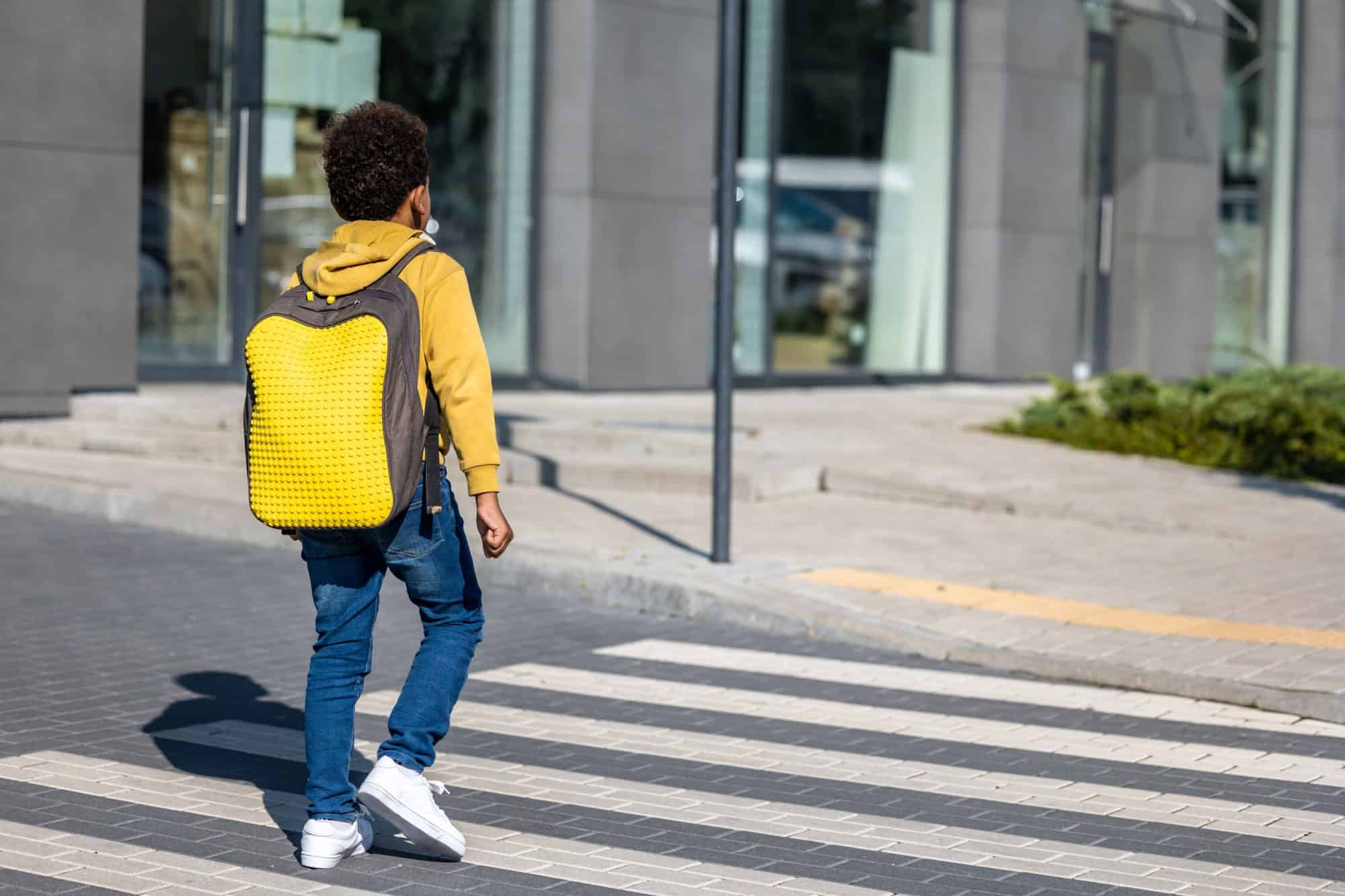
Letting kids walk the few blocks to a friend’s house or school by themselves used to be normal. It was how parents taught them about watching for cars, saying hi to neighbors, and making their own little choices.
As many adults themselves pointed out, the world is more under adult control these days, so there’s less freedom outdoors for kids.
Learning to wash one’s own clothes or shoes

Once upon a time, it was just natural that children would learn to wash their own clothes or shoes, one person said. They just tried one day, having watched other people doing it. It gave them confidence, and a sense of care for their possessions.
Now that everything is so replaceable and kids do less around the house, that little but important moment is being lost.
Repairing one’s belongings
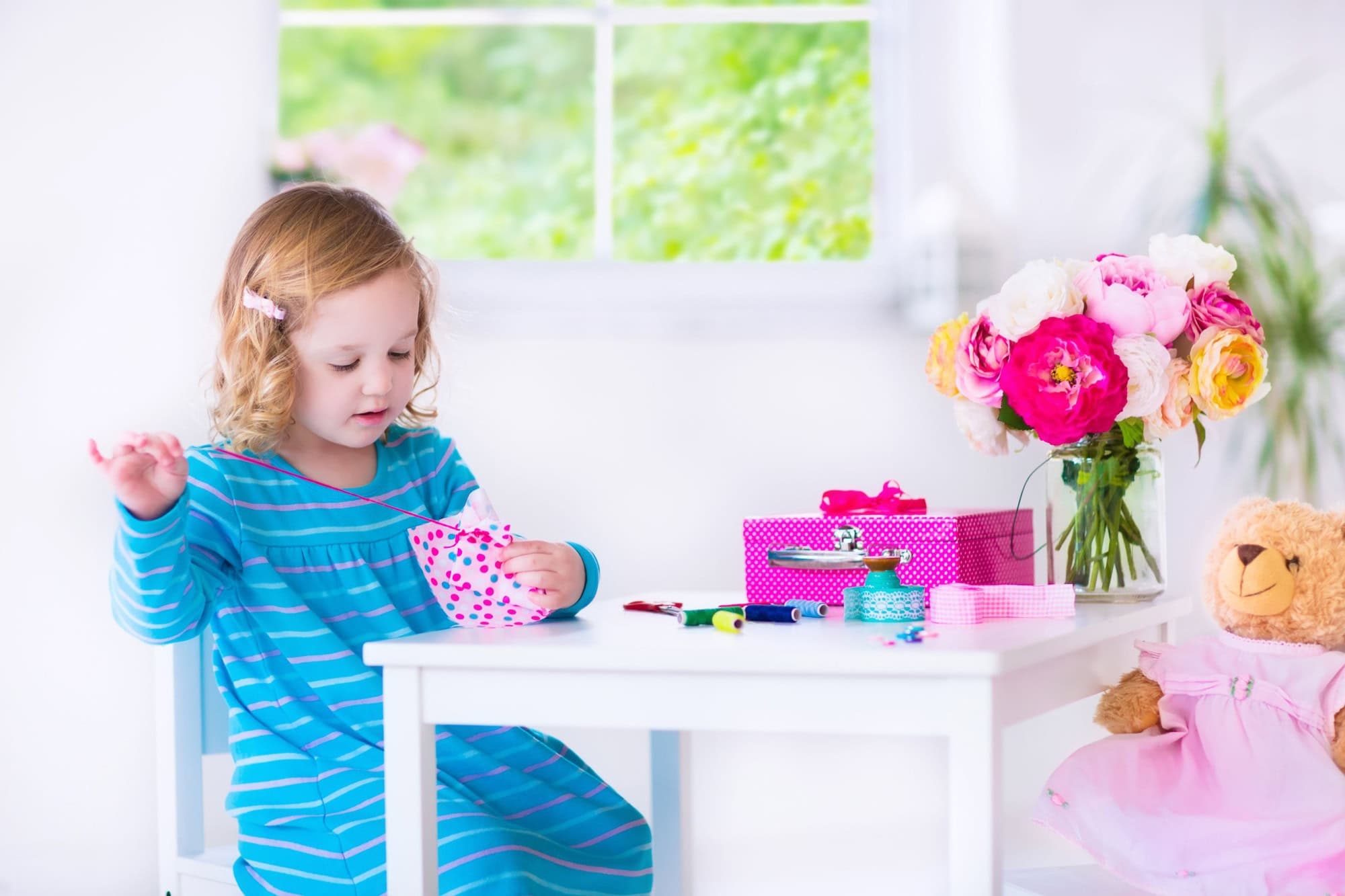
“It used to be that we fixed our own stuff,” added one senior we spoke with. A child would sew on a button, mend a bicycle chain, or glue a shoe sole. These simple chores taught them to care for what they had. Now it is easier to replace.
Exploring ‘dirty’ outdoor spaces
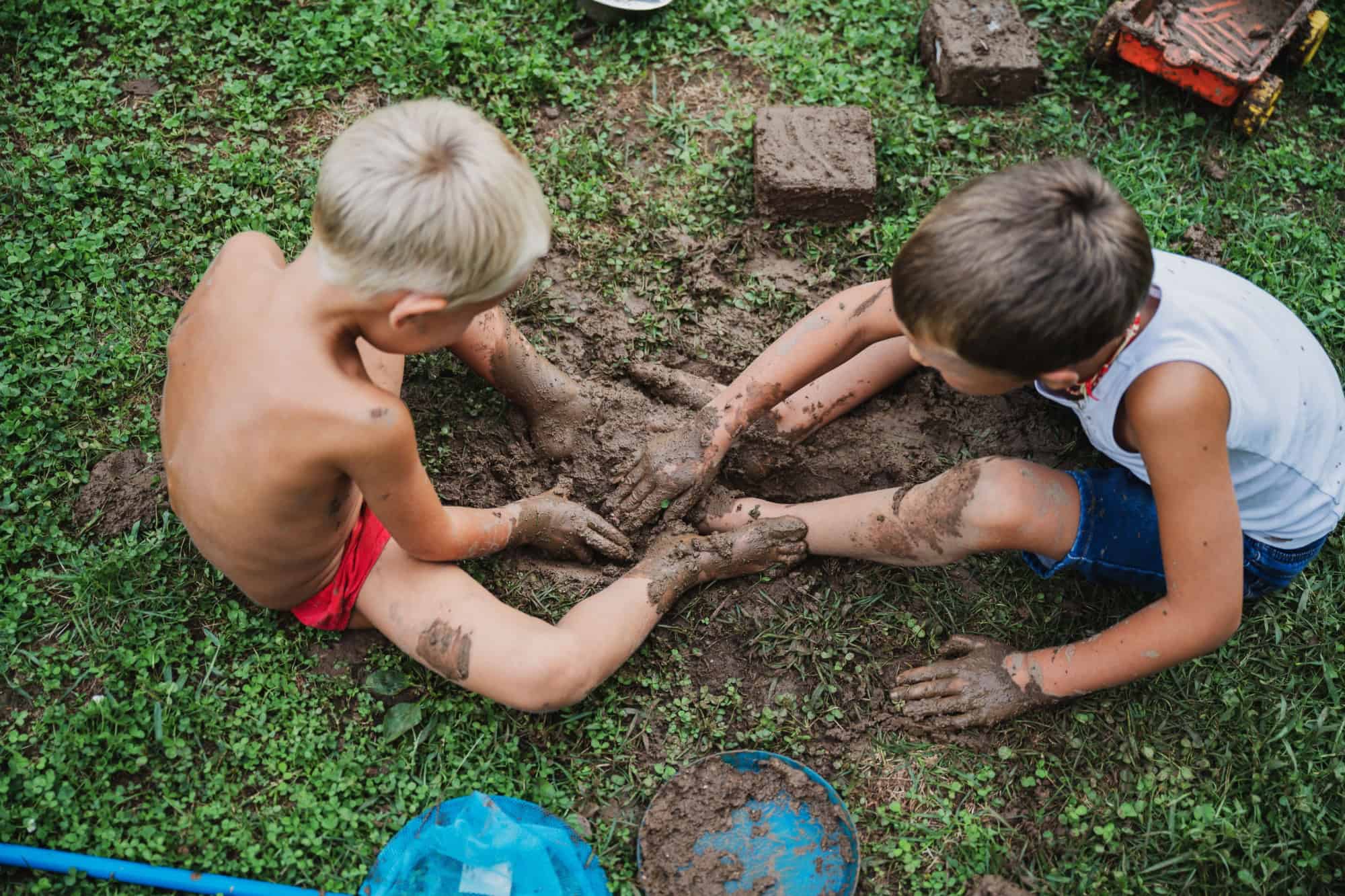
Playing in the mud and climbing trees may sound like ‘easy’ childhood pleasures that many kids enjoyed without thinking. People online discussed how important these activities were as they represented opportunities for kids to engage in minor risky play, to fall, to stumble and to recover, building their strength, and ability to be independent.
Children today have fewer chances to roam and explore, they lamented. The cleaner, safer way we now play has lost touch with the rough-and-tumble, real-world play of the past.
Delivering small notes or messages around the neighborhood

Sometimes you got a note or a letter and you had to take it yourself. Not because anyone made you, but just because it needed doing. You walked down the street, maybe dropped it in the wrong mailbox once or twice, and felt proud anyway.
“Everything is on phones now, and kids don’t get to feel that little “I did it by myself” feeling,” lamented some adults.
Reading shop signs, library timetable posters or bus-stop boards

We heard from several adults, as kids, how they used to learn so much just by observing. A poster on the library wall told them about story time, the bus-stop board displayed the time of the next bus and the shop’s sign showed when it opened.
Children learned these clues by themselves. Now everything is planned by adults or is available online. Children never have the chance to notice those little things or to discover their plans.
Related Stories:
15 things Boomers say were part of their childhood