
Talk to a Boomer about growing up, and chances are they’ll start with the little things. Not the big events, but the objects that were always just… there. After talking with a number of Boomers we met online, we found these 15 things that stuck in their memory like old friends.
Featured Image Credit: Shutterstock.
A set of drinking glasses that came free

You didn’t always buy glasses at a store. Some you got from gas stations, given with every full tank. Each one had a different print or cartoon, and you had to keep going back to get the full set.
A bag of clothespins
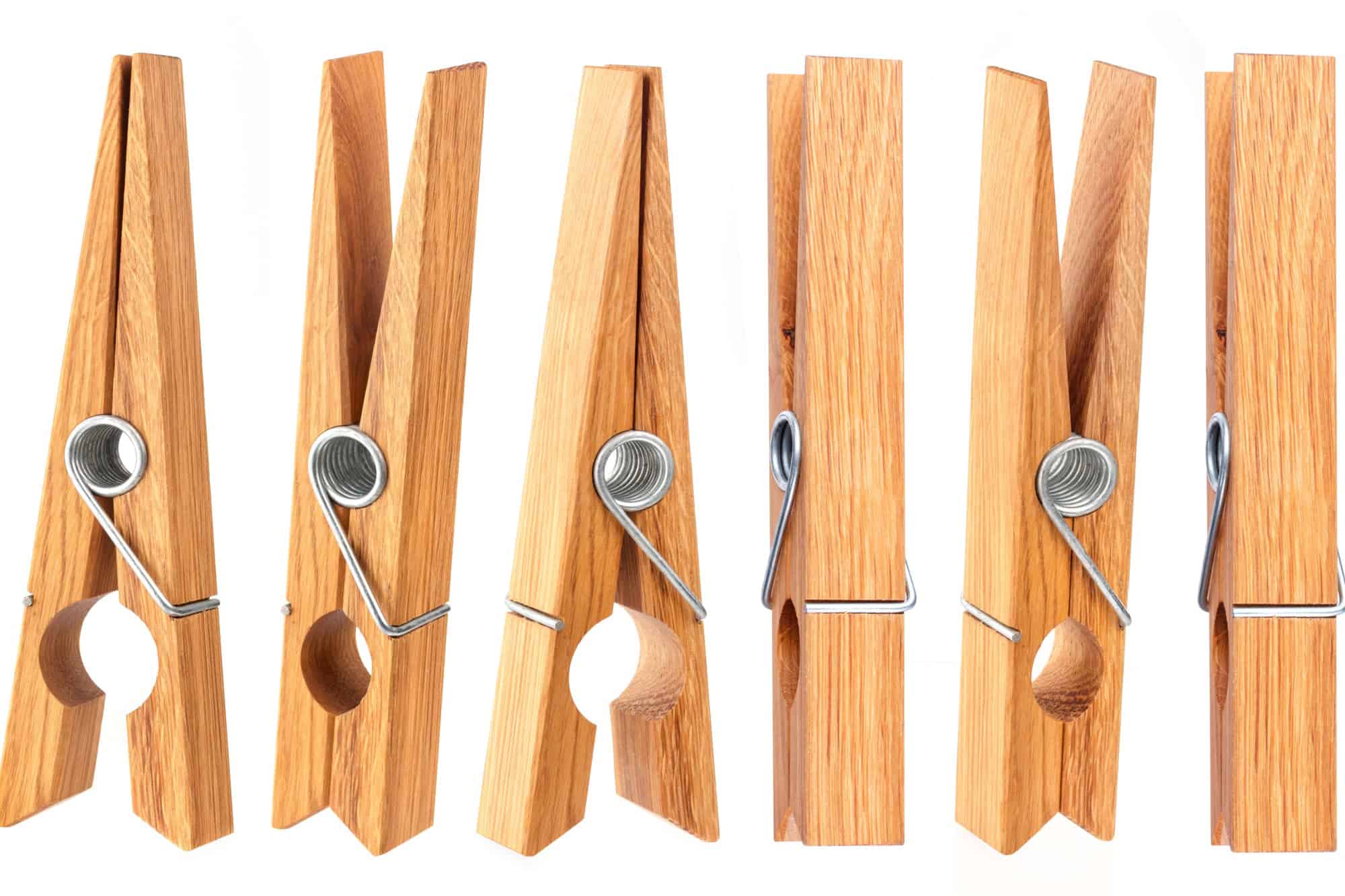
Clothespins never went away, even when dryers had replaced lines. You might use them to clip chip bags shut, or pin crafts together, or clamp something shut in the garage. You may not have seen a clothesline for years, but that bag was in the laundry room anyway.
A green stamp book

Before points cards and loyalty apps, there were trading stamps. You collected them when you shopped for groceries, licked them and stuck them carefully into a small booklet. When it was full, you could swap it for a toaster or something from a catalogue that no one ever ordered from.
A glass milk bottle with a cardboard cap
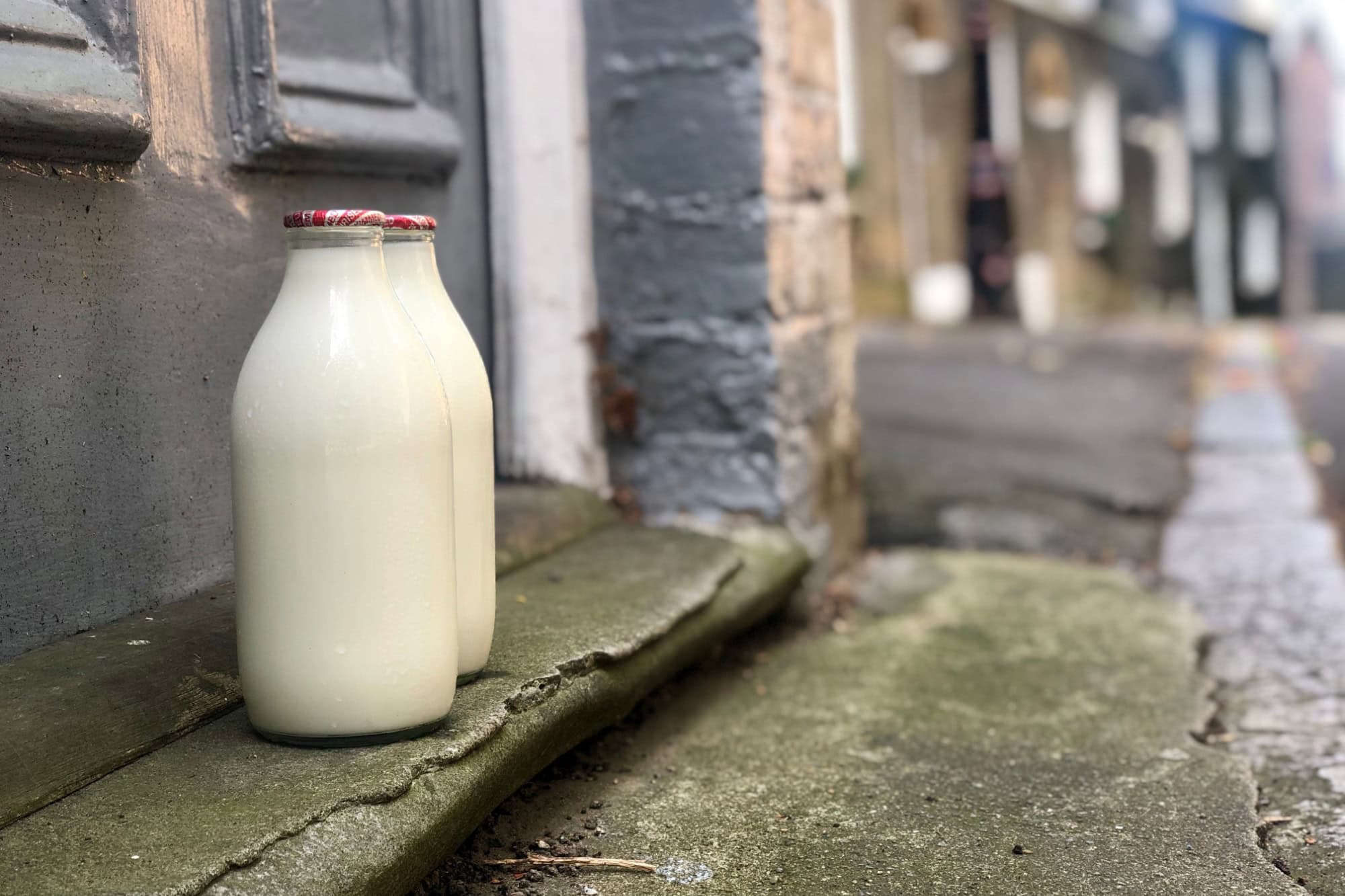
Milk came in a thick glass bottle, sealed with a cardboard cap that you peeled off gently. You didn’t throw away the bottle when you’d finished. It went back to the shop for someone else to use. You might recall the soft tinkling as the milk delivery arrived in the early hours of the morning.
A heavy-duty yellow flashlight
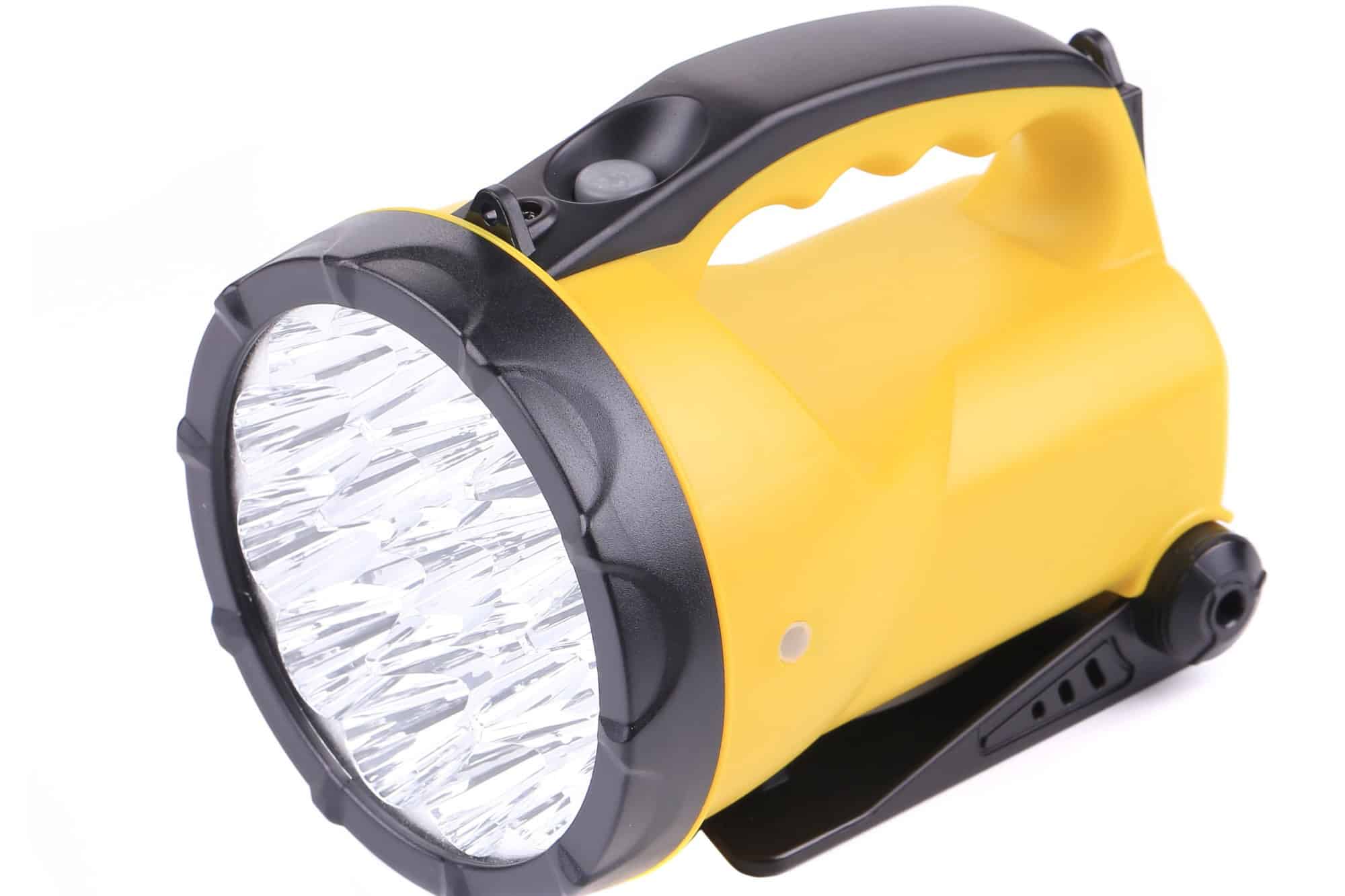
This was another utility item that was stored in the hall closet or under the kitchen sink. You’d only take it out when the electricity went out, and it was always heavier than you remembered it being. Half the time it would work, and the other half it wouldn’t. Regardless, it always went back in the exact same spot after you used it.
A durable metal lunchbox
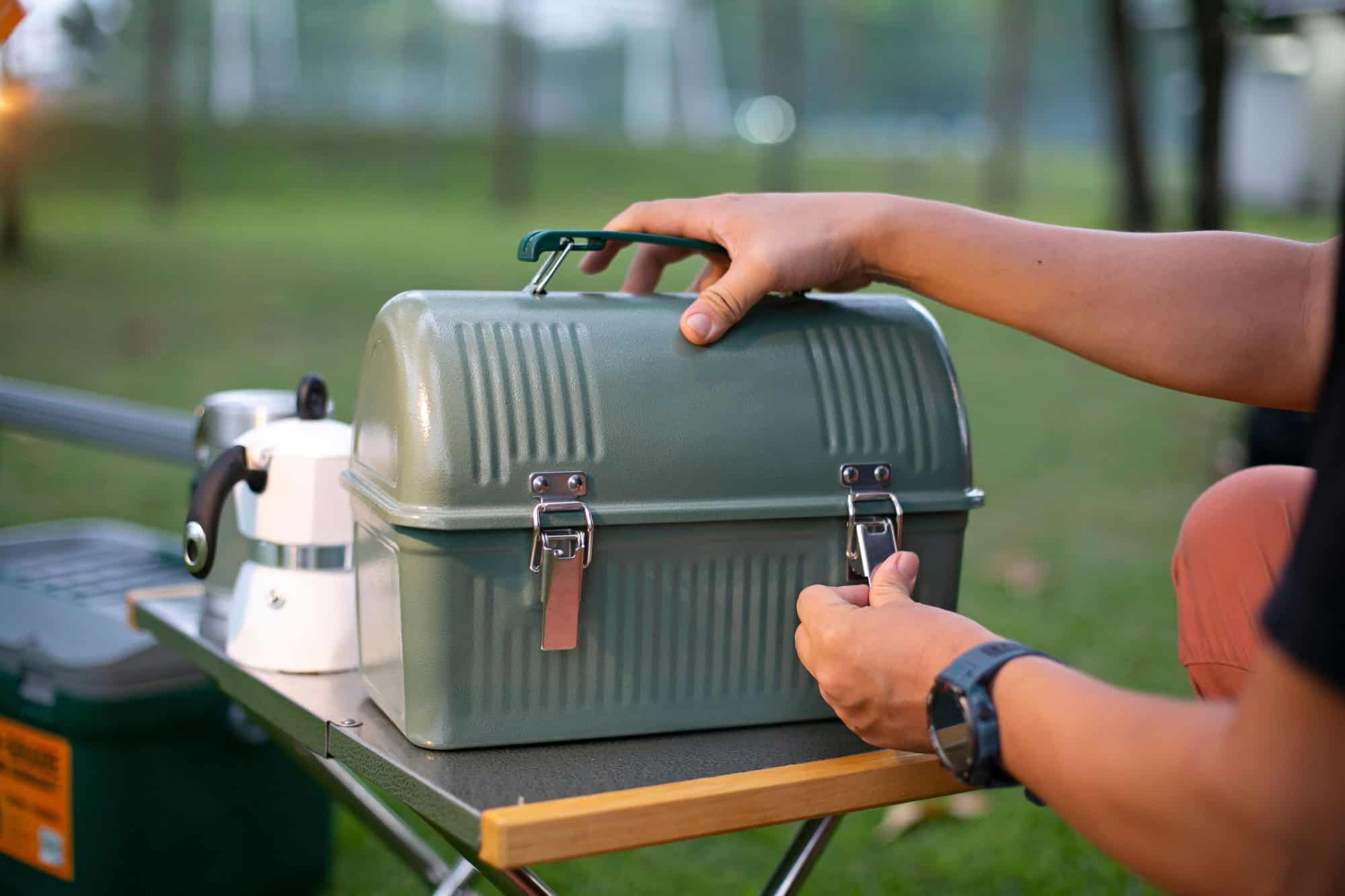
Before everyone used plastic bags to tote around their lunch, many kids carried around metal lunchboxes with colorful designs — cartoon characters, sports teams, superheroes. They held sandwiches, notes from home and became a tiny part of your daily routine.
A tiny bell by the front door
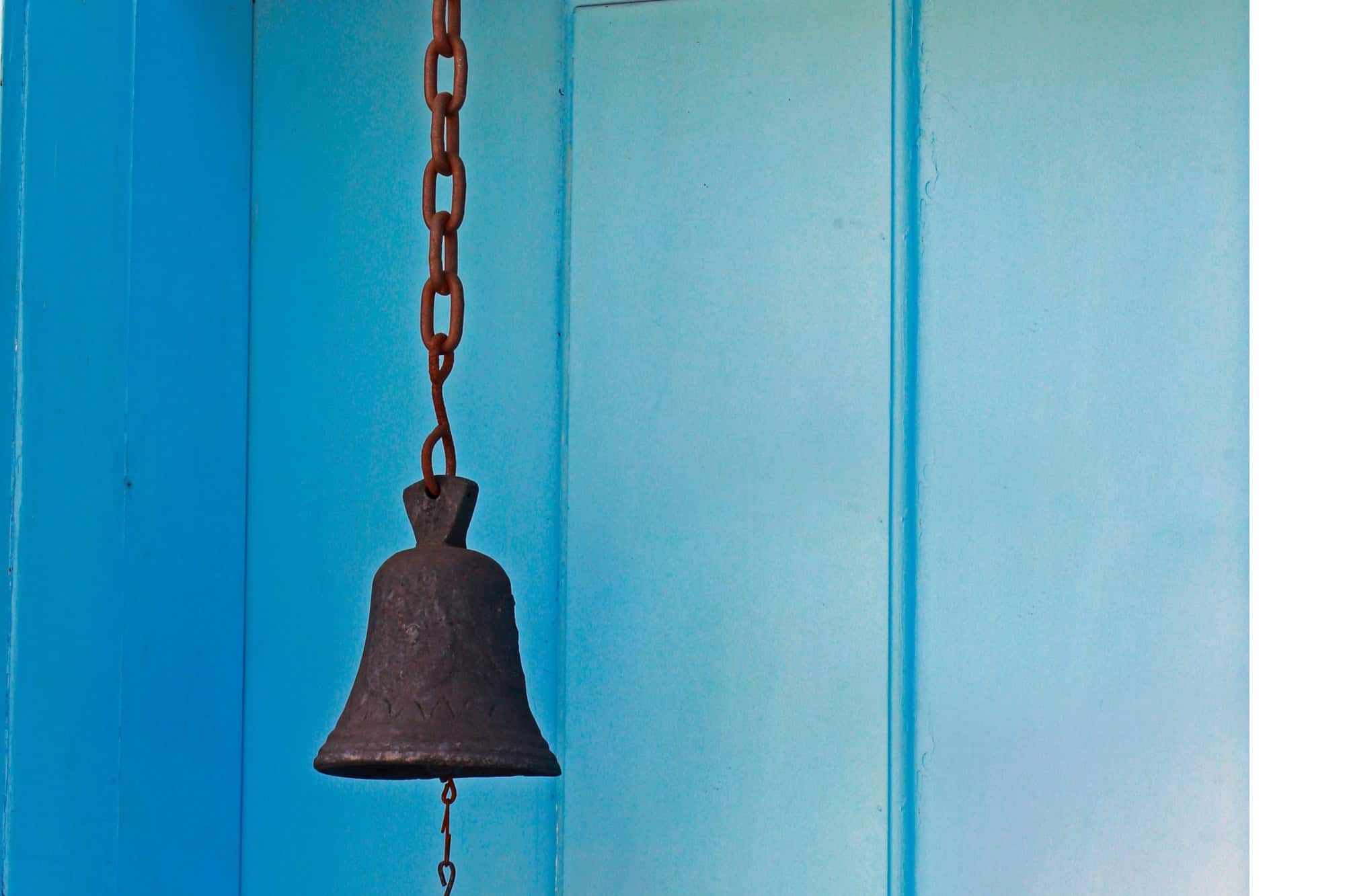
Not for decoration, but for safety. There would be a bell hanging by the door that someone older could ring for help, if needed. It would have been almost never used, but knowing it was there, just in case, was reassuring.
A foot scraper outside the back door, nailed into the step

Before indoor mats and shoe racks, there was that rough metal bar, screwed into the step. You dragged your shoes along it before coming in. It didn’t do a great job of cleaning them off, but it was all you had.
A paper wall poster with the periodic table or world map
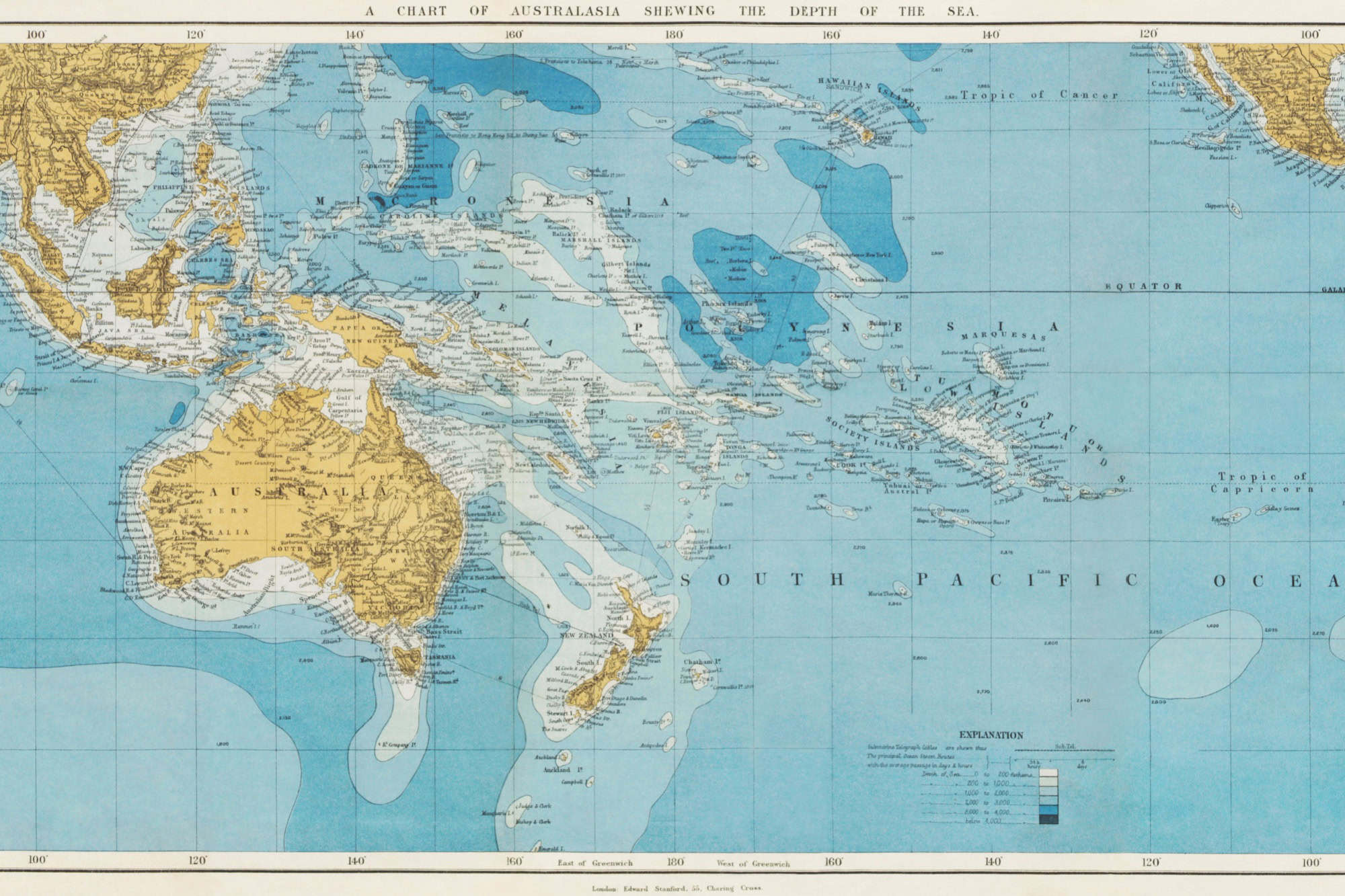
Before flat-screen technology, learning aids were often printed on large sheets of paper. A periodic table or world map, hung on the wall. It might curl at the edges, but you would glance at it occasionally when doing homework, even if you didn’t always understand what everything meant.
A plastic rain bonnet folded into a tiny square in your purse or glovebox

Moms and grandmas always had one of these folded in their purse or glovebox. In case of sudden rainstorms you would unfold it, twist it around your hair, and tie it under your chin. It was not fashionable, but it did save the curls.
A triangle-shaped coin pouch
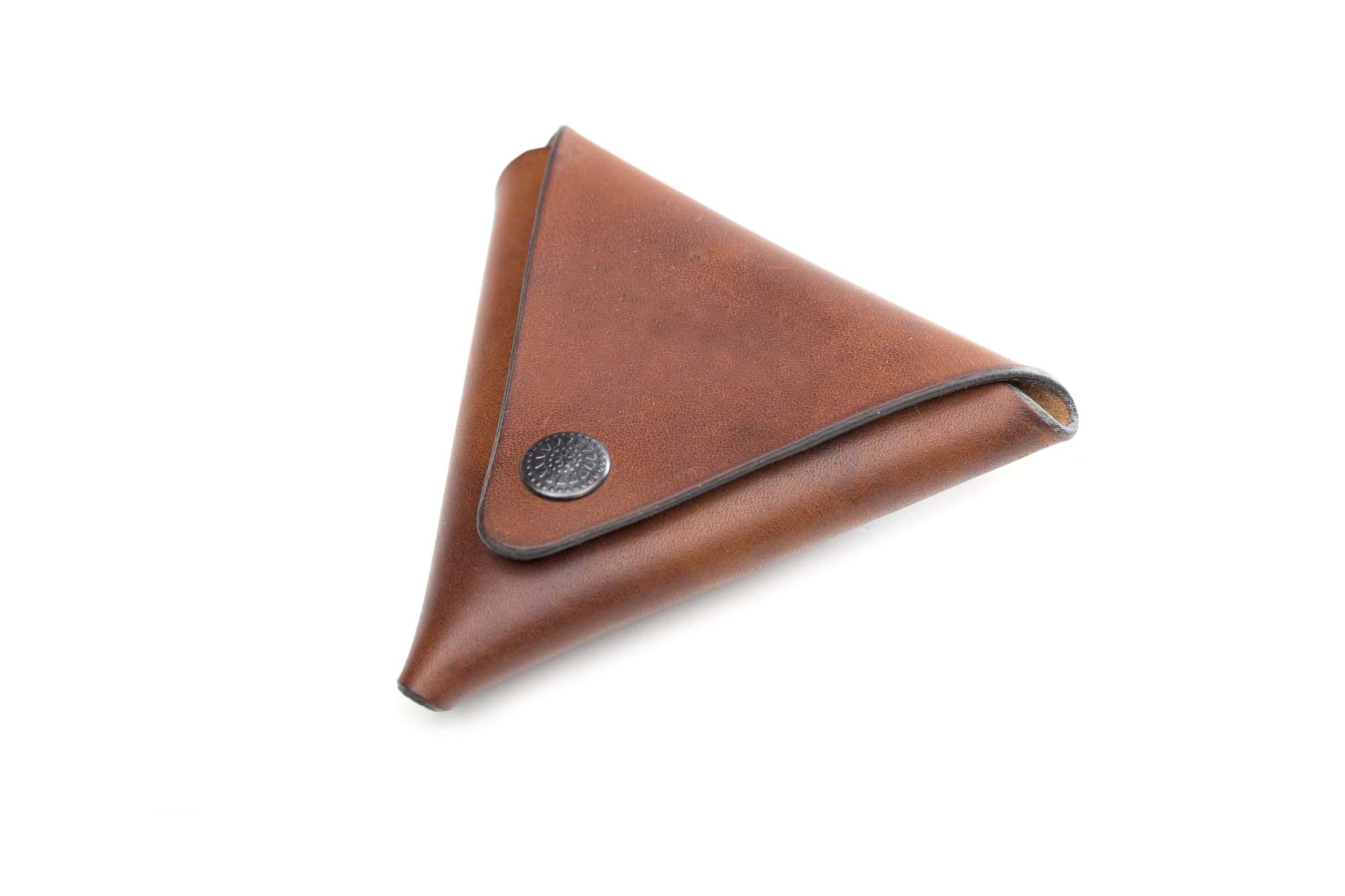
Kids did not always have wallets or zippers. Many had these little rubber coin purses. They folded up at the top and you pinched them to open. You put your bus fare or vending machine coins in it.
A small piece of soap pressed into a bar of soap
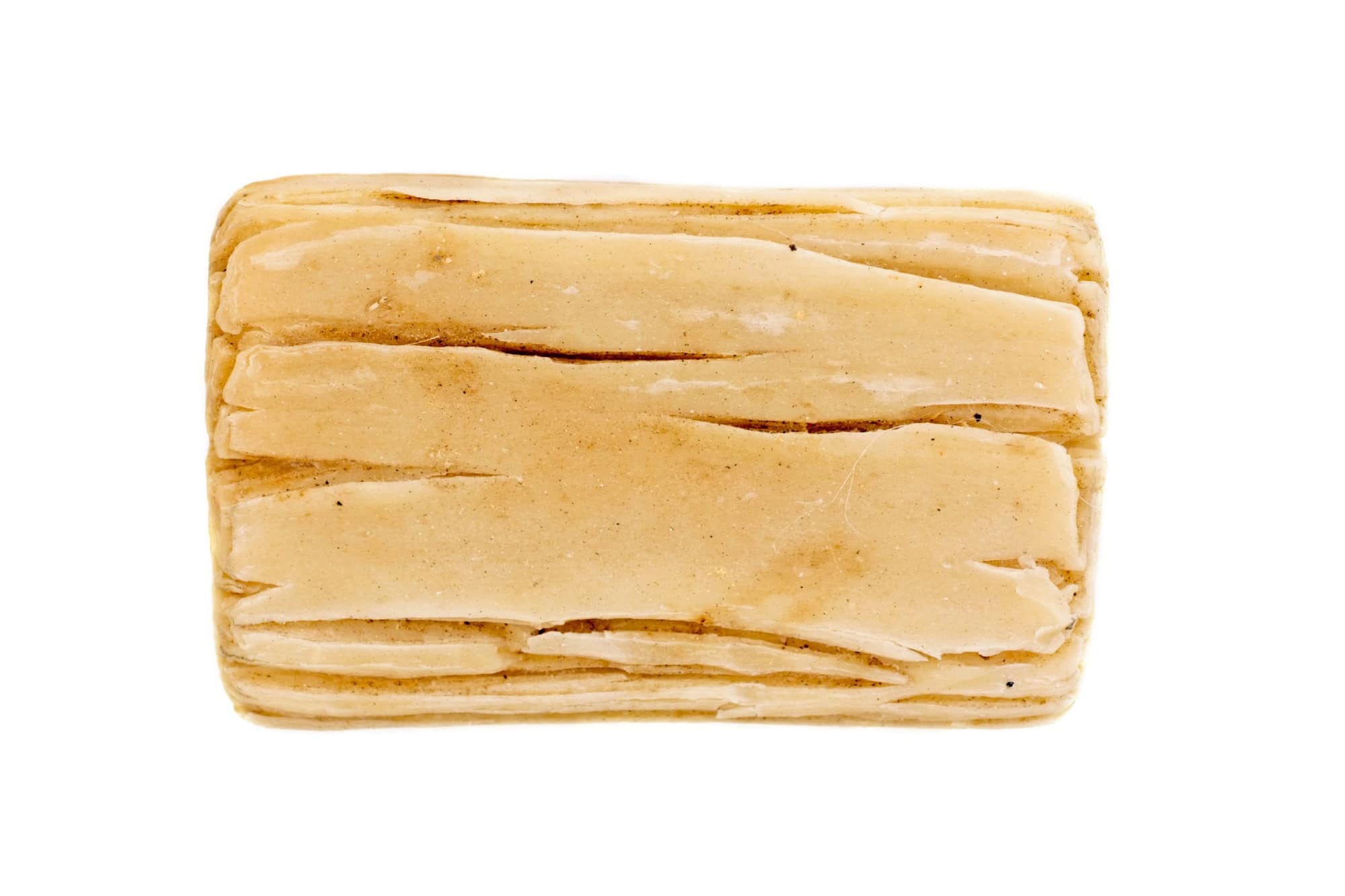
You didn’t let any go to waste. When a bar got too small to use, you stuck it to a new one and went at it again. It looked a little funny with a different color at the top but it worked just fine.
A metal cookie tin
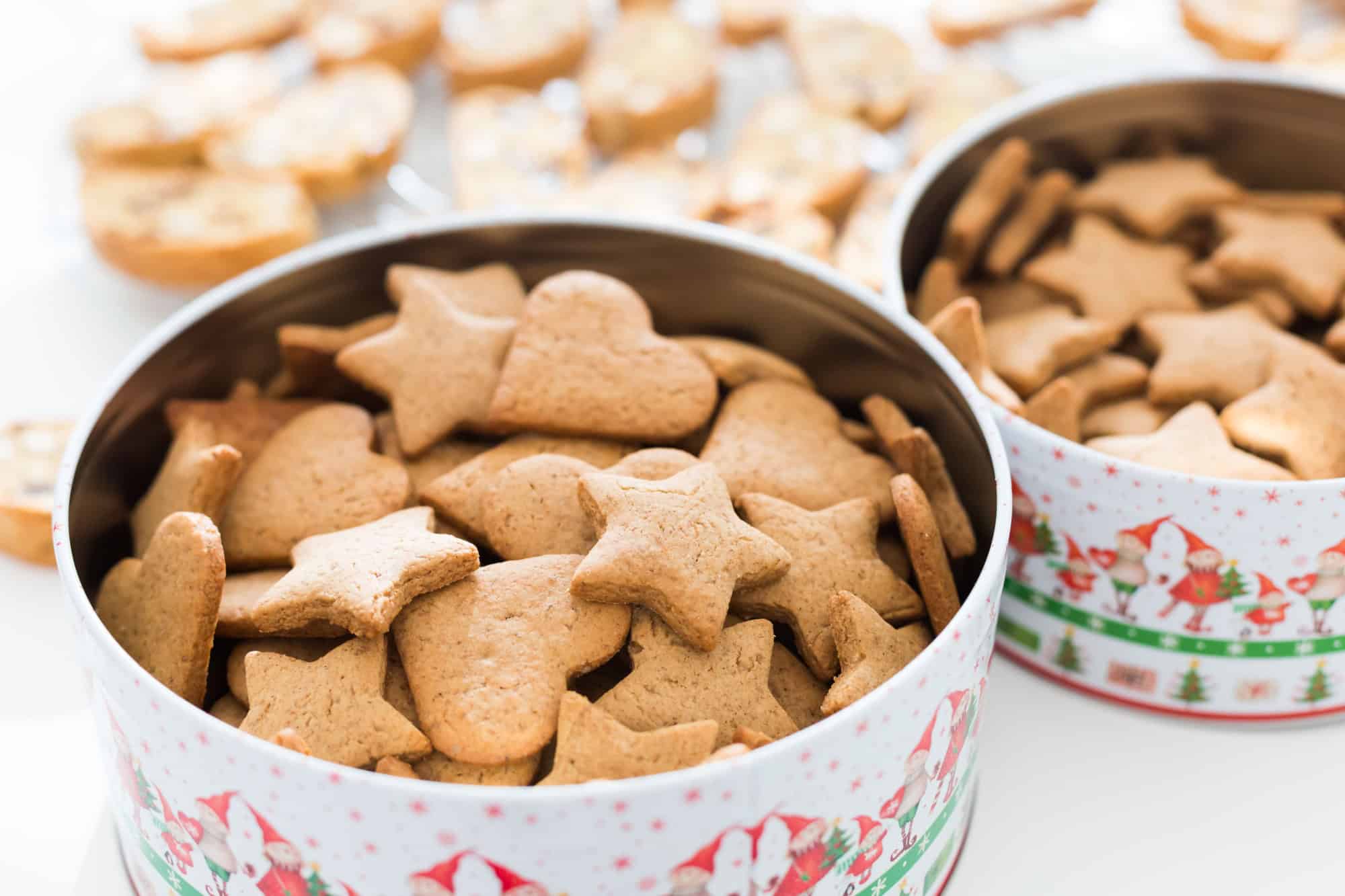
Those old cookie tins, heavy and painted with bright pictures or Christmas scenes , were never just thrown away once empty. When the cookies were gone, they became storage spots for sewing or toy bits.
A pocket-sized handkerchief
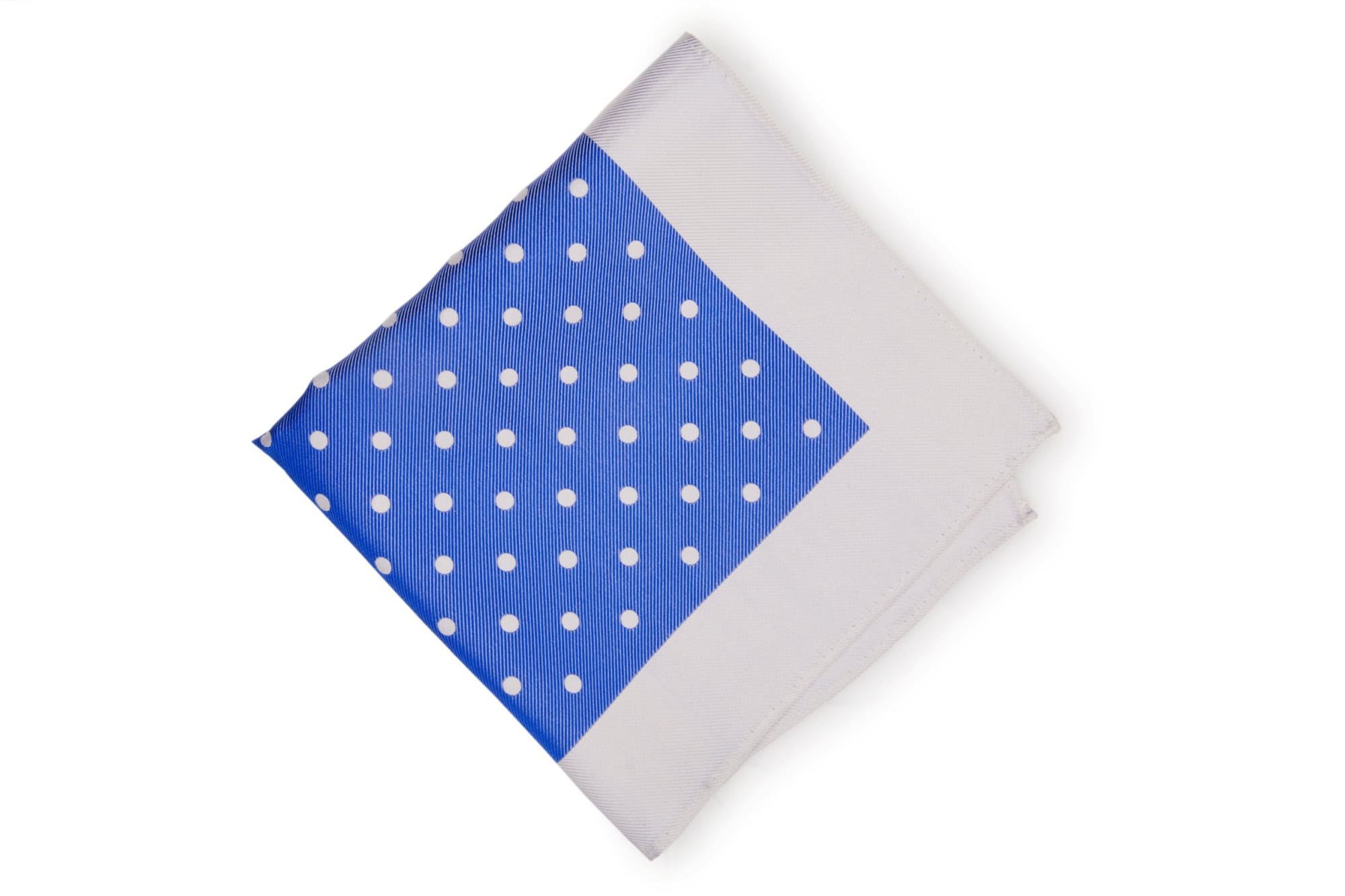
Tissues weren’t something kids had in those days. They had a cloth handkerchief, folded and pinned into their pocket. It was something you could wash and reuse, and your mom always made sure you kept it with you.
Manual can opener with rotating handle
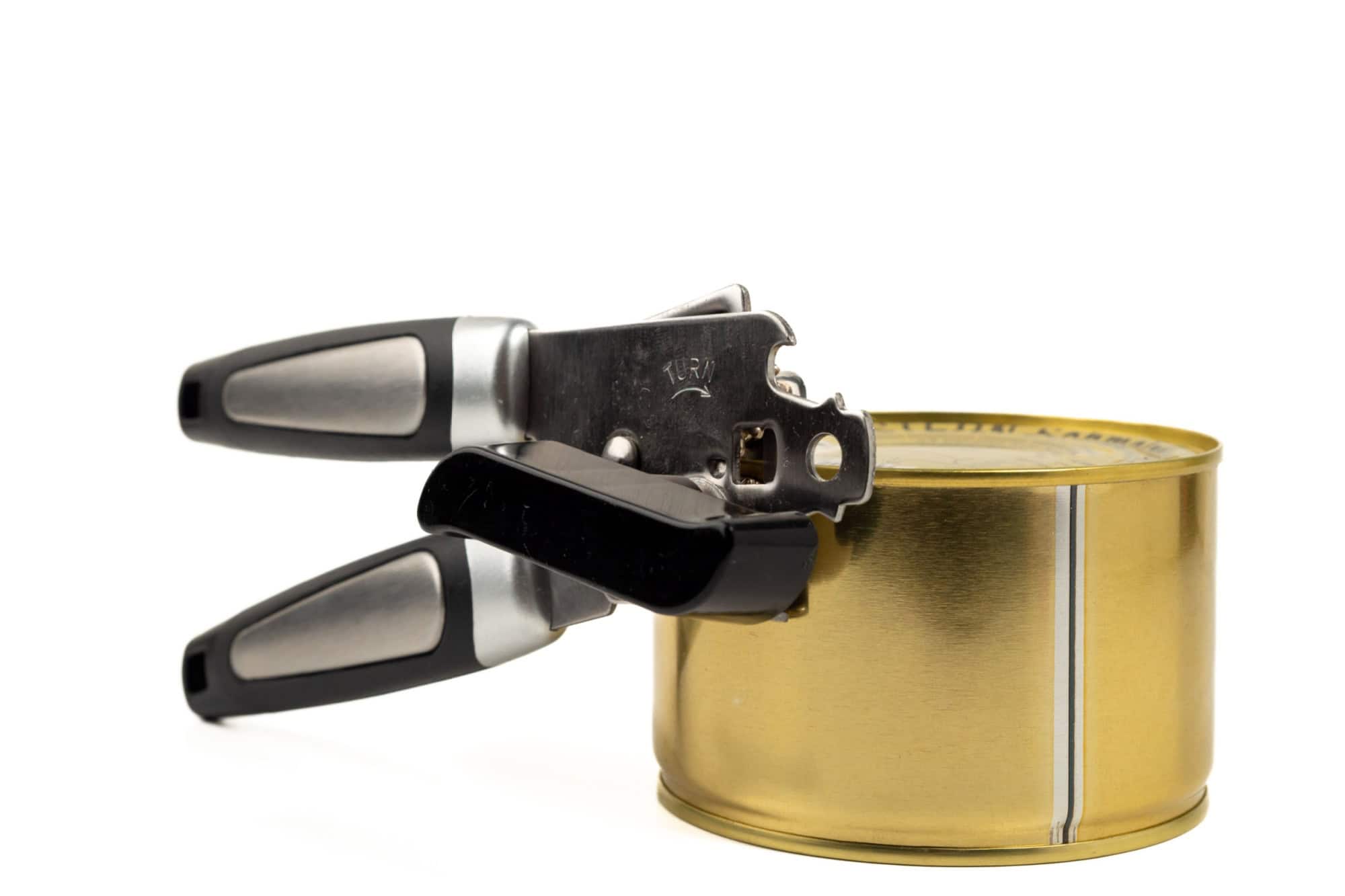
Back before electric openers, there was the simple hand crank can opener. You gripped it tight and turned the handle carefully to cut the lid. Slow but reliable.
Like our content? Be sure to follow us.