

Some of the most popular American products are outright banned overseas, which leaves you wondering what’s in some of the foods we eat and drink.
Mountain Dew

In the United States, this neon green soda is a classic, but it’s not found in Japan or parts of Europe. The reason? It contains brominated vegetable oil (BVO), which keeps the flavors mixed, but has been implicated in disorders such as nerve damage and memory loss. In the US, that’s fine, but other countries don’t believe it’s worth the risk.
Twinkies

Twinkies is a sweet treat for Americans, but they’re off the shelves in places like Norway and Austria. Why? They’re stuffed with synthetic flavors and colors that fall short of more stringent food standards. Those countries don’t want all those chemicals that leave Twinkies on shelves forever.
Farm-Raised Salmon

Farm-raised salmon from the US is a no-go in countries like Australia and New Zealand. It’s not about the fish, it’s what they get fed. Typically, salmon raised in America is given synthetic colors to make their flesh pink. That doesn’t sit well with countries where there are more food safety rules, and where they prefer natural seafood.
Kraft Mac & Cheese

Mac & cheese might be a childhood classic, but in some parts of Europe it’s a no. Why? The granulated cheese blend is made with yellow dyes (Yellow 5 and 6), which are associated with hyperactivity in children and other health issues. European regulations demand natural alternatives, and our beloved orange isn’t in the running.
Chlorinated Chicken

The idea of bleaching chicken in chlorine is weird, but this is done in the US to kill bacteria. But the UK and EU will not allow it, saying it’s a shortcut to cover up poor farming conditions. They are more concerned about quality at the farm scale, so chlorinated chicken isn’t welcome at the dinner table.
Froot Loops

This fun cereal is a favorite breakfast item among Americans, though it is banned in countries like Norway and Austria. Why? Those vivid colors are made from synthetic dyes that are associated with adverse health effects, especially in children. Most countries use natural food colors or no color at all in their cereal.
Skittles

Taste the rainbow? Not everywhere. Skittles are illegal in European countries such as Sweden, because they contain titanium dioxide, a food preservative that some research has associated with chronic diseases. Sweden’s strict rules on food additives make Skittles a no-go.
Ritz Crackers

They might be sweet and buttery, but Ritz Crackers are forbidden in some areas of Europe and Asia for containing partially hydrogenated oils, or trans fats. These oils are associated with cardiovascular disease and many countries ban them altogether to protect human health.
Hershey’s Chocolate Syrup
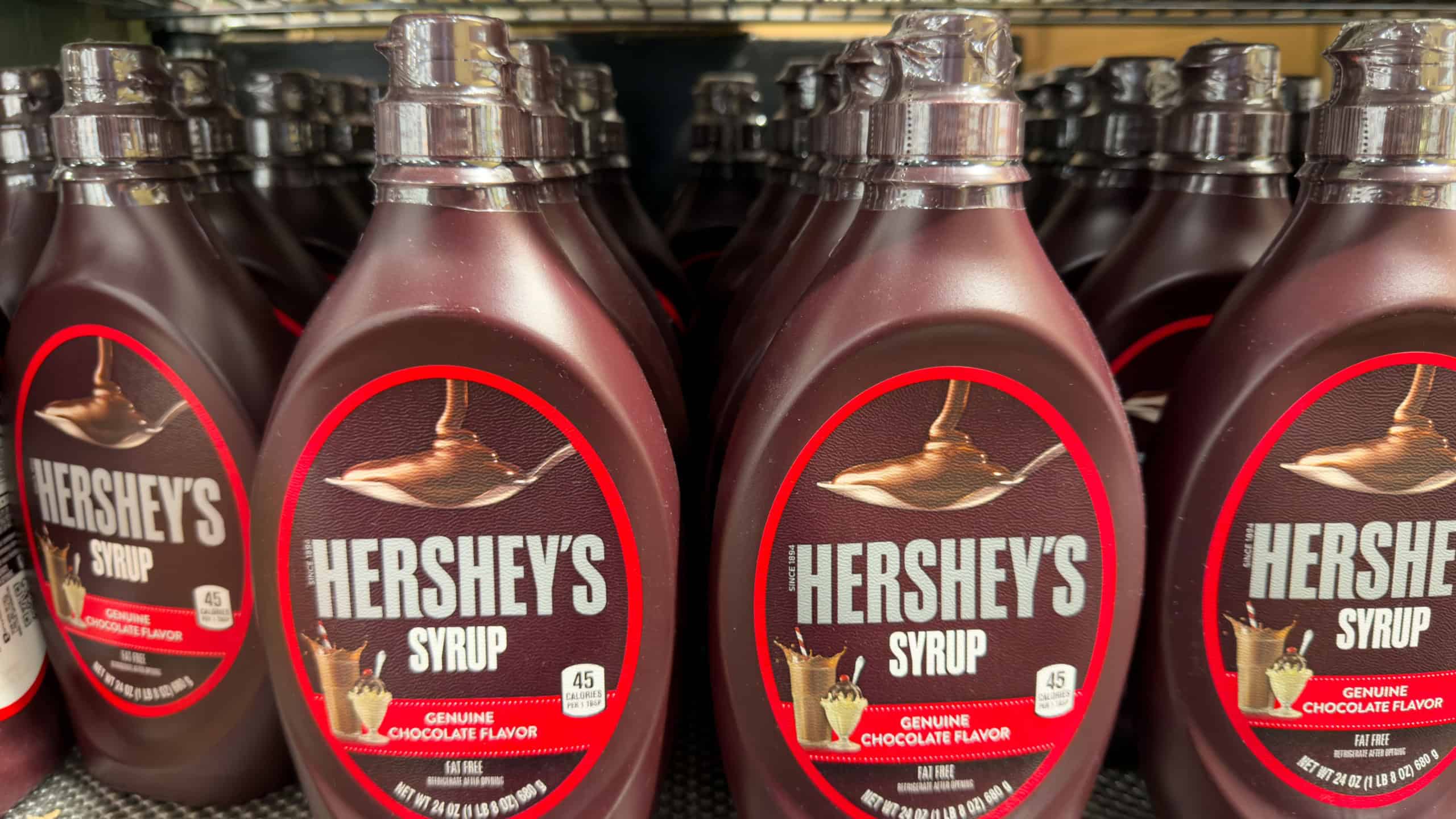
Chocolate syrup on ice-cream is harmless, isn’t it? Not in some countries. Hershey’s syrup is banned because of its high-fructose corn syrup and artificial flavoring. They fall short of health and food safety standards in places like Europe and other countries, which demand better-quality ingredients.
Pop-Tarts

Pop-Tarts are the ultimate sweet breakfast snack, but they don’t get a stamp of approval in many European countries. Artificial food colors and preservatives such as TBHQ (which prolongs shelf life) aren’t safe. Countries with stricter rules think the health risks just aren’t worth it.
U.S. Milk
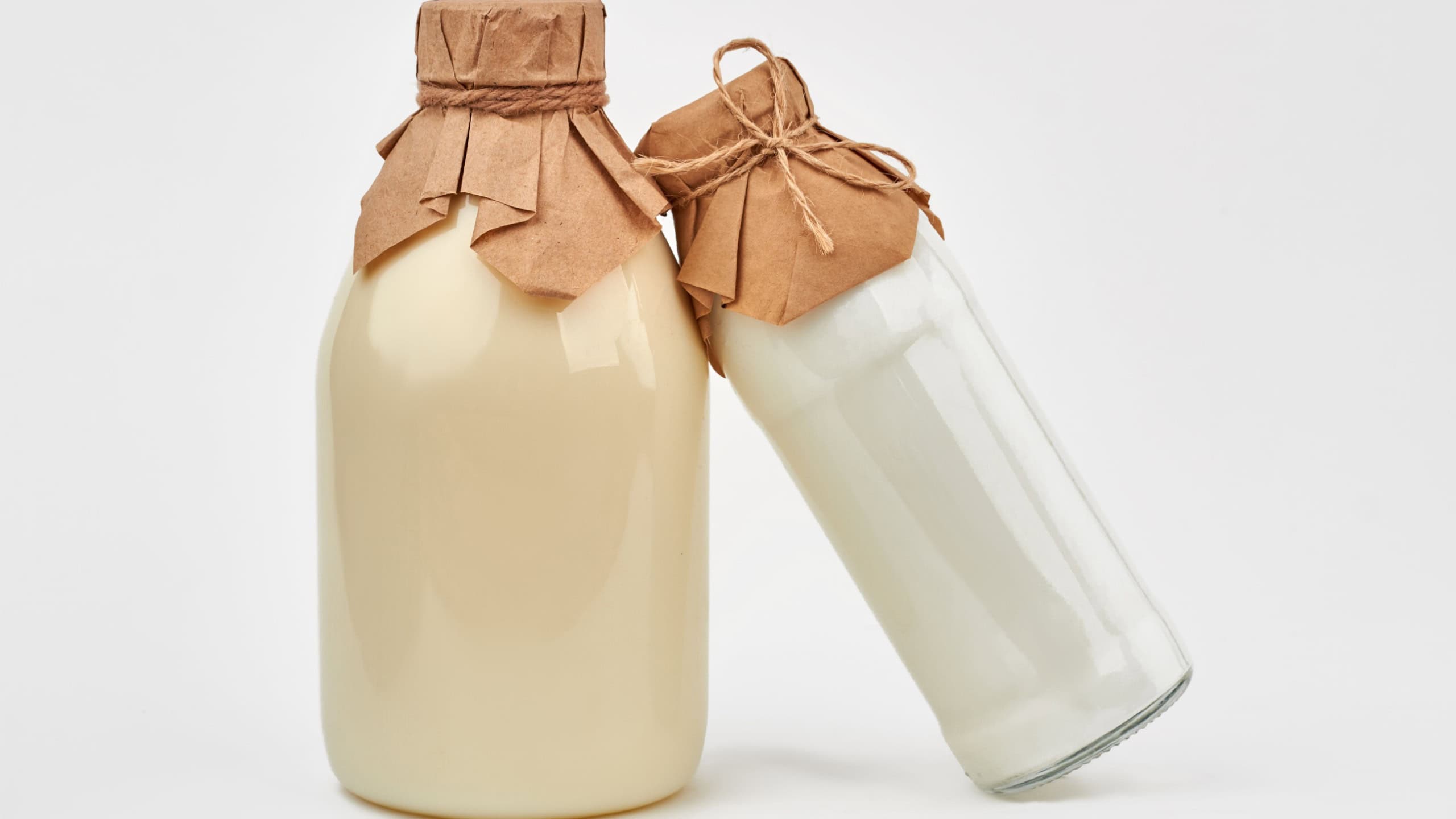
American milk is often treated with rBST, a growth hormone that stimulates production. It’s permitted in this country, but the EU has outlawed it because it is harmful to both cows and humans. Milk from organically farmed cows is the European standard.
Cheez Whiz

This melty cheese-in-a-jar is awesome for nachos, except it’s banned in some European countries. Why? It’s stuffed with preservatives, additives, and sodium that doesn’t pass their more restrictive safety standards. Over there, they prefer their cheese to actually be, well, cheese.
10 popular products that got legally banned

Once upon a time, there were products we never questioned, despite how much harm they caused to people and the environment. Injuries or long term illnesses appeared years later. When it was hard to ignore these problems anymore, regulations passed and the products disappeared.

