
Once upon a time, there were products we never questioned, despite how much harm they caused to people and the environment. Folks bought these items, took them home and used them. Injuries or long term illnesses appeared years later. When it was hard to ignore these problems anymore, regulations passed and the products disappeared. Here are ten banned products that were once legal to sell.
Clacker balls made with acrylic spheres
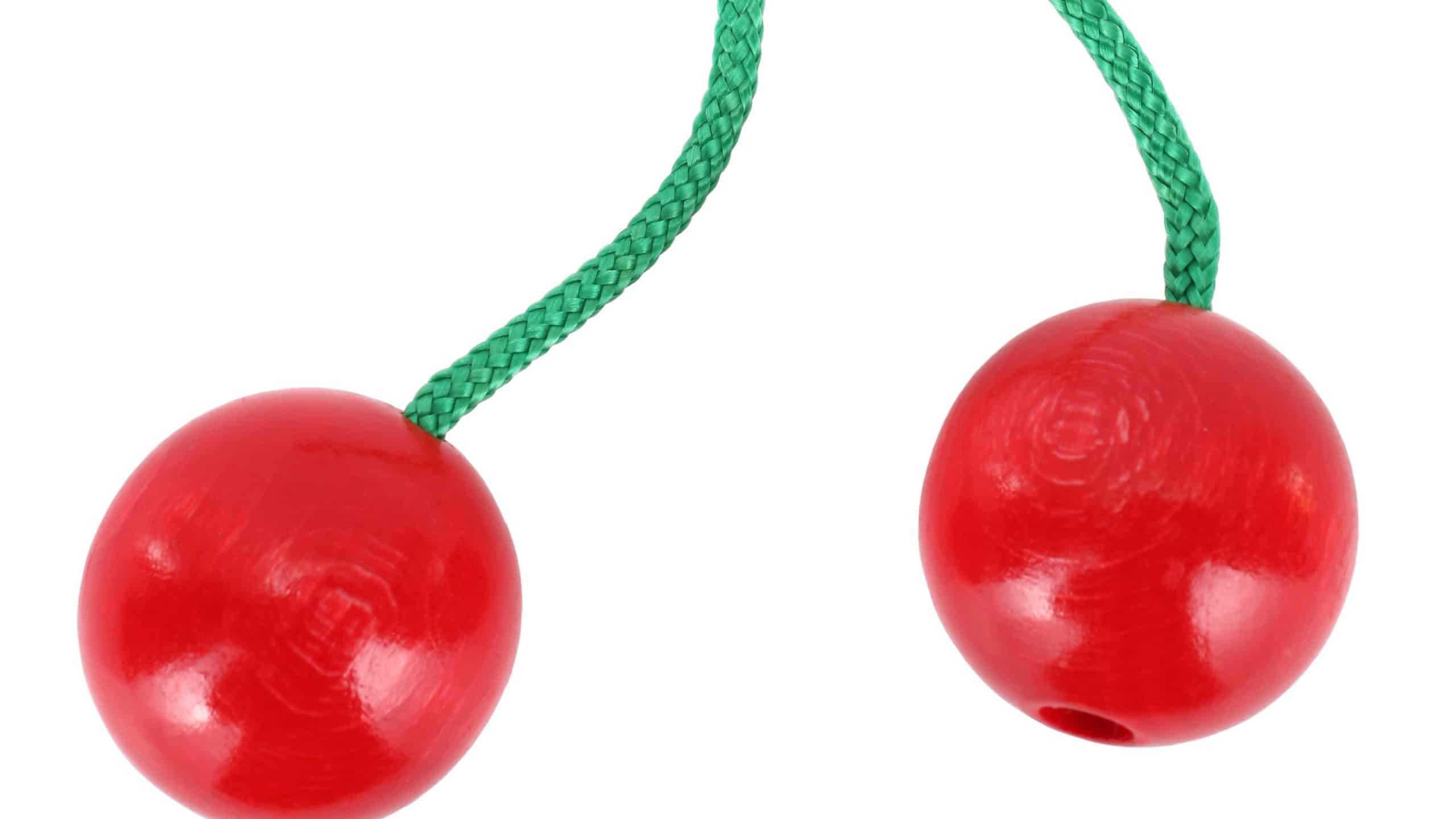
Clacker balls were a brief fad toy. Two hard plastic balls were strung on a string and swung so that the balls would clash together. The problem was that the earliest versions were brittle. When they shattered, they didn’t crack gently. They exploded. As the brittle clacker balls exploded they sent sharp pieces flying and emergency rooms started filling with patients who suffered eye and face injuries. In short order, most variations were banned or quietly pulled from stores unless they were redesigned with more resilient materials.
Baby cribs with drop-side rails

Drop-side cribs have been common for many years. They were popular with parents because the side rail could be raised and lowered to make it easier to place a baby in and take a baby out of the crib. The issue developed gradually. Over time, incidents were reported that tied these cribs to severe injuries if the side rails became loose or broke free, and entrapped infants. In some instances, the entrapments led to death.
By 2011 experts agreed that risks from drop-side cribs reached unacceptable levels. In the U.S., the manufacture and sale of all drop-side cribs was banned. Even reselling or donation of such cribs is illegal.
Phosphate-based laundry detergents
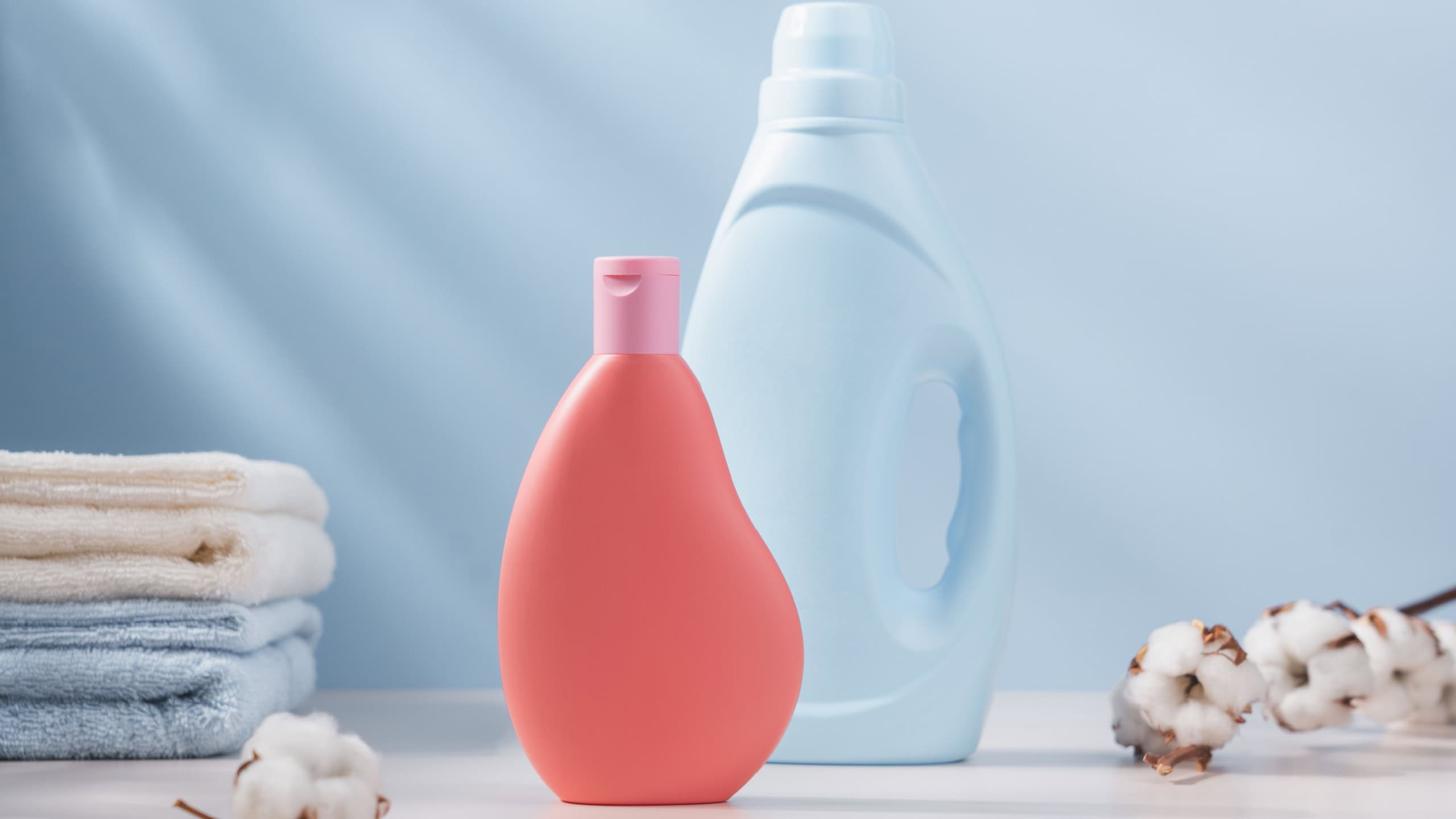
Phosphate detergents were widely used decades ago because they were so effective at cleaning clothes. But later scientists began to realize that there was a dirty secret to the compounds: they contributed to algae blooms in rivers and lakes that depleted oxygen and damaged fish and other life.
Beginning in the 1970s, many states in the U.S. began banning them, and eventually nationwide regulations limited their use in household laundry detergents.
CFC-powered aerosol sprays
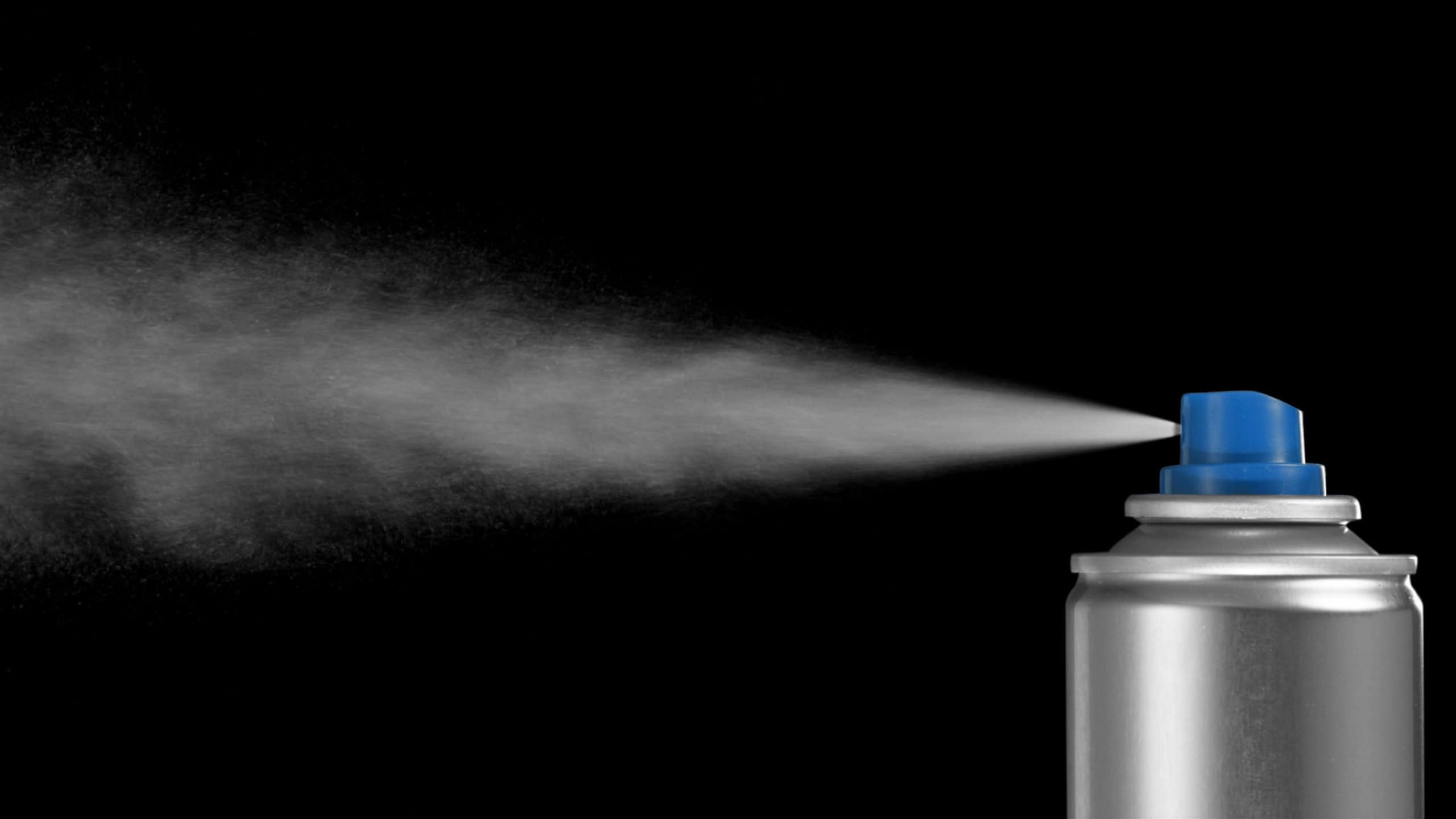
Many years ago, some hair sprays, deodorants and domestic cleaners used CFCs as a propellant to squirt them from the can. CFCs were later found to damage the ozone layer that shields the Earth from ultraviolet radiation. Their use in consumer products has been banned under the Clean Air Act and international treaties. Most sprays now use alternative gases.
Children’s pajamas treated with TRIS flame retardant

Children’s pajamas were commonly treated with a chemical known as TRIS in the 1970s to make them flame retardant. It was initially perceived as a positive safety innovation.
Later studies found that TRIS could cause genetic mutations and was probably carcinogenic. As a result, the treatment was banned, and retailers quickly pulled the sleepwear from their shelves.
Piano keys and trinkets made of ivory

Elephant ivory was once frequently used for piano keys, jewelry and tiny carvings. Its soft, pleasing touch and its smooth, classy appearance made it popular.
Unfortunately, poaching and the resulting decrease in elephant numbers, have proven the trade could not continue. Now, the sale of new ivory is illegal in the U.S., and the sale of antiques is heavily regulated in many states.
Unsafe children’s lawn swings with rigid frames
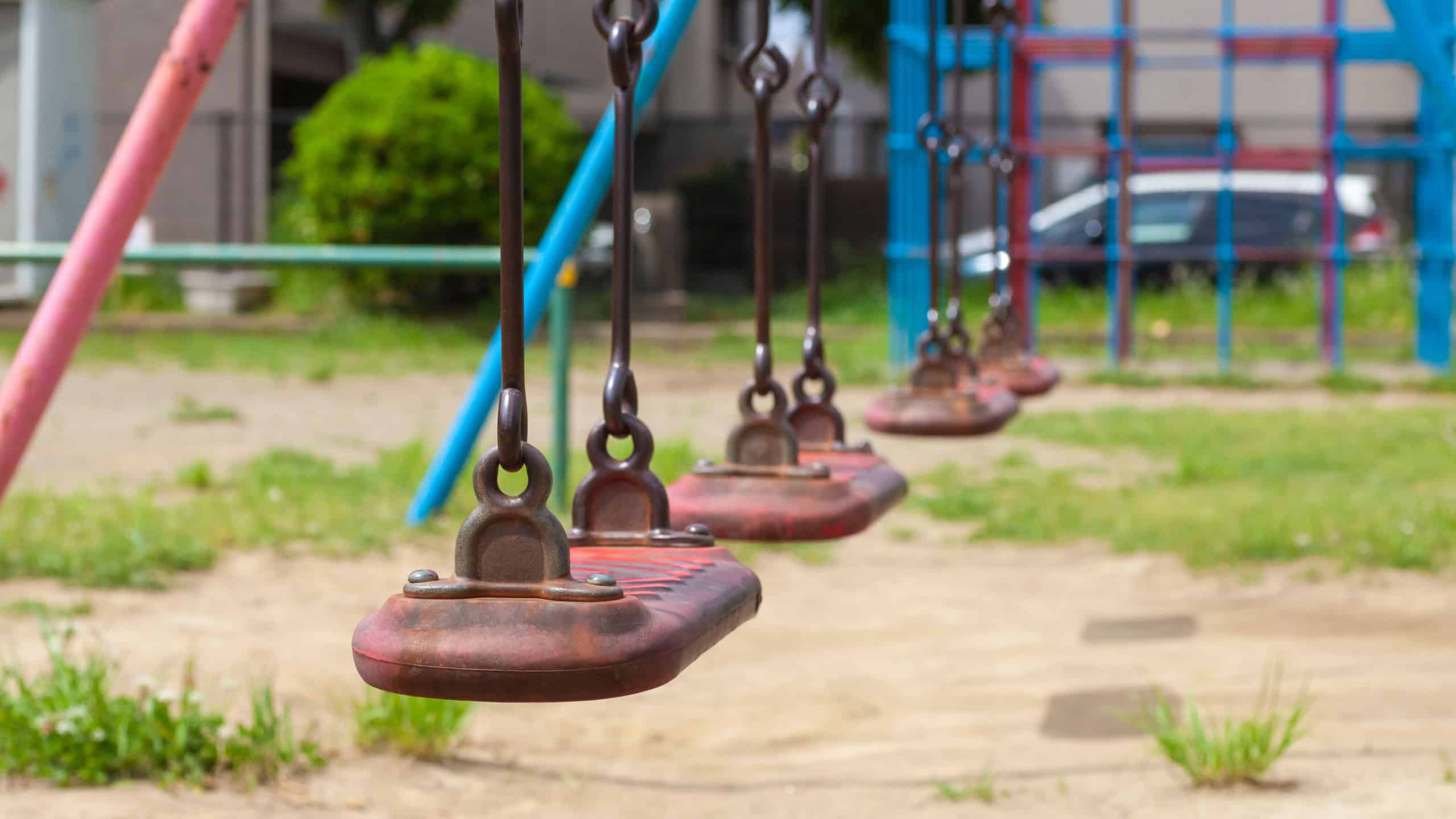
Hard and rigid-frame lawn swings were sold for children in the past. Appealing, but the injuries sustained soon showed that this design was hazardous.
A child could bump his head or neck on the hard frame. After repeated injuries, the safety regulations required re-designs of these swings.
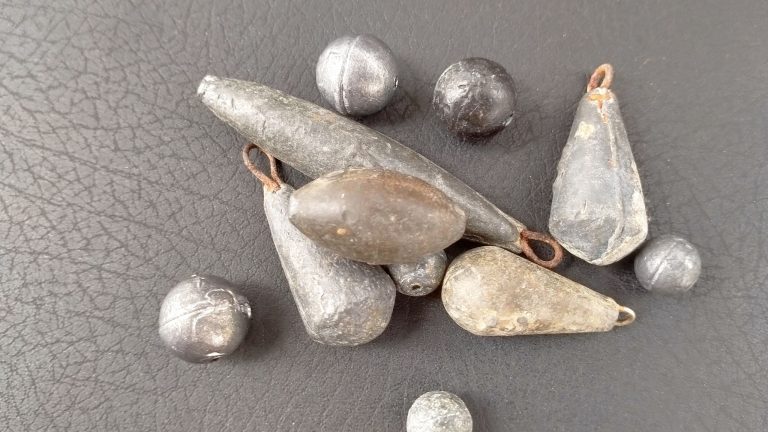
Sinkers and the lead issue
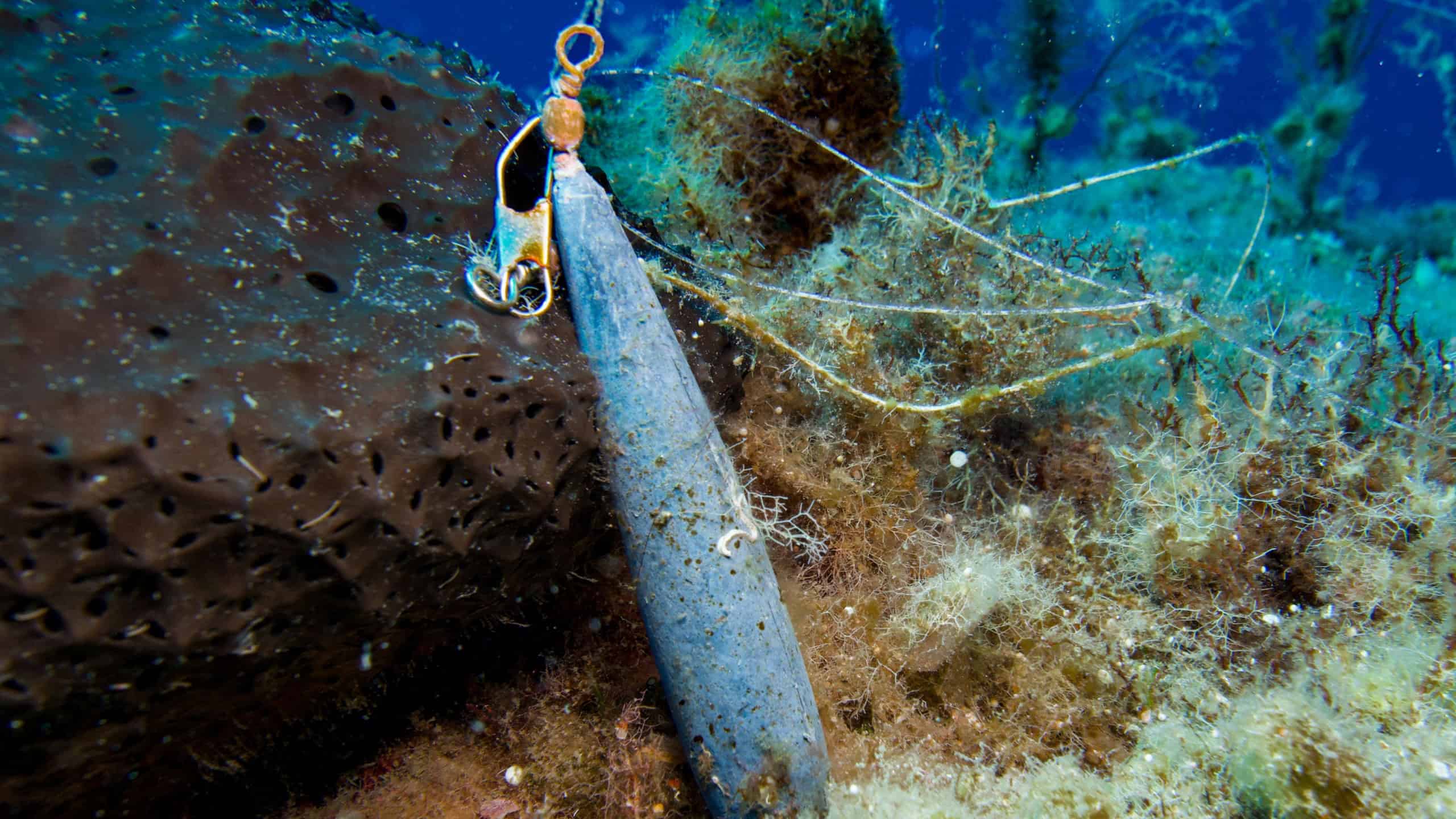
For decades anglers simply thought nothing of fishing with lead sinkers. Gradually the awareness that discarded sinkers can poison wildlife, pollute the water, and even pose a danger to people handling them began to surface.
Now many states and local rules have banned or restricted lead sinkers. Anglers are encouraged to use safer alternatives like tin or steel.
Chlordane-treated termite products

Chlordane was a common chemical for keeping termites out of houses and wooden structures. Chlordane is effective against pests, but it was later discovered that it accumulates in soil and indoor air for years. It poses potential cancer and nerve damage risks. The United States prohibited residential uses of chlordane starting from the year 1988.
Lawn darts with metal tips
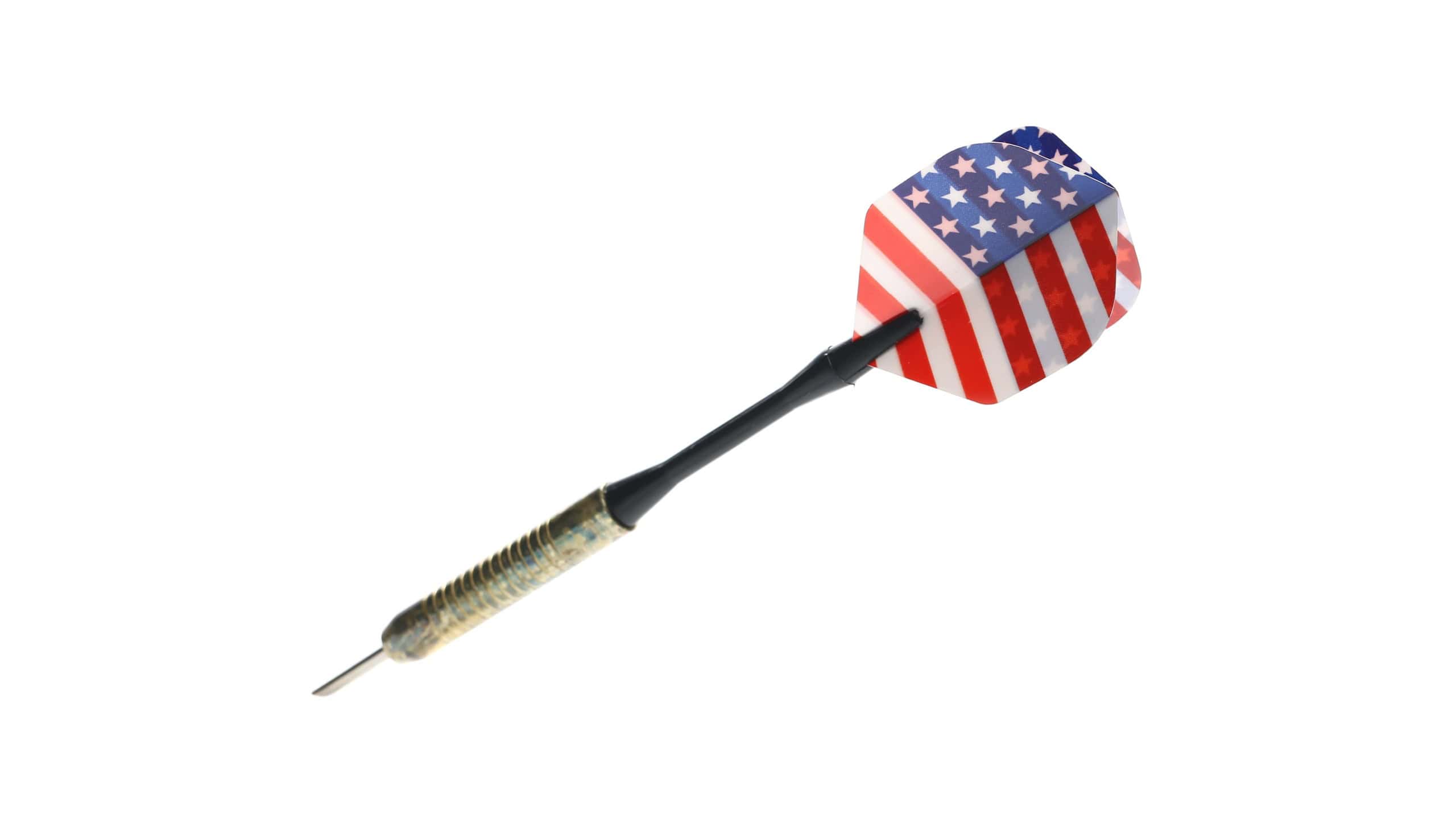
Lawn darts were sold as an ordinary backyard game. They were marketed for families. Lawn darts are large, heavy darts with metal tips. They are designed to stick upright in grass. The danger of lawn darts lay in their potential to cause injury because they could strike people if they failed to land on the grass. After enough incidents were reported, the U.S. Consumer Product Safety Commission banned them in 1988. The darts sold today have soft plastic tips. It is illegal to sell the original metal-tipped darts.
Sources: Please see here for a complete listing of all sources that were consulted in the preparation of this article.
Like our content? Be sure to follow us.
