

The 1980s after-school routine had a certain logic and flow. There were no notifications vying for your attention, no expectation that you be “connected” all the time. Basic routines shaped day-to-day life and slowly instilled lessons in self-sufficiency, patience and creativity. So here are 12 childhood rituals that have been largely lost in an era when play and life increasingly happen indoors and online.
Dropping the school bag and running outside

The school bag barely made it past the doorway. Books and notebooks were forgotten the moment freedom arrived. Parents knew this; they accepted children had to run, play and fritter time away before being asked to sit down in the evening. Homework guilt had not yet begun.
Playing with friends until the streetlights came on

Kids used the changing light of the sky to tell the time, not clocks. Games organically concluded when streetlights flickered on in the street. Children packed up without complaint since every family followed this rule.
Chasing the ice cream van or street vendor

The sound of a bell or horn would stop every game. Kids raced home to get coins, then raced back to stand in line, impatiently. The effort of the chase made the ice cream taste even sweeter.
Racing home to catch cartoons on a fixed TV schedule

Children planned their afternoon around their favorite show. If they missed it, there were no second chances. This made cartoons something to look forward to. So TV was not something taken for granted.
Sharing snacks with neighborhood friends
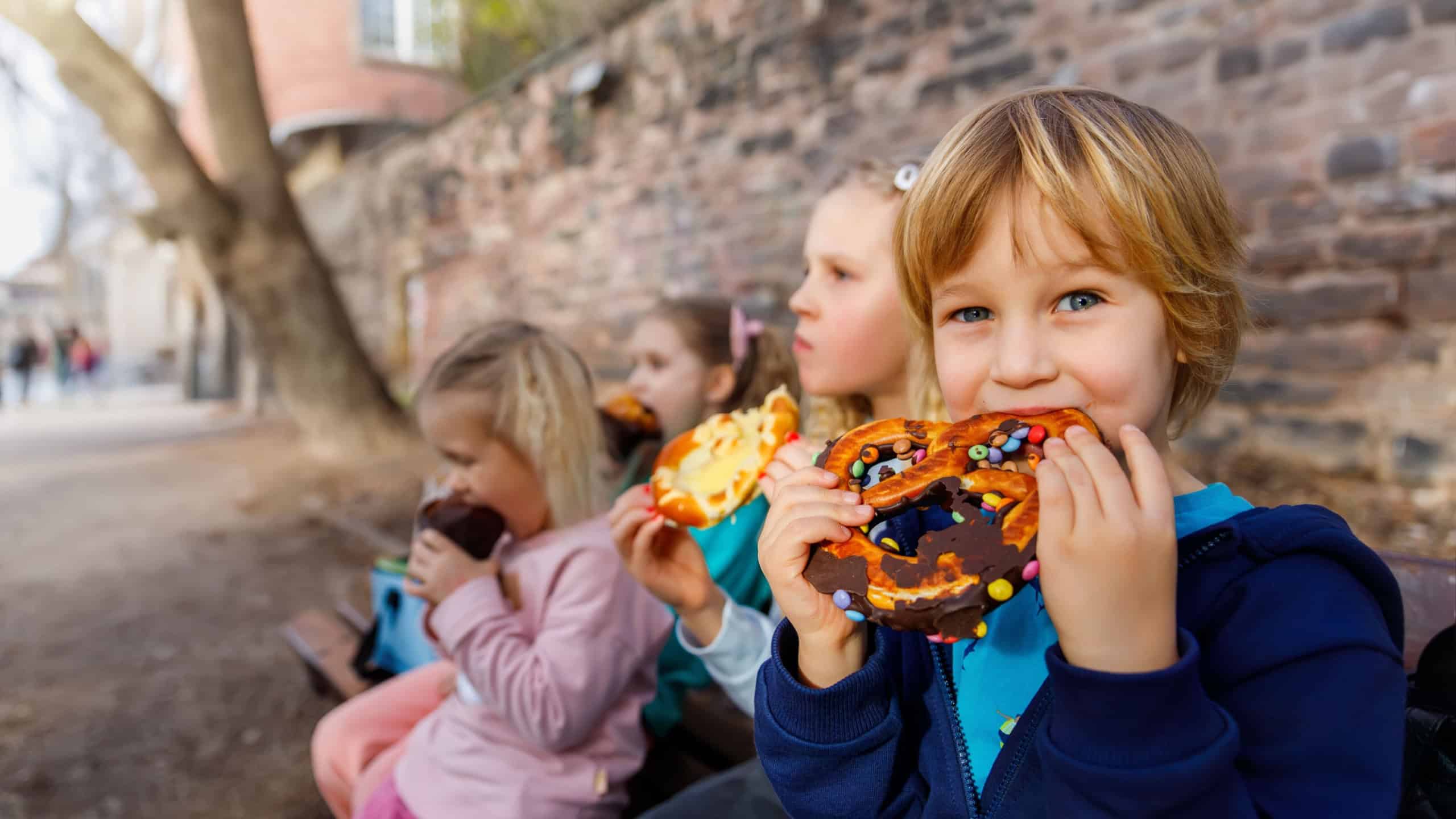
Kids hung out together and snacks were shared. Someone’s mum brought biscuits and drinks and everyone helped themselves. There were no allergy worries or labels or permissions or cameras to photograph the snacks; just eating and conversation.
Doing homework at the table with others around

Homework happened at the kitchen table, at the table outside your bedroom, on the floor or even outside. Kids compared notes and borrowed each other’s pencils and crumpled paper, grumbled about it together and were glad to get away from it at the end.
Riding bikes with no destination in mind

Children would hop on bicycles and ride for hours, disappear down side streets, make up races, and not be found again for a while. The only thing they would feel independent with would be their bicycles. No maps, apps, or activity trackers would be tracking their progress.
Saving school stories for face-to-face conversations

Children would bide their time until they could meet up with their friends. Tales were hoarded until later and retold in person, with gestures, sound effects, laughter, and dramatic pauses. Conversation was deeper and friendships were stronger for it.
Calling friends on the landline with a parent in earshot

Calling a friend was exciting and slightly scary. Parents eavesdropped, calls were brief, and the conversation itself was simple. These conversations felt important because they were so few.
Rereading library books instead of scrolling

Kids returned to the same books again and again. They memorized their favourite passages and conjured worlds without the help of technology. In fact, books occupied long afternoons quietly and completely.
Inventing games and changing rules on the spot
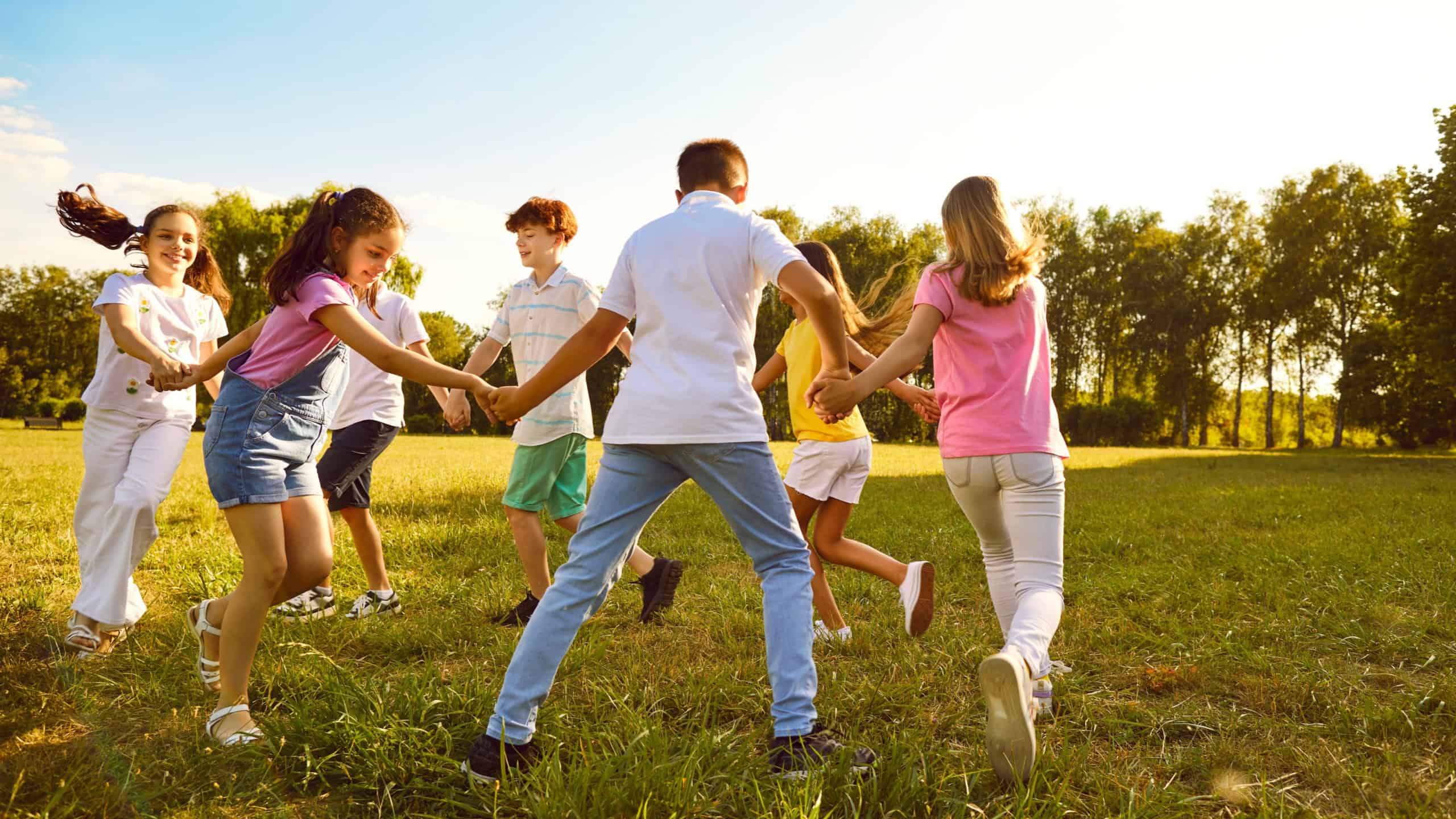
Children made up games from scratch. They argued and negotiated over rules, and carried on playing without interference from adults. Imagination ran the show.
Ending the day physically tired but mentally calm

Children returned home dusty, sweaty, but content. They felt physically tired in a healthy way, not overstimulated and wound up. Sleep was easy to come by because the day had been long and used up.
The following sources were consulted in the preparation of this article:
- If You Grew Up In The 80s And Still Remember These 7 Simple Pleasures, You Experienced Childhood At Its Peak
- 7 Popular After-School Activities You’ll Only Remember If You Grew Up In The 80s
Like our content? Be sure to follow us.

