

These kids grew up to become some of the biggest figures in history, for better or worse.
The child-emperor who loved his sea-monsters
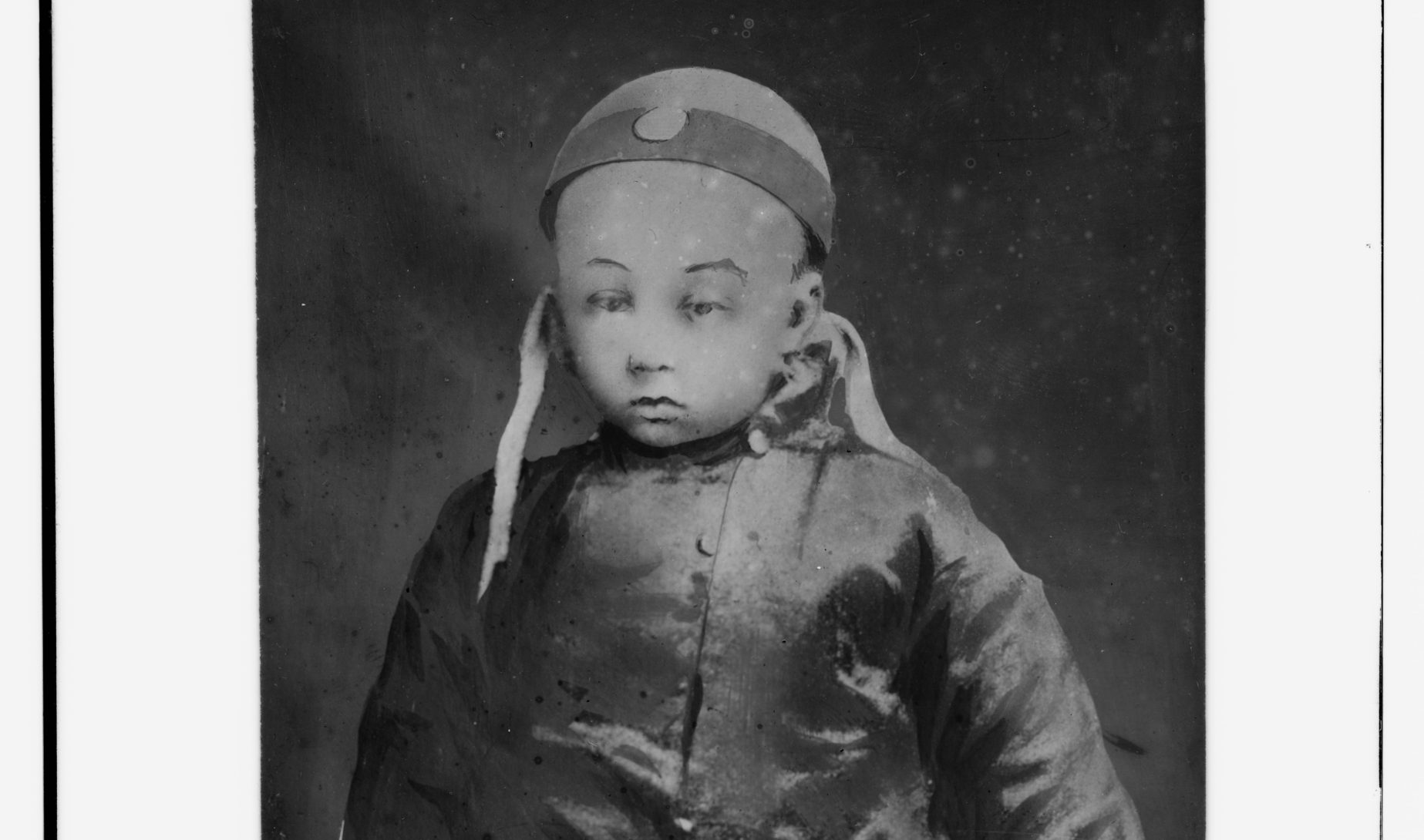
At age five in 1911, China’s last Emperor Pu Yi ascended to power as ruler over hundreds of millions. Photos of him inside the Forbidden City show a lone small boy dressed in oversized traditional emperor yellow robes.
While giving orders and expecting people to bow to him was his job, he confided in his diaries that playing with his palace’s goldfish was his favorite activity.
Little Puyi would become so attached to the ornamental pond fish, each decorated with their own intricately designed gold flakes, that he named them all and called them his “sea monsters”.
The future liberator who disliked his school uniform
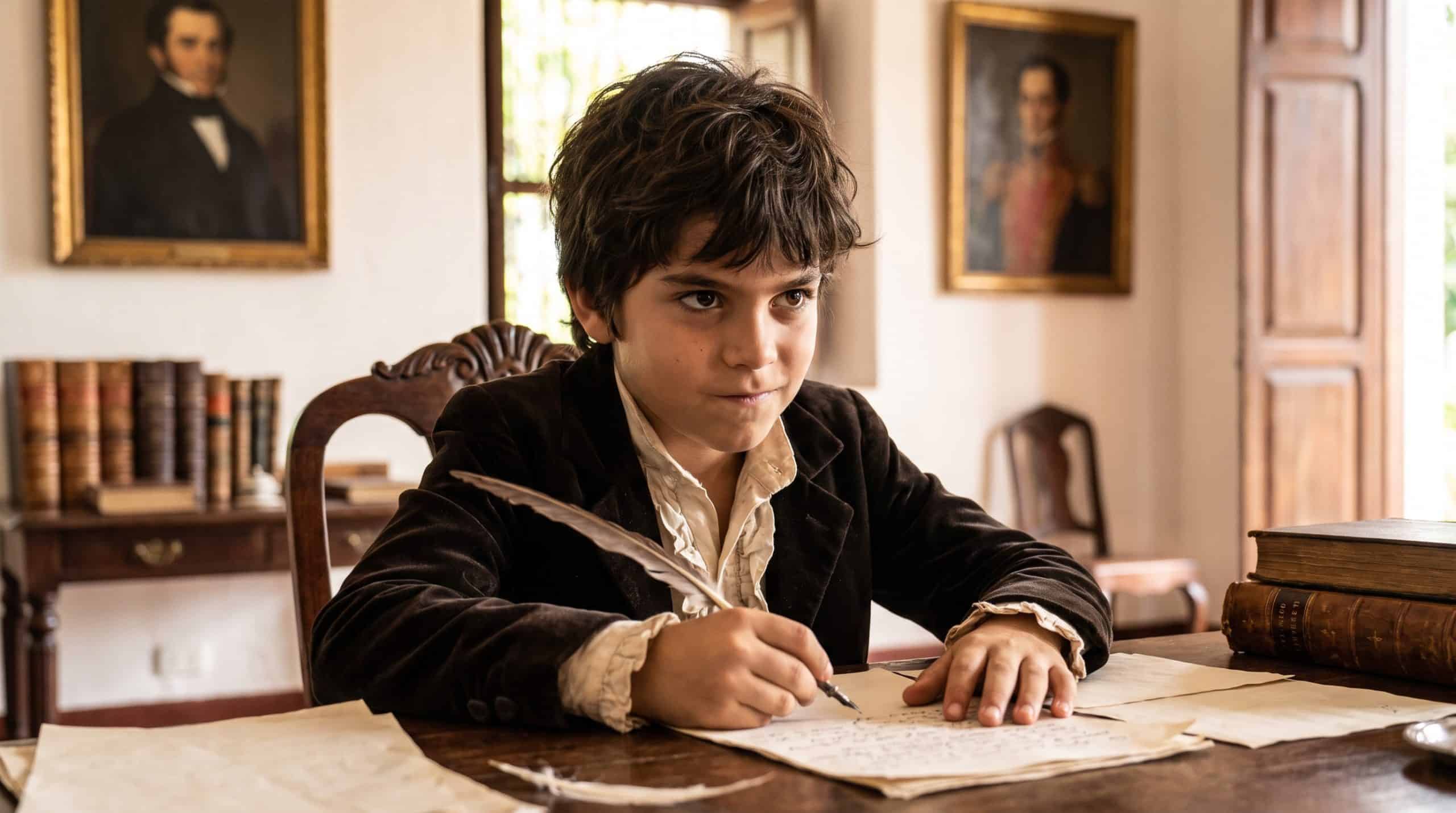
This future liberator of six countries hated the outfit his parents forced him to wear to school.
Venezuelan boy, Simón Bolívar, was born into wealth and privilege in the year 1783. Raised by wealthy Venezuelan grandparents after becoming an orphan at a young age, letters from relatives and school assignments depict him as an incredibly intelligent boy with arresting, dark-dark eyes who was also a stubborn troublemaker from a young age.
Bolivar apparently hated his regimented tutors and even took a grievance with his school uniform so seriously that he created an extensive list in one of his complaints detailing objects he hated more than his school clothes.
That tight-fitting tie, a real standout piece of his hated uniform, topped his list of grievances. Later in life, he would lead the successful liberation of six South American countries from Spanish dominion.
Who knows? His inherent hatred of someone else telling him what to wear might have been the beginning of his tumultuous revolutionary personality.
The boy who would command the Red Army
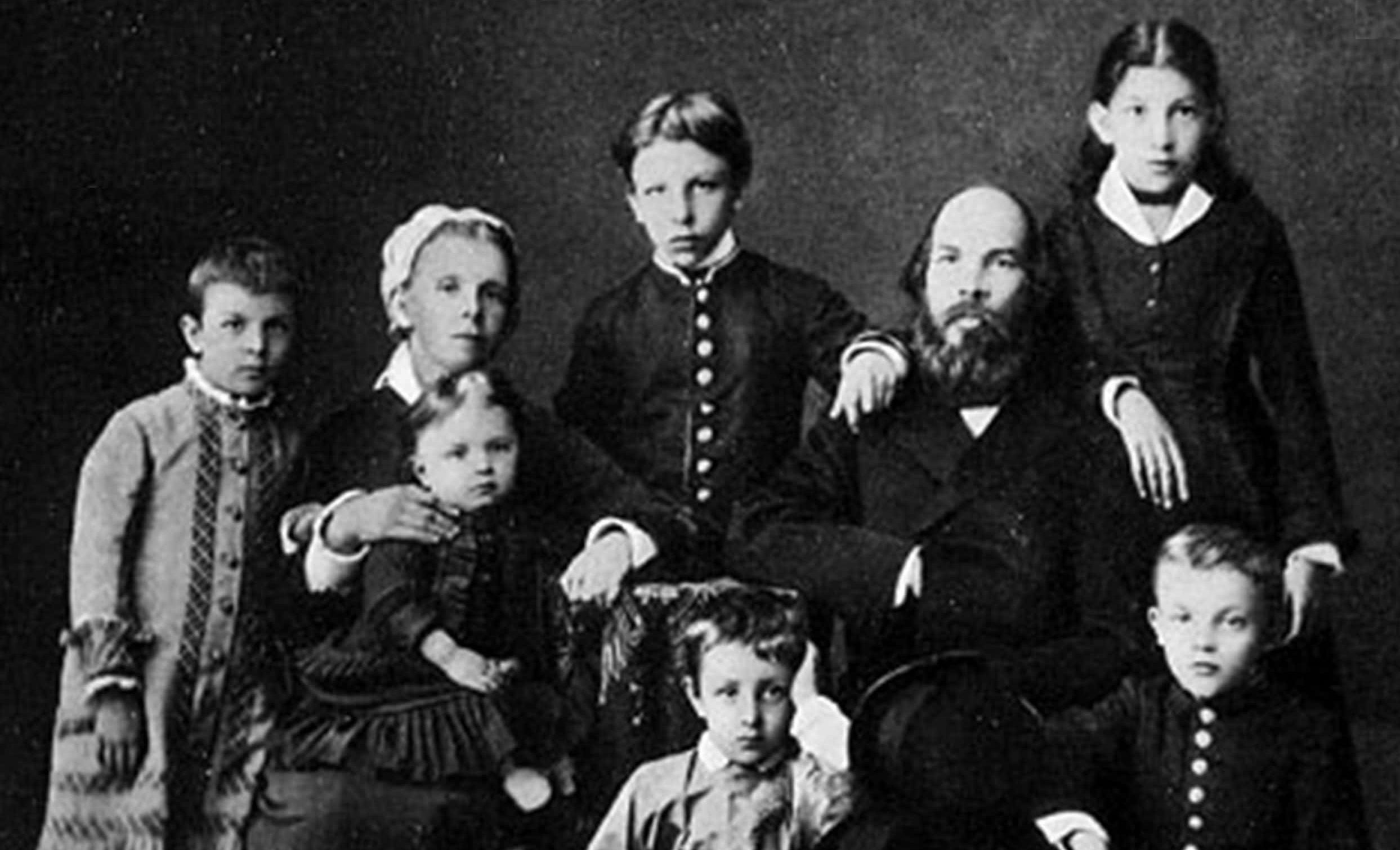
Looking at the descriptions of seven-year-old Vladimir Ulyanov from Simbirsk, Russia, reveals a lot. In 1877, he had downy, curly hair, big, baby-blue eyes, and a smirk that suggested mischief but was otherwise angelic.
Who would have thought this cherub would grow up to become Iron-Willed Vladimir Ilyich Ulyanov (Lenin)?
Lenin’s tender youth is an irony when you think of him founding the Soviet Union, leading the Red Army, and forging a political legacy that would dominate the world for the entire 20th century.
The shy schoolboy who changed an empire
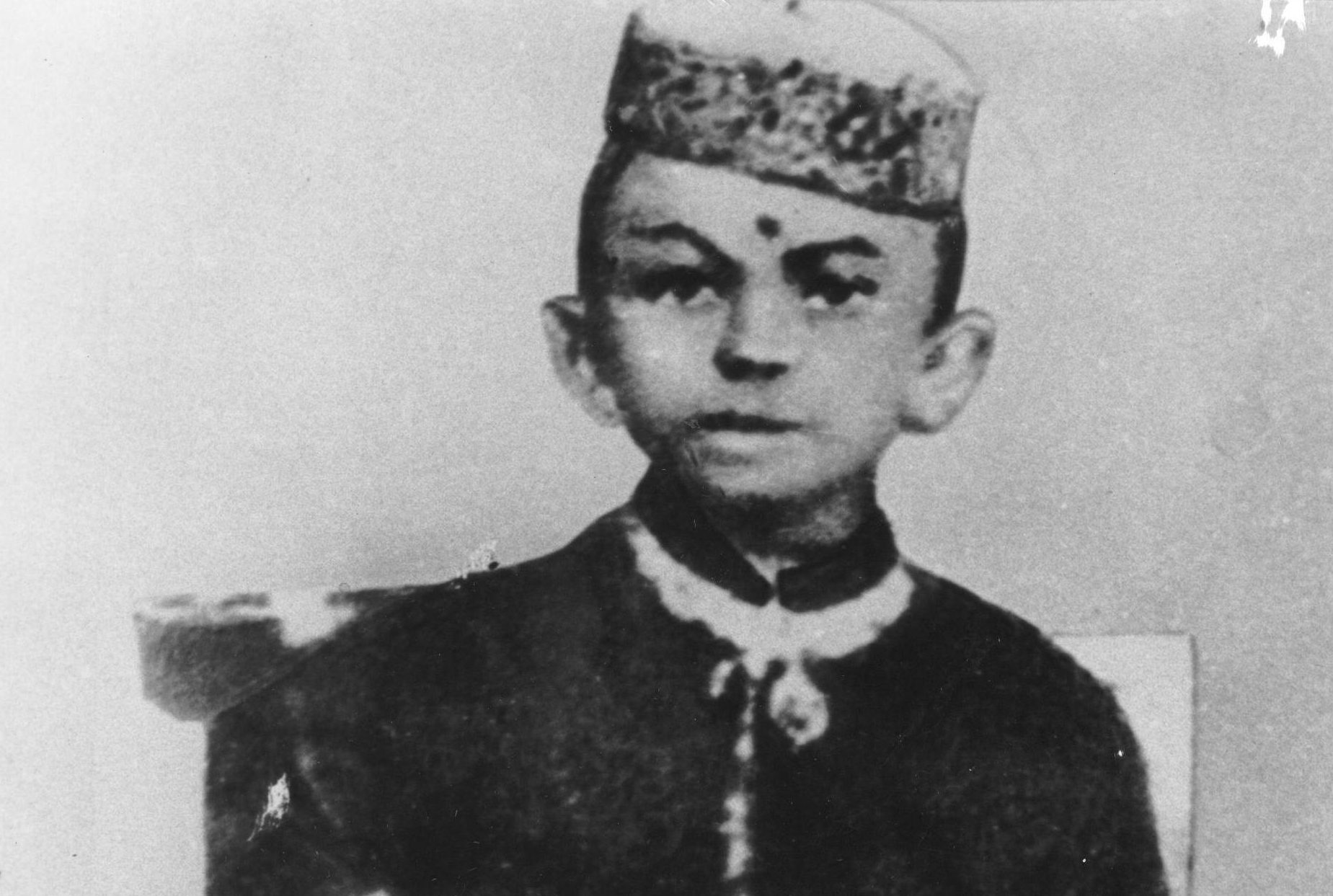
Pale, thin, dressed in stiff clothes, with hair neatly parted down the middle and hands clasped in front of him, the boy wears a nervous smile. Gandhi grew up timid.
Born in Porbandar, India, Gandhi remembered of his youth: “I would never play games with the other boys. I came straight home after school …even to speak was an ordeal.”
Gandhi developed a reputation for extreme honesty early on; he supposedly once walked out of school after refusing to copy a classmate’s answers during a teacher’s inspection, despite the teacher’s discreet nod to keep quiet and go along with it.
That shy schoolboy went on to become the charismatic leader of the Indian independence movement. Gandhi changed the course of history by leading millions to protest for their country’s freedom through nonviolent civil disobedience. He became one of the most impactful leaders of the twentieth century.
The princess who pretended to rule her dolls
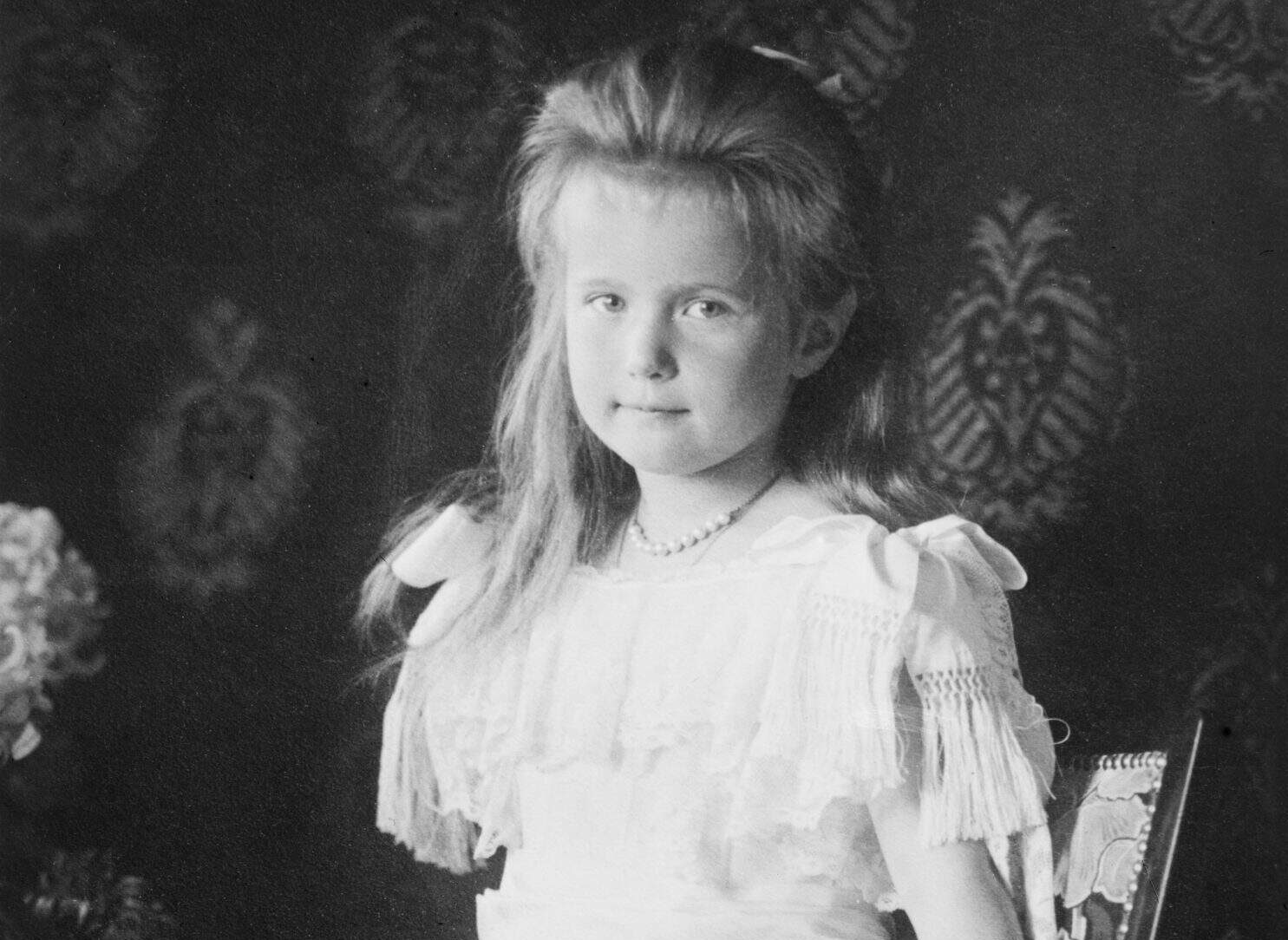
Tiny Anastasia Nikolaevna was born in 1901 to Russia’ last tsar, Nicholas II. She grew up to be the youngest daughter of Russia’s last imperial couple. Many photos show her as a vivacious child, with infectious dimpled smiles.
She seemed like such a carefree child. Her letters and diary entries from childhood depict a spirited girl who loved practical jokes, played with her puppy dogs and, family lore has it, “pretended to rule” her whole doll empire.
Naturally, the enigma surrounding her family’s 1918 execution, coupled with the claims of countless women who insisted they were her, would forever cast a long shadow.
The infant monk and his golden cup
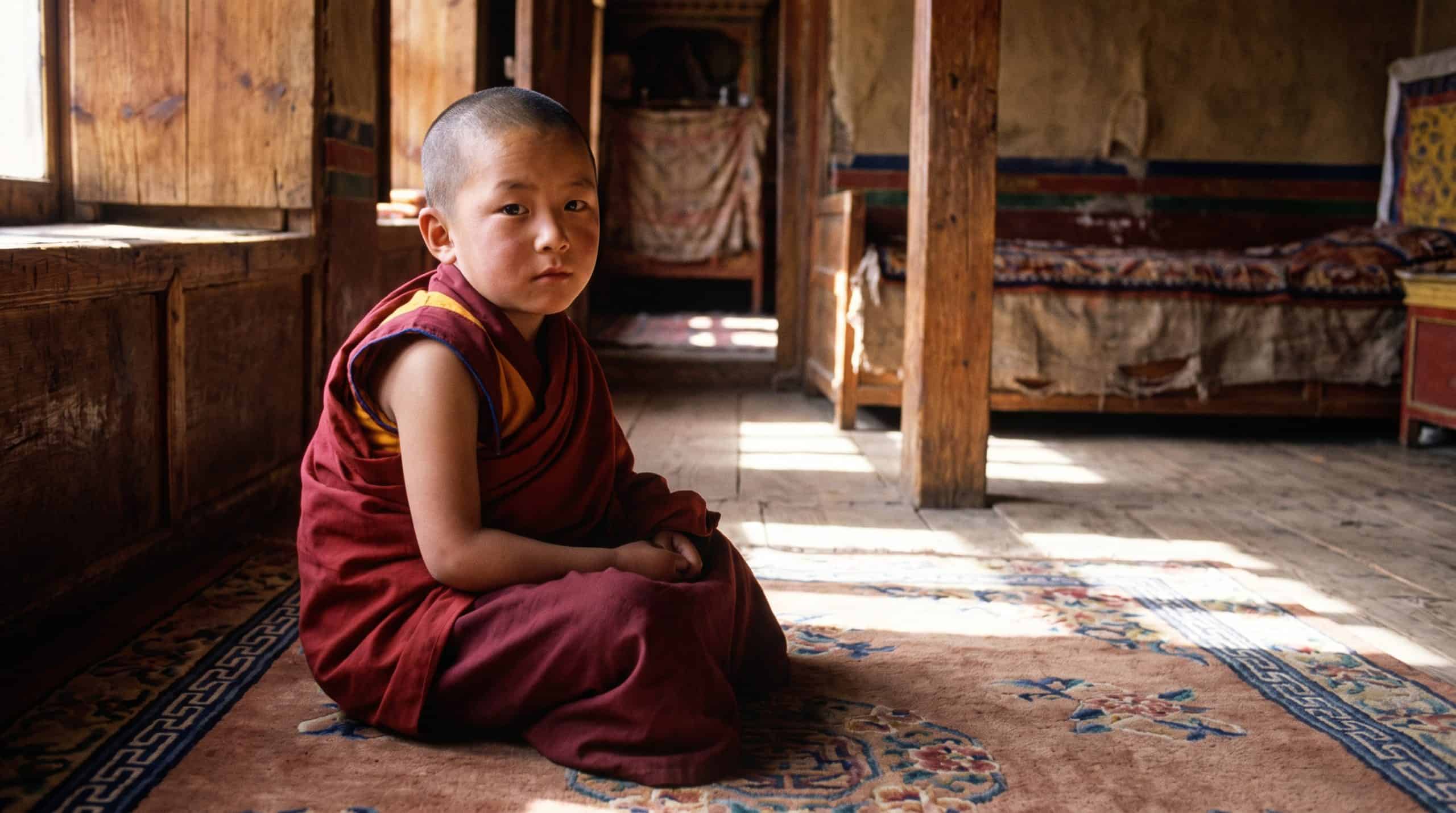
In 1937, hundreds of Tibetan monks were sent out into the countryside to look for their new leader.
In a remote farming village, they found a small, two-year-old boy whom they were certain was their reincarnated lama. Presented with several indistinguishable versions of items that the last monk had owned, the child smiled and without hesitation reached for the correct wooden teacup and a hefty golden ritual bell that had belonged to his predecessor.
The curious, bright-eyed child was named Lhamo Thondup and immediately named the 14th Dalai Lama. It’s truly astonishing to consider this little boy, found by monks in a remote village, growing into the universally recognized figure of peace, meditation, and nonviolence.
The future queen and her secretly marked books
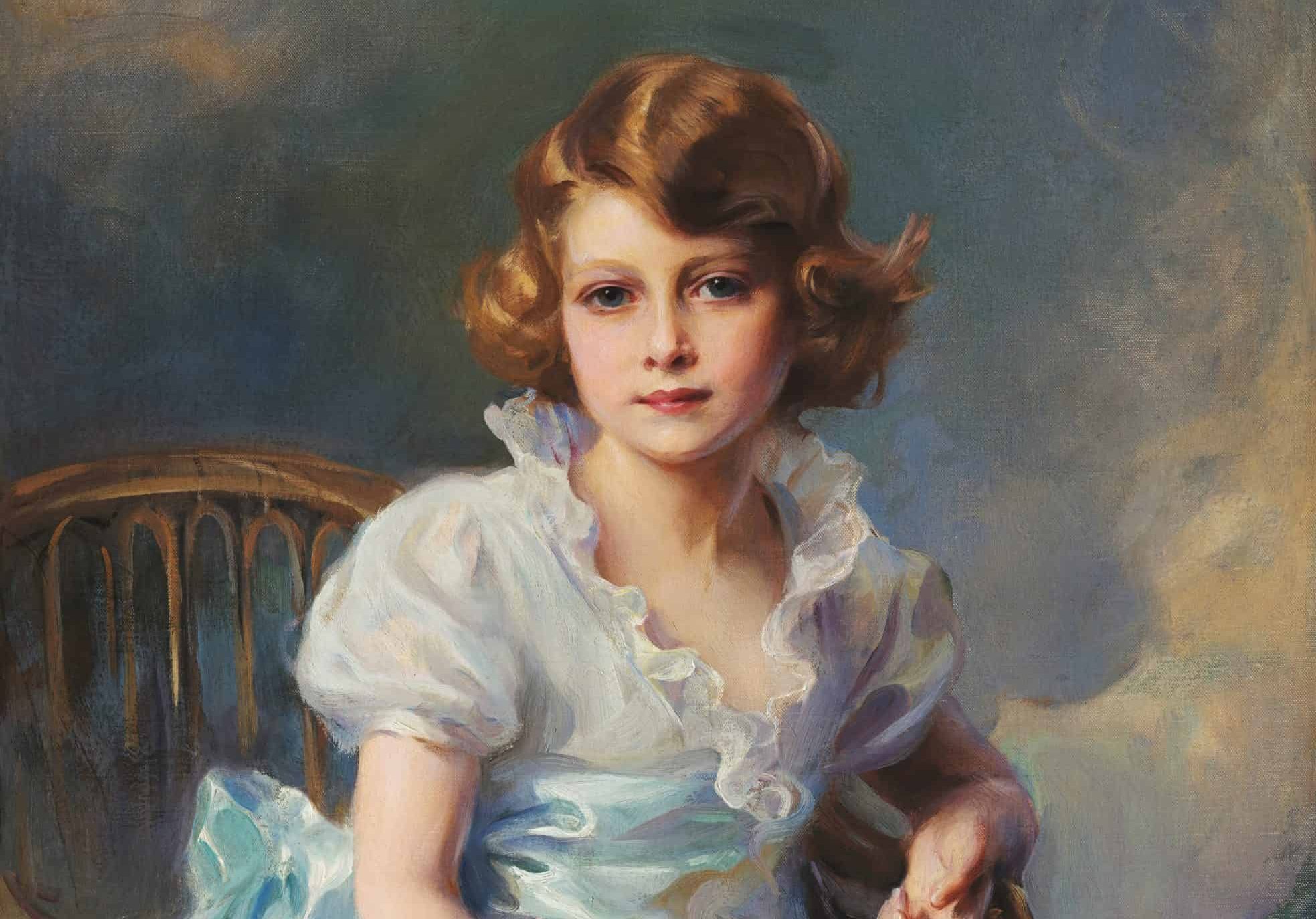
Even as a youngster, Queen Elizabeth II displayed the reserved, methodical streak that would come to define her fifty-seven-year reign.
When she was only four, Elizabeth’s parents observed a peculiar but rather sweet habit of hers. She would always arrange her favorite books in not alphabetical order, by color, or size. She placed them meticulously according to her own internal system that made sense to no one but her.
Eventually, her governess discovered why: The young princess had used a miniature pencil to secretly mark the spines of each one of her books so that she could place them back in perfect order.
The future dictator and his wooden elephant
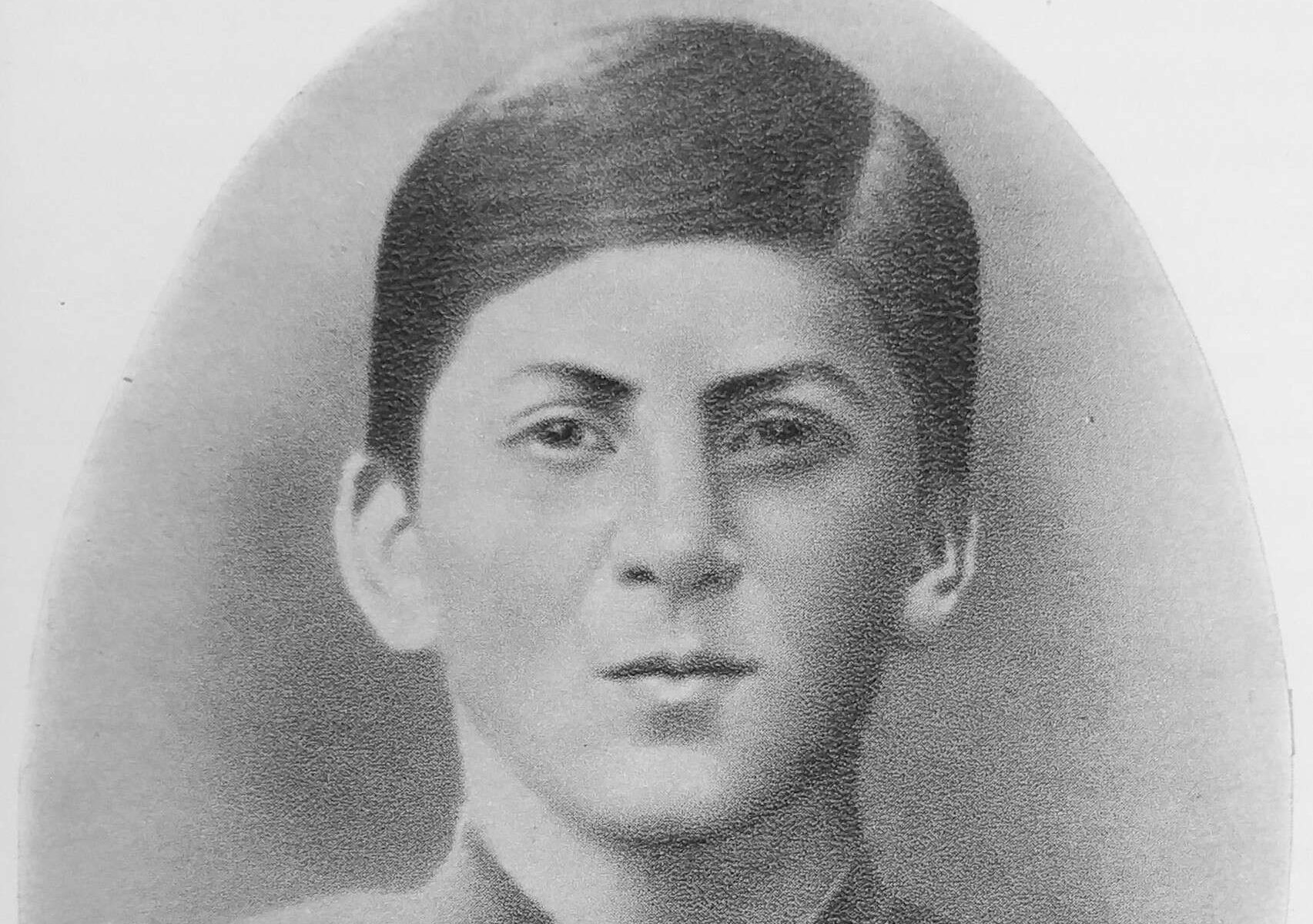
Six-year-old Ioseb Jughashvili of Gori, Georgia stares out at us from photos taken in 1884. He looks somewhat clumsy, with tousled black hair and a wide, open face.
He would later rename himself Joseph Stalin. Stalin’s favorite toy as a child was a cheap wooden elephant. This elephant was crafted out of sturdy wood by a local artisan when Stalin was sick.
Apparently, Stalin held onto this humble toy even as an adult. He had the toy elephant sit on his desk while he ruled over the Soviet Union at the height of his monstrous power.
The fact that the man who launched the Great Purge and was responsible for millions of deaths could harbor deep affection for a wooden child’s toy is a window into a chillingly complex mind.
The tiny painter who invented colors
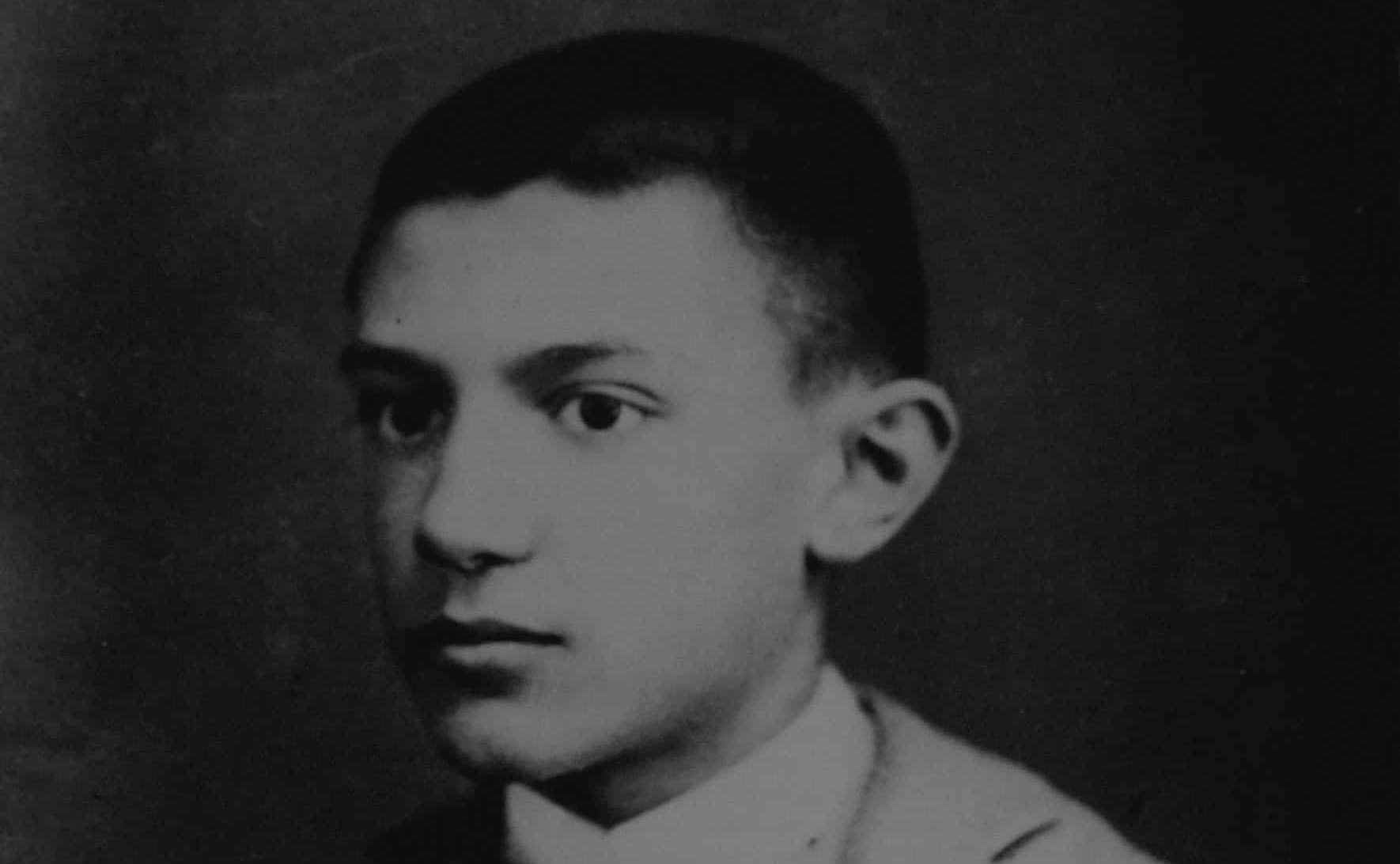
Legendary artist, Pablo Picasso, wasn’t just a child prodigy, he was so extraordinarily talented it terrified his parents. Before turning one year old, while still an infant learning how to talk, Picasso’s first word wasn’t “mama” or “papa”; it was “piz, piz” (short for lápiz or “pencil”).
Before he could even speak full sentences, he began drawing intricate, realistic images. He famously remarked later that as a child, he’d “already draw like Raphael.”
And many of his earliest childhood sketches were bizarre, creative experiments that his family laughed at and said proved he was inventing new colors as the colors in his paintings didn’t match anything they owned.
The seven-year-old who tamed her mischief monster

At nineteen months old, Helen Keller contracted an illness which robbed her of her sight and hearing, leaving her trapped in a silent, chaotic darkness. As a young child she described herself as a mischief monster.
Unable to communicate or express her wants and needs she lashed out in violent tantrums and inconsolable fits of rage and frustration.
In one portrait from 1887, we see Helen just months after learning her first word “water.” Gone is the wild face of a savage child. Seven-year-old Helen stares peacefully into the camera with a soft, resolved look. She looks humble, but you can see the corners of her mouth curling into a faint smile.
She had beaten back the monster and begun the battle of transforming herself into a legendary spokeswoman for the disabled.
The infant saint with the golden spoon
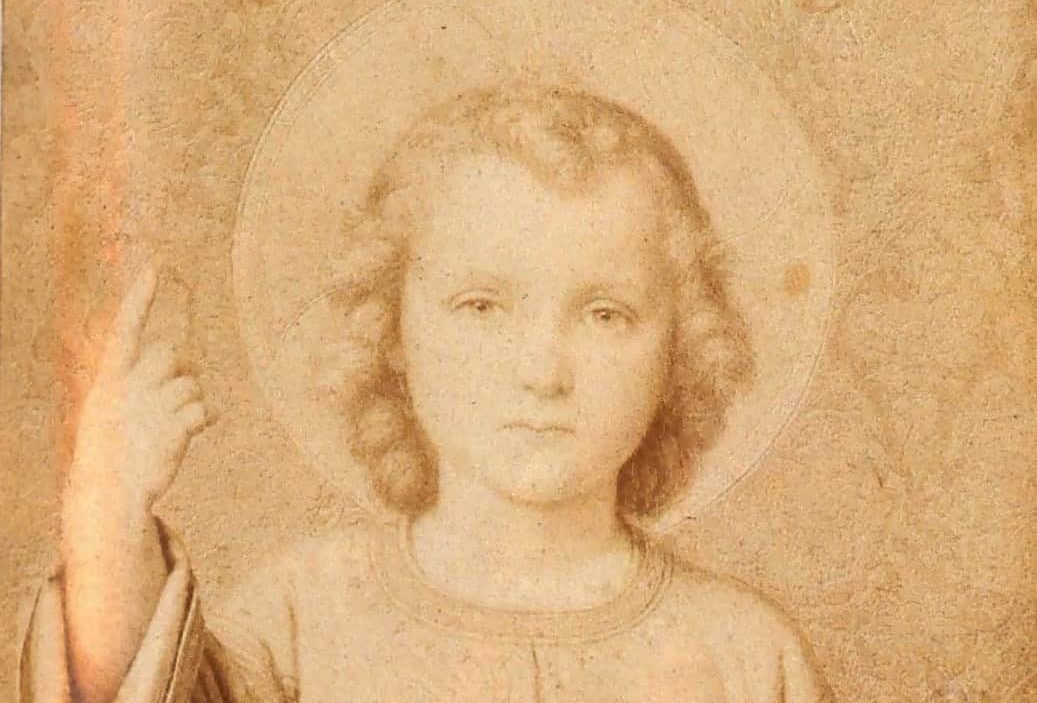
Soon after Therese of Lisieux, one of the most popular saints of this century was born in 1873, she was so frail and ill that doctors considered her unlikely to live.
She had difficulty digesting food, and her worried parents were told to let a peasant wet nurse in the country care for their infant daughter.
The peasant woman, named Rose Taillé was also quite religious and nursed the baby back to health by feeding her a few drops of milk from an ornate, old spoon washed with gold. You can still see that spoon today, kept as a holy relic.
It is a striking image: a tiny, weak infant with no material possessions, kept alive by a peasant woman using a simple, valuable spoon that came to symbolize the profound and vulnerable humility she championed.
The little artist

Look at a photo taken around 1895 and Hitler looks like a normal child. His hair looks freshly combed, and he appears to be intensely concentrating on something.
Hitler developed an interest in drawing and painting at a young age. As a teenager, he dreamed of becoming an artist. Most historians believe that he was serious about this ambition, although many myths surrounding specific drawings or artworks he created as a child are unverifiable.
You would never know it just by looking at the picture. This young boy would eventually become the German dictator who led Europe into World War Two and was responsible for the deaths of millions of people.
Sources: Please see here for a complete listing of all sources that were consulted in the preparation of this article.
Like our content? Be sure to follow us.
10 historical figures who took secrets to the grave
Unanswered questions are the worst, and it’s even more terrible when they continue to be unanswered because the people with the answers took them to their graves.

