

Traveling long distances hasn’t always been this comfortable and convenient. There weren’t paved roads or planes whisking you away. People did whatever they could with what they had.
Traveling took days and was usually neither very pleasant nor predictable. But times were different back then, and that’s just how life was. Some of these journeys may even seem dangerous to us, but they definitely illustrate how driven these folks were to find work or explore.
Let’s have a look at 11 ways our ancestors traveled long distances that seem extreme today.
Riding freight trains as a stowaway

During the Great Depression of the 1930s, more than 2 million Americans rode on freights looking for work.
These riders faced attacks from railroad guards hired to keep them off the trains. Riding the rails was extremely dangerous. Many people were killed or lost limbs hopping on and off the moving iron boxes.
The rise of a more prosperous economy and railroad security in the 1940s brought an end to riding the rails. Today, it is illegal to hop onto a train without paying, and you can be fined or jailed for that.
Living and traveling in Romani vardos
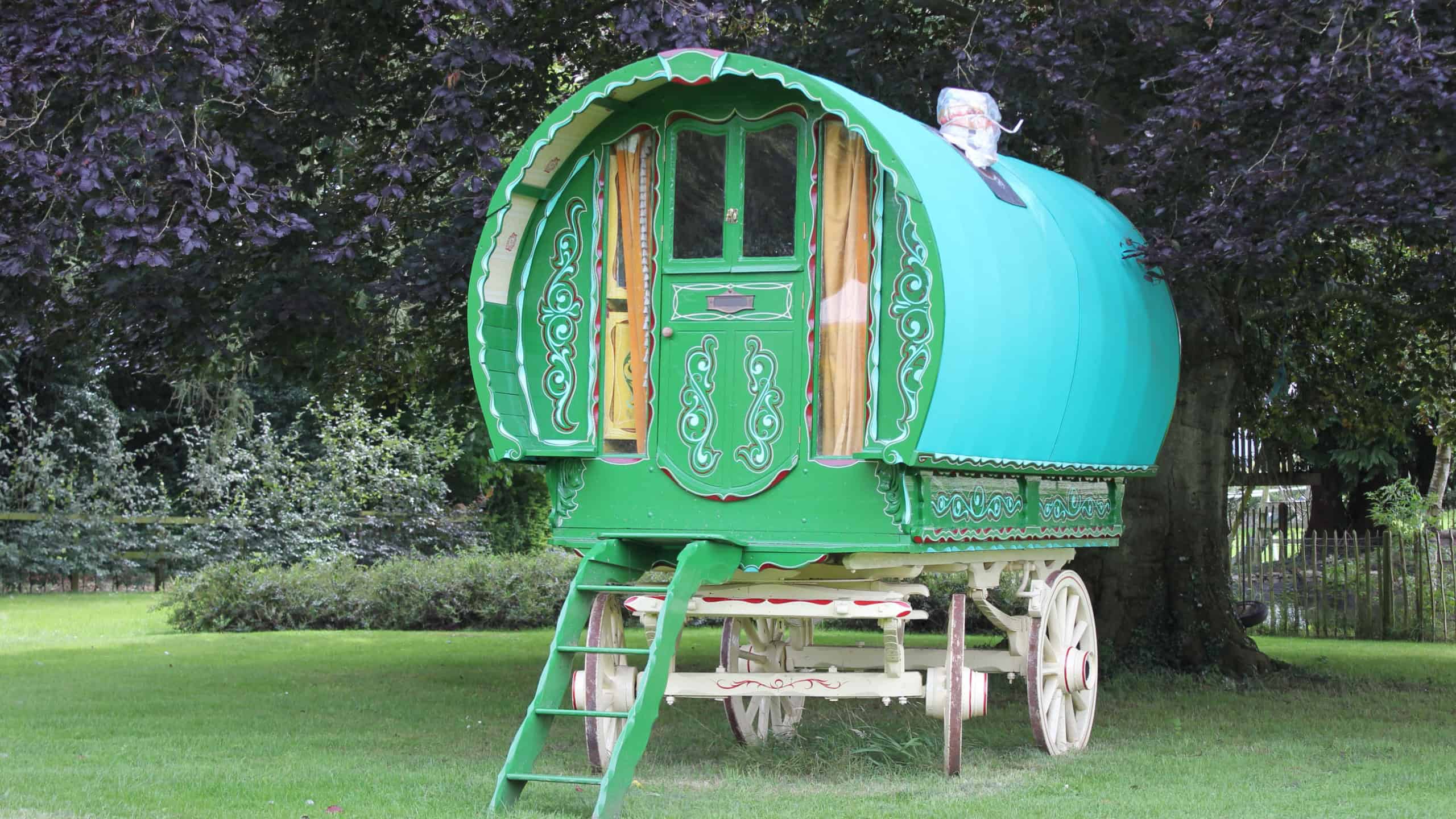
Romani families used horse-drawn wagons during the 19th century. They were known as vardos and were more than covered wagons; they were ornate hand-carved dwellings on wheels.
There were beds built in, along with cupboards and stoves. Family pride could be seen on the exterior of each wagon which were painted in cheerful colors and trimmed with real gold leaf.
Families moved at a relaxed tempo, making their way across the land by taking on work here and there and peddling small goods.
Modern travel trailers have taken their place, though the wagons still stand as iconic reminders of that free-spirited way of life.
Traveling in open rail cars with no protection

Early rail travel wasn’t like the golden age movies would have you believe. For most travelers, it consisted of riding in open cars that bounced and rattled around every bend in the tracks.
You spent your journey dodging angry clouds of hot cinders that blew off the engine. At the same time, you tried not to lose your hat in the wind.
There weren’t any windows you could close to keep the weather out. People didn’t complain because they never knew anything different. They just pulled their coats tighter around themselves and prayed for the journey to end quickly.
Riding primitive wagonways on wooden rails

Before there were metal tracks, carts were pulled by horses along long stretches of wood. Traveling this way was much easier than roadways, because roads were muddy.
However, it was very loud and the ride was incredibly bumpy. Wooden tracks needed repair often because they would wear down or rot in the rain.
Though basic, this method of transport set the stage for the trains we use now.
Crossing continents on the Hippie trail

From the 1950s through the late 1970s, adventurous souls departed Europe with little more than a backpack, and a dream of reaching India or Nepal.
Hitchhiking, dusty buses, and occasionally traveling on foot carried them across mountain ranges and deserts, taking weeks or months to reach their destination.
Around every corner, an adventure awaited, as you never knew when you would hit a border crossing or experience a breakdown that would delay you.
The slow pace of overland travel meant an abundance of tales you simply wouldn’t find with air or rail travel.
Gravity trains pulled uphill by horses

Think of taking a ride on an engineless train, where gravity did all the work. Gravity trains of the 19th century raced downhill while the brakeman held on for dear life. Exciting. Scary.
But the funniest of all were the return trips. The empty cars couldn’t make it uphill, so horses took over the hauling.
Some must have thought, “What insane person thought this up?” Crazy as it sounds, it was effective and just another way of traveling at that time.
Riding hand-powered rail cars

Imagine traveling with an engine that was powered only by your own muscles. Railroad workers (occasionally even passengers) used handcars to travel the rails in the early days of railroading.
Standing on a small wooden platform, you pushed a large metal lever back and forth, repetitively pumping your muscles into insanity, just to stay moving.
Riding atop freight loads in extreme conditions

Long before safety regulations kicked in, freighthopping meant sitting atop the freight that the train was carrying. Sitting on logs, rocks, or coal, whatever it was hauling, meant you got sunburned, rained on, or froze at night.
There were no seat belts or handrails; you just grabbed onto whatever pile you were riding and hoped the engineer didn’t have to slam on the brakes. A scary thought now, but for decades, that was the only method of transportation for those who were too poor to afford any other means.
Long river journeys by cargo boats

River travel used to be a messy and crowded affair. You’d reserve space on a cargo vessel and spend the ensuing two weeks piled on top of your belongings.
Privacy was unheard of, as you would probably be sleeping beside animal hides or bags of salt. The journey was agonizingly slow, yet folks opted for it since overland routes tended to be wagon-wrecking mud pits. At least on a river, you knew you wouldn’t get stuck.
Traveling on early monorail systems

The Lartigue Monorail was truly one of a kind when it came to engineering. Instead of the usual two tracks, this monorail ran on a single rail perched atop a pair of A-frame supports.
The problem was the train had to remain completely balanced at all times. If there were ten passengers on one side and only two on the other, it would tilt. So they literally had people shifting passengers and baggage around just to balance the train.
Long journeys entirely on foot with minimal gear

Years ago, thousands of people would walk hundreds of miles in search of work. They packed a small bag with a few personal belongings and slept outside or in barns.
A trip that’s a quick drive for us now meant a trek of weeks for them. Life was much simpler back then, but also very slow-paced.
Sources: Please see here for a complete listing of all sources that were consulted in the preparation of this article.
The forgotten train disaster that changed U.S. travel forever

A deadly 1902 tunnel crash killed fifteen commuters. But it also rewired New York trains and changed how we still get around. Want to know more about it?
The forgotten train disaster that changed U.S. travel forever


