

There’s absolutely nothing wrong with being left-handed, although there are some situations when using your left hand could get you into trouble or offend someone.
A salute in uniform
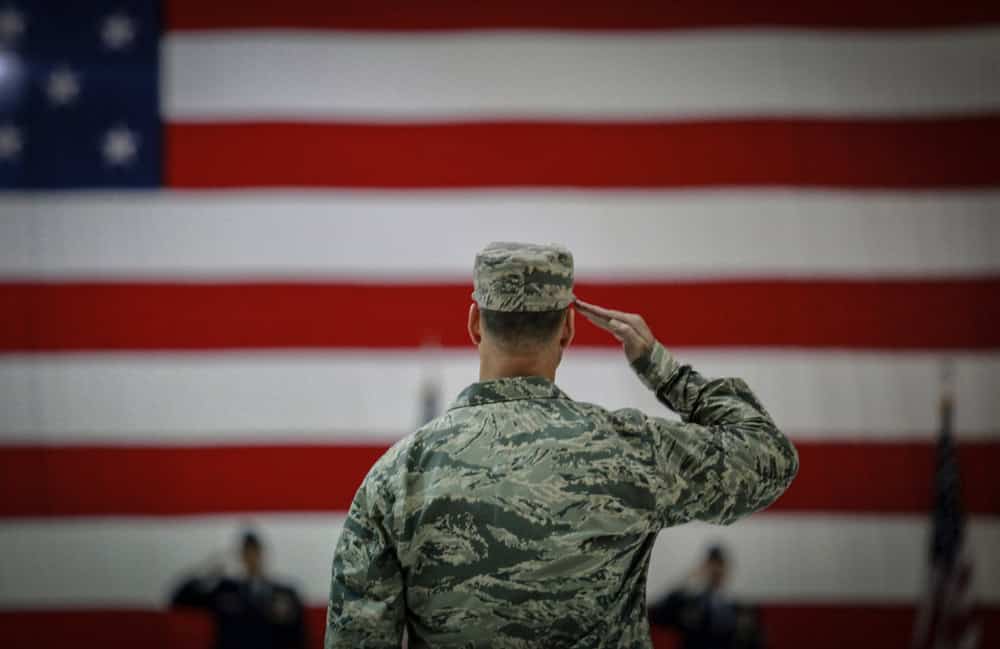
You might’ve noticed that you never see American soldiers saluting with their left hands. There’s a reason for that. According to the U.S. Army’s rulebook, soldiers must use their right hands to salute, no matter which hand they normally write with.
They’re supposed to raise their right hand sharply and bring their index finger toward their eyebrow or headgear. Of course, if you have some kind of physical limitation, then you don’t have to use your right hand. But being a leftie isn’t one of those exceptions.
A patriotic moment
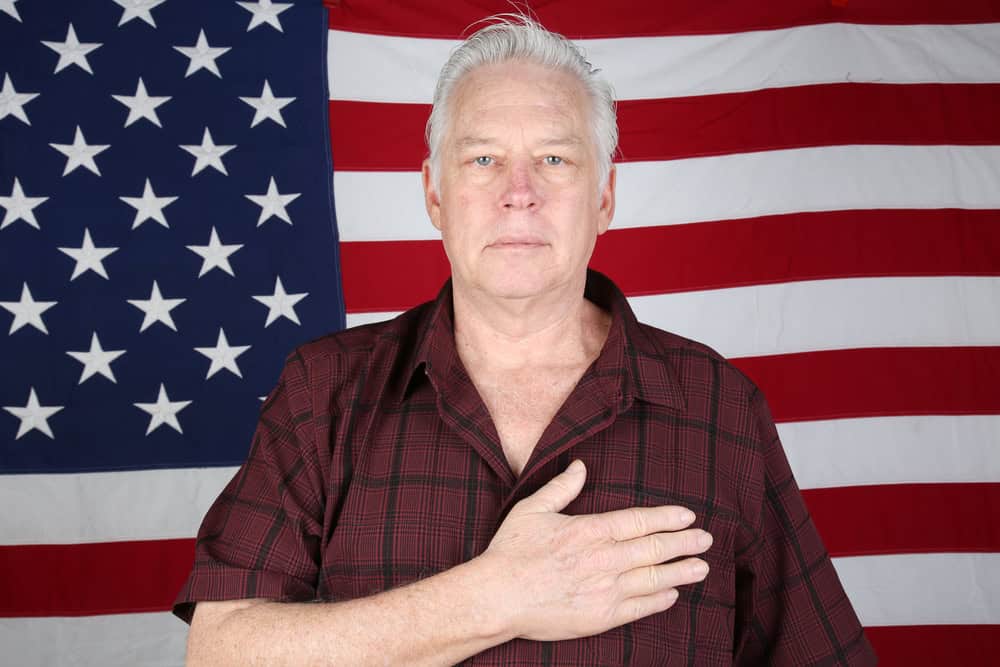
At the start of a football game, we all stand for the national anthem, and some people remove their hats while they’re doing it. Most of us put our hands over our hearts, too. But you should be careful about which hand you use.
U.S. law states that civilians are meant to place their right hands over their hearts while facing the American flag. If there isn’t a flag, then they should face the music instead. The rules are slightly different for veterans and military personnel, as they’re allowed to perform a military salute. Yet they’re still supposed to use their right hands.
An Indian dinner
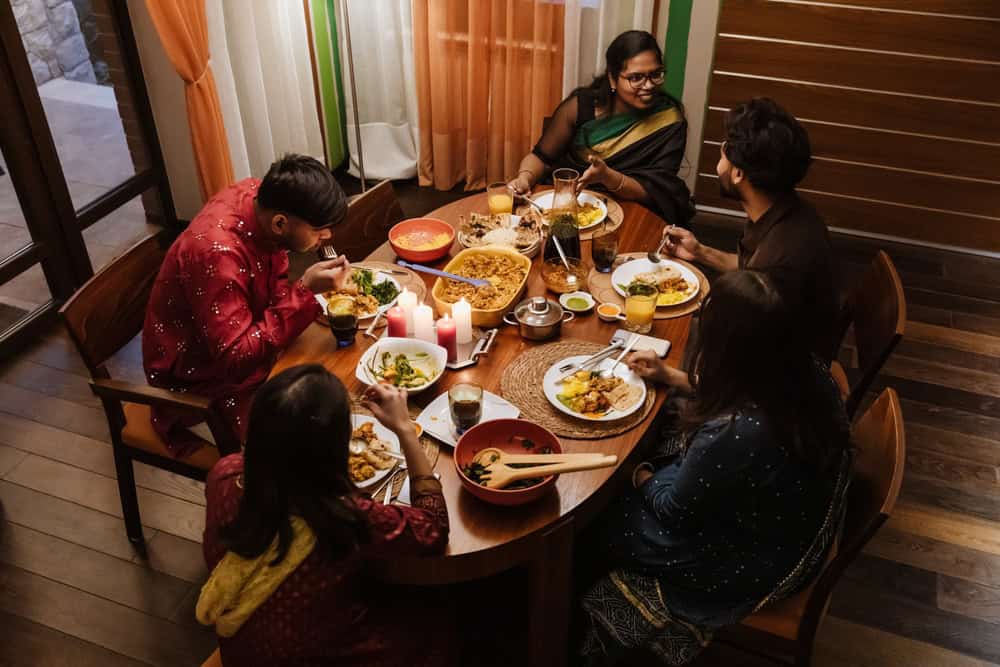
It’s no secret that eating with your fingers is completely normal in many parts of India. However, what a lot of people don’t know is that there’s a technique to it. You shouldn’t really use your left hand while eating with your hands in India.
That’s because, traditionally, Indian people used their left hand for personal hygiene, and yes, that includes wiping after going to the restroom. Using your left hand to put food in your mouth is generally seen as impolite. You’re best off sticking with your right hand to scoop up food instead.
A close table tennis rally

Be careful when you’re playing table tennis. After your opponent sends the ball toward the far corner, you might stretch across the table to reach it, and that could mean you put your left hand down. You’re only trying to stop yourself from falling.
But doing so means you’ve given away a point, as official table tennis rules say that you can’t touch the playing surface with your free hand. At least, you can’t touch it during a rally. It’s the exact opposite rule for lefties, as they can’t use their right hands.
A greeting in Ghana

If you ever go to Ghana and meet someone, don’t be surprised when they encourage you to shake hands with everyone in the room. Just be mindful of which hand you use to say hello to everyone. Like in India, people in Ghana associate the left hand with personal hygiene.
You definitely don’t want to shake people’s hands with it. It’s a sign of disrespect. But that’s not all, as Ghanaians have a custom of greeting people from right to left when they come into a group. It’s a lot to remember for a simple hello.
Paying at an Indonesian market
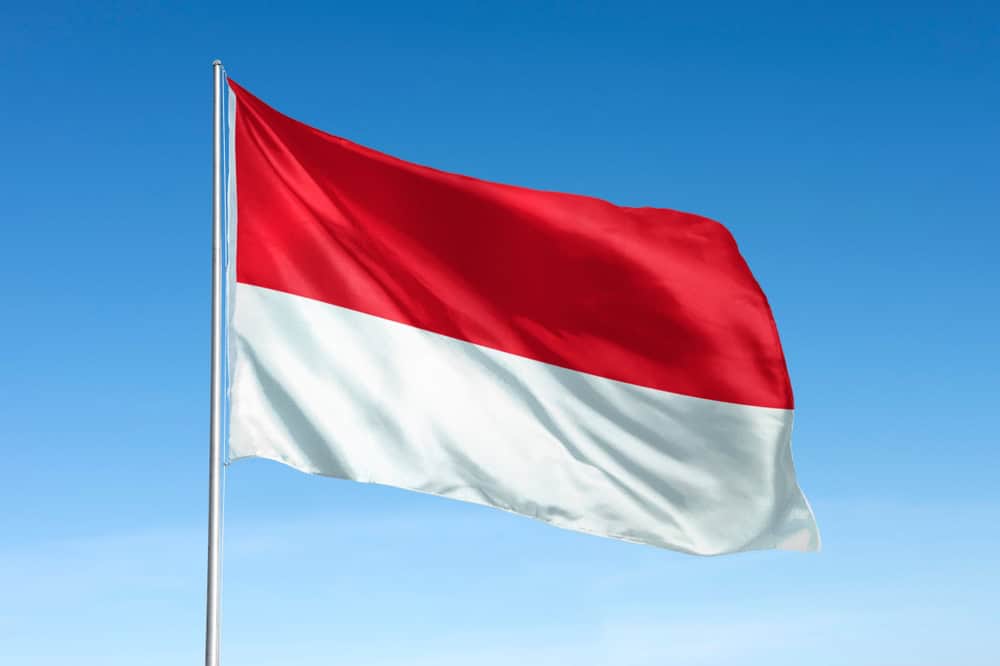
You may want to be careful when you pay for something in Indonesia. Anytime that you hand over money, whether that’s at a market or at a restaurant, local etiquette says you should use your right hand. Passing money with your left hand alone is a little rude.
To be extra respectful, you may want to try supporting your right forearm with your left hand while you hand the money over. Such a small detail is well worth remembering when you’re shopping.
A present in Malaysia
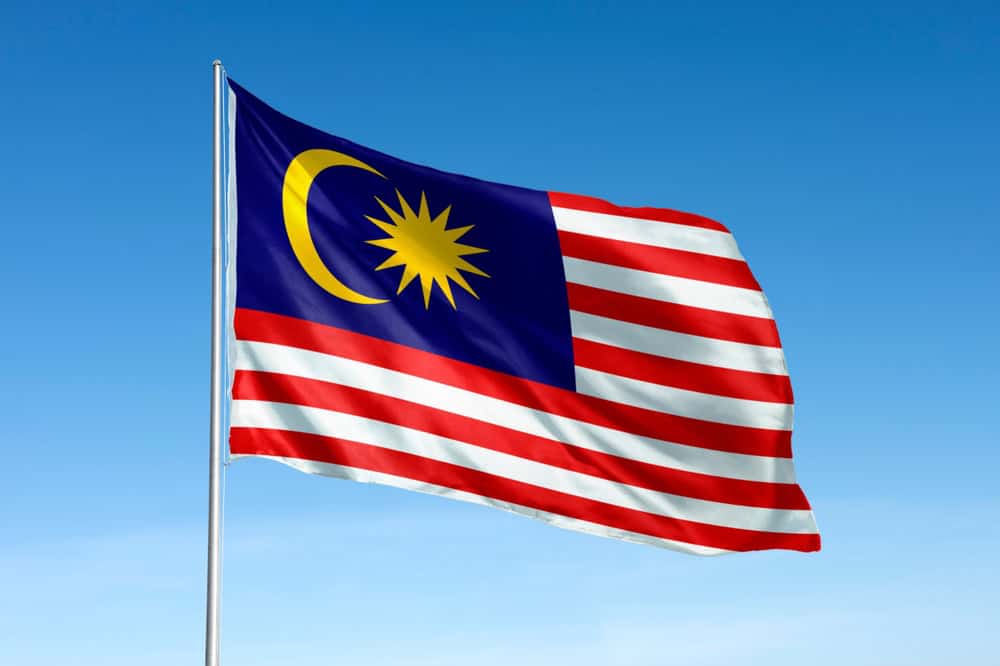
Giving a present to someone in Malaysia involves quite a bit more than simply choosing a nice thing and wrapping it up. No, you’re meant to present the gift to the other person with both hands, although some people do still use only one.
If that’s you, make sure you only use your right hand to give the gift because traditional Malay and Islamic customs teach that offering a gift with your left hand is rude. Don’t expect the receiver to tear off the wrapping paper immediately, either, as they’ll probably open it later. That’s just the custom over there.
A moment at the altar
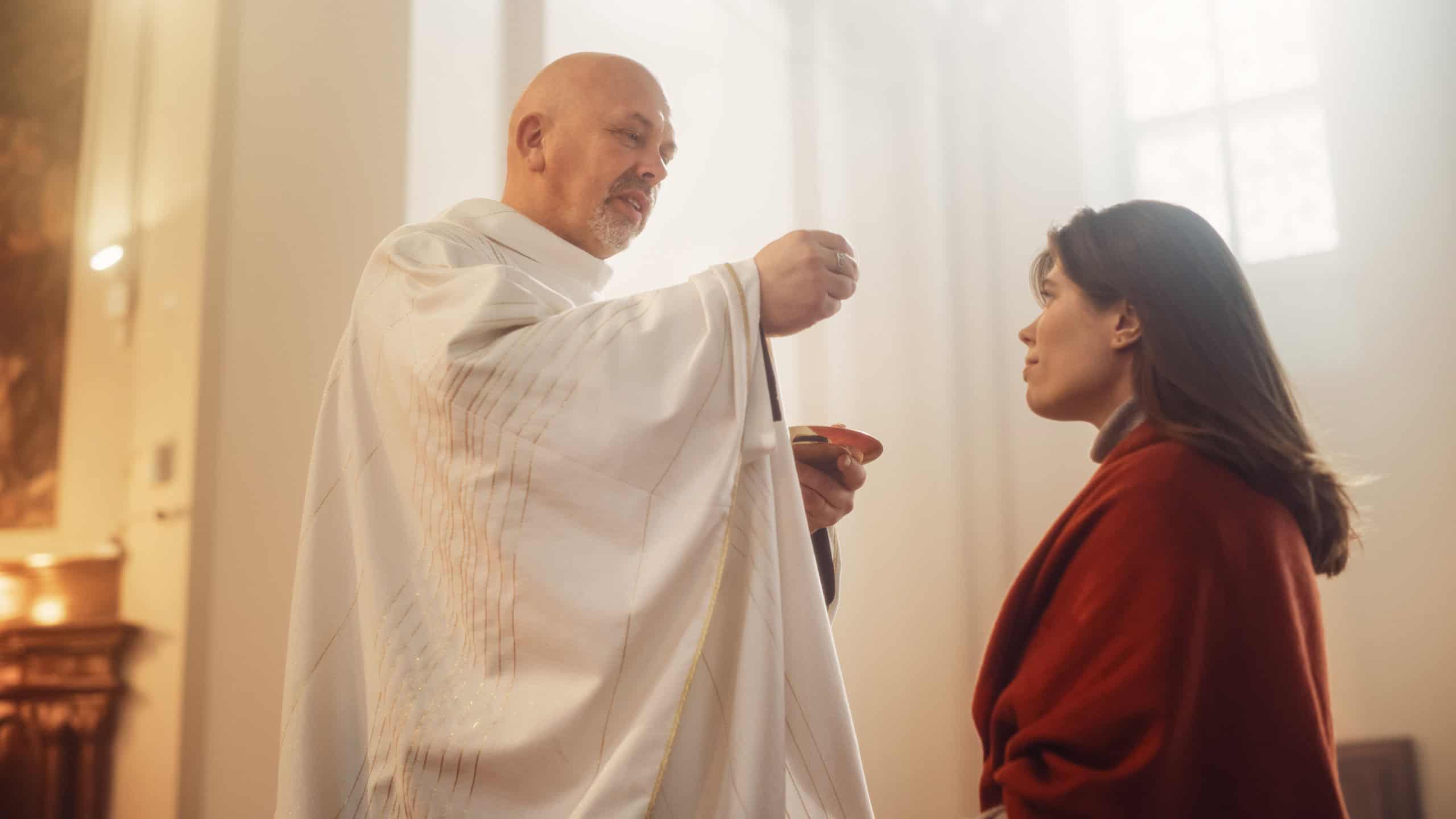
There’s a very special way that Catholics receive Holy Communion. Namely, they’re supposed to hold out both hands, and they have to position their hands very carefully, if they choose not to receive it on the tongue. It all depends on whether they’re right-handed or left-handed.
Right-handed Catholics are meant to place their left hands on top so that the minister can put the consecrated host in their palms. The person then uses their right hand to bring it to their mouth. As for lefties in this situation, they do the opposite. Using the wrong hand means they aren’t following the usual practice.
An important Catholic gesture

There’s more to the story with Catholics. A lot of them make the sign of the cross before praying and during Mass, as well as when they go past a church. They’ll always use their right hand to do so. It’s because they associate the right hand with giving blessings.
First, they touch their forehead, then their chest, their left shoulder, and finally, their right shoulder. Doing it with the left hand goes against the norm. While it’s not exactly a strict ban on using your left hand, it doesn’t really fit with normal Catholic practice.
A game on horseback
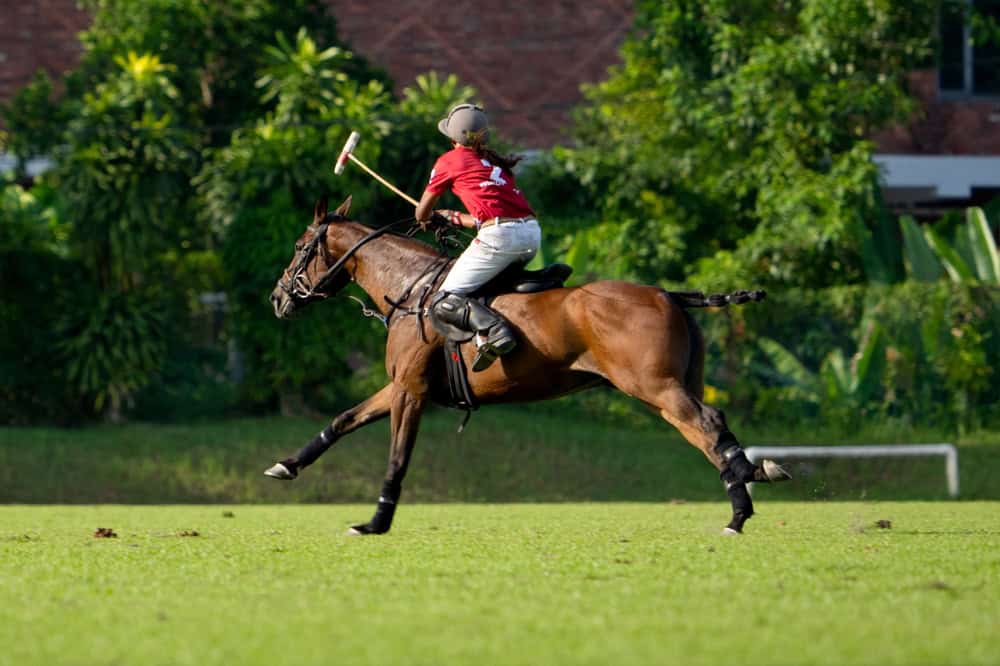
Anyone who’s left-handed might want to avoid playing polo. That’s because, under official American polo rules, players are expected to hold the mallet in their right hands. It doesn’t matter that they might be left-handed in their normal lives.
The truth is, it’s a safety issue. There are horses galloping around and players swinging their mallets, meaning that everyone needs to follow the same rules. The only exception is for any players who registered as left-handed before January 1, 1974, as they’re allowed to keep being lefties.
A shared Ethiopian meal
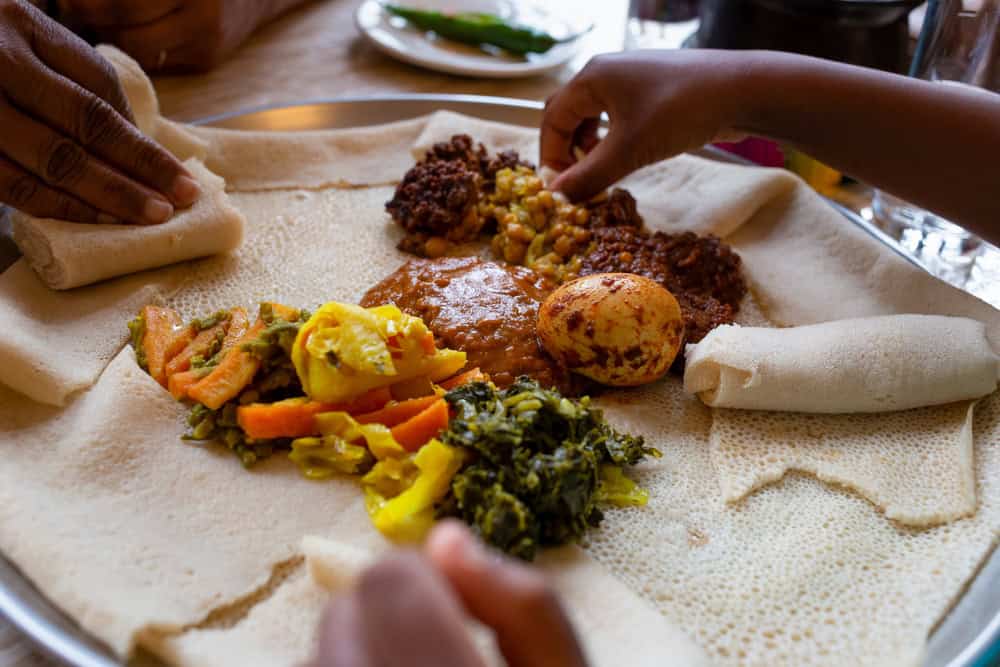
Shared meals are a big thing in Ethiopia, and you’ll find plenty of dishes served on something called injera. It’s a kind of soft, slightly sour flatbread that you tear into pieces and use to scoop up stews and vegetables.
It’s definitely delicious. The trouble is, you have to remember to eat with your right hand because eating with your left hand is rude in Ethiopian culture. People in some households will bring around a basin so everyone can pour water over their hands before eating. It’s that serious.
Sources: Please see here for a complete listing of all sources that were consulted in the preparation of this article.
15 etiquette differences Americans notice abroad

Highlights 15 everyday etiquette differences Americans notice while traveling abroad.

