

Chances are, if a book has been banned at some point in history, it’s well worth reading.
The Grapes of Wrath by John Steinbeck (1939)
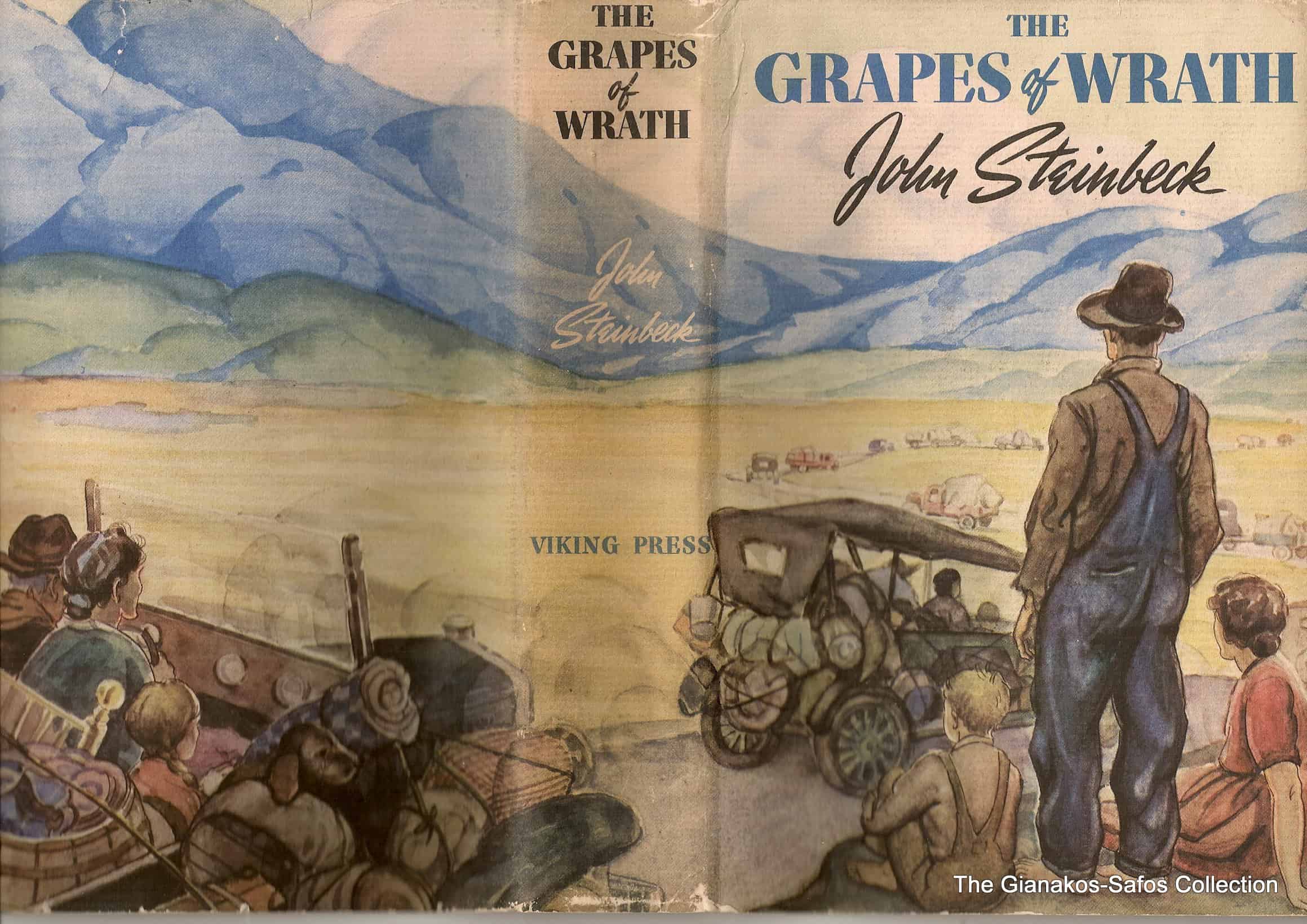
This book highlights the struggles of poor migrant workers and the injustices they faced during the Great Depression. In August 1939, the book was banned from schools and libraries in Kern County, California, because of its language and negative portrayal of local residents. Copies were burned in Bakersfield and outside the Salinas library.
In East St. Louis, five of nine library board members voted to burn the books in November 1939, but reversed their decision after protests. Kansas City and Buffalo also restricted the novel because of its language. Steinbeck was accused of communist sympathies because of his support for poor workers and his criticism of the wealthy.
Persepolis by Marjane Satrapi (2000)
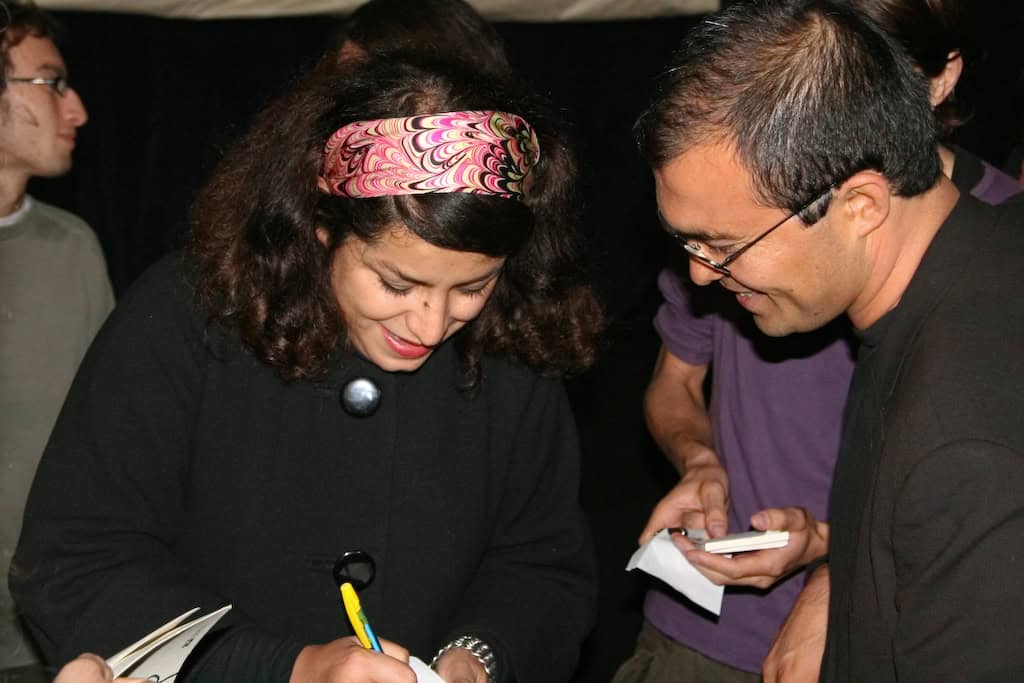
This is an account of Marjane Satrapi’s childhood in Iran, through the Islamic Revolution and the war with Iraq. Originally released in French, it features stark black and white illustrations that show how politics, religion, and brutality affected a single family.
This book made news in the US over objections to its content. In 2007, teachers in the Chicago Public Schools were told they should not teach this book to 7th graders due to strong language and some scenes of torture.
Many teachers, as well as students and other groups concerned with freedom of expression, protested this decision. Afterward, clarification came that schools would keep the book on hand, and it could be fitting for some juniors and seniors along with Advanced Placement classes.
Black Boy by Richard Wright (1945)
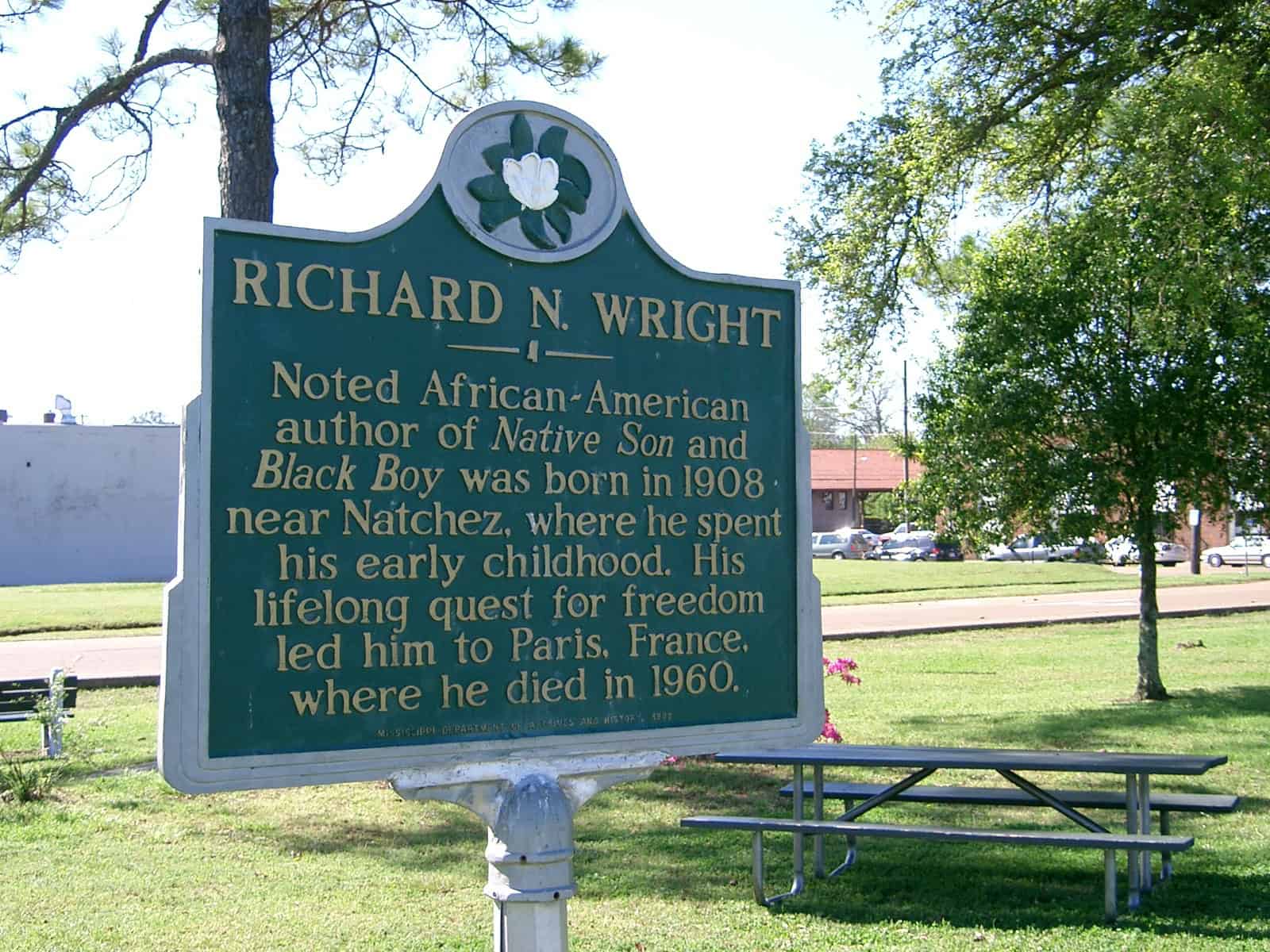
Banned or challenged on multiple occasions for violence, se*, profanity, and racist attitudes, this autobiography recounts a childhood and adolescence in the segregated South. A Georgia county’s Superintendent of Schools banned it from libraries in 1961, and only 4 books were condemned in this manner.
In 2007, parents and a conservative group challenged the book at Howell High School in Michigan. However, the prosecutor found that the passages were legally acceptable and did not violate obscenity laws.
Wright never softened his accounts of hunger, racism, and the many other psychological effects of growing up under Jim Crow. In the book, he paints a vivid picture of how he talked his way into a whites-only library, armed with a white coworker’s forged note. It is certainly a valuable first-hand record of endurance and fight for intellectual freedom in the segregated South.
A Clockwork Orange by Anthony Burgess (1962)
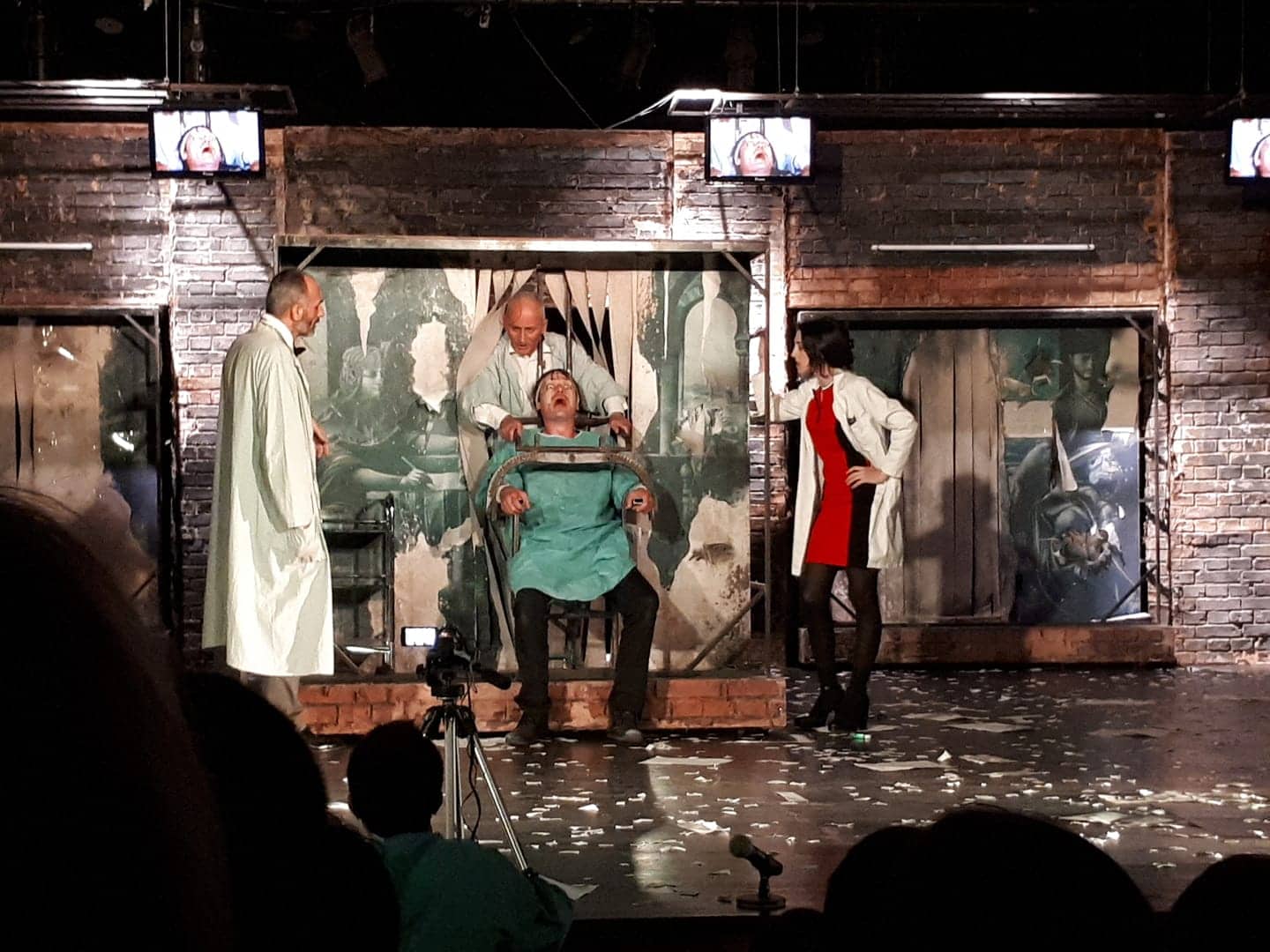
This novel gained a great deal of attention, mainly because of how much violence, se* and grotesque slang it contained.
Alex, a youth prone to violence, is finally caught by the State. They are keen to experiment with different forms of psychological conditioning on him. The whole book is narrated by Alex, in unusual Nadsat, which derives largely from Russian and some English. Beneath all the shockingly unpleasant episodes in this book lies a profound question: can a man still be ‘good’ once his free will has been taken away?
This book faced several censorship attempts because of its violence, se***l content, and language. In 1973, Orem, Utah bookseller Carole Grant was arrested for selling it, although the charges were later dropped. She eventually had to close her shop and relocate. The novel was also removed from schools in Colorado in 1976, Massachusetts in 1977, and Alabama in 1982, before being reinstated there with restrictions.
Slaughterhouse-Five by Kurt Vonnegut (1969)
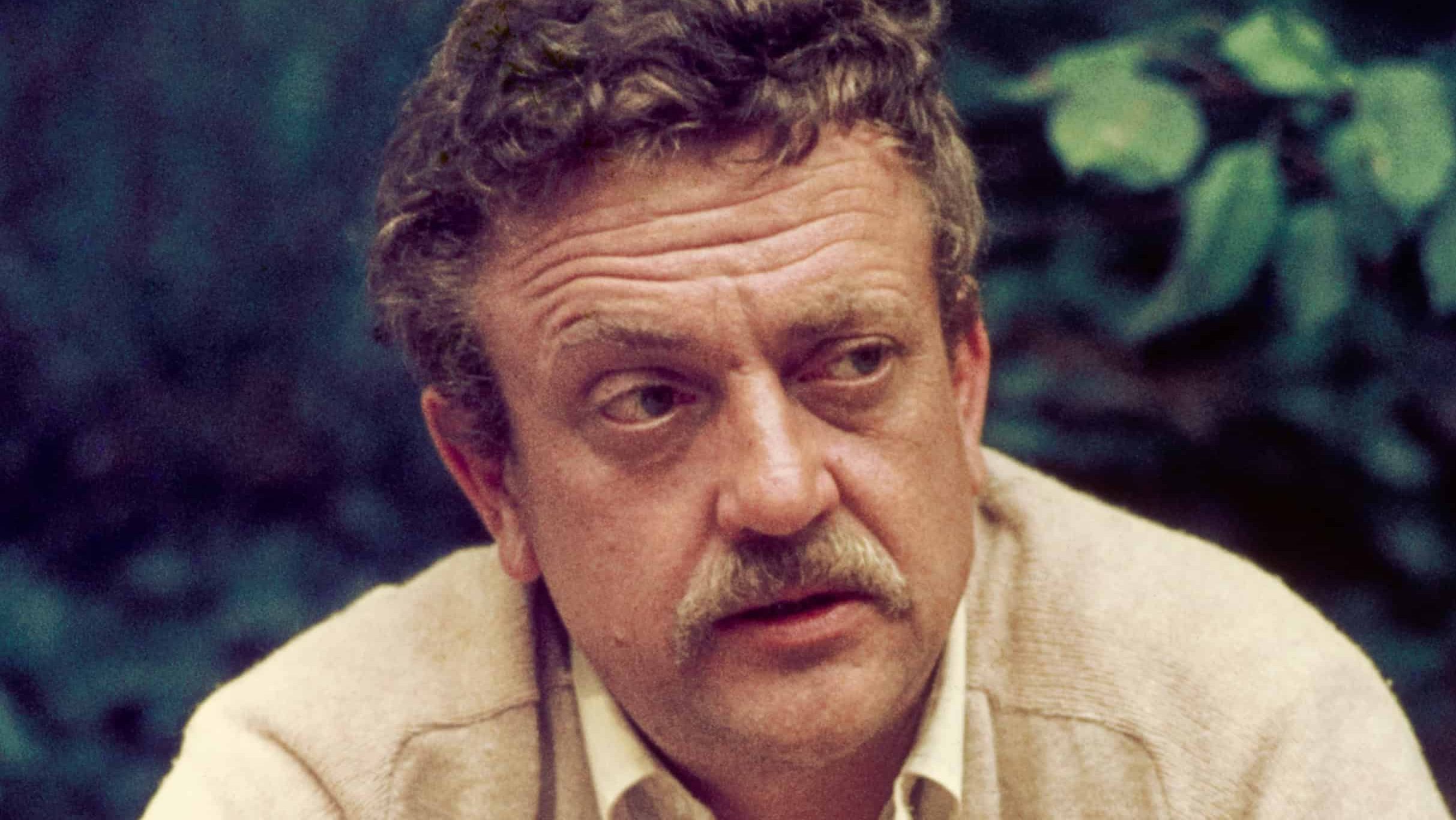
This book was one of many victims of sensational mass burnings by US schools. At least 36 copies were burnt in the boiler room of Drake High School, North Dakota, following a decision by the local School Board that it was obscene.
It contained much foul language, se*, and comments about religion and the conduct of war. And a great deal of this book’s content likely drew on Vonnegut’s time as a POW in 1945.
The novel’s protagonist, Billy Pilgrim, becomes ‘unstuck in time’, and moves between different periods of his life, including his experiences during the bombing. The novel portrays war and its impact on individuals as a horrific experience, using heavy sarcasm, ridicule and elements of science fiction.
The Bluest Eye by Toni Morrison (1970)
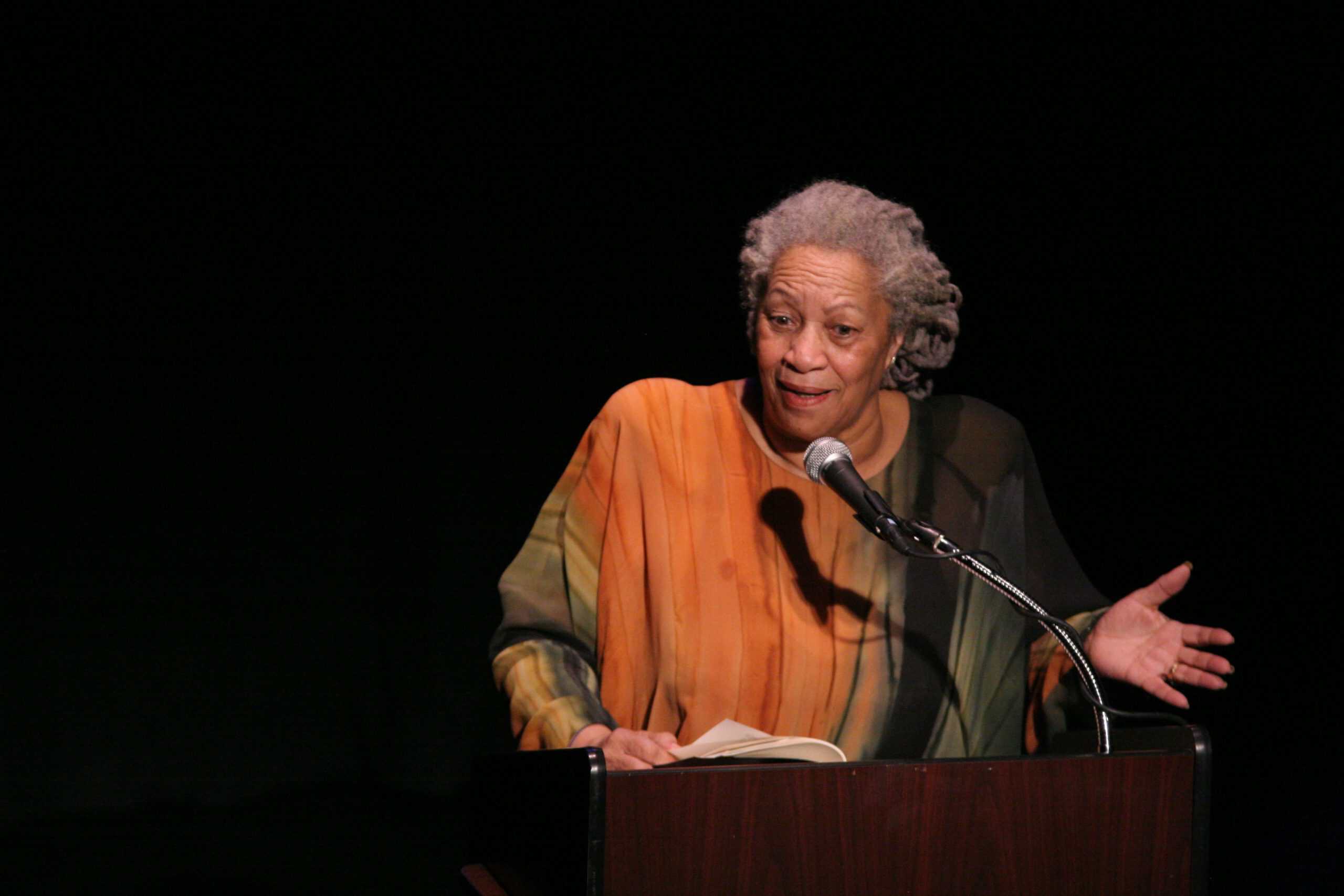
The novel explores racism, abuse, and harmful beauty standards through the story of Pecola, a young Black girl who believes having blue eyes would make her beautiful and loved.
The book has faced challenges in several American schools because of its se***l content, violence, and language. In 2007, parents and a conservative group challenged it at Howell High School in Michigan. In August 2022, Keller ISD in Texas temporarily removed it for further review.
Morrison’s novel shows how racism and society’s ideas of beauty can damage a person’s self-image and sense of worth.
The Jungle by Upton Sinclair (1906)
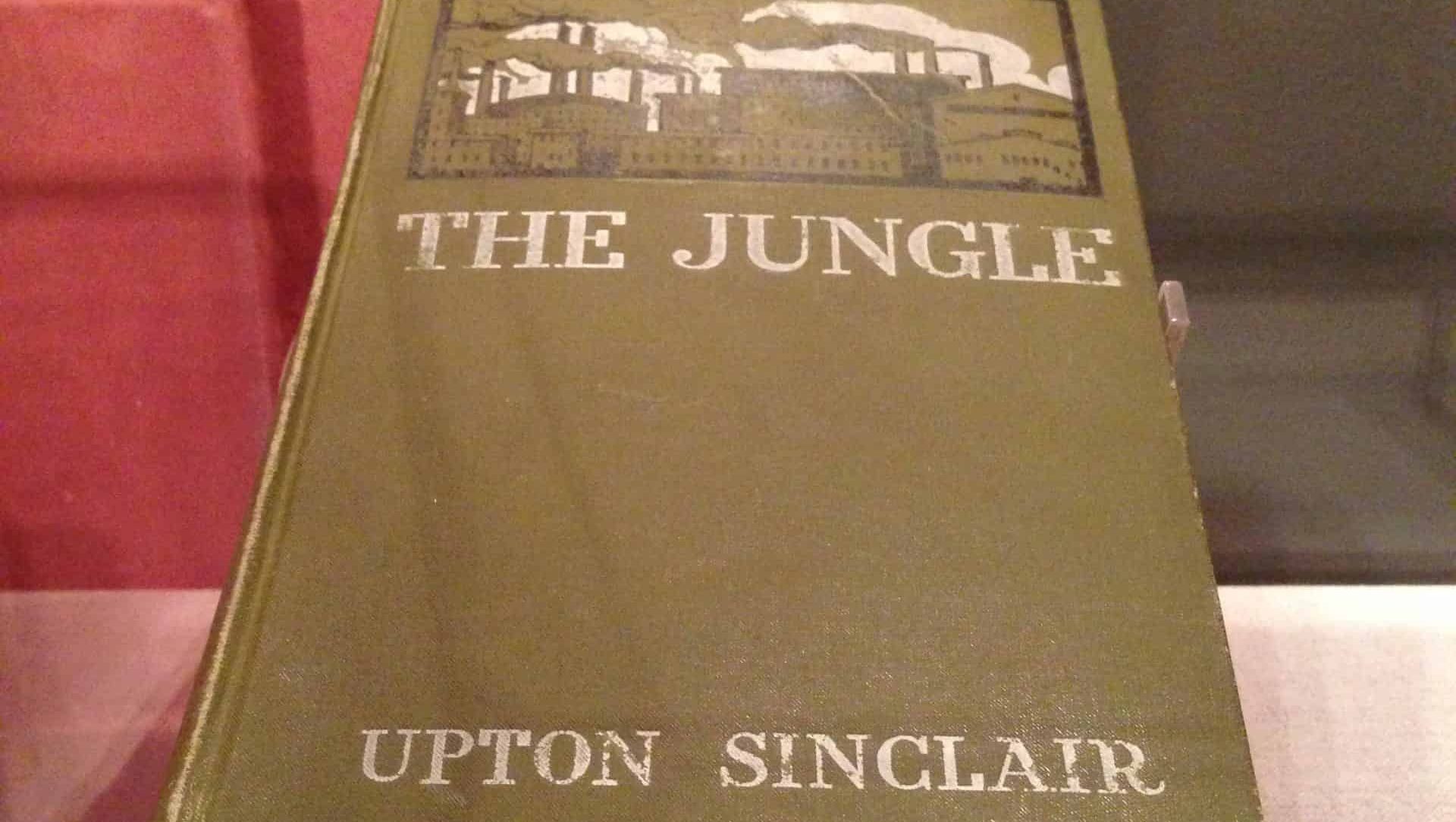
The novel exposes the poor working conditions, exploitation of immigrants, and unsafe practices in Chicago’s meatpacking industry. Sinclair spent seven weeks researching the stockyards and speaking with workers before writing the book.
Its shocking descriptions of meat processing upset the public and led President Theodore Roosevelt to order an investigation. The findings helped bring about the Pure Food and Drug Act and the Meat Inspection Act in 1906. Sinclair later remarked that he had aimed at people’s hearts but had hit their stomachs instead, as readers were more concerned about food safety than workers’ suffering.
The book was banned in several countries. Yugoslavia banned it from public libraries in 1929, the Nazis burned it in 1933 because of Sinclair’s socialist views, and it was later banned in East Germany in 1956 and South Korea in 1985.
I Know Why the Caged Bird Sings by Maya Angelou (1969)
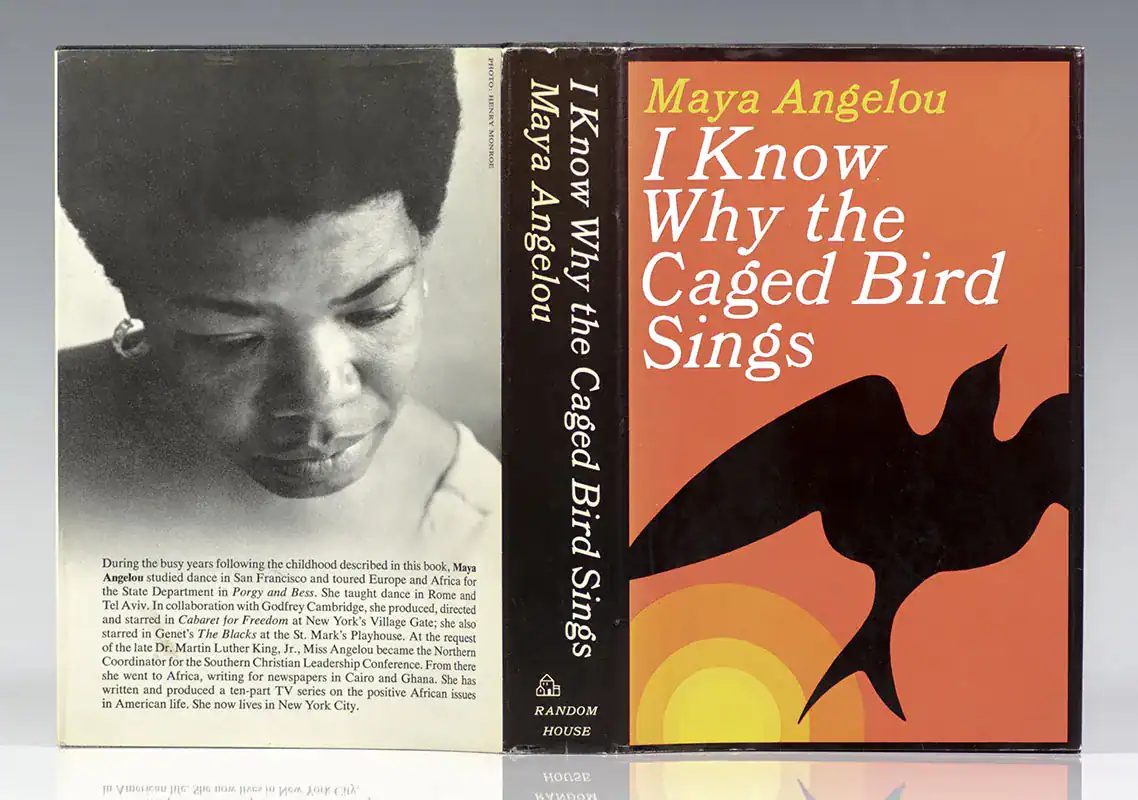
Angelou’s autobiography explores racism, childhood abuse, and the struggle to find one’s voice. Much of the story takes place in Arkansas and other Southern states during the Great Depression.
The book faced challenges in American schools because of its se***l content, language, and treatment of race. In 1988, parents’ complaints led Vista, California, to remove it from its ninth-grade reading list. In 1983, an Alabama state textbook committee also removed it from its recommended reading list.
Angelou’s honest account of overcoming abuse and discrimination has made this book an important work about courage, identity, and personal freedom. Many readers are likely drawn in by how candidly these issues are addressed, though that same openness has worried some educators.
The Satanic Verses by Salman Rushdie (1988)
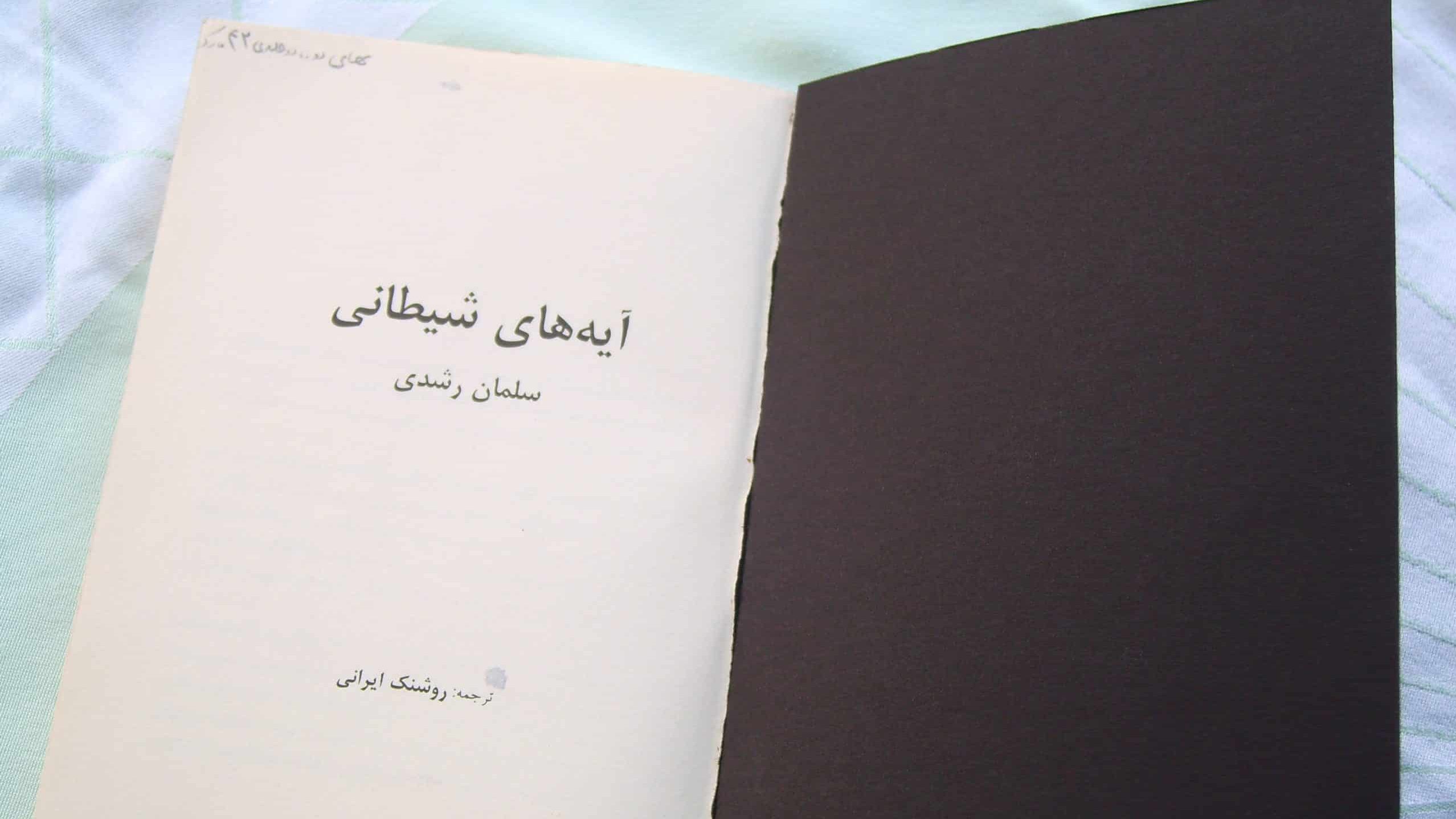
Beneath the political and religious controversy of this book is a complex story about migration, identity, faith, and belonging.
Two men, Gibreel and Saladin, are survivors of a plane exploding above the English Channel. A large part of the novel follows their later adventures in England, and it includes a good deal of fantasy along with plenty of religious and other symbolism. The novel also addresses, in various ways, the struggles of immigrants and the immigrant community.
India banned this book soon after it came out in 1988, and several other countries followed suit, among them Pakistan and South Africa. Of all the censored books from this time, it is probably the one most people know.
In February 1989, Ayatollah Khomeini, then Iran’s supreme leader, issued a death sentence against this novel’s author, whose book he regarded as blasphemous. And Rushdie lived under 24-hour police guard and in hiding for a number of years.
Native Son by Richard Wright (1940)
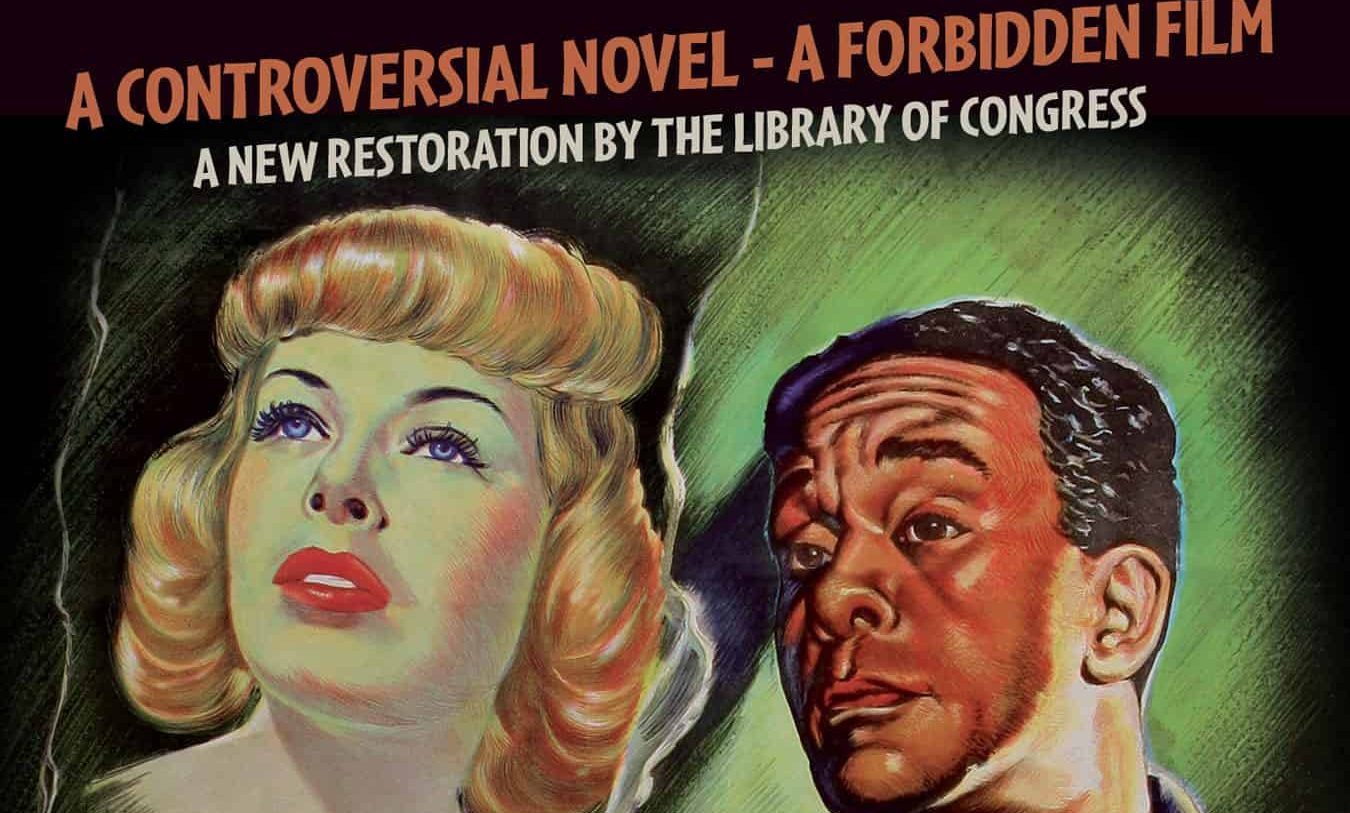
Set largely in Chicago, this is the story of Bigger Thomas and his reactions to the poverty, racism and lawlessness around him. In an effort to keep the white daughter of his employer from catching him in her room, he kills her. His later attempts to conceal the killing spark a massive manhunt for Bigger and, in the end, complete catastrophe.
This book was challenged at the school level in Goffstown, New Hampshire and Elmwood Park, New Jersey, in 1978. The library at Irvington High School in Fremont, California took the book off its shelves in 1998 because of its depictions of se* and violence.
However, this book sold extremely well upon release and was chosen for the Book-of-the-Month Club, which made Wright the first Black man to be granted this honor.
Sources: Please see here for a complete listing of all sources that were consulted in the preparation of this article.
Like our content? Be sure to follow us.
10 banned historical events that were erased from textbooks
Some of the most important events in history have been completely erased from school textbooks, all because governments didn’t want people to know about them.

