

There was a time in America when school hallways doubled as bomb shelters, and being one of six kids in a house was completely normal.
Dinner from the future

Sure, frozen meals seem ordinary now. It wasn’t always that way. Swanson first introduced TV dinners in 1954, and they felt so futuristic to many boomers. Meat? Vegetables? Potatoes? All together in an aluminum tray?
It was incredible. Kids loved the novelty of it. They also loved being able to eat in front of the TV because, for them, that wasn’t something you did. A little tray really felt so modern.
Comics caused problems
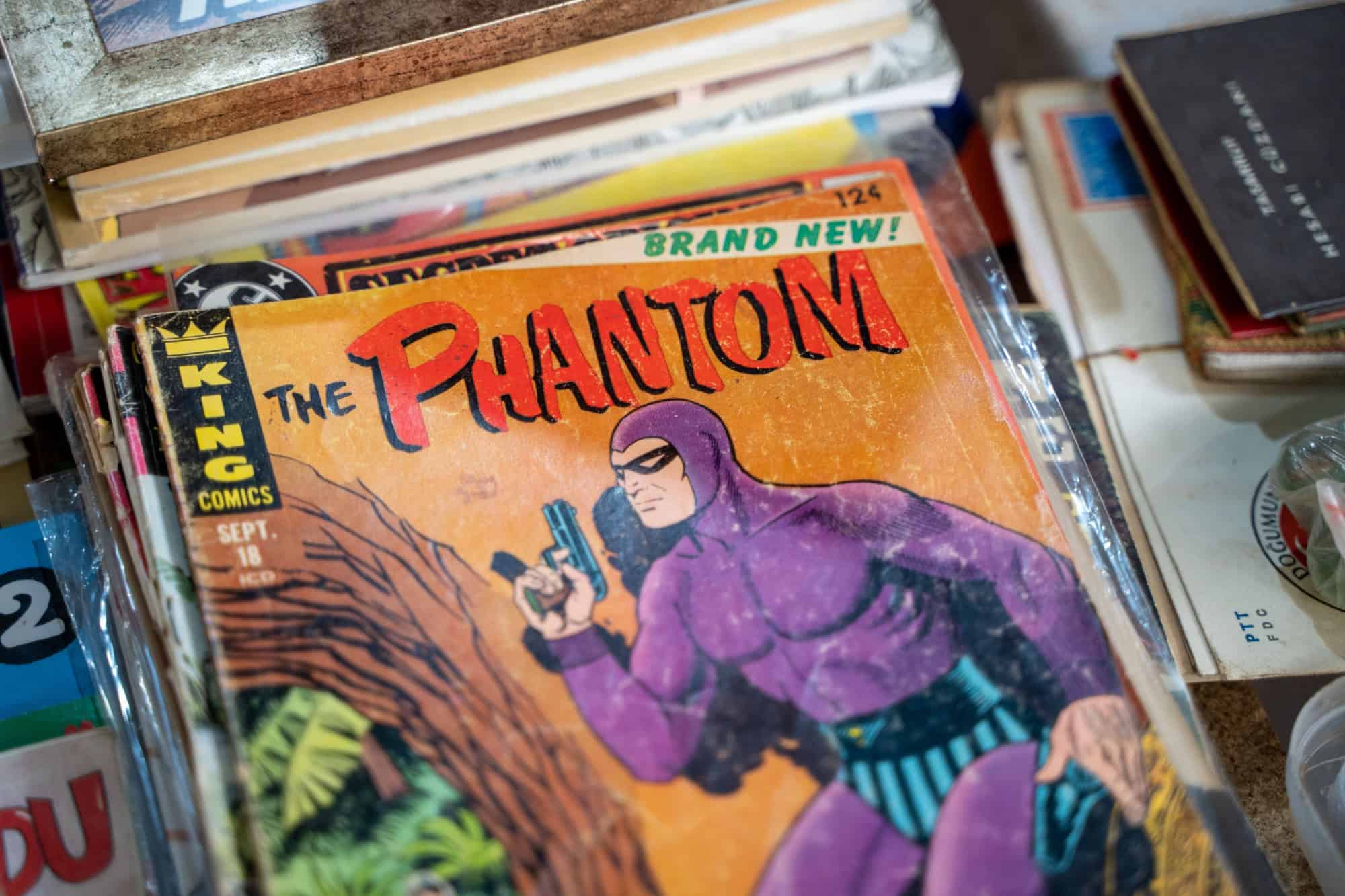
Sure, boomer kids loved comic books. Adults didn’t feel the same way. Some parents actually looked at comics the same way later generations saw violent video games. Comic books caused crime. Comic books gave kids bad ideas.
It got so serious that the U.S. Senate held hearings over it. Seriously. So, boomers had to get creative with reading them. They’d hide the latest issue of their comic books under their mattress because adults thought Batman would ruin them.
A very full table

Dinner wasn’t quiet. No, it was loud. It was crowded. It involved someone reaching across the mashed potatoes because there just wasn’t enough room. 76 million babies were born in America between 1946 and 1964.
Families with four kids? That was nothing. Families with six kids were the standard. Boomers shared bedrooms. Boomers had scheduled bathroom times. Everything the youngest boomers owned belonged to someone else first.
The day school stopped
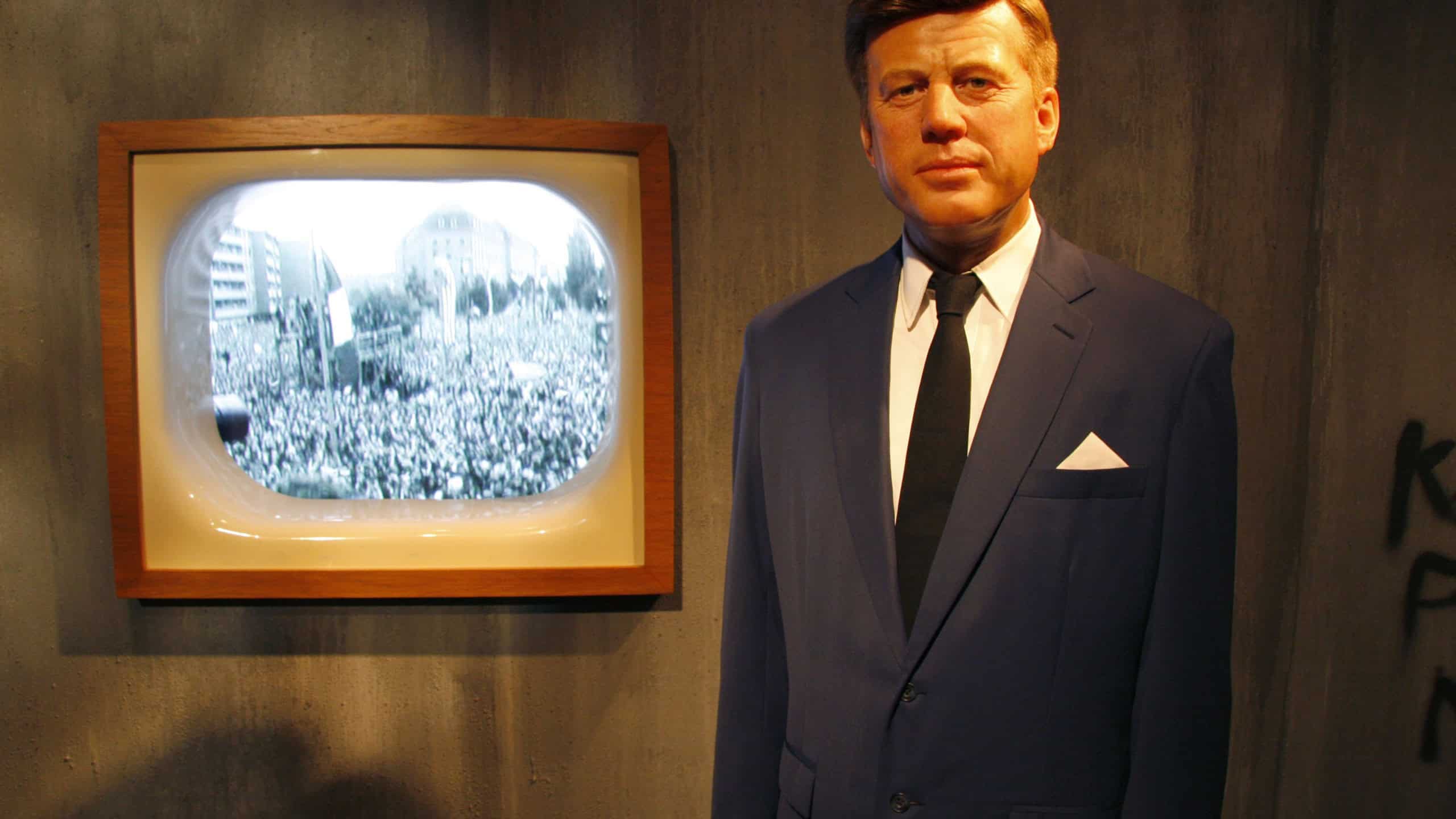
Try asking where they were on November 22, 1963. They’ll probably tell you immediately. Yes, they’ll tell you they were in math class or were eating lunch. They remember teachers crying before they knew what happened.
People think of JFK’s assassination as political history. It was. But for boomers, it was the day that school felt different. Parents came home early from work. Nothing felt normal after that.
Born after the fighting

One saying hung over boomers’ childhood. It was, ‘You’re the children we fought for.’ Their parents came home from World War II. Starting a family was pretty much the most important part of postwar life.
New houses went up. GI loans helped families settle down. No, being born wasn’t something only personal for boomers. It happened during a time the whole country was focused on being at home.
The classroom felt bigger
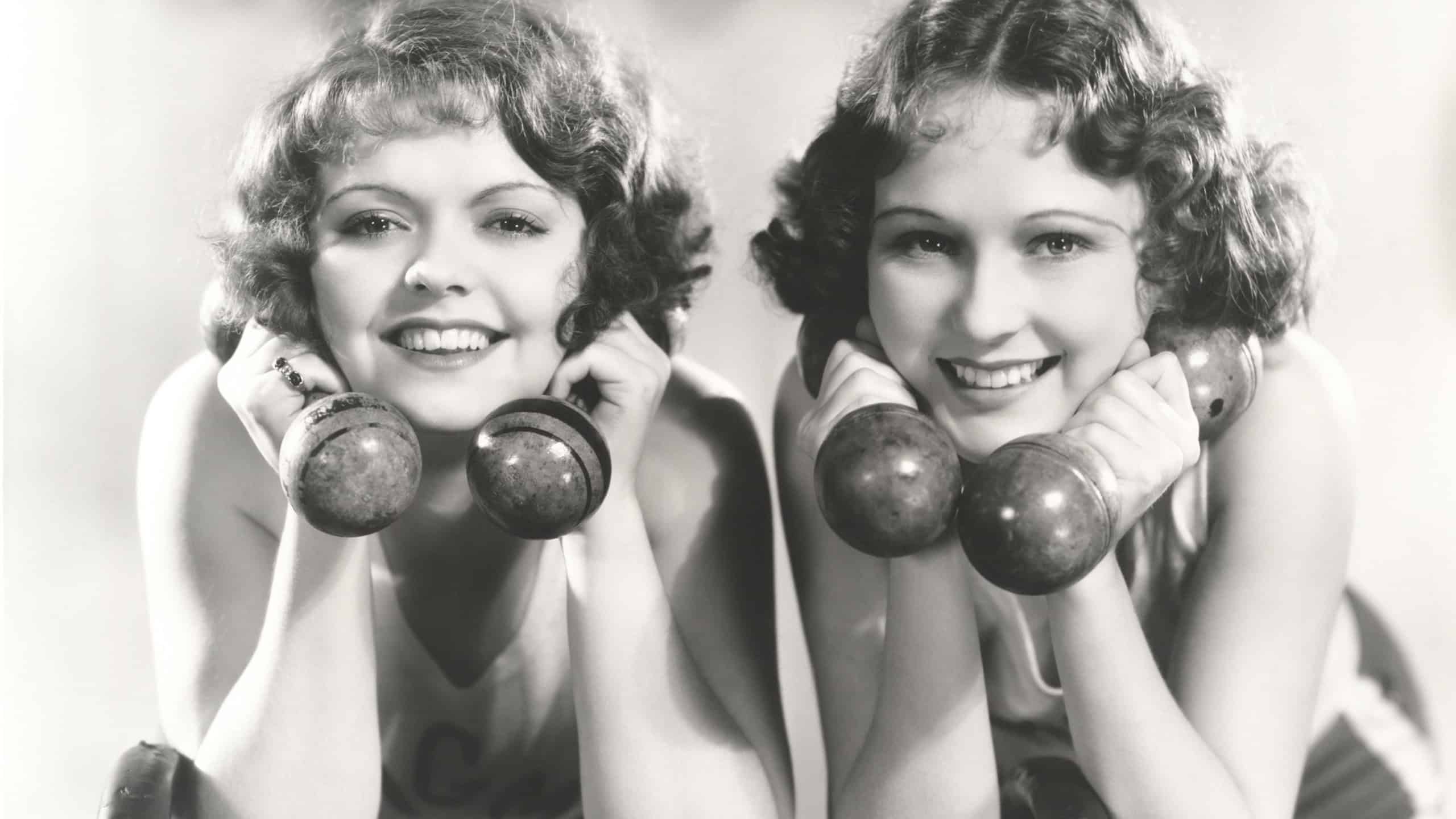
School changed, too. Gym class was different because fitness wasn’t a hobby. No, government officials were worried that American kids weren’t as strong as European kids. What did they do to solve it? Only launch a national youth fitness initiative.
Schools began timing runs. They tested kids’ flexibility. Boomer kids thought it was only PE class, but behind it, adults saw school fitness in another way. It was part of the Cold War competition.
Built almost overnight
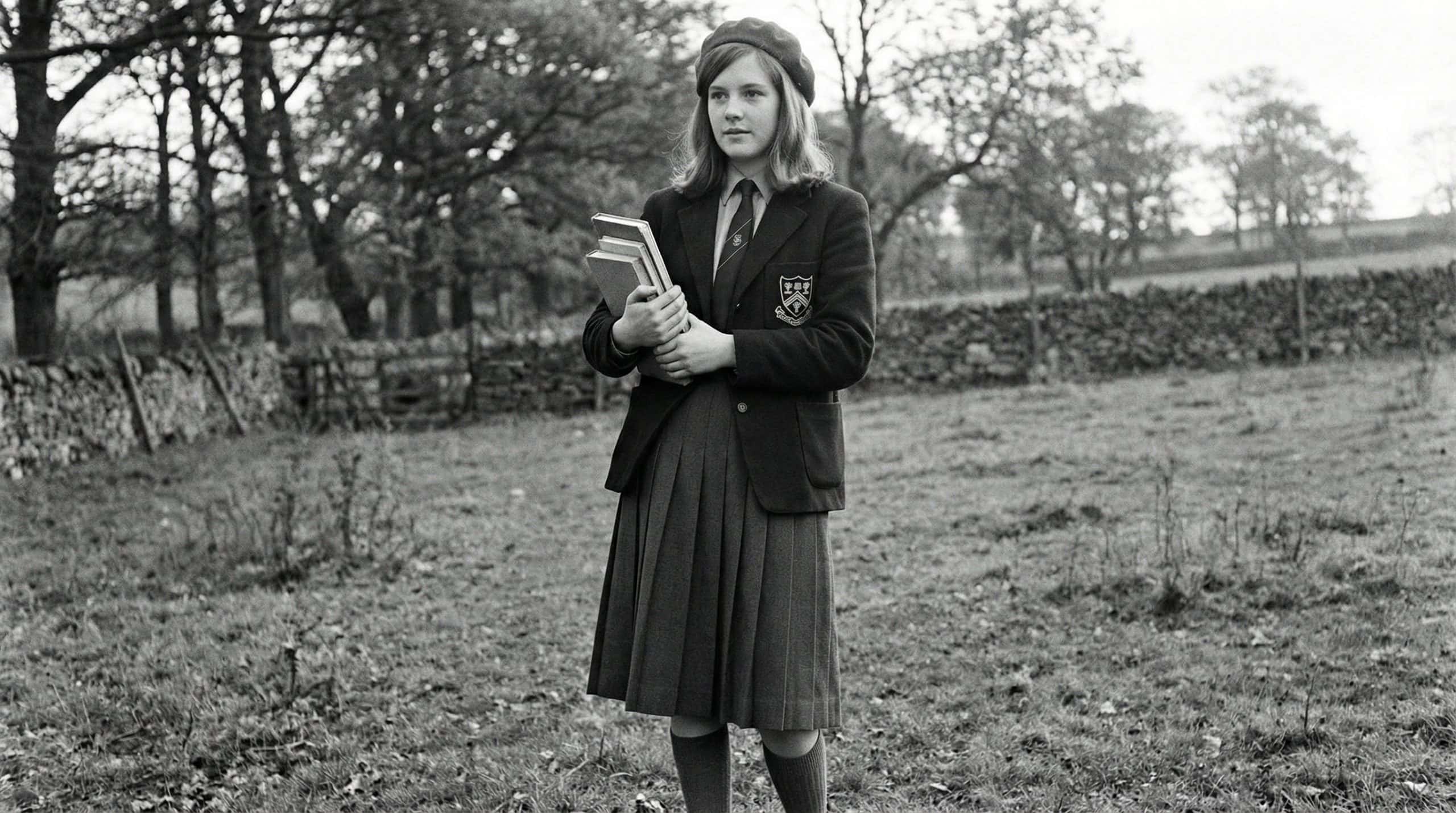
School buildings practically appeared out of nowhere. There were too many kids. The older buildings couldn’t handle them. So, tons of new ones were built, and enrollment exploded during the 1950s. They even had split schedules in some places.
There wasn’t enough space. Boomers remember all that. They remember seeing crowded schools, and remember when education completely changed.
The hallway had another job
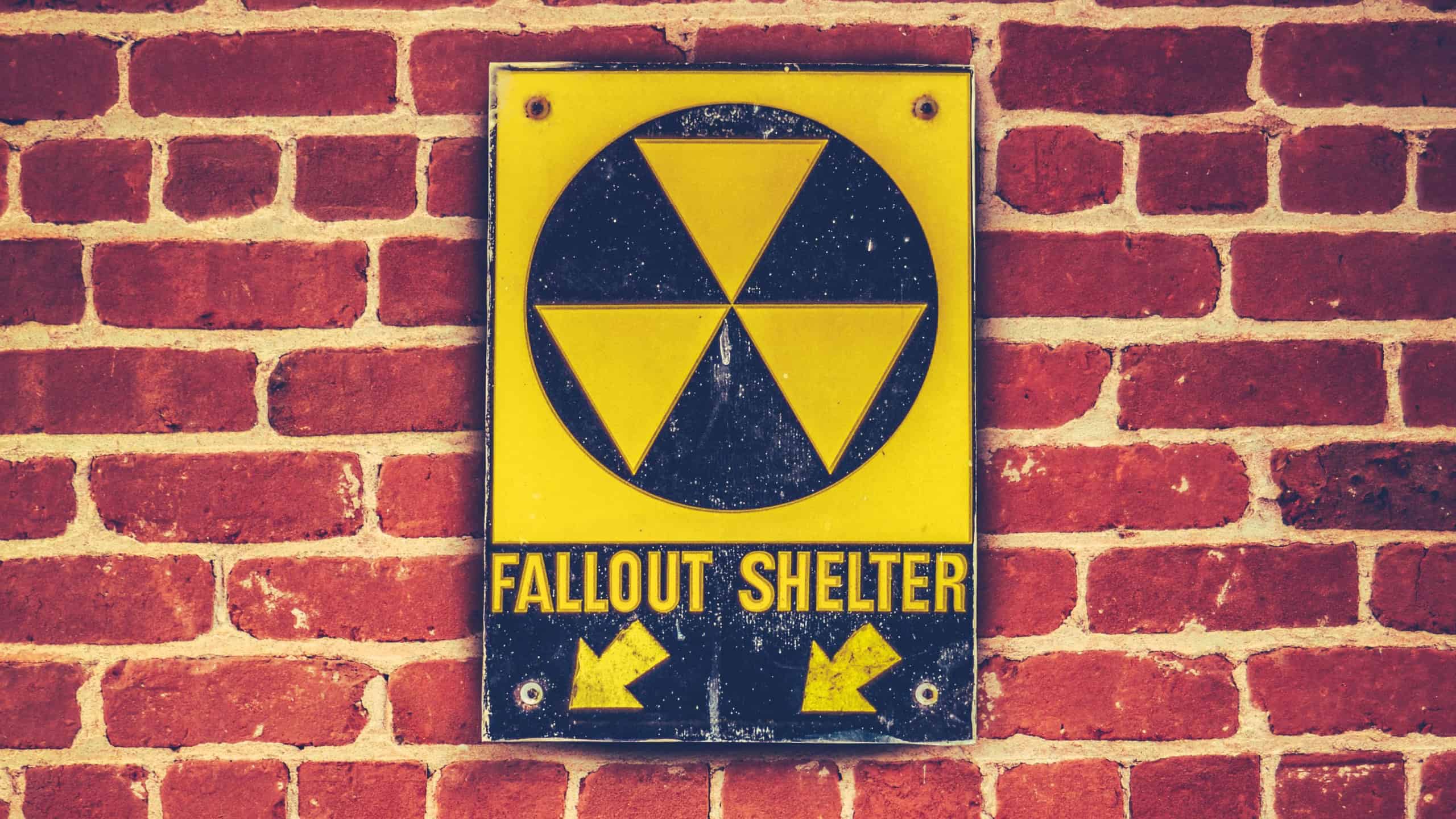
Boomers also didn’t see schools as only places to learn. They could save your life. One minute, they’d be working on handwriting. Maybe they were doing division. The next, a teacher’s voice changed, and they had to do duck and cover drills.
But that’s not all. Some schools had fallout signs right in the building. It didn’t matter that some boomers were only eight years old. The truth is, nuclear war was yet another thing on their schedules.
The store knew your name

So many places in a boomer’s childhood barely exist now. They’re not online. They’re not in giant retail parks. The neighbor’s store where the same man sold your dad cigarettes? The grocer who knew which bread your family bought?
The store where you could get a comic book for a dime?
They’re gone now. Chain stores have taken over. The places where boomers formed their memories of growing up have disappeared.
Mom was usually there
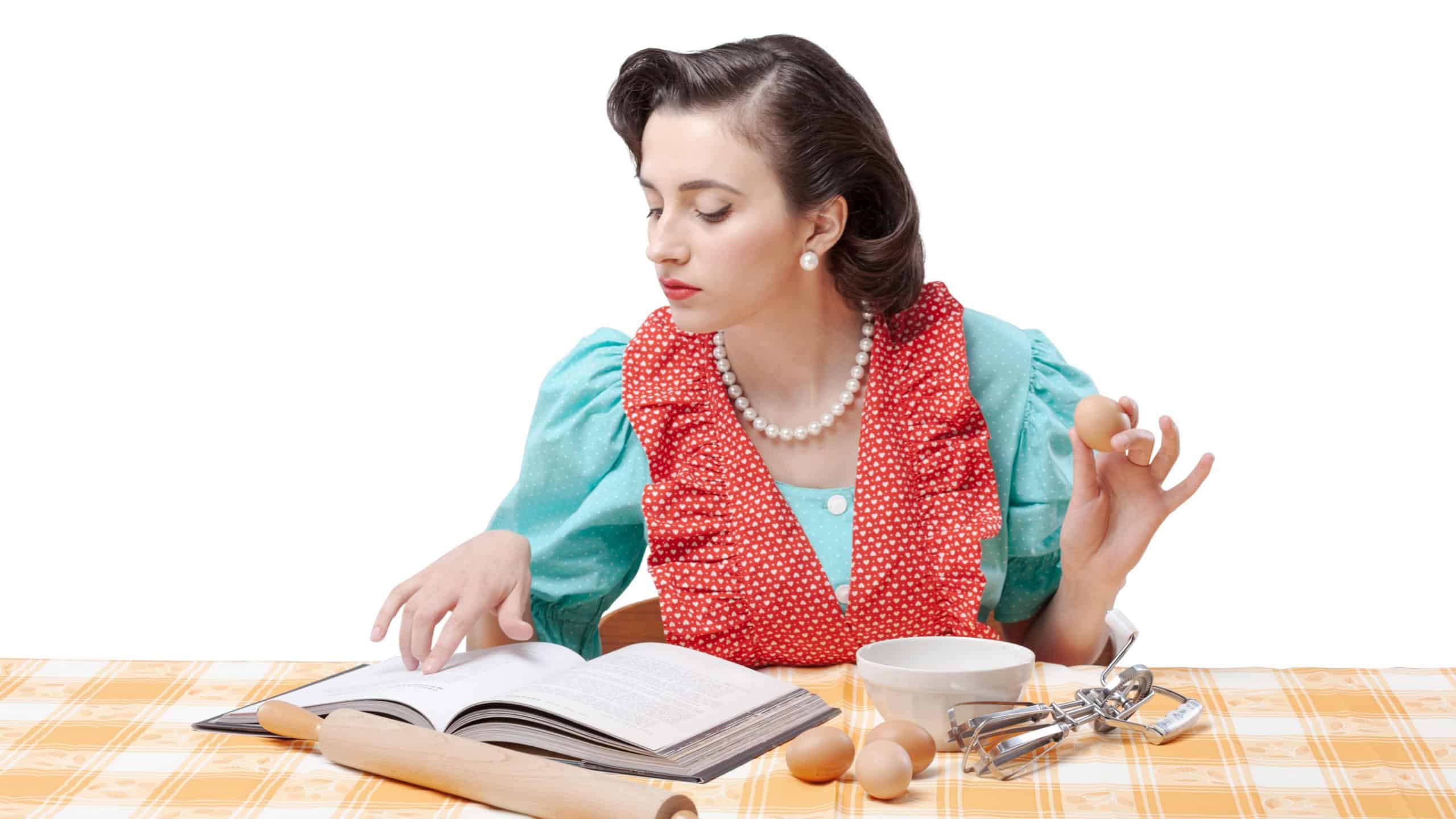
One part of childhood was the same for all boomers. They came home from school. There was a good chance that their mother was already there. She could be folding laundry, or maybe she was working on dinner. It doesn’t matter.
It was the norm back then. It wasn’t until much later that married mothers started working outside the home. ‘Home’ for boomers? That involved an actual person waiting there for them.
The block had rules
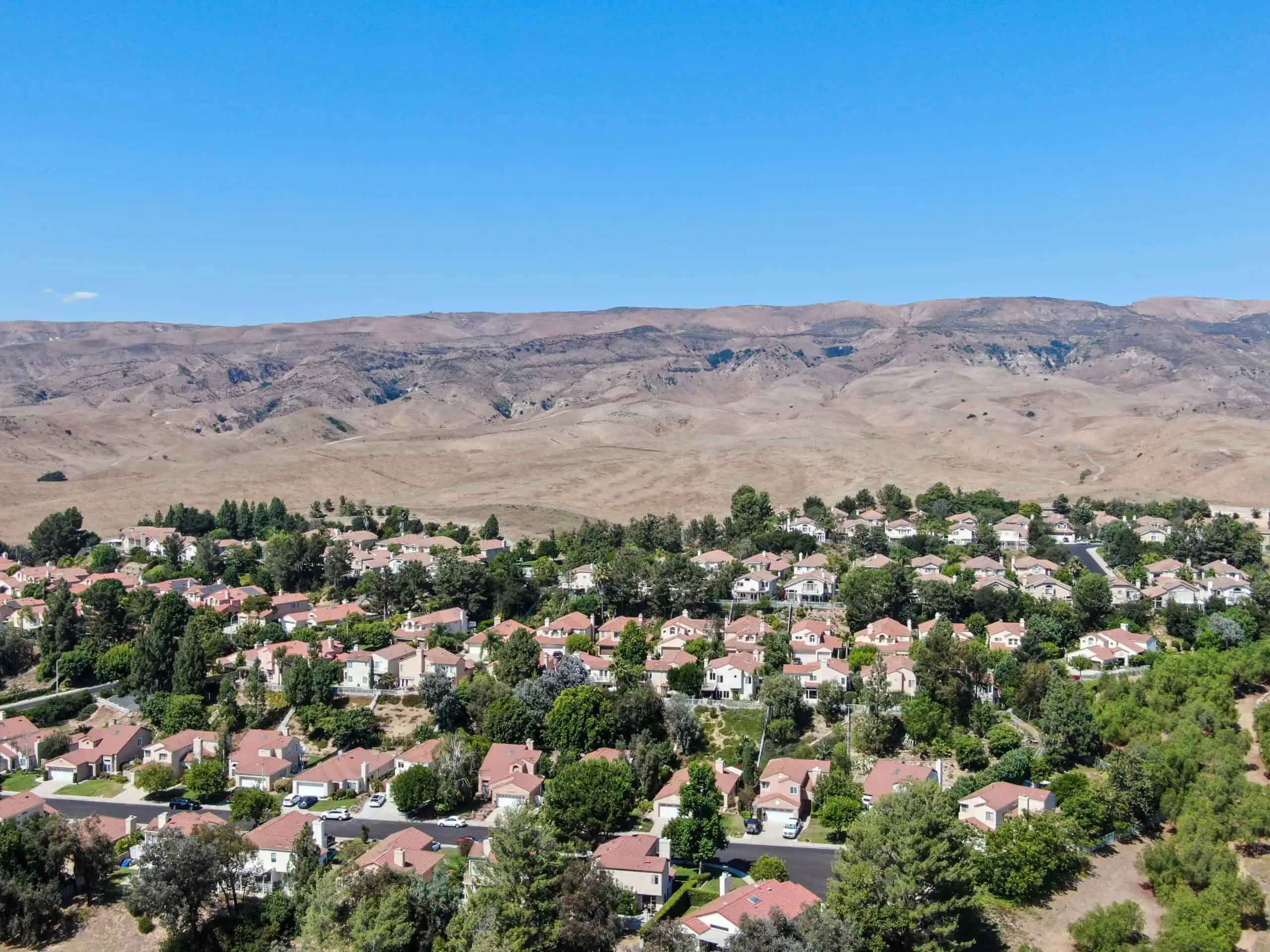
Neighborhoods were tighter. They were smaller. It was also harder to stand out in because houses looked nearly identical in postwar suburbs. Your lawn had to be neat. You had to follow the same routines as everyone else.
Unfortunately, people noticed when someone’s family seemed different. It wasn’t a good thing. Everyone knew everyone, and that could feel comforting. But it could sometimes feel awkward. It depended on the block.
Sources: Please see here for a complete listing of all sources that were consulted in the preparation of this article.

