

After walking into a boomer’s kitchen for five minutes, there’s a decent chance that young people will stop and be completely confused about what’s going on.
The shiny sheet
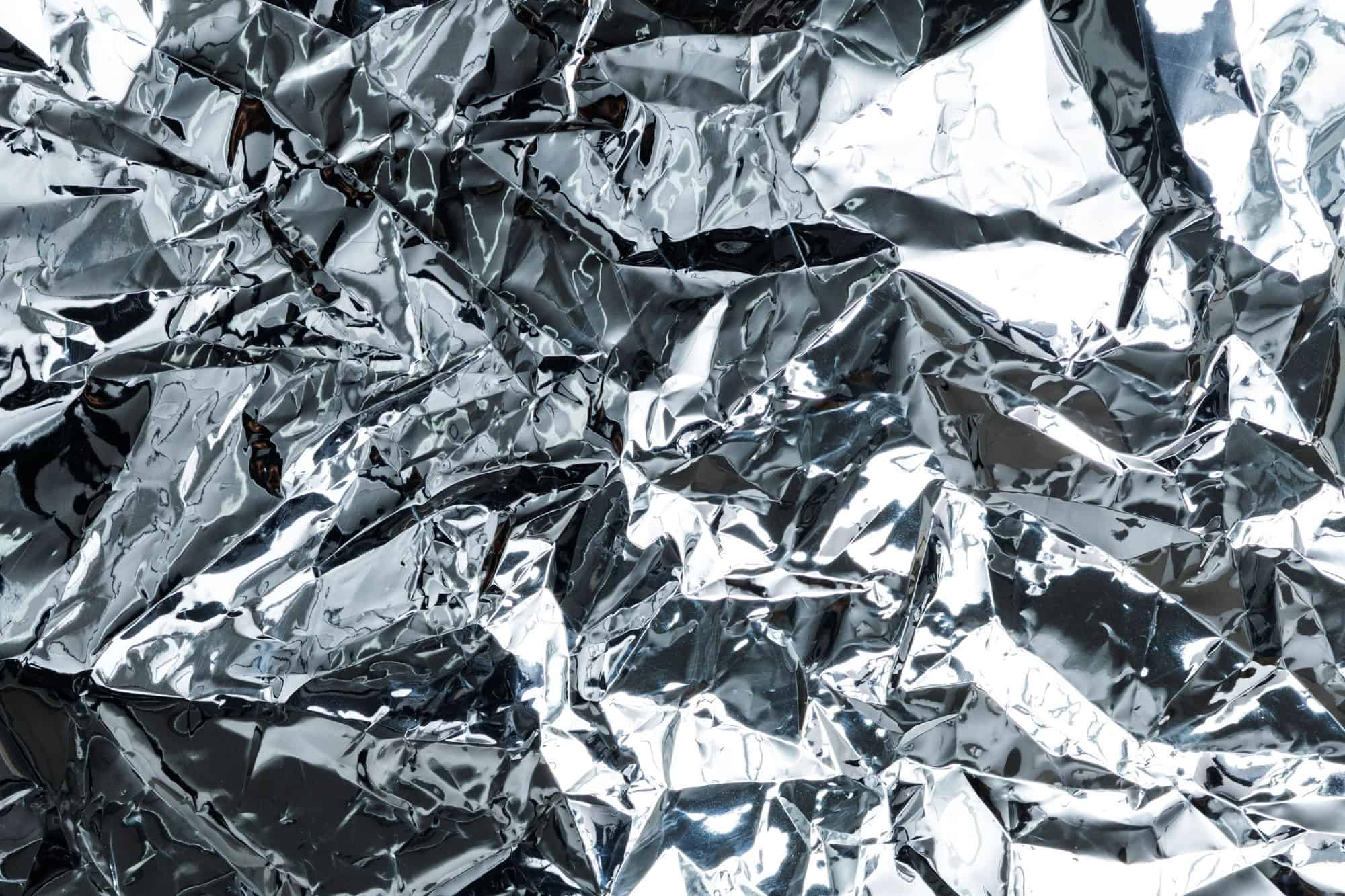
Younger cooks use aluminum foil only once. They’ll throw it away after using it, without thinking about it. Not boomers, though. A sheet that only went on toast? A sheet that only held baked potatoes? They’ll rinse it in the sink and smooth it out by hand.
Then, they’ll fold it back into the kitchen drawer. It still has a job today. It’s all because foil wasn’t cheap during the 1970s, so they learned to hold onto it. Any unripped foil stays in the drawer. Any foil not burned was good. Any foil not covered with grease stays, too.
The soft sugar trick
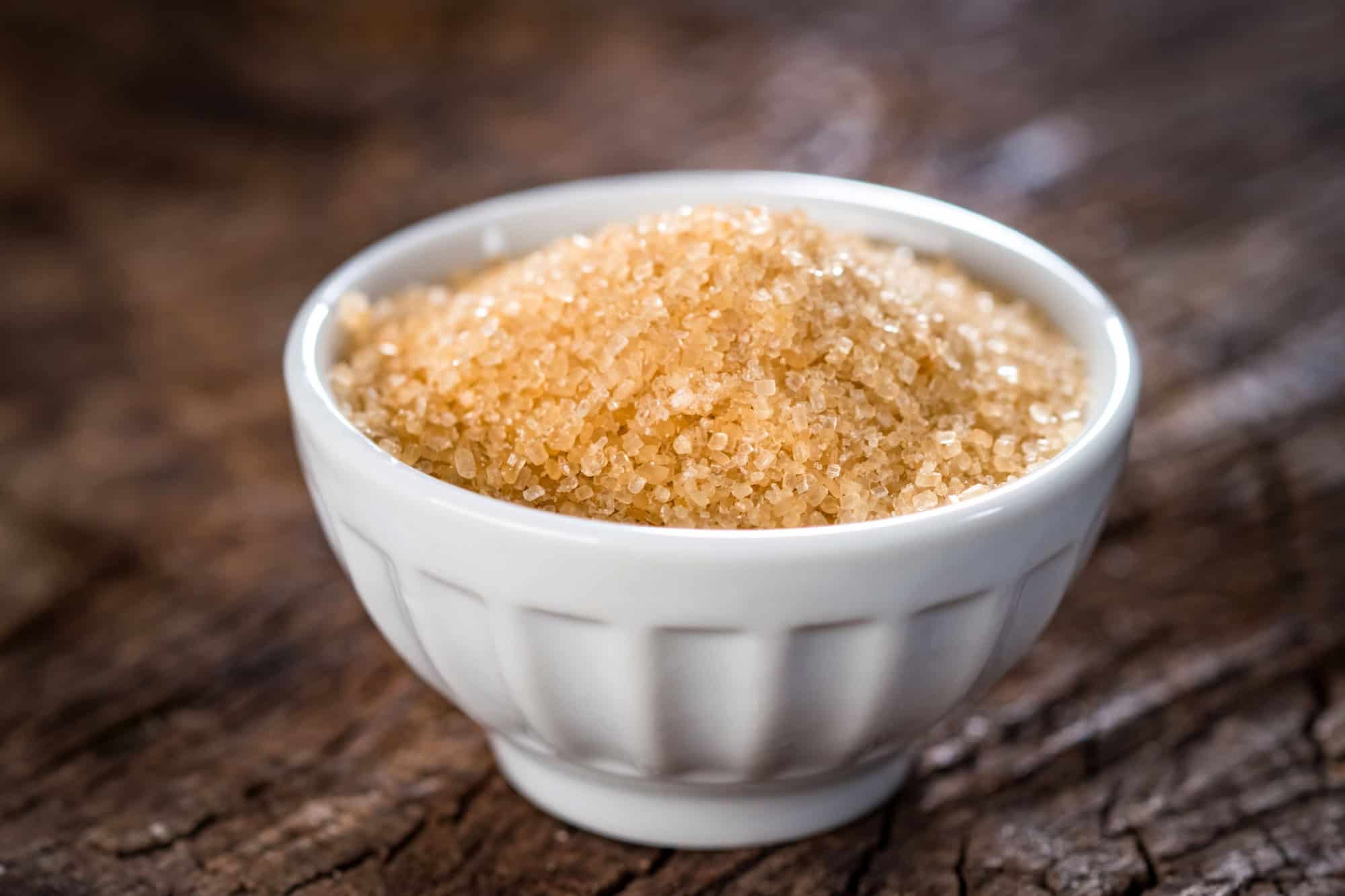
Try opening a boomer’s brown sugar container. You never know what’s inside. You might find some bread in there, although it’s not moldy or forgotten. It’s there on purpose. Yes, boomers used a plain sandwich slice as a hack to soften hard brown sugar.
The bread’s moisture slowly softens the sugar. It does in a few hours, sometimes overnight. But younger cooks don’t know that. They’ll put it in the microwave or buy some clay sugar savers online.
The greasy paper bag
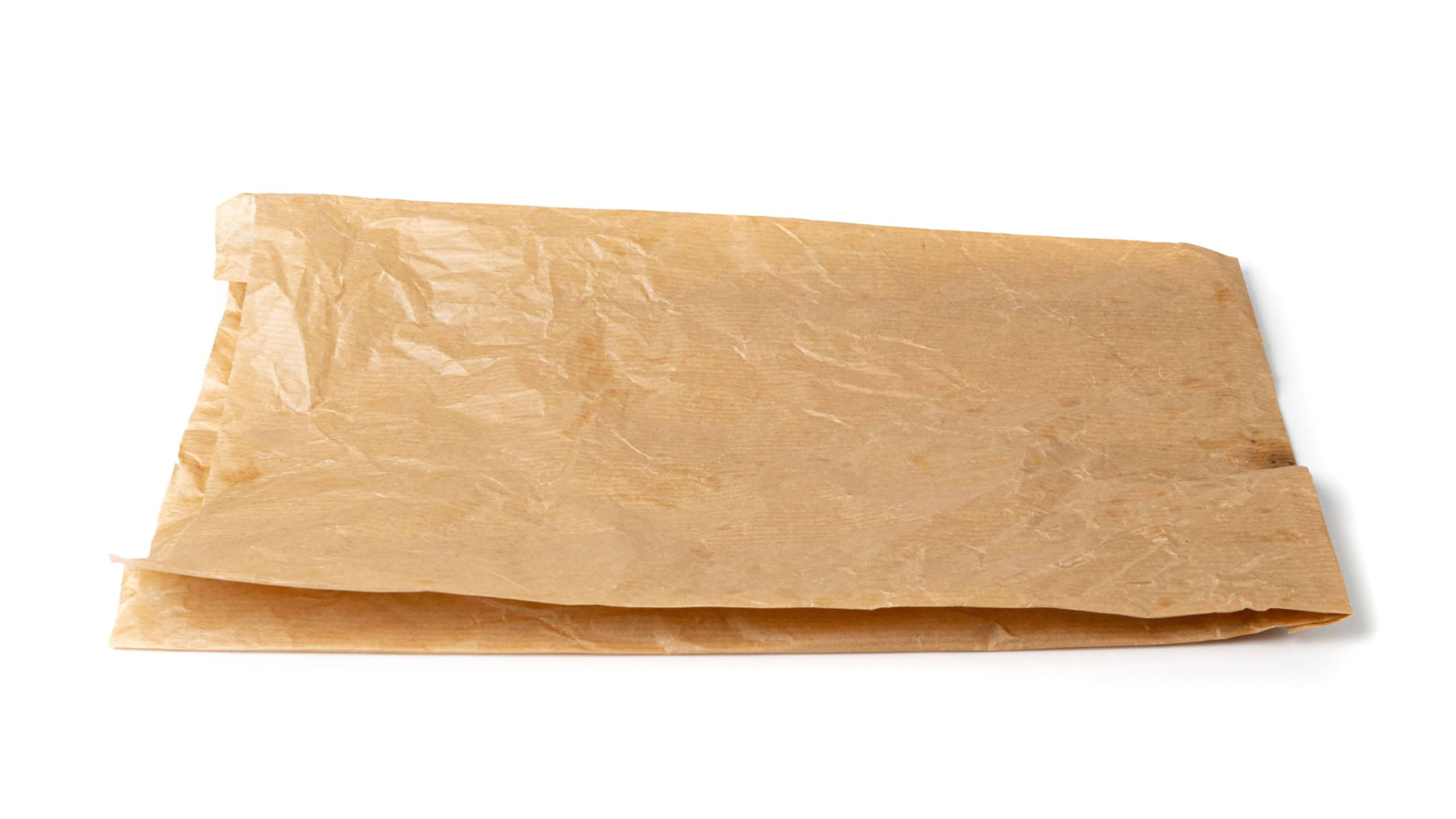
Sure, paper towels are useful. But they’re not the only answer. Many boomers use brown grocery bags to catch the oil from fried chicken and onion rings. Yes, really. They’ll split the bag open. They’ll lay it flat on the counter.
Now it’s ready to catch grease, and it works pretty well. Younger cooks don’t get it, though. They’ll be confused by a pile of food sitting on shopping trash. In fact, they probably think somebody just forgot to clean up after putting away groceries.
The warm-looking cabinet
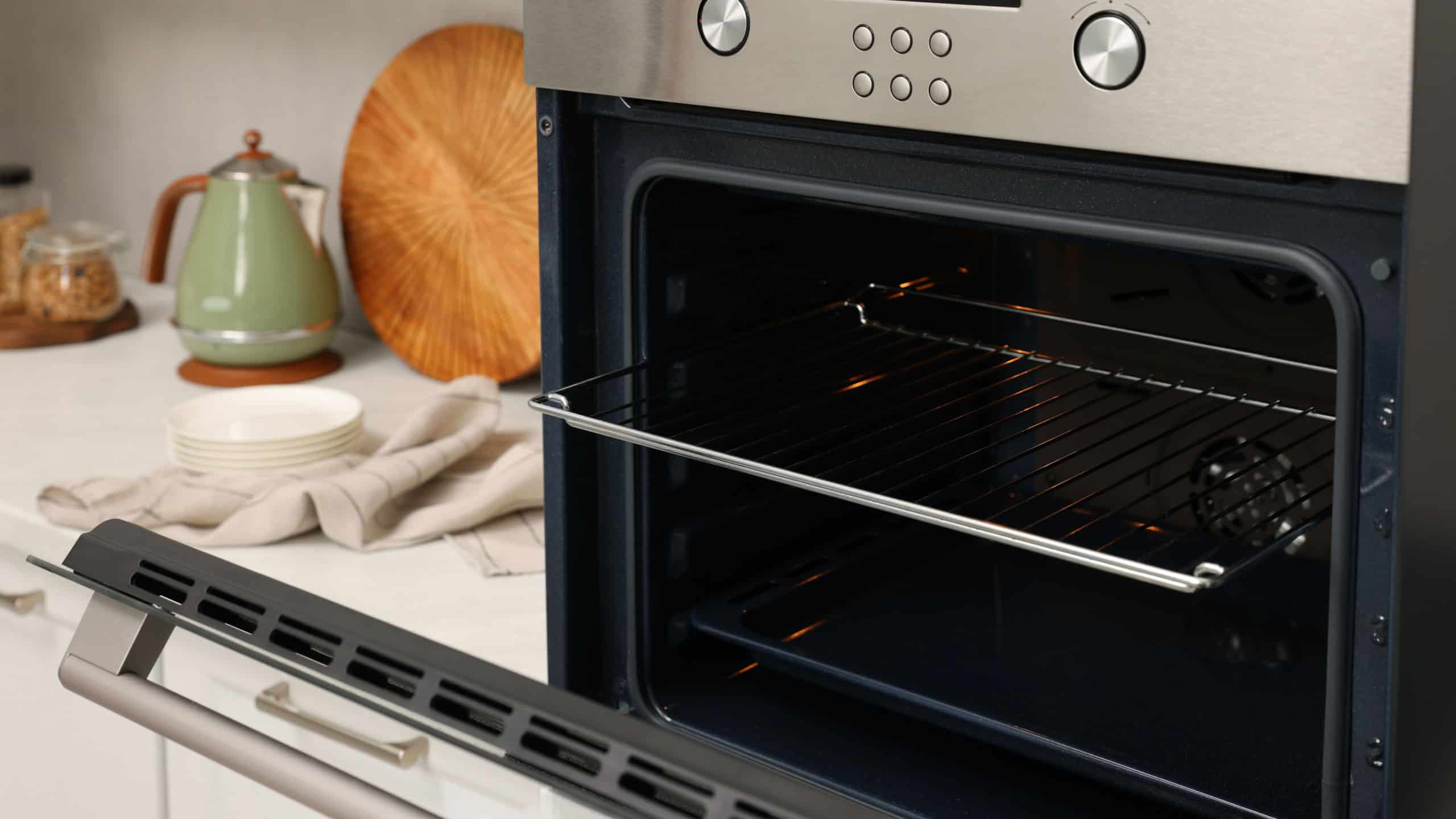
You open the oven expecting a tray. You get bread instead. Or maybe you get hamburger buns. It doesn’t matter. Lots of boomers use unused ovens like storage cabinets, and it makes sense. They can keep baked goods away from pets. They can keep food fresh.
Sure, bread boxes do exist. But ovens are a lot bigger. Younger cooks usually put their bread on the counter or in plastic bins. Finding sandwich rolls next to a broiler rack? That feels completely wrong for them.
The all-day thaw

Here’s one that makes young people panic. They’re confused when they see a frozen roast on the counter. They’re unsure about a pack of ground beef left out. They’re worried about a whole chicken sitting out. It’s normal in many homes.
Yes, boomers will leave meat out on the counter to thaw for many hours. No need for a thermometer. No need for a timer. It’ll be ready later. But younger people have grown up under different guidance that says you shouldn’t thaw meat that way.
The second cup waiting

Cold coffee’s still useful. Boomers know that. They’ll pour the leftover pot into a glass jar and stick it in the fridge. Maybe they’ll reheat it. Maybe they’ll pour it over ice. It doesn’t matter because the point is that the coffee still has a purpose.
However, younger people are more likely to use pods. They’ll use espresso machines. They’ll throw out coffee once it’s done. Finding a mason jar of two-day-old coffee behind the milk is confusing for them, to say the least.
The sweet liquid
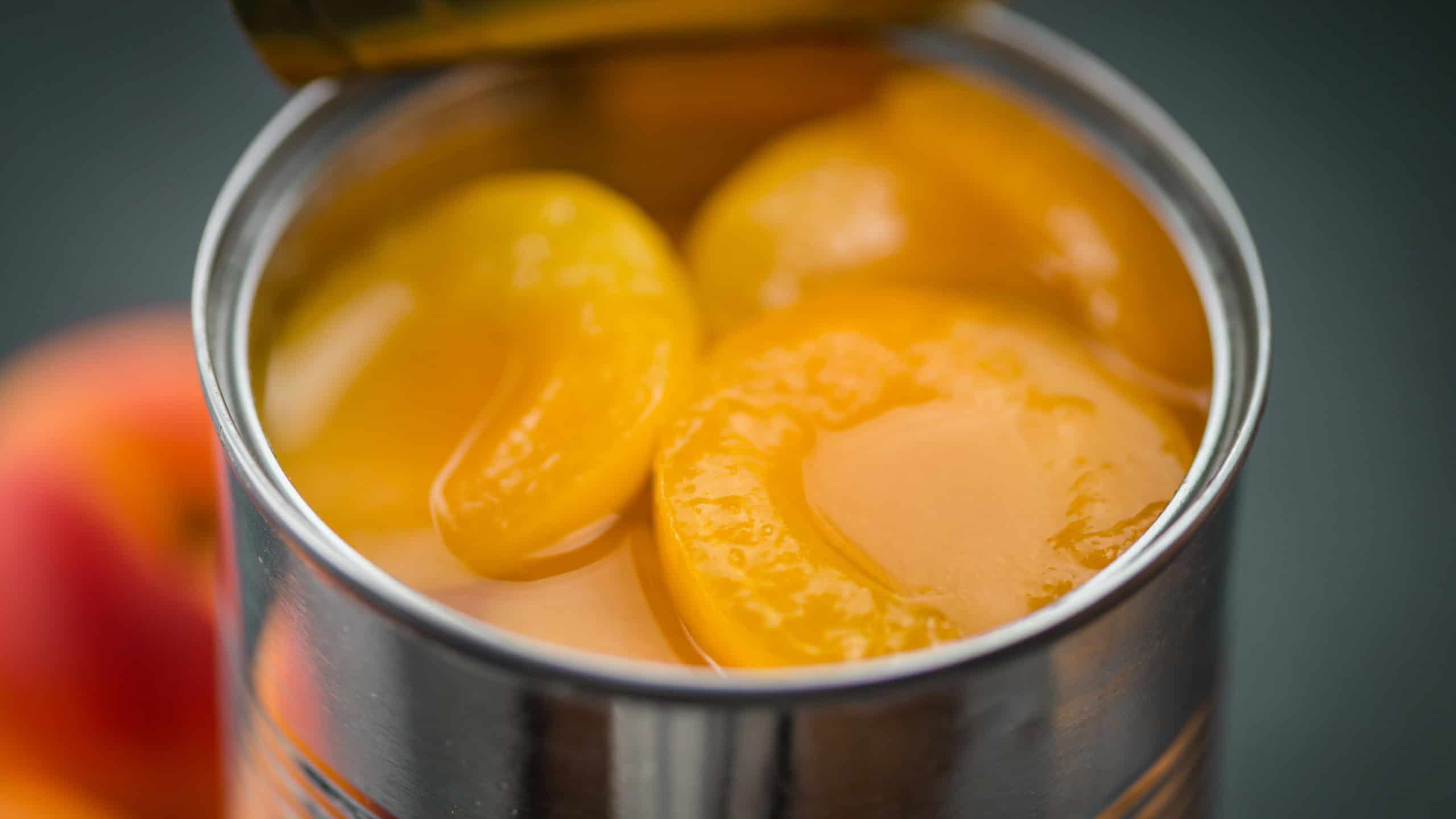
Canned fruit is still popular today. But the way people use it is different. Younger people drain it straight into the sink, but not boomers. They know the syrup still has a life. Yes, they’ll pour it into gelatin molds or brush it over cakes. They’ll mix it into fruit salad.
They’ll even stir it into iced tea. The truth is, their generation believes nothing should be wasted when it still tastes good. A younger cook sees sugar water. An older cook sees it as an ingredient for tomorrow’s dessert.
The folded little wrapper

Boomers open a stick of butter, but don’t throw away the wrapper. They fold it instead. Then, they put it in the fridge. It’s all because there’s still some butter on it. It’s enough to rub over a cake pan or a casserole dish.
It’s enough to grease a skillet. You don’t need to bother cutting off any extra butter. You don’t need any spray. Unfortunately, younger cooks aren’t familiar with this sort of kitchen hack. They think the wrapper’s trash.
The floating slice

There’s soup bubbling on the stove. It all smells amazing. But then a boomer drops a piece of bread on top. What’s going on? It turns out, plain bread is a great way to skim the fat off soup. You can use it for broth or homemade stock, too.
The bread soaks up the oil on top. Then you throw it away. Really, it’s way easier than using a separator or gadget. You don’t even need to chill it overnight. A quick swipe across the surface with a slice, and you’re completely done.
The printed layer

Boomer kitchens have something younger people’s kitchens don’t. They have yesterday’s newspaper. No, it’s not for reading, but actually for mess. You can peel potatoes on it. You can snap green beans on it. You can clean fish on it, whatever.
You can pile scraps on it. Then, you fold it once, maybe twice. Throw the whole thing away. It’s a pretty strange habit for younger cooks. They don’t even have a newspaper in the house to copy this.
The cold dessert pan

Younger cooks think an icebox cake is a trendy cafe dessert. Boomers know better. They remember seeing them in church cookbooks and family recipe cards. They saw them everywhere. You could put cookies in there.
You could put whipped topping in there. Practically everything went in, and then it went into the fridge. Could be for 8 hours, could be for 12 hours. It didn’t need to be a special tray. An old freezer tray or rectangular pan was good enough.
The wax block

A box of wax in the kitchen isn’t for making candles. At least, not always. Boomers know how to use it for jelly. They’ll melt paraffin wax and pour some over hot grape jelly or peach preserves. They’ll let it harden into a seal.
It used to be way more common in American kitchens, before we had modern lid systems. But younger cooks get confused. They see kitchen wax and don’t understand it.
Sources: Please see here for a complete listing of all sources that were consulted in the preparation of this article.


