

Smarter people are the ones who are usually harder to convince, and research shows that these people are less likely to believe in hidden forces or mysterious connections.
A secret plot explains everything

The thing with conspiracy theories is that almost anything can become part of the conspiracy, including evidence against it. People with strong analytical skills recognize that. One study found that getting people to think more analytically could actually reduce their conspiracy belief.
Another study found there was a similar connection with fluid reasoning. That’s the kind of reasoning that involves thinking logically, and people with this sort of skill are less likely to believe in conspiracy theories.
The stars have a personal message
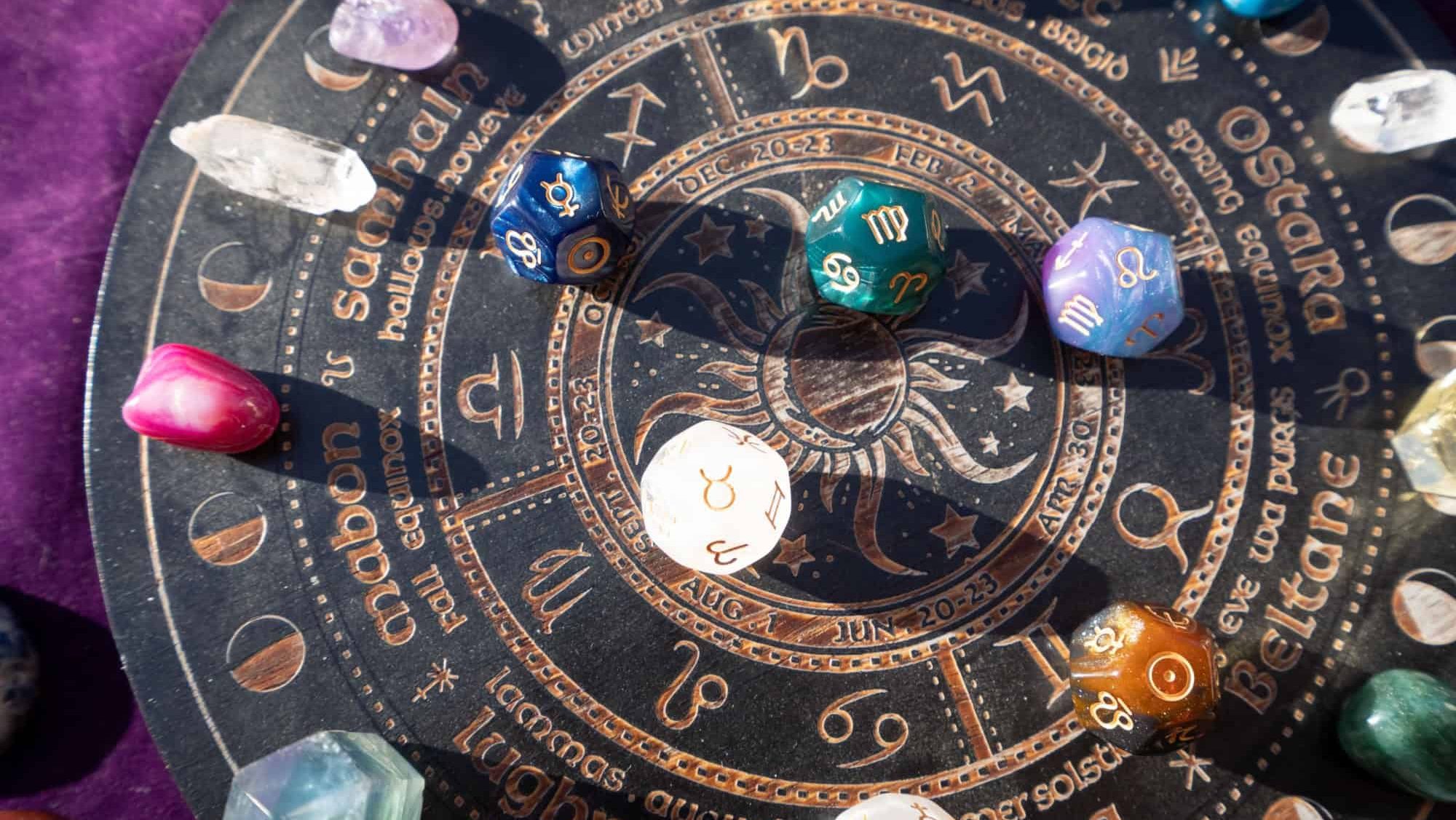
It’s true, horoscopes sure can be convincing. You read a vague description saying something like, ‘You value independence but sometimes need reassurance,’ and it sounds so convincing. But it could apply to anyone, and intelligent people know that.
One study involved giving 965 people a supposedly personal profile linked either to astrology or psychological testing. Those who scored higher in analytical thinking were far less likely to think the fake profiles were accurate. So, it seems that smart people see right through astrology.
There must be something paranormal going on

You hear a strange noise upstairs at 2 a.m., and it makes you think there must be something ghostly going on. That is, unless you’re intelligent. People with higher cognitive ability are less likely to accept paranormal explanations.
A study of nearly 600 adults found that people with higher cognitive ability reported fewer paranormal beliefs. A different study found a strong link between people with lower cognitive abilities and stronger paranormal belief, although smart people do still believe strange things.
Magic caused a real-world event

It’s a similar story with magic. The concept of magic is easy enough to enjoy in a movie, but using it to explain an actual event is something else entirely. You won’t find many smart people confusing the two, as the same study of nearly 600 adults proved.
It found that people with stronger cognitive skills are generally less likely to believe in magic, too. For them, the idea that ‘something strange happened’ doesn’t become ‘an invisible force did it’ as quickly.
A ritual can change your luck

It’s perfectly fine to have a pair of lucky socks because they make you feel good. Thinking they actually changed the outcome of an event is something different, though. A 2022 review found that people with stronger critical-thinking ability tend to be less superstitious.
But that’s not all. The same review also found a lot of evidence suggesting that people who believe in superstitions had more difficulty in judging randomness correctly. In other words, they thought random wins and losses were more connected to whatever happened right before them.
That coincidence couldn’t have been random

Coincidences are a weird one. Perhaps you run into the same stranger twice in one week, and it genuinely feels like the chances of that happening are really small. That’s true. But it doesn’t mean that something is going on, as unlikely events happen all the time.
One study looked at 123 university students. It found that those who believed in more paranormal explanations for coincidences were among those who made more mistakes on probability questions. So, that would mean the opposite is true, too. Smarter people aren’t going to believe that remarkable coincidences are evidence for something paranormal.
It feels true, so it probably is

There are a few ideas that just immediately feel right, although that feeling doesn’t necessarily mean the idea is right. Smart people know that. Yes, those who score higher on cognitive-reflection tests are better at separating true claims from false ones.
They’re not going to simply go along with their first response because it’s only the first one. People with stronger cognitive reflection usually have a better ability to tell misinformation from accurate information.
Fancy wording makes a claim smarter

There are some sentences that sound terribly impressive. Yet somehow, they say almost absolutely nothing, and intelligent people recognize that fact. Studies show they’re not as impressed as other people by sentences with vague buzzwords.
These people had stronger verbal and numeracy skills, as well as fluid intelligence. It’s not that they hate fancy language, but rather, they could recognize when a sentence was genuinely meaningful. They’re not going to believe in sentences with big words that serve no purpose.
A strong religious claim needs no further checking

Let’s get one thing straight, intelligence and religion don’t split neatly into two camps. But still, one study found a small negative relationship between intelligence and religiosity. The researchers found an even stronger link when they compared cognitive ability rather than grades or education.
Other studies seem to support that conclusion. Yes, they’ve found that people who think more analytically are usually less likely to believe in things like heaven and God. Don’t get us wrong. There are plenty of highly intelligent people who are religious, of course. The results are simply an average.
Natural automatically means better

Put the word ‘natural’ on a label, and some people assume that it’s going to be good for you. Sometimes it is, but not always. Advertisers know that, and so do intelligent people, which is why they don’t assume ‘natural’ equals ‘good.’
They know that natural things can also be bad for you, and something being natural doesn’t make it morally right or wrong. Just think about it. Arsenic is natural, and that’s hardly something good. Mother Nature has range.
Someone else winning means you lost

It’s so easy to look at success like there’s only a finite amount of it, and everyone’s fighting over their share. That’s what researchers call zero-sum thinking. Essentially, it’s the idea that if someone gains, someone else must lose, but people with higher cognitive abilities don’t believe in it.
They don’t think their success depends on someone else losing. They know there’s enough to go around. When someone else succeeds, they’re not going to get upset about it. They don’t believe it takes away from their success.
Sources: Please see here for a complete listing of all sources that were consulted in the preparation of this article.
14 bizarre facts about highly intelligent people

More than just being ‘good at hard things,’ highly intelligent people have some unique things about them that’ll probably surprise you.
