

Being a kid in the ‘60s was a totally different experience compared to today, for better or worse, and you could spend the day doing things alone that would be absolutely forbidden today.
Handling strangers who came to the front door
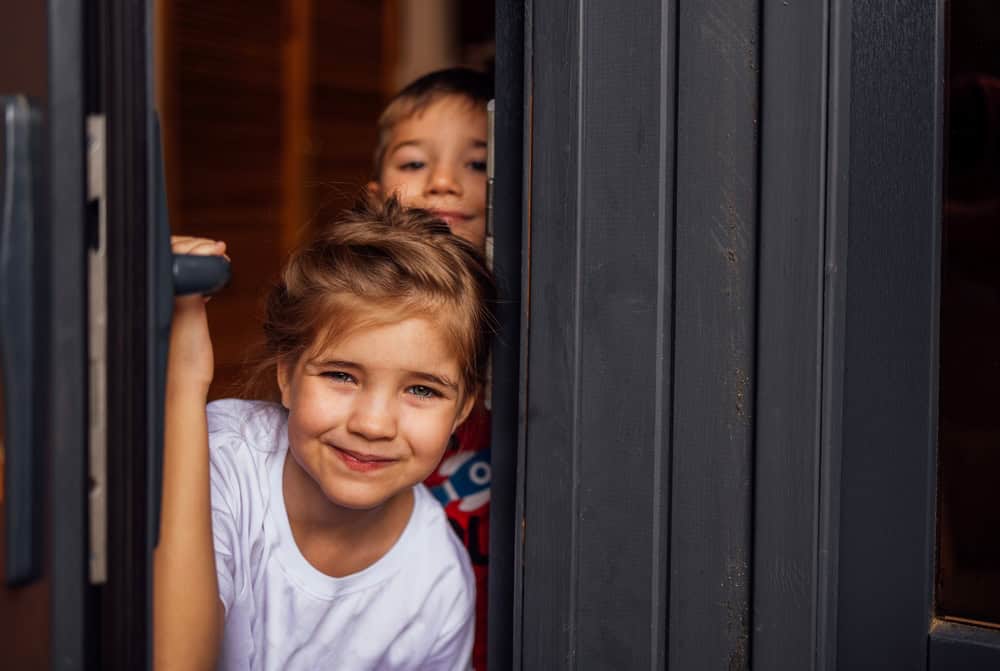
Someone knocked on the door, and kids would answer. Simple as that. Perhaps it was the milkman or a salesman, maybe even a neighbor collecting something or a complete stranger. Kids would answer the door themselves and do what was needed.
Interestingly enough, kids today are usually taught the opposite. They’re told not to open the door and absolutely not to reveal who is or isn’t home. The responsible adult is meant to deal with all that.
Figure it out first
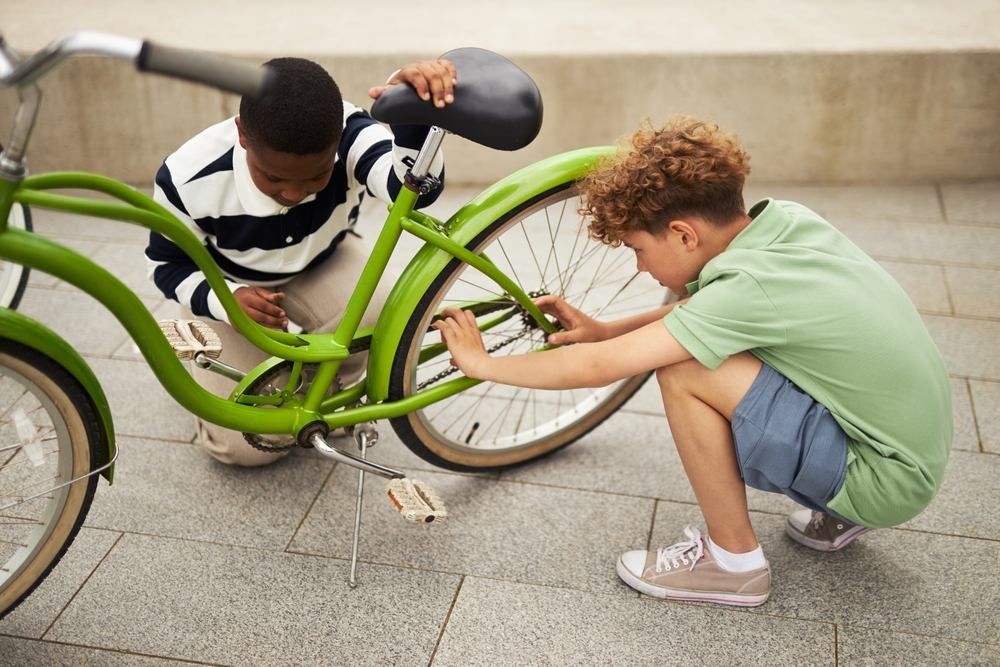
One of the biggest differences involves how kids approached problems. Namely, they were expected to solve them alone. A bike chain could slip off, and they would have to put it back themselves, without any adult assistance.
Kids would ask a store clerk and borrow a phone of their own accord. They’d walk farther than planned and find somebody they knew. Parents today would prefer for their kids to have a much quicker backup plan, and they’re much more willing to step in immediately to solve small issues.
The long way to class
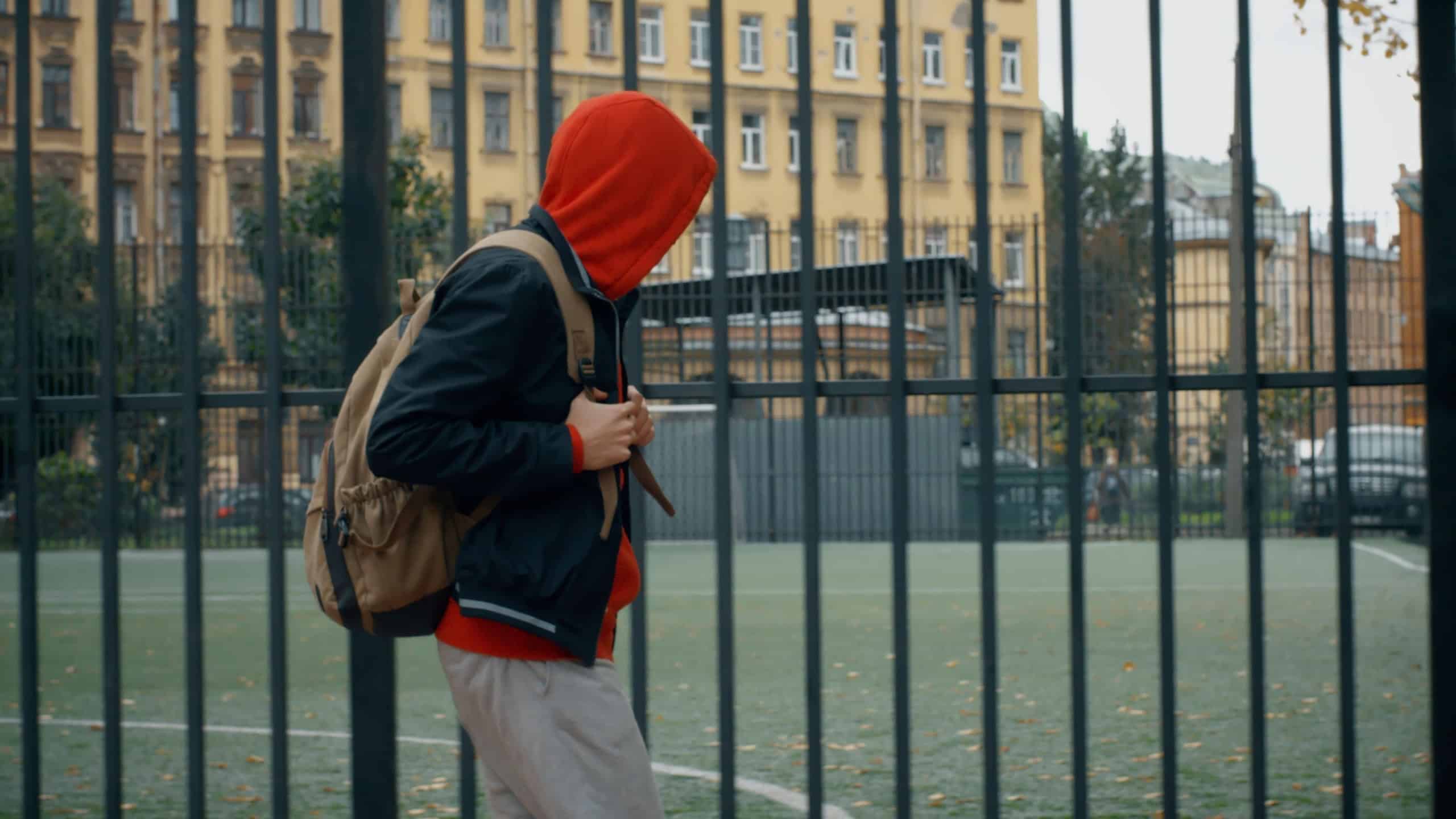
Getting to school was a lot harder in the past, and that’s because it was an actual trek. Yes, there was no two-minute walk from the car drop-off line, and kids would have to walk through neighborhoods by themselves. They’d also cross busy streets and cut through vacant lots.
It was mostly because parents had jobs to get to. The idea of children walking alone was no big deal. But today, that’d never fly, and sending a child that far alone would certainly make parents feel uncomfortable. They’d need their kids to check in with them along the way.
Exact change, no chaperone
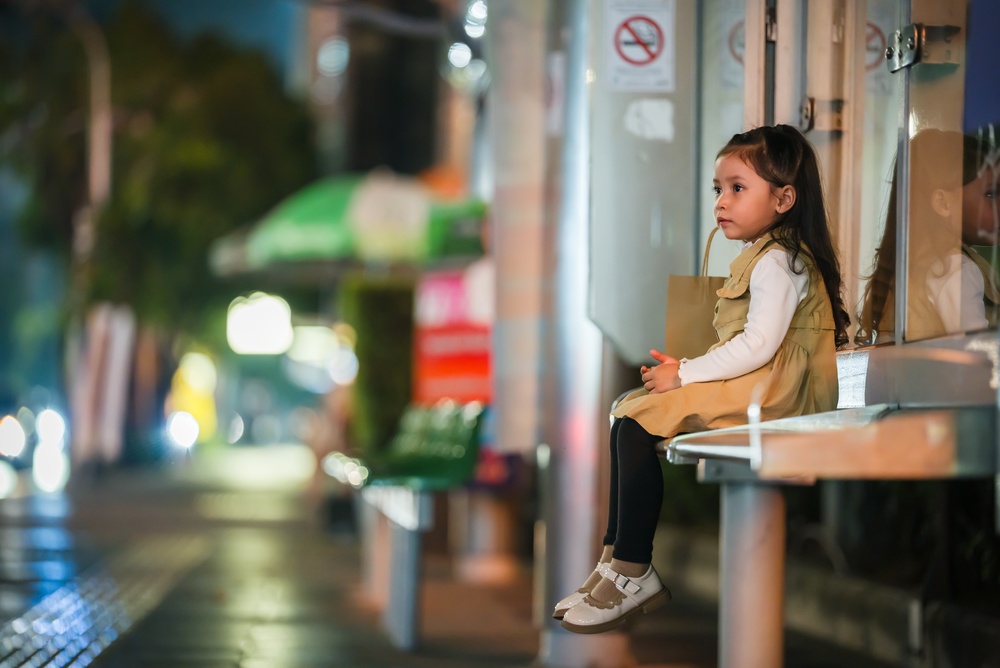
All you needed was a few coins in your pocket to get across town. In the ‘60s, kids would learn which bus to catch and what stop came before theirs because they traveled by themselves. That also meant, if they missed their stop, they’d have to work that out, too.
Public transportation is still part of ordinary city life, of course. But the difference is that parents in the ‘60s treated it more like an errand than an expedition. Modern parents wouldn’t dare send their children on a city bus completely alone. They know it’s unsafe.
The water was theirs

Swimming has always been dangerous. The thing is, though, it used to involve kids saying, ‘We’re going to the pool,’ and going there without an adult. They might go with siblings or friends, yes, but definitely without adults.
That wouldn’t fly today. Parents recognize how deadly public pools and ponds can actually be for kids. Practically all modern water-safety advice says that adults have to supervise their kids closely, and it’s quite the change from the ‘hands-off’ attitude of the past.
Doors nobody locked

An empty building looked way more interesting to kids in the ‘60s. They’d see the ‘keep out’ signs as an invitation, and they’d squeeze themselves in through the gaps. Their parents wouldn’t usually have a problem with it because, well, the kids were having fun.
Modern parents notice the dangers of allowing their kids to do so. Broken glass, unstable floors, trespassing, exposed nails, it’s a lot. Their kids don’t usually spend a lot of time away from adults, either, so their children won’t look for their own places to investigate.
Past the last backyard
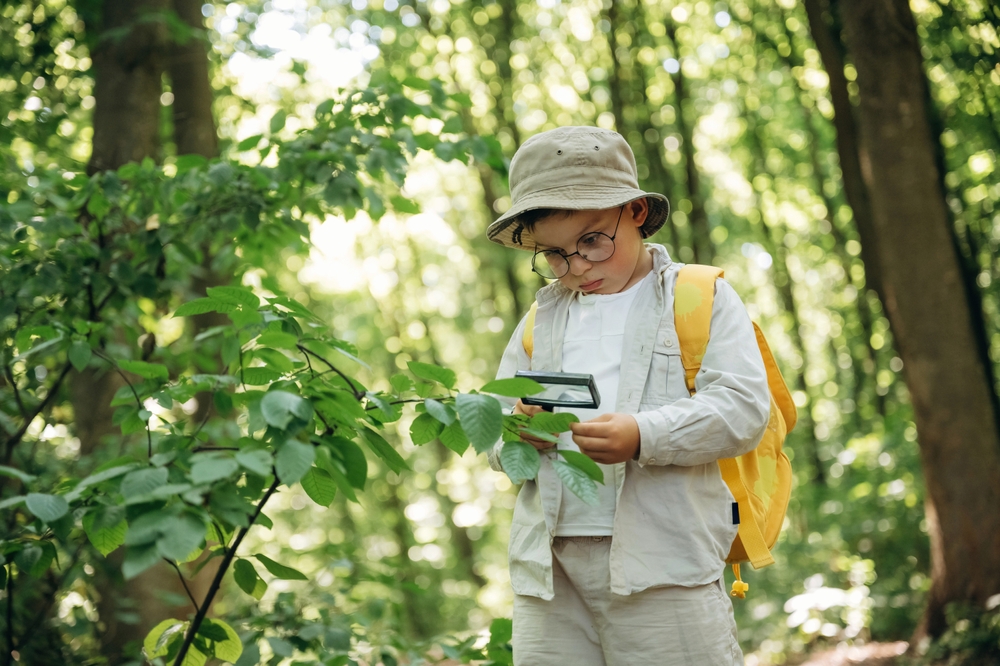
There was no need for a trail map or an adult carrying snacks when kids went into the woods. They’d head into whatever patch of trees sat beyond the houses. Then, they’d spend hours building forts and climbing, all by themselves. Their parents were fine with them doing that.
Parents in the ‘60s expected a lot more independence from their kids, mostly because they had far fewer ways to check where they were. Not today, though. No, allowing a young child to wander deep into the woods alone feels a lot more like neglect than freedom.
The neighborhood sales route
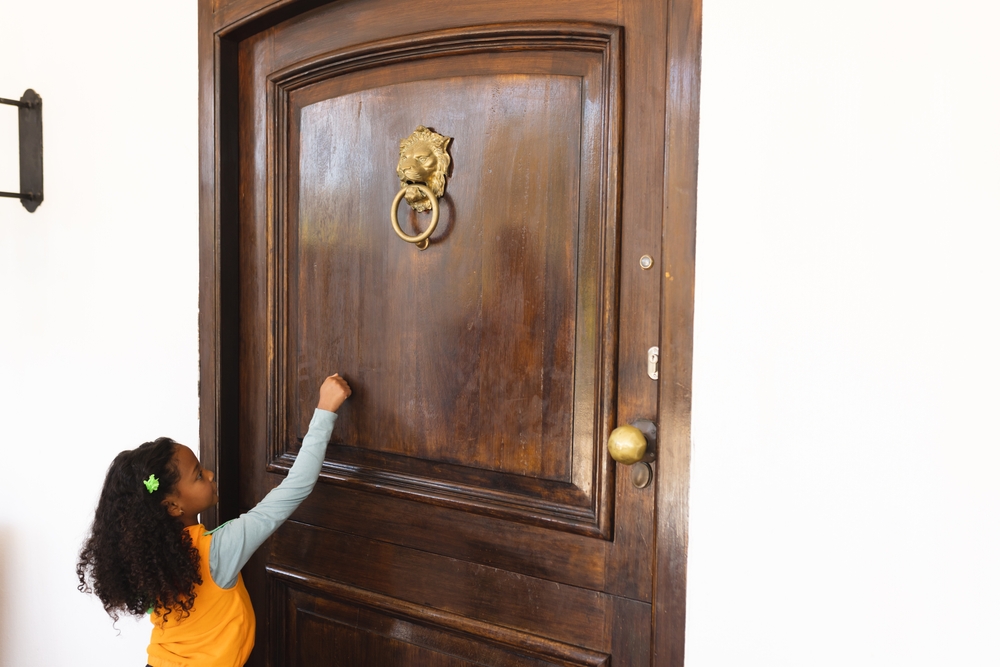
Knocking on strangers’ doors has always been a big part of selling Girl Scout cookies. That hasn’t changed. Yes, girls still take an order sheet around the neighborhood and explain what they’re selling to people. They still come home with names, orders, and money to keep track of.
What has changed, however, is that parents these days will shadow the whole route from the sidewalk. They won’t allow their kids to go door-to-door by themselves. Even current Girl Scout safety rules are way stricter about having adults involved. You’re not supposed to send a young girl off alone with cash and a list of addresses.
The empty-house hours
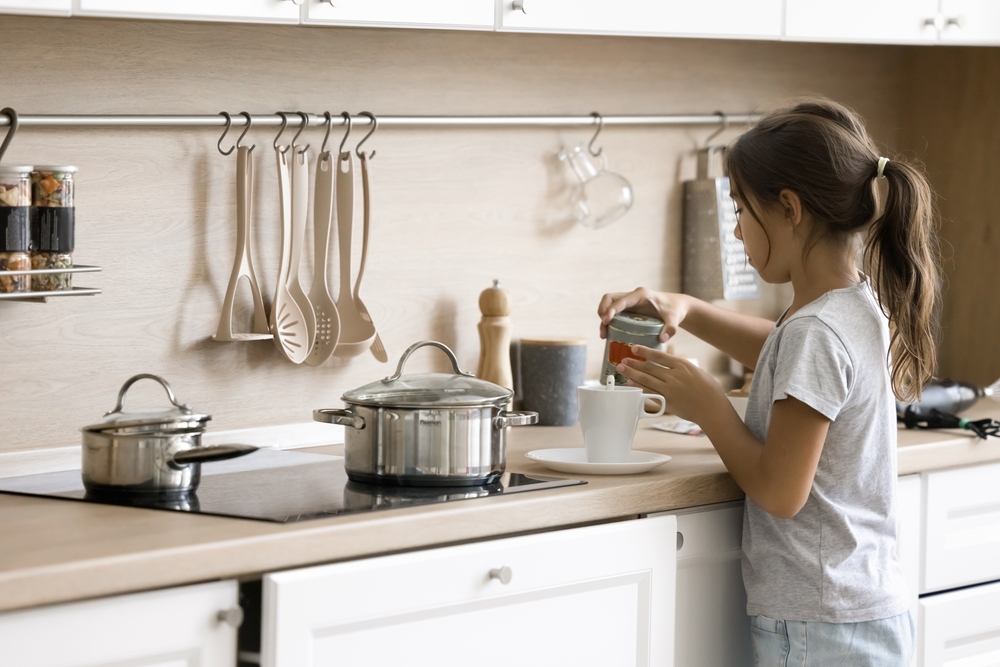
It was so normal for kids to come home after school and be completely alone, no big deal. They had a key, and they were expected to cook for themselves when they were hungry. Being a latchkey kid was something that nobody really thought about in the ‘60s, it was that ordinary.
The idea of having a sitter after school was almost laughable. Parents today, however, would get pretty nervous just thinking about sending a younger kid home to an empty house.
Across town on their own
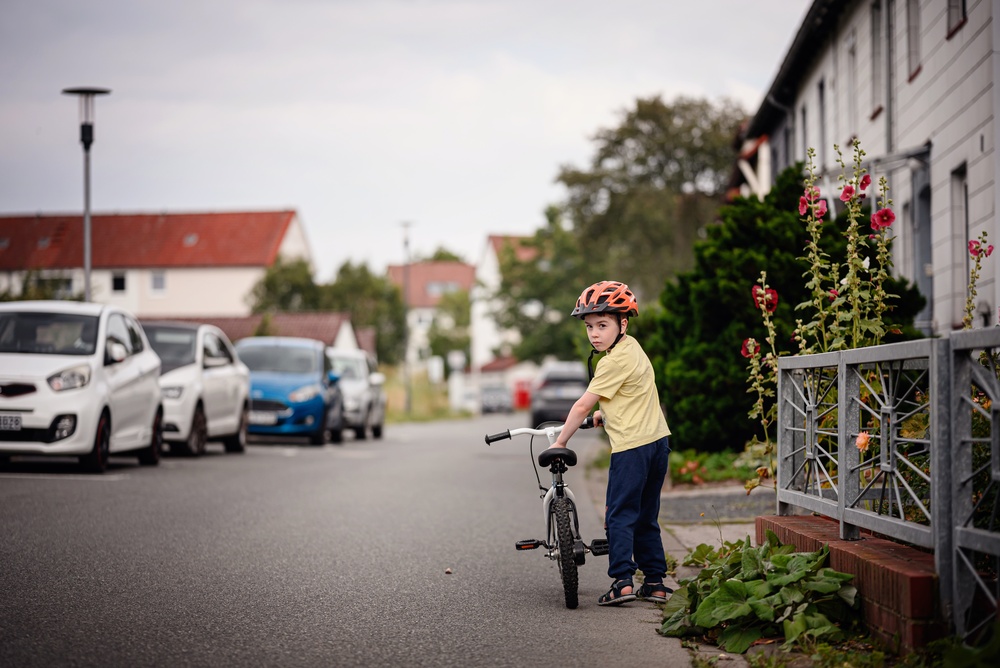
Anytime kids wanted to see their friend who lived three neighborhoods away, they’d just go there. It often involved pedaling a bike across town and walking for ages. Whatever the method, kids were expected to figure it out themselves, as parents weren’t arranging both ends of the trip.
Parents would assume their kids would come back at a certain time, more or less. That’s not how things are nowadays, as a young child disappearing across town is a no-no. Doing it without a phone or ride home would probably lead to a few calls to the police.
While Mom did the shopping

Kids didn’t necessarily have to get out of the car when their parents went grocery shopping. During the ‘60s, it was perfectly normal for a kid to stay put with the windows cracked, and simply wait for Mom to come back. She could be five minutes, she could be twenty.
But that sort of behavior wouldn’t be acceptable today, no way. Parents treat the idea of leaving a young child alone in a parked car far more cautiously. They know that the heat is a big problem, for one, but there’s also the safety risk of leaving a child alone.
Sources: Please see here for a complete listing of all sources that were consulted in the preparation of this article.
10 bizarre rules that controlled teen life in the 1960s

Teen life during the ‘60s involved way more than sock hops and soda fountains, as it also included a lot of rules about ordinary things teens couldn’t do.

