

Even when you’re far from your chaotic childhood home, your nervous system may still believe you are there.
Always plan an exit
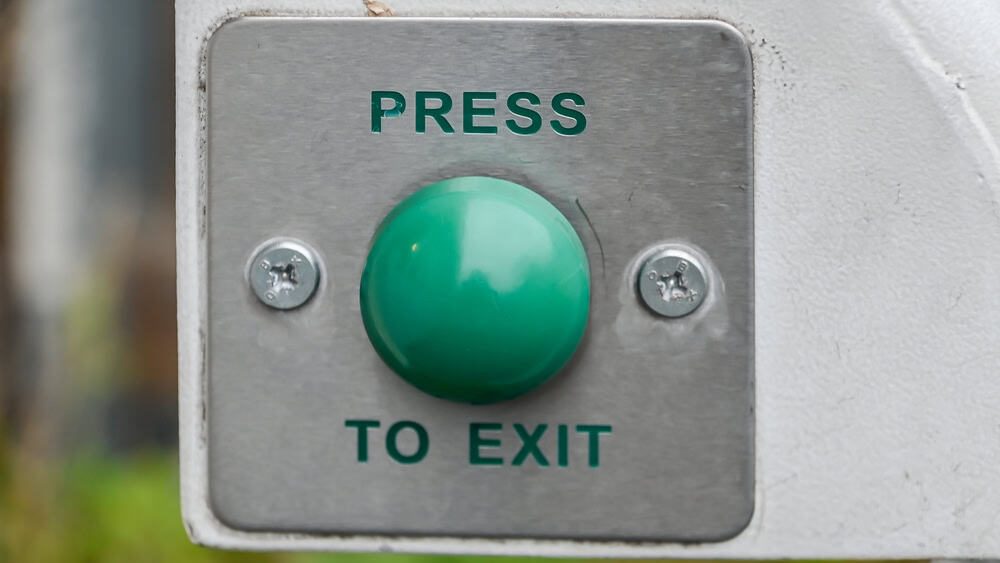
Studies on complex trauma during childhood identify hypervigilance as one of the go-to survival tools in chaotic environments. In adult life, this means scanning your physical and social surroundings as soon as you walk into a room.
You instantly recognize where the exits are located, mentally diagram who the leaders of the group are, and size up the mood before you make yourself comfortable.
Trust me, you’re not being paranoid. You’ve become accustomed to knowing your way out or fading into the background when emotions start to run high.
Always justifying yourself

Growing up with your choices constantly questioned, dismissed, or penalized instilled the idea that your fundamental needs were inherently wrong. As an adult, this develops into a need to construct bulletproof cases for every day scenarios.
When you call in sick to work, bail on a friendly dinner, or purchase a new jacket, you don’t simply say what you’re doing. You present a well-calculated, over-explained defense of why you had no other choice but to do what you’re doing.
You’re frantically trying to squash any ounce of criticism before it can manifest.
Feeling bad for existing

Attachment theory explains how children who feel they are burdens apologize and shrink themselves so as not to solicit bad attention from others.
You grow up to automatically say “excuse me” for natural human occurrences. You apologize when someone brushes past you, when you inquire with a cashier where something is at, in a store, or when you speak at the same time as another person in a conversation.
It’s a subconscious way of asking for approval to simply be in the room.
You fear owing people

If love and affection aren’t freely given to you as a child, then acts of kindness are typically laden with manipulation, guilt-tripping, and payback.
As adults, when someone tries to do something small for you, even if it’s holding the door open or giving you their phone number, you panic internally. If someone asks if you want them to drive you to the airport, pick you up coffee, or help you move house, your immediate response is no.
You’d rather suffer through some huge inconvenience yourself rather than owe someone you can never repay.
You keep secret stashes

A lot of psychologists who work with developmental neglect report that adults dealing with it have strong compulsions to hide caches of tiny objects (coins, non-perishable food, etc.) or particular special tools.
If your basic physical/emotional needs weren’t regularly met growing up, your brain learned to view the world as an unpredictable place that could run out of the things you need at any moment.
Maintaining a secret stash lets you feel that truth on a physical level somewhere, so you know for sure you won’t ever be left with nothing.
You clean to feel safe

If you were raised to feel loved conditionally, you live in fear of others discovering you’re broken or dirty.
When you have people coming over to your house (friends included), you don’t clean, you scrub. You don’t straighten up, you organize. You don’t just give the place a once-over; you scrutinize every corner as if your landlord were conducting a health inspection.
You fear that one dish in your sink or your unmade bed will be the undeniable evidence to the world that you’re messy, lazy, or just simply disrespectful, so you camouflage your inner weaknesses with outward cleanliness.
You attach to objects
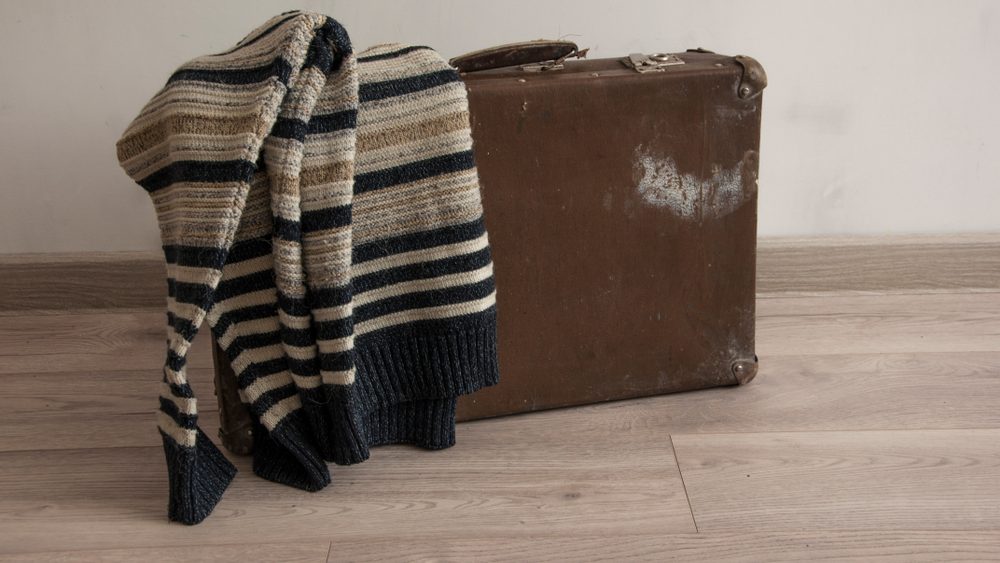
Objects can’t criticize you, abandon you, or stop loving you when you screw up.
When children don’t receive enough positive physical attachment from caregivers growing up, they often displace this desire for safety onto inanimate objects.
Maybe that’s why you can’t seem to throw out that broken souvenir from vacation eight years ago, or the old sweater you haven’t worn since middle school, or that stack of newspapers you used to download pictures on back in ’03.
These things carry an outsized feeling of safety and security, as that was the only affection you could truly rely on.
You triple-check locks and switches
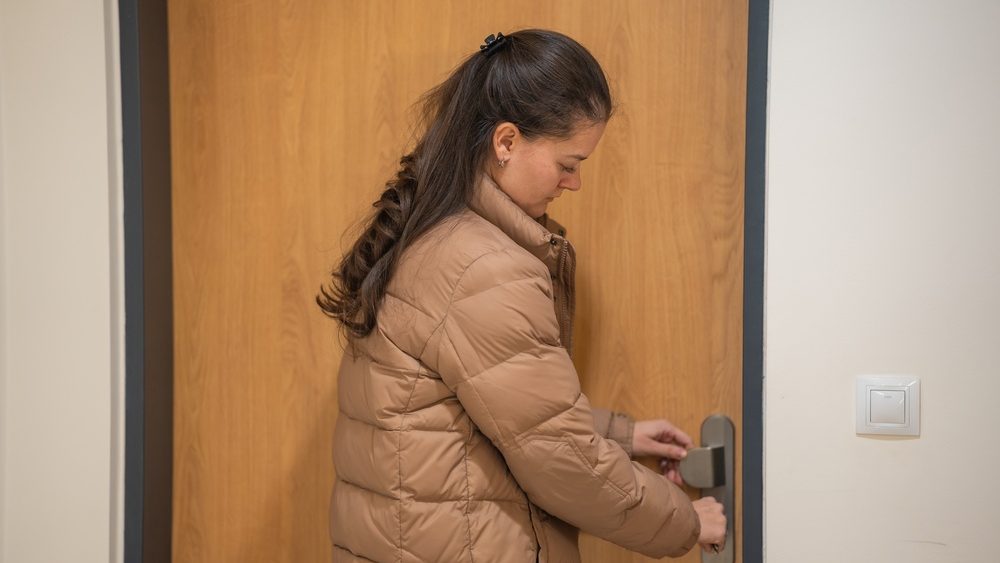
If you grew up with chronic unpredictability as a child, your nervous system becomes hyper-active and has a difficult time letting itself believe life is ever truly safe or settled.
Many times this takes the form of physical compulsions you repeat over and over to try to create a false sense of certainty. You just don’t lock the front door once or turn off the burner on the stove once, you twist the knob 3 times, walk away and then return to check it again.
Our bodies create these rituals to help still the inner alarms that are always telling us something terrible is about to happen.
You adapt to everyone

As children, in order to survive an emotionally withdrawn or unpredictable household, we become expert chameleons. We learn to mold ourselves however necessary to keep the peace.
As adults, this becomes a conditioned social adaptation. Within minutes of speaking to someone you instantly (and unconsciously) pick up their pitch, colloquialisms, body language, and energy.
It can make you seem incredibly relatable but what you’re actually doing is a subconscious safety tactic to make sure the other person feels comfortable enough to not push you away.
You blame yourself first

For kids who didn’t experience consistent love, a caregiver’s sudden quietness in a chat usually signaled impending verbal abuse, emotional withdrawal, or a scolding.
Fast forward to adulthood and when you send someone a text they don’t immediately reply, or when you have a few seconds of silence in conversation, you panic.
Instantly, your thoughts turn to “What did I say?” or “Where did I fall short?” You then meticulously review your recent exchanges, looking for the subtle mistake you’re certain you’ve made.
You push through everything

Growing up, whenever you tried to voice your emotional distress it was invalidated or shrugged off. As adults, you take that idea and apply it to your physical pain.
You refuse to slow down when you hurt yourself or fall ill. You limp around on a sprained ankle, soldier through blazing fever, and burn yourself out without telling anyone. Asking for help feels like a scary notion.
You view your body as a machine that just needs to soldier on.
Sources: Please see here for a complete listing of all sources that were consulted in the preparation of this article.
Like our content? Be sure to follow us.
17 people share the unwritten rule of adult life nobody told them

Adulting may not come with a guidebook, but it does come with these universal rules.
17 people share the unwritten rule of adult life nobody told them

