

These beloved classics have everything from cheesy stereotypes to violent graphics that make them terribly hard to watch today.
The Jazz Singer
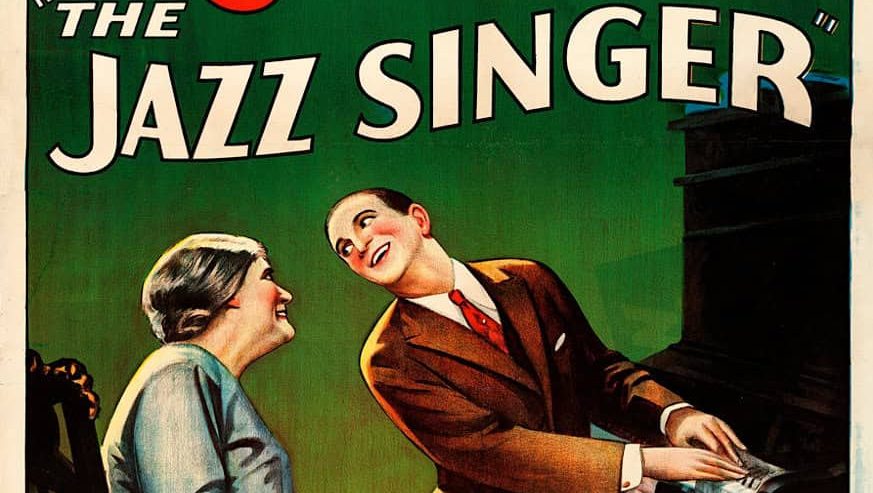
Many consider The Jazz Singer, released in 1927, to be the film that truly brought talking pictures to the forefront. The film features Al Jolson as Jakie Rabinowitz, a Jewish son who turns his back on his father’s traditional religious music aspirations to chase fame as a singer.
On stage, Jolson can be seen in blackface on multiple occasions. While blackface entertainme+695nts were common in the era, it’s now recognized as a racist practice that revolves around mocking Black people. Within the film’s narrative, Jolson’s blackface performances aren’t simply an aside or spectacle, they’re a huge part of the story itself.
The film was certainly groundbreaking for its time. Yet, today, Jazz Singer’s prevalence of blackface makes it cringe-worthy to watch.
The Birth of a Nation
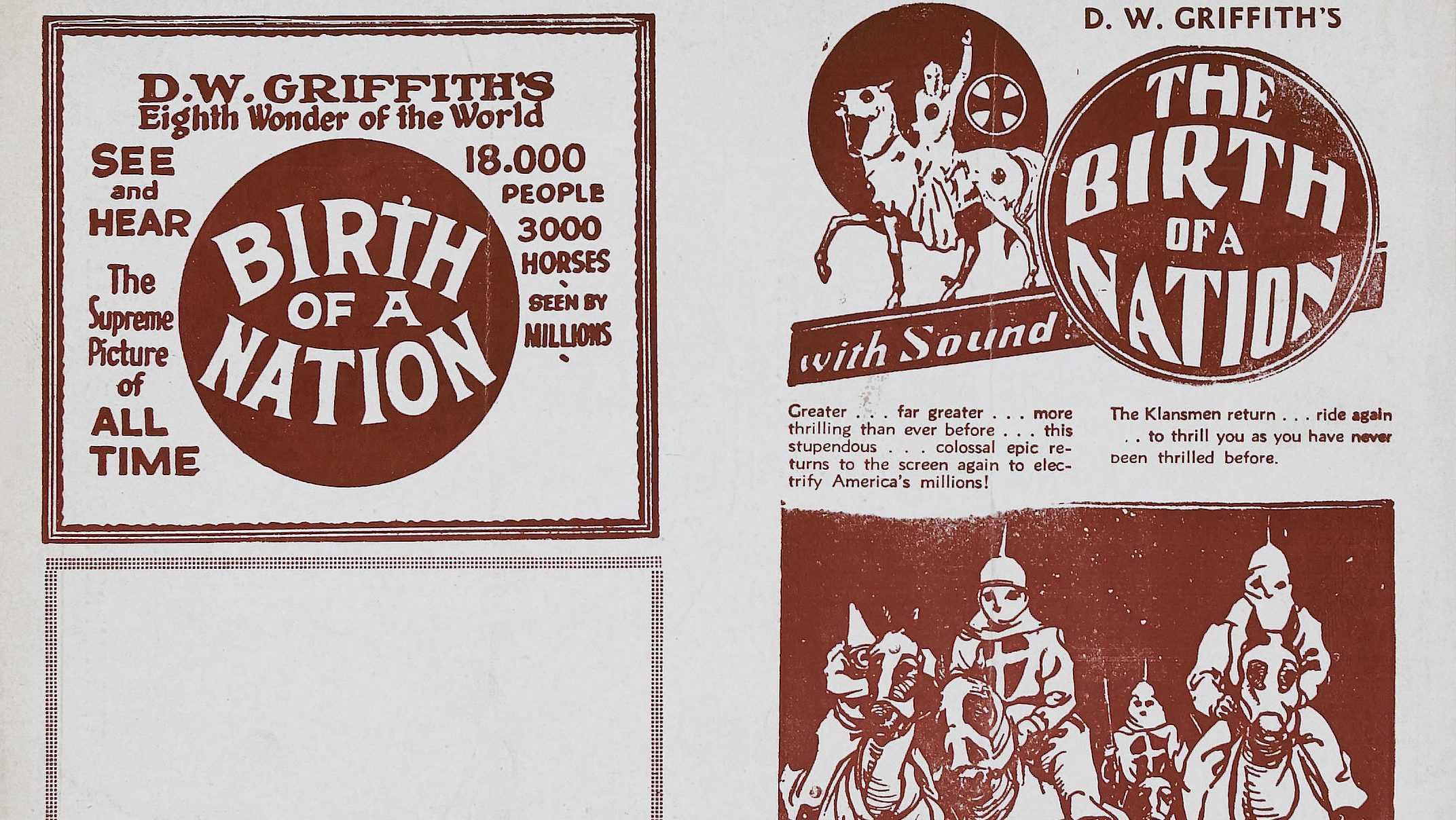
D. W. Griffith’s epic changed filmmaking when it was released in 1915. Many techniques, including cross-cutting and close-ups, became popular because of the film. It also showed what films could do to weave together a sprawling epic.
Its politics are another matter entirely. Black characters are subjected to racist stereotyping, and the Ku Klux Klan is depicted as the heroic defenders of white society in Reconstruction.
Its technical accomplishments should not be ignored, but the film’s racism toward African-Americans and its celebration of the KKK make it a tough film to watch today.
Sixteen Candles
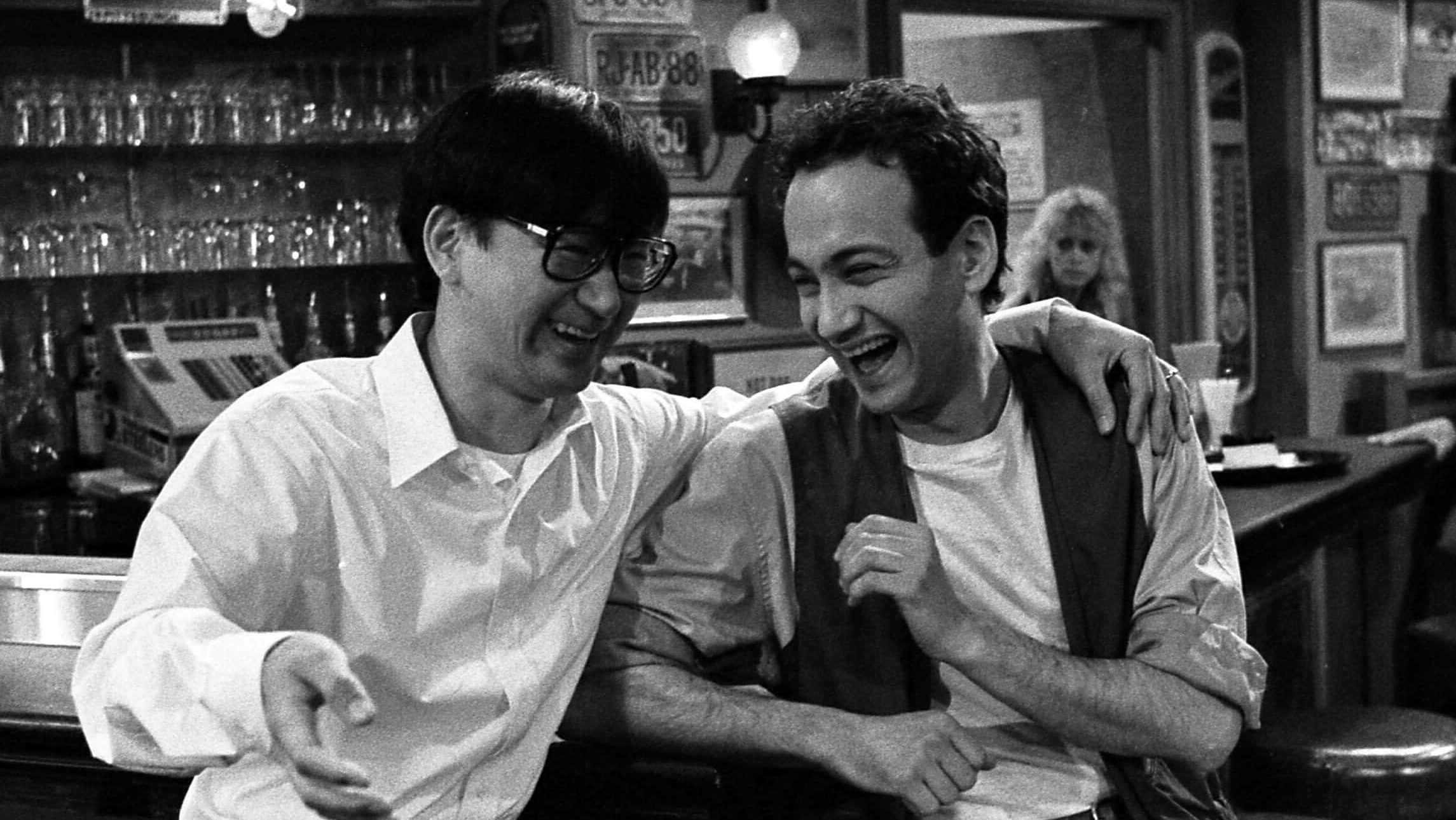
John Hughes’ iconic teen comedy from 1984 hasn’t aged particularly well but there is one character who really sticks out like a sore thumb: Asian exchange student Long Duk Dong.
Long Duk Dong’s character revolved around lazy Asian stereotypes, from his fake accent to his mannerisms and appearance. He’s even introduced by someone banging a stereotypical Asian gong.
Sixteen Candles has also received criticism for how it portrays s**ual scenes with a drunk character. What was once a teen comedy now feels remarkably unsettling.
Seven Chances
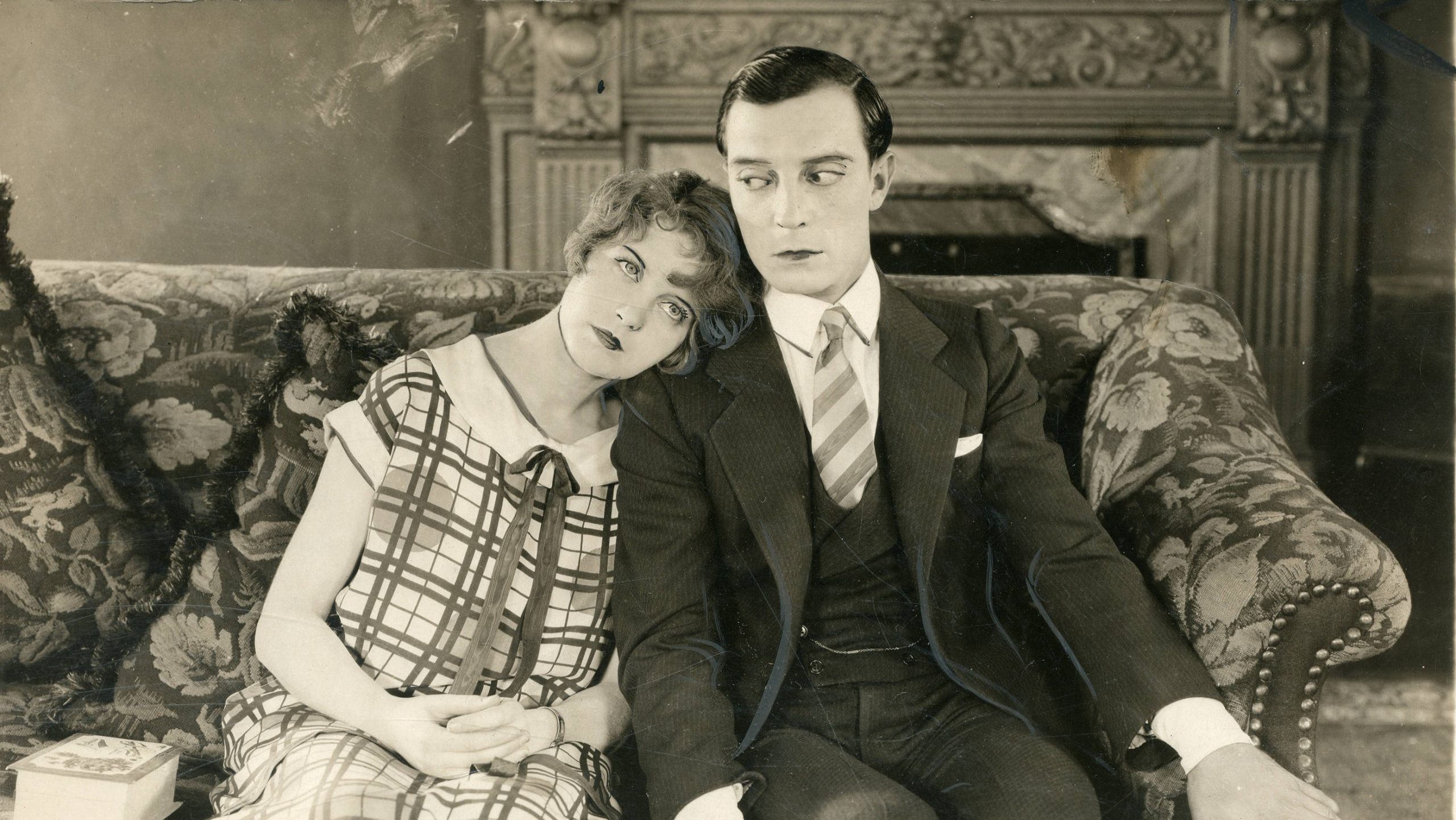
Starring Buster Keaton, Seven Chances is a notable silent comedy for its frantic physical comedy and one of cinema’s best-known chase scenes. Sadly, some of the film’s humor falls flat these days.
The plot sees a man frantically trying to find a woman to marry before a deadline in order to inherit money. Throughout this frantic dash to meet the deadline, the film unfortunately presents numerous ethnic and racial stereotypes that can be jarring to modern viewers.
Song of the South
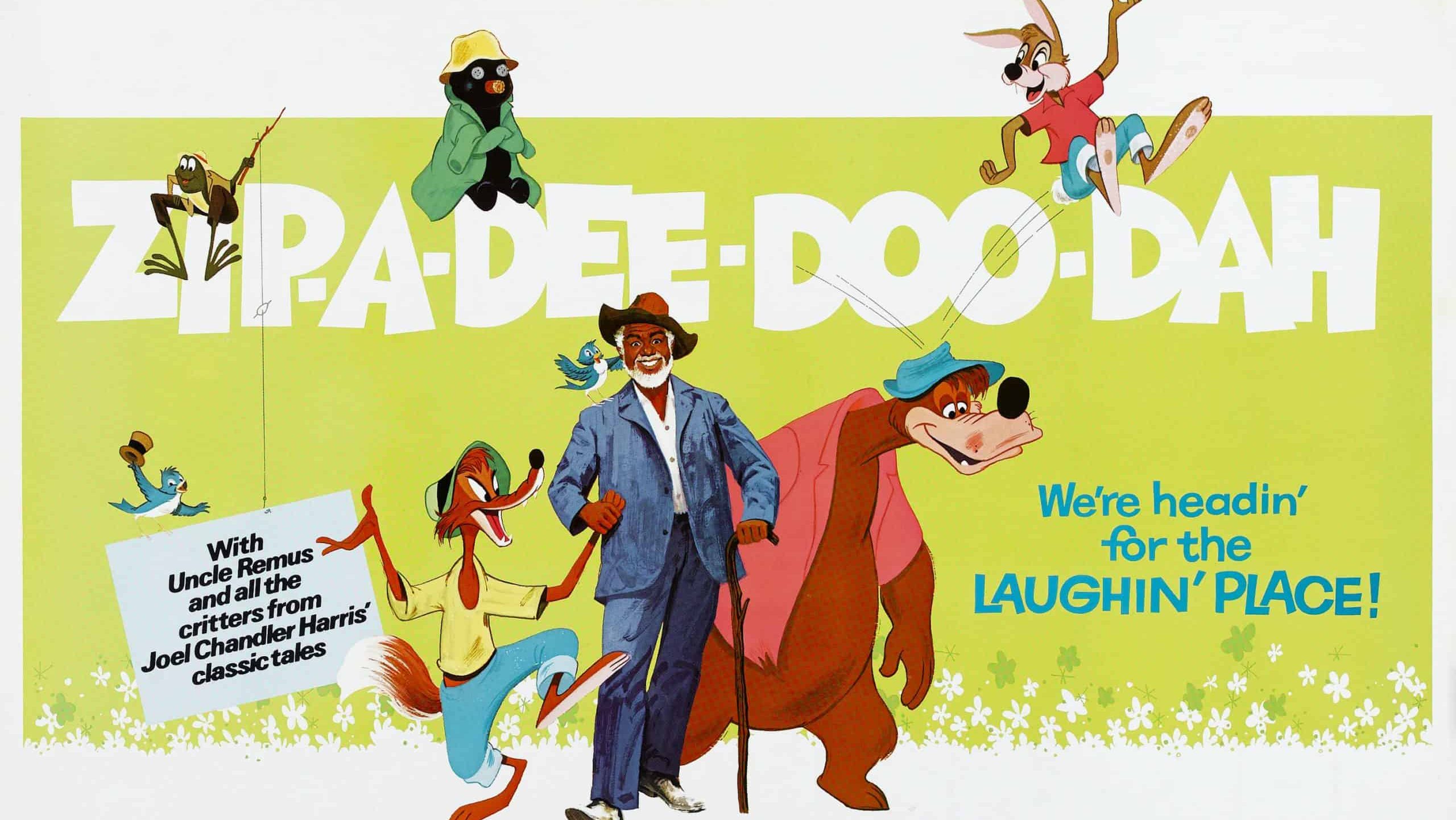
Disney’s 1946 live-action animation musical has become one of the most controversial films in the company’s history. It centers on Uncle Remus, a Black storyteller, and the stories he tells about Br’er Rabbit, Br’er Fox and Br’er Bear.
Critics have slammed the movie for depicting a too-idyllic version of the post-Civil War South and for placing Black characters into a paternalistic society. For these reasons, the film has been exceedingly controversial for decades.
For decades now, Disney has kept the full movie off U.S. home video releases, and you can’t stream it on Disney+ either. The movie’s biggest legacy might just be its Academy Award-winning song, “Zip-a-Dee-Doo-Dah.”
Seven Brides for Seven Brothers
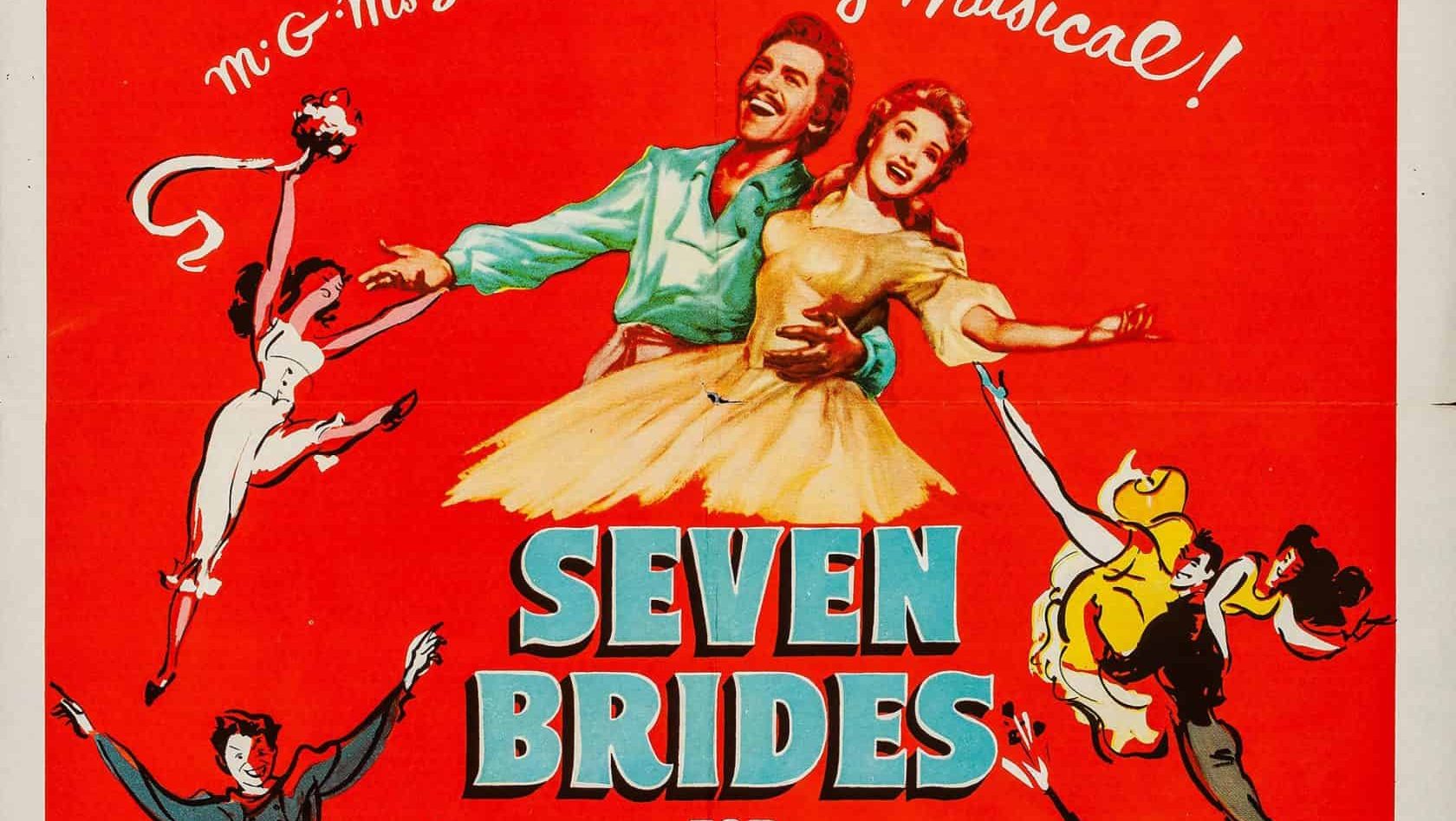
While the dancing is wonderful in this 1954 musical, you can’t help but notice the main plot. Adam Pontipee marries Milly and his six unmarried brothers decide they all want wives as well.
They travel into town, find six women they like, and kidnap them to be their brides. An avalanche then causes the ladies to be trapped up in the brothers’ wilderness home for the winter.
Sure enough, they work it into a happy musical ending with romance, but it makes light of abduction and forced relationships in a way that can be incredibly unsettling today.
Breakfast at Tiffany’s
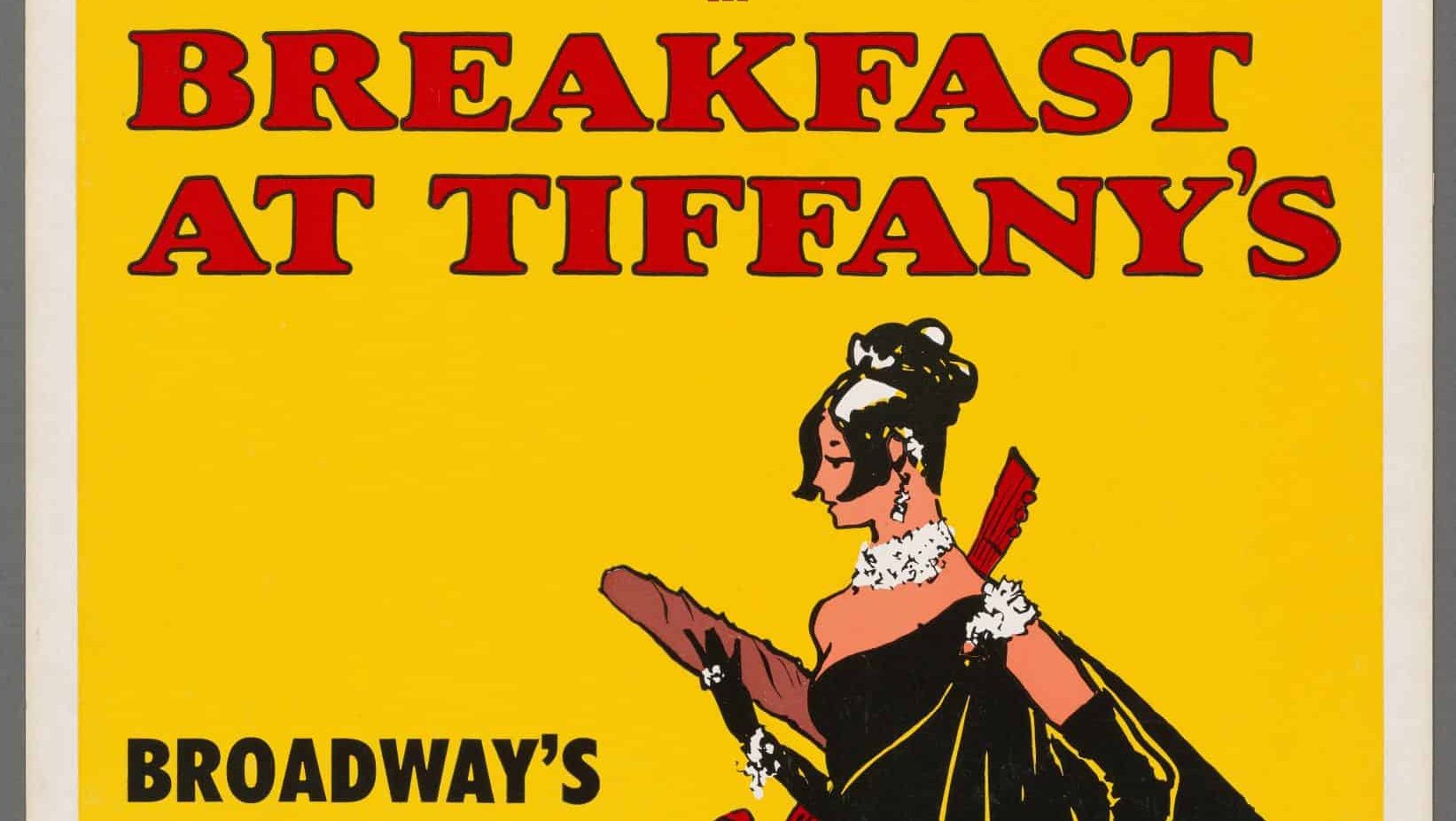
Audrey Hepburn may have created one of cinema’s most iconic characters in Holly Golightly, but Breakfast at Tiffany’s features one of Hollywood’s most notorious uses of yellowface.
The character of Mr. Yunioshi, Holly’s Japanese landlord, was played by white actor Mickey Rooney and featured exaggerated facial makeup. Beyond his exaggerated features, the character’s gestures and speech were crafted to summon a comical Asian caricature.
Rooney’s performance has since been called offensive, and even director Blake Edwards apologized for the choice later on.
Howard the Duck
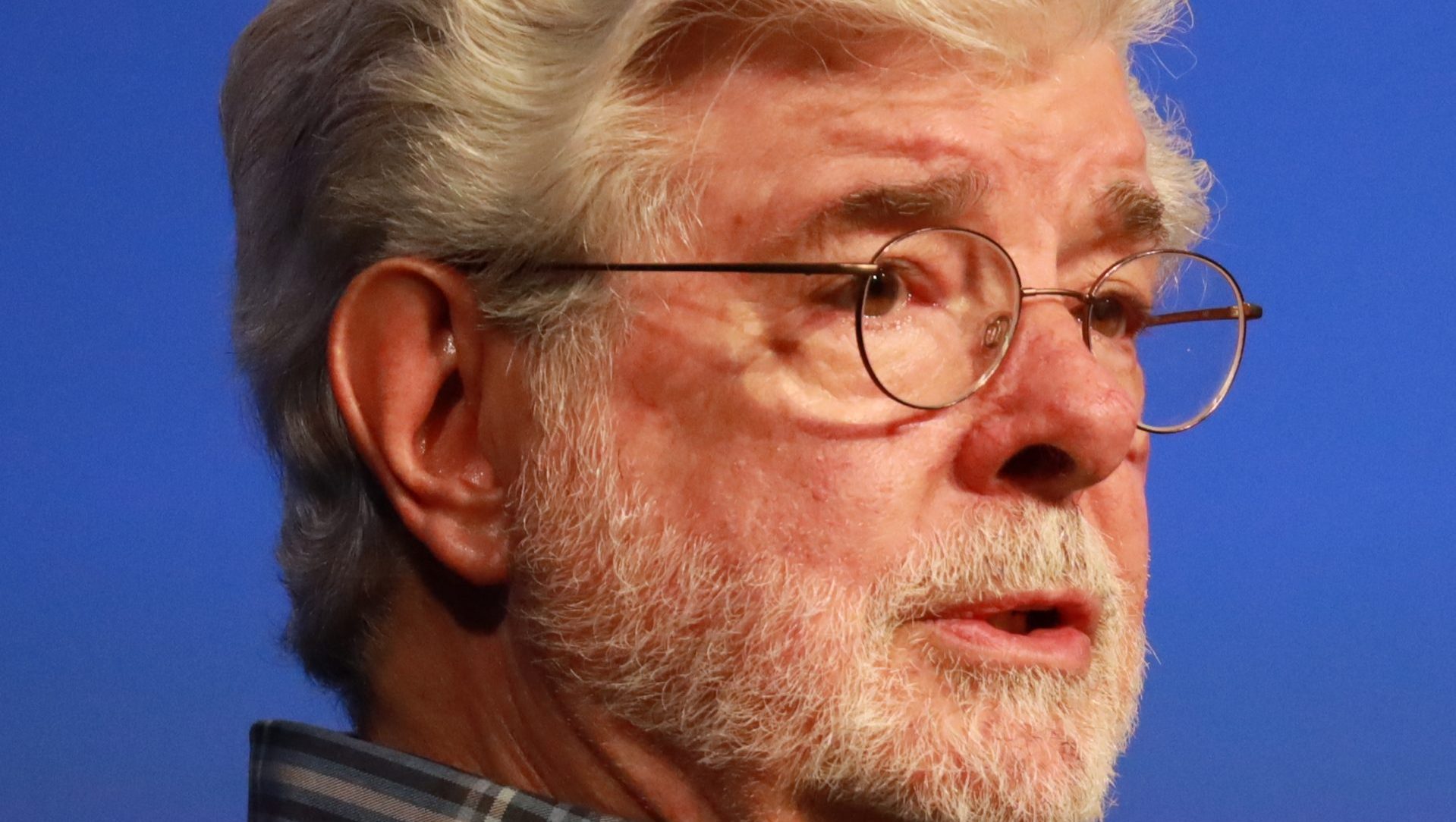
Howard the Duck hit theaters in 1986 with none other than George Lucas as the executive producer and massive expectations surrounding it.
Howard, an anthropomorphic duck from another planet, finds himself randomly transported to Earth.
The movie’s mix of science fiction, slapstick, romance, and horror left critics bewildered by its tone. Howard the Duck’s questionable humor, lackluster effects, and outmoded se**al gags contributed to its notoriety as a colossal budget misfire.
Upon its debut, Howard the Duck was savaged by critics and bombed spectacularly at the box office.
Gigli
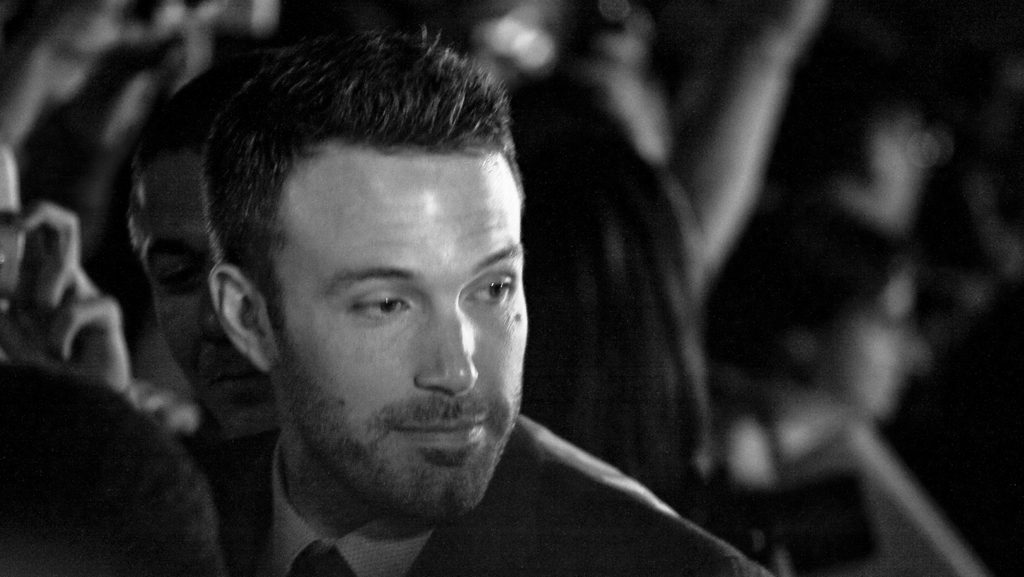
Ben Affleck and Jennifer Lopez had one of the most prominent relationships in Hollywood when Gigli premiered in 2003. Audiences remember the bomb because of them.
Affleck stars as a mob boss who must kidnap the mentally handicapped younger brother of a federal prosecutor. Lopez plays Ricki, a fellow crook brought in to assist with the mission, with whom he falls in love.
Audiences hated Gigli for its terrible script and palpable lack of chemistry between Lopez and Affleck. Currently on Rotten Tomatoes, Gigli has a critics’ score of 6%.
The Searchers
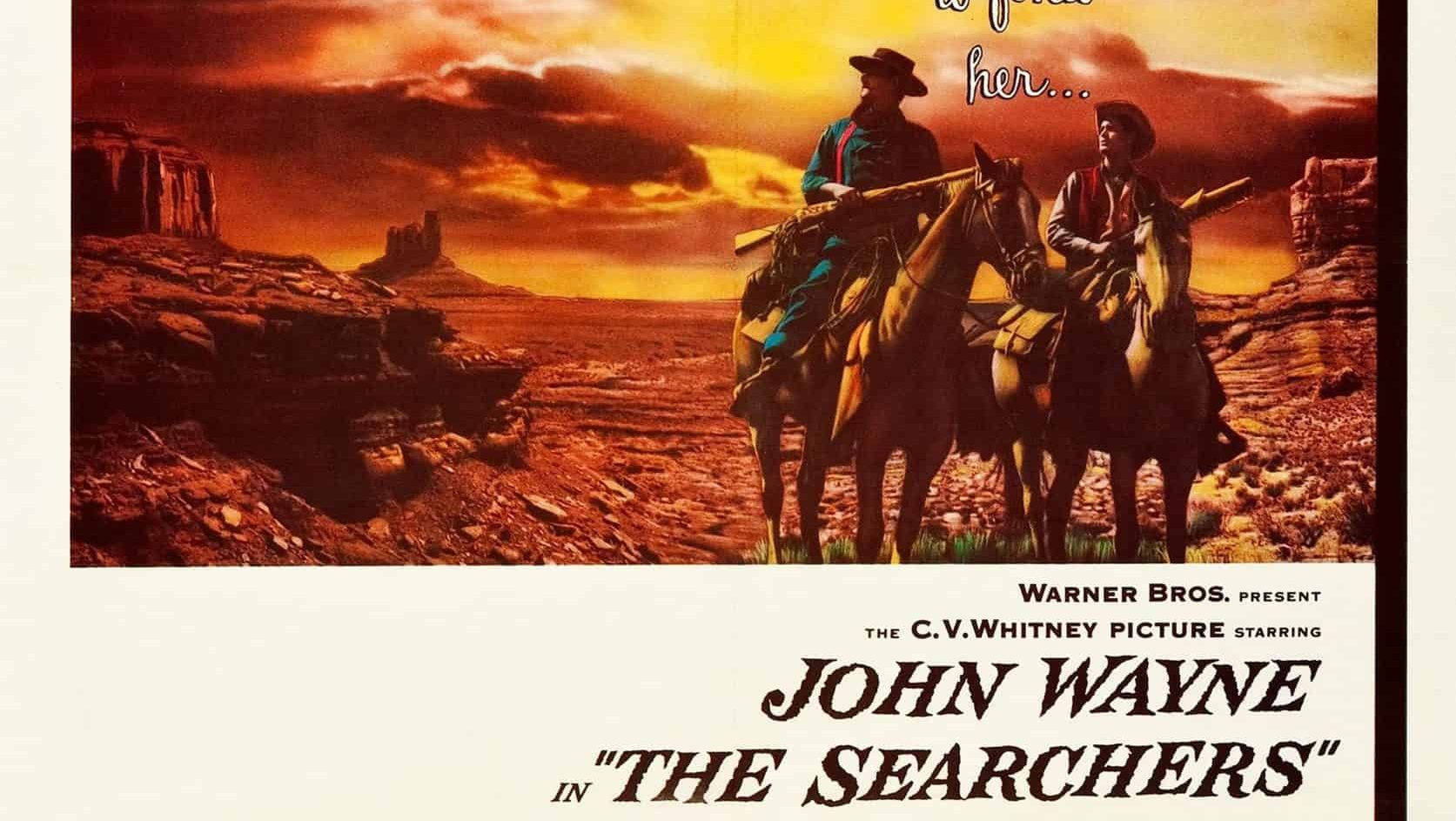
Despite often being called the greatest American film of all time, John Ford’s post-Civil War Western can be pretty hard to sit through because of its racial politics.
John Wayne takes on the role of Ethan Edwards, a former Confederate soldier consumed by racism, who embarks on a quest to rescue his kidnapped niece Debbie after a Comanche attack. Ethan frequently vocalizes his genocidal hatred of Native Americans and cannot come to terms with Debbie having become assimilated into Comanche life.
While The Searchers never champions Ethan’s racism, his bigotry and obsession fuel the film’s plot and have frequently been interpreted as harmful. And the film doesn’t escape using the racist stereotypes of Native Americans that were typical of Hollywood Westerns back then.
Xanadu
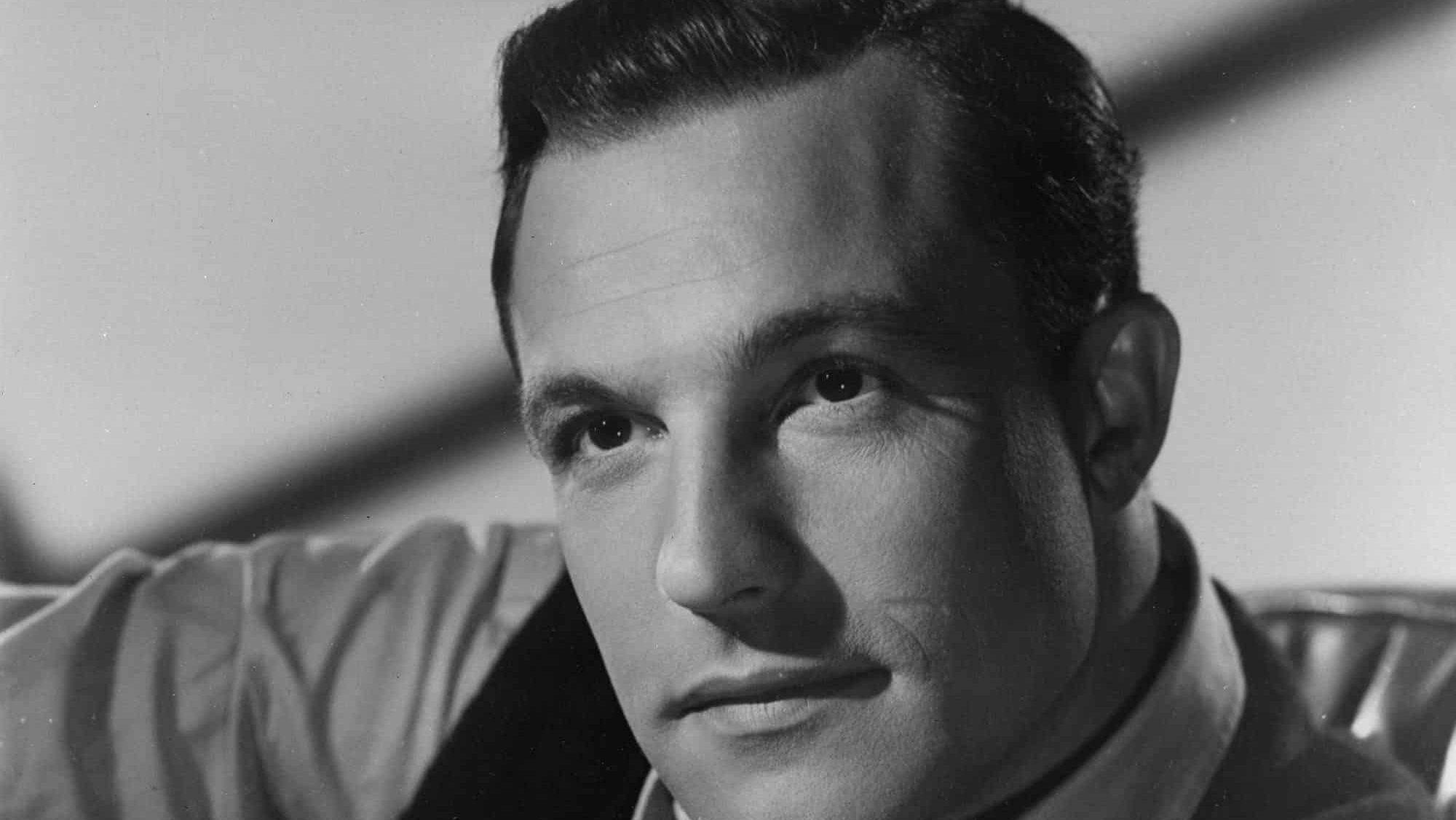
Xanadu premiered in 1980 alongside another Olivia Newton-John movie, Fame, and starred Newton-John, Gene Kelly and a soundtrack led by Electric Light Orchestra. The film centers around Kira, a Greek muse who encourages a struggling artist and an older musician to open a roller- skating nightclub.
While the film’s concept was clearly meant to be whimsical, a good number of viewers struggled to follow the storyline and found the directorial choices inconsistent. Roger Ebert called it a “mushy and limp musical fantasy” and more recent reviews have hammered the film’s strange special effects and absurd story.
Mandingo
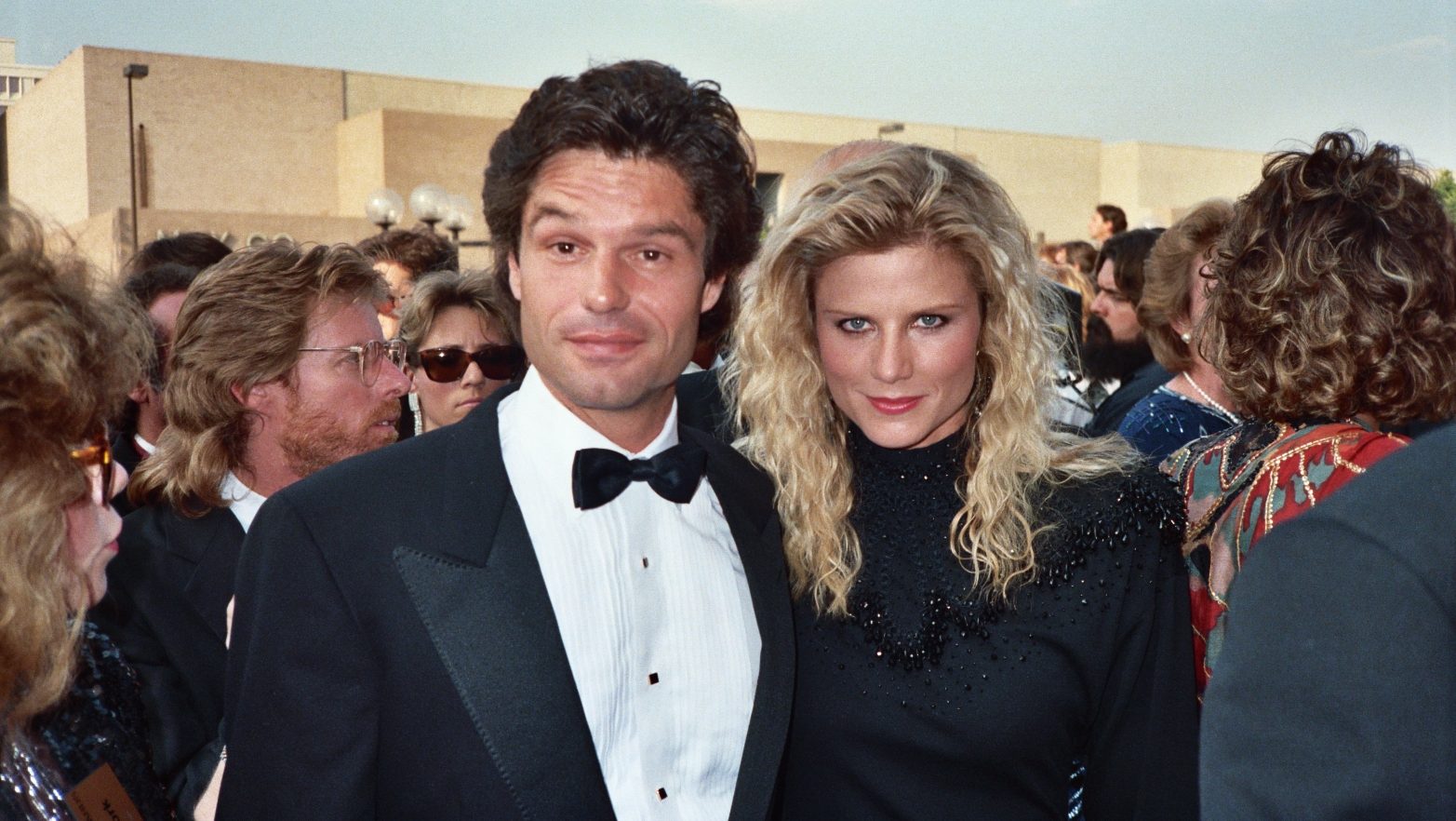
Starring Harry Hamlin, Mandingo is a wildly sensational slave drama set on a Southern plantation. The film features plantation masters and slaves and focuses heavily on themes of se****ity and violent exploitation.
Featuring a heavy emphasis on graphic subject matter, Mandingo doesn’t shy away from slave auctions, whippings, s**ual exploitation or graphic violence. Roger Ebert criticized the film’s portrayal of slavery as exploitative and modern critics have looked back on Mandingo as part of Hollywood’s “slavesploitation” trend.
Some viewers might find Mandingo a tough watch because of how graphically it depicts slavery. It’s not the subject of slavery itself that’s problematic, but rather the film’s sensationalized approach to it.
Cannibal Holocaust

Italian director Ruggero Deodato’s 1980 horror masterpiece documents the journey of a missing documentary film crew, deep in the Amazon jungle.
Controversial upon release for presenting staged footage as real documentary content, debate raged as to whether or not the human deaths depicted in Cannibal Holocaust were real. Thankfully they were not and the actors portraying these characters are alive.
What is not fake about Cannibal Holocaust, however, are the animal killings. Yes, animals were killed during production of this movie. Two such instances, the killing of a giant turtle and a small mammal, are on record with the BBFC.
The film’s graphic depictions of actual animal slaughter and mistreatment are undoubtedly what make it such an ordeal to watch even now.
The Toy (1982)
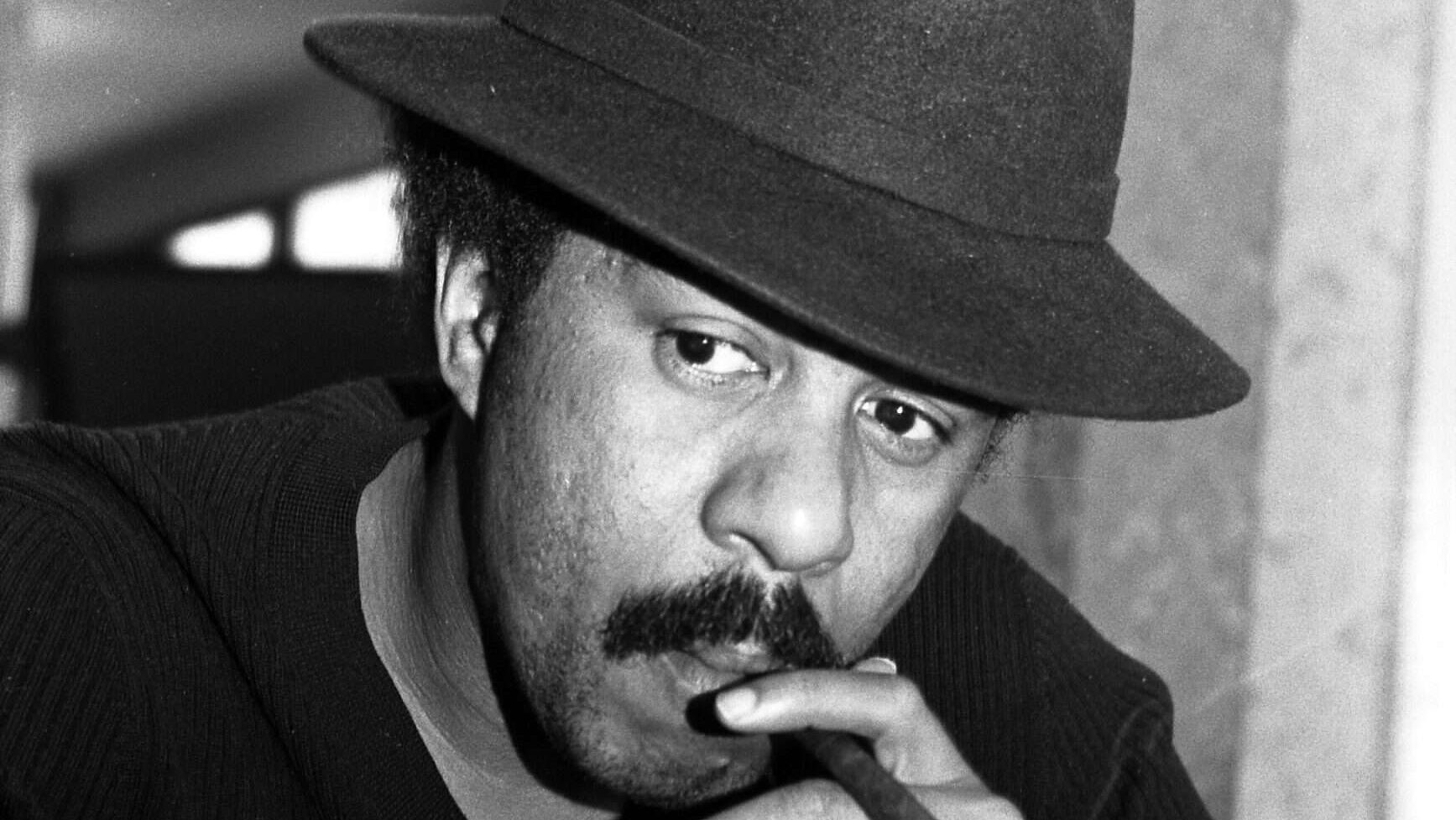
In this movie, Richard Pryor stars as Jack Brown, an unemployed writer who becomes a janitor at a rich businessman’s department store. The man’s young son Eric decides that since he can have anything in the store, he will have Jack. Jack is hired to play with the boy for a week and is called his “toy.” By the end, he’s become the boy’s friend, aiming to teach him how to treat people properly.
The basic premise of the movie can be cringe-worthy today because a rich white family pays for a Black man’s companionship and essentially owns him. Many modern critics wrote about the movie’s treatment of this interracial subject matter as well.
As one might expect, the movie faced considerable backlash at the time of its release. Metacritic scores it at 16/100 and the Tomatometer score on Rotten Tomatoes comes in at 3% as of right now. The Toy was a box-office success despite earning terrible reviews, so let’s not call it a flop.
Sources: Please see here for a complete listing of all sources that were consulted in the preparation of this article.
Like our content? Be sure to follow us.
10 famous movie lines that were actually improvised

You might be surprised to learn just how many of the most iconic lines in film history were actually unscripted pieces of dialogue that were made up on the fly.
