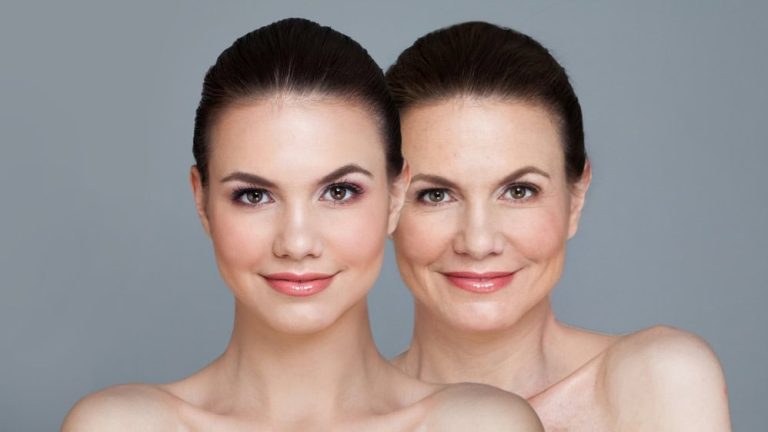

Some of the simple things you might be doing every day could be the exact things causing more wrinkles and dryness, making you look older.
The errands that still count
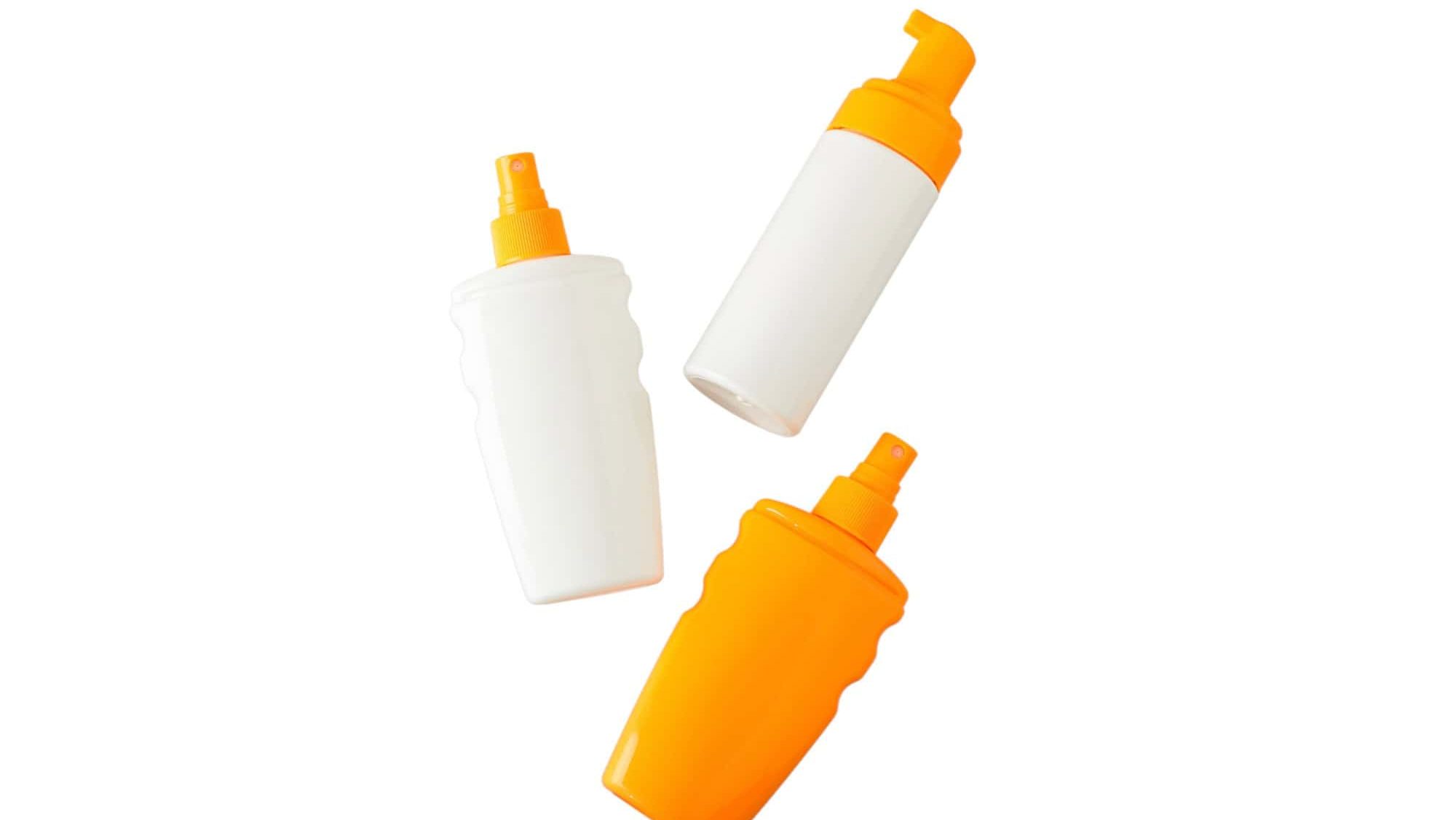
Most people aren’t thinking about protecting their skin when they step outside, and that’s kind of the problem. You’re exposed to harmful UV light even on cloudy days, and your exposure adds up when you’re going on walks or sitting near sunny windows.
The radiation damages collagen and elastin. That means more wrinkles and sagging, as well as dark spots that age you. You’re better off using broad-spectrum SPF 30 or higher on your skin each day, sunny or not. Wearing sunscreen should be part of your routine like brushing your teeth.
A small expression repeated thousands of times

It’s fine if you squint once because nothing’s going to happen. It’s a different story if you squint your way through every sunny afternoon for years because it’ll leave grooves in your skin. These don’t exactly disappear when your skin becomes less flexible.
Try to think about what’s making you squint so much, and fix it. If it’s the sun, wear sunglasses so your eyes don’t have to keep scrunching up all day. If it’s vision problems, get glasses to help you see better.
When clean starts feeling scrubbed
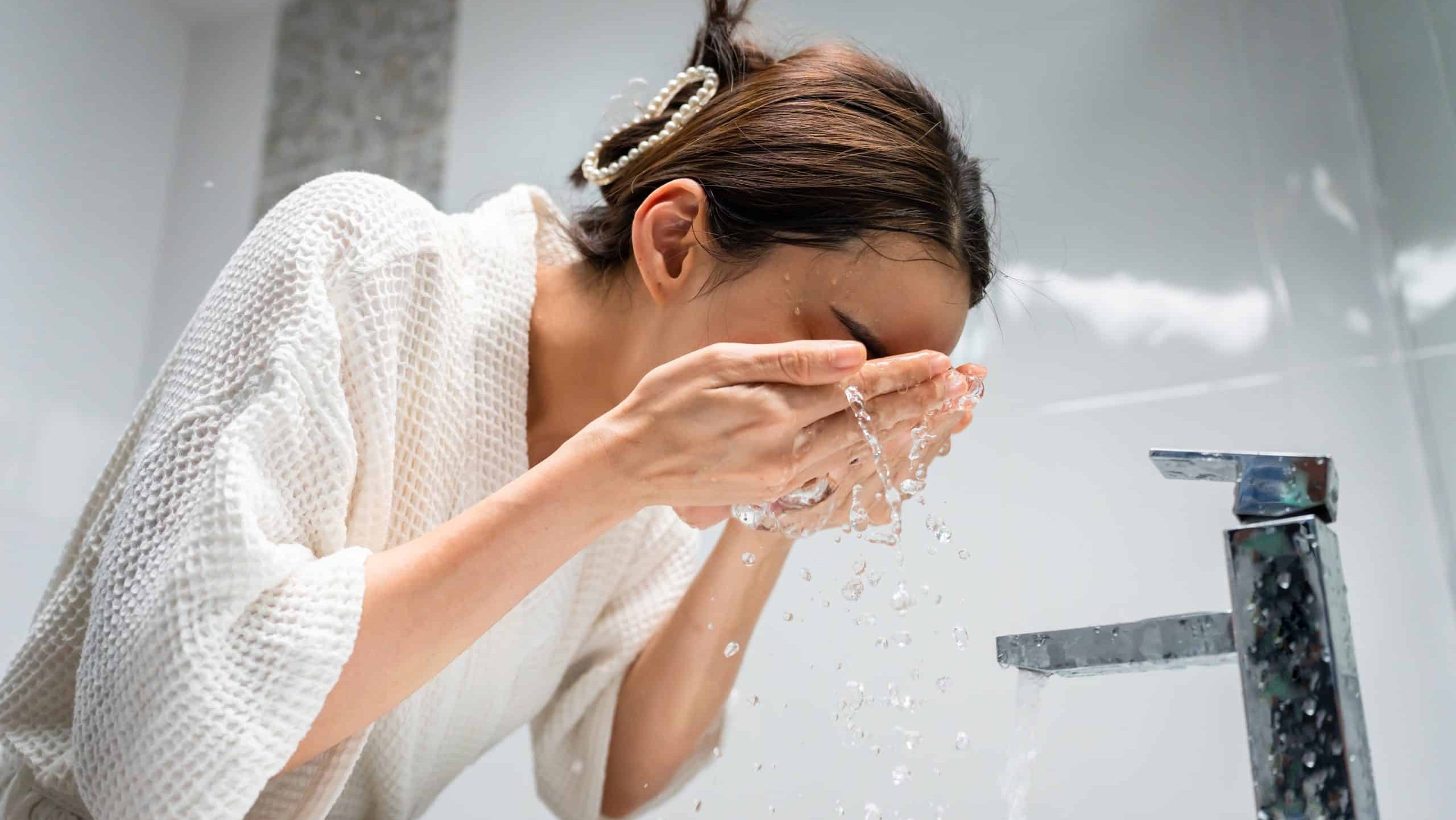
You have to admit it, there’s something so satisfying about scrubbing your face until it feels squeaky clean. But your skin doesn’t feel the same way. No, hard rubbing with rough washcloths or brushes may irritate your skin. You’ll make it dry or red, maybe rough, too.
These changes will make any fine lines on your skin stand out a lot more than they normally would. Stick to using a mild cleanser and lukewarm water to really get clean. Most importantly of all, remember that you don’t need to attack your skin, and being gentle is much better.
Too much of a supposedly good thing
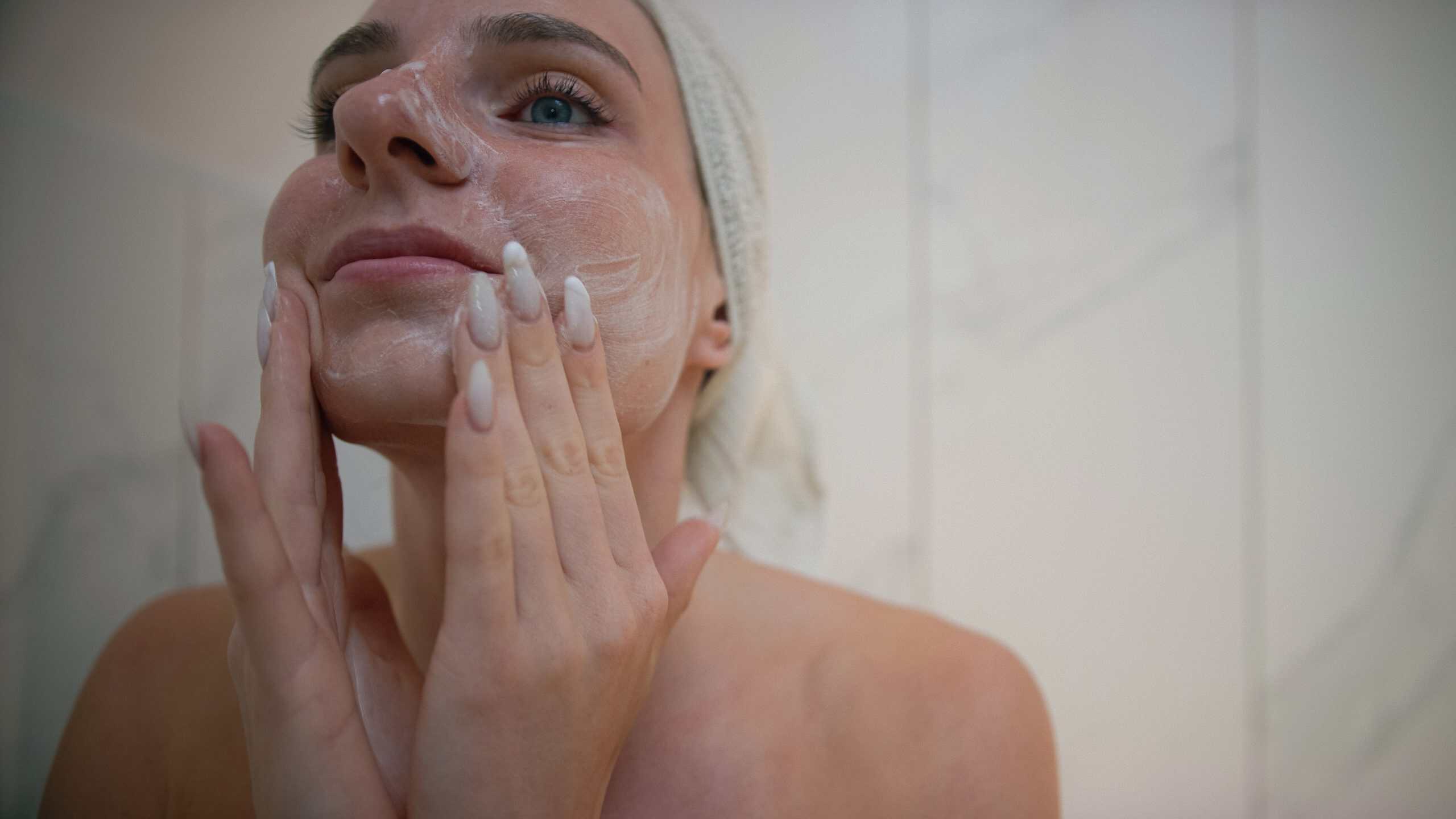
Exfoliating sure does feel productive because it makes your dead skin come off and leaves everything feeling smoother. You feel tempted to do more. Then maybe a little more with an acid toner and a peel. You might throw in another scrub, too. That’s a problem.
Too much exfoliation irritates the skin barrier and causes redness. It makes your skin drier and more sensitive, too, while also giving it a rough texture that never looks good. You should remember that more product doesn’t mean it’s more useful. Follow the directions and give your skin a break once in a while.
Oily skin still loses water
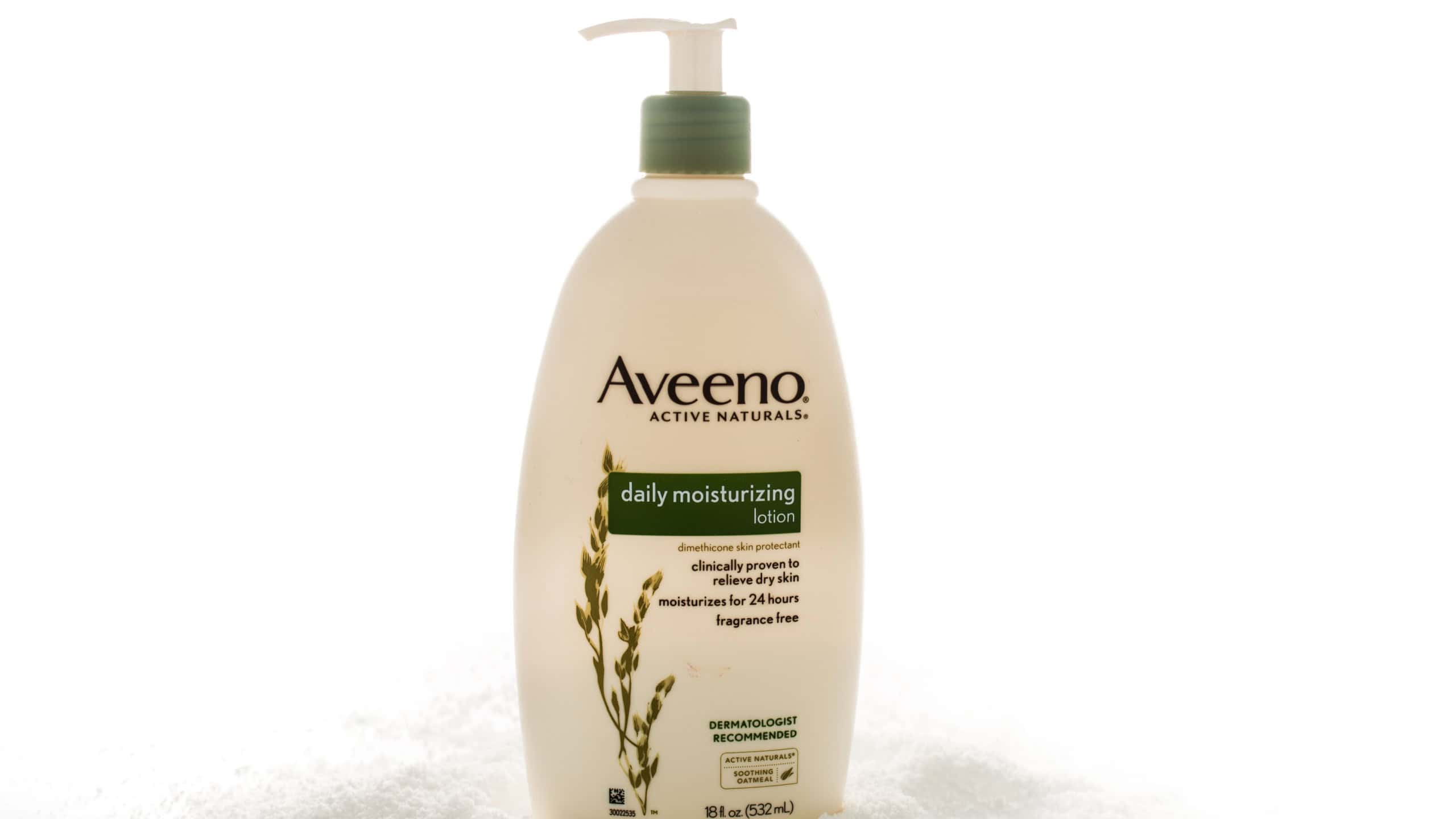
Your skin might be oily, so you tell yourself that you don’t need moisturizer. It sounds completely reasonable. Except, oil and hydration aren’t the same thing, meaning that your skin may produce a lot of oil while still losing water. That leaves the surface looking worse for wear.
You should put on moisturizer every day because it’ll trap water in the outer layer. This may temporarily soften how fine lines and dry texture look. Don’t use a thick cream, though. You’re better off sticking to a lightweight formula made for oily or combination skin.
The shower temperature creeps upward

The trouble with constantly having hot showers is that very hot water tends to strip away oils that keep your skin comfortable and hydrated. It’ll soon become dry and flaky. Any little lines become way more obvious, even though they haven’t suddenly become deeper.
Your best bet is to have a shower in warm, rather than hot, water and stick to around five to ten minutes for dry skin. It’s not exactly spa-level excitement, but at least your skin won’t have as many problems afterward.
The workout ends, but the sweat stays
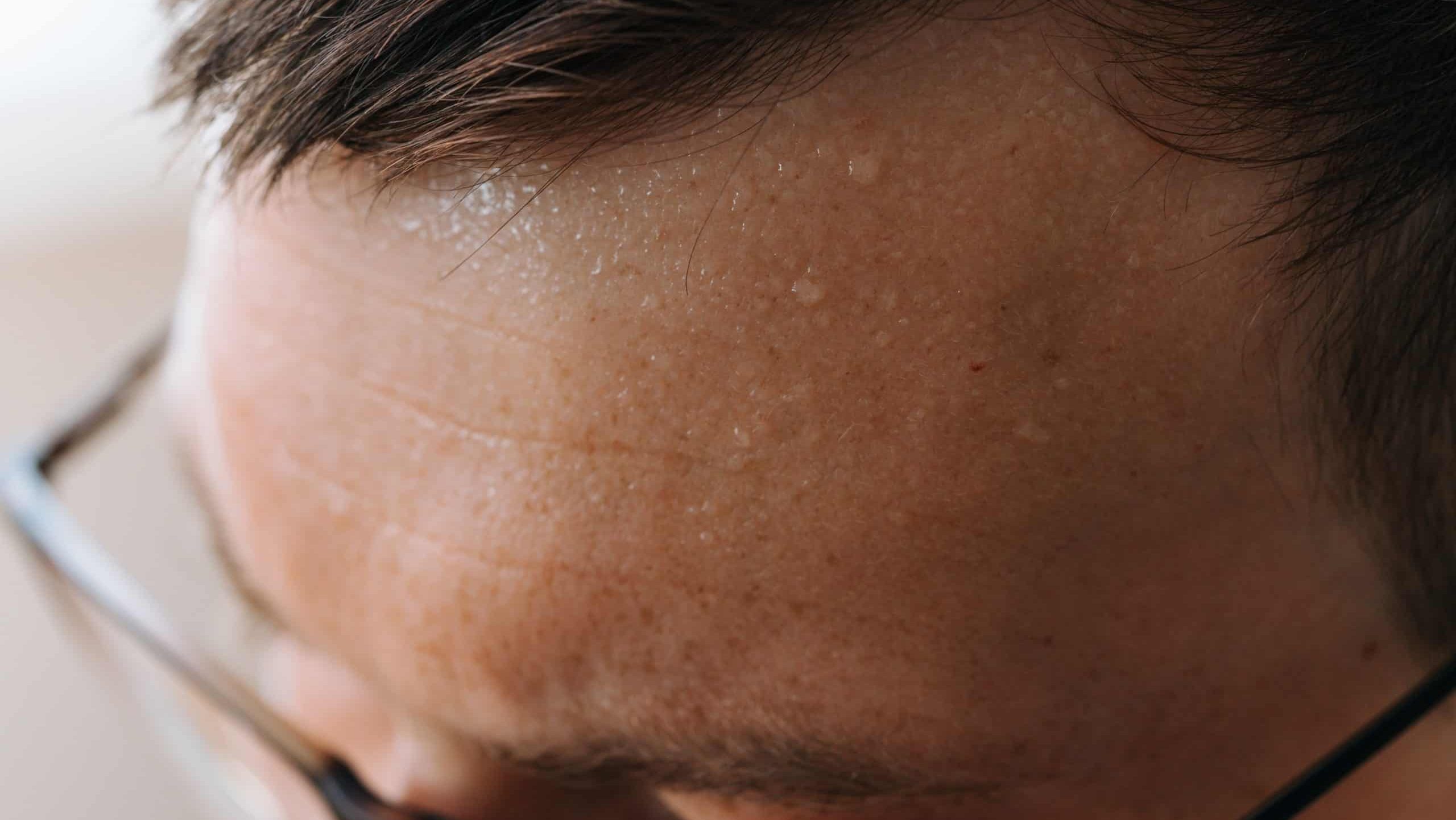
Most people know they need to do regular exercise to look younger. They don’t always realize that they need to do something about all that sweat. It’s not aging the face directly, but leaving it on the skin for hours can cause problems.
It contributes to irritation, and irritated skin looks rougher and less even. That’s why most dermatologists suggest washing gently after heavy sweating, although you should avoid scrubbing extra hard. Give yourself a quick, gentle cleanse. That’s all.
One hairstyle can become a problem

It’s okay to wear a tight ponytail now and again, but you might want to avoid wearing the same tightly pulled style day after day. All that pulling puts tension on the same hair follicles, and that may cause traction alopecia. In other words, gradual hair loss.
It’ll cause broken hairs and thinning to appear around your temples or hairline first, which can sometimes become permanent. Try loosening the style and changing where your hair is pulled. Rotate your hairstyles to give those areas a break. Don’t forget, if it hurts, it’s definitely too tight.
Detangling doesn’t require a fight
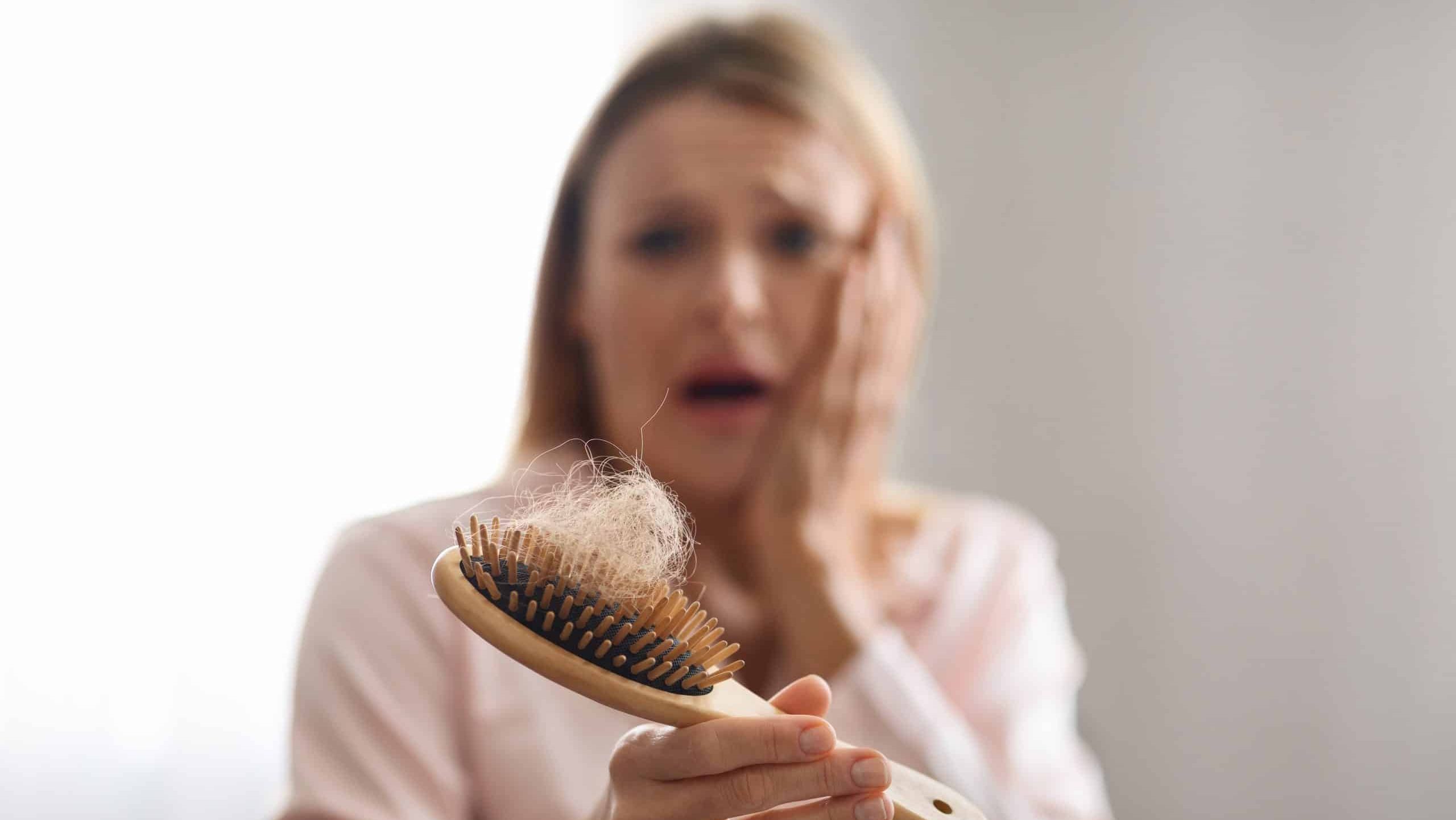
That’s not all for hair, as even the way you brush your hair counts. Aggressive brushing can break strands, and that’s a serious problem when your hair is already fragile. Don’t be surprised if it looks thinner and frizzier over time.
You should make sure you only brush what you need to and work through any tangles you might have gently. Start near the ends, then move upward. That’ll stop you from pulling so hard at the roots. A wide-tooth comb is a good idea, too, because it’ll stop your ends from disappearing.
The issue isn’t the bubbles
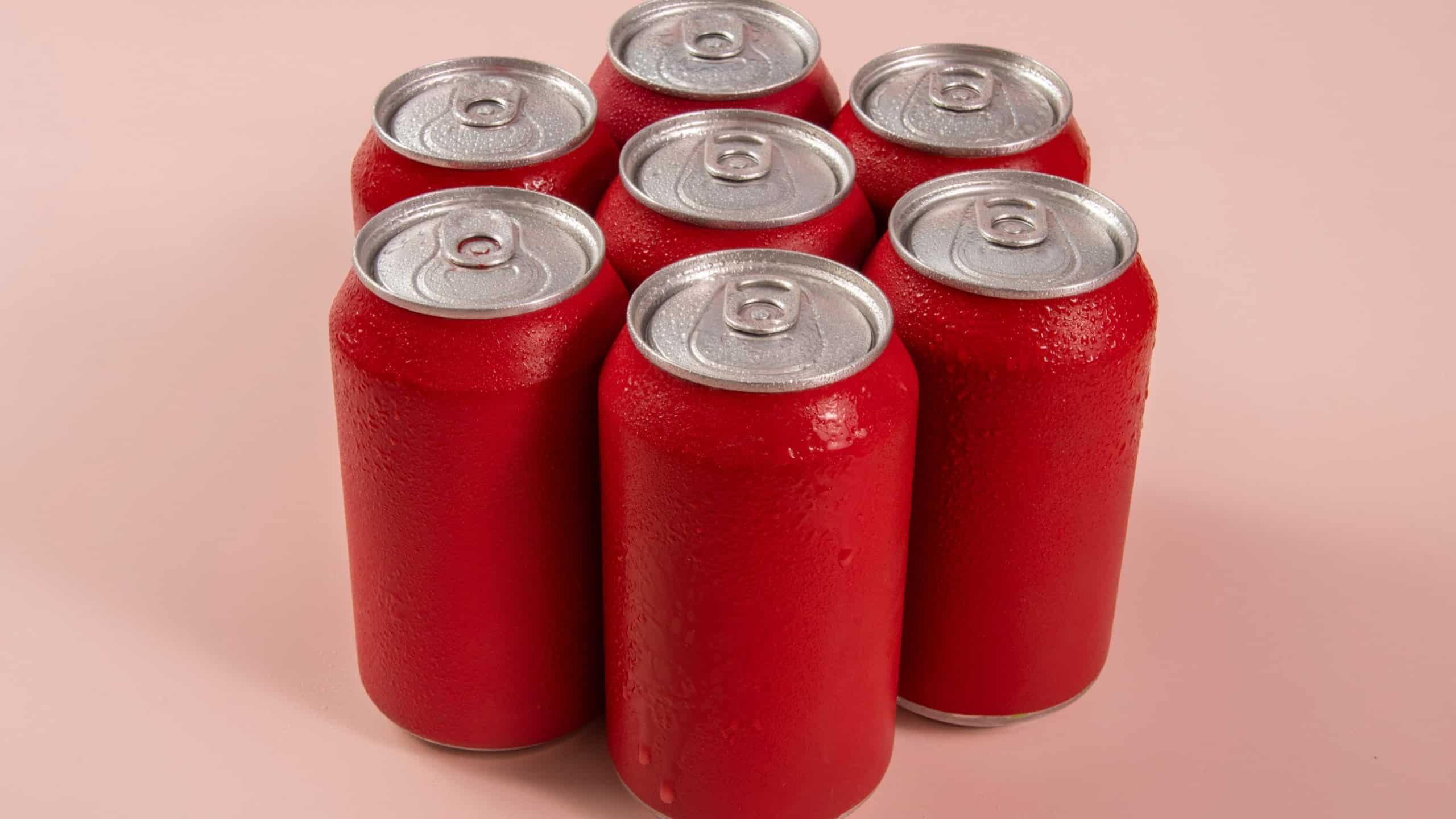
The problem with soda isn’t what you expect. It’s the sugar, not the carbonation, as glucose and fructose can cause something called glycation. This creates certain compounds that can affect your skin’s collagen and elastin.
You know, the proteins that help skin stay firm and flexible. One soda isn’t going to completely rearrange your face, obviously. But drinking sugary soda every single day can cause issues since your sugar intake stops being so occasional.
The towel can do more than dry

Wet hair stretches a lot more easily than dry hair, and that makes it more vulnerable to breakage. It’s the reason why you should avoid rubbing your hair dry after a shower. It might get the water out, sure, but it creates a lot of friction that’s bad news for your hair strands.
Most experts recommend wrapping or blotting any wet hair instead. You should then let it air-dry, as long as it’s practical to do so.
Your pillow can leave a pattern

Sleeping on the same side, with your face pressed into a pillow, is a bad idea. It’ll fold and compress your skin in the same places, night after night. These sleep lines tend to show up on your cheeks and forehead.
They only become more noticeable as skin loses its stretchiness with age. It’s hard to control your sleeping position, of course, but spending more time on your back may be a good idea. It’ll reduce that repeated pressure on your face. Easier said than done, though.
Getting used to five hours doesn’t erase it

Speaking of sleep, getting four or five hours of it every night may start to feel normal. Anyone who’s done it long enough probably doesn’t think much about it. But that doesn’t mean your skin agrees with it, as getting too little sleep may cause lower skin hydration levels.
It also stops your skin from being so elastic and makes your wrinkles more noticeable. Don’t punish yourself for having one rough night, as we all have those. Just try not to make it into a routine.
That blemish lasts longer when it’s picked

A blemish is hard to ignore when it’s sitting right in the middle of your face. But you have to do it. Picking at your skin forces oil and bacteria to go farther into the skin, creating more inflammation. It also increases the chance of a scar or dark mark.
That’s not exactly going to give you a youthful look. It might sound boring, but your best bet is to simply leave it alone and be kinder to your skin. The blemish will probably disappear quicker than you think, anyway.
The face notices rapid weight changes too

Repeated weight loss and gain show up in your face, and it may cause you to lose fat around the cheeks and temples. This makes lines or hollows, as well as looser skin, more noticeable. But the real problem is when the weight comes back, and those areas fill out again.
Going on yo-yo diets means your skin keeps changing shape, and that could make you look older than you really are. If you’re going to diet, make sure you stick to it all the way through. Don’t keep yo-yoing.
Sources: Please see here for a complete listing of all sources that were consulted in the preparation of this article.
17 things mature women do that secretly make them look older
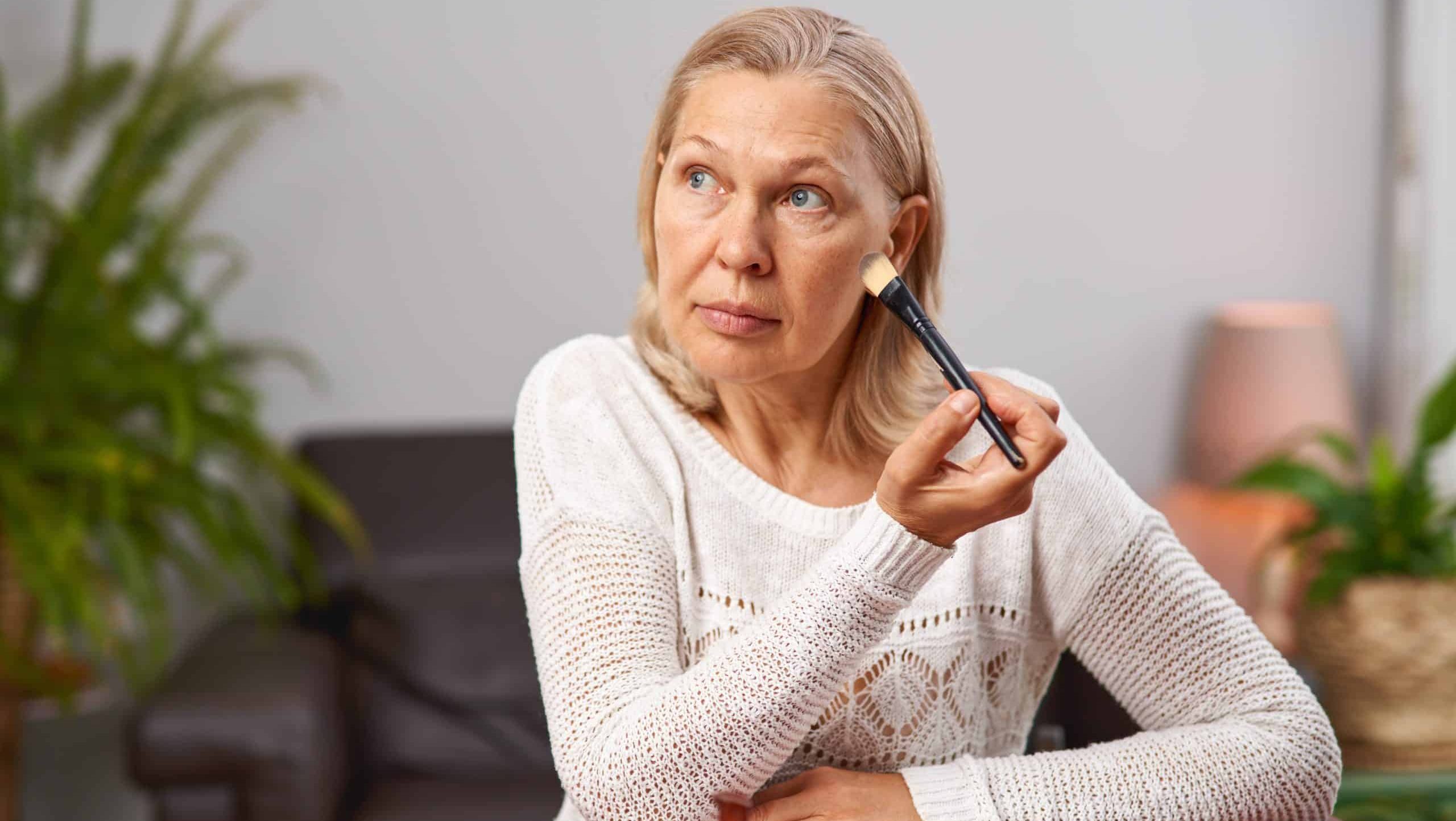
Looking older isn’t always about your age, but rather little beauty mistakes adding years to your look.
17 things mature women do that secretly make them look older
