
We asked office workers about the benefits they used to have at work. Some mentioned free snacks, a gym, or even a barbershop. These perks were common a few years ago, but nowadays most have disappeared even though people are returning to offices. Here are 11 workplace perks that office workers say have quietly vanished.
Featured Image Credit: Shutterstock.
In-house childcare facilities

Before the pandemic, some employers offered childcare on-site to help workers balance work and family life. Most have ended this service after reopening. They were costly and tricky to manage. Now, companies help parents with flexible hours, backup care and daycare support instead.
On-site fitness centers

A lot of companies used to offer on-site gyms for employees. As the years passed, less and less people utilized the gym. Eventually they became expensive to keep up with. Most businesses now only offer virtual wellness programs and at-home fitness stipends. They also have online workout classes.
On-site car wash services

You may recall when your work benefits package included complimentary car washes. Because fewer employees are commuting to the office these days, companies are going green with alternatives such as bike-to-work initiatives, shuttle buses or electric car discounts.
In-house laundry services

It used to be a thing where some places offered free laundry, dry cleaning, or even valet services for their workers. However, since not as many people are in offices as regularly with hybrid culture, there’s no longer a need for such a luxury. Companies like Meta has dropped this perk and reallocated their budget to further increase remote work wellness stipends for workers for health, childcare and other services as they deem necessary.
In-house salons and barber shops

The decrease in the number of employees who are on-premises on a daily basis has caused the need for barbershops and salons within office facilities to decline. Businesses are re-evaluating resources being spent on these luxuries and have introduced mobile salon services with flexible schedules and on-site visits, to allow employees to continue to receive the grooming support they need without depending on an office visit.
Free daily snacks
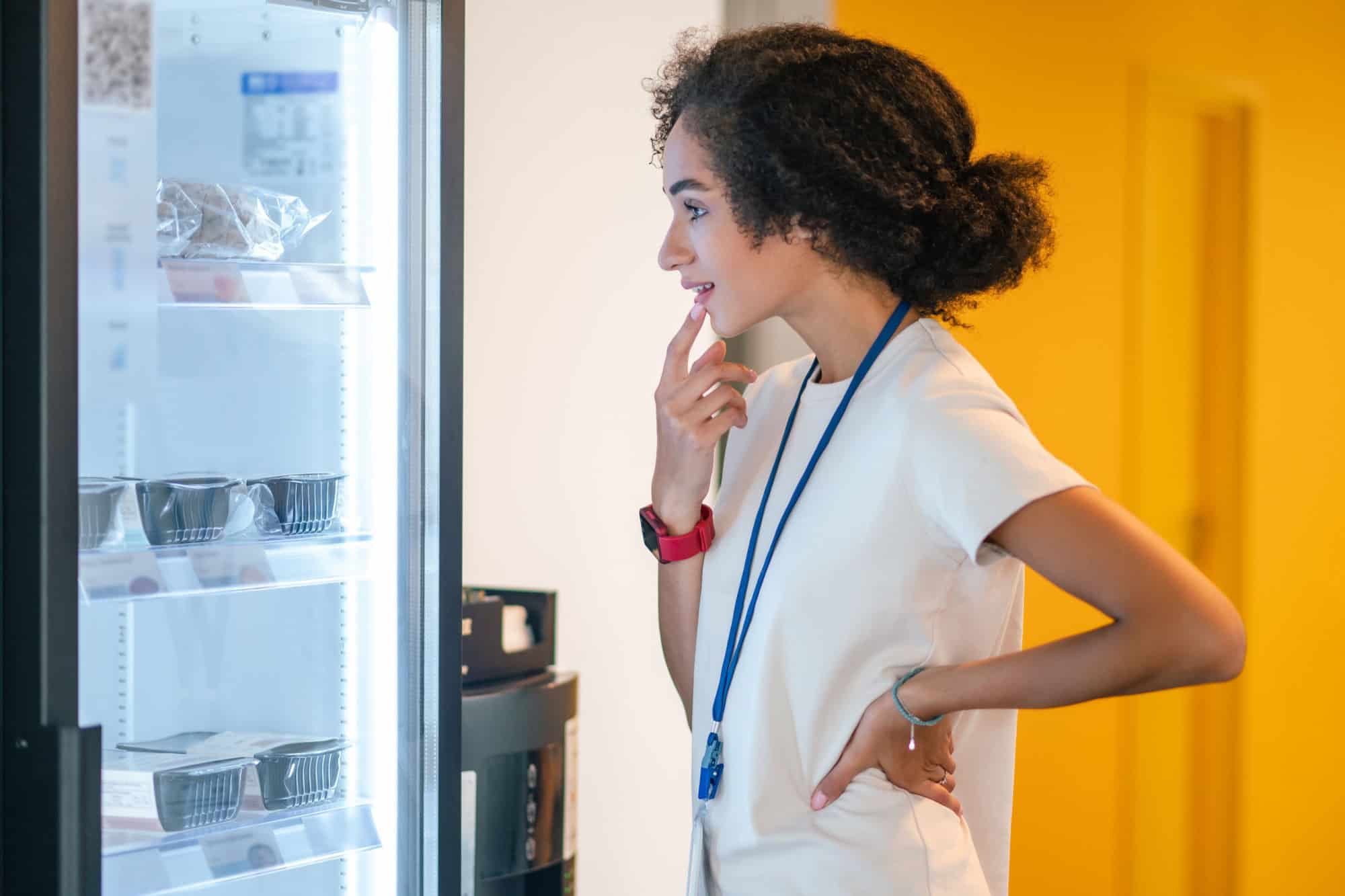
Office freebies like snacks and drinks are declining as fewer workers spend all day at the office. Tax deduction restrictions in 2026 will also make free snacks less appealing for companies. A few offices still offer them but the trend is disappearing.
Concierge services

Offices made life easier for workers by providing concierge services. But those days are long gone and those benefits are rare now. Employers more commonly outsource to services like Circles who can help staff both online and in person with travel, restaurant bookings, event planning, etc.
Free daily massages

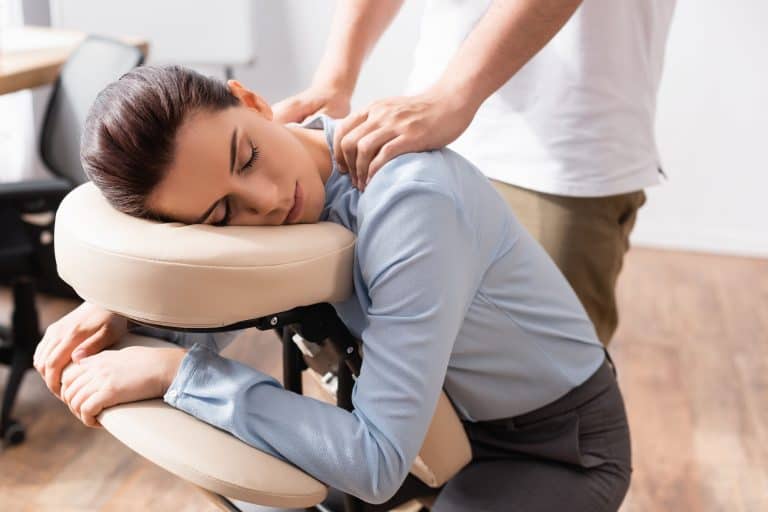
Massage chairs in every office, available for daily use? Sounded heavenly a few years ago, until companies scrapped most of them. As employees spend time both at home and in offices these days, those amenities are a non-starter. Instead, the perks of the workplace are wellness programs with portability: mental health and teletherapy, online fitness and workouts, and schedule flexibility. Useful, not luxurious.
On-site tech support

Offices used to have in-house tech support, but with many employees still working in hybrid setups, IT help has to be available wherever people are. These days, companies provide support through online help, remote troubleshooting and device allowances.
Corporate cafeterias

Corporate cafeterias may be a thing of the past as more employees work in hybrid schedules, Axios reports. Companies are turning to more flexible meal delivery options, such as providing daily meal stipends through services like Relish that let employees order meals from local restaurants based on how many people are in the office that day.
Physical libraries or book lending on premises

Some offices used to have small libraries or book lending corners in the office for employees to browse or read in their free time during breaks or borrow books for self-improvement. However, since there are fewer employees working a full day in the office, there is little incentive to do so anymore. Companies may provide digital subscriptions, e-books or stipends for learning platforms instead.
Sources: Please see here for a complete listing of all sources that were consulted in the preparation of this article.
Like our content? Be sure to follow us.


