

In the 1970s, kids had a lot more school responsibilities than they do today, and they’d never be allowed to do those same jobs now.
Keeping order on the school bus
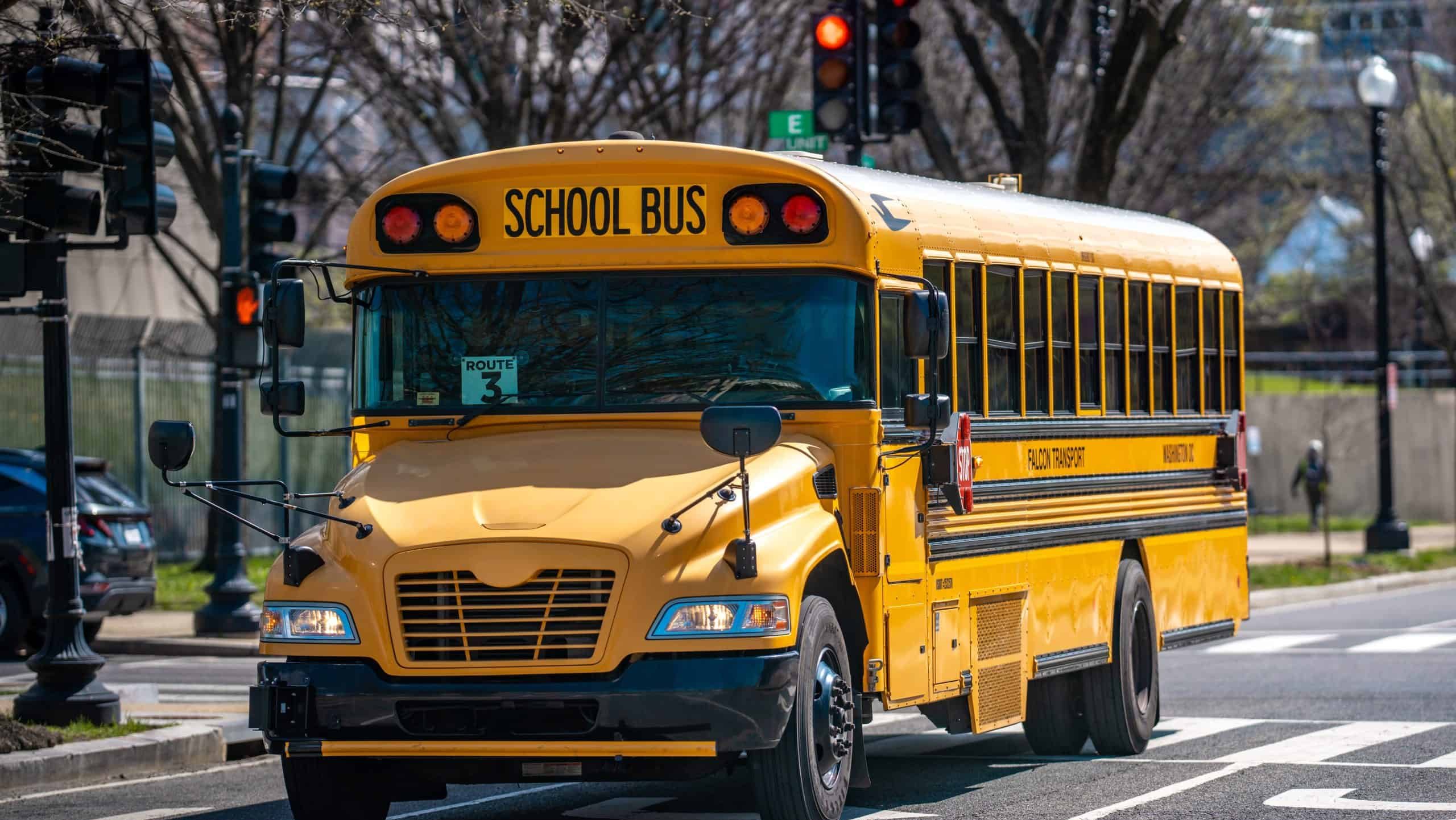
Getting picked to be part of the school bus patrol might sound like a free ride, but it really wasn’t. The job involved keeping an eye on all the other students and making sure they weren’t causing trouble or doing anything dangerous.
Anytime there was a problem, the school bus disciplinarian would report it to the driver or principal. However, adult monitors and drivers would deal with disciplinary issues themselves. The safety patrols kids do today are far less powerful than this one.
Taking charge at the crossing
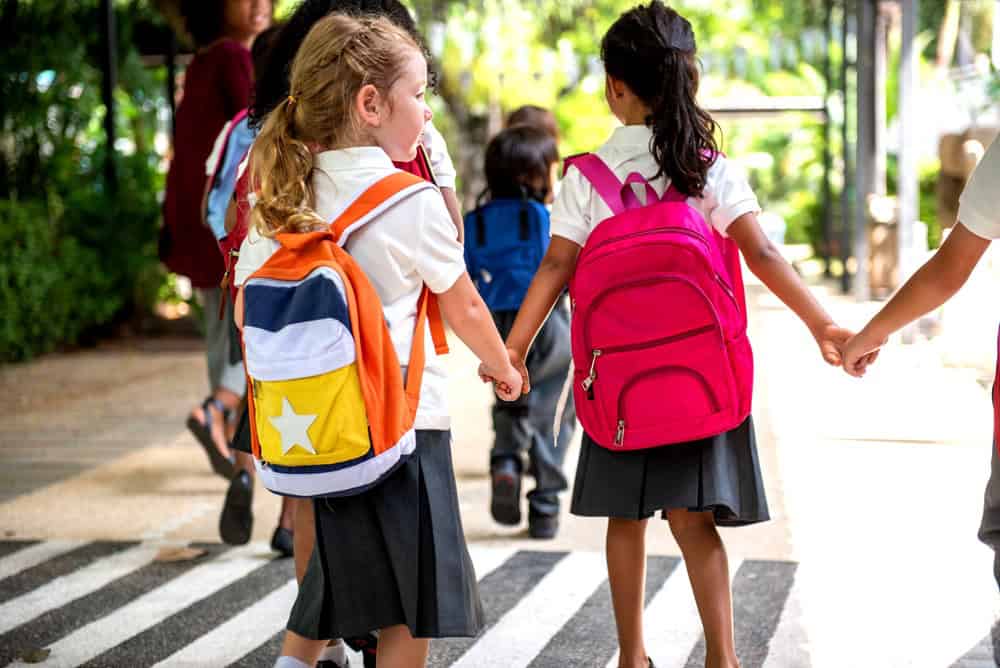
In the 1970s, students could also work as road-crossing patrol officers, watching for traffic problems and helping younger children get across roads safely. The job was mostly for older students. They would sometimes also organize groups of kids waiting to cross.
Today, there are few student patrols, yet they don’t have the same role as the patrol officers in the past. They’re mainly there to guide other children. You won’t find any students stopping vehicles in the middle of the street because that’s a job for trained crossing guards.
Working with attendance records
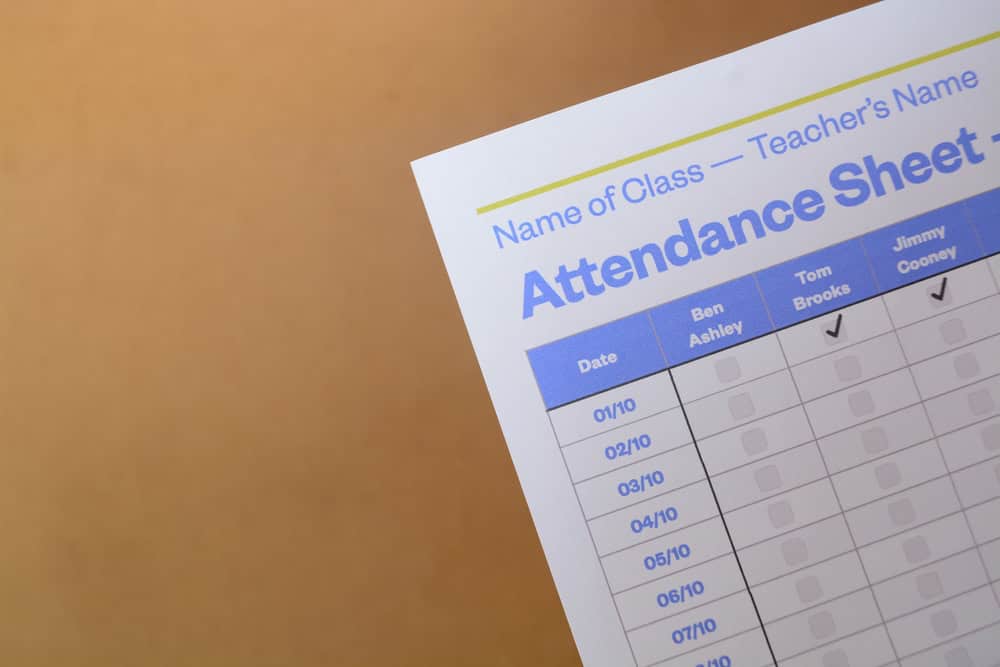
There was a time when some students knew exactly which classmates hadn’t shown up that morning before anyone else. They were student office aides. They’d work with staff to organize attendance paperwork, deliver messages, and complete other administrative jobs.
No, it wasn’t exciting. But many students liked having that sense of responsibility, although modern schools wouldn’t allow students to do this. They’re far more careful about who can see attendance information because these records contain private details.
Checking the hallways

There’s always somebody in the hallway, making sure that nobody’s skipping class and checking students’ hall passes. That hasn’t changed. What has changed is that the student disciplinary monitor no longer exists.
In the 1970s, hall pass monitors were often known as student disciplinary monitors because they had the power to hand out punishment and make disciplinary decisions. You wouldn’t get that today. Hall pass monitors leave all that to authorized staff members instead.
Answering the office telephone
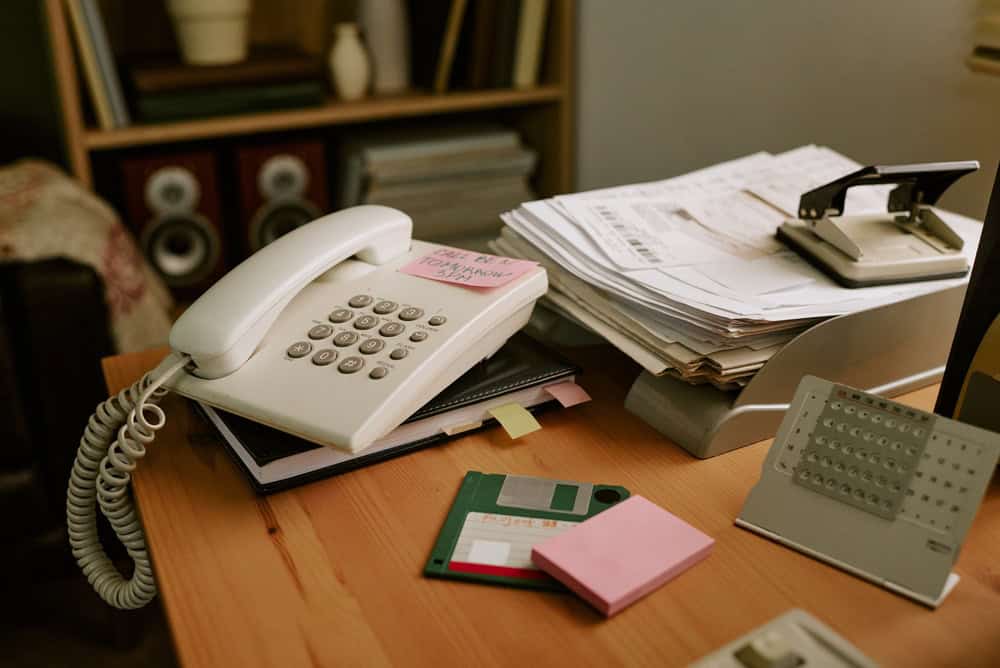
In the decades before schools had automated telephone systems, someone would have to pick up the phone every time it rang. Sometimes that person was a teenager. Warren County Community High School in Illinois, for example, had student guidance aides, who answered calls alongside their other office duties.
These students would handle filing and help visitors find their way around. Modern-day schools sometimes have students helping in the office, although not in an official role. They also won’t answer calls because these often involve private information. Only adults can deal with that.
Helping in the nurse’s office

You might think that it’d be strange to see a student helping out in the nurse’s office. But it was a real job during the 1970s, and students who did it were known as student nurses’ aides. No, they wouldn’t independently treat patients.
They would help the nurse with some minor duties, though. Schools wouldn’t allow that to happen today. The nurse and other appropriately trained staff handle everything medical-related, and you won’t find any student helpers doing that kind of work.
Serving food in the cafeteria

A lot of students would love to get a free lunch, and there was a time when it was an actual possibility. Student cafeteria workers in some schools would serve meals and operate cash registers, in exchange for a free lunch. It was a lot more difficult than you might think.
These student workers would have to serve food and keep things moving while a whole line of hungry students waited. It’s possible that some students may assist in supervised food-service programs. But they definitely won’t have a proper role, nor will they deal with giving food or handling money.
Watching over the playground
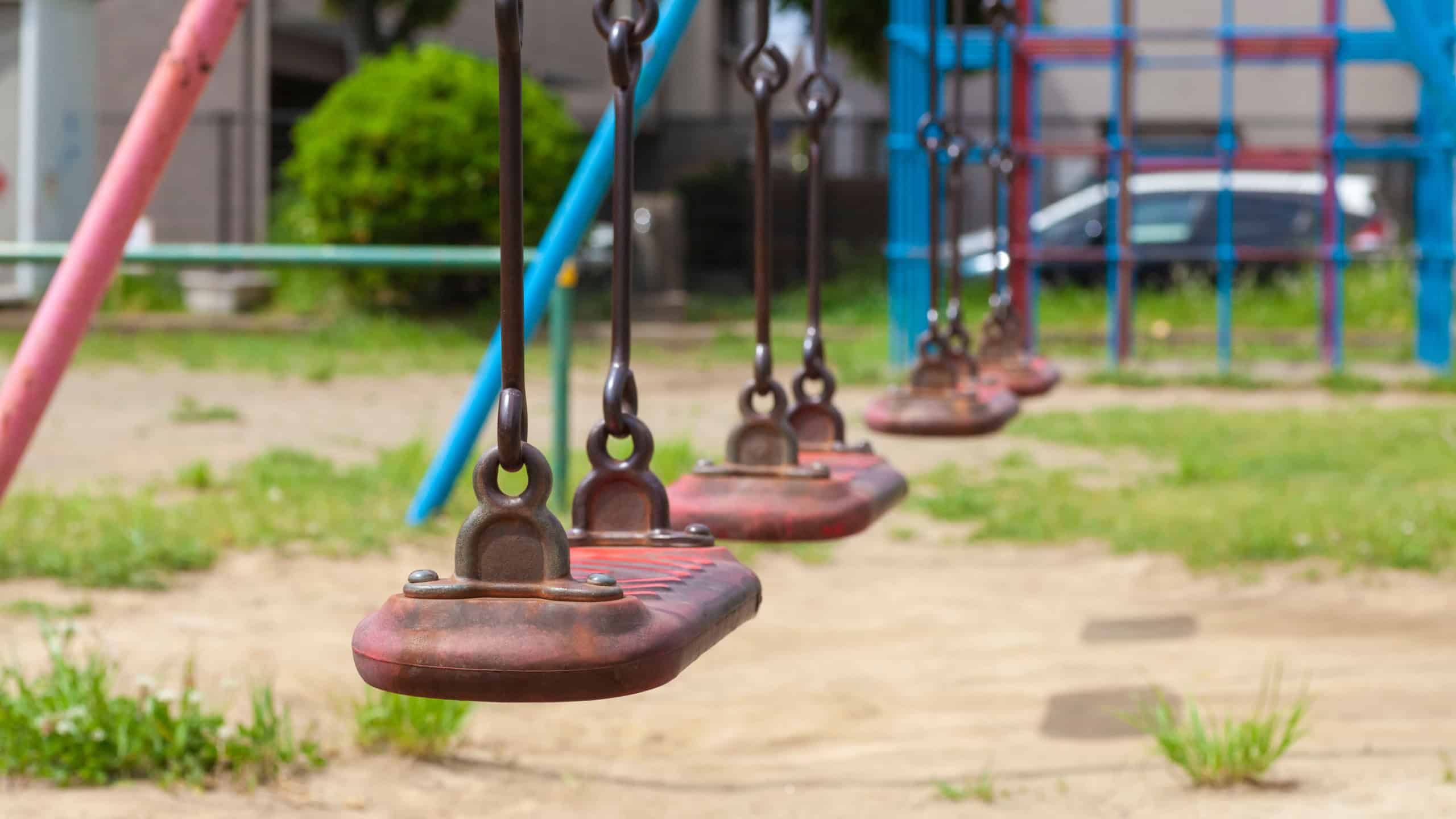
Recess wasn’t fun for every student, and especially not student safety patrols. They had to keep an eye on everything. Yes, children with this job would sometimes help younger children follow school rules, and they might occasionally punish anyone who broke the rules.
That wouldn’t fly today. Nowadays, the playgrounds are generally supervised by teachers or other adults, although older students might still help younger kids with games. They’re not going to handle any injuries or serious arguments. That’s a completely different matter.
Helping with school repairs

Most teachers want to keep students away from broken classroom equipment. However, during the 1970s, school maintenance assistants were tasked with fixing that equipment. Any students interested in electronics could help deliver and repair the broken items.
We understand today how dangerous that actually is. Dealing with electronic items, damaged or not, requires proper supervision and safety precautions, which we can’t really trust students with. Young people aren’t responsible for maintaining school facilities anymore.
Running the movie projector

Sure, a film day sounds exciting. It’s a different story if you’re a student audiovisual aide. These kids had to move bulky machines between classrooms and set up screens, essentially getting everything ready for the teacher. It was far more challenging than clicking a video link.
You’re not really going to get many students doing anything similar today, even with modern school technology staff. Any repairs or complicated technical problems are for the teachers only.
Preparing the chemistry lab

We can pretty much agree today that mixing chemicals is something we’d leave to the science teacher. People didn’t always think that way. In 1972, some high schools had student science aides who would help prepare experiments and mix solutions.
The rules about chemical safety are far stricter nowadays. Students aren’t going to handle any chemicals alone in the classroom, let alone have an official job where they do it. They need supervision at every stage.
Sources: Please see here for a complete listing of all sources that were consulted in the preparation of this article.
12 skills teens had in the ’70s that today’s kids will never understand

It wasn’t that life was better when you were a teenager in the ’70s, but you did learn how to do some things that are now becoming lost skills.
12 skills teens had in the ’70s that today’s kids will never understand

