

Some of the worst daily habits for seniors don’t look dangerous, and that’s why many families miss them until something eventually goes wrong.
The dim room
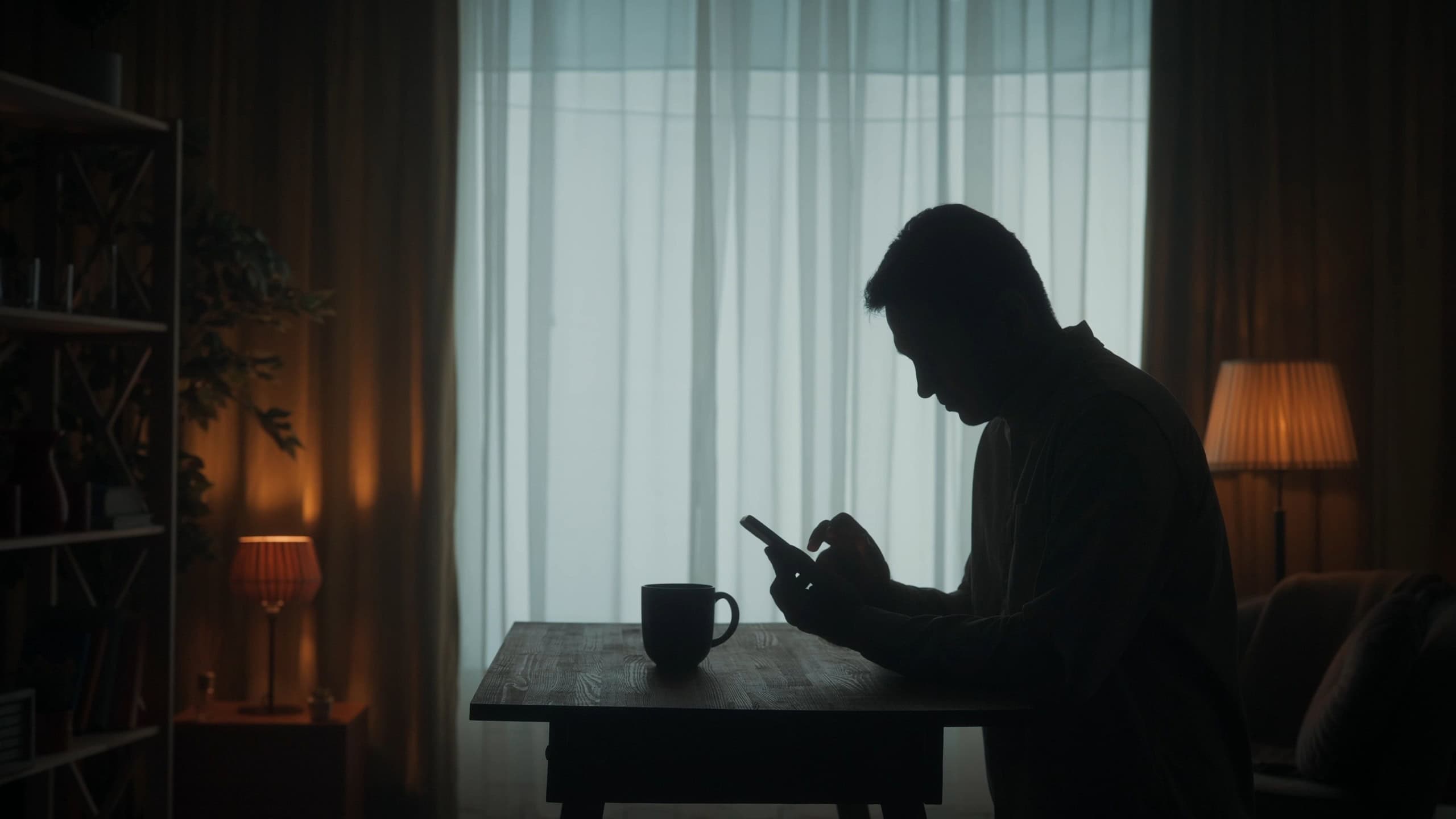
They do this without thinking. They’ll keep the hallway dark and leave the bathroom light off. They’ll only use the light in one room at a time. Why waste electricity? It seems practical. It seems responsible. However, it’s one of the most dangerous things you can do as a senior.
Your vision naturally changes after 65. It’s even worse in low light. Any poor lighting increases the risk of falling at home, which is why millions of older adults end up in the emergency room each year. Keep the lights on.
The quiet house
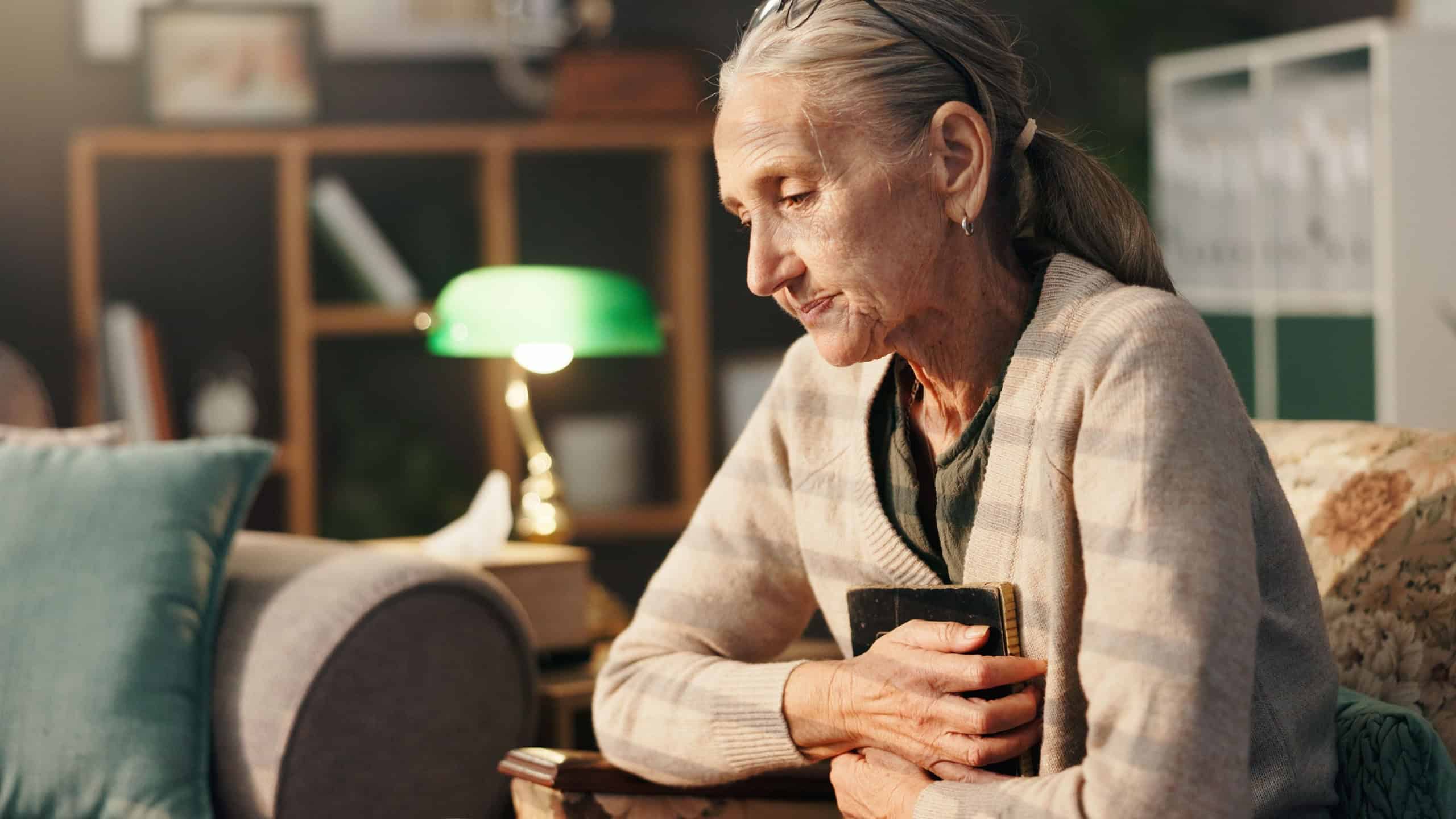
A quiet house seems peaceful. No TV, no radio, no background noise. There are only simple sounds, like a clock ticking or a fridge humming. But that noise shouldn’t become the whole day. Older adults living in constant silence are more likely to suffer mental health issues.
They might suffer from depression. They might have memory issues. The truth is, constant silence is a form of social isolation, and that carries serious health risks. Silence can be relaxing, yes. But it shouldn’t be the norm.
The useful pile
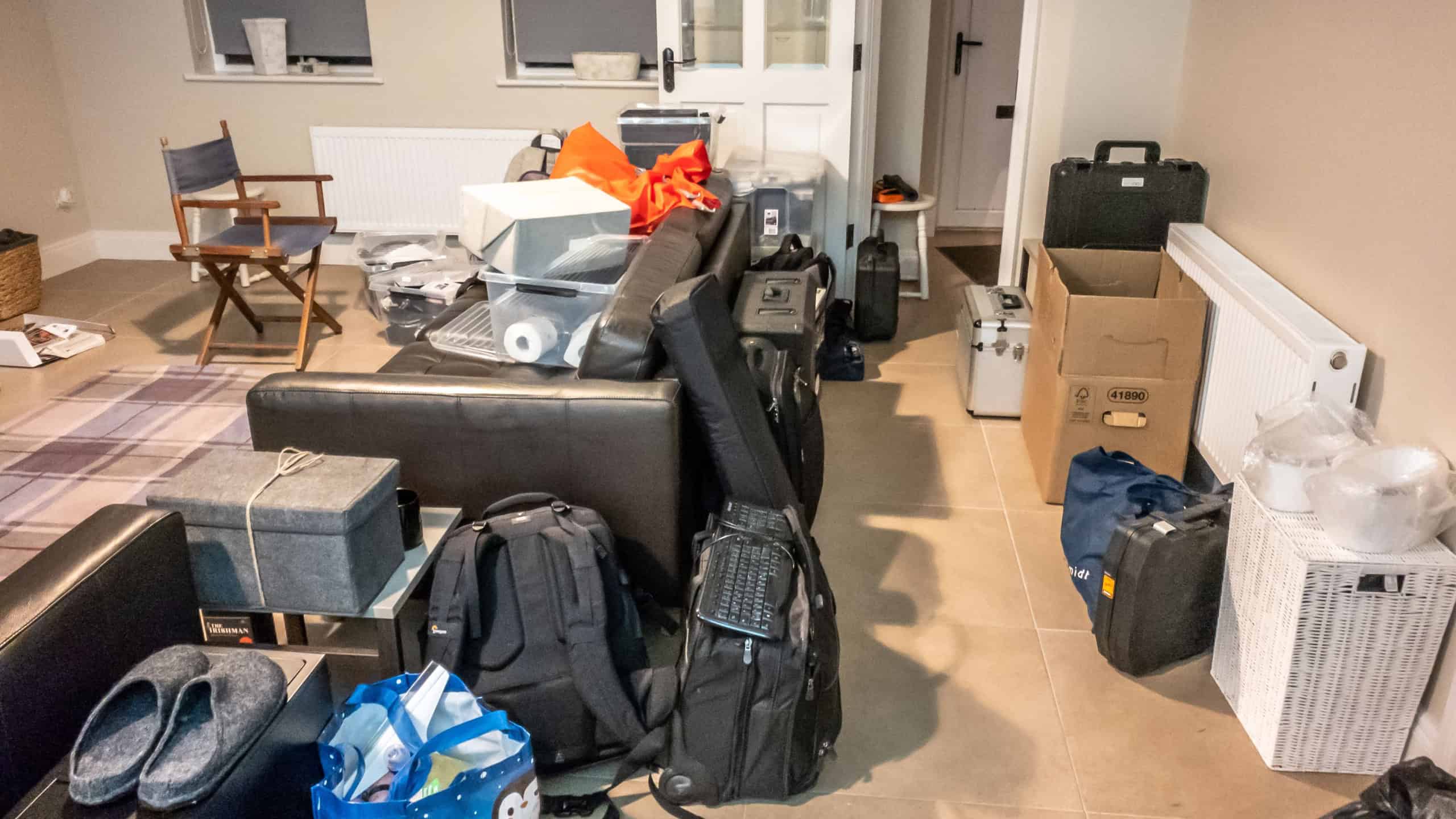
Try asking seniors why they kept that broken lamp. Try asking them why they still have a stack of newspapers. Chances are, they’ll say that you ‘never know’ when you might need it. It makes sense during harder times. It doesn’t make sense when you’re older.
Little piles of clutter don’t stay that way, and they end up being obstacles in the walkways. They block corners. They become furniture you’ve got to squeeze around. Any kind of clutter raises your risk of falling, especially when you’re in a smaller living space.
The usual spot
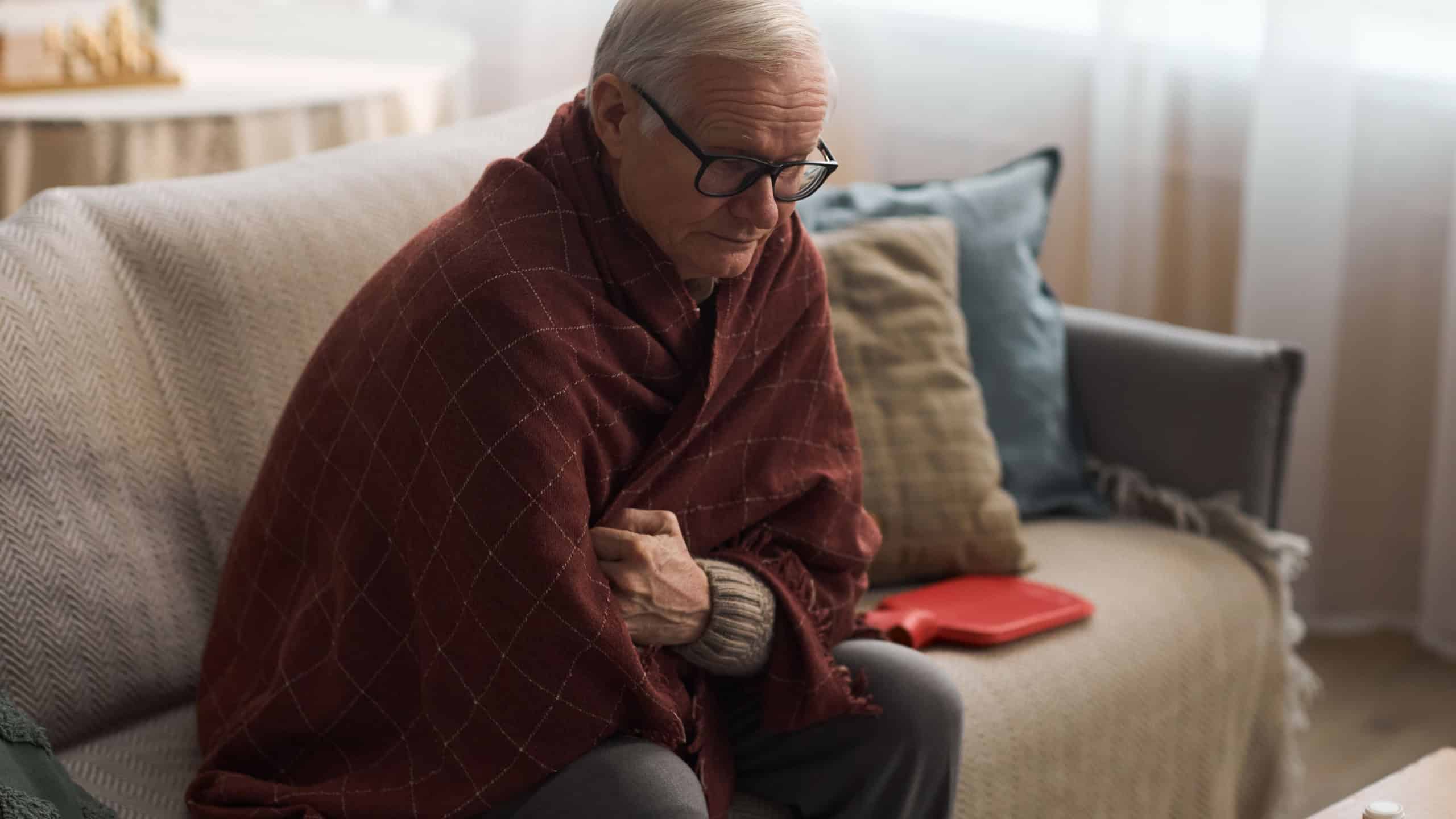
There’s usually one favorite chair. It might be the one by the window. It might be the one by the TV. It doesn’t matter. Soon enough, that’s the one seniors keep sitting in to eat their breakfast or do crosswords. They take all their phone calls there.
That’s a problem. Sitting for long periods in the same space weakens your muscles and lowers your mobility. It also increases your health risks. Sure, it might just be two or three inactive hours a day. But those hours add up.
The unsent call

A lot of seniors stop calling people. No, not because they’re upset, but because they think they’re being polite. They don’t want to bother anyone. They assume everyone else is busy. So, they delay calling until next week, which then becomes next month.
It’s now been ages since they last spoke to someone. That kind of loneliness and social isolation has serious consequences for your health. The scariest part? It’s not obvious when it starts. It begins with a call that never gets made.
The floating bedtime

Retirement means no schedule. One night, you go to bed at 8 PM. One night, you go to bed at midnight after falling asleep in front of the TV. You take a two-hour nap after lunch. But your body doesn’t love that, and you still need a regular sleep schedule when you’re older.
You should get around 7 to 9 hours. Allowing your sleep to get scattered means your mealtimes get scattered, too. So do your medications. So does your energy. Your balance during the day can practically disappear, too, all because you don’t have a fixed schedule.
The old bathroom corner
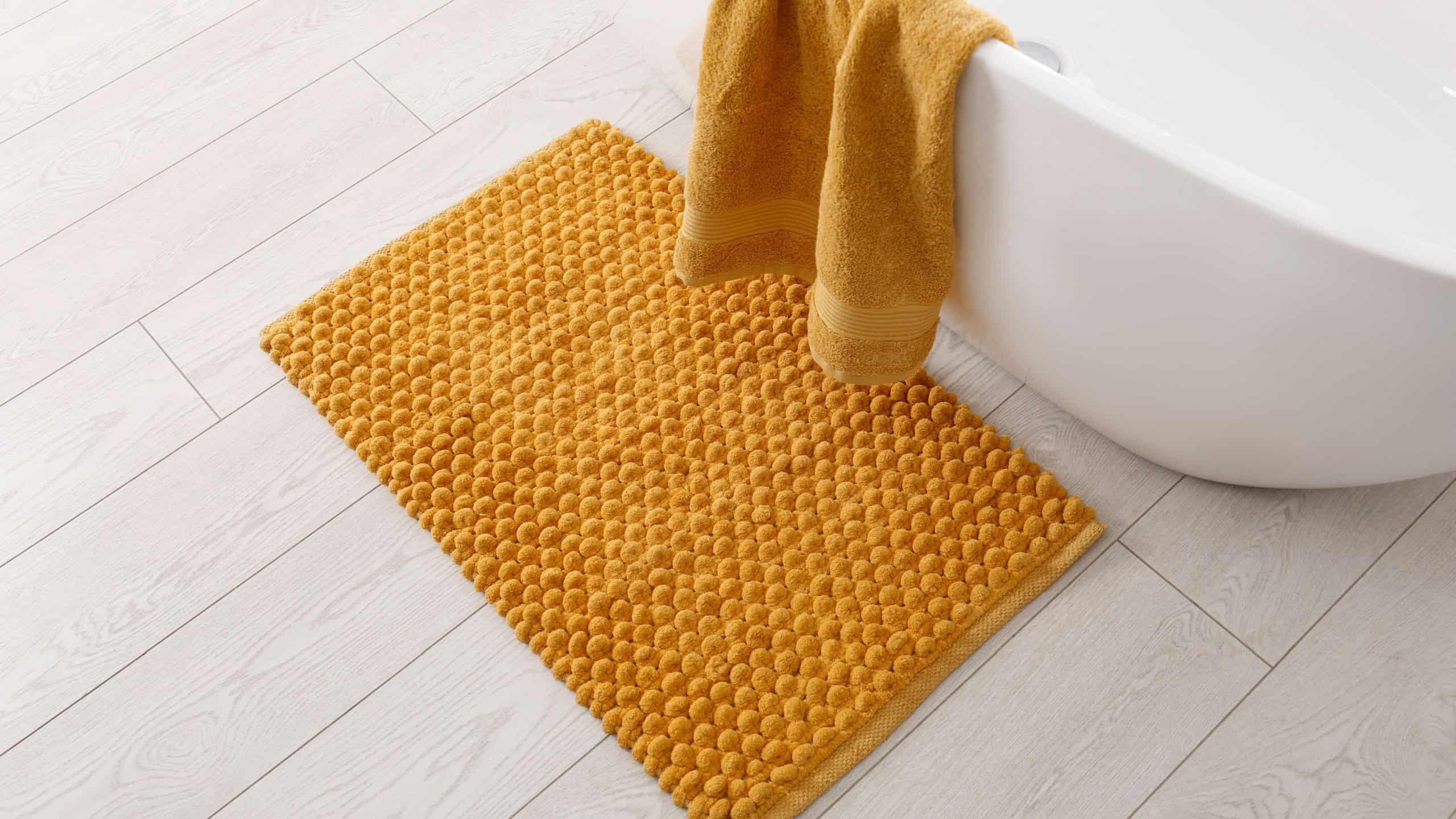
Most people don’t replace bath mats until they look terrible. Sometimes, not even then. The corners start curling. The rubber backing wears off. But because it’s still there, seniors keep using them and keep stepping on them every day.
However, bathrooms are already one of the highest-risk rooms. Those hard surfaces and slippery floors cause falls. You should really stick to non-slip mats. All it takes is one loose corner in the wrong moment.
The easy plate

Soft foods become the norm for some older people. They’ll stick to toast. They’ll stick to soup. They might have mashed potatoes or maybe pudding. It makes sense. Chewing is harder when you’re older, especially when you’ve got dentures, so you stick to easy, safe food.
But that means you might eat fewer fruits. You might have fewer vegetables. You might even stop eating protein-rich foods because they’re too much hassle. Then, your food variety starts shrinking. Your energy and strength go with it.
The long start

There’s no alarm clock. There’s nowhere urgent to be. So then mornings start with ‘just five minutes later,’ and that becomes twenty, and then coffee in bed. Maybe a little bit of TV after. Before you know it, it’s midday, and you’ve done 200 steps all day.
You should get around 150 minutes of weekly activity. But a slow morning steals that chance. The day hasn’t begun, yet you’ve already lost valuable time. Try to keep a schedule when you can.
The half-shut window

Seniors don’t want people looking into their homes. It’s fair. They’ll keep their blinds halfway down, not fully closed, but not fully open. It’s enough to keep the neighbors out. The problem? The room starts feeling like 6 PM at 9 AM.
You need daylight exposure. It helps to regulate your sleep cycles and your energy levels. It keeps you alert. Getting less sunlight during the day throws off your body clock. Now, bedtime doesn’t feel like bedtime anymore, and you’re struggling to sleep.
The canceled outing

Who hasn’t canceled plans before because they’re tired? You say you don’t like going today. You say you’ll go next week. But canceled plans pile up for seniors living alone, and one skipped lunch becomes two. A missed church visit becomes a month.
Then you become isolated, and it increases your risk of depression. It increases your risk of cognitive decline. The risk of heart disease? That goes up, too. Loneliness doesn’t usually seem so obvious, and it usually starts with ‘not today.’
Sources: Please see here for a complete listing of all sources that were consulted in the preparation of this article.


