
Grandparents are always good at being polite. You give them a gift they hate, and they smile, and say “thank you,” and make it seem like it’s just what they wanted. But behind that smile? Well, sometimes gifts are a real pain to grandparents rather than a delight. I spoke to a few grandparents, and they were refreshingly candid: some gifts make life harder, not better. They told me about 11 gifts they truly, really do not want.
Featured Image Credit: Shutterstock.
Large wall art or decor
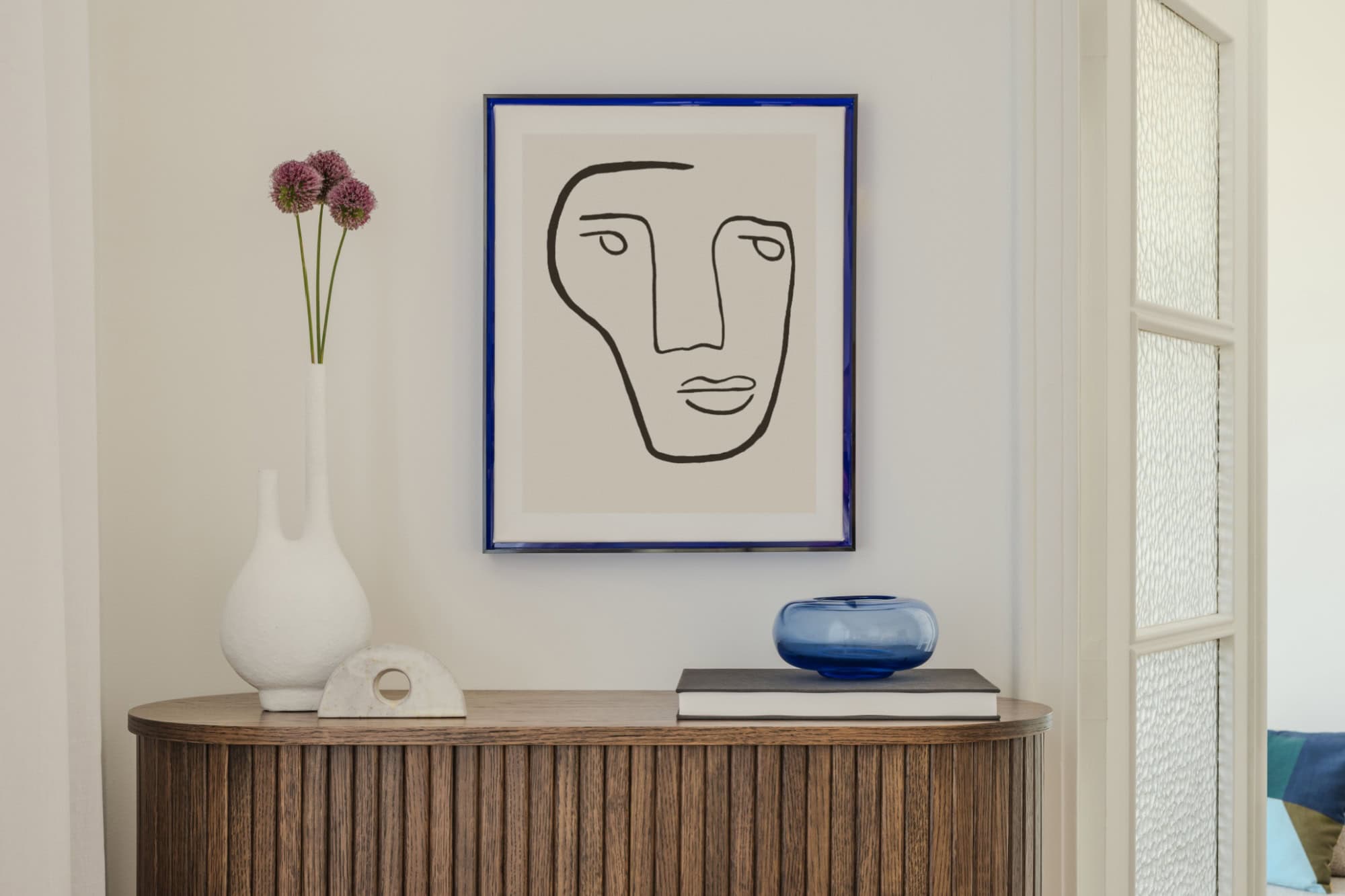
Decorating is about fit, not size. Large art won’t fit with a home built around generations of keepsakes. Aging studies research shows that older adults require security in their environment. Familiar settings provide that. That trendy décor gift might be hung out of politeness, but it won’t quite feel at home.
Foods that don’t suit their diet
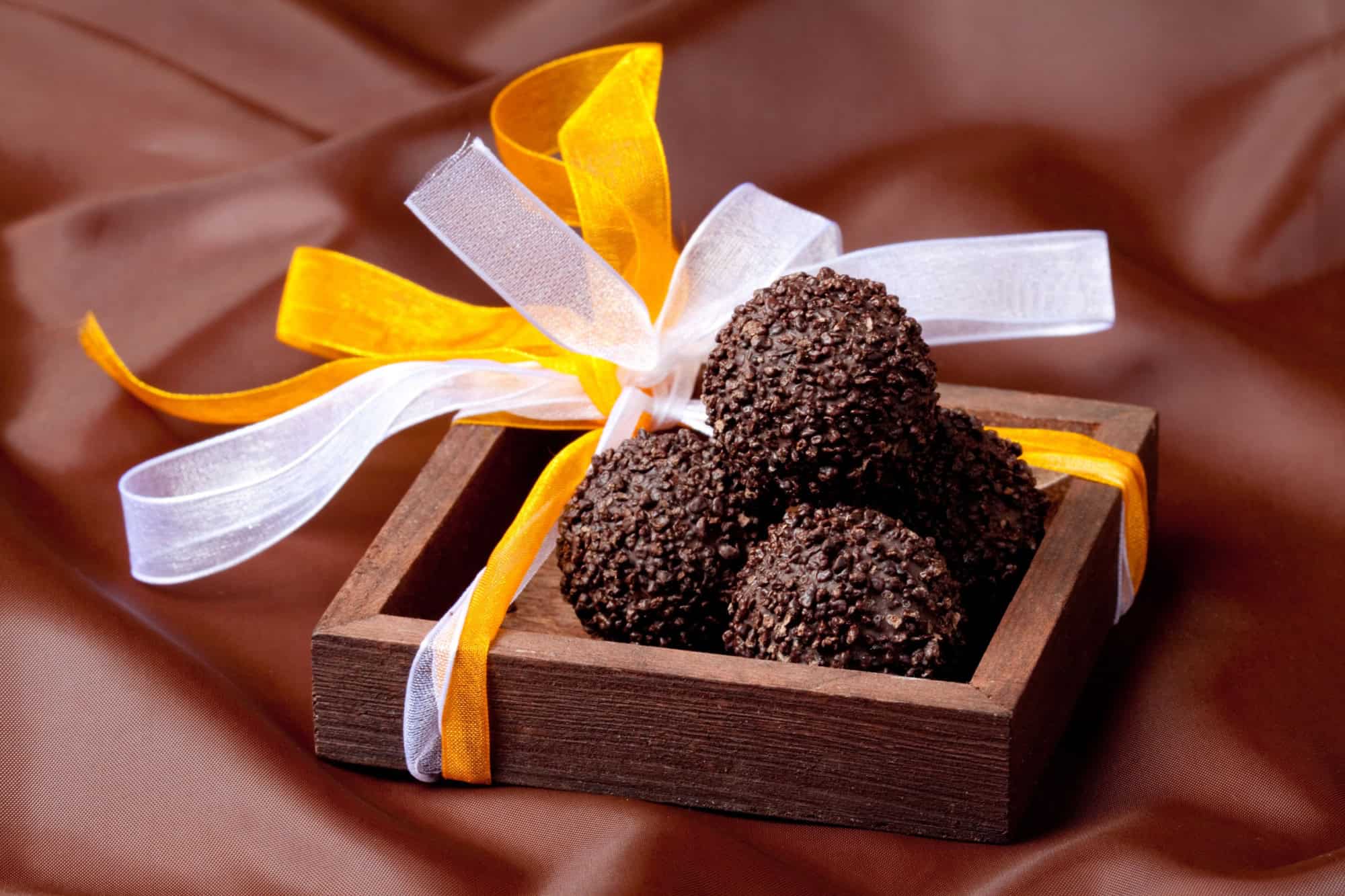
I asked a couple of grandparents about food gifts. One chuckled, “I love the thought, but my blood sugar says no.” Many have dietary restrictions, and a study conducted by the National Institute on Aging backs up that diet is a major contributor to overall health in older adults.
New kitchen appliances
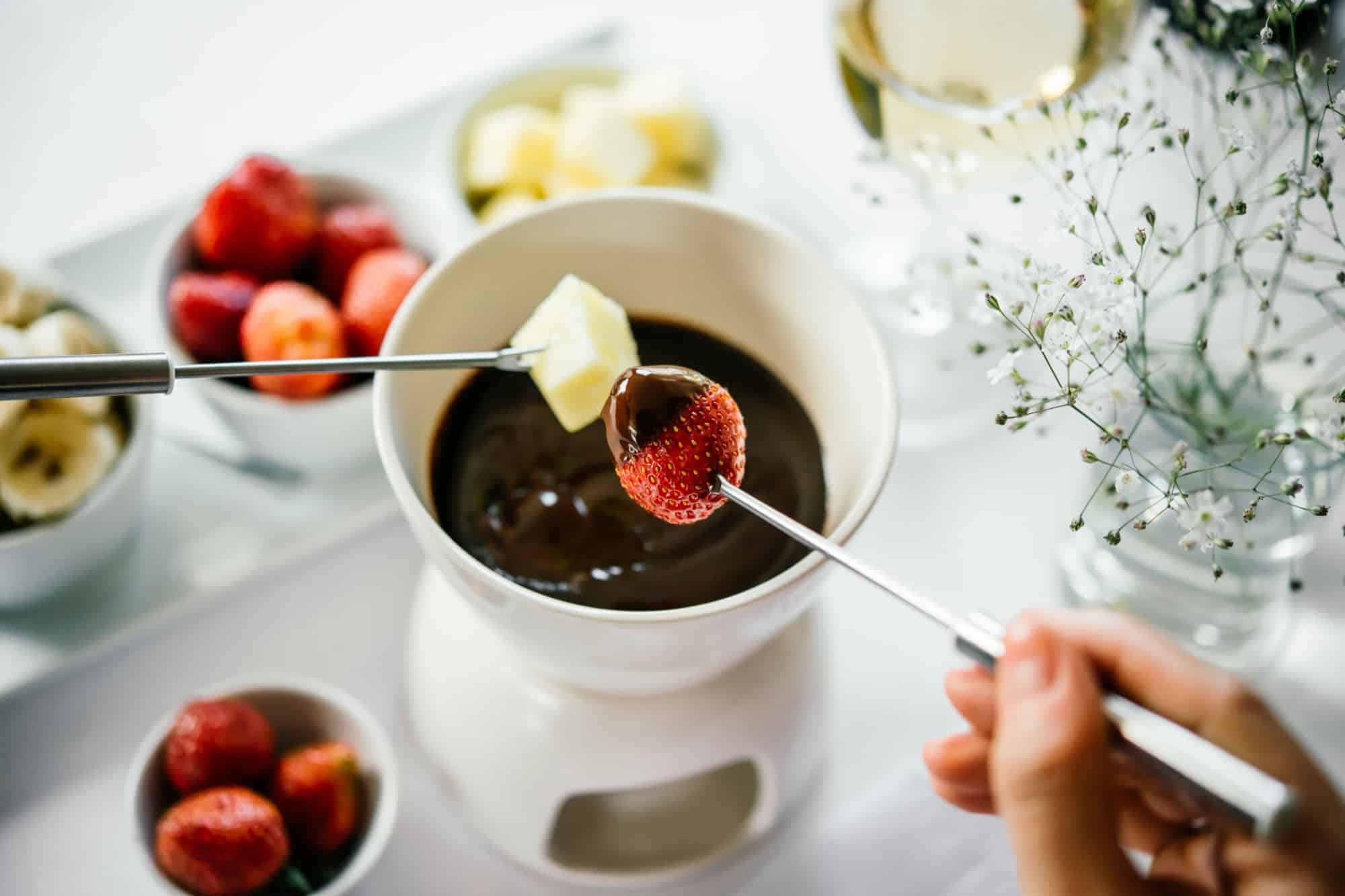
Popcorn machines, fondue pots, waffle makers, they all sound like a good time on paper. The problem? Most grandparents already have the basics and no room for more appliances. They also don’t want clutter after downsizing. What’s the result? They sit unopened or are regifted to someone else.
Complicated tech gadgets

Maybe it is a smartwatch or voice assistant that looks handy. But for many grandparents, it is one more source of stress rather than assistance. They dread having to rely on someone else just to adjust a setting. Pew studies reveal many older adults become frustrated with technology that they did not even want in the first place.
Heavy coffee table books
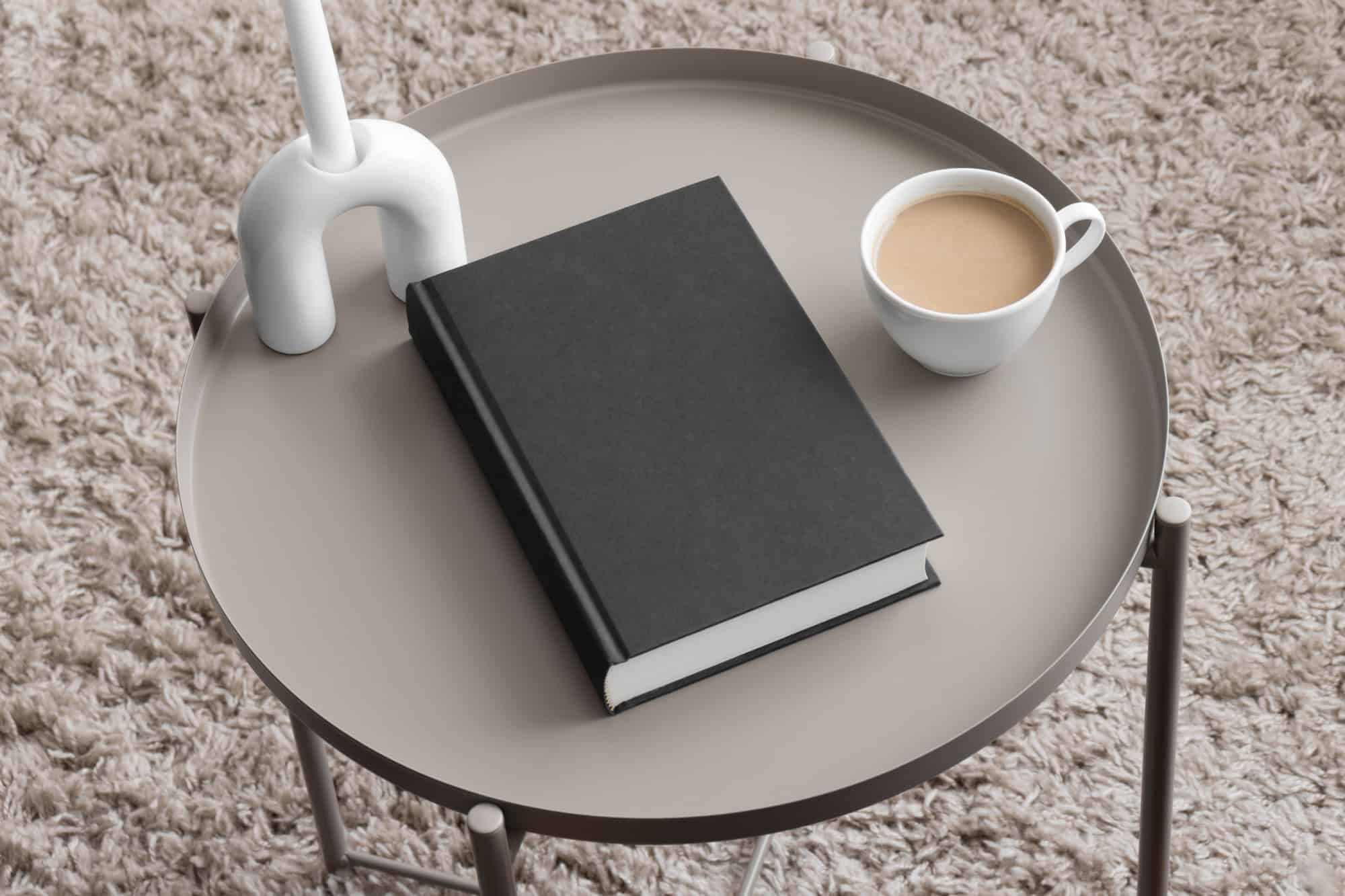
Heavy glossy books look good, until you realize they are not easy to hold. If grandparents have arthritis or weaker eyesight, it is difficult to turn the thick pages. These large books are frequently unread for that reason. They receive them graciously, but in reality, would rather have something lighter or more enjoyable.
Strongly scented lotions or soaps
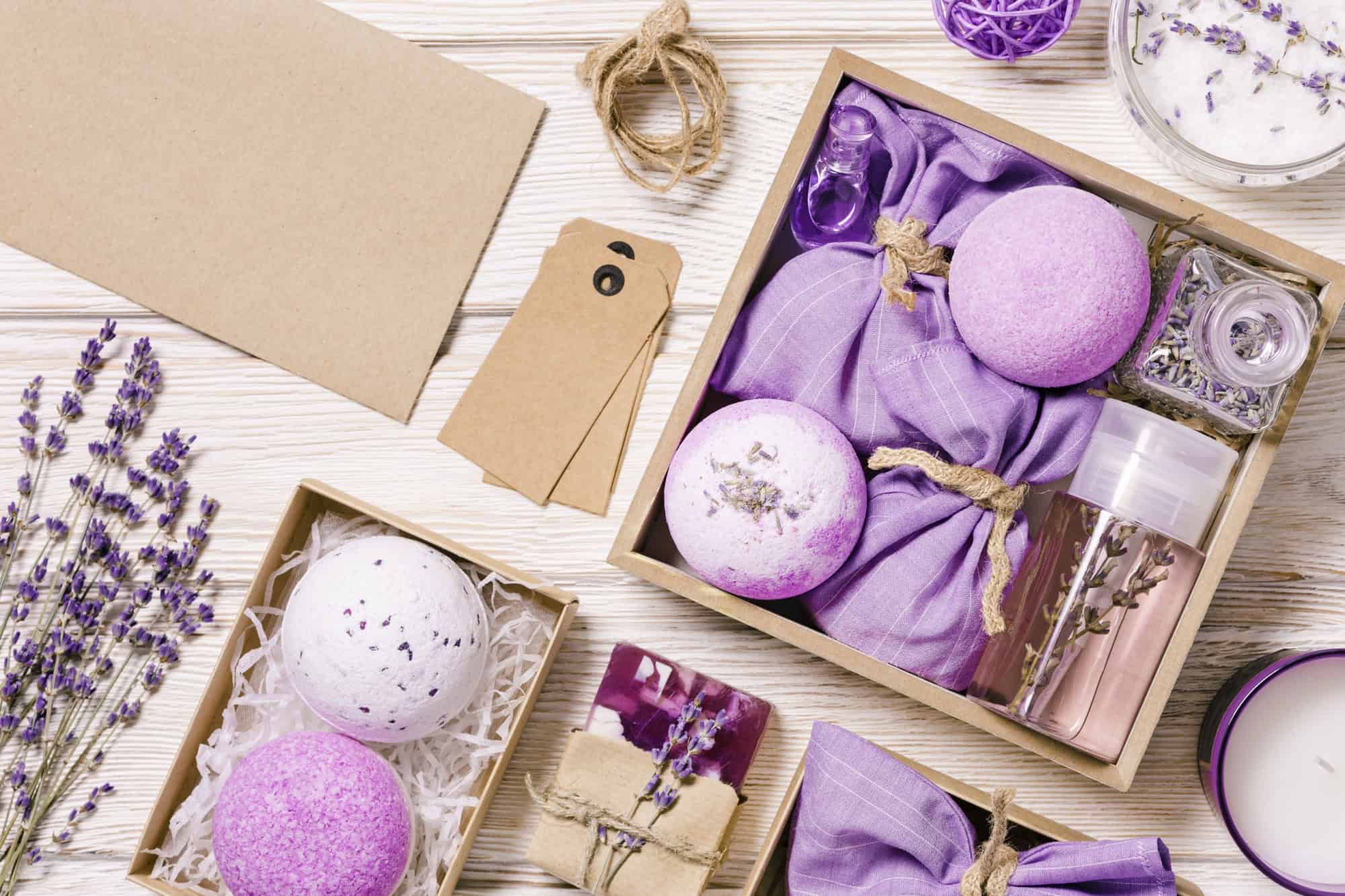
You may believe a lavender lotion or rose soap feels luxurious, but scents can assault older noses. Aging affects smell sensitivity and strong perfumes can trigger headaches. What is soothing to you is overwhelming to them. So although they’ll thank you, it will likely remain unused in the bathroom cabinet.
Clothes with tricky closures
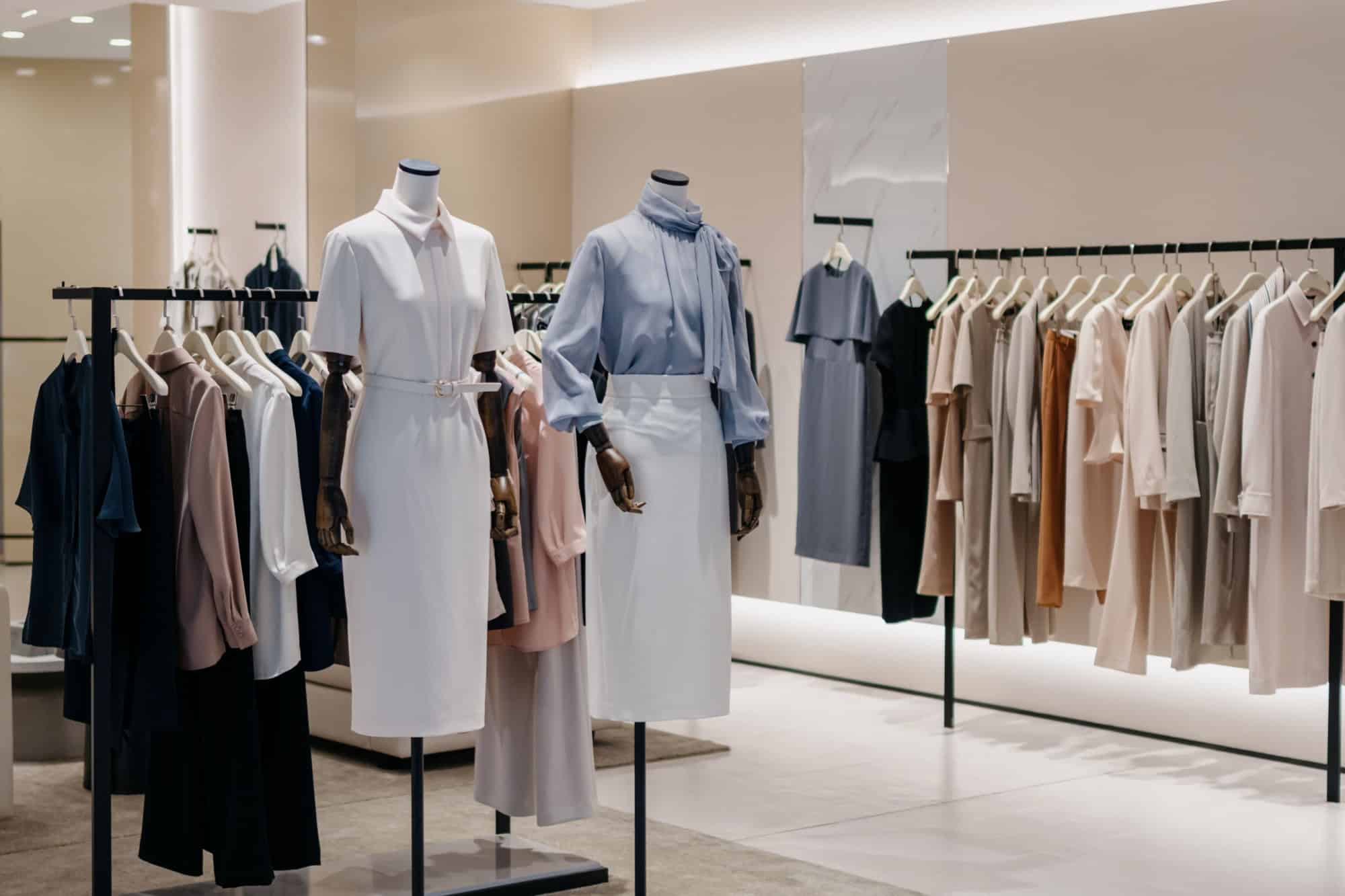
Appealing on the hanger isn’t always functional. Small buttons, slippery fabric or fiddly clasps can be a misery for people with joint pain. The gifts are graciously received, but seldom worn.
Plants that need special care
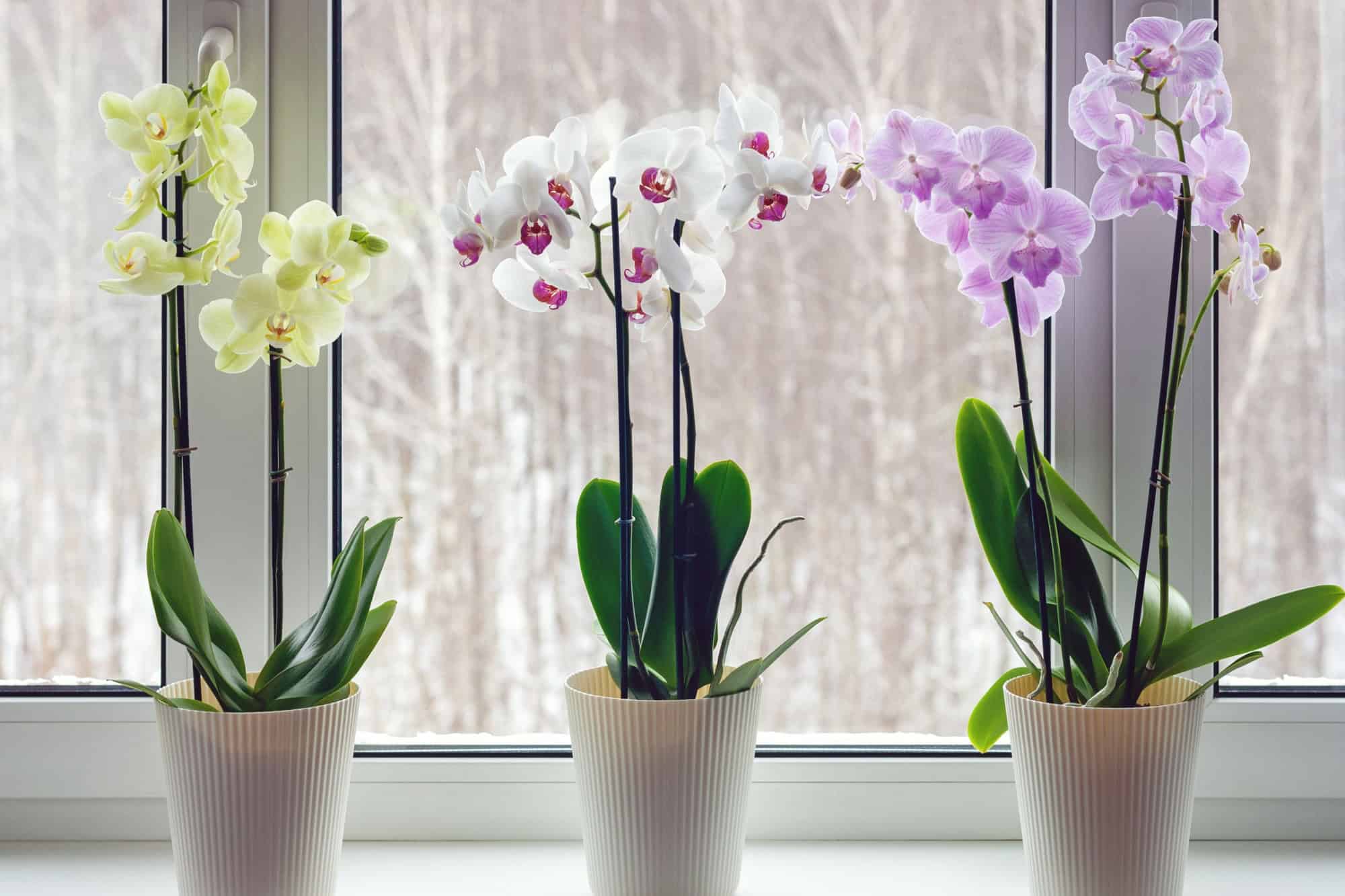
A gorgeous orchid looks like a wonderful gift-until it begins to wilt. High-maintenance plants can require more attention than they’re worth. They can be a burden for grandparents who travel or lack the proper environment. Gifts like these can cause stress rather than joy. Nobody likes to feel guilty because of a drooping plant.
Gift cards to trendy stores

Imagine handing over a gift card to a hip store, only to have it sit untouched for months. That’s what often happens with grandparents, who may not like the products or find the store too far away. A 2023 Bankrate study showed that nearly half of Americans don’t use their cards, with older adults at the top.
Experience gifts that require effort

It’s fun to imagine giving concert tickets or spa days, but these require more pep than many grandparents have. Travel, mobility, and timing create stress. Most of them prefer simpler experiences, such as a family meal at a nice restaurant.
Hobby kits that demand fine skills
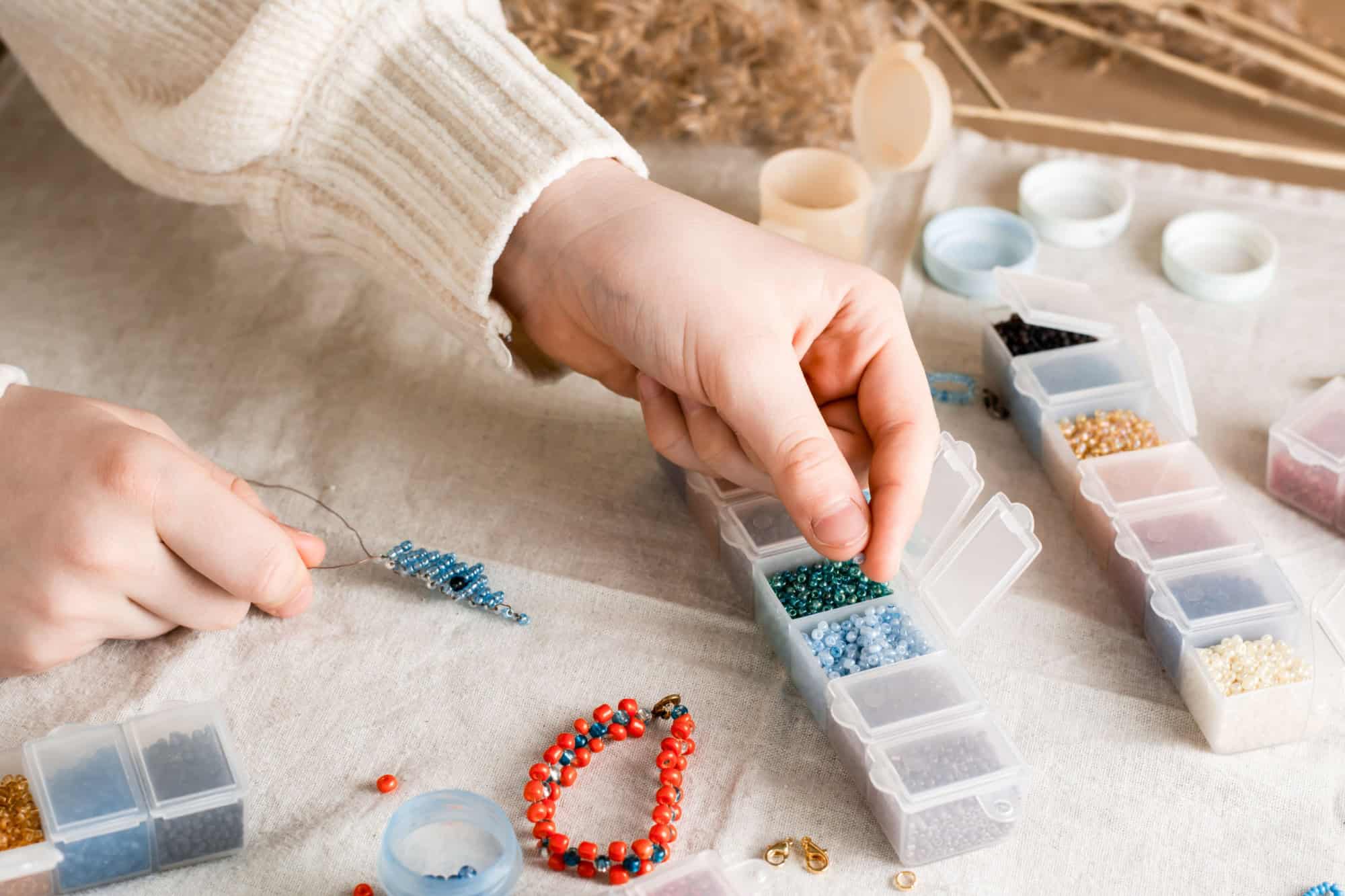
Crafting won’t be relaxing if the tools are too small or the directions too complex. Many older adults suffer from diminished eyesight or loss of dexterity, making meticulous tasks frustrating. Research on aging and leisure has shown that older adults prosper with hobbies designed for simplicity and pleasure.
Sources: Please see here for a complete listing of all sources that were consulted in the preparation of this article.
Like our content? Be sure to follow us.