

Lots of snacks have disappeared from the grocery aisles. And not just because the brand flopped, as some foods were on sale one year & gone the next, due to safety issues or other reasons. So here are ten snacks that Americans once loved but later banned. Some of them came back but never retained the same popularity. Which of these do you miss the most?
Mini-cup konjac jelly candies

Anyone who grew up in the late ’90s or early 2000s might remember these tiny fruit-flavored jelly cups, known as konjac jelly candies. They had a springy texture & they didn’t melt in your mouth, which made them fun. That is, until reports of people choking on them emerged, and by 2001, the FDA began seizing shipments. These mini-cups vanished entirely.
Tonka bean–flavored confections
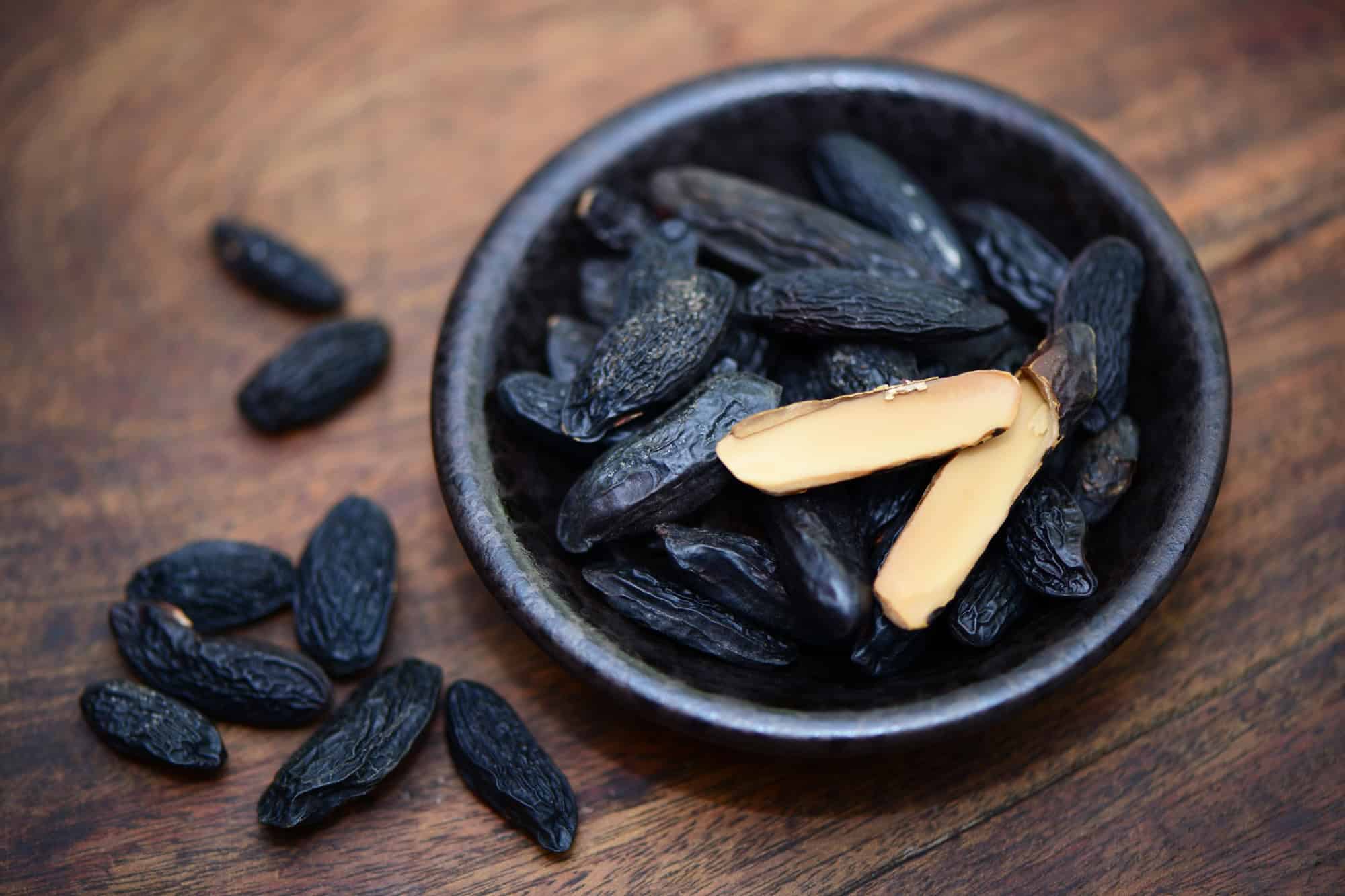
Tonka beans taste like a cross between vanilla & caramel, and it’s as good as it sounds. The problem is, they also contain coumarin, which the FDA banned from food in the 1950s. This meant that any U.S. tonka bean treats were no longer allowed. However, the beans are still allowed to be in perfumes & candles, just never in snacks.
Orange-dyed Halloween candy

Halloween 1950 didn’t go so well for kids who ate orange-colored candy. Dozens of them got sick, prompting health officials to take a closer look at artificial dyes. They soon found that Orange No. 1 was the issue & they removed it from the list of approved colors, with candy companies then having to find safer ways to color their spooky treats.
Nestlé Magic Ball
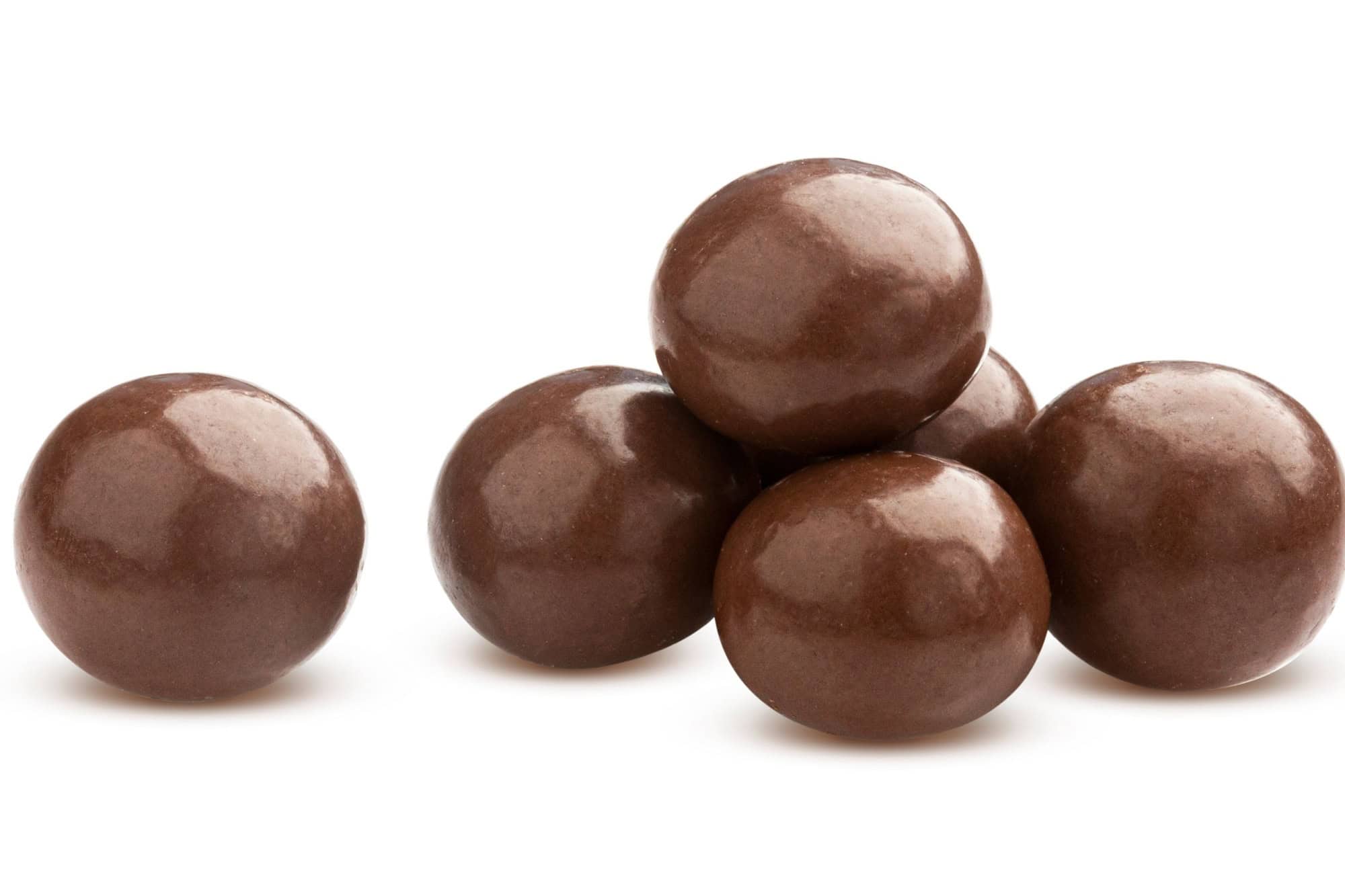
In 1997, Nestlé thought it would be a good idea to hide toys inside chocolate balls, and kids loved it. But the FDA soon stepped in. The U.S. already has laws banning candy with non-edible objects inside, meaning that Magic Ball didn’t last long in stores. A few years later, Nestlé had to shift to a safer idea.
Mimolette cheese snacks
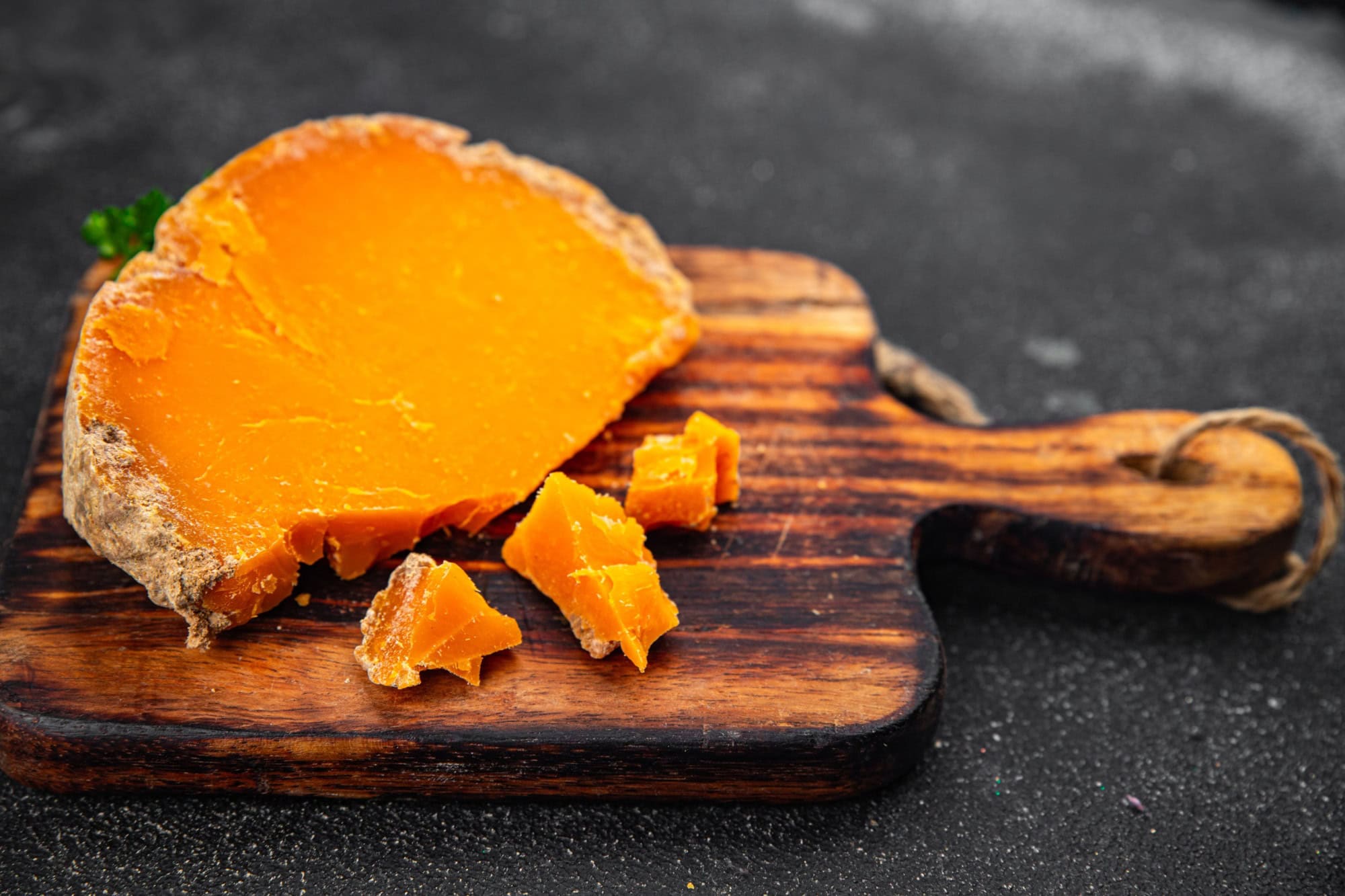
Yes, cheese counts as a snack sometimes. In 2013, shipments of mimolette from France were stopped at the border because inspectors found too many cheese mites on the rind, leading to this specific type of cheese being banned from imports for months. They sorted out the issue a year later. Eventually, mimolette began reappearing in American cheese shops.
Dragon’s breath liquid-nitrogen cereal
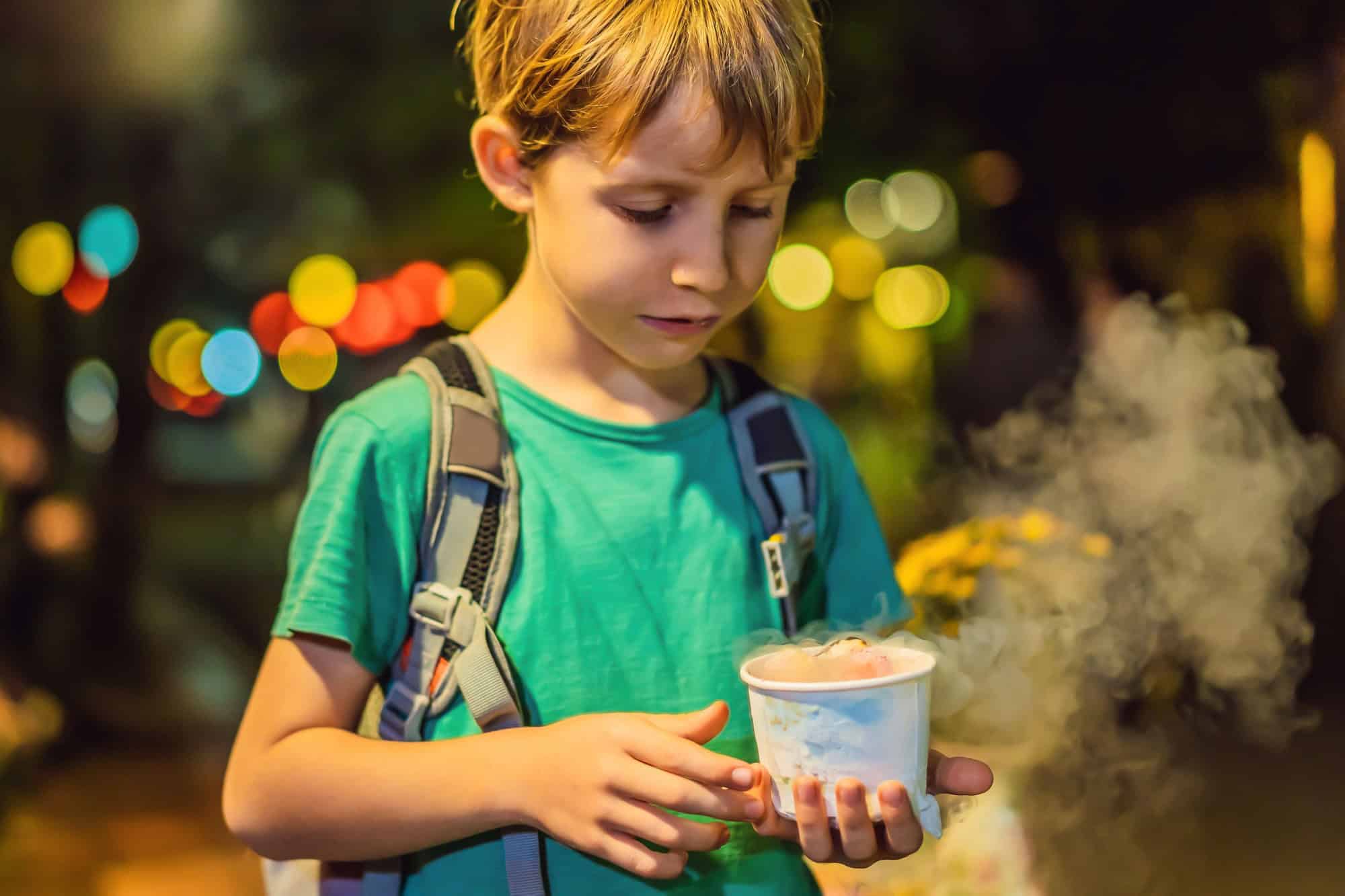
Many mall stands cashed in on “Dragon’s Breath” in 2018. These were colorful cereal puffs dipped in liquid nitrogen that made kids breathe fog, which looked rather cool. However, burns & throat injuries led to Suffolk County, NY, banning it altogether. Other states had their own warnings, although Suffolk was the only one to ban it.
Toxic Waste Nuclear Sludge chew bars

Toxic Waste Nuclear Sludge chew bars were more of a dare than a snack. And kids really loved them, until California health tests found they had lead levels that were way over the limit. The U.S. importer announced a recall in 2011 & pulled every flavor off the shelves. One day, you could buy them, the next, they were gone from every snack aisle in the country.
Dulmex Bolirindo tamarind lollipops
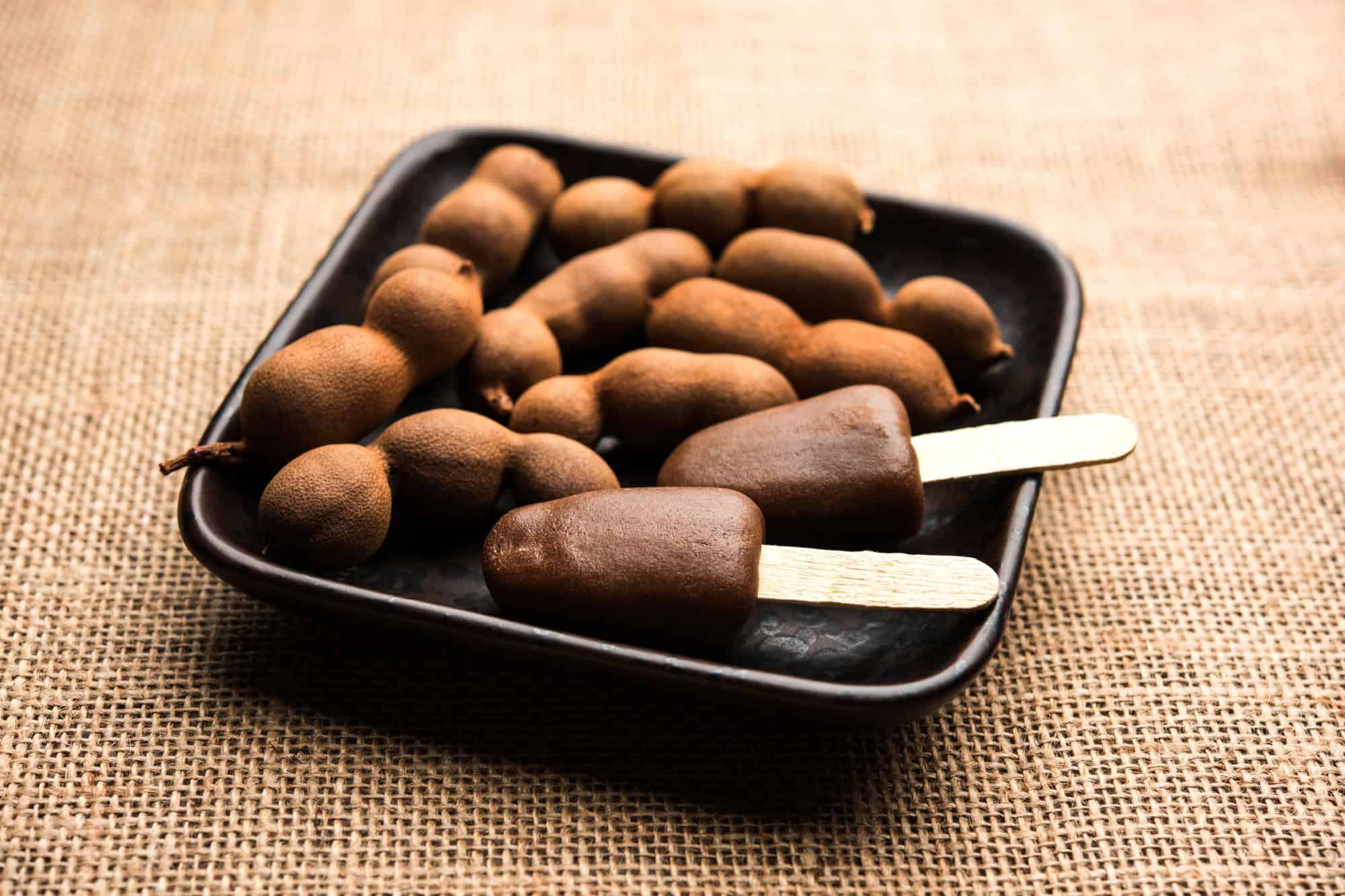
California banned other candies, too. In 2001, the state banned Dulmex Bolirindo lollipops for high lead levels, and corner stores had to pull the lollipops right away after the ban, which was aimed specifically at this brand. It didn’t matter how tasty they were. These tamarind lollipops were gone for good.
White Rabbit creamy candy

Quite a few Asian markets used to sell White Rabbit, a chewy milk candy. But during the 2008 melamine scandal, these candies suddenly became a problem & government agencies told stores to stop selling them. Shoppers had to wait for their fix until testing confirmed that the newer shipments were fine.
Raven’s Revenge test-tube powder candy

Oh, Raven’s Revenge. These candies came in plastic tubes & made your tongue different colors. However, they were later banned in numerous American schools because parents began complaining that the candies looked similar to drugs. That killed the craze rather quickly.
Prepackaged caramel apples
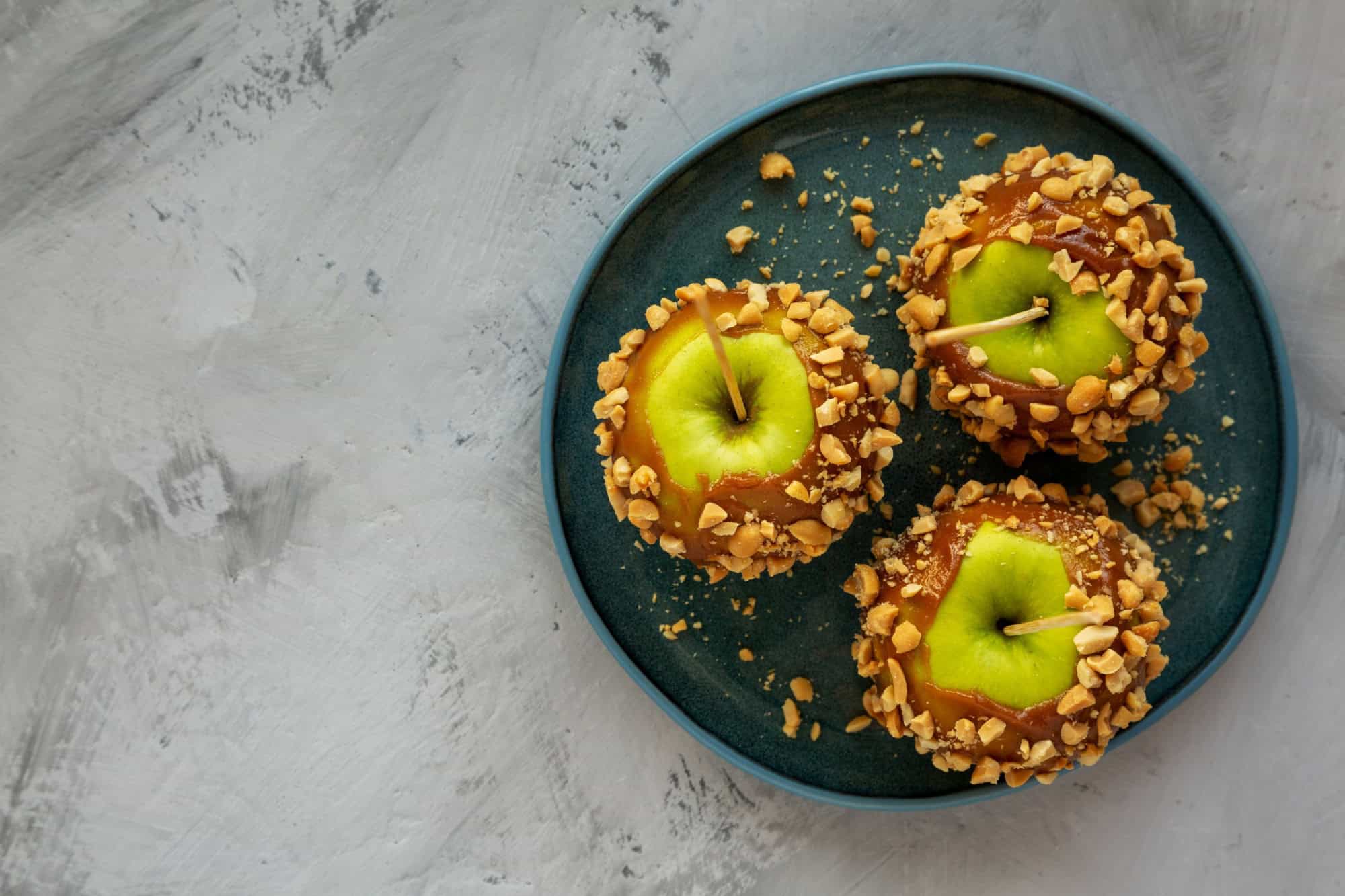
You can buy prepackaged caramel apples today, but that wasn’t always the case. In 2014, a multistate listeria outbreak traced back to a supplier led to the CDC advising people not to eat them. Stores cleared shelves & recalls followed through the winter. Thankfully, the ban was later lifted, but there was a time when they were completely off-limits nationwide.
Sources: Please see here for a complete listing of all sources that were consulted in the preparation of this article.
Like our content? Be sure to follow us.


