

Most people know the big scandals. They’re the ones all over documentaries & history books. But there are quieter ones that don’t stick in our memories, even though they changed our lives in many ways. Here are eleven forgotten scandals that changed everyday life. Do you remember any of these?
Featured Image Credit: Shutterstock.
Elixir sulfanilamide changed drug labels
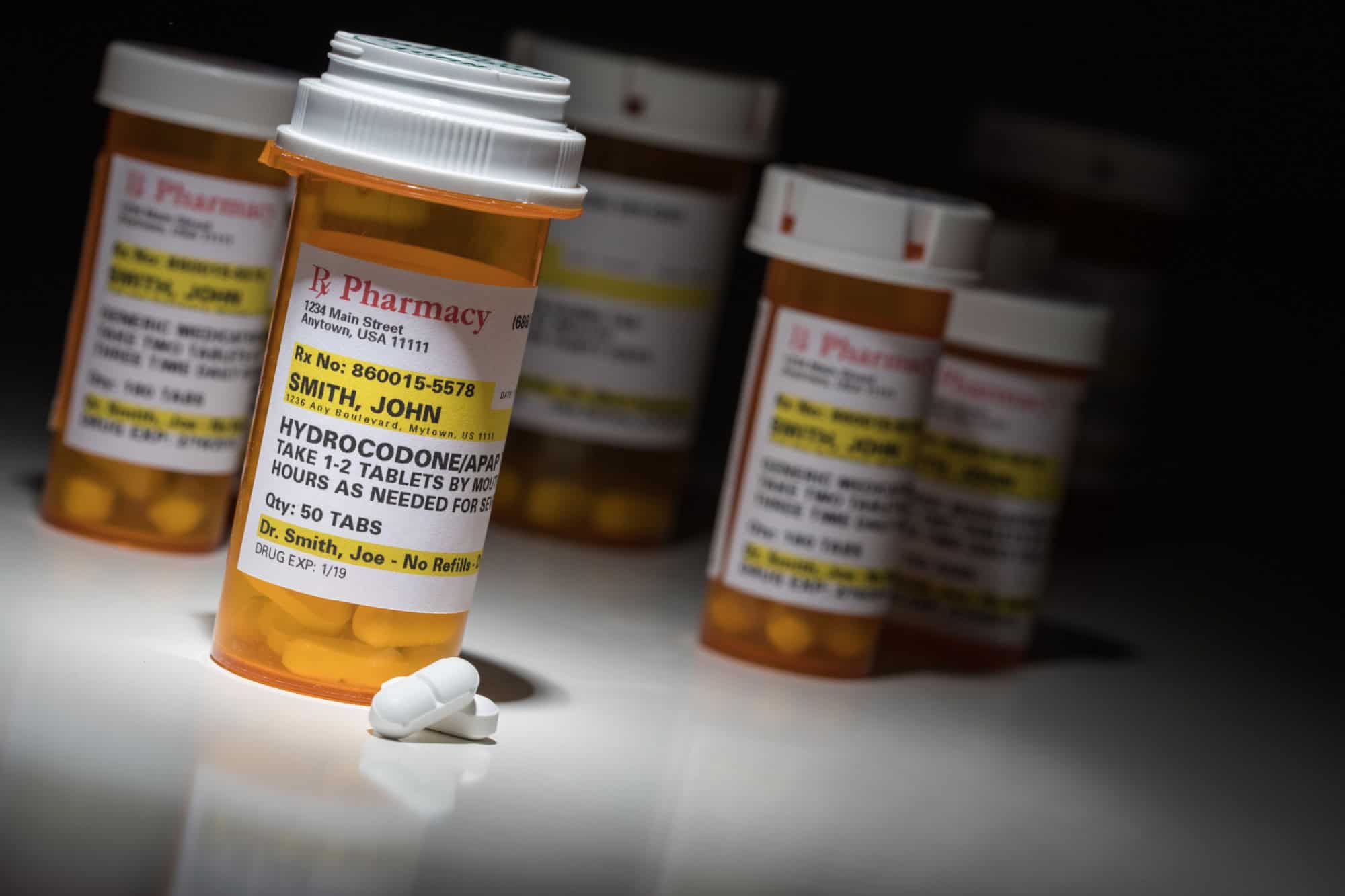
In the 1930s, a pharmacist mixed a sweet raspberry liquid with a drug called sulfanilamide. He used antifreeze to do so. Nobody tested it because nobody thought to. It led to dozens of people dying, many of whom were kids. This disaster made Congress force safety checks & real labels on medicines. That’s why a pill bottle today doesn’t just say “take two,” and instead, it has far more detailed instructions.
The Cutter polio vaccine error changed vaccines

Cutter Labs rolled out a polio vaccine batch in 1955, but this vaccine still had the live virus in it. It didn’t protect kids. Instead, it paralyzed them, and this led to the government changing how vaccines are tested & supervised. Every pediatrician’s fridge today runs under those stricter rules & we have far safer medicine. And it’s all because of one botched batch.
A high-absorbency tampon recall rewrote the box warnings

Procter & Gamble’s Rely tampons seemed futuristic because they were super-absorbent & long-lasting. But then, toxic shock syndrome cases kept popping up. This led to every tampon box now coming with warnings about toxic shock syndrome & usage directions. Thank goodness for that.
The Dalkon Shield scandal rewired device regulation

The Dalkon Shield IUD looked like a breakthrough in the ’70s. That was, until infections & injuries started mounting, which was thanks to the string design. But the bigger consequence was new U.S. laws. Medical devices now had to go through review & tracking. It sounds strange, but there was a time when that wasn’t the norm.
Sudden acceleration headlines moved pedals and shifters

Audi 5000 drivers in the ’80s claimed their cars shot forward out of nowhere. This inevitably led to accidents. Later, it emerged that lots of people were hitting the gas instead of the brake. Carmakers had to change their vehicle layouts. Now, you see brake-shift interlocks & wider pedal spacing in nearly every car.
A sparkling water recall normalized mass batch testing

In 1990, there was a chance that when you cracked open a Perrier, you’d find benzene inside. The brand then pulled bottles off shelves across the globe. Estimates put the number of recalls at 70 million. After that, drinks companies began testing whole batches in ways they hadn’t before. Our drinks are much safer because of this one mix-up.
Burgers and E. coli pushed HACCP into your grocery cart

Image Credit: Shutterstock.
A Jack in the Box burger chain outbreak in 1993 made hundreds of people sick with E. coli O157:H7. Four kids died. As a result, the fallout changed food plants, and inspectors started enforcing HACCP (Hazard Analysis & Critical Control Points). That’s why your ground beef comes with grinding logs & temp checks. It’s way safer.
Silicone implant controversy built today’s patient booklets

In the early ’90s, the FDA suddenly put silicone breast implants on hold. They were concerned about safety & this led to a few lawsuits. What came next was stricter tracking and informed-consent rules. Anyone who’s ever had surgery has likely had to sign a checklist & received a booklet explaining risks. That’s because of this implant fight.
Diet-drug withdrawals changed how labels flag risks

Fen-phen was the weight-loss craze of the ’90s. But then doctors began reporting heart valve damage in patients who took them, so fen-phen was pulled off the shelves. Drug labels completely changed after this. They now had to list the risks & contraindications as part of those long medication guides you see on the medicine booklet. Who knew?
A search-log leak rewrote data-sharing playbooks

AOL thought it was fine to release anonymized search data for researchers. But the problem was that journalists quickly re-identified real people from their queries. This forced tech companies to change data privacy rules. Now, tech companies have locked search logs away with methods like differential privacy. We’re all a little more secure online.
Lead-paint toy recalls hardened safety tests for kids’ stuff

In 2007, millions of Mattel toys came back from stores. They were painted with lead or built with magnets that kids swallowed. As you might expect, parents were outraged & Congress acted. Kids’ toys now have to pass strict lead limits & third-party tests. You can see evidence of this scandal to this day. That tiny batch code stamped on the bottom of a toy box? It’s due to this.
Sources: Please see here for a complete listing of all sources that were consulted in the preparation of this article.
Like our content? Be sure to follow us.


