

While you might not realize it, the human body used to be capable of some pretty incredible things that, sadly, we just can’t do anymore.
Vitamin C

Vitamin C is one of those things most people know they need more of. But it turns out, getting it used to be a lot easier since our bodies were once capable of making vitamin C, just like other mammals. They’re able to use glucose to make ascorbic acid, aka vitamin C.
We can’t, though. The gene that does that in mammals is called the GULO/GLO gene, and it doesn’t work properly in humans, thanks to changes that happened to us around 61 million years ago. It’s not all bad news, however, because we can still get vitamin C from food.
Climbing
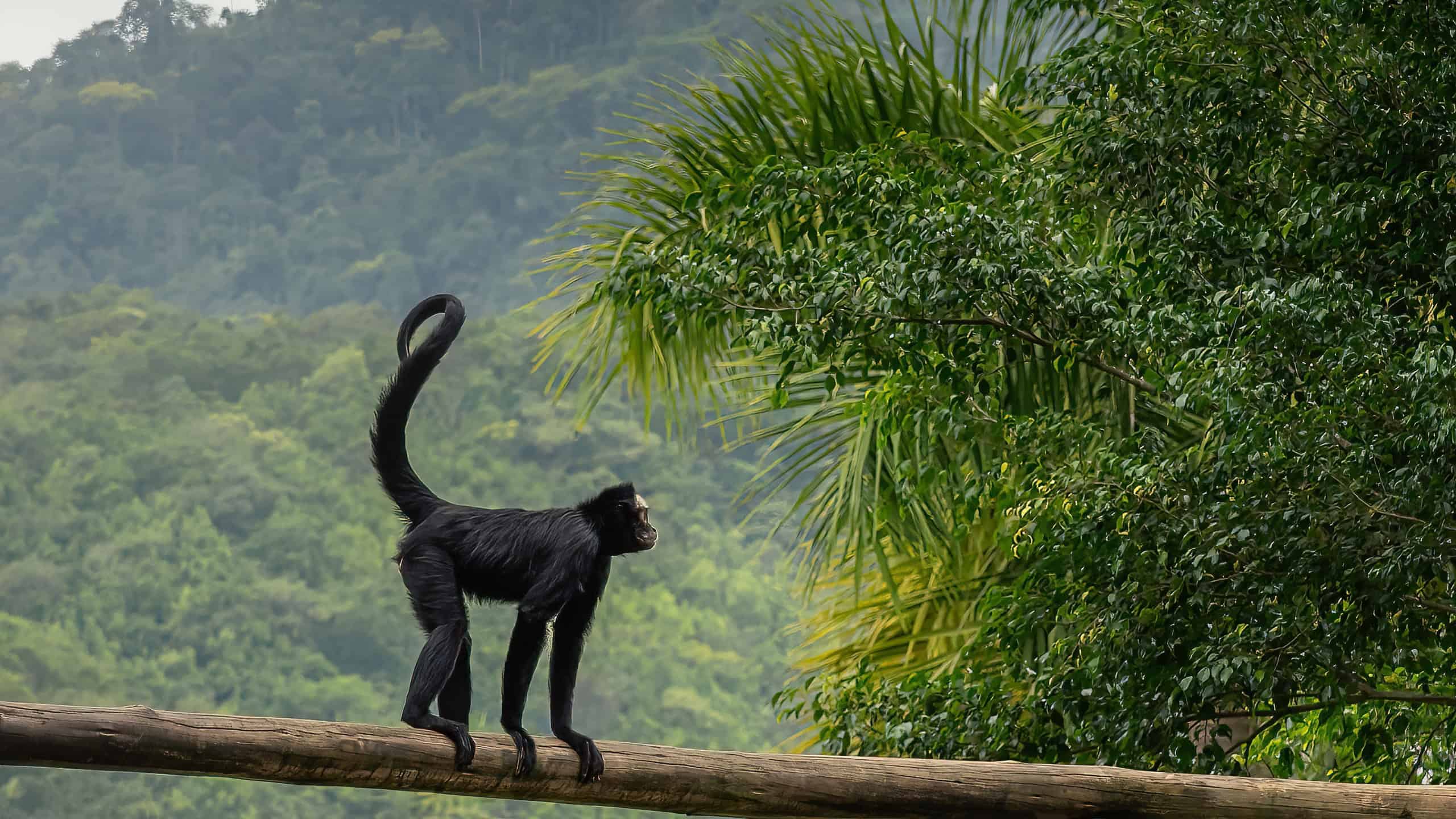
Climbing trees was a lot easier, too, since we once had tails that helped us to balance as we went along. We lost our outside tail around 25 million years ago, and so did our ape ancestors. You can still see evidence of where our tail would be in our bodies today, however.
Just look at the coccyx. Today, it helps us redistribute our weight evenly when we’re sitting down, but in the past, that’s where our tail would’ve been. There’ve even been cases of babies being born with tails, although it’s extremely rare and not really a useful body part anymore.
Hairy Advantage
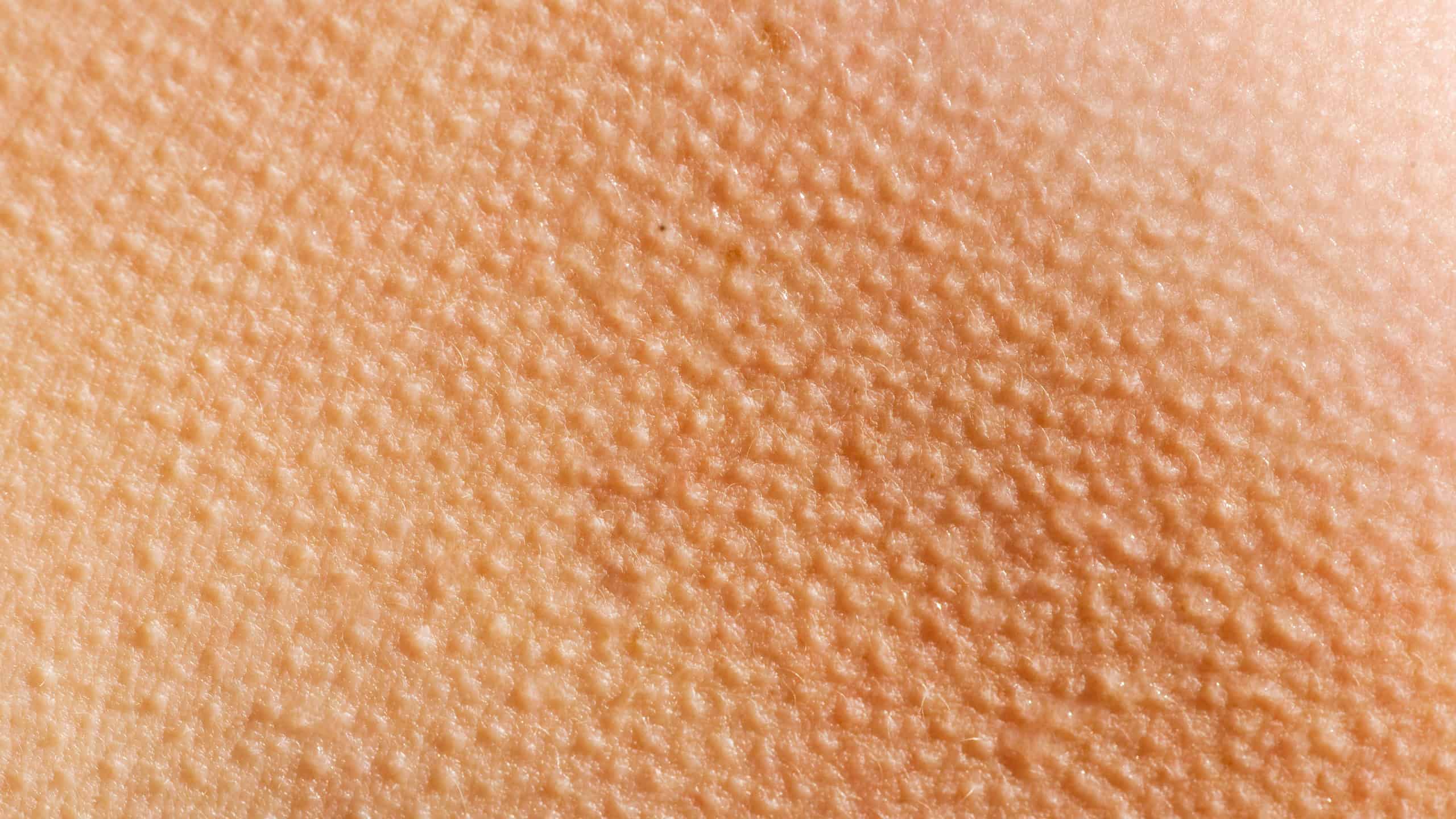
Goosebumps. Everyone gets them, but most people have absolutely no idea what they’re for. You just need to look at hairier mammals to understand them because they have something called arrector pili muscles. These pull their hairs upright. Why?
Because it traps any warm air close to the skin when they’re feeling cold, and they can also use these muscles to make themselves look bigger when scaring off predators. We’ve still got the muscle reflex, just not the thick coat of hair that gives it a purpose.
A sound from the side
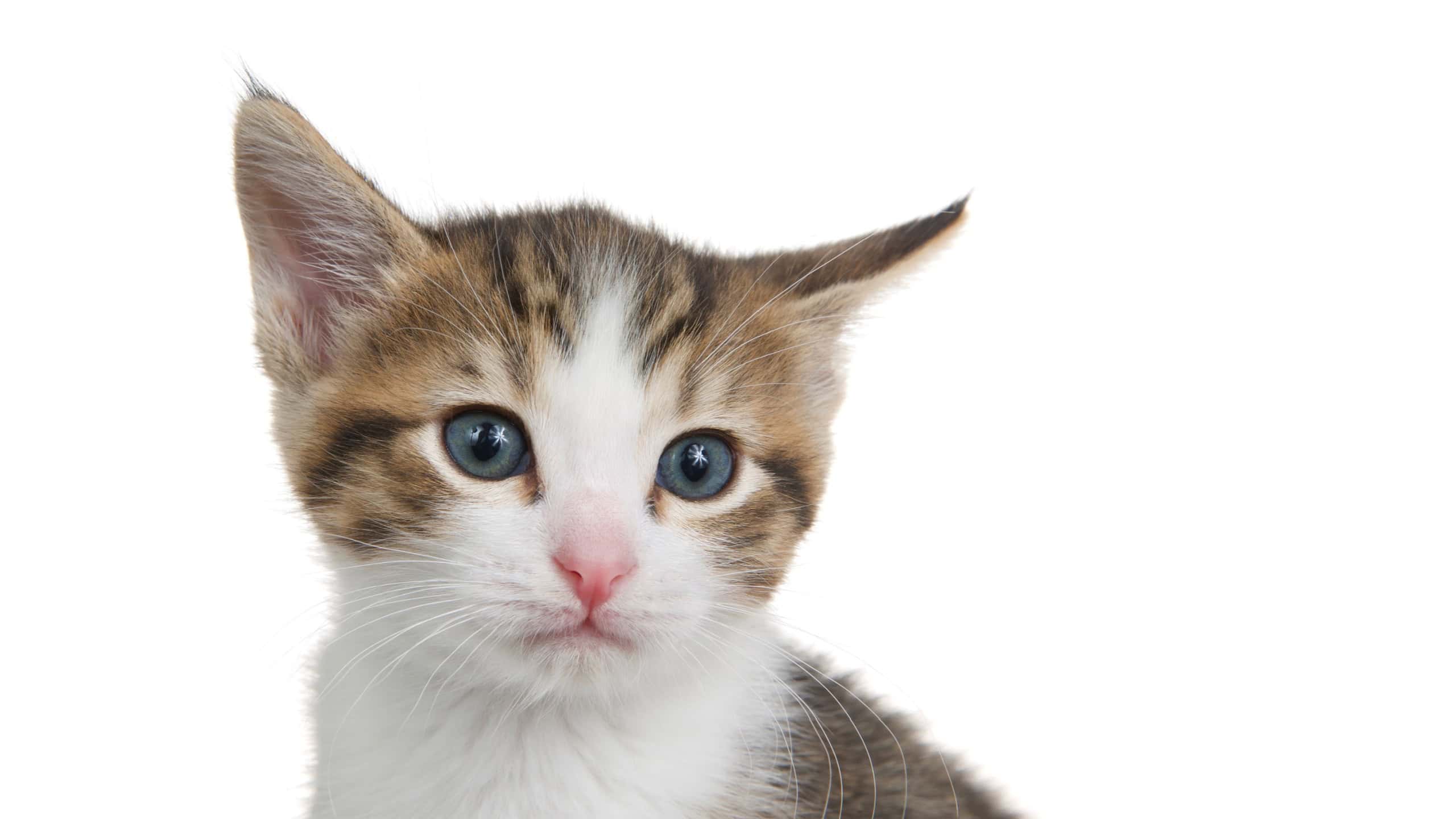
Anyone with a cat might’ve noticed that their feline’s ears turn when they hear something, and science suggests we used to be able to do this, too. We have auricular muscles around our ears to do that.
Except, instead of twisting our whole ears, we can only move them slightly. We’re not capable of aiming our outer ears properly, and the most that people can do is wiggle their ears a bit, nothing more.
A blink that slid sideways
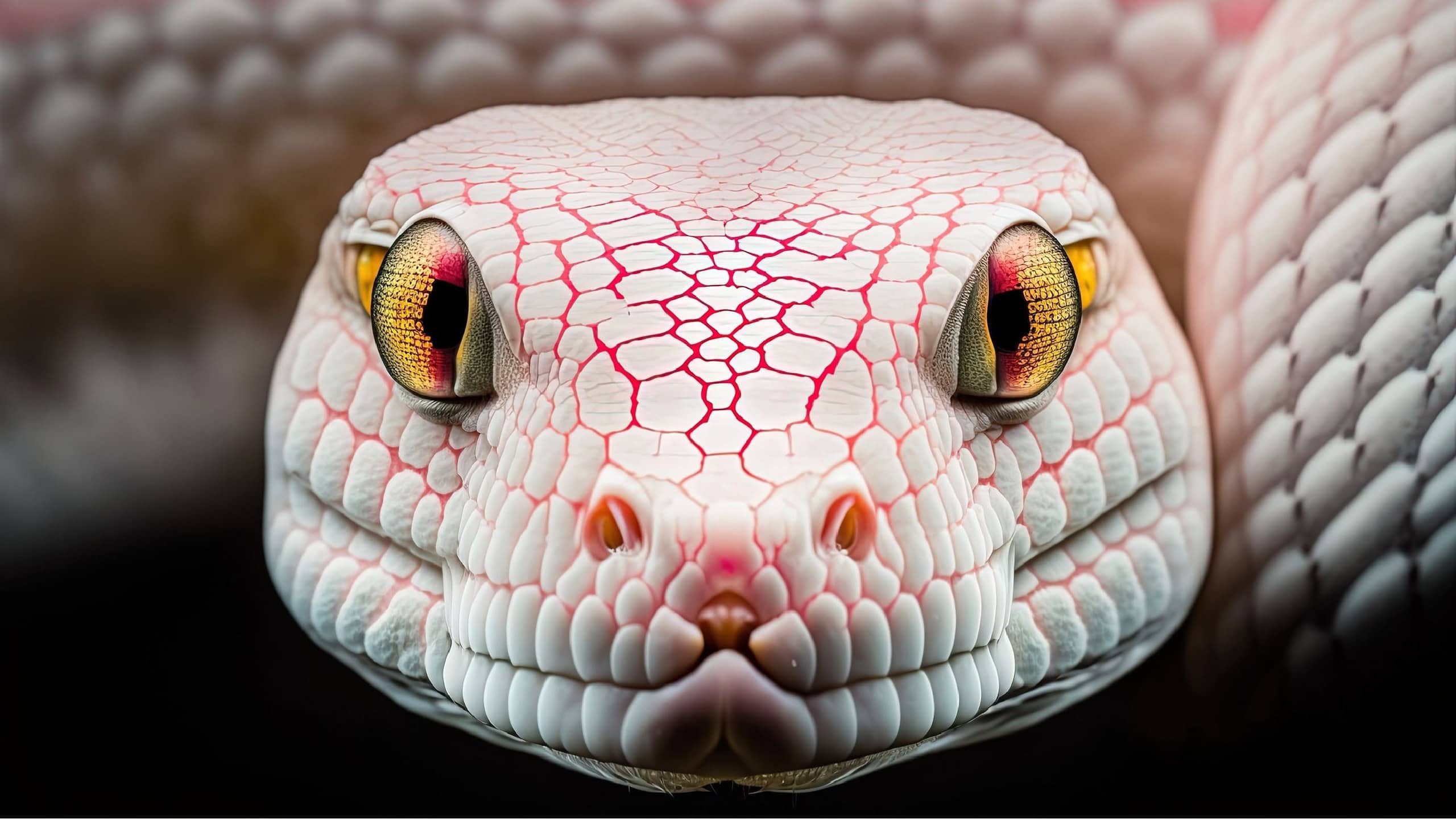
Have a look at the inner corner of your eye. Notice anything strange? There’s a pink fold there called the plica semilunaris, and it’s a remnant of the sliding third eyelid that so many animals still have. Birds, reptiles, fish, and some mammals still have it.
They use their extra eyelids to clean their eyes or even protect them, but we don’t have the ability anymore. We’ve just got the leftover corner piece that doesn’t really do anything important for us anymore, honestly. It’s kind of just there.
New Teeth

It feels completely normal for us to have two sets of teeth because, well, that’s how it’s been for such a long time. Yet there are so many vertebrates that are able to keep replacing their teeth, instead of only having two sets.
Sharks, for example, are able to regenerate new teeth whenever they lose one, and there was once a time that mammals could do that. But then they lost it. Now, we’re stuck with baby teeth, adult teeth, and nothing more, unless you get artificial replacements.
Canines
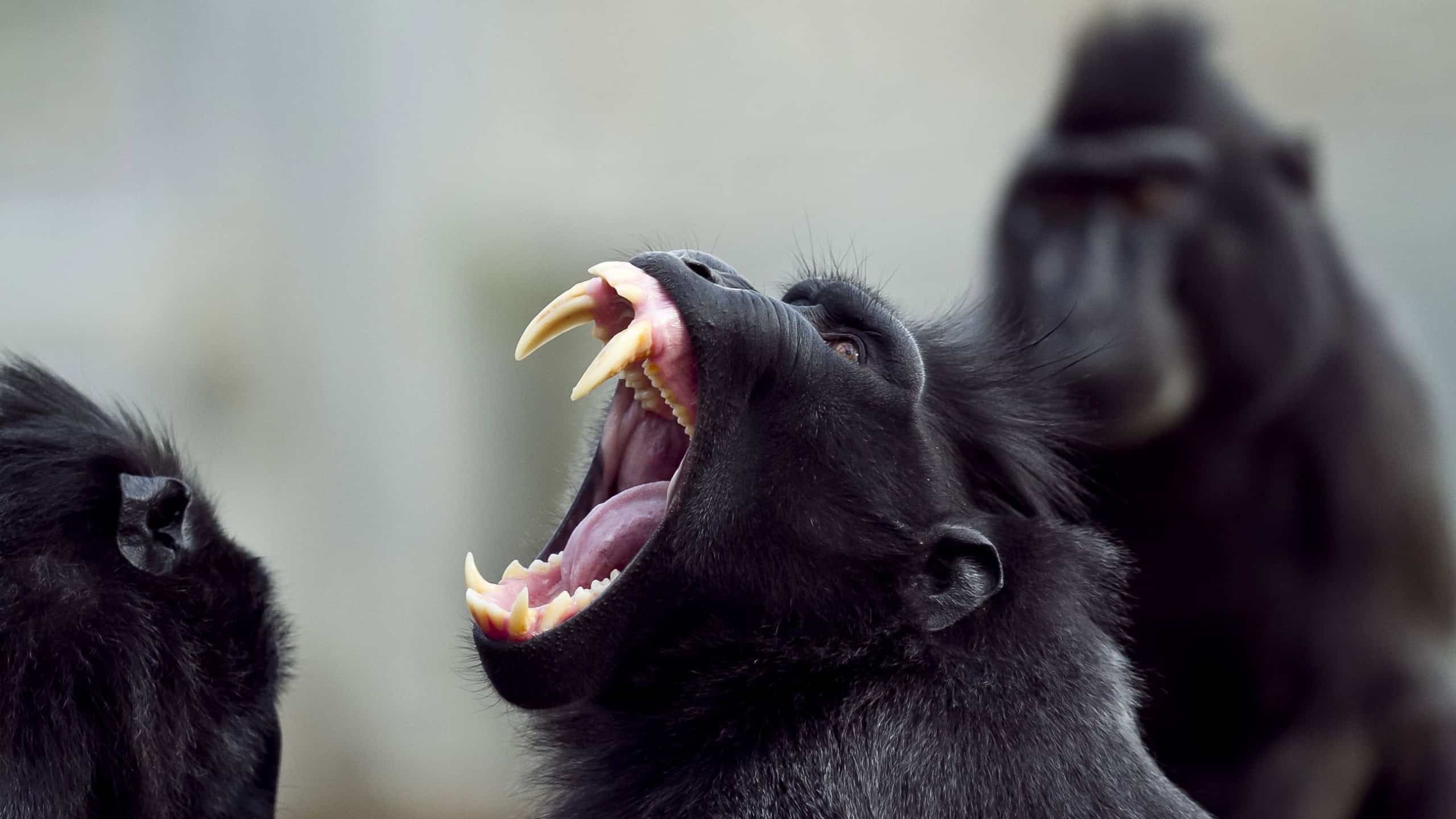
Another thing about teeth is how tame they are for us today, since we can only use them for chewing. Our primate relatives can flash their big canines when they’re threatened and use them for fighting, too. But we lost that ability around 6 to 7 million years ago.
We’ve still got canines, of course we do, it’s just that we can’t exactly use them to scare other animals or people off anymore. You’d look pretty silly if you tried doing that today.
A color that left
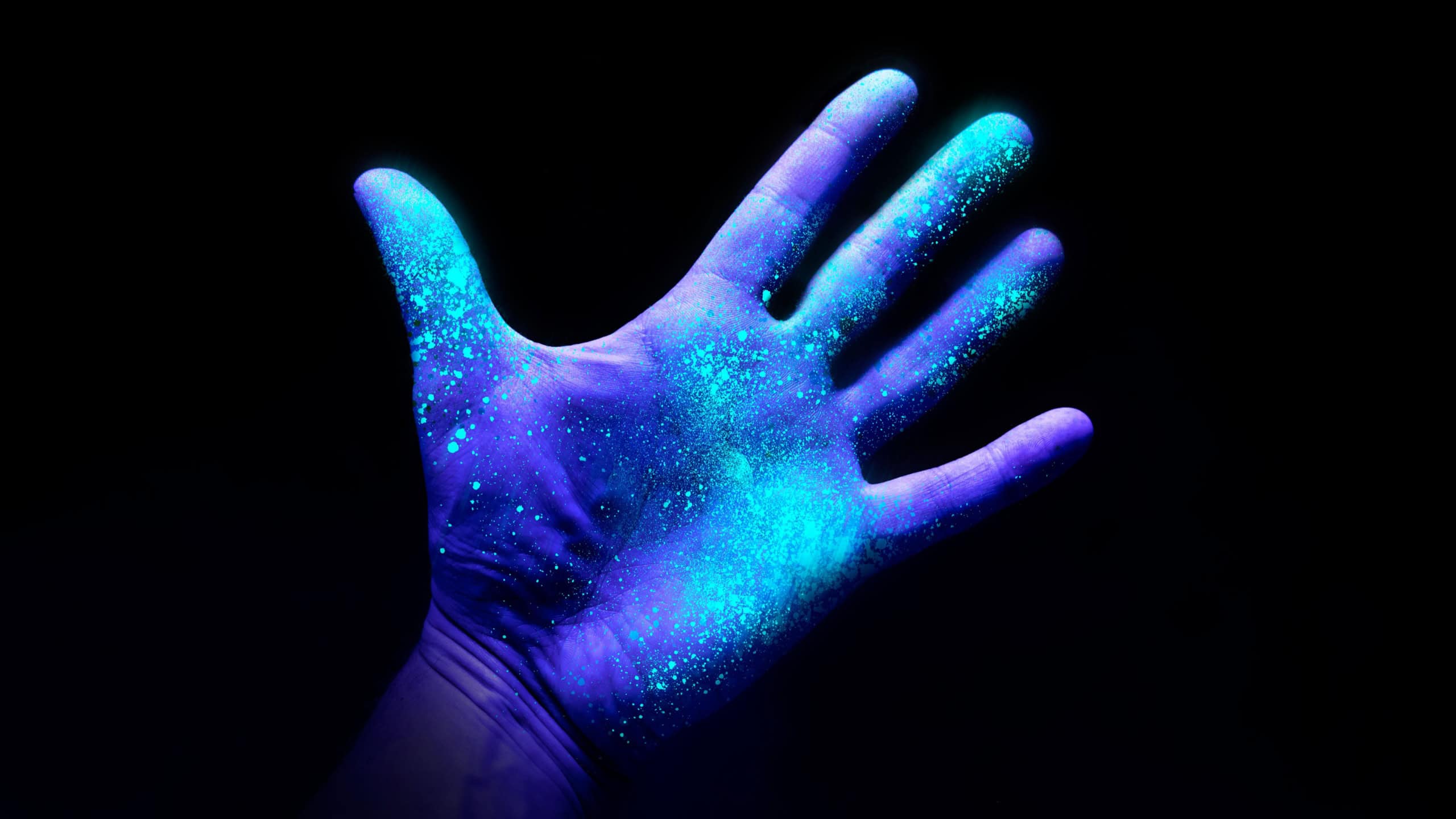
Ultraviolet light is completely invisible to humans. At least, it is when you don’t use a machine to see it, but there are plenty of animals that can still see it today, and ancient mammals used to be able to, too. Our lenses block the majority of short UV light before it hits our retinas.
The change happened around 30 million years ago, when primate eyes changed to become similar to the spectrum of visible colors that we have today. We’re only able to see around 1% of the electromagnetic spectrum, so imagine all the colors we’re missing out on.
A little ripple
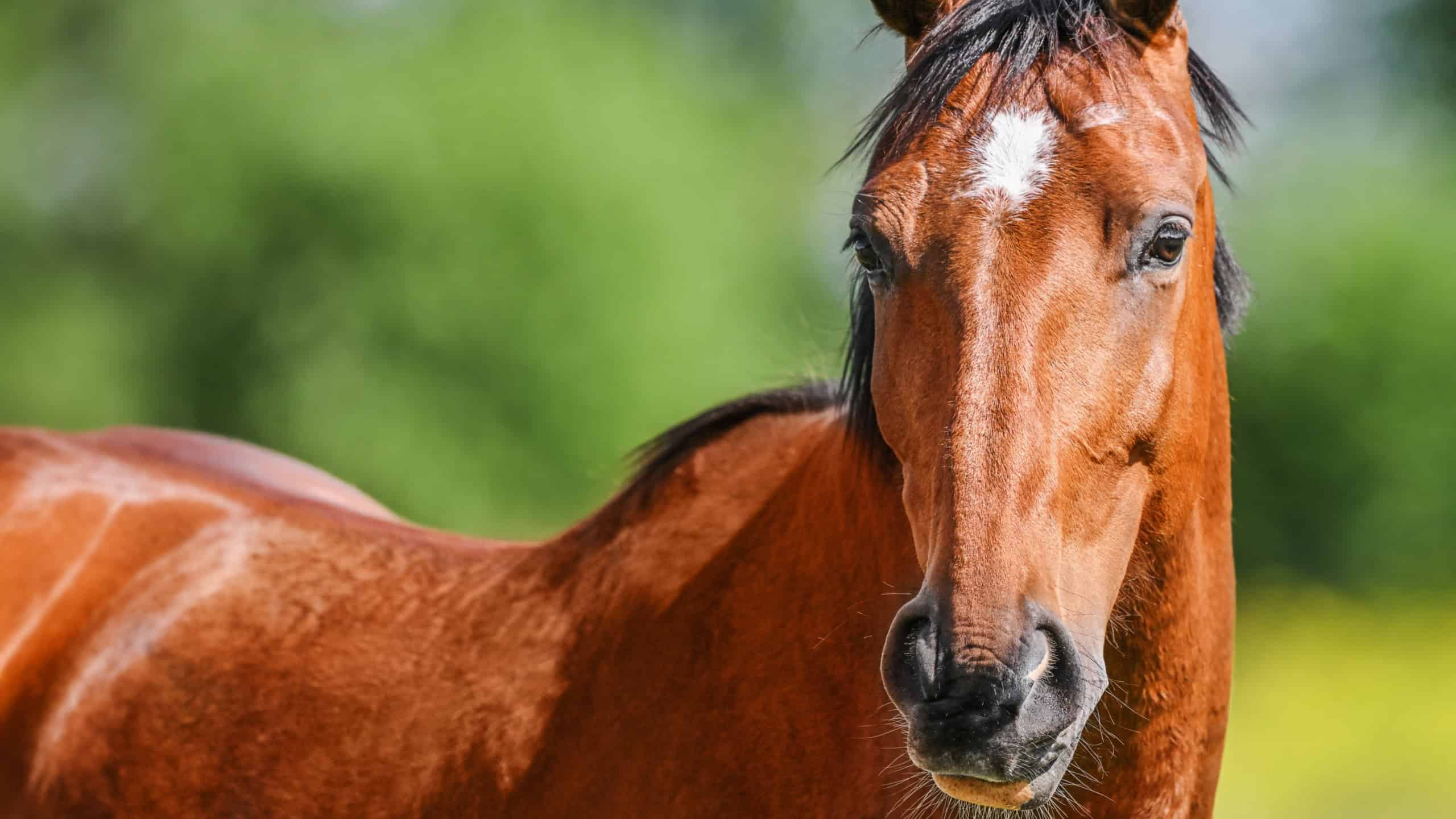
Horses sure are weird animals, and you might’ve noticed that they’ll twitch their skin when a fly lands on it. It’s thanks to a muscle sheet under their skin, called the panniculus carnosus, and a lot of mammals have it. Not us, though.
We’ve got leftovers of it, yes, and some of the related muscles, sure, but we don’t really have the full-body version of this muscle sheet anymore. We have to shake our whole body to get bugs off.
A sense under the surface

The shared ancestor of most vertebrates was living on Earth around 500 million years ago, and it had a special ability. It could detect weak electric fields in water. These days, however, only some fish can do it, and that’s because their ancestors stayed in the water.
Our ancestors headed for land, so we stopped needing to detect these fields, and other animals went the same way. Reptiles, birds, and other mammals can’t detect them either because, really, there was no point. They’re on land now, for the most part.
A breath from water
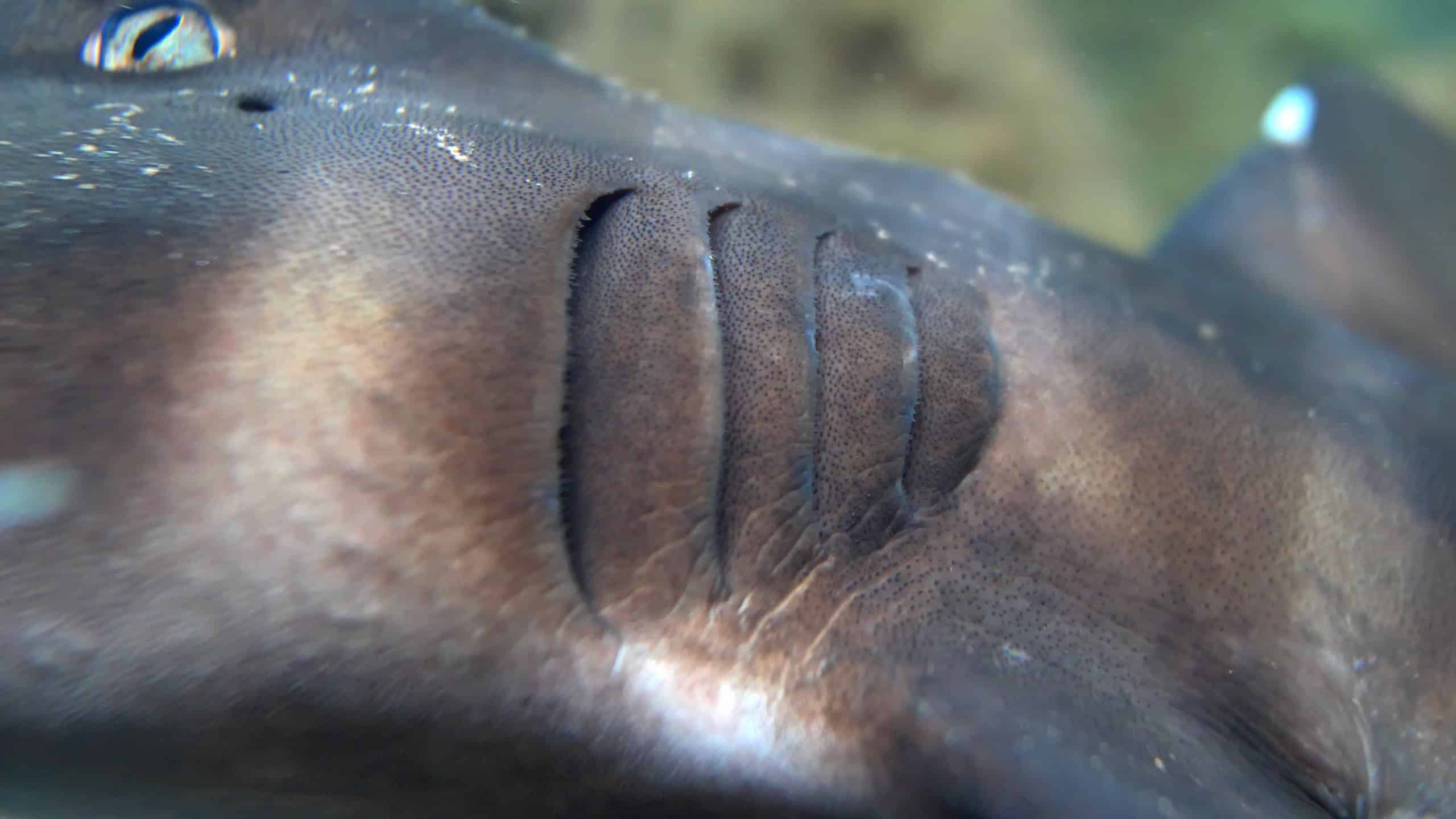
There’s also the gill thing. Our distant ancestors, the ones that were around long before anything human-like existed, were vertebrates with gills, meaning they could breathe underwater without any extra equipment. We don’t grow gills anymore.
Interestingly, human embryos still form pharyngeal arches, a kind of structure that supports gills in fish, but in humans, they’re used to build heads and necks. Funny how that works.
Sources: Please see here for a complete listing of all sources that were consulted in the preparation of this article.

