

It sounds kind of strange, but plenty of normal people believed things sixty years ago that are completely wrong to us today.
The written clue

Handwriting was something way more serious back then. People thought it’d tell you about someone’s character. It was part of a pseudoscience called graphology that was genuinely popular in business circles.
Big loops and hard pressure were a giveaway. So were slanting letters and cramped spacing. How you wrote said everything about the kind of personality you had. Except that’s not true. There’s no strong evidence for it.
A small break
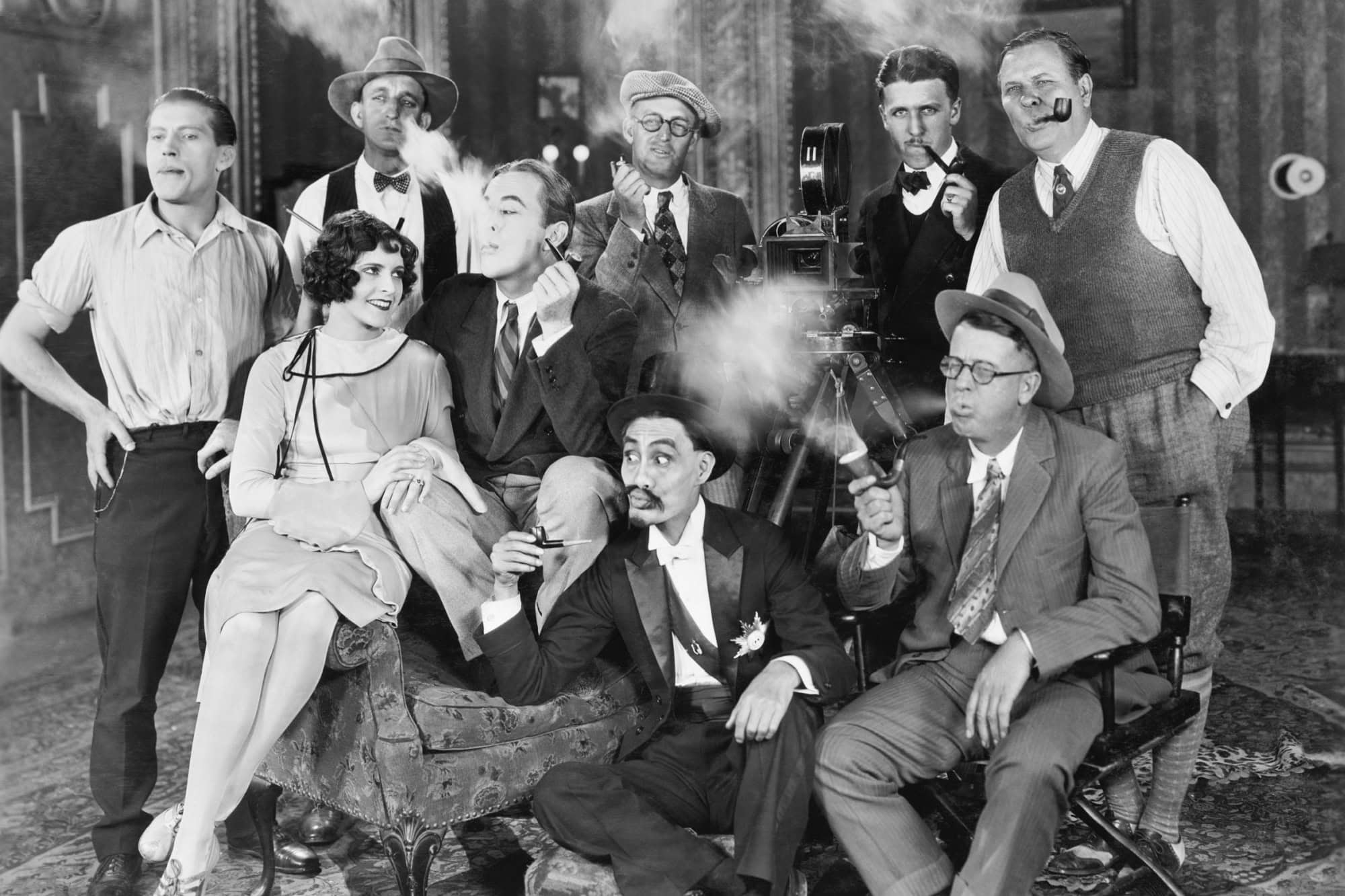
Cigarettes were once seen as the best mood booster. You felt tense? Then you’d have a smoke. Long day? Time to light one up. It’s not like some people don’t think that today, but it was way more common back then. It was something ads showed all the time.
People genuinely thought cigarettes would help you calm your nerves, and they thought nothing of the health risks. It’s pretty different today. The image of the smooth and relaxed smoker is nowhere near as common.
The proper path

Girls and young women in the 1960s had one finish line in mind. They had to marry well. They had to keep a good home. Wanting something else simply wasn’t possible, and you definitely didn’t make a big fuss about it.
Marriage, housework, and children were enough. They were what a ‘respectable’ woman wanted. At least, that’s what people said back then, although we thankfully don’t see it the same way anymore.
The wrong hand

Left-handedness. It’s not really a big deal anymore. But in the past, schools would seriously push kids to write with their right hand because they thought the left hand was somehow wrong or even demonic. Yes, really.
It really makes no sense. But any kind of difference, including being left-handed, was a sign of being a bad person. Kids were under a lot of pressure to write the ‘correct’ way. They’d be harshly punished for doing it wrong.
The slow starter

Learning difficulties weren’t something people recognized back then. When a kid struggled to read or do schoolwork, it was their own fault. They were lazy. They were careless. In some cases, people said they weren’t trying hard enough, and they forced the kids to work harder.
It wasn’t until later that people started understanding the idea of learning difficulties. Before that, people relied on discipline to ‘correct’ kids. They had to sit up and try harder. They believed the kids would grow out of it. Newsflash, learning difficulties don’t work that way.
The cold house

You saw a similar idea with autism. The ‘refrigerator mother’ theory was a common idea back then, and it basically blamed mothers for their child’s autism. Cold and unloving mothers apparently caused autism.
But in those days, scientists like Leo Kanner talked about mothers of autistic children experiencing ‘emotional refrigeration.’ Bruno Bettelheim also pushed that idea. It’s sad, really.
The push-button tomorrow

Look at the 1960s version of the future. Apparently, it was going to be absolutely ridiculous, filled with flying cars and robot maids. Don’t forget about instant food. You could get it at the push of a button. People genuinely thought the future was going to be, well, very futuristic.
History didn’t work out that way. We do have video calls and robot vacuums, but we’re still a long way from flying cars.
The wonder stuff

Asbestos had a completely different reputation in those days. It was something people kind of saw as a miracle mineral since it was practical and durable. Heat? Fire? Electricity? Corrosion? Not a problem. So people started using it everywhere.
Bad idea. Scientists later found out that it actually was a huge cause of cancer, and it was far from a builder’s dream. It was too good to be true, basically.
The tiny patient

Doctors saw babies in a different way in the past, too. They didn’t treat babies’ pain like it was actually pain. No, they thought that babies were reacting as a kind of reflex, rather than actual pain that adults experience. That meant they didn’t have to take infant pain so seriously.
When a baby cried during medical care, it didn’t matter because it wasn’t ‘real’ pain. It’s mostly because of older ideas about babies’ nervous systems. It took until the 1980s for the image to change. Thank goodness it did.
The old label

Hysteria has always had a messy history in the medical field. Women were usually said to have it. Any kind of vague symptom fit the bill, like fainting or nervousness, emotional outbursts or physical complaints. Doctors labeled it all as ‘hysteria’.
It was almost entirely a female sickness. But then, when Freud’s analysis arrived, the discussions started changing, although the ‘hysteria’ diagnosis continued in psychiatric language until the 1980s.
The worried stomach

Got an ulcer? That was because you were stressed. Or worried. Or maybe you had an ‘ulcer personality’ because, apparently, anxiety was the cause of these issues. It was common to think your mind caused your body’s problems.
Sure, that’s sometimes true, but not for ulcers. Your personality and stress don’t have an effect on them. It’s actually bacteria that has a big part to play instead of anything coming from your mind.
Sources: Please see here for a complete listing of all sources that were consulted in the preparation of this article.


