

These aren’t situations that are full of drama and shouting. They are quiet, and more of just everyday life where being “too nice” just complicates things more than it should. It is almost shocking how common this really is, and how rarely anyone really mentions it.
I learned all of this from people I have spoken with over the past several weeks. These were brief interactions with strangers, co-workers, family, and the people I met while waiting in line. I have learned from these brief conversations that being polite can actually make life more difficult.
Saying yes to additional work

You might just say “yeah, I can do it” to not disturb the flow at work, when in fact, your desk is a hurricane zone and you don’t feel like making yourself sound difficult. You accept the additional request with the reassurance that it’s only this time, and a few days later you’re staying late to complete something that wasn’t even yours.
What’s worse is how soon the pattern establishes itself. People start piling things on your desk as if you have multiple hours of free time hidden away.
Holding the door too long

You hold the door for someone behind you because you’re nice. Then you notice they’re still a long way off. Now you’re both trapped in a silly half-second of you waiting and them rushing.
You can see them picking up their pace just to not seem rude, and you start wishing you had just let the door close. When they get to you, you both feel a little embarrassed for no reason at all.
Letting someone skip in line

You think it’s fine to let one person cut in. But then a couple more squeeze to the front, and all of a sudden the line seems to be bending in half on itself.
Someone behind you is giving you that “really?” look, and you can practically hear their whispered gasps of disapproval. You just stand there awkwardly, silently questioning how your little act of kindness got so out of hand.
Not correcting a wrong order in public

You receive your order and it is visibly incorrect. But you dread asking the waiter to return in front of other people, so you simply smile and make no comment.
You go on to eat a meal you don’t really like, to distract yourself from the incident, until you feel bad about not speaking up. Even worse, you could feel sick from eating something you are not prepared to eat.
Accepting vague invitations
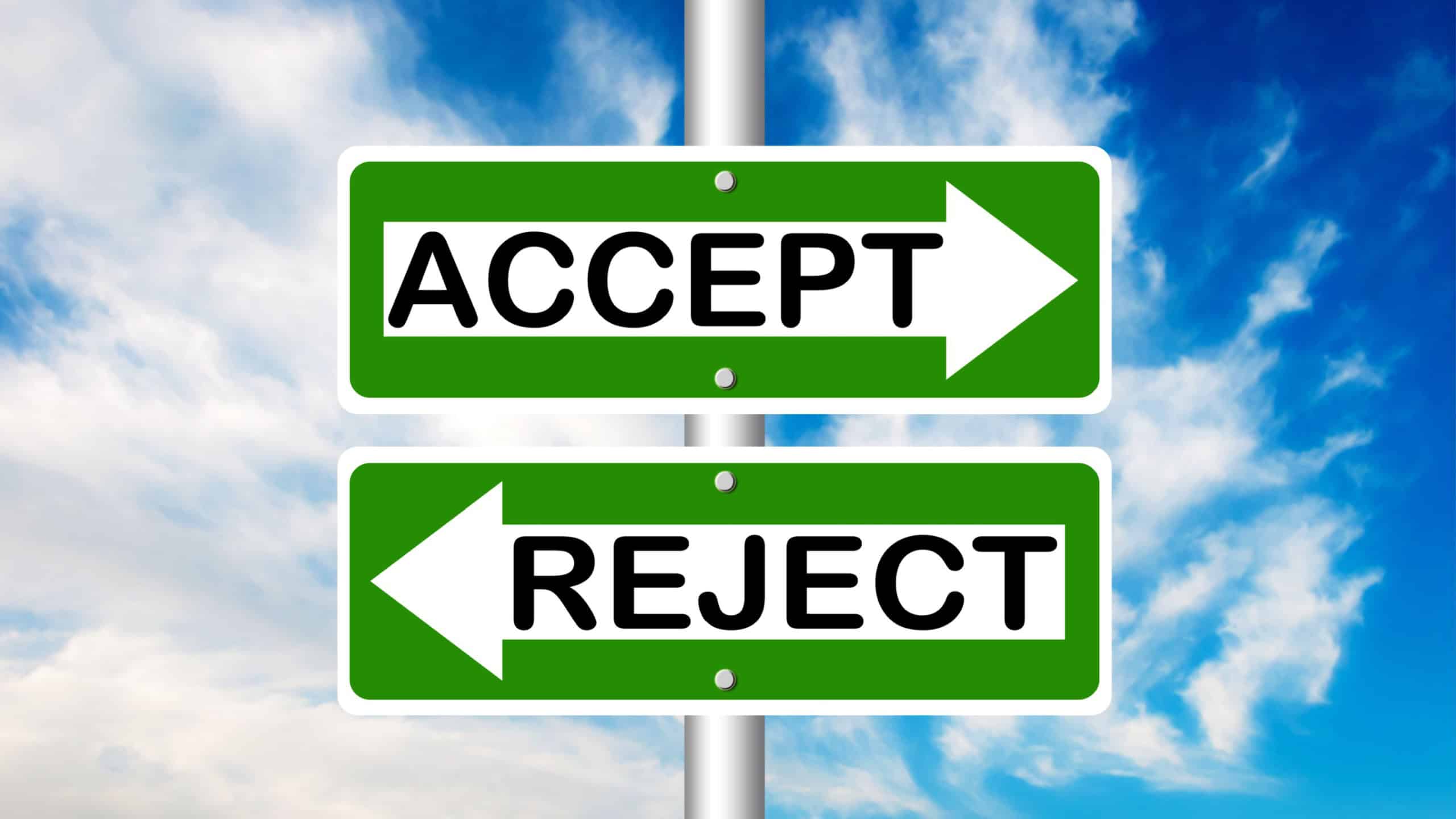
You often find yourself saying “yes, I’ll try to make it” even though you have no clue if you will actually be able to or not. It seems easier than talking about your plans or being a complete “no”.
However your schedule becomes this cluttered mishmash of half-committed events and conflicting plans. You become frazzled, trying to appease everyone, while also being consumed by guilt over your decision.
Constant apologizing in work emails
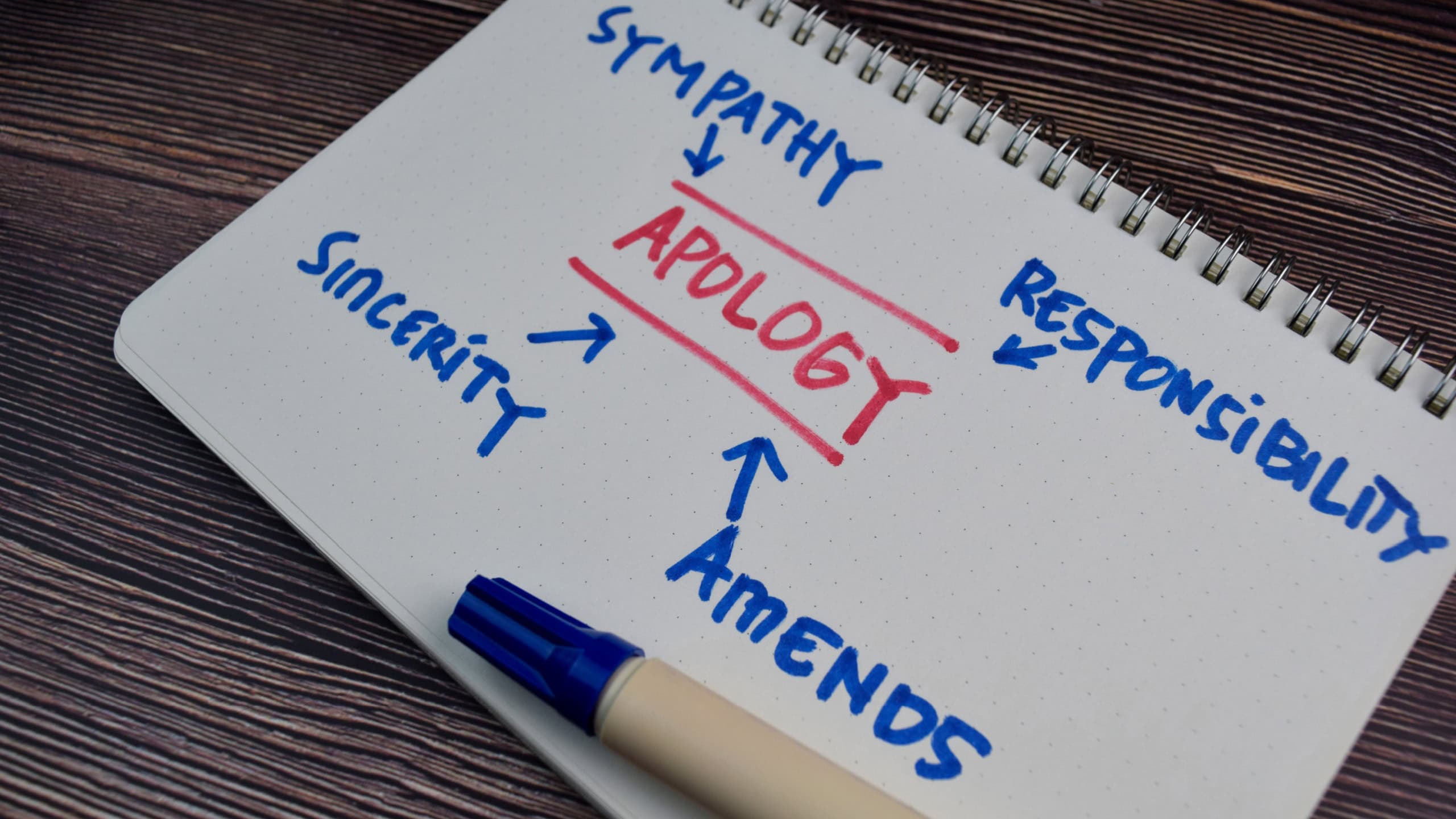
You mean well and just want to be polite, but in reality you are just making yourself sound more meek and weak than you should. Sometimes your coworkers notice this and ask if you’re okay, and you wish you’d just said less.
Agreeing to pay for everyone’s share

You’re trying to be gracious, offering to pick up the tab for your friends or co-workers when you go out. But it’s not always received well.
They can all start chanting that they’ll “take you out next time,” and a strange tit-for-tat begins. Some will feel awkward, others indebted, and you’ll second-guess if you went too far.
Not interrupting, even in urgent moments

You don’t want to interrupt someone, even when it’s really important to interrupt them. A meeting is going in the wrong direction, or someone is sharing wrong information that will mislead the rest of the conversation; but you wait for a break in the conversation that never seems to come. By the time you do get the opportunity to jump in, it’s too late.
Giving overly cautious compliments

You can go overboard with politeness sometimes. In your determination not to insult or in any way upset the other person, you bungle the compliment so it sounds like a riddle.
You beat around the bush so much, over-qualify it, and in the end they look at you as if you’ve lost the plot. Instead of feeling flattered, they feel puzzled and slightly suspicious.
Declining indirectly

If someone offers you something you don’t really want, you may try to hint “Oh, you didn’t have to,” or “Maybe later.” The other person is usually hearing modesty, not refusal.
Then they insist, you avoid, and the entire interaction is a long, drawn-out exchange neither person wants. A quick “No, thank you” would have been simpler, but good manners make the situation more weighty than it has to be.


