

Doctors notice hundreds of nonverbal cues about your health before they even take your pulse.
Slight asymmetry in your smile or eyebrows

Your doctor is scanning your face when you first say hello.
A slight difference in facial muscle tone or one corner of the mouth not wanting to rise as quickly as the other during a smile could indicate mild facial nerve paralysis or even a previously unrecognized transient ischemic attack.
Doctors tend to hold off on mentioning this until they’ve first conducted a discreet neurological exam, avoiding unnecessary worry about your brain health.
The sound and tempo of your walk
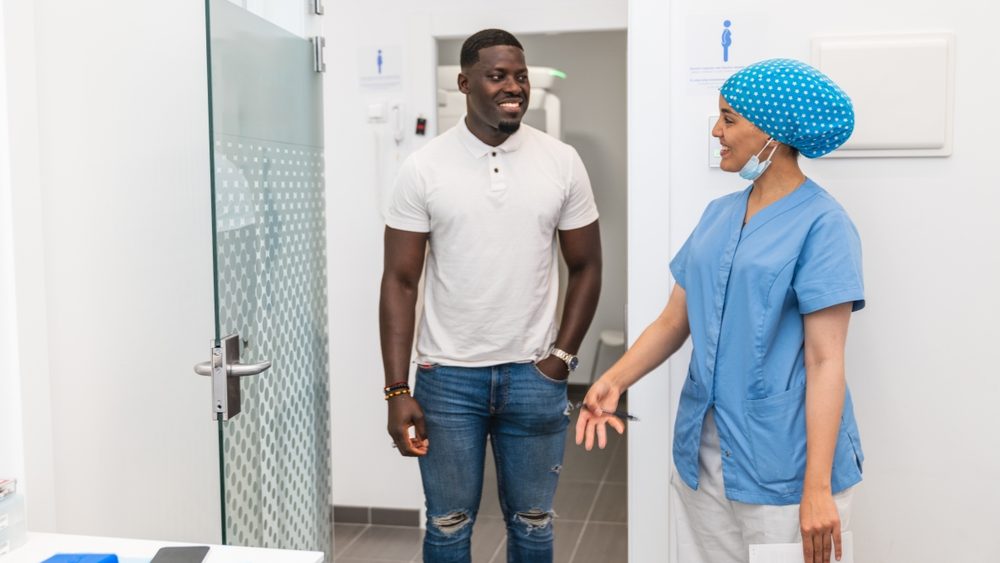
Walk long enough and your stride tells a detailed physiological story before you ever sit down in the exam room chair.
Doctors notice that their patients have a soft shuffle rhythm, abnormally wide stance or drag one toe slightly and it can indicate early signs of extrapyramidal movement disorders, spinal cord compression or degeneration of the hip joint.
Patients often attribute these changes to “getting older,” so physicians refrain from mentioning it until they can fully assess your musculoskeletal system.
Unique odors that aren’t from bad breath or morning coffee

Within seconds of sitting next to you, your doctor will have detected certain chemical odors.
Sweet or fruity smelling breath may signal high blood ketones or metabolic abnormalities. Salty or ammonia-like breath smells may suggest decreased clearance by your kidneys.
Because it is notoriously awkward to comment on bodily or breath odors, physicians will most likely skip ahead and request basic metabolic panels.
Creases that cut across your earlobes
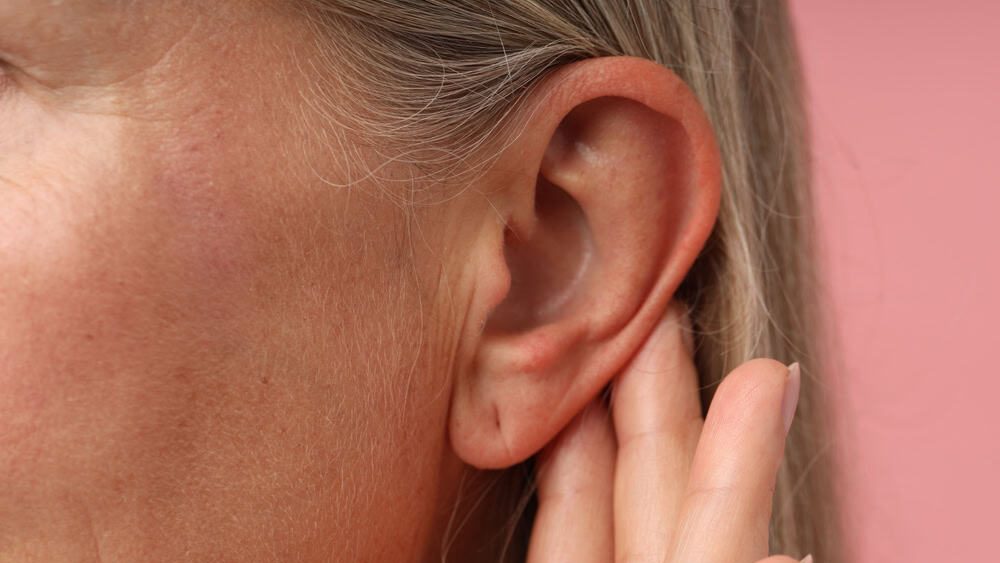
Your profile view reveals more to a doctor than your choice of earrings.
A significant diagonal fold through the earlobe tissue, referred to medically as Frank’s sign, has been linked in cardiac research to a higher likelihood of coronary artery disease and diminished skin elasticity.
Because a creased earlobe is merely a visual clue and not a diagnosis, physicians mind their manners and discreetly move your blood pressure and cholesterol tests to the front of the line.
Tiny yellowish patches near your eyelids
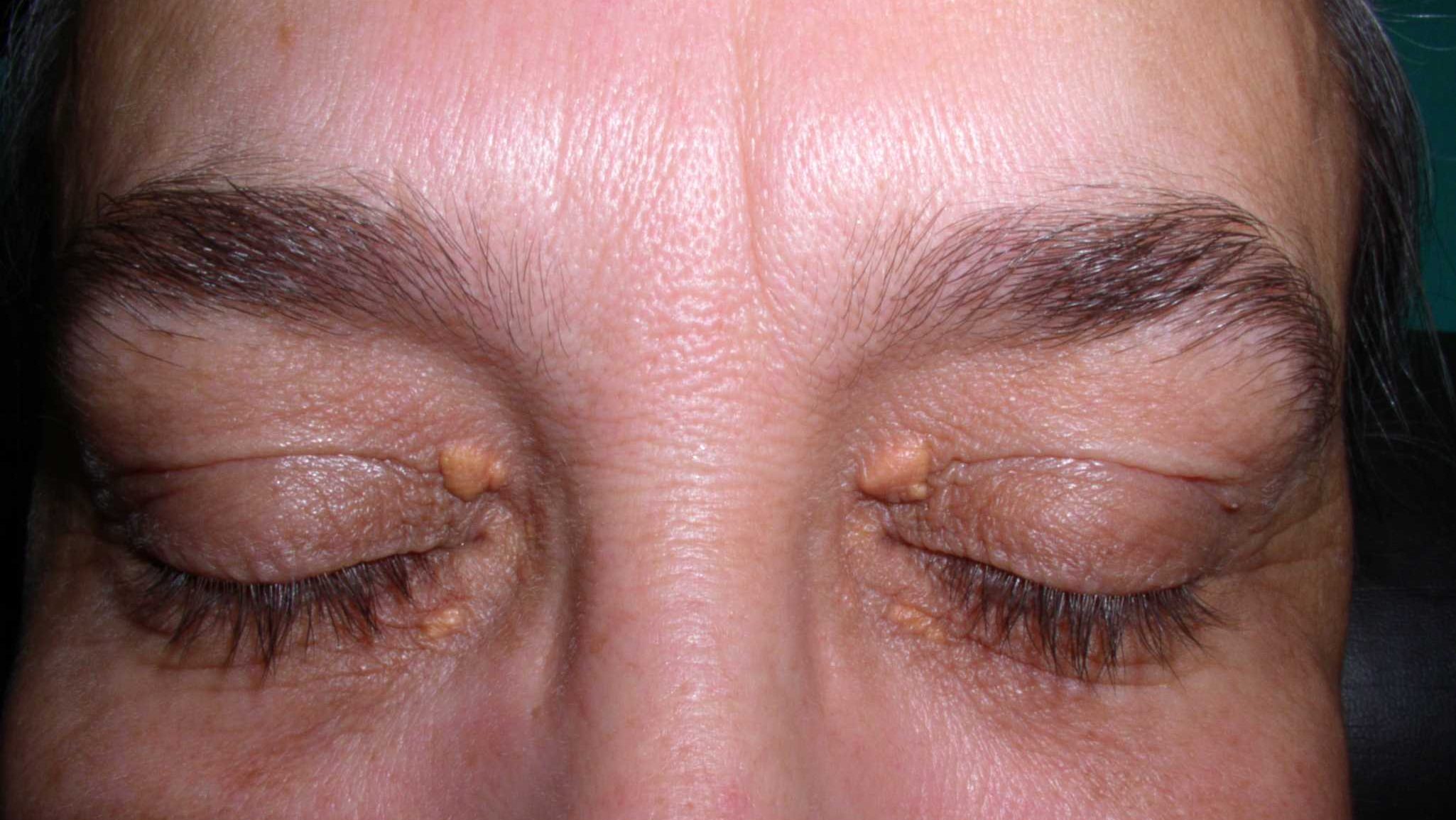
As you first make eye contact with your physician, they observe little soft, yellowish flat growths sitting near the inner corners of your eyelids.
These asymptomatic deposits of skin, known as xanthelasma, are caused by deposits of cholesterol just under the skin.
A physician won’t bring them up as purely cosmetic concerns, opting instead to request a lipid panel to evaluate your cholesterol and overall arterial health.
Unusually deep horizontal forehead lines
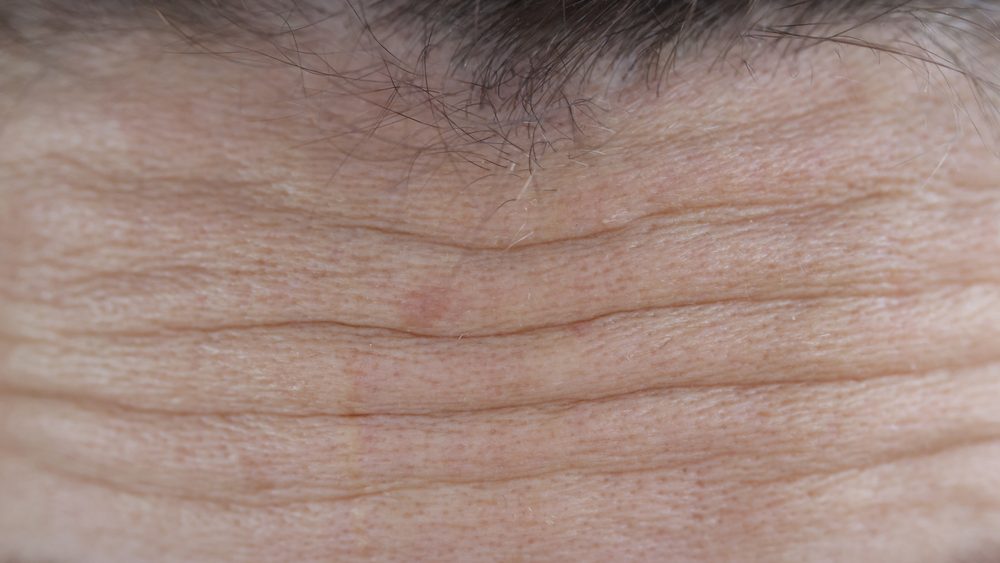
Facial creasing is normal. However, your doctor can tell if you have deep creases across your forehead when your eyebrows are only slightly lifted.
This chronic muscle tightness likely stems from you unconsciously tensing your frontalis muscle to raise your drooping upper eyelids (ptosis) so you can keep your full field of vision clear.
Doctors tend to hold back from bringing this up without prompting, as patients often mistake the observation for a comment on their skin rather than an issue with eye mechanics.
Micro-tremors
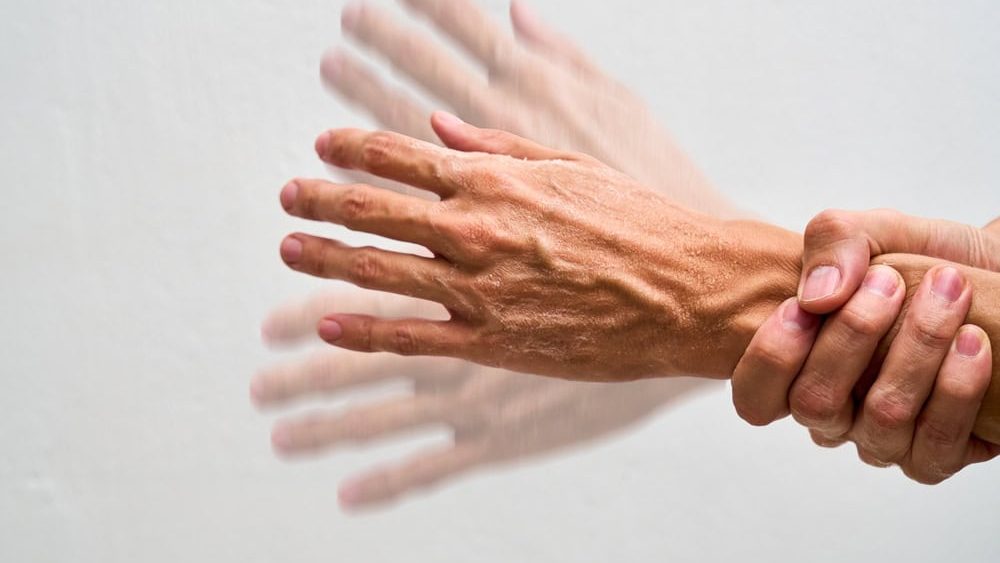
You walk into the exam room with your cell phone, water bottle, or maybe some documents in your hands. As you place these objects down, the doctor takes note of how steady your hands are.
A doctor might notice tiny, quick hand movements during precise activities that suggest hyperthyroidism or essential tremor. However, they avoid jumping to conclusions about hand tremors because they know how frightening it can be to think you have Parkinson’s disease. Instead, they wait to administer a neurological test.
Dark, velvety textures on the back of the neck
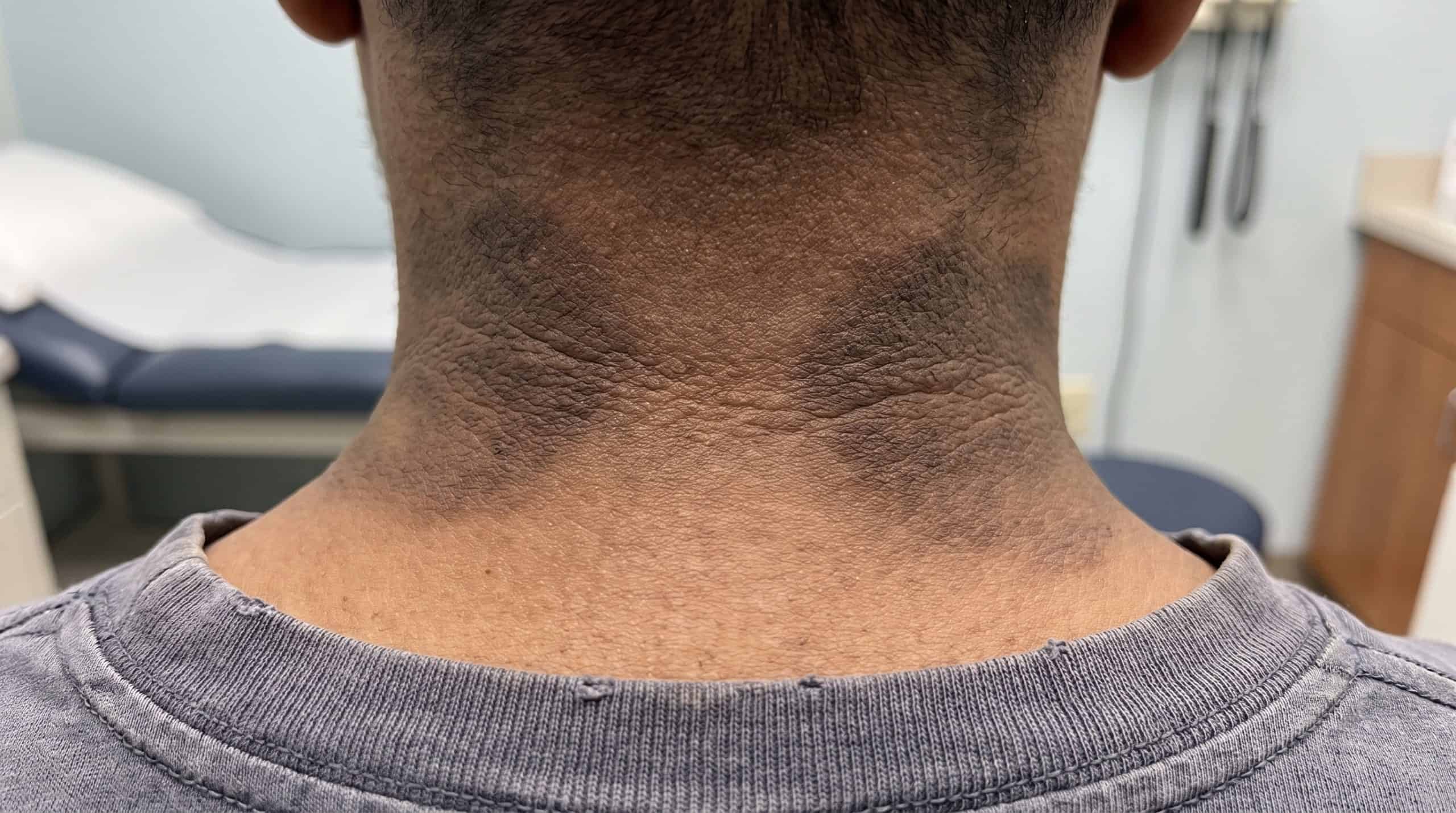
One thing doctors are looking for when they’re assessing your overall body position from behind or the side are dark, thickened or velvet-like patches of skin on the back of your neck.
Called acanthosis nigricans, this particular skin condition is caused by hyperinsulinemia, meaning your body has to work extra hard to keep your blood sugar under control.
Doctors are careful when they bring this up, as patients often mistake the darkening for dirt rather than a medical issue.
The shape and angle of your fingernails
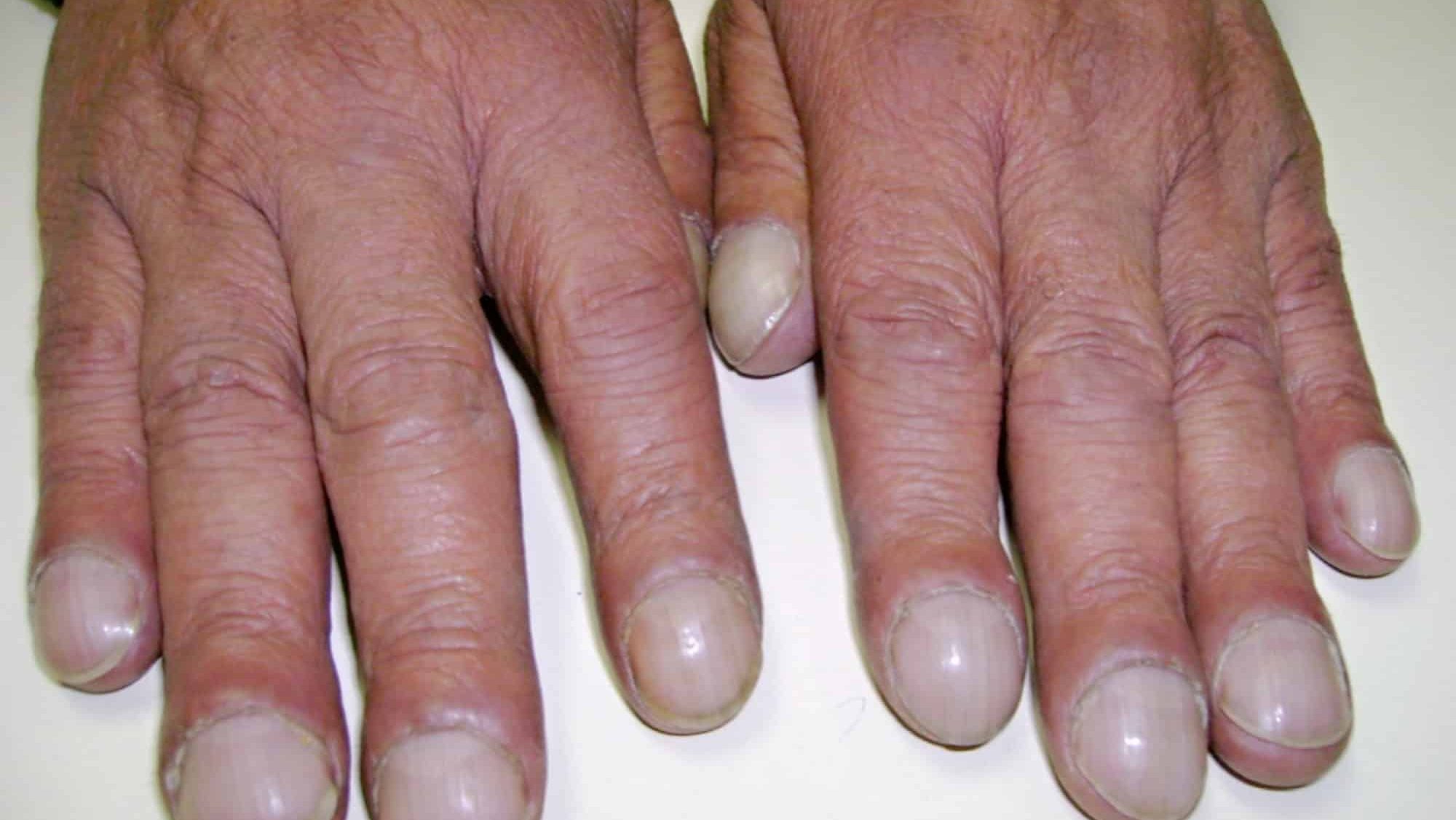
When you shake your doctor’s hand or simply rest your hands on the table, they may learn more than you think.
If the tips of your fingers appear rounded and your nails curve downward, you may have a condition known as digital clubbing. While it doesn’t typically cause any discomfort, it can be a sign that you haven’t had enough oxygen in your blood for an extended period.
Clubbing of the fingers can develop with diseases like interstitial lung disease, some congenital heart defects, and inflammatory bowel disease. If your doctor notices this, they may want to run some tests to see what’s causing the problem before discussing the issue with you.
How you use furniture around you for support

Simply by watching you enter a room, a physician can sometimes assess your need for furniture support. Do you reach for the door, desk or back of a chair when you enter? You may not even be aware that you’re doing it.
However, if you regularly grab furniture when you walk, it could be a sign of issues with your balance, loss of foot placement awareness or even slight confusion.
Doctors can often detect this unconscious habit before the individual is aware of it, as it’s something many people don’t realize they’re doing.
Sources: Please see here for a complete listing of all sources that were consulted in the preparation of this article.
Like our content? Be sure to follow us.

