

Acting in control is one thing. Building a whole routine around looking the part is another thing, and it’s usually through habits such as how you use your voice or where you look. Each of these tricks is subtle & deliberate. Let’s look at ten research-backed things people do to look in control. Have you seen someone do these before?
Featured Image Credit: Shutterstock.
Lowering vocal pitch and ending sentences with downward inflection

Sure, dropping your voice a bit lower & making your sentences fall off at the end sounds simple. But it’s a popular trick for people who want to be in control. It makes sense, as people respond to voices that feel grounded & final. A little pitch drop is all it takes to make a regular comment seem more like a command.
Wearing structured, darker clothing to project authority

Outfits do half the work before anyone says a word. People who want to seem in control will rely on wearing dark suits & fitted jackets to suggest that they’ve got things covered. They might even wear some crisp shirts. Can you blame them? There’s just something about dark clothes that feels so…powerful.
Using middle initials or titles in formal contexts

Something as small as adding “J. P. Smith, Ph.D.” may change how you come across. Studies show that we perceive people with middle initials as having a higher status, especially in academic or business settings. People know this. As such, they’ll change versions of their name depending on context, just to seem a little more together.
Adding chair height and a desk barrier for office conversations

Even the way your furniture is set up matters more than you’d think. Sitting behind a desk with a taller chair puts you in the “control” position because it physically gives you a sense of power in the conversation. That’s why you always see one person towering slightly above in performance reviews or interviews.
Straightening papers or objects before speaking

Right before these people even speak, they’ll tidy the surface by squaring the stack & nudging a pen into place. They may also close a stray folder. This way, their sense of tidiness reads as deliberate, not jittery, even though they’re actually staging the moment so the first line doesn’t come out rushed. Just a few seconds, maybe three, and they’re ready.
Speaking in complete sentences instead of trailing off

People aiming to seem controlled will always finish their thoughts. They put a period on the end, then pause, without any half-starts or comments like “anyway…”. Just a clean stop. Doing so makes the idea easier to track & keeps the pace even. It sounds planned without being stiff, and that’s exactly what they’re hoping for.
Keeping water nearby and sipping slowly

Despite how it seems, water on the table is actually a tool for some people. They leave it there so it’s within reach & they’ll take a sip before difficult answers. Then again after. Taking a pause cools the tempo and keeps their voice from thinning out, which helps them seem more together. It also gives a controlled hand movement when they’re not sure what to do with their hands.
Walking into a room a few minutes early and already set up
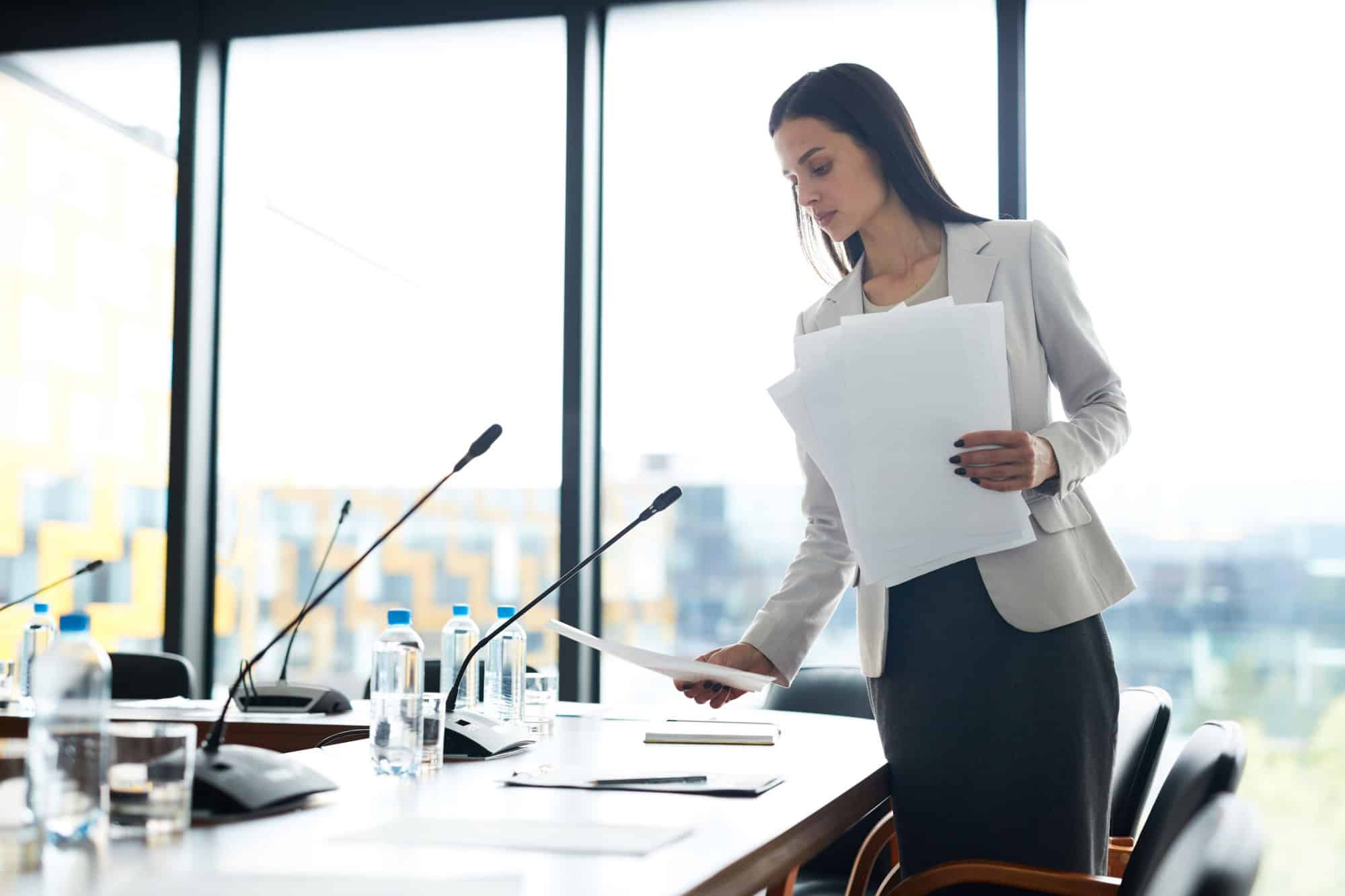
Being a few minutes early is always better than being late. It also helps you set the stage, with your laptop open and everything ready to go. Having a head start makes you seem calm & prepared, regardless of whether the actual preparation happened right outside the door. You just have a sense of control from the first minute.
Nodding slowly while someone else is talking

A slow, even nod shows they’re following while keeping their nerves under wraps. It’s an unhurried sort of cadence. Simply one or two nods, then going still, prevents people from jumping in and also buys some processing time. The whole exchange looks steady and as though they’re in control of the tempo…even if they’re really not.
Looking at the camera lens on video

Video calls are a normal part of life now & some people will move the active window near the camera. Then, they’ll lift the laptop to eye level. This is important because when it’s their turn, they glance at the lens instead of the faces on screen, which viewers see as present.
Sources: Please see here for a complete listing of all sources that were consulted in the preparation of this article.
Like our content? Be sure to follow us.