

Streaming services made movie night simple, but they also ended an entire genre of rituals once associated with movie night rentals.
Wandering the aisles

Going to Blockbuster was never just a five minute trip. You browsed up and down aisles of VHS tapes (and eventually DVDs), rifling through comedy, horror, action, drama, and family sections all while saying “How about this one?” repeatedly.
Flipping a movie case and reading the synopsis on the back was part of the vetting process to see if a film was worthy of your night. Sometimes you went in for one movie and left with another just because the artwork was enticing.
Streaming services have preserved our browsing instincts, yet staring at thumbnails will never compare to roaming around a store with friends or family members.
Racing for new releases

Friday and Saturday nights could make the new release aisle surprisingly cutthroat. Blockbuster might have multiple copies of a big movie, but there were always only so many, and high-demand movies would fly off the shelves fast.
Shoppers scanned the shelves looking for the tell-tale blink of an available DVD hiding behind the display box or in its own little slot on the shelf. Having every copy checked out meant picking something else or trying another night.
With streaming, that specific kind of disappointment became a thing of the past, because millions of people can generally watch an available movie at once.
Staff pick tags
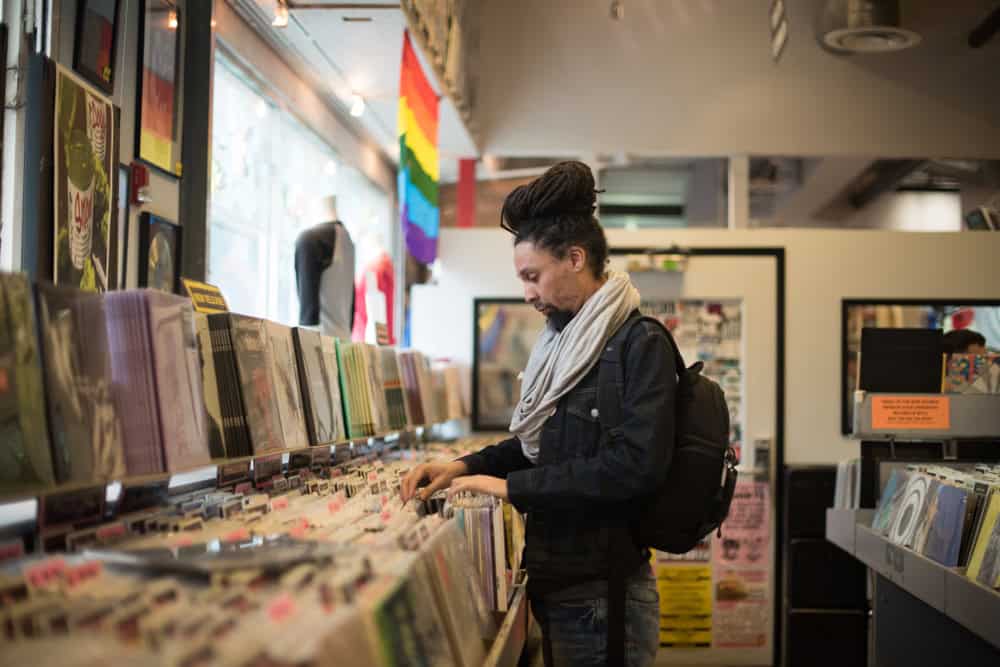
Going through rows of hand-written cards taped to obscure, little-seen gems made by staff members who were total film fanatics served as an individualized way to unearth cinematic treasures. The recommendations from store staff were a gateway to independent movies, international films, and superb low-budget horrors that were absent from television advertising.
Nowadays, algorithmically generated picks are curated by watch history and dollars spent on advertisements instead of passionate movie watchers.
Judging the cover

Back then, the look of a movie’s cover was a really big deal, especially since you couldn’t just watch a trailer as you browsed. Customers looked at the cover art, actor names, taglines, pictures, and synopsis on the box before deciding what to rent.
Great artwork could sway you to rent a movie you’d never heard of. Lazy artwork could make you pass on a gem. Sure, there were video reviews in newspapers and magazines. But most people weren’t comparing every title while standing in the aisle.
Loading up on snacks
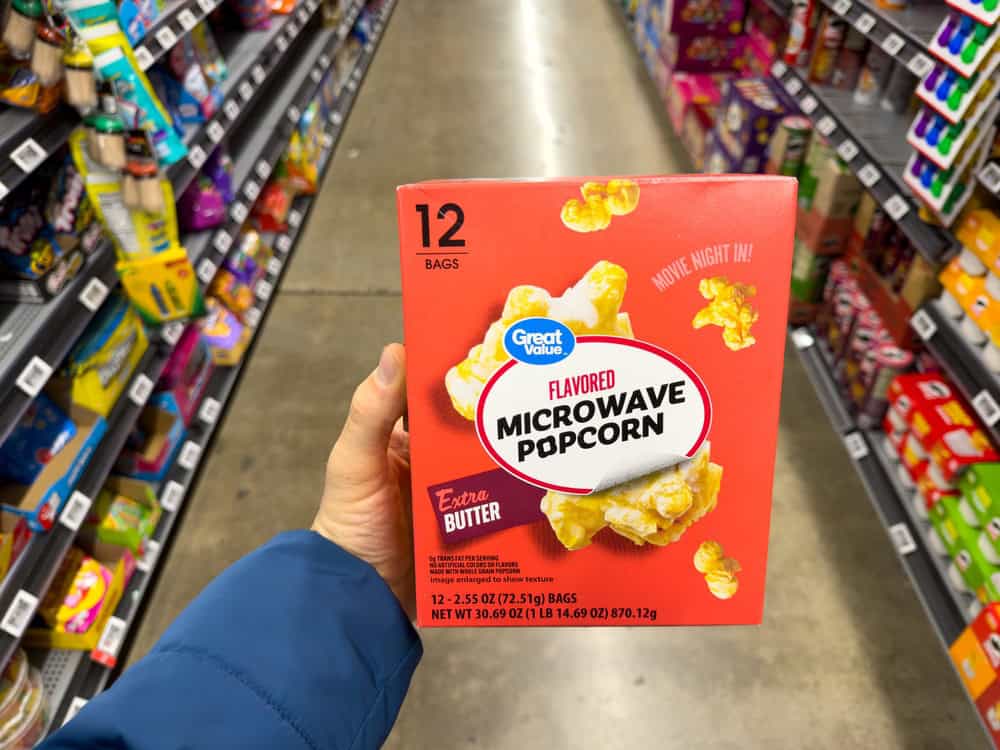
Movies weren’t the only impulse buys lurking within Blockbuster aisles. Checkout lines were filled with popcorn, boxed candies, chocolates, soda, the usual movies and Friday night snacks. Each store and era had different options, but after deliberating for thirty minutes on what movie to rent, you were susceptible to tossing something candied or salty in your cart at the last second.
Trying to talk your parent into candy was part of the deal if you were a kid. Before you knew it, you were walking out with movies and snacks in hand. Your night just became special.
Membership cards
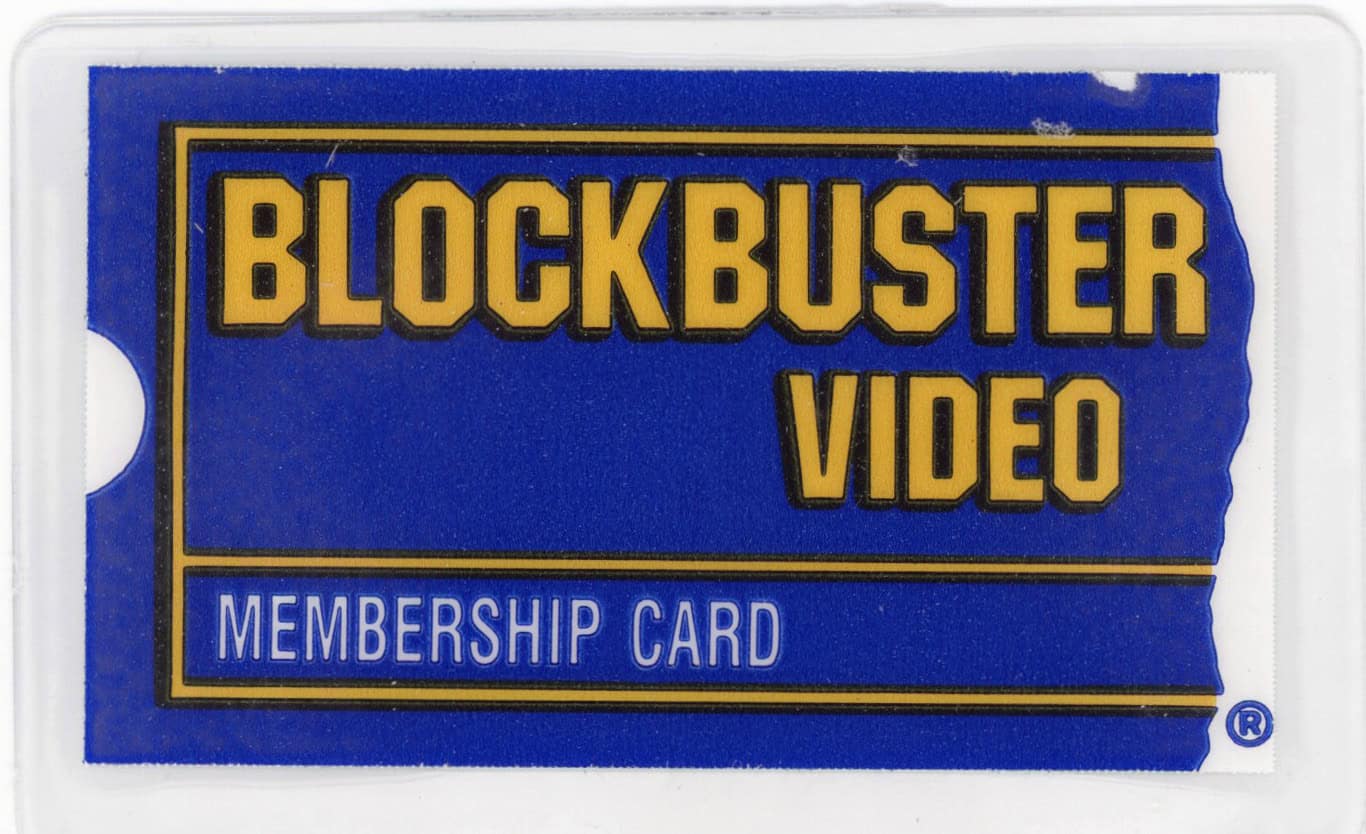
Back when entertainment wasn’t confined to phones and smart TVs, Blockbuster members carried actual cards tied to their rental histories. Cards were kept permanently stored in some parents’ wallets/purses. There were also little keychain editions, which, as you might guess, often ended up on actual keychains.
The process of renting required taking your movie selections to the counter to be processed by an attendant who would handle your account and rentals. It became so routine that many former customers still have old cards stored in drawers and boxes.
Streaming eliminated that little card and replaced it with email addresses, passwords, profiles, and monthly payments.
Rewinding the tape
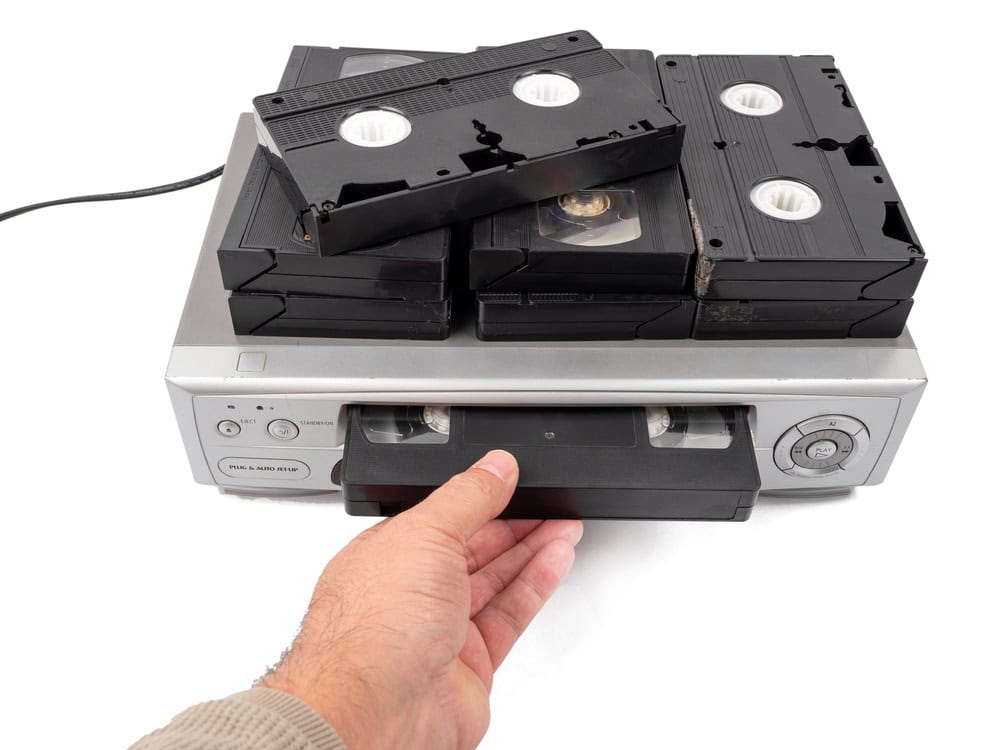
Checking old tapes for the iconic yellow sticker reminding you to rewind and manually rewinding videotapes with specialized race-car-shaped rewind machines was considered rental protocol. If you left a tape un-rewound, you were burdening the next person or getting a little fine.
It built a sense of community-minded accountability within cinephiles. The convenience of instant streaming meant we no longer had to deal with that outdated task
Watching the due date

Every rental had one thing streaming viewers typically don’t have to worry about: the necessity to return a physical object by a certain time. If you kept a movie too long, depending on the era and rental agreement, you might incur additional fees.
That meant families needed to keep track of when each title was due. Somewhere between lounging on the couch and snuggling into bed, that heap of forgotten VHS tapes or DVDs sitting next to the TV might remind you that someone needed to drive to the store.
Blockbuster’s policies varied throughout its lengthy history, including significant changes around late fees in the company’s final days. However, deadlines were built into the physical-rental process.
Social hub

Running into old high school classmates, neighbors, co-workers, or former teachers while standing in line to rent a movie made popping down to your local video store feel like a neighborhood meetup. Your local video store was a place where customers swapped reviews, argued about film, and shared local news while they waited for their rental history to be retrieved.
Streaming eradicated movie watching as a social activity and removed these familiar places from our neighborhoods forever.
Maxing out rental bundles
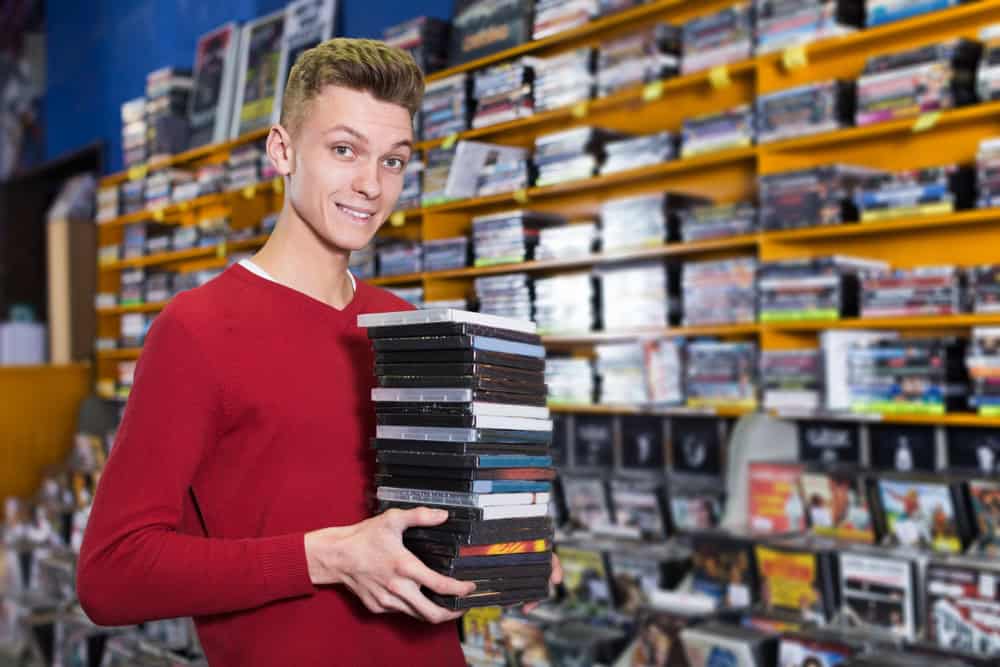
Planning a weekend marathon for several films involved juggling New Releases you really wanted to see with budget-friendly catalog titles under multi-day rental bundle promotions.
You actually had to do the math to make sure the movies you wanted would fit within your five day rental period before huge late fees kicked in. Every film lying on your coffee table had its place in your schedule. These days Netflix queues go on to infinity and beyond.
15 things younger generations don’t understand about boomers

Baby boomers were raised in a very different era, and many of their habits and attitudes can seem baffling to younger generations as they don’t understand Boomers’ perspective. That’s expected and natural.
15 things younger generations don’t understand about boomers

